Steel Cable-stayed Bridge: Mastering Long Spans with Zhongda
2026-07-03 14:46:31






When building equipment needs to reach across rivers, mountains, or busy city streets, steel cable-stayed bridge technology is the best way to do it. These buildings combine the beauty of modern design with strong engineering. They use high-strength steel wires attached to tall pylons to spread out heavy loads effectively. We at Shenyang Zhongda Steel Structure Engineering Co., Ltd. are experts in Q420qE steel solutions that turn big bridge projects into lasting works of engineering brilliance. Our clients include government contractors and industry developers from all over the United States and other countries.
Understanding Steel Cable-stayed Bridges: Principles & Advantages
How Cable-stayed Systems Work
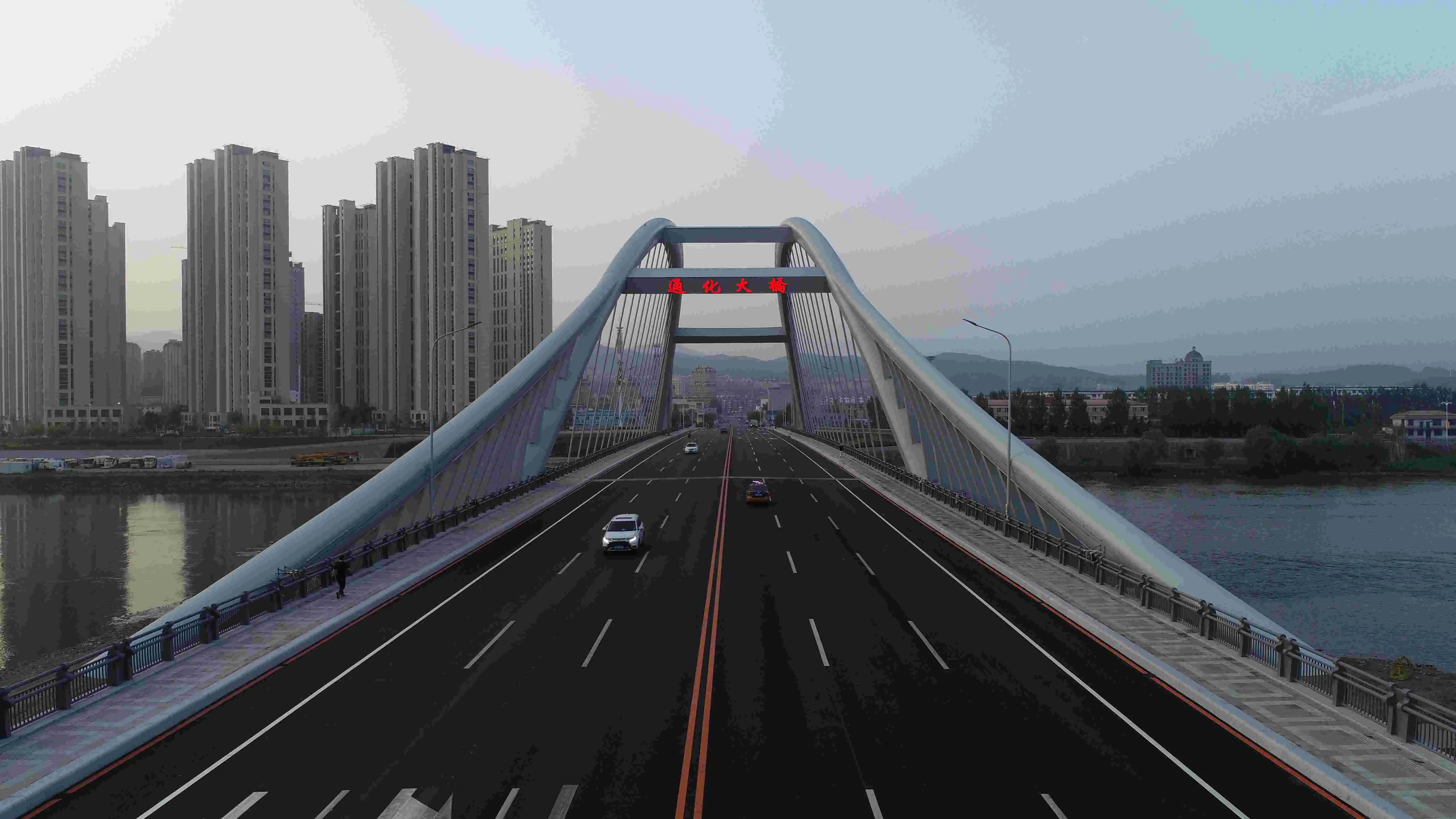
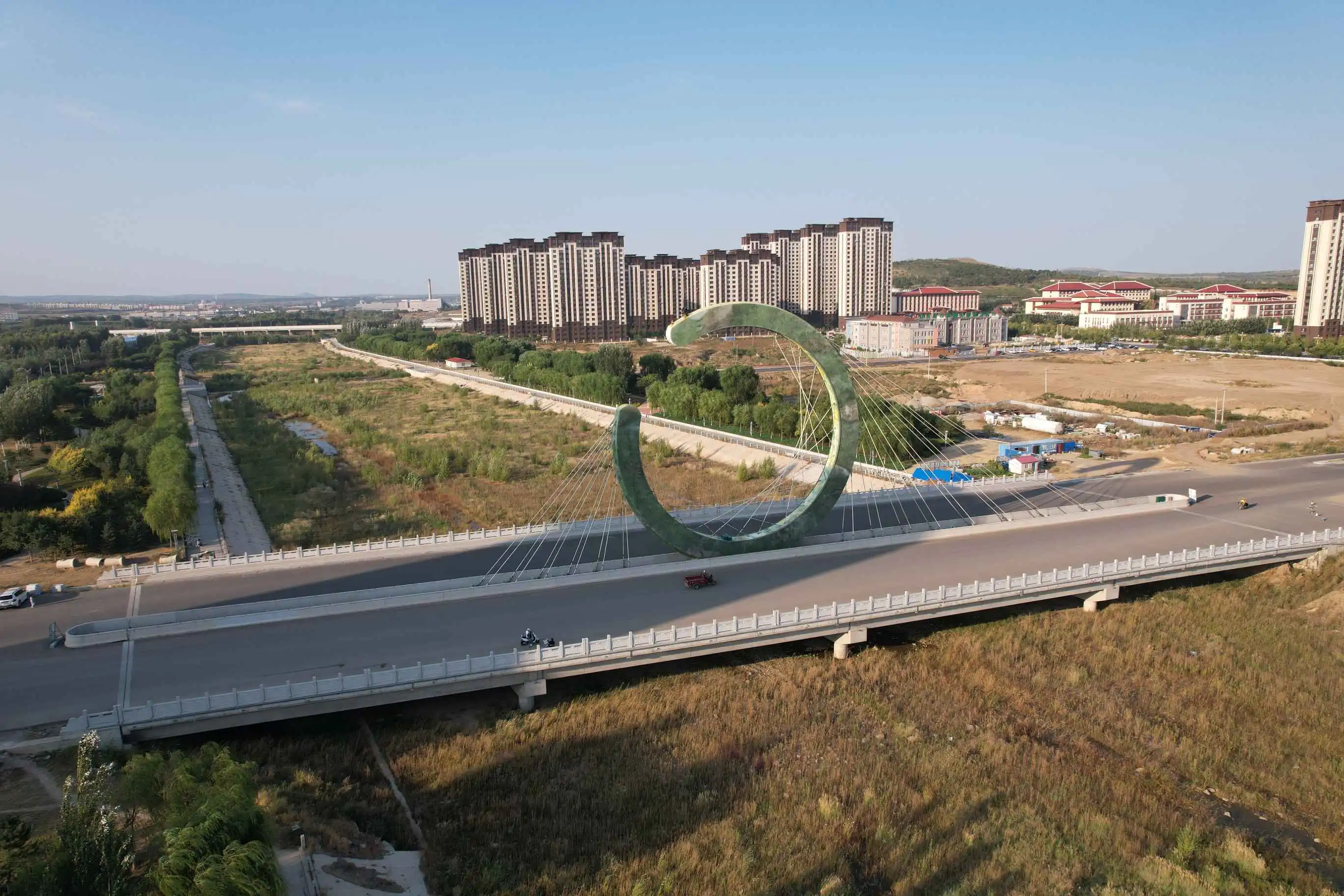
Steel cable-stayed bridges change the way long-span construction is done by managing loads in smart ways. Instead of using many support piers like standard beam bridges do, these designs suspend the bridge deck from vertical towers using steel wires that run outward. Each wire acts as an inclined strut, moving loads from vehicles and the surroundings straight to the pylons and then down to strong supports. This layout lets major spans go up to 800 meters, which is a lot longer than usual methods, while still keeping the structure strong in the face of changing traffic and extreme weather.
Our Q420qE steel, which has yield strengths above 420 MPa, is the main part of these devices. This high-performance metal has a very high tensile strength and can be welded, so it can be used to make cable towers from plates that are 60 to 120 mm thick. The result is a better strength-to-weight ratio that lowers dead loads. This lets builders make longer reaches while using less material than concrete options.
Core Benefits for Infrastructure Investments
Modern steel cable-stayed bridge building has many benefits that go beyond how it looks, but there's no denying that it has an effect on architecture. Here are the main reasons why these designs are appealing to people who work in B2B procurement:
- Cost-Effectiveness: Not needing as many piers means much lower base costs, which is especially helpful when crossing deep rivers or sensitive environmental areas. Zhongda's BIM-based digital design method finds ways to optimize materials during the planning stages, which cuts waste by 15–20% compared to traditional estimate methods. Our 60,000-ton yearly production capacity lets us keep prices low through economies of scale while still meeting the highest quality standards.
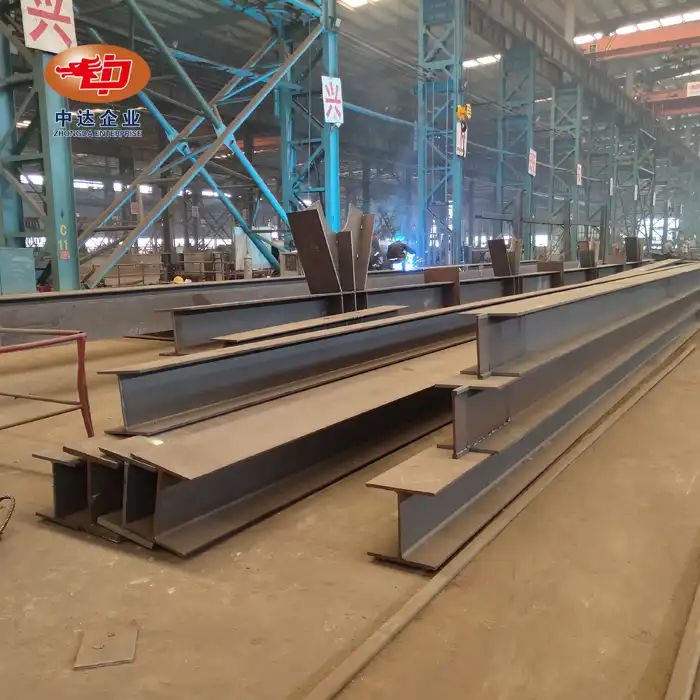
- Accelerated Construction Timelines: Our 120,000 m² Shenyang plant can prefabricate parts so that the deck and tower can be built at the same time. When compared to field-fabrication methods, components arrive at the job site ready to be put together, which cuts installation times by 20–30%. This efficiency was shown by the Shenyang Dongta Cross-Hunhe River Bridge project, which produced 18,000 tons of structural steel on time despite the difficulties of city operations.
- Lifecycle Value: Zhongda's improved rust protection systems have 50-year UV resistance and great weathering performance. They use PE outer sheaths with graphene-enhanced inner coats. Because they last longer, they need less upkeep, which means less traffic jams and lower total purchase costs. Our preventative repair routines, which we came up with by working together with China Railway and CSCEC, make services last even longer than they were supposed to.
These benefits make infrastructure assets that are great for government agencies, EPC companies, and developers who need to show a clear return on investment (ROI). They balance instant budget concerns with decades of reliable performance.
Comparative Analysis for Informed Decision-Making
Material and Structural Differences
To choose the best type of bridge, you need to know how different styles work in different project situations. Suspension bridges are great for crossing distances over 1,000 meters, but they need huge mooring systems and cost more in materials. Concrete cable-stayed designs are strong, but they add a lot of dead weight, which limits the width and requires a lot of falsework during building.
Steel cable-stayed bridges are a good compromise because they work well in the 200–800 meter range that is most popular in regional infrastructure projects. Zhongda's Q420qE steel has a 40% higher yield strength than regular Q345 types. This means that thinner parts can be made without lowering the safety limits. This efficient use of materials means lower shipping costs, which is important for getting parts to job places that are far away, and easier handling with standard cranes.
Zhongda's Technical Differentiation
Our stay cable systems use OVM250 anchorages that are made to EN 10138 standards, along with 7mm stainless steel wires that don't wear out after millions of load cycles. This set of specifications gets reliability scores that are higher than industry standards. This is proven by non-destructive testing methods that are done on every production batch.
When it comes to seismic stability, choosing the right materials is also very important. Zhongda uses LRB800 isolation bearings, which lower the forces needed to respond to an earthquake by 40%. This keeps structures safe in seismically busy parts of the western United States. Our engineering team uses advanced finite element modeling to do site-specific dynamic analysis. This makes sure that each design meets local code standards and makes the best use of materials.
The major difference is clear when you look at lifetime metrics: steel parts make it easier to change or add on in the future, which isn't possible with cast-in-place concrete, and they also keep their value if the needs of the infrastructure change. Private developers and government agencies planning building projects for many years like how flexible it is.
The Engineering & Construction Journey with Zhongda
From Foundation to Cable Installation
For steel cable-stayed bridge projects to be successful, the foundations must be carefully laid so that the anchor points can withstand huge forces of compression and lift. During the planning stages, Zhongda works with geotechnical experts to define link details that work with the tolerances we use when building our towers. Our CNC cutting skills keep the accuracy at ±0.2mm on very thick plates, which makes sure that field connections line up properly without having to do expensive rework.
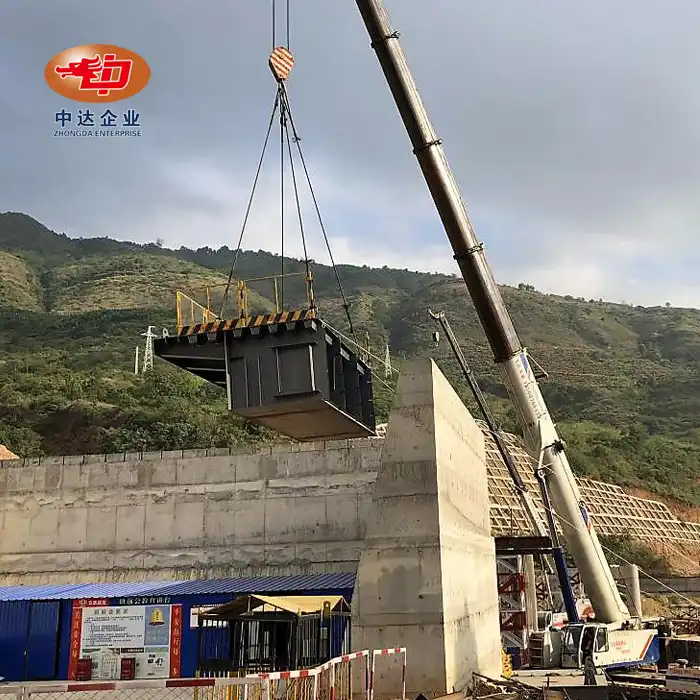
After the base is finished, the tower is put up, and the vertical accuracy is kept within a 1/4000 error range, which is about 25 mm of variation over a 100-meter height. This accuracy is necessary for the next step, which is installing the cables, because physical accuracy has a direct effect on how the load is distributed. The biggest lifting jobs can be done by our 50-ton crane, and BIM planning finds problems before they happen on the job site.
Cable tensioning is the most important part of building because it requires careful adjustments to get the right forces without putting too much stress on the links. Zhongda helps with the technical side of this process by using 3D coordinate recognition systems and 0.5-inch total stations to make sure the shape of the cables meets the requirements set by the designers. Our field engineers work with contractor teams to solve problems and make sure that ISO 9001 quality standards are followed during the whole installation process.
Addressing Engineering Challenges
As span lengths get longer, load balancing gets harder. Zhongda's work on projects for China Railway and CCCC has helped us get better at handling differences in deflection, stresses caused by weather, and noises caused by traffic. We offer unique cable designs, such as single- or double-plane sets, that are best for the loading profile and aesthetic needs of each project.
Accessibility for maintenance doesn't get enough attention during the planning process, but it has a huge impact on lifetime costs. Our team builds inspection features into the designs of towers and decks, such as permanent entry platforms and wire sheath systems that make it easy to look at things without special tools. Because we are forward-thinking, we have a 70% client retention rate among return customers who value long-term partnerships over short-term deals.
Procurement Guide: Sourcing Steel Cable-stayed Bridge Materials
Selecting the Right Manufacturing Partner
To buy infrastructure, you need more than just reasonable prices. You also need partners who can meet strict technical requirements and stick to delivery plans that keep multimillion-dollar steel cable-stayed bridge projects on track. When looking at possible providers, B2B customers should give more weight to companies that have the right certifications, such as ISO 9001/14001/45001 and EN 1090 compliance, which confirms quality management systems and traceability standards.
Zhongda's Class I Steel Structure Professional Contracting Qualification sets us apart in China's steel manufacturing industry by showing that we can do difficult structure parts on our own. This unified method gets rid of communication delays between many subcontractors, which lowers the risk for project owners and general builders.
Custom Fabrication and Integration Support
Standard store items rarely meet the specific site conditions and design needs that come with building a big bridge. Zhongda's OEM/ODM services take this into account by letting you customize everything. Our engineering team works with clients from the initial idea to the final delivery, suggesting changes to the span layout, different rust protection systems, and cost-effective ways to keep performance high while staying within budgets.
Global transportation planning is another important thing to think about when buying something. Using custom crating methods learned through years of working on foreign projects, our packaging processes keep parts safe during transoceanic shipping and overland transport. Deliveries to sites in Russia's Arctic, Australia's mining areas, and Vietnam's industrial zones have helped us learn more about the paperwork needed, how to clear goods at ports, and the problems that come with the last mile of delivery.
Cost Estimation Considerations
When two businesses deal with each other, clear price builds trust. Specific project costs depend on the difficulty of the design, the amount of materials needed, and the distance of delivery. Zhongda gives thorough quotes that break down the costs of materials, fabrication, and shipping. This openness lets people who work in buying compare options with trust and get internal approvals.
When Zhongda is involved early in the design process, our customers regularly report total project savings of 10-15%. This is because Zhongda's technical advice finds ways to cut costs without affecting the structural performance. This way of working together turns relationships with suppliers into smart partnerships that help everyone involved in the project.
Case Studies & Global Benchmarks Featuring Zhongda-Equipped Bridges
Proven Performance in Major Projects
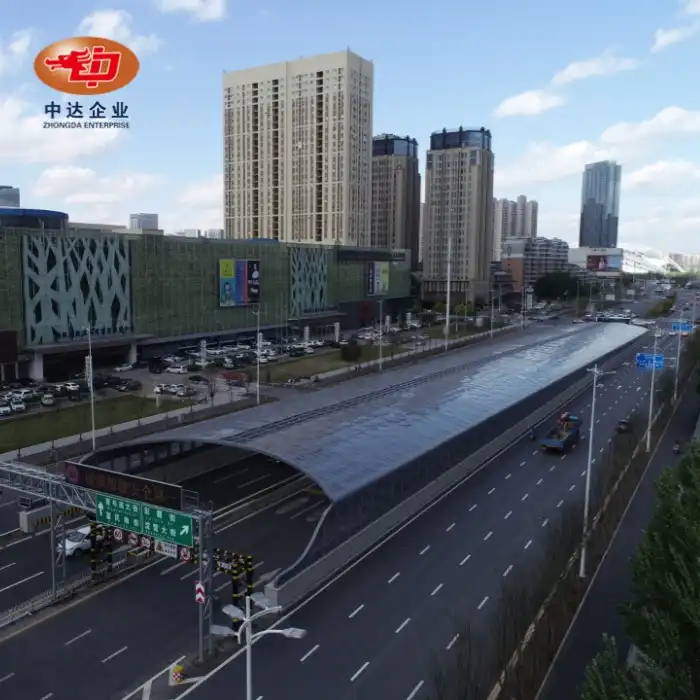
The Shenyang Dongta Cross-Hunhe River Bridge is proof of Zhongda's skill in building complicated city infrastructure. To meet tight dates for completion, this 18,000-ton steel cable-stayed bridge building had to be carefully coordinated with city officials, delivered at the right time to avoid traffic jams, and with perfect quality control. The project was finished early, showing that our method to combined manufacturing works in the real world to make things more efficient.
Our work on the Jingha Expressway growth projects showed that we could adapt to different site situations. Because these buildings were built in different parts of the world with different types of land and seismic patterns, they needed different technical solutions for each place they were built. Zhongda's technical team did calculations and made material lists that were unique to each site. This made sure that the quality was the same along the whole route and took into account how things are built in that area.
Partnerships with top companies like China Railway, CSCEC, and CCCC have built our name in Asia's toughest infrastructure markets. Over years of working together again and again, these relationships show the trust that grows when service performance consistently meets promises. Not only do client reviews stress the quality of the product, but they also stress how quick the company is to problems in the field and how willing they are to find solutions when problems come out of the blue. These are the qualities that set strategic partners apart from transactional providers.
Measurable Outcomes for Stakeholders
Performance data from projects that have already been finished backs up our technical claims. Zhongda's Q420qE steel and advanced cable systems are used to build bridges that show bending patterns that are within 95% of what theory says they should be. This shows that the materials used are accurate and that the bridges were well put together. Five years after completion, corrosion checks show that covering systems are working as planned, with no signs of wear and tear that need to be fixed.
These standards give procurement professionals the confidence to select Zhongda materials in their future projects, knowing that our performance claims are backed up by written proof instead of just marketing claims.
Conclusion
Steel cable-stayed bridge technology is where new engineering ideas meet real building needs. It provides solutions that balance the need for spans, budgets, and aesthetic preferences. Zhongda's Q420qE steel systems give these buildings the performance traits that make them useful for a wide range of uses, from crossings in cities to access routes to rural industrial sites. Because we can produce materials, make custom parts, offer expert support, and handle foreign shipping, we are more of a full-service solution provider than just a supplier of parts. As infrastructure spending speeds up across the US, it becomes more important than ever to choose partners with a track record of success.
FAQ
What span lengths can steel cable-stayed bridges achieve?
Modern designs work well for spans between 200 and 800 meters, and Zhongda's Q420qE steel systems are perfect for this range. The exact lengths that can be used rely on the site conditions, the design loads, and the aesthetic needs. Our engineering team does project-specific research to find the best options that match the goals for the span with the needs of the structure and the budget. A steel cable-stayed bridge can achieve exceptional reach through these optimized configurations.
What makes Q420qE steel different from other grades?
The minimum yield strength of Q420qE steel is 420 MPa, which is a lot higher than the Q345 (345 MPa) steel that is usually used in buildings. With this extra capacity, parts can be made smaller, which cuts down on weight and material costs while still leaving enough room for safety. The "qE" name means that the material is easier to weld and tougher at low temperatures, which is very important for buildings that are subject to thermal cycles and seismic loads.
What kind of upkeep do these bridges require?
When systems are properly built, they don't need much maintenance other than regular checks. Zhongda's rust protection systems, which use graphene-enhanced coatings that are resistant to UV light for 50 years, require much less upkeep than painted steel. Every three to five years, eye checks of the cables, bearings, and deck are usually part of the inspection routine. Every ten years, a more in-depth structural review is done.
Partner with a Trusted Steel Cable-stayed Bridge Manufacturer
With years of experience and top-notch materials, Zhongda is ready to help you with your next long-span steel cable-stayed bridge building job. Our Q420qE steel systems have been used to build famous bridges on three continents, giving builders and producers the dependability they need. Contact our technical team at Ava@zd-steels.com to talk about the details of your project and find out how our custom manufacturing services, faster delivery times, and competitive benefits can help you get better results on your project while staying within your budget. Visit zd-steels.com to see our full range of products and start a chat with the top structural steel expert in Northeast China.
References
Gimsing, N.J. and Georgakis, C.T., "Cable Supported Bridges: Concept and Design," Third Edition, John Wiley & Sons, 2012.
Troitsky, M.S., "Cable-Stayed Bridges: Theory and Design," Second Edition, BSP Professional Books, 1988.
Walther, R., Houriet, B., Isler, W., and Moia, P., "Cable Stayed Bridges," Thomas Telford Publishing, 1999.
China Association for Engineering Construction Standardization, "Technical Specification for Steel Structure of Highway Bridges," JTG/T 3671-02, 2015.
European Committee for Standardization, "Execution of Steel Structures and Aluminum Structures - Part 2: Technical Requirements for Steel Structures," EN 1090-2, 2018.
American Institute of Steel Construction, "Specification for Structural Steel Buildings," ANSI/AISC 360-16, 2016.
_副本_1762415806774.jpg "hangar structure")