Energy Efficiency in Commercial Steel Structure Buildings
2026-07-03 14:46:29






Energy efficiency in commercial steel structure buildings is an important part of managing running costs, making sure the building works well, and caring for the environment. Modern steel-framed buildings, like offices, factories, power plants, and transport hubs, are under more and more pressure to use less energy while still staying structurally sound. Advanced insulation systems, thermal break technologies, and strategic design principles are used in these buildings to keep heat from moving around and make the HVAC system work better. When designed correctly, energy-efficient steel structures lower power costs, make people more comfortable, and meet the stricter building rules that are becoming common in North America and around the world.
Understanding Energy Efficiency in Commercial Steel Structures
When it comes to heat, commercial steel structures are different from other types of buildings. Because structural steel is naturally conductive, it can be used to make thermal bridges, which are ways for heat to move quickly through the building surface. But this problem has led to amazing progress in insulation materials and building methods that are especially made for metal frame systems.
The Thermal Bridge Challenge
Thermal bridging happens when steel pieces go through the building envelope and make holes in the insulation layer. If nothing is done, these bridges can cause 20 to 30 percent of all heat loss in buildings that were not built well. These days, options include continuous insulation layers, thermal break clips, and placing insulation materials in a way that stops conductive paths. When facilities use Q345 or Q355 high-strength steel, they use less material, which naturally reduces the thermal bridge surface area compared to lower-grade options.
Material Selection Impact
Energy efficiency is directly affected by the choice between low-alloy high-strength steels and carbon structure steels like Q235. High-strength steel lets spans be longer with fewer supporting beams. This cuts down on thermal bridge points and makes the most of the room inside. Less material mass also means less thermal mass to heat or cool, which helps temperatures change faster and lowers the load on HVAC systems as the seasons change.
Quantifiable Benefits
When compared to traditional designs, industrial buildings that use complete energy saving strategies report 25–40% lower heating costs and 15–25% lower cooling costs. Over the normal 50-year service life of steel structures, these saves add up to big lifecycle cost benefits that far outweigh the initial design investments.
Design Principles for Enhancing Energy Efficiency in Commercial Steel Structures
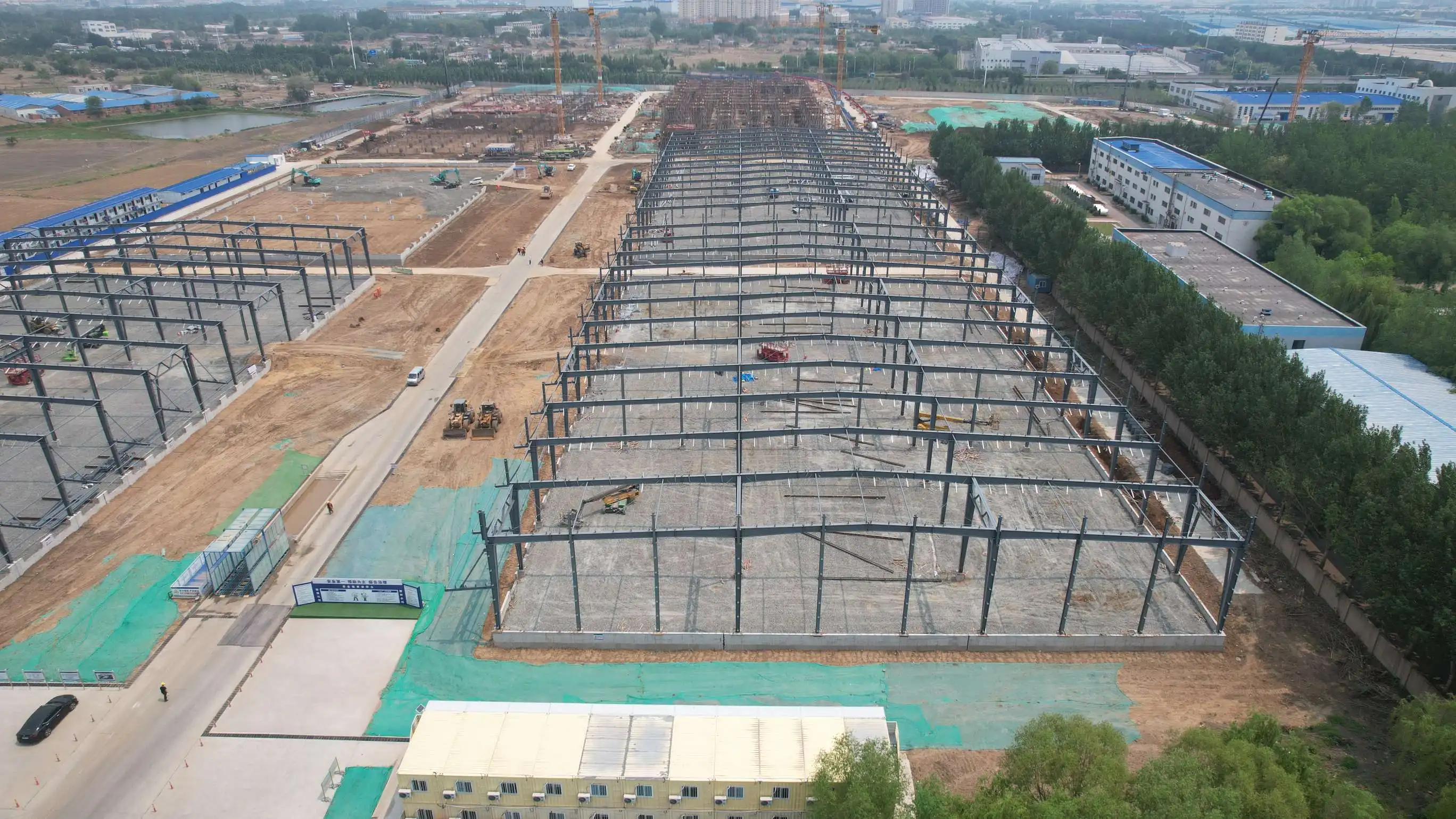
Steel building that saves energy starts with strategic planning. To keep structure performance standards while lowering energy use, building orientation, envelope design, and system interaction must all work together.
Passive Design Strategies
The best way to position a building so that it gets the most useful heating in the winter and the least amount of heat gain in the summer. Large-span steel structures are great for clerestory windows and skylighting systems that make buildings less reliant on artificial lighting. Our engineering teams regularly use daylighting analysis in BIM-driven design processes to make sure that natural light can reach all the way into interior areas without affecting the building's structural stability.
Tighter tolerances are achieved with prefabricated steel parts made in climate-controlled buildings than with options that are put together on-site. This accuracy directly leads to less air leakage, which is one of the main ways that business buildings lose energy, particularly in a commercial steel structure. Welded connections are better at keeping air out than bolted parts, but when used correctly, gaskets and seals strategically placed at bolted joints can achieve the same level of performance.
Advanced Insulation Systems
Modern steel buildings use multiple layers of insulation that are specially designed for each temperature zone. Rigid foam insulation boards with R-values between R-13 and R-30 cover the whole wall panel, and spray foam applications seal any holes or connection points that aren't straight. Putting shiny radiant shields under metal roofs adds another layer of protection against heat gain in areas that tend to be cool.
Hot-dip galvanized steel members, which are normal in places where corrosion is common, also help insulation last longer by keeping connection points from rusting away. The thickness of the zinc covering, which is set by relevant standards, makes a stable base for long-term insulation bonding. This keeps the building's thermal performance throughout its lifecycle.
Smart Systems Integration
When high-performance HVAC systems are paired with building automation tools, energy use is constantly optimized. Variable air volume systems change the flow of air based on occupancy sensors and estimates of the thermal load. Economizer cycles take advantage of nice weather outside to lower the need for mechanical cooling. Because steel is naturally strong, it can easily hold rooftop HVAC equipment without needing extra support, which makes installation and servicing easier.
Construction Best Practices for Energy Efficiency
The quality of implementation decides whether the design purpose is carried out as planned. Executing the construction phase requires paying close attention to every detail and regularly checking for quality.
Prefabrication Advantages
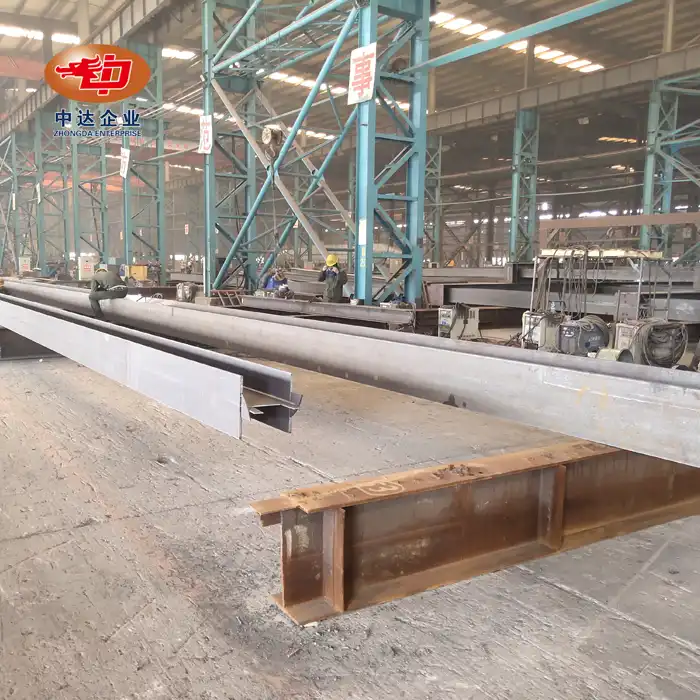
Factory-made steel parts come to the job site already coated in fire retardants and anti-corrosion treatments, so there is no need for time-consuming and energy-intensive field application. This controlled production setting makes sure that the coating is always the same thickness and coverage, which has a direct effect on how well it works thermally over time. Our 60,000-ton annual production capacity and ultra-thick plate cutting accuracy (±0.2mm error) make sure that parts fit together correctly, reducing air gaps and heat discontinuities.
When compared to traditional stick-built methods, modular building cuts energy use on-site by 40 to 60%. When building plans are shortened, temporary heating and lighting loads are lowered, and the embodied energy usage is also lowered. The total amount of energy used by projects from breaking ground to usage is measurably lower when premade steel systems are used.
Air Sealing and Moisture Control
When comprehensive air barrier systems are put in place during construction, they stop conditioned air from escaping and moisture from getting in. Base plate links, panel joins, and utility penetrations are all important places to pay close attention. Spray-applied air barriers that fit the shape of the structure get rid of holes that are hard to seal, and self-adhering membranes make sure that there is continuity across large panel surfaces.
Controlling moisture has a direct effect on how well insulation works, since insulation that is wet loses up to 70% of its heat resistance. When you place a vapor barrier correctly, it stops condensation from forming inside wall assemblies. This keeps the plan R-values constant during yearly temperature changes. Compared to wood-framed systems, which tend to absorb moisture, steel makes vapor barrier design easier because it doesn't let moisture through, a key advantage for any commercial steel structure.
Quality Verification Protocols
Systematic checks at every stage of building find problems early on, before they become part of the finished product. During and after building, thermal imaging studies find thermal bridges and insulation voids that can't be seen with the naked eye. When used with blower door testing to measure air leakage rates, these diagnostic tools provide objective performance proof that protects both the building and the owner's interests.
Our projects always get blower door test results below 0.25 CFM per square foot of building envelope at 75 Pascals pressure differential. These are performance levels normally seen in passive house construction for homes, but they can now be reached in large commercial steel structures thanks to strict rules for how they are built.
Operational Maintenance & Lifespan Impact on Energy Efficiency
Without preventative repair, energy efficiency goes down. Strategic maintenance programs keep the original purpose and stop efficiency losses that happen over many years of use.
Preventive Maintenance Protocols
Inspections once a year find problems with coatings, sealants, and insulation before they make the building less thermally efficient. Checking the tightness of panel fasteners stops air from leaking at the connections, and checking the state of gaskets finds damage early enough for a cheap repair. Regular maintenance tasks like these are much cheaper than emergency fixes and keep the energy economy at its highest level.
Cleaning metal roofs in certain ways keeps their shiny qualities that lower cooling loads. In industrial settings where flying contaminants are common, cleaning processes need to happen more often to keep the quality of the indoor air and keep the insulation from getting dirty. These factors affect HVAC energy use indirectly through filter loading and ventilation needs.
Lifecycle Adaptability
Steel can be recycled in more ways than just end-of-life recycling. When a building needs to be expanded, rearranged, or its systems upgraded, current structural frames are used as much as possible. Bolt links make it possible to take parts apart without damaging them so they can be reused or moved. This is not possible with welded or cast-in-place construction. This flexibility protects investments in stored energy while meeting changing business needs.
New energy technologies work perfectly with steel buildings that are already in place. Steel's ability to hold weight and conduct electricity naturally makes it a good material for rooftop solar panels, battery storage systems, and charging stations for electric vehicles. Modern energy systems can be easily installed in buildings that were built more than 20 years ago, without the need for expensive structure reinforcement. This extends the buildings' useful life and makes them more energy independent.
Documentation and Performance Tracking
Combining detailed repair records with analysis of energy data shows patterns in performance and places where changes can be made. Building management systems that record real-time energy use make it possible to look at HVAC efficiency, lighting loads, and process equipment needs in more detail, which is especially valuable for a commercial steel structure. This method uses data to find update paths that are both cost-effective and make speed gains that build over time.
Procurement Insights: Choosing Energy-Efficient Commercial Steel Structures
Choosing a supplier has a huge effect on how well a job turns out. The factors for evaluation must include more than just the original price. They must also include lifecycle value, technical skill, and performance assurance.
Certification and Compliance
Suppliers with the ISO 9001:2015 quality management certification show that they have structured process controls that make sure the quality of their products is always the same. Getting more environmental certifications, such as ISO 14001, shows that you are committed to using sustainable manufacturing methods that lower the amount of energy that is built into the goods you give. The EN 1090 structural steel forging certification, which is required for projects in Europe and is being asked for more and more in North American contracts, checks the technical knowledge of the fabricator and makes sure that the supply chain can be tracked.
China's Ministry of Housing and Urban-Rural Development gives steel structure builders different levels of qualifications. Firms that show they are the best at both professional skill and project performance are given the First-Class title. This credential is an objective third-party confirmation of technical knowledge and execution ability, which are important factors when buying contracts include energy performance promises.
Portfolio Assessment
Looking at finished projects in similar temperature zones and types of applications shows how much experience the provider has with designing energy-efficiently. Case studies that show measured energy performance, not just supposed capabilities, give buyers faith in the knowledge of the provider. Arctic bridges in Russia, mining facilities in Australia, and industrial buildings in Vietnam are just a few of the projects that show how well they can adapt to harsh weather and high performance standards.
Technical skills like integrating BIM-driven designs, making steel formulations that can withstand temperatures as low as -60°C, and using cutting-edge anti-corrosion technologies show that the engineer knows more than just how to make things. These unique features directly affect long-term energy economy by making things last longer, being more durable, and needing less upkeep.
Value Engineering Collaboration
Smart providers work with designers from the start to make sure that the structure is as energy-efficient and effective as possible. Value engineering events that look at different types of steel, connection methods, and panel systems often find changes that don't cost anything but improve heat performance. For this joint method to work, seller engineering resources must be put in before the contract is awarded. This is what sets strategic partners apart from commodity fabricators.
Customization options through OEM and ODM services make it possible to optimize projects in ways that can't be done with standard products. Adapting the details of how the insulation is attached, the thermal breaks that are used, and the shapes of the panels to the specific conditions of the site ensures the best energy performance while also meeting the artistic and useful needs of each project.
Conclusion
Through careful planning, precise construction, and planned upkeep, energy-efficient commercial steel structure buildings offer strong economic and environmental benefits. When you combine modern insulating technologies and building systems with steel's natural strengths—its ability to be recycled, its structural efficiency, its ease of assembly, and its ability to adapt to different lifecycles—you can get performance levels that were once thought to be impossible for metal building systems. When purchasing professionals look at steel building providers, they need to think about more than just the money. They also need to look at technical skills, quality certifications, and energy performance knowledge that has been shown to work. The big savings in lifecycle costs from using less energy make it worth the time and money to carefully choose the source and make the design. This creates measured value that grows over the decades that the building is used.
FAQ
How much can energy-efficient steel construction reduce operational costs?
Compared to regular designs, energy-efficient steel buildings usually cut heating costs by 25–40% and cooling costs by 15–25%. The amount of money you save depends on where you live, how you use the building, the type of insulation you use, and how well your HVAC system works. By making the envelope work better, facilities with a lot of people or process equipment that makes a lot of heat inside can lower their cooling costs even more.
What certifications verify energy performance capabilities?
The ISO 9001:2015 quality management and ISO 14001 environmental standards show that there are systematic rules in place to make sure that energy efficiency stays the same. The EN 1090 structural steel manufacturing license checks for technical knowledge and the ability to track down materials. Regional credentials, such as China's First-Class Steel Structure Engineering Qualification, show that a person has done similar work before. Third-party assessments of building-specific standards like LEED or BREEAM prove that a project uses energy efficiently.
Does higher upfront investment in energy efficiency provide positive ROI?
Comprehensive lifetime cost analysis always shows that investments in energy saving pay off. Better insulation, thermal break technologies, and precise manufacturing usually come with small up-front costs that are often paid for by savings on utilities within 5 to 8 years. Over the normal 50-year service life of a steel building, the total savings are much higher than the original investments. The building also has other benefits, such as better comfort, better environmental performance, and compliance with regulations.
Partner with Zhongda for Superior Energy-Efficient Steel Structures
Zhongda Steel has 20 years of experience making commercial steel structure solutions that use less energy, and they can help you with even the most difficult tasks. Our 120,000 m² facility uses BIM to make precise fabrications and our own -60°C weathering steel technology to make buildings that can withstand harsh conditions and last for decades. As a certified commercial steel structure provider with ISO 9001/14001/OHSAS 45001 and EN 1090 credentials, we offer full support from concept to installation, backed by First-Class engineering credentials. Our methods improve both the performance of structures and the lifetime prices of energy use. They are trusted by China Railway, CSCEC, BMW, and other industrial clients around the world. Visit zd-steels.com or email Ava@zd-steels.com to talk about your project needs and get full technical plans that are made to fit your energy-saving goals.
References
American Institute of Steel Construction (AISC). Design Guide 31: Castellated and Cellular Beam Design. Chicago: AISC, 2016.
Davies, J.M. Building with Steel: An Introduction to the Design of Steel Structures. London: The Steel Construction Institute, 2018.
Lawson, R.M., and Ogden, R.G. Sustainable Steel Construction: Design and Performance. Oxford: Wiley-Blackwell, 2019.
National Institute of Building Sciences. Whole Building Design Guide: Steel Structures. Washington, D.C.: NIBS, 2020.
Tata Steel Construction. Energy Efficiency in Steel-Framed Buildings: Design Principles and Case Studies. Scunthorpe: Tata Steel, 2017.
Zhang, H., and Liu, X. Thermal Performance Optimization of Prefabricated Steel Structures in Commercial Applications. Journal of Constructional Steel Research, Vol. 178, 2021.
YOU MAY LIKE
_副本_1756187900835.jpg "steel column")