Comparing Steel Truss Girder and Solid Web Girders
2026-07-02 15:32:19






When buying teams have to choose between steel truss girders and solid web girders, they make choices that have a big impact on how the project turns out. Steel truss girders have triangulated frames that offer great weight-to-strength ratios, which makes them perfect for long-span applications over 30 meters. On the other hand, solid web girders, such as I-beams and plate girders, have continuous structural profiles that offer concentrated load resistance in moderate spans. Engineers can find the best balance between structural performance, manufacturing complexity, and budget limits in business, industrial, and infrastructure settings when they understand these differences.
Understanding Steel Truss Girders and Solid Web Girders
Structural Fundamentals of Steel Truss Girders
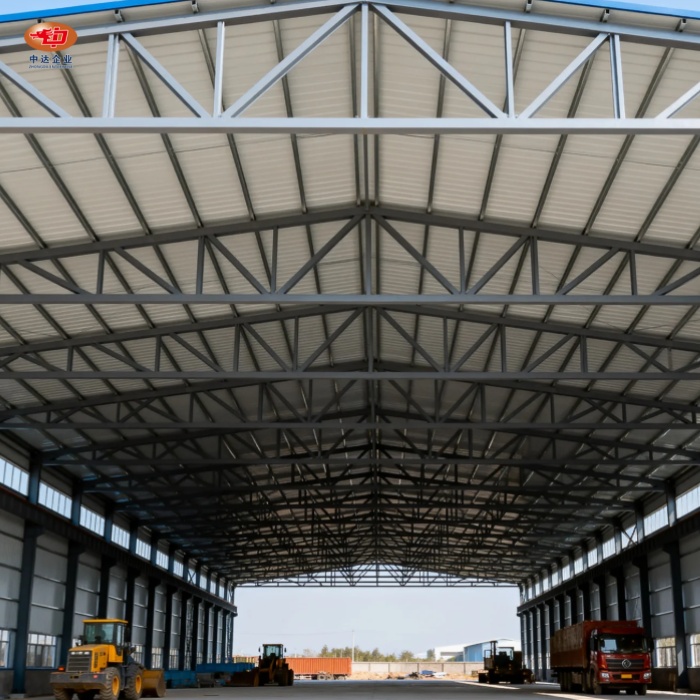
Steel truss girders use an open-web structure made up of triangle-shaped units that are linked to each other. Loads are spread out across these triangulated structures by axial forces in each member. This gets rid of the twisting pressures that put stress on solid parts. Pratt, Warren, and Howe trusses are common designs. Each is best for a certain type of load pattern and width requirement. In fabrication, steel angles, channels, or empty pieces are joined together with welded or bolted joints. High-tensile steel grades, which usually have a yield strength between 450 MPa and 550 MPa, let manufacturers use less material while still getting big load limits. Because it is modular, it can be prefabricated in controlled settings, making sure that the dimensions are accurate to within ±0.2mm, which makes it easier to put together quickly in the field.
Characteristics of Solid Web Girders
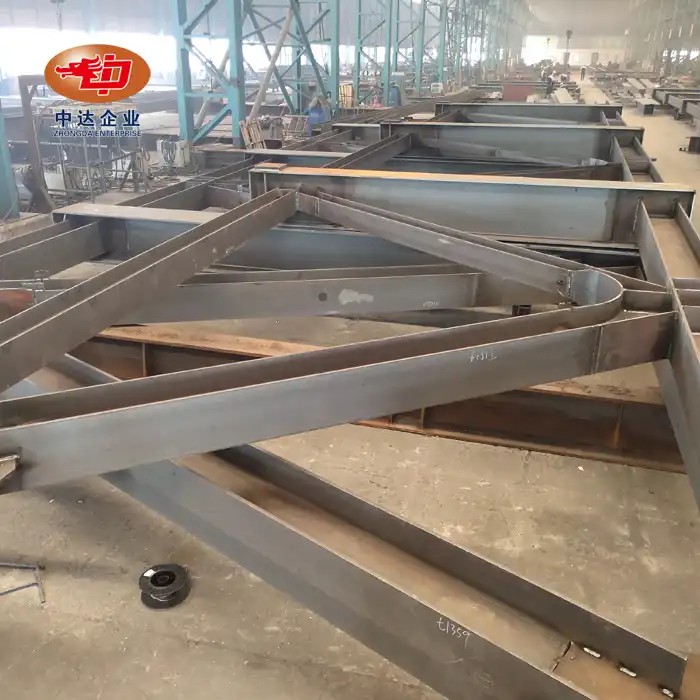
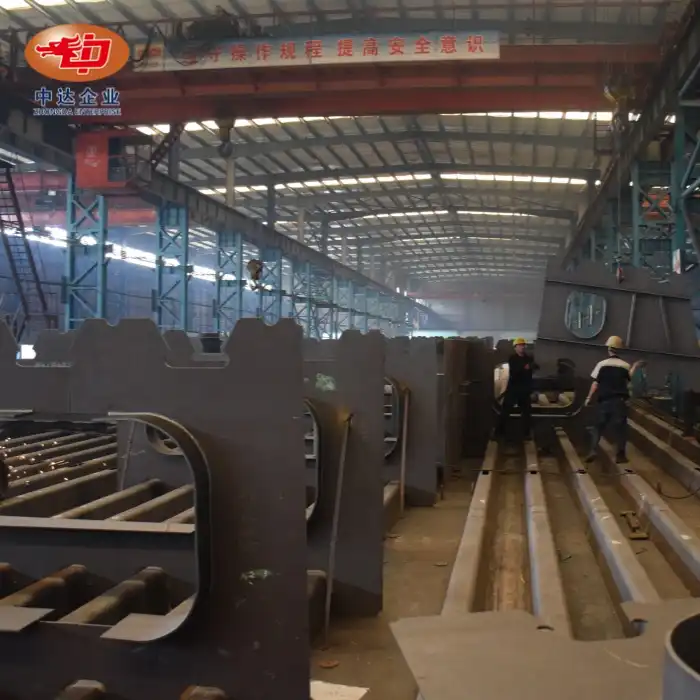
Rolling I-beams, manufactured plate girders, and box girders are all examples of solid web girders. They have continuous webs that connect the top and bottom ends. This one-piece design is very strong against shear forces and bent moments. Rolled pieces have uniform sizes that are set by ASTM A992 or similar standards. They are ready to use right away for everyday tasks. Fabricated girders can be made to fit different span lengths or concentrated loads by joining plates of different widths together. Box girders surround internal sections, which improves torsional stiffness, which is very important in bent or skewed alignments. Even though they are heavier than similar truss systems, solid web designs make it easier to detail, make connections, and speed up the construction process in some situations.
Material and Coating Standards
Both types of girders use processes that keep them from rusting, which is important for their life. Aluminum-zinc alloy paints (Galvalume) with weights between 150 and 275 grams per square meter meet ASTM A792 requirements and keep surfaces from rusting in a variety of conditions. In marine or industrial settings, extra paint systems like epoxy bases and polyurethane topcoats make the paint last longer. When projects need climate-controlled enclosures, we add thermal breaks and anti-condensation walls to deal with the thermal bridging that comes with steel parts. Knowing these safety steps will help make sure that the environmental risks for each project site are included in the procurement specs.
Key Performance and Design Comparisons
Load Capacity and Span Efficiency
When there is a long span and reducing self-weight is very important, steel truss girders work very well. Trusses can have span-to-depth ratios of more than 15:1 because they distribute loads through optimal shape instead of mass. This efficiency is very helpful in buildings with clear-span widths greater than 40 meters, because it gets rid of the internal columns that get in the way of material-handling equipment. This benefit was shown in an Ohio warehouse job where 45-meter trusses held roof loads while lowering the amount of structural steel used by 28% compared to solid beam options.
Structural Behavior Under Stress
When axial pressures act on trusses, they react in a predictable way. Each part experiences pure strain or compression. This makes stress analysis easier and makes duplication easier by letting more than one load line work. But connection points create stress clusters that need careful planning to avoid fatigue fails after decades of repeated loading. There are both bending and shear stresses in solid girders. The bending stresses are highest in the middle of the span, and the shear stresses are highest near the supports. These specific needs are met by web stiffeners and ring supports. Because they are one solid piece, they don't have as many link points as trusses do, which means there are fewer places where wear could start. But because they are heavier, they need stronger foundations and are harder to move around while they are being set up.
Lifecycle Considerations and Maintenance
All parts of truss frameworks can be seen, which lets problems like corrosion, cracking, or deformation be found early. This makes maintenance routines easier to follow by letting focused changes happen instead of replacing all the parts. Coating systems need to be replaced every so often, usually every 15 to 20 years, but this depends on how much contact there is. In enclosed parts like box girders, where rust builds up inside and can't be seen, solid girders are hard to maintain. Ultrasonic thickness gauging or a radiographic study are two non-destructive testing methods that are needed to figure out the state. Their simpler geometry, on the other hand, means that there are fewer areas that need to be coated, which could lower the original cost of finishing. Different types of material wear show up in different ways. For example, cracks can spread in truss links, but solid webs can buckle in certain places when they are overloaded.

Economic Analysis from Fabrication to Installation
Trusses are more cost-effective than steel beams when they are used for long spans because they use less steel. An study of a 38-meter clear-span industrial building showed that trusses used 18 tons of material while similar plate girders used 26 tons. This means that trusses used a lot less material than plate girders, even when the extra work that went into making them was taken into account. The economy of fabrication change. Trusses need a lot of cuts, fittings, and connections, which adds to the time it takes to work in the shop and the need for quality control. Solid girders require fewer steps, mostly attaching flanges to webs, which speeds up the production process. Installation times are also different. Prefabricated beams come as whole units that are ready to be put in place by a crane, which shortens the time needed in the field. Longer construction times may be needed for large solid girders that need to be delivered in segments and joined together in the field. Transportation issues put limits on what can be done. Total cost of ownership is found by weighing these things against the goals of the project in terms of speed, budget flexibility, and long-term operating needs.
Selection Criteria for B2B Procurement
Matching Girder Types to Project Complexity
The project's scale determines the best frame to use. Steel truss girder systems are usually better for high-bay warehouses, airplane hangars, and sports stadiums that need large, unobstructed internal spaces. Their ability to span 50 meters or more without intermediate supports makes the most of the usable floor space, which justifies higher investments in manufacturing by giving businesses more ways to be flexible. Solid beam economy is good for mid-rise office buildings, parking garages, and small factories. Spans are usually between 6 and 15 meters, and rolled pieces work reliably and cost-effectively in these situations. Hybrid methods are used to meet difficult needs. Procurement teams can find solutions that meet the needs of users, their budgets, and their deadlines by understanding these complex applications.
Environmental Conditions and Durability Requirements
Harsh conditions make material choice more important. Coastal buildings that are less than 1 kilometer from sea need better rust protection. Marine-grade finishes and fittings made of stainless steel make things last longer, but they cost more. Because truss configurations have more surface area, they need more coating material, which affects both the starting cost and the cost of upkeep. Extreme temperatures change the properties of materials. Weathering steel metals stay flexible at -60°C, which is good for sites in the Arctic because it keeps structures from breaking easily. In places like petroleum companies and mines where chemicals are used, special coatings are needed to protect against certain corrosives. These environmental protections need to be written down in procurement specs so that suppliers deliver girders that are designed for the specific conditions of the site and not just for general uses.
Partnering with Certified Suppliers
Project success depends on how qualified the suppliers are. With ISO 9001 approval, quality management systems that control the making process are checked. Compliance with EN 1090 shows that you know how to work with structural steel, which is especially important for projects that will be sold in Europe. Having OHSAS 45001 approval shows that you care about worker safety while you're making things. Besides qualifications, a supplier's skills are also important. Digital models are used in BIM-driven prefabrication to coordinate girders with architectural, mechanical, and electrical parts and find conflicts before fabrication starts. Custom manufacturing suppliers change designs to fit each project's shape, so architects don't have to settle for solutions that aren't ideal. Delivery reliability has a direct effect on building plans. After-sales support sets partners apart from suppliers and adds value beyond the initial transaction.
Real-World Case Studies
42,000 square meters of column-free storage space were needed for a transportation hub in Pennsylvania. A standing-seam metal roof was supported by 48-meter steel truss girders that were spread out every 12 meters. Prefabrication cut the time needed for construction on-site to 14 weeks, which let the client start using the building before the busiest time of the year. The truss design allowed for future placements of overhead conveyors, showing flexibility that rigid girders would make harder. On the other hand, a Michigan plant that makes car parts used custom-made plate girders that were 18 meters long to hold 20-ton overhead cranes. These examples show how buying strategies based on technical knowledge and working together with suppliers can lead to custom solutions that meet specific business goals.
Innovations and Future Trends in Girder Technology
Advanced Materials and Fabrication Methods
New developments in material science raise the performance standards for girders. When the yield strength of ultra-high-strength steels is higher than 700 MPa, cross-sections get smaller while capacities stay the same. This makes shipping lighter and fitting easier. Weathering steel formulations make their own protective metal layers, so they don't need to be painted in the right places and their lifecycle costs are lower. Automation in fabrication improves accuracy and speed. Robotic welding cells can make uniform, flaw-free welds faster than people can do it by hand. CNC drilling and cutting tools precisely place holes to within a few microns, making sure that fixed connections line up properly during field assembly. These technologies help keep the limits small enough for prefabricated modular building methods that are becoming popular across many industries.
Digital Tools and Building Information Modeling
BIM changes how structures are coordinated in a big way. Three-dimensional models connect girders to the building systems around them, which lets you find clashes before they happen. When loads or lengths change, parametric design tools automatically change member numbers and connection details to get the best girder setup. These features shorten design processes while increasing accuracy, which lowers the number of change orders that drive up project costs. Digital manufacturing connects BIM models directly to shop tools, so mistakes that happen when data is transferred by hand are avoided. CNC machines take physical information from models and make cuts and drill holes exactly as the engineers planned. This integration helps just-in-time delivery methods, where girders come in the right order to be put together, which cuts down on storage and handling on-site.
Sustainability and Effects on the Environment
More and more, environmental concerns affect how things are bought. Steel is easy to recycle—nearly 90% of structure steel is recovered when it's no longer useful—which makes it appealing to clients who want to get green building certifications. Choosing girders made from recovered materials lowers embodied carbon footprints, which meets company sustainability requirements. Lifecycle studies look at how different types of girders affect the world over time. The material economy of truss systems lowers production emissions, but the higher energy needed to make them partly cancels out this benefit. Transportation pollution favor solid girders that are small and don't need as many truckloads. One new trend in sustainability is making low-carbon steel using hydrogen-based methods instead of blast furnaces that burn coal. These materials put forward-thinking clients in a unique situation to be early adopters of technologies that will change the environmental profile of building.
Market Trends and Smart Infrastructure
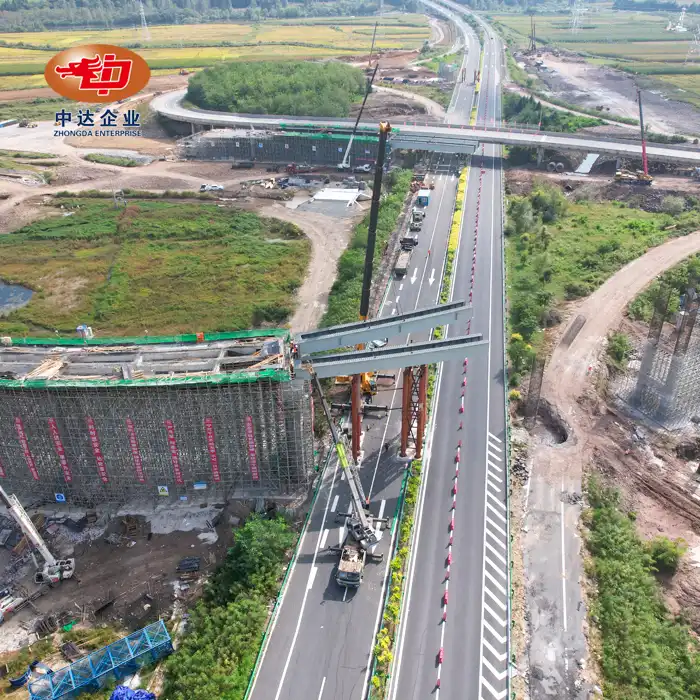
Global investments in infrastructure drive the need for girders. As more people move to cities in emerging markets, warehouse, factory, and transportation projects need designed structural systems to support them. At the same time, developed countries' old infrastructure needs to be replaced or fixed up, which creates two separate demand pathways. Adding smart infrastructure is a new and exciting chance. Girders with sensors built in check for stress, corrosion, and the health of the structure in real time. This allows for preventative maintenance that stops breakdowns before they happen and makes the best use of inspection resources. Because of these changes, buying steel truss girders is now more of a strategy than a transactional process. Supplier relationships go beyond the initial delivery and include decades of ongoing support and growth.
Conclusion
When deciding between steel truss girders and solid web girders, you have to weigh the performance of the structure, the cost, and the limitations of the project. Truss systems make it possible to build long spans while using materials efficiently, and solid girders make it easy to build moderate spans while saving money. Technical research and agreements with suppliers that provide certified quality, the ability to make changes, and dependable project completion are all important parts of successful procurement. As new materials, digital manufacturing, and environmentally friendly practices change the industry, organizations that make well-informed decisions can wisely use these changes. When procurement teams understand these basic differences, they can choose girder solutions that meet cost, performance, and timing goals in a wide range of business and infrastructure uses.
FAQ
What are the main advantages of steel truss girders?
Steel truss girders have better weight-to-strength ratios, which lowers the cost of materials and the load on the base in long-span uses. Their open-web design lets mechanical systems run through the depths of the structure, which lowers the height and cost of the building shell. Prefabrication speeds up building plans, cutting down on delays caused by bad weather and shortening project timelines.
How do solid web girders perform in moderate spans?
Solid web girders work best for spans of 8 to 20 meters because their simple form makes designing and building them easier. Rolled pieces are available right away, so you don't have to wait for the lead times that come with special fabrication. Because they are made of a single piece, they can handle concentrated loads well, which makes them perfect for floor systems that support big tools or buildings with more than one floor.
What procurement criteria ensure reliable suppliers?
Check out certifications like ISO 9001, EN 1090, and any area norms that apply. Facility audits are a way to find out about the output capacity, fabrication tools, and quality control methods used. Look at project profiles that show you've used similar apps before. Before deciding on a seller, check with past clients to see if they have good service records and can help customers after the sale.
Partner with Zhongda for Precision-Engineered Steel Truss Girder Solutions
For structural jobs to go smoothly, the providers must always provide the best engineering. Zhongda was founded in 2004 and has ISO 9001, ISO 14001, and OHSAS 45001 certifications. It runs a 120,000 m² plant that makes 60,000 tons of goods every year. Our advanced cutting technologies and BIM-driven prefabrication allow us to meet standards of ±0.2mm, and our -60°C Weathering Steel Anti-corrosion Technology makes sure that our products will last in harsh conditions. China Railway, CSCEC, and BMW have put their trust in us to build important structures in Russia, Australia, and Vietnam. Our team provides fast engineering support that is tailored to your needs, whether you need unique steel truss girders for industrial warehouses or complicated bridge structures. Get in touch with us at Ava@zd-steels.com to talk about your project needs with skilled steel truss girder makers who are dedicated to quality and on-time delivery.
References
American Institute of Steel Construction. "Steel Construction Manual, 15th Edition." Chicago: AISC, 2017.
Salmon, Charles G., Johnson, John E., and Malhas, Faris A. "Steel Structures: Design and Behavior, 5th Edition." Upper Saddle River: Pearson Education, 2009.
Owens, Graham W., and Cheal, Brian D. "Structural Steelwork Connections." Oxford: Butterworth-Heinemann, 1989.
European Convention for Constructional Steelwork. "Design Manual for Structural Steelwork, 4th Edition." Brussels: ECCS, 2016.
Geschwindner, Louis F. "Unified Design of Steel Structures, 3rd Edition." Hoboken: John Wiley & Sons, 2016.
Trahair, Nicholas S., Bradford, Mark A., Nethercot, David A., and Gardner, Leroy. "The Behaviour and Design of Steel Structures to EC3, 4th Edition." Abingdon: Taylor & Francis, 2008.
YOU MAY LIKE
_1755137539095.png "warehouse structures")
_1757053607005.png "metal beams for carports")