Your Complete Guide to Designing the Best Steel Workshop
2026-07-02 15:32:16






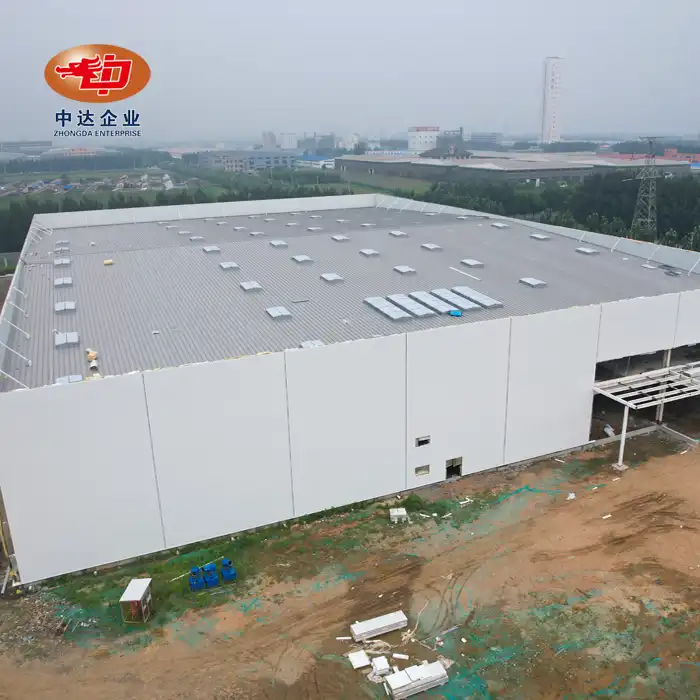
To make a good steel workshop, you need to know how structural engineering, working efficiency, and long-term financial value all work together. A steel workshop is basically a pre-engineered building system made of high-grade structural steel, usually Q235 or Q345 grades. It uses these steels to make big, column-free areas that are perfect for heavy machine operations, manufacturing, and fabrication. These buildings are the best choice for many businesses, from putting together cars to making parts for green energy systems because they can hold a lot of weight and can be built quickly. Modern steel workshops are different from traditional concrete buildings because they combine adaptability, scalability, and cost-effectiveness into a single solution that meets strict safety and compliance standards in all global markets.
Understanding Steel Workshops: Definitions, Types & Processes
What Defines a Modern Steel Workshop?
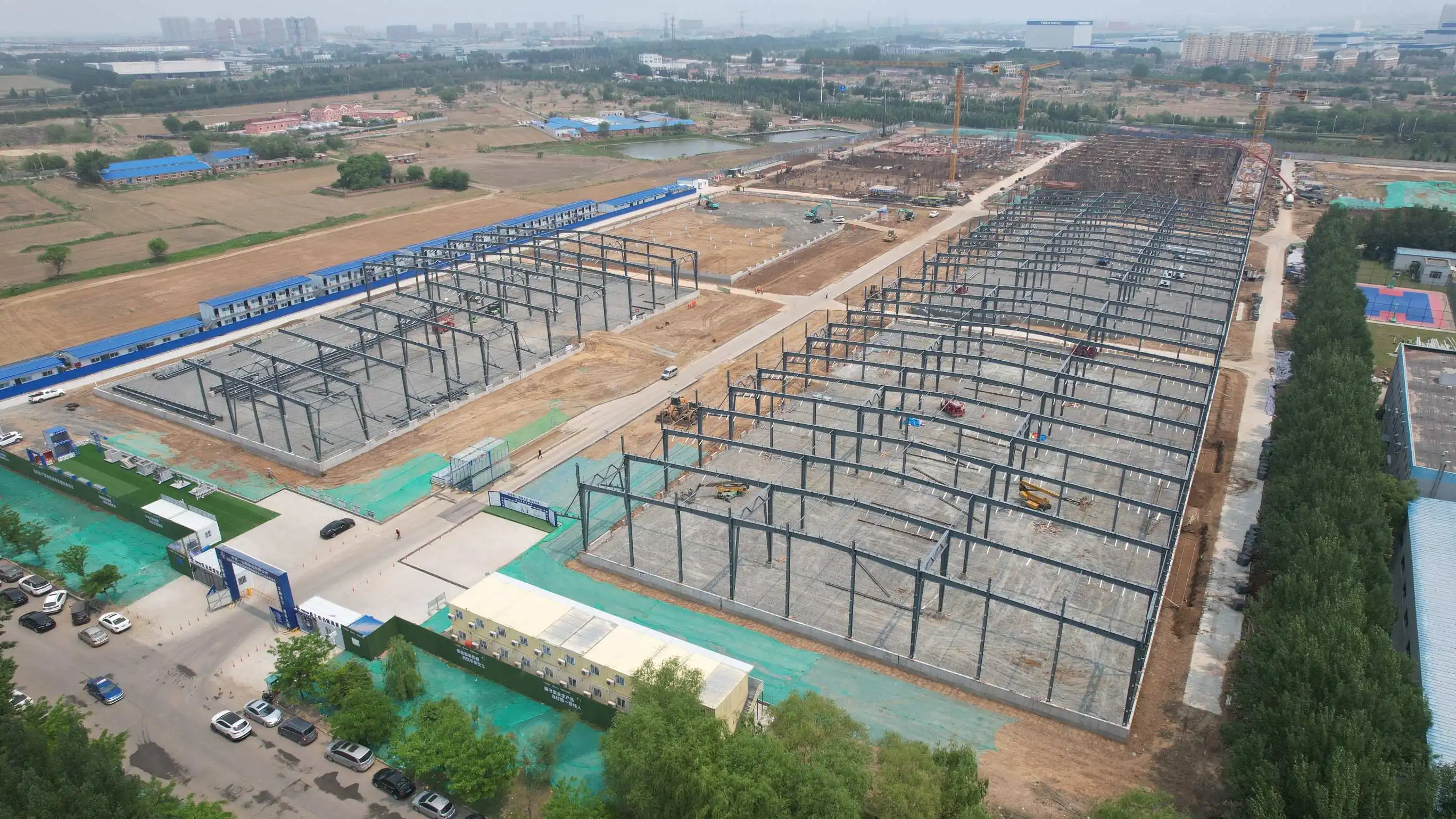
A steel workshop isn't just a building; it's an entire industrial environment that's meant to support complicated production methods. The main structure is made up of a portal frame or a truss, which allows lengths of 12 to 36 meters without the need for any middle poles. This way of designing makes floor room that isn't blocked, which is important for setting up production lines, using high cranes, and making the best use of material flow. To keep the structure together, the yield strength parameters must be carefully determined. Q345 steel has a 355 MPa capacity for heavy-duty uses that need to last longer under dynamic loads.
Types of Steel Workshop Facilities
For different commercial uses, workshops need to be set up in specific ways. Flexible bay plans with built-in welding stations and material handling systems are highly valued in custom manufacturing shops. Heavy factories need supports and structural parts that are stronger so they can hold bridge cranes weighing between 10 and 50 tons. Precision climate control systems, vibration isolation foundations, and cleanroom-compatible shells for electronics or biotech uses are all parts of specialized metalworking settings. Knowing these differences helps people who work in buying make sure that the standards for a building match the needs of operations and plans for future growth.
The Fabrication and Assembly Process
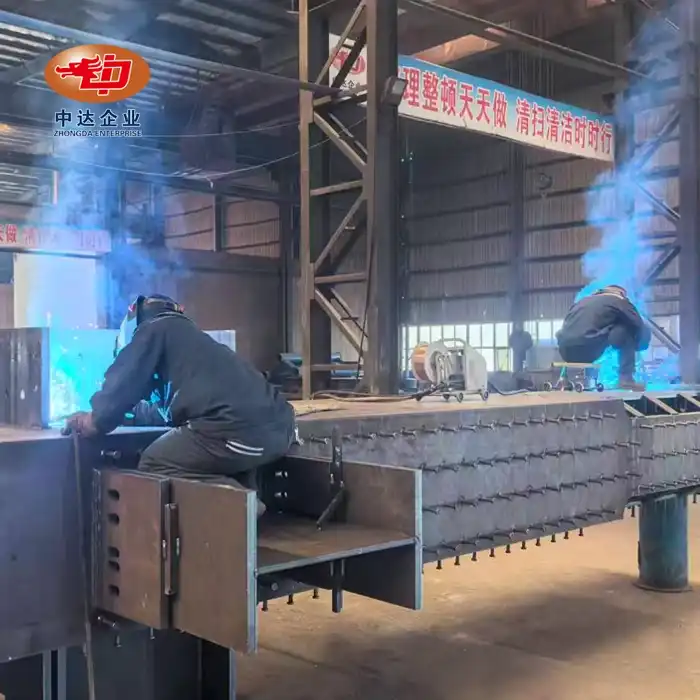
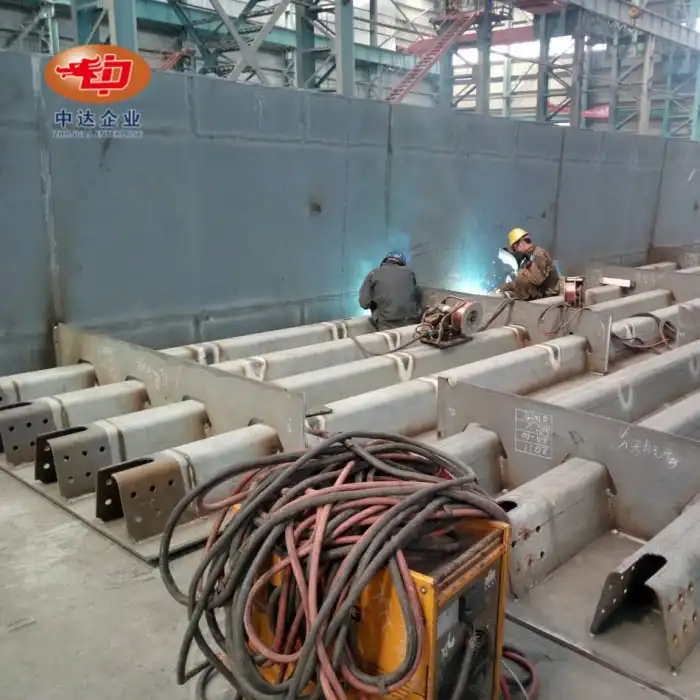
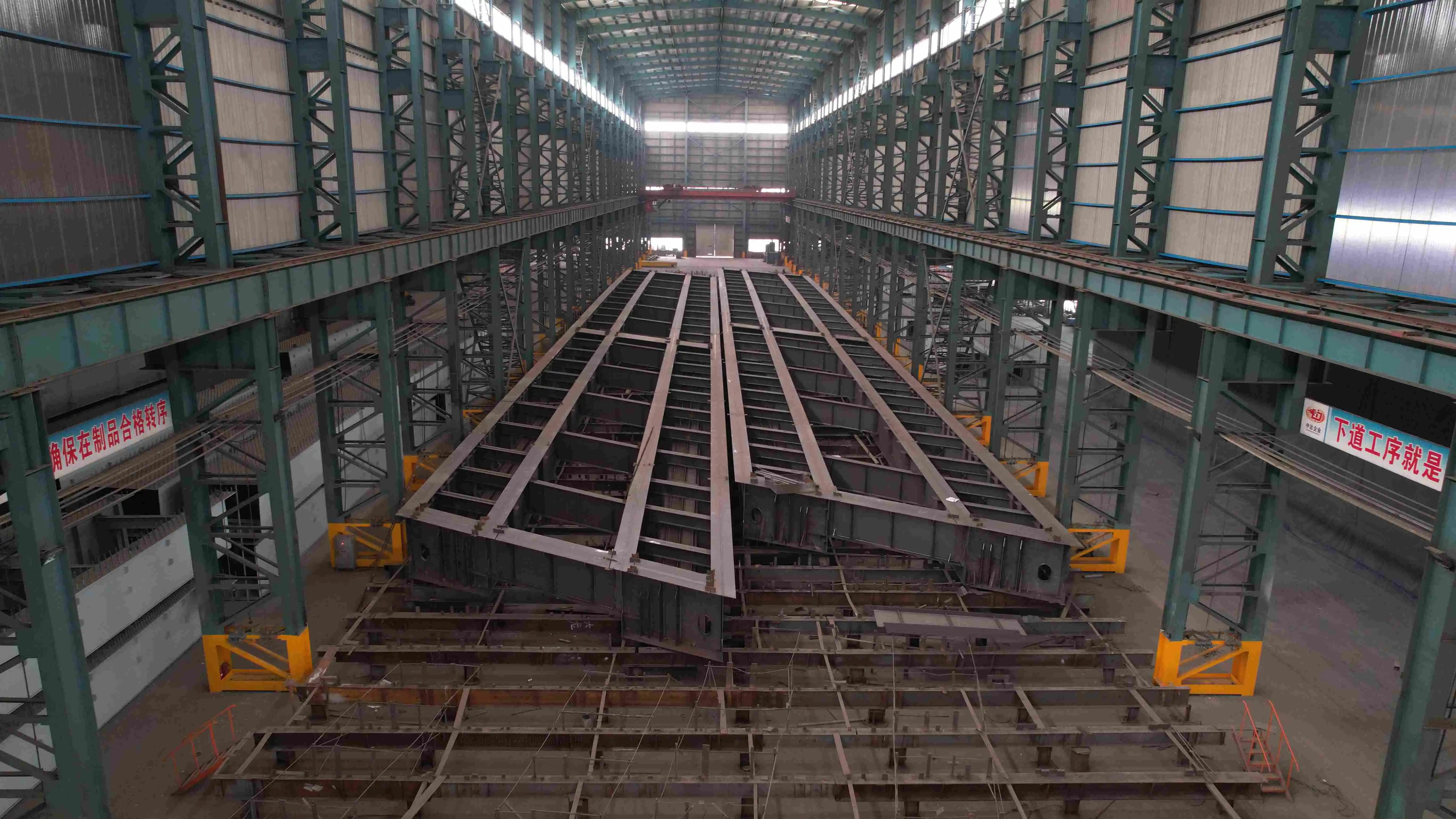
Building in a modern steel workshop is organized, and the first step is to use Building Information Modeling (BIM) technology to do a thorough engineering study. When buying materials, strict quality standards are followed. For example, steel plates are tested for their chemical makeup and mechanical properties. Tolerances of ±0.2mm are kept by computer-guided cutting tools in controlled factory settings where precision fabrication takes place. Multiple layers of anti-corrosion treatments are applied to parts, starting with shot blasting to Sa2.5 standards and ending with epoxy zinc-rich starters. On-site assembly uses pre-built pieces that are connected with bolts. This cuts down on construction times by 30 to 50 percent compared to traditional methods.
Essential Equipment and Layout Optimization
Strategically choosing the right tools has a direct effect on how productive and safe the workshop is. To keep bottlenecks to a minimum, CNC plasma cutting tables, high gantry systems, and automatic material handling equipment need to be carefully placed in their work areas. Layout design principles stress the importance of straight lines for work flows, clearly marked danger zones, and enough space for maintenance workers to get to areas that need it. Modular utility distribution systems for electricity, compressed air, and exhaust ventilation are used in effective workshops so that they can adapt to changing production needs without having to make structure changes. This infrastructure's adaptability is very helpful for businesses that want to grow or switch to new product lines.
Designing for Operational Excellence and Safety
Compliance with International Safety Standards
Safety structures like OSHA 1926 Subpart R and EN 1090 set the minimum standards for building with structural steel and keeping workers safe on the job. These rules require specific ways to test for load, get certified for quality welds, and get fire-resistance ratings. For projects in Europe, steel workshops must follow Eurocode 3 standards, while workshops serving the U.S. market must show that they meet AISC 360 standards for structural steel buildings. In addition to following the rules, top makers add safety features such as emergency exits, fire suppression integration points, and earthquake bracing that is based on the risk factors in the area. These proactive steps will protect both people working there and the building's assets for as long as it is used.
Preventive Maintenance Strategies
Systematic repair plans that take care of both structural and mechanical parts are needed to make sure that equipment is always working. Every two years, structural steel parts should be inspected to make sure the connections are strong and check for signs of rust. Crane systems need to be oiled once a month and tested for load every three months to avoid catastrophic breakdowns. Environmental tracking systems keep an eye on changes in temperature and humidity that speed up the breakdown of materials. Documented repair practices not only make assets last longer, but they also meet insurance requirements and keep warranties valid. When compared to reactive maintenance methods, facilities that use predictive maintenance tools report 15–25% less unexpected downtime.
Training Programs for Operational Excellence
Developing human capital is an important part of making sure that the workshop is safe and that the work is done well. Comprehensive training programs teach students how to operate tools legally, spot hazards, and handle emergencies. Welding operators need to pass the AWS D1.1 qualification test, and crane operators need to keep their NCCCO certification credentials up to date. Operator mistakes that hurt the quality of the product or the safety of the workplace can be avoided by regularly testing and reviewing their skills. Companies that put money into ongoing training see a clear drop in accidents and better regularity in their work, which directly leads to higher competitiveness in tough B2B markets.
How to Choose the Best Steel Workshop Partner for Your Business Needs
Evaluating Supplier Capabilities and Certifications
It takes a lot more research than just comparing costs to find the right manufacturing partner. Quality management system standards, such as ISO 9001:2015 for quality, ISO 14001:2015 for environmental responsibility, and OHSAS 45001 for health and safety at work, show that the business is mature in a structured way. The EN 1090 approval makes sure that the welding performance class rules and traceability standards are followed, which are very important for structural uses. Suppliers with a lot of experience have specialized engineering teams that can make cost-effective suggestions without sacrificing efficiency. Look over your resume to see examples of projects you've worked on in the same industry as yours. Pay special attention to span accomplishments, load capacities provided, and the ability to carry out projects across borders.
Understanding Customization Potential
The ability to change steel workshop layouts to fit specific work processes is what sets great sellers apart from average ones. You can customize more than just the sizes. You can also include crane beam options, mezzanine floor structures, insulated panel choices, and unique door designs. Advanced providers offer BIM coordination services that connect structure parts with electrical, mechanical, and plumbing systems during the planning phase. This stops disagreements that could cost a lot in the field. This way of working together makes sure that the finished building fits perfectly with the requirements for installing equipment, the sense of the process flow, and plans for future growth that were made during the planning stage.
Pricing Structures and Cost Transparency
To figure out the total cost of ownership, you need to look at more than just the original building price. Specifications for materials have a big effect on prices. For example, Q345 steel is more expensive than Q235 steel, but it works better in high-load situations. There are many types of surface treatments, ranging from simple primer coats to complex multi-layer systems with intumescent fire protection. Each has its own cost effects. Transportation logistics, site preparation needs, and installation difficulty are all factors that responsible providers take into account when they give thorough quotes. Ask for detailed bids that break down the parts that deal with supplies, fabrication, finishing, shipping, and expert support. This openness makes it possible to accurately allocate budgets and compare suppliers based on similar descriptions of scope.
Assessing Reputation Through Verifiable References
Verifiable project results and client ties are also part of supplier image validation, which goes beyond marketing claims. Ask for contact information for recent projects that are similar in size and scope to yours. Then, talk to direct references about how well the project was managed, how quickly problems were solved, and how well the company provided help after the installation. Certifications from groups like the American Institute of Steel Construction (AISC) show that a company can make things and has good quality control systems. Suppliers that have been in business for 15 years or more are usually financially stable and have a lot of technical knowledge that can help with difficult project challenges.
Procurement and Contracting: Facilitating Efficient Transactions
Budgeting for Comprehensive Fabrication Services
A good steel workshop project budget takes into account both the costs that can be seen and the costs that might not be seen until the project is completed. Besides the building itself, you should think about how much it will cost for base engineering, connecting utilities, getting permits, and getting insurance. Freight handling, clearing customs, and possible tax assessments that change depending on the location are all parts of shipping operations for foreign projects. Site-specific factors, such as limited entry or the need for weather cover during installation, may require temporary buildings or specialized tools. Experienced sellers give detailed quotes that include all of these factors right away. This lets you set a realistic budget and avoids financial surprises in the middle of the job.
Streamlining the Ordering Workflow
Technology platforms that give quick rough quotes based on key factors like measurements, load requirements, and setup preferences are used in efficient buying processes. After the original proof of possibility, detailed engineering plans are made that include structural estimates, foundation suggestions, and connection details. Modern suppliers keep online project sites where customers can get real-time information on the state of fabrication, quality paperwork, and tracking of logistics. Clear contract terms set payment schedules for milestones that are tied to measurable outcomes, like engineering approval, fabrication finish, and successful installation. This protects both parties' interests throughout the whole transaction lifecycle.
Managing Lead Times and Contract Negotiations
Setting realistic deadlines for projects is important for balancing the need for speed with the need for quality control. Depending on how complicated the plan is, engineering takes two to four weeks, and fabrication takes six to ten weeks for common configurations. International shipping can add an extra 3 to 6 weeks to the travel time, and clearing customs can cause delays. Negotiate contract terms that make it clear who is responsible for what. For example, the seller should be responsible for the accuracy of the design, the quality of the materials, and meeting delivery dates. The client should be responsible for getting the site ready, unloading the equipment, and coordinating the installation crew. Include parts about how to handle change orders, what to do in case of "force majeure," and how to handle disagreements.
Maximizing the Value of Your Steel Workshop Investment
Tangible Benefits Delivered
The practical benefits of steel workshops that were specifically built show up in a number of performance areas that have a direct effect on profits. Material flow patterns and machine accessibility are improved in column-free plans, which leads to higher production productivity. Controlled settings that keep the temperature stable and keep contaminants out lead to better quality control. Scalability benefits let you add modules in stages to make your business bigger without stopping what you're already doing. Features that save energy, like insulated panel systems, natural daylighting, and reflected roof coats, lower running costs for the whole building's lifetime. When these benefits are added together, the investment usually pays off within 5 to 7 years in industrial settings that are only slightly overloaded.
Real-World Implementation Success
A North American company that makes car parts just opened a 15,000-square-meter building with 30-meter clear spans and built-in 25-ton overhead crane systems. The project was operationally ready in just 8 months from the start of planning, which sped up the time it took for new product lines to hit the market. A company in the southwestern U.S. that makes parts for renewable energy chose steel building because it is resistant to earthquakes. This will protect over $12 million worth of precise manufacturing equipment. These examples show how strategic choices about facility design directly help businesses reach their goals beyond just providing room.
Emerging Trends Shaping the Future
As the industry changes, digital merging and innovations in sustainability keep improving the skills of steel workshops. Automated welding systems that check for quality in real time cut down on the time it takes to make something and make it more consistent. IoT sensor networks built into structural members provide constant health tracking, which makes it possible for repair plans to be planned ahead of time. Some environmentally friendly practices are using more reclaimed steel, putting solar panels on large roofs, and collecting rainwater. When suppliers adopt these new technologies, they set their clients up for long-term success in global markets that are becoming more demanding and where environmental responsibility and business efficiency are becoming more important.
Conclusion
To make the best steel workshop, you need to carefully think about the building's structural parameters, its operating needs, and its long-term strategy goals. During the decision process, suppliers should be given extra weight if they can show that they have the necessary knowledge, can customize the product fully, and are committed to quality throughout the entire project lifecycle. When procurement workers know about basic technical specs like material grades, span limits, and load-bearing needs, they can make smart choices that will last. Investing in a well-engineered building pays off in higher efficiency, lower operating costs, and the ability to change with the needs of the business.
FAQ
What determines the appropriate steel grade for my workshop?
The choice of material relies on the load needs and the environment. Q235 steel is good for general-purpose steel workshop uses where machine loads are modest and the environment is normal. When holding big machinery, overhead cranes with a capacity of more than 15 tons, or installations in places where temperatures change a lot, Q345 steel is needed. Before making a choice, structural engineers need to look at the dead loads, live loads, wind forces, and earthquake factors that are unique to your area and how you run your business.
How does workshop design accommodate future expansion?
The concepts of modular construction allow for growth in stages that don't affect current activities. Initial plans should include expansion joints, base plans, and service equipment that is the right size for what the building will be used for in the future. Portal frame systems let you add end-bay additions that fit in perfectly with the original buildings. Planning for growth during the initial planning phase doesn't cost much but gives you a lot of useful freedom as your business grows.
What timeline should I expect from order to operation?
Including planning, fabrication, shipping, and installation, standard setups usually take between 4 and 6 months. Eight to ten months may be needed for complicated projects with specific needs. For international projects, coordinating supplies and clearing customs takes more time. Getting suppliers involved early on in the planning process helps figure out which tasks are most important and how to make realistic plans that are in line with business goals.
Partner with Zhongda for Your Next Steel Workshop Project
Every industrial building project Zhongda Steel works on is backed by 20 years of specialized experience. Over 500 installations have been completed successfully by our engineering team across North America. These installations have been for manufacturers, transport operators, and infrastructure developers who expect the highest quality. As a qualified steel workshop maker with ISO 9001, ISO 14001, and OHSAS 45001 certifications, we keep strict quality controls in place from the time we buy the materials to the time they are installed. Precision within ±0.2mm is guaranteed by our 120,000-square-meter production center, which is equipped with cutting-edge CNC machinery. We want you to experience the Zhongda difference—contact our technical experts at Ava@zd-steels.com to talk about your project needs and find out how our personalized steel workshop solutions will add measured value to your facility over its entire operating life.
References
American Institute of Steel Construction. (2016). Specification for Structural Steel Buildings (ANSI/AISC 360-16). Chicago: AISC.
European Committee for Standardization. (2005). Eurocode 3: Design of Steel Structures - Part 1-1: General Rules and Rules for Buildings (EN 1993-1-1). Brussels: CEN.
Occupational Safety and Health Administration. (2020). Steel Erection Standards (29 CFR 1926 Subpart R). Washington: U.S. Department of Labor.
Chen, W.F. & Lui, E.M. (2019). Handbook of Structural Engineering (2nd Edition). Boca Raton: CRC Press.
Packer, J.A. & Henderson, J.E. (2017). Hollow Structural Section Connections and Trusses: A Design Guide (3rd Edition). Toronto: Canadian Institute of Steel Construction.
Newman, A. (2018). Metal Building Systems: Design and Specifications (3rd Edition). New York: McGraw-Hill Professional.
YOU MAY LIKE
_副本_1758525665999_1789372930836.jpg "steel frame structures")