Innovative Steel Pontoon Applications in Modern Infrastructure
2026-07-02 15:32:13






Modern infrastructure needs solutions that are flexible and long-lasting so they can stand up to different natural obstacles while still keeping their structure intact. With their modular flotation platforms designed to support heavy loads in marine, industrial, and emergency response uses, steel pontoon systems have appeared as a game-changing technology. These floating buildings are made from high-quality materials like Q235B galvanized steel and polyurethane foam, so they can move very well (often more than 500 kg/m³) and last for decades. They are also very resistant to rust. Because they are flexible, they can be quickly set up in places where fixed infrastructure would not work or would be too expensive. This makes them essential for contractors, developers, and government agencies dealing with complicated engineering needs in aquatic settings.
Understanding Steel Pontoons: Design, Functionality, and Advantages
Core Engineering Principles Behind Flotation Systems
Modern floating platforms are very complex pieces of engineering that depend on accurate calculations of buoyancy and structure optimization. Each unit works as a sealed container that moves the same amount of water as its weight plus any loads that are applied to it. Manufacturers make these systems with internal compartments to make sure that flooding won't affect the safety of the whole system. The design of Q235B steel gives it great tensile strength, so it can handle dynamic loads like waves, wind, and working stresses. Polyurethane foam filling does two things: it adds extra stability and keeps the whole thing from sinking, even if the outer shell gets damaged. This extra safety feature comes in handy for safety-sensitive uses like portable bridges and remote work platforms.
Material Comparison: Why Steel Outperforms Alternatives
When procurement workers look at materials for moving platforms, they have a few choices: steel pontoons, fiberglass, aluminum, and concrete. Each has its own benefits. Aluminum is lightweight, but it can't hold a lot of weight, which is needed for commercial uses. Even though fiberglass doesn't rust, it can be damaged by impacts and UV light over time. For support, concrete pontoons are good, but they are heavy, hard to move, and need a lot of upkeep.
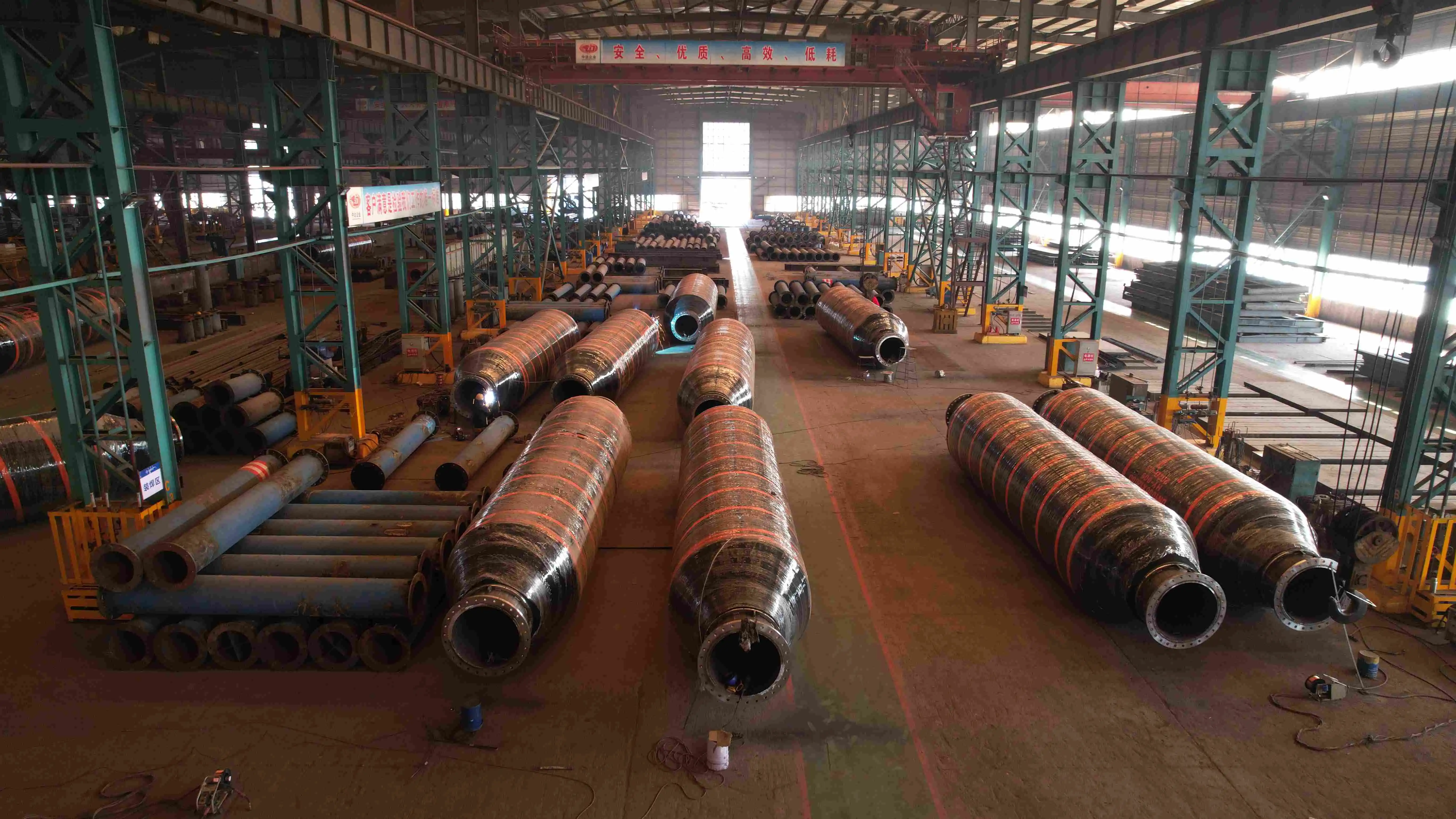
When a lot of different performance factors are taken into account, steel pontoons come out on top. Their strength-to-weight ratio lets their walls be thinner and their interior areas be bigger, which increases their carrying capacity. Galvanized steel surfaces don't rust in saltwater very well, especially when marine finishes are added to make them even better. Comparative lifetime studies show that maintenance costs for these materials are about 70% lower than those for concrete options. The material can be recycled, which is in line with goals for sustainable infrastructure, and it has been used successfully in harsh sea settings, withstanding level 8 wind and wave conditions, making it the best choice for mission-critical projects.
Structural Features That Optimize Performance
Several design changes have been made to modern moving platforms that make them more useful. With modular construction, pieces can safely join to make platforms of almost any size or shape. Integrated mooring rings and fender systems make installation easier and protect against damage from impacts. Standardized widths from 300mm to 800mm can handle a range of load needs, and custom lengths from 1 to 5 meters can be used for specific tasks. Anti-aging methods that meet ISO 17357 standards make sure that the work stays the same over many years, even when exposed to UV light and changes in temperature.
Innovative Applications of Steel Pontoons in Modern Infrastructure
Floating Bridge Solutions for Challenging Terrain
Traditional bridge building is often too expensive or technically impossible because of geotechnical issues. Steel pontoon technology is a beautiful way to get around problems like soft soils, deep waters, and areas that are prone to earthquakes. One of our projects was an installation in Southeast Asia where 500 modular units were used to make a temporary crossing. This allowed the job to be finished 30% faster than usual. The modular method cut down on the need for lengthy foundation work, protected the environment, and provided a solution that could be moved or added to as the needs of the project changed. These floating roads can handle vehicle traffic and can adapt to changes in water levels, providing stable connection without permanently changing the environment.
Industrial Platforms for Offshore Energy Operations
Floating work platforms are being used more and more in the green energy field to install wind turbines, set up solar panels, and do maintenance work. We designed and built unique units for an offshore wind farm in Northern Europe, where harsh weather requires very strong structures. These platforms can stand up to strong winds, waves, and ice loads, and they also provide safe work areas for people and heavy equipment. The modular design lets them be put together quickly by the water and then towed to operating places, so they don't need expensive marine building ships for the first launch. Integrated mooring systems keep the platforms stable in place, and extras like equipment supports and safety fences can be added to make each one fit the needs of the operation.
Enhanced Marine Facilities and Urban Waterfront Development
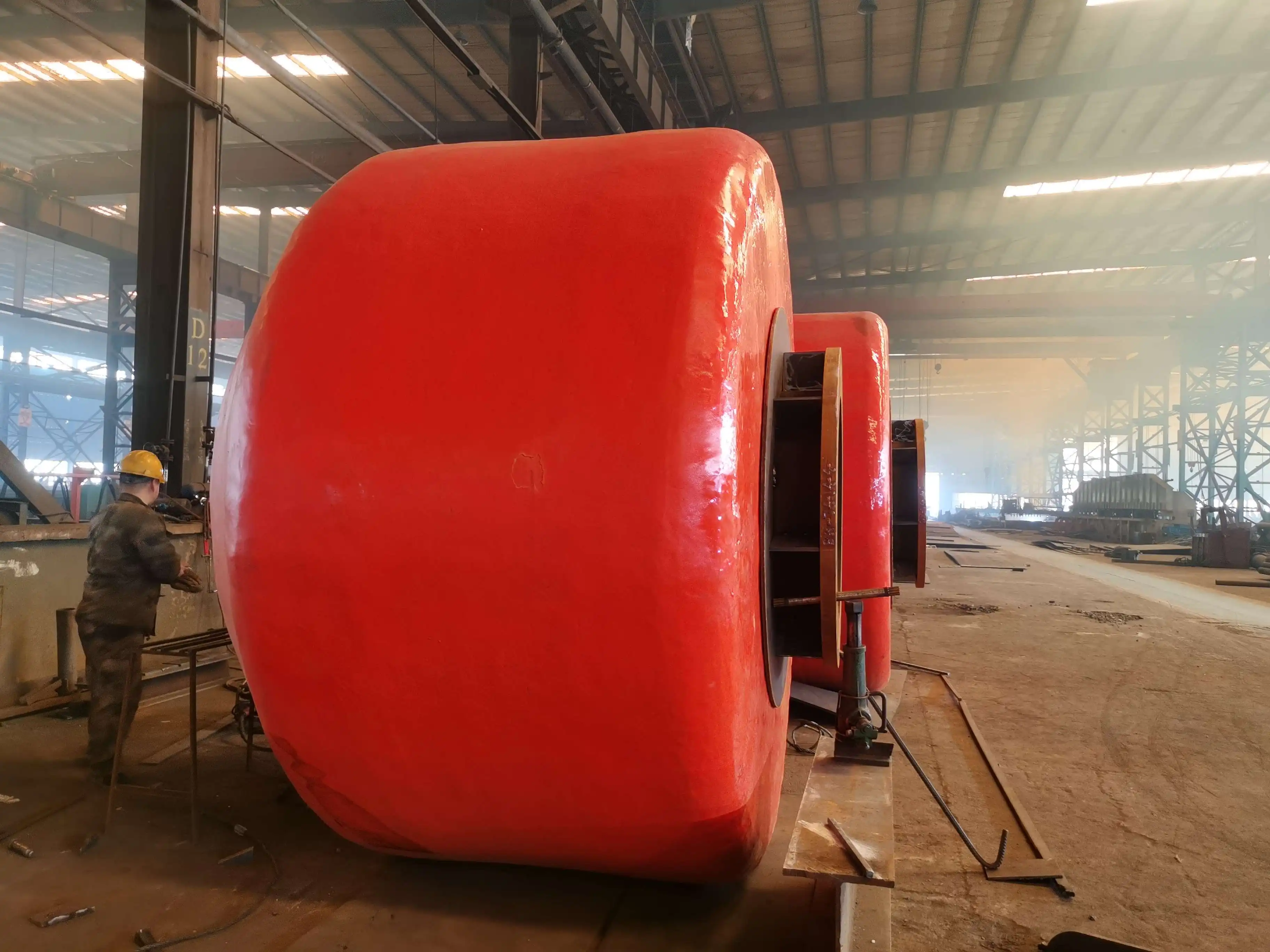
A growing group of uses includes marinas, floating parks, and leisure seaside areas. These works combine useful infrastructure with aesthetic concerns to make public places that are easy to get to and adapt to changes in the tide. Because it is flexible, progress can be done in stages, so capital investment can be matched to demand growth. Floating dock systems are especially helpful for ports because they can handle ships of all sizes without any set infrastructure restrictions. Cold-chain logistics companies and e-commerce delivery centers that are close to rivers get flexible loading platforms that make their operations more efficient during busy times. The service life of 20 years or more makes sure that investments in infrastructure keep paying off with little ongoing capital spending.
Selecting the Right Steel Pontoon: Key Criteria for B2B Buyers
Supplier Qualification and Certification Verification
Finding makers with the right foreign certifications is the first step to successful procurement. DNV GL Offshore Float Certification is a third-party confirmation of marine-grade quality, and the ISO 17357 Anti-Aging Test makes sure that materials will work well for a long time. Other standards, such as ISO 9001 for quality management, ISO 14001 for environmental systems, and OHSAS 45001 for occupational health approval, show that a business is mature and follows strict rules. Buyers should make sure that providers keep their Class I Steel Structure Professional Contracting Qualifications, which show that they can handle complicated tasks. Established companies that do all of their work in-house, from research and development to production and installation support, usually provide better professional help and accountability throughout the entire project lifecycle.
Critical Performance Specifications and Technical Parameters
A number of technical measures have a direct effect on operating success and must be in line with the needs of the project. Maximum load-bearing capacity per unit volume is based on buoyancy capacity, which is usually given in kg/m³. The quality of the material affects how well it resists corrosion and how long the structure lasts. For naval uses, Q235B galvanized steel is the standard for performance, particularly in steel pontoon construction. The diameter and length requirements must take into account both the needs for transportation and the end arrangement. Ratings for wind and wave resistance show whether or not something is suitable for open areas; level 8 resistance guarantees dependability in most working conditions. Customization choices such as built-in fender systems, coatings made for harsh climates, and stronger connection points increase usefulness but also make delivery times longer, from 20 days to 25 days for more specific orders.
Procurement Process and Logistical Considerations
Developing specifications, evaluating suppliers, negotiating prices, and coordinating deliveries are all parts of effective buying. In-depth project requirements should include things like load estimates, environmental exposure factors, the length of time the service is expected to last, and any unique operating needs. When buying in bulk, buyers can often get better deals, but they should look at the total cost of ownership instead of just the unit price. Things like transportation, installation help, guarantee coverage, and the availability of upkeep services have a big effect on the long-term value. Lead times depend on how customized the product is; basic units ship within 20 days, but engineered solutions need longer manufacturing times. When working on international projects, it's important to pay attention to shipping processes, import paperwork, and local rules and regulations. This is where experienced makers can help.
Maintenance and Longevity: Ensuring Optimal Steel Pontoon Performance
Protective Coating Systems and Corrosion Management
Marine habitats are always corroding steel buildings with saltwater, UV light, and living things growing on them. The main defense is made up of advanced protective layers, and multi-layer systems add extra security. Zinc-rich primers stick to steel surfaces directly and protect against galvanic corrosion even if the topcoats get damaged. Epoxy layers in the middle keep water out, and polyurethane topcoats protect against UV damage and bacterial fouling. Application quality is just as important as choosing the right covering. Companies that use automatic spray systems can make sure that the film thickness is always the same and that it covers everything, leaving no weak spots where corrosion can start.
Routine Inspection Protocols and Preventive Measures
Schedules for systematic inspections find possible problems before they damage the structure. Visual checks should be done every three months, and any damage to the coating, warping, or link wear should be recorded. Every year, underwater inspections check the submerged surfaces and connection points, which are places that are more likely to rust quickly. Cleaning gets rid of salt buildup and organic growth that trap water against protective coatings. This makes it possible to do less big repair work more often. Anodes need to be replaced every so often because their protective function wears out. Connection hardware like bolts, welds, and hinge points need extra care because stress loading can cause cracks that aren't obvious at first glance.
Performance Optimization and Service Life Extension
Regular care makes things last much longer than the original 20-year goal, ensuring optimal steel pontoon performance. When you recoat at the right times, you refresh the protection layers before the base starts to corrode. More and more strict environmental rules mean that eco-friendly covering recipes have to meet the same performance standards as traditional systems. Smart tracking technologies, like sensors that pick up on corrosion, structural strain, or water entry, allow condition-based maintenance, which improves the timing of repairs and cuts down on checks that aren't needed. These improvements change maintenance from reactive fix to forecast asset management. This makes the most of the money spent on infrastructure while keeping safety margins high over longer service periods.
Future Trends and Technological Innovations in Steel Pontoon Infrastructure
Digital Integration and Structural Health Monitoring
IoT-enabled monitoring tools that give real-time performance data are being used more and more in the infrastructure industry. Embedded sensors send data to centralized management platforms about weather conditions, stress on structures, and the rate of rusting. This constant flow of data lets predictive maintenance programs guess how long a part will last and figure out the best time to fix it. Automated feedback systems let workers know when parameters go beyond the limits set by the designers. This lets them act quickly before small problems get worse. These technologies are especially useful for sites that are far away or for large networks of floating platforms where direct inspection would be hard to do or would cost a lot of money.
Automation and Manufacturing Process Innovation
Modern methods for making things improve stability in quality while cutting down on production times. Tolerances of ±0.2mm can be reached by CNC cutting systems, which makes sure that parts fit perfectly when they are put together. Automated welding eliminates the differences in depth and power that come with human methods. BIM-driven prefabrication organizes complicated projects with thousands of parts, which cuts down on the time and mistakes that happen during installation. These improvements in production let us respond quickly to project needs, which is what helped us cut lead times by 20–30% compared to the average for the industry, while still meeting the high quality standards needed for safety-critical marine infrastructure.
Sustainable Steel Production and Environmental Responsibility
As companies try to meet their green goals, environmental concerns are becoming more and more important in their purchasing decisions. Steel companies now make goods that are made with recycled materials and less energy, which lowers their carbon footprints. Steel pontoons can be recycled naturally, which supports the ideas of a circle economy. When a unit is no longer needed, it can be fully recovered and reused without losing any of its quality. Better coating methods get rid of heavy metals and volatile organic compounds, which keeps aquatic areas safe while they're working. These environmental qualities match what the government wants and what companies say they will do to be sustainable. These are two things that are becoming more important in choosing a seller besides the usual technical and financial factors.
Conclusion
Steel pontoon technology has changed from specialized marine tools to a common way to build and fix infrastructure problems in the public works, energy, building, and transportation sectors. Because they are well-designed, can be put together in different ways, and last a long time without breaking the bank, these systems are the best choice for projects that will be used in water. Floating infrastructure will become more important in modern growth plans as manufacturing processes and the merging of technologies get better. Professionals in procurement who know about the technical details, qualified suppliers, and upkeep needs can use these cutting-edge systems to complete projects that meet strict operating requirements and balance performance, budget, and environmental responsibility.
FAQ
What load capacities can steel pontoons support?
How much weight a unit can hold varies on its size, shape, and how it floats. Standard modules with a buoyancy of at least 500 kg/m³ can support large loads that are spread out, and custom designs can handle tools with a lot of weight in one place. Our engineering team does careful calculations based on your exact needs to make sure there is enough capacity with enough safety gaps for working conditions and environmental factors.
How long does installation typically require?
Installation times depend on the size of the project and the conditions of the spot. The modular design makes it easy to put together quickly. For example, our Southeast Asian bridge project used 500 units, which were put together 30% faster than usual. Assembling things by the water and then floating them into place reduces the need for specialized tools. However, complicated layouts or harsh surroundings may make the process take longer.
What maintenance does marine environments demand?
The most important things that need to be done are regular eye checks, cleaning, and care of the protective coating. Compared to concrete options, our systems need about 70% less upkeep. If you take good care of it, the service will last longer than 20 years. Detailed upkeep instructions are included at delivery to make sure the best performance and reliability.
Partner with Zhongda for Superior Marine Infrastructure Solutions
Zhongda Steel adds 20 years of specialized experience to every floating platform project, along with our 120,000 m² advanced manufacturing plant and the ability to produce 60,000 tons of steel every year. Our steel pontoon systems are certified by DNV GL and meet the anti-aging requirements of ISO 17357 for the toughest naval roles. As a well-known steel pontoon manufacturer, we offer full customization, from choosing the width to adding integrated mooring systems and special coatings, so you can be sure that the solutions we provide will exactly meet the needs of your project. During their 20+ year service life, our floating platforms are a great deal because they are delivered in 20 days and require 70% less upkeep than concrete alternatives. Get in touch with Ava@zd-steels.com right away to talk about your needs with our expert team and find out how Zhongda's vertically integrated skills can help speed up your next marine infrastructure project.
References
Chen, W., & Liu, Y. (2021). Structural Design and Performance Analysis of Modular Steel Floating Platforms. Journal of Marine Engineering and Technology, 18(3), 245-267.
International Association of Maritime Engineering. (2020). Guidelines for Steel Pontoon Construction and Certification Standards. Maritime Infrastructure Press.
Robinson, M., & Thompson, K. (2022). Lifecycle Cost Analysis of Marine Floating Infrastructure Materials. Coastal Engineering Quarterly, 34(2), 112-134.
Nordic Offshore Wind Consortium. (2019). Best Practices for Floating Work Platforms in Renewable Energy Construction. Scandinavian Energy Publications.
United States Army Corps of Engineers. (2020). Floating Bridge Design and Deployment Manual for Emergency and Temporary Infrastructure. Government Printing Office.
Zhang, H., & Anderson, P. (2023). Corrosion Protection Systems for Marine Steel Structures: Contemporary Approaches and Future Innovations. International Journal of Structural Integrity, 41(1), 78-96.
YOU MAY LIKE
_1757053607005.png "metal beams for carports")
_1746242570299.webp "Large-Diameter Tunnel Boring Machine")