Zhongda Simple Warehouse: The Most Durable Choice for Logistics
2026-07-02 15:32:10






When procurement managers look for reliable storage infrastructure, the simple warehouse model stands out as a practical choice that strikes a good mix between usefulness and return on investment. At Zhongda Steel Structure, we've designed warehouse systems that offer exceptional structural stability for logistics operations while getting rid of needless complexity. Our method focuses on three main areas: high-quality steel, optimizing spans, and quick deployment. These three areas completely change how businesses in North America's competitive industrial setting handle their inventory and distribution processes.
Understanding Simple Warehouse Systems
Core Functions That Drive Supply Chain Efficiency
One of the main goals of streamlined storage spaces is not just to store goods. Structures that work well with material handling tools, inventory tracking systems, and temperature-controlled areas are needed for modern operations. Our steel-framed buildings meet these needs with open floor plans that make things easier to get to and lessen the chance of getting blocked. The structural backbone of these buildings is made of Q235 and Q345 steel types. They can hold a lot of goods and keep their shape even when the weather changes.
The design theory stresses having open floor space so that forklifts, automatic guided vehicles, and pallet racking systems can work without being limited by room. Throughput rates are an important measure for distribution centers that manage just-in-time shipping schedules, and this configuration has a direct effect on them.
How Zhongda's Design Philosophy Maximizes Operational Value
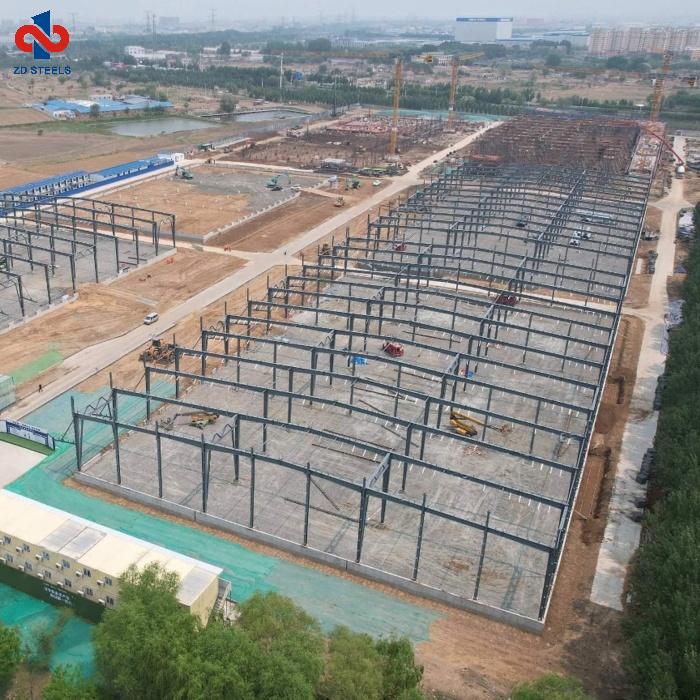
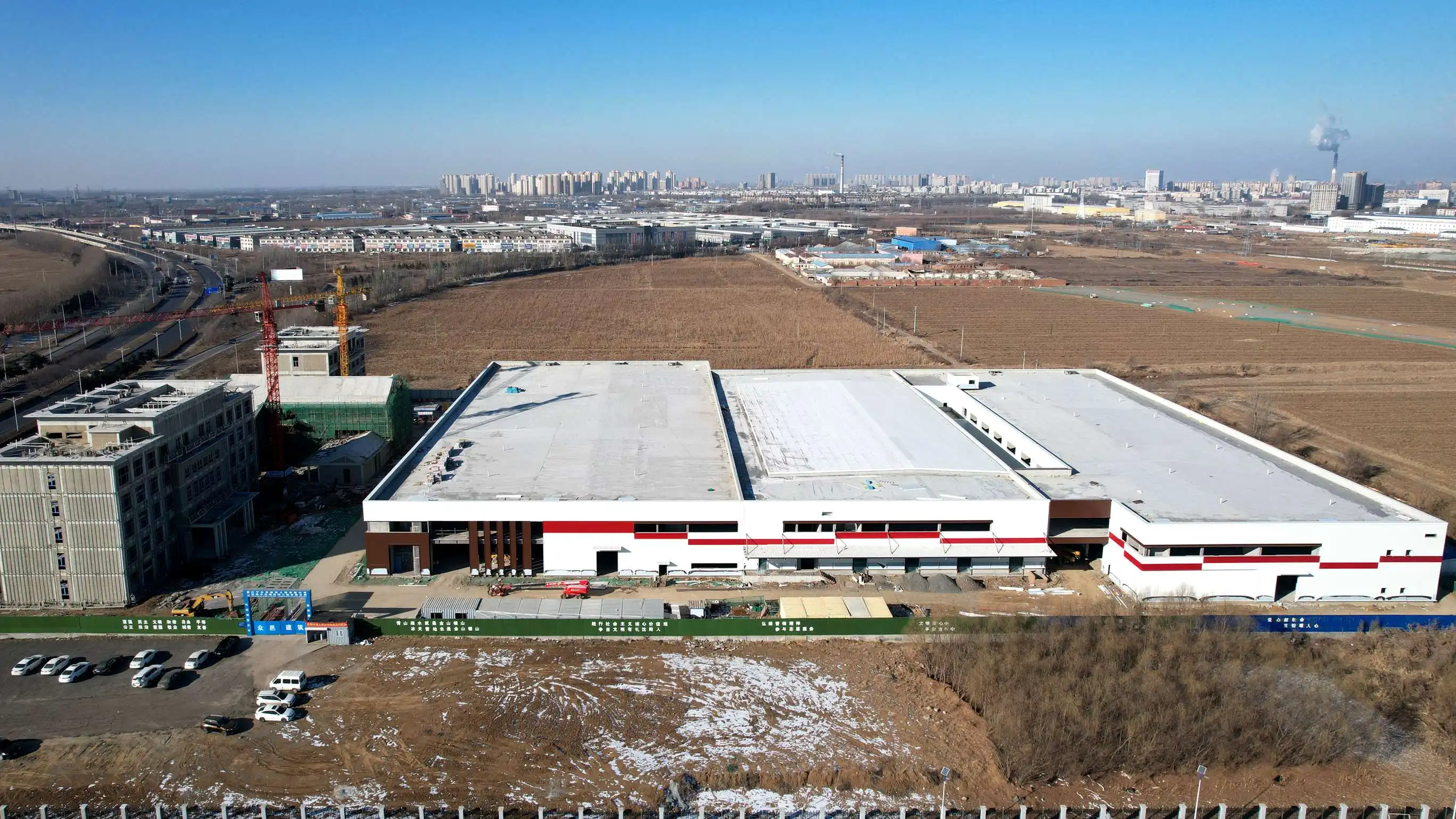
Our engineering team uses BIM-driven prefabrication methods to make sure that each project is tailored to its unique organizational needs. Column-free zones with spans between 12 and 36 meters make room for high-density storage arrangements. When the height is between 6 and 12 meters, vertical stacks can be used to make more space useful without making the building bigger. Color-coated steel plate covering systems are better at keeping water out, and sandwich panel walls keep heat in, which is important for keeping products fresh in cold-chain situations.
When these parts work together, it makes it easier to see and get to things in the list, which improves its accuracy. People who work in procurement like this because it means less shrinkage and faster order delivery rounds. Our anti-corrosion treatments make simple warehouse structures last longer than 30 years, which protects facility owners' cash over the long run.
Real-World Workflow Integration
Think about an area distribution hub that helps businesses that process orders from online stores. The building needs to have docking systems so that multiple loading processes can happen at the same time, mezzanine-level sorting areas, and room for overhead transport systems. Zhongda's flexible framework lets you set aside areas for installing equipment during the planning phase, so you don't have to pay a lot of money to do expensive upgrades later on. Doors and windows can be moved and rearranged to meet changing operating needs, like adding more cross-docking bays or making cooling zones bigger.
This ability to change is especially helpful for businesses that are growing. The steel framework allows for modular growth, which means that the building can be made taller by adding mezzanine floors or wider on the sides without affecting its structural stability. This kind of scalability saves original assets and lets the market grow.
Comparing Simple Warehouse with Other Warehouse Models
Operational Complexity: When Simplicity Outperforms Sophistication
Advanced robotics, multi-tier storage, and integrated climate controls are all parts of complex warehouse systems that require a lot of money up front and specialized upkeep knowledge. While this level of complexity is fine for storing and distributing high-value drugs or gadgets, many logistics operations find that it's too much for their needs. While cloud-based delivery centers are better in terms of technology, they depend on third-party infrastructure, which means that you don't have direct control over how the data is maintained or when it is accessed.
Steel-framed buildings give you instant operating control and easy maintenance instructions. Downtime risk is lower when there aren't any complicated mechanical systems. Facility managers like having direct control over things like the surroundings, security, and changes to the structure. This direct control is very important when demand changes with the seasons and quick changes in the layout are needed to make the best use of room.
Cost Analysis Across Warehouse Model Categories
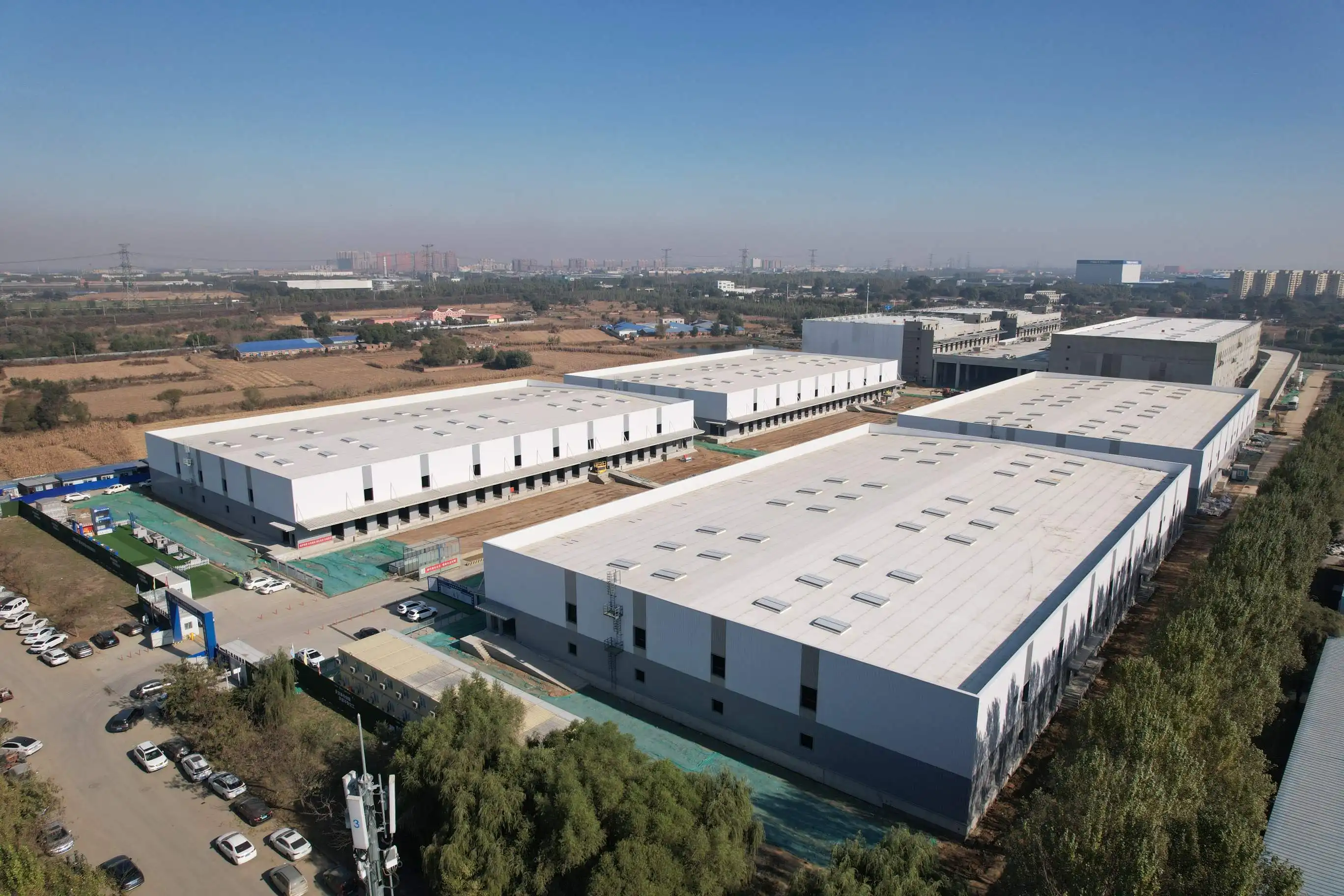
Return-on-investment estimates are directly affected by how long it takes to build something. The time it takes to put our premade steel parts on-site is cut down from months to weeks, which speeds up the process of making money. Steel prices follow established market trends, unlike specialty materials whose prices can change quickly through the supply chain. The fact that solid steel parts can be recycled creates leftover asset value, which is something to think about when planning your long-term finances.
The amount of money spent on maintenance tells another interesting story. Cracks and water getting into traditional concrete buildings need to be fixed on a regular basis. When our steel frames are cleaned, they don't rust in wet seaside areas or chemically exposed industrial areas. The color steel plate covering doesn't break down when the temperature changes, and it will stay weatherproof for decades. When compared to other building methods, these longevity features make the total cost of ownership much lower for a simple warehouse installation.
Material Quality and System Resilience in Demanding Environments
Different operating systems present different problems. Port buildings are corroded by salt air, mine support structures are worn down by rough dust, and cold storage buildings are heated and cooled over and over again. Zhongda's -60°C Weathering Steel Anti-corrosion Technology works in these situations by choosing the right alloys and treating the surfaces in special ways. Our projects in Russia's Arctic show that structures can handle big changes in temperature, and our mining setups in Australia show that they can withstand UV damage and mechanical impact.
Client comments from setups in 2024 shows that the systems worked consistently even when they were loaded in ways that were higher than what was originally planned. One petroleum contractor said that our warehouse frames could hold emergency equipment while the building was being upgraded, and that temporary loads of 150% of their rated capacity were not a problem. This resilience gives operational freedom, which is something that buying teams look for when they judge the reliability of a seller.
How to Choose the Right Warehouse Solution for Your Business
Assessment Criteria for Procurement Decision-Making
The decision process starts with an honest assessment of how much storage space is needed. The span and height requirements are based on volume estimates for the next five years. Floor loading requirements and aisle width factors are based on the features of the cargo, such as its weight density, ability to stack, and the size of the handling equipment. Concerns about the environment include the need to control the temperature, the need for air flow, and the possibility of being exposed to chemicals that are toxic.
Budget problems go beyond the beginning costs of building. Total costs are affected by how much energy is used to control the temperature, how much insurance costs are based on the building's fire rating, and how much property taxes are. Our engineering consults clearly break down the costs into these groups, so you can compare them with other options in a smart way to find the best simple warehouse for your company.
Critical Features in Steel Warehouse Infrastructure
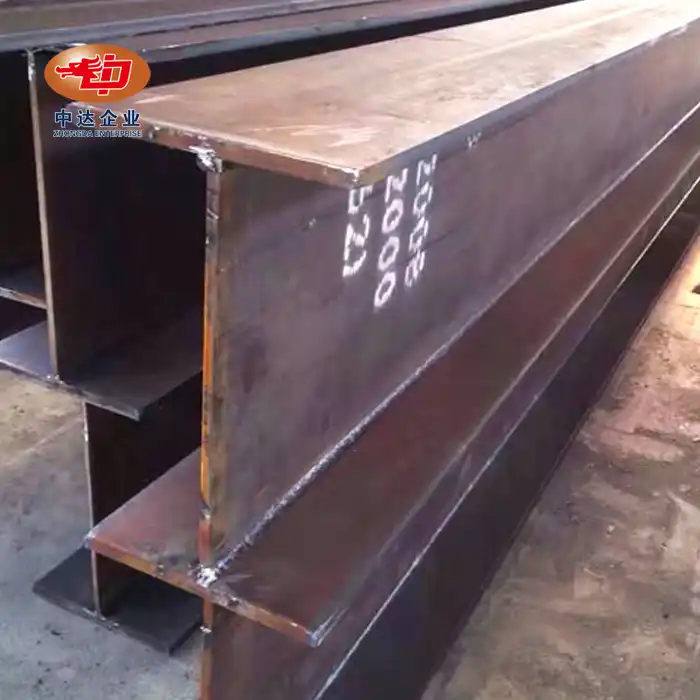
A warehouse's useful design is based on its load-bearing ability. Our Q345 steel has a tensile strength of more than 470 MPa, which means it can handle big tools and storage of bulk materials. The long-span design cuts down on the number of internal columns, which lets you set up racking systems in a variety of ways without having to worry about space issues. This decrease in columns is directly linked to higher storage density, which is a measure of how efficiently operations run.
Speed of construction is another important benefit. Prefabrication cuts down on delays caused by bad weather and problems coordinating workers. Preparing the site happens at the same time as making the parts, which shortens the time it takes to finish the job. Faster usage means earlier income generation, which is something that procurement managers use to support project approval.
Zhongda's Value Proposition for North American Markets
Our price system takes into account clear costs for materials, work for fabrication, shipping, and help with installation. There are volume savings for projects with more than one building or for developing a school in stages. As part of the installation services, base advice, erection supervision, and post-completion checks to make sure that local building codes were followed are all included.
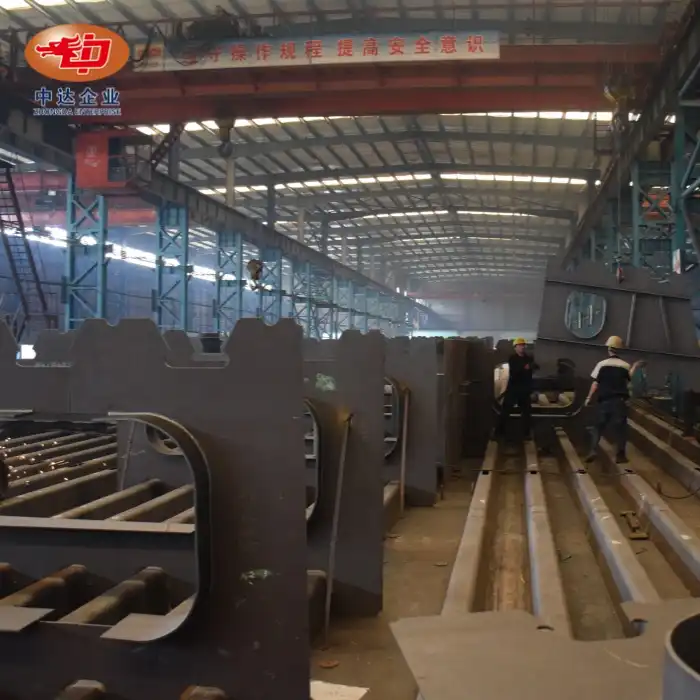
The yearly production capacity of 60,000 tons makes sure that delivery schedules are in line with building schedules. Our ISO 9001/14001/OHSAS 45001 certifications and EN 1090 compliance show that we follow international quality standards. These are the kinds of qualifications that meet the needs of both corporate governance and insurance underwriters. Adaptability to future changes saves the life of an investment. Our bolt-connection systems make it possible to change wall panels, move doors, and strengthen structures without stopping work that is already going on.
Real-World Use Cases of Zhongda Simple Warehouse
Manufacturing Sector Applications
A Midwest company that makes car parts needed storage for just-in-time inventory to support assembly line activities. The 24-meter span got rid of the internal beams, which made it possible to place pallet racks that made the best use of the space. Built-in mezzanine floors made different areas for receiving raw materials and storing produced goods. The project was finished three weeks early, which allowed production to start on time and meet the contractual targets with key OEM clients.
The flexible form of the building later allowed for robotic picking systems when the client increased e-commerce sales. This change didn't require many structural changes; existing bolt patterns were used to add reinforcement brackets for robotic train systems. Keeping operations going during this change kept income from going down, showing that careful planning at the start leads to long-term flexibility in a simple warehouse design.
Distribution and Logistics Optimization
To get a piece of the growing biotech market, a cold-chain operator that works with pharmaceutical delivery needed to speed up building. Our insulated sandwich panel walls were built to work with cooling systems, so the temperature in the 10,000-square-meter building stayed stable within ±2°C. The warehouse got its operational approval two months after the ground was broken, which is faster than what could be done with normal building ways.
Energy consumption data on energy use showed that temperature control costs were 18% lower than at the client's old concrete-block building. The better thermal environment cut down on compressor runtime, which increased the time between machine maintenance visits and decreased energy costs. These saves proved that the money spent on better soundproofing materials was worth it.
Partnership Opportunities in B2B Procurement Networks
European OEM companies have used our engineering skills for rollouts in multiple locations that needed consistent designs in different jurisdictions with different wind and earthquake load standards. We provide localized engineering stamps and work with local companies to place them, making sure they follow the rules and upholding quality standards. This "turnkey" method makes buying easier for multinational companies that are in charge of complicated capital expenditure plans.
How to Get Started with Zhongda Simple Warehouse
Initiating Your Project Consultation
The first step in the interaction process is technical talks that help you understand what your business needs are for a simple warehouse project. Our team looks at the details of the goods, the expected flow, the site conditions, and the rules and regulations that apply. This information is used to make rough design plans that include 3D models, lists of materials, and estimates of when the work will be finished. We want you to ask about structure certifications, guarantee coverage, and support after the installation—being open and honest builds trust in the relationship.
Site assessments can be done from afar by looking at documents, or for more complicated projects, they can include trips to the site. Soil bearing ability, service access, and draining are all things that affect how the base is designed and how much the whole job costs.
Installation and Onboarding Support
Once the contract is signed, our project management team will make sure that the schedule for fabrication works with your building schedule. Shipments of parts come in a certain order to make assembly easier and reduce the need for storage on-site. Installation teams work with local builders and give them technical advice to make sure that the right bolt torque specs and panel sealing practices are followed.
Post-installation checks make sure the structure is working properly and take care of any items on the "punch list." We give upkeep instructions that cover how to check the roof, fix broken door locks, and touch up the coating. This paperwork helps property management teams keep the value of assets high over the life of the building.
Connecting with Sales and Engineering Teams
Direct lines of contact make service more quick. Within 48 hours of receiving a procurement inquiry, full technical answers are sent. When the project requires it, our engineers can join planning meetings via video conference or go to the site for in-person meetings. Our customers have a better experience with us than with providers who only use automated answer systems because we are easy to reach.
Conclusion
Because of the materials used, structural engineering, and building methods, steel-framed storage buildings are the most durable buildings on the market. Our 20-year track record in a wide range of industries backs up design principles that put space efficiency, quick rollout, and lifetime cost management at the top of the list. When you put together Q345 steel types, span optimization, and anti-corrosion treatments, you get infrastructure that works reliably even in tough operating conditions. Procurement workers looking for reliable suppliers will find that our clear prices, quick technical support, and experience with projects all over the world meet the needs of corporate sourcing. Our designs are flexible, which saves capital investments against changes in how things are done. This makes these buildings good long-term assets.
FAQ
Which Industries Benefit Most from Steel Warehouse Structures?
Column-free plans are immediately helpful for logistics and delivery operations that need to store a lot of things. Flexible space allocation helps manufacturing sites adapt to changing production processes. Operators of cold chains want better heat performance that cuts down on energy costs. In mining and heavy industry, structures that can stand up to harsh weather and big loads are valued.
How Does Zhongda's Durability Compare to Competitors?
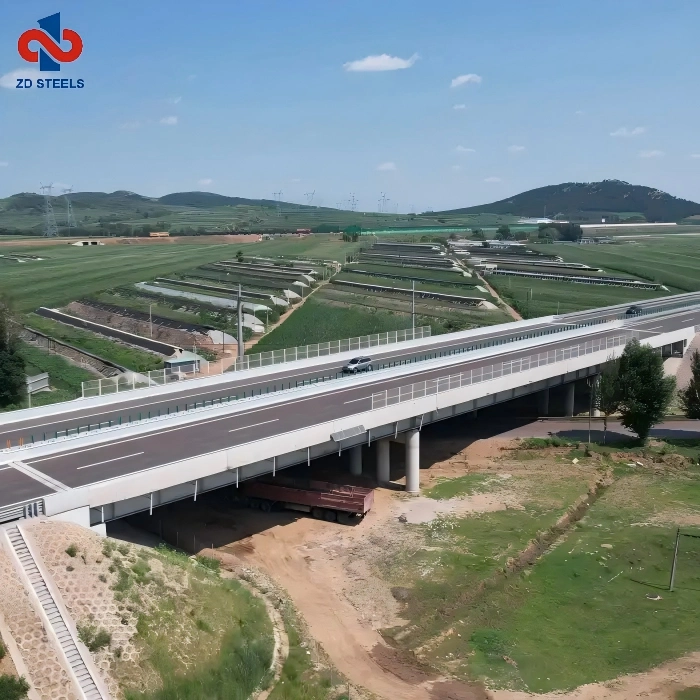
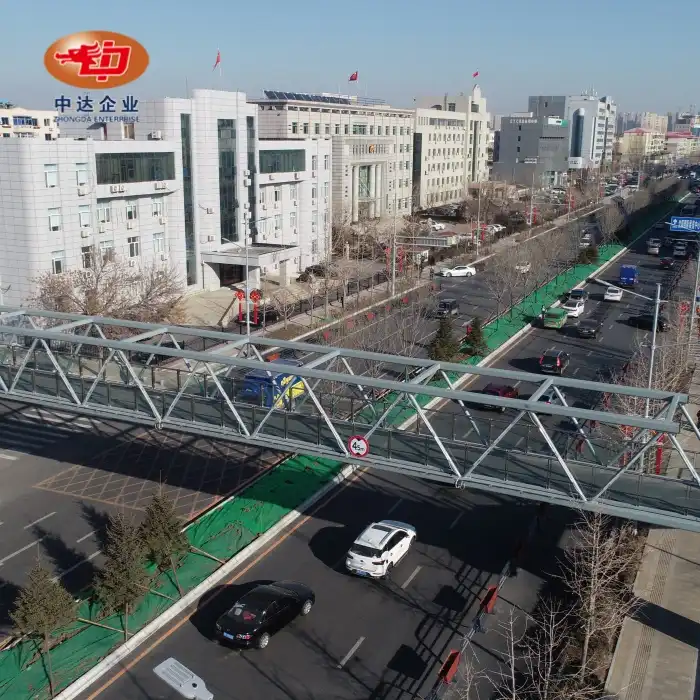
Our anti-corrosion technology goes beyond simple galvanization by using special coats that can stand up to harsh chemicals and temperatures. The -60°C performance rate is higher than the standard in the industry. This has been proven by projects like building an Arctic bridge and mining in rough environments. Our ISO-certified supply chain makes it possible to track materials back to the source. This makes sure that the quality of the steel meets the requirements for structural loading on all projects.
Can These Structures Integrate with Existing ERP and Logistics Platforms?
Through reserved conduit routes and equipment mounting options, the physical infrastructure makes it possible to integrate technology. When planned during the planning phase, installations of RFID antennas, barcode scanning stations, and automatic storage recovery systems can be made without any changes to the structure. This backward compatibility keeps technology investments safe as systems for managing transportation change.
Partner with Zhongda: Your Trusted Simple Warehouse Supplier
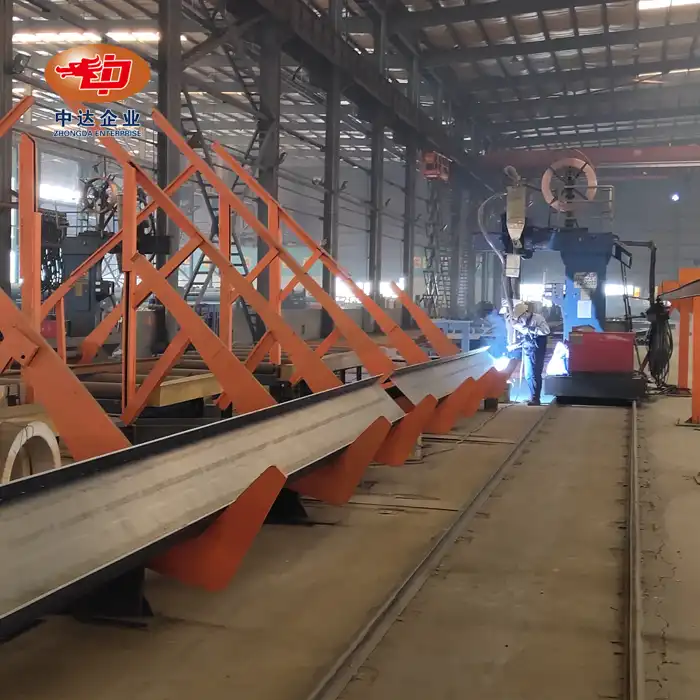
When logistics workers are looking at long-lasting storage infrastructure, they should look at how steel-framed building offers real operational benefits and long-term cost saves. As a top maker of simple warehouses, Zhongda Steel Structure has 20 years of engineering experience and the ability to produce 60,000 tons of steel for clients in all of North America's industry sectors. Our BIM-driven design process, ultra-precision fabrication (within ±0.2mm), and full installation help get rid of any doubt about buying. Email our team at Ava@zd-steels.com to talk about the details of your project and get full technical offers. Case studies showing proven success in difficult situations can be found at zd-steels.com.
References
American Institute of Steel Construction. (2023). "Steel Construction Manual: Design Standards for Industrial Buildings." 15th Edition.
Modern Materials Handling Magazine. (2024). "Warehouse Construction Trends: Evaluating Steel vs. Concrete for Cold Chain Facilities."
Supply Chain Management Review. (2023). "Total Cost of Ownership Analysis for Distribution Center Infrastructure."
Journal of Structural Engineering. (2024). "Performance of Cold-Formed Steel Systems in Logistics Facilities Under Dynamic Loading."
International Warehouse Logistics Association. (2023). "Best Practices in Storage Facility Design for E-Commerce Distribution Networks."
Construction Industry Research Association. (2024). "Lifecycle Analysis of Prefabricated Steel Structures in Industrial Applications."
YOU MAY LIKE