Managing Large-Scale Power Plant Steel Structure Projects
2026-07-02 15:32:08






For big power plant steel structure projects to be managed successfully, they need to be carefully coordinated during the engineering, procurement, and building stages. It's important to know a lot about load dynamics, material selection, and lifecycle performance in order to build these structural frames that support important energy structures like turbine halls, boiler suspension systems, and air-cooled condenser platforms. Understanding how heavy machines, environmental stressors, and operating needs combine with power plant steel structure components is crucial to success. In this guide, we'll look at tried-and-true ways to improve project timelines, lower risk, and make sure that energy gathering sites' structures are safe.
Understanding Power Plant Steel Structures: Core Concepts and Design Principles
Steel frames that are made to handle extreme loads are used in energy infrastructure projects. In contrast to normal building, these systems have to deal with high temperatures, strong vibrations from moving parts, and environments that are prone to corrosion. We've seen that procurement workers who understand these basic differences make much better decisions about where to get things.
Material Selection and Structural Steel Grades
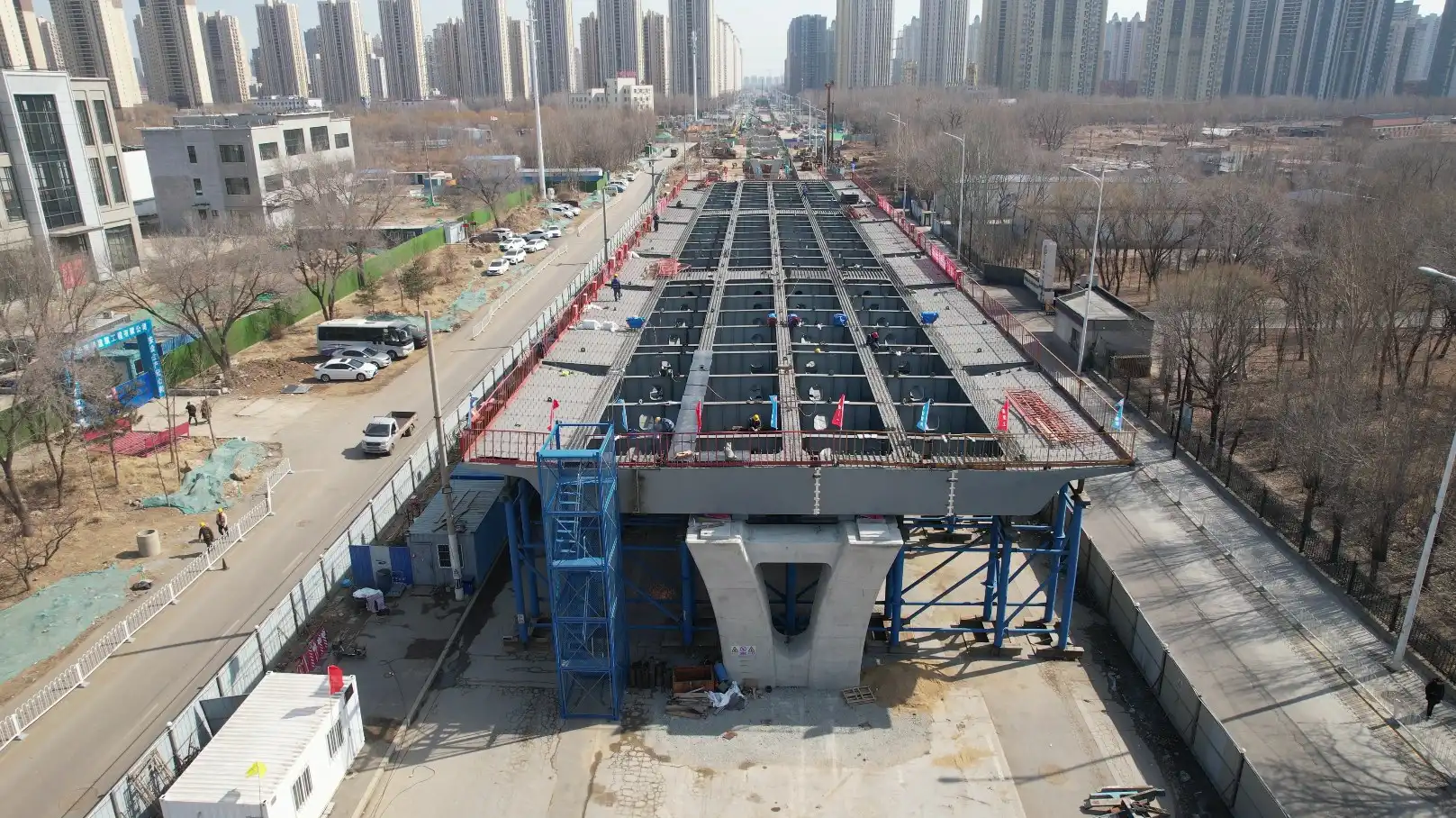
The basis of any power plant starts with the right material specifications. High-Strength Low-Alloy (HSLA) steel types like Q355B and ASTM A572 Gr.50 have yield strengths higher than 355 MPa, which means they can handle the loads that turbines and generators put on them. The Carbon Equivalent values of these materials are kept below 0.45%, which makes them easy to bond without affecting the stability of the joint during field assembly. We focus on materials that meet strict mechanical performance standards for things like yield strength, tensile strength, elongation, and impact toughness to make sure they can hold loads in a variety of structural systems.
Load Calculation and Safety Parameters
A correct load estimate is the most important part of making sure that a structure is reliable. Dead loads are the structure's own weight and equipment that is permanently attached to it. Live loads change depending on the needs of the process. For example, repair platforms and service areas need certain capacity ratings. To avoid catastrophic failure, environmental loads like wind pressure, earthquake forces, snow buildup, and temperature expansion must be carefully calculated. We use these factors in full load combination studies to make sure that buildings stay strong for their entire design life, which is usually between 50 and 70 years.
Structural System Configuration
Different areas of a power plant need different ways of building structures. Frame structures use column grid sizes and beam height-to-span ratios that are best for clearances around equipment and easy entry for upkeep. In turbine rooms, overhead crane tracks with 75- to 400-ton capacities are often supported by portal frames or truss systems. Towering 50 to 100 meters tall, boiler suspension structures use special high-rise frames made to hold up huge boiler systems while allowing for thermal movement and complicated ductwork routes. Stability for large-span shelters comes from grid designs with carefully calculated rise heights.
Adding Building Information Modeling (BIM) technology has changed the way we do design work. Three-dimensional planning lets us find problems before they happen, which cuts down on expensive changes in the field and speeds up the work schedule. This digital method makes it easy for research teams, fabricators, and building workers to work together.
Comparing Steel Structures with Alternative Solutions in Power Plant Construction
To find the best power plant steel structures, you need to carefully look at things like performance, building times, and the cost over the whole structure's life. It's happened to us that the choice of materials had a direct effect on the plan for completion and the long-term costs of running the project.
Steel Versus Concrete: Performance Analysis
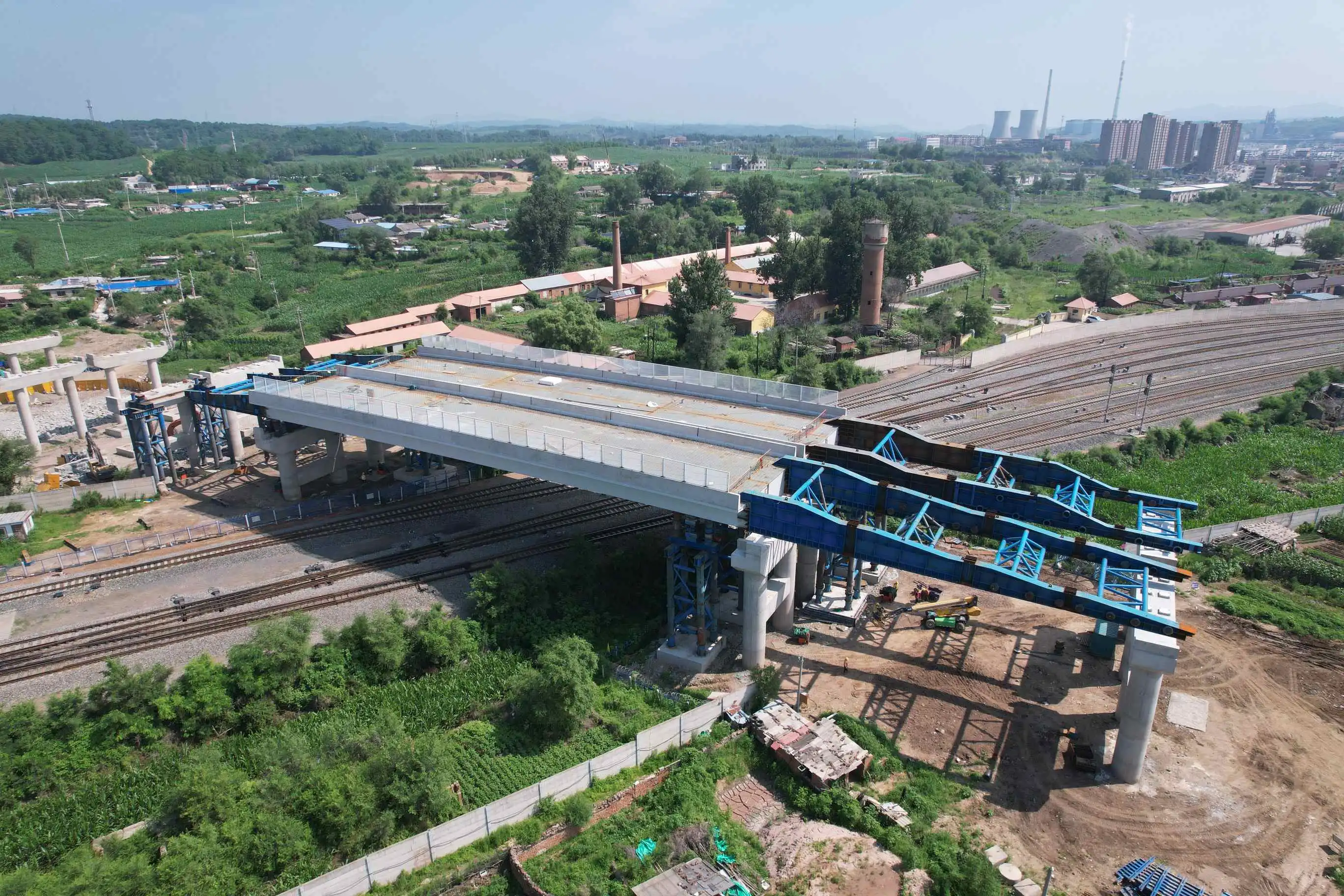
When it comes to power plants, steel frames have clear benefits. Compared to options made of reinforced concrete, the better strength-to-weight ratio cuts down on the need for foundations, drilling, and concrete volume by about 30 percent. Having this trait is especially helpful in tough dirt conditions where base costs go up quickly. Another important difference is the speed of building. Prefabricated steel parts allow for modular assembly, which cuts project plans by 20 to 30 percent compared to cast-in-place concrete construction.
Steel is the best material for turbine halls and generator bases because it can withstand dynamic loads. Because steel is naturally flexible, it can take vibration energy from fast-moving machinery. This keeps buildings from having resonance problems that happen with rigid concrete structures. Because steel is thermally adaptable, it can handle the large changes in size that happen in high-temperature boiler settings without cracking or concentrating stress.
Corrosion Protection Systems
Corrosion prevention methods are based on the environment. Coastal power plants need C5-M marine-grade coating systems that include zinc-rich primers, epoxy layers with micaceous iron oxide barriers, and polyurethane topcoats that have a total dry film thickness of 250 to 320 microns. Smaller parts can also be protected by hot-dip galvanizing according to ISO 1461 standards. Our -60°C Weathering Steel Anti-corrosion Technology makes servicing intervals longer while keeping the structure's performance high in difficult environments.
Modular Design Benefits
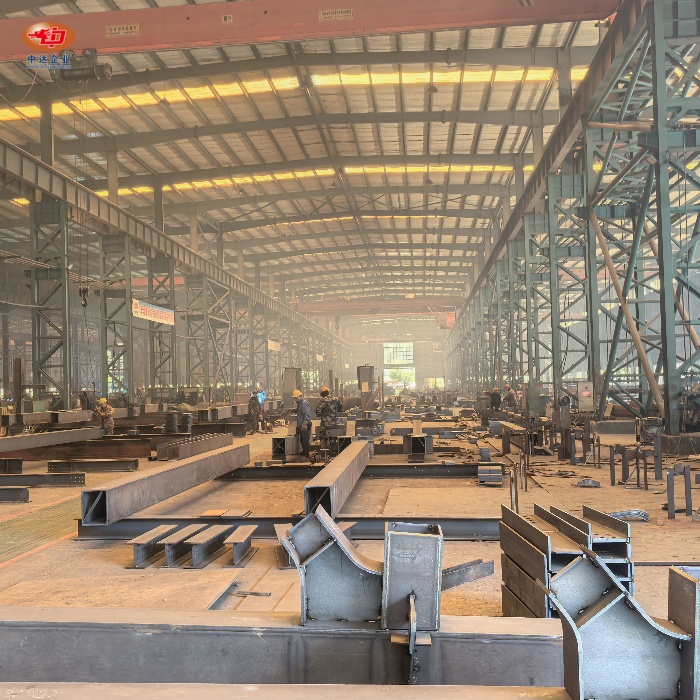
Prefabricated structure parts make work easier on-site by cutting down on the number of workers needed and the time that projects are held up by bad weather. Factory-controlled production makes sure that the quality is always the same and that the dimensions are accurate to within ±2mm, which is very important for quick assembly in the field. Fit-up problems that cost a lot of money and cause building plan delays can be avoided by putting together complicated connection nodes in manufacturing facilities first.
These benefits directly lead to better project costs. Initial material costs may change depending on the market and the specifics of the project. However, the mix of shorter building times, lower foundation costs, and better long-term performance makes for appealing lifecycle value.
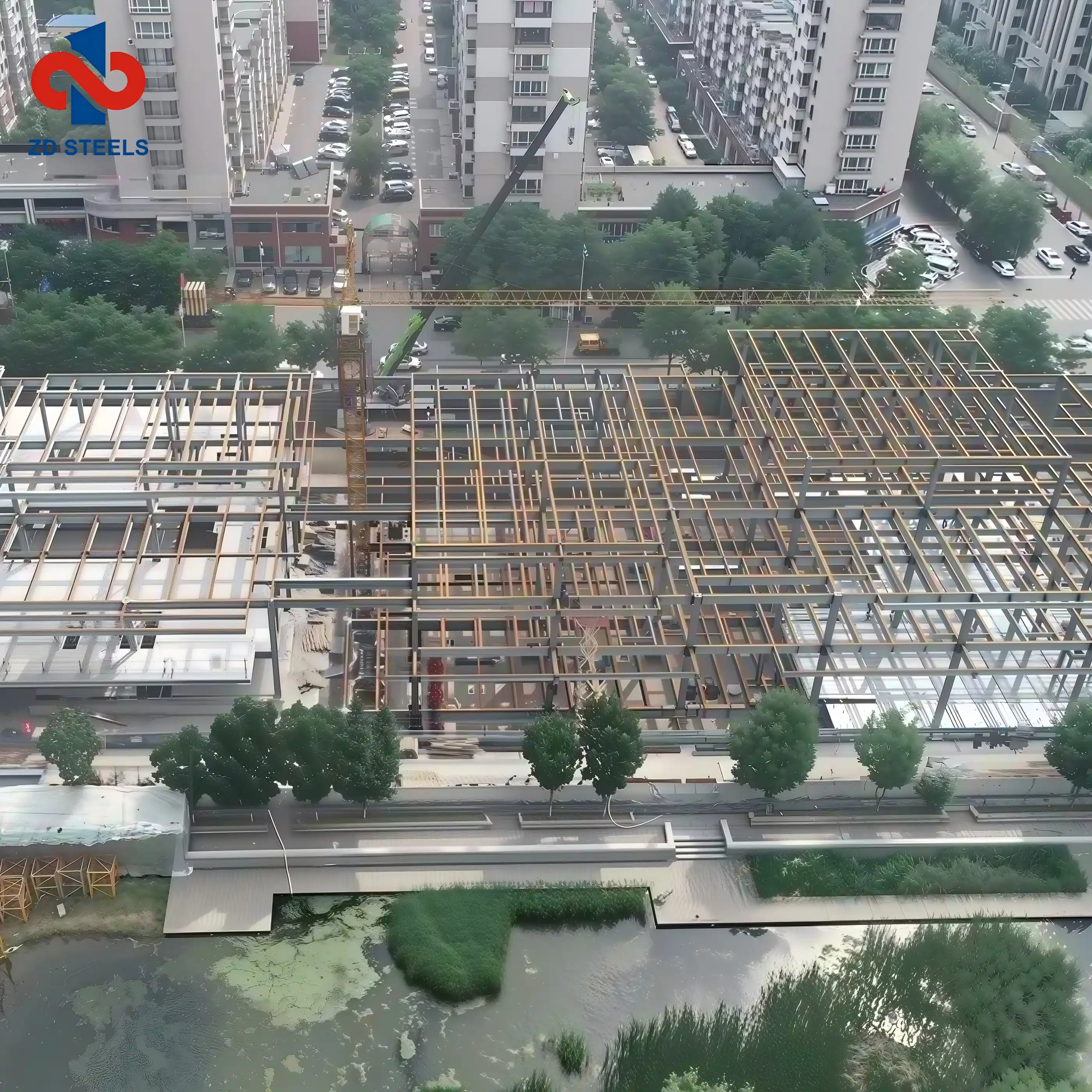
Planning and Managing the Steel Structure Construction Process
To complete a project successfully, you need to handle the work in a structured way from the beginning of purchasing materials to the end of approval. We've come up with complete processes that cover every step of putting power plant steel structure installations in place.
Procurement and Fabrication Workflow
Getting the right materials at the right time is the first step to a successful job. The chemical make-up and mechanical qualities of Mill Test Certificates make sure that they fit the grades that were asked for. Through heat number tracking, our team keeps track of all the materials and makes sure that the quality paperwork meets all legal requirements and client requirements.
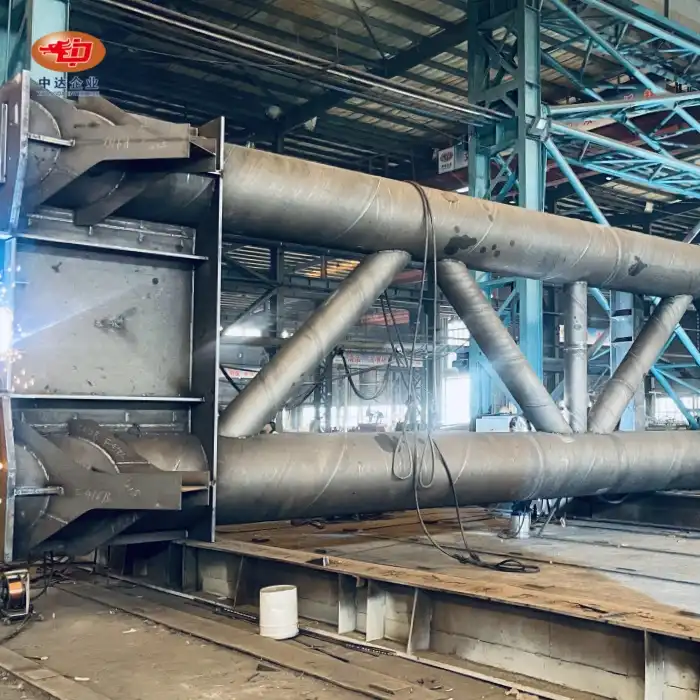
Process rules must be very strict for the quality of the fabrication. All important parts must follow the Welding Procedure Specifications (WPS) and Procedure Qualification Records (PQR). We use thorough Inspection and Test Plans (ITP) that check the quality of the material, the accuracy of the cuts, the quality of the welds, and the application of protection coatings. Some non-destructive testing (NDT) methods look at main column butt welds with ultrasound and x-rays, while fillet welds are tested with magnetic particles or dye penetrants.
On-Site Assembly and Safety Compliance
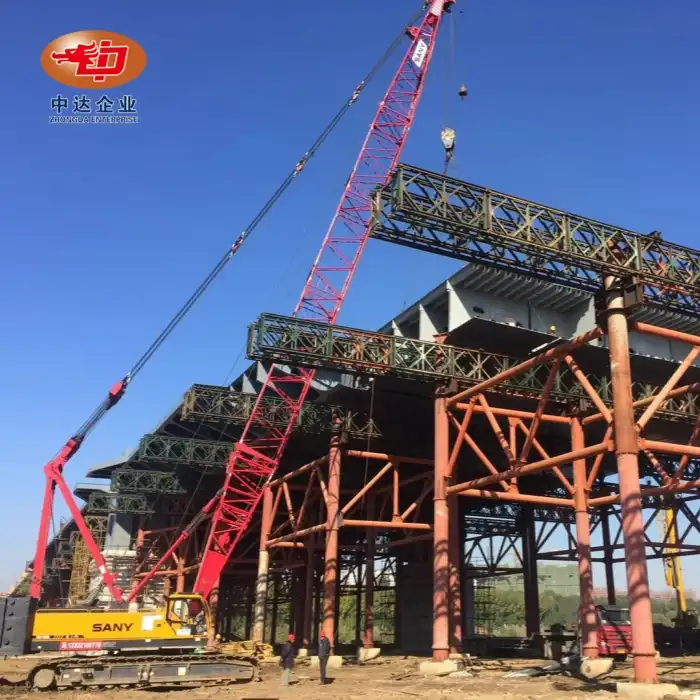
When installing something in the field, the crane operations, bolt tightening routines, and alignment checks all need to be carefully coordinated. High-strength friction grip bolts keep things from coming loose when machines keep shaking. We use total station surveying tools to keep the unit straight and make sure that the bolt holes are lined up within the standards that have been set. Temporary bracing systems keep buildings that are only partly put up stable until the permanent links reach their design strength.
Every part of the site's processes is governed by safety rules. During assembly, people are kept safe by fall safety systems, crane load tracking, and no-go zones around lifting operations. Every day, we have toolbox talks where we talk about specific dangers and keep detailed safety records that meet OSHA guidelines and customer needs.
Maintenance and Corrosion Prevention
For long-term structural stability, preventative maintenance plans are needed. Regular checks find problems like coating wear, link breaking, or damage caused by stress before they become unsafe or affect operations. Preparing the surface and fixing the coating bring back security in places that get a lot of use. We suggest that thorough checks happen every two years for the first ten years and then once a year as the buildings get older.
Our repair plans make structures last longer and reduce unexpected downtime. Condition-based maintenance strategies that make the best use of resources and avoid expensive emergency fixes are made possible by detailed inspection plans, photographic recording, and trending analysis.
Procurement Strategies for Power Plant Steel Structures
Strategic sourcing has a direct effect on the success of a power plant steel structure project. We've found the most important differences between steel structure companies that you can trust and those that add risk to complicated energy projects.
Supplier Qualification and Certification
Reputable makers have certificates that are known all over the world that show they can handle quality. Getting ISO 9001 approval sets up organized ways to make sure quality. Compliance with EN 1090 means that the manufacturing meets European standards for the construction of structural steel. The AISC approval shows that the building meets American standards for structural steel buildings. These qualifications show that the person is qualified to make things and that the standard is always the same.
Technical skills are just as important. Suppliers should show high-tech tools for making things, like CNC cutting systems that can keep the accuracy of ±0.2mm on very thick plates, automatic welding stations that make sure the quality of every joint, and facilities for surface preparation that meet Sa 2.5 near-white blast cleaning standards. Suppliers can meet tight project deadlines without sacrificing quality if they can meet factory capacity and production rates.
Balancing Cost, Quality, and Lead Times
The people who work in procurement are always under pressure to keep costs low while still meeting quality and time responsibilities. We suggest value-based evaluation models that look at the whole project's effects instead of just the prices of the parts. When suppliers offer shorter wait times, building plans can be sped up, which lowers borrowing costs and speeds up the process of making money. Custom fabrication lets you optimize designs and meet site-specific needs without having to go through long planning processes.
Structures for contracts should divide up risk in the right way. Performance bonds protect you in case a seller doesn't get paid. The warranty covers problems with the materials and the work even after the initial arrival. Staged payment terms that are linked to manufacturing stages and quality inspection results keep the supplier's cash flow going and protect the buyer's interests.
Digital Procurement Platforms
Technology makes collaboration better and streamlines the buying process. Digital systems allow for real-time project access, automated handling of documents, and faster clearance processes. We've built these tools into our processes, which has cut down on the time it takes to buy things and the amount of work that goes into administration.
Having long-term ties with suppliers is very helpful. Preferred partners get to know their clients' needs very well, think ahead about problems that might come up, and put help at the top of their list during key project stages. Value engineering and continuous improvement that are done together lead to continued cost savings and better performance.
Case Studies and Future Trends in Power Plant Steel Structure Projects
Real-world project experience is a great way to learn about how to run a power plant steel structure project well and about new changes in the industry.
Successful Project Implementation
A new 400MW combined-cycle power plant in the southeast of the US showed how integrated structure design and modular manufacturing can be helpful. There was a portal frame system with 50-meter clear spans in the turbine hall that held up two 250-ton ceiling cranes. We used BIM planning to find the best sizes for structural members and cut down on the amount of steel used while still meeting the load requirements. When compared to similar projects using traditional methods, using prefabricated sections cut on-site work by 40% and shortened the time it took to build the structure from 14 months to 9 months.
For an offshore wind farm support structure job in the North Atlantic, the building had to have special corrosion protection for being in the water. Our engineers chose duplex stainless steel for important links that would be exposed to splash zones and C5-M coating systems for the main structural parts. Five years after placement, inspection results show that the coating is still working well with little need for upkeep, which supports the lifecycle cost estimates.
Emerging Technologies and Sustainable Practices
Structural engineering is still being changed by new modeling tools. Computational fluid dynamics analysis finds the best air-cooled condenser support frames with the least amount of wind resistance. This lowers the stress on the structure and the amount of material that is needed. Finite element analysis finds areas of high stress, which lets you target fortification instead of oversizing everything.
Sustainability efforts guide the choice of materials and the improvement of designs. High-strength steel types cut down on the number of tons that need to be moved, which lowers the effect on stored carbon and transportation. Modular designs make it easier to change and add on in the future, which extends the life of facilities and makes better use of resources. During the course of a project, we keep track of environmental performance data that help clients with their sustainability reports and green building approvals.
The rules are still changing, and there is more focus on making them more resistant to earthquakes and better able to respond to climate change. New building rules require more structural flexibility and damage-tolerant design based on what we've learned from recent natural disasters. We keep a close eye on these changes to make sure that our engineering practices go above and beyond what is required by code and prepare our clients for future changes to regulations.
Conclusion
To successfully manage large-scale power plant steel structure projects, you need to know a lot about engineering basics, buying tactics, and building management. The advice in this article gives buying workers, project managers, and engineering teams the skills they need to make tough choices that affect the result of projects. The success of a project depends on choosing materials based on careful load calculations, making sure suppliers have the right quality certifications and technical skills, and managing the building site in a way that makes sure safety rules are followed and deadlines are met. New technologies and changing business practices make it possible to keep improving the performance of structures, the efficiency of building, and the protection of the environment. When companies follow these guidelines when working on projects, they set themselves up to get better results when they invest in power producing equipment.
FAQ
What steel grades are recommended for power plant structural applications?
Power production centers work best with High-Strength Low-Alloy steel grades like Q355B, Q355C, Q355D, and ASTM A572 Gr.50. The yield strengths of these materials are higher than 355 MPa, and they are very easy to weld thanks to their controlled carbon equivalent values. The grade chosen is based on the required impact levels, temperature ranges, and link details within the structure.
How do modular steel structures reduce project timelines?
Prefabricated modules allow multiple manufacturing tasks to be done at the same time while the site is being prepared, which shortens overall plans. Factory-controlled assembly makes sure that the dimensions are correct and the quality is always the same. Less on-site work is needed, so delays caused by bad weather are less likely to happen. This speeds up the building process and usually cuts the schedule by 20 to 30 percent compared to standard field-fabricated methods.
What maintenance is required for power plant steel structures?
Visual checks done on a regular basis find covering wear, link loosening, and damage to the structure. Comprehensive inspections happen every six months during the first few years of work and then once a year as the building ages. Repairing coatings in areas that get a lot of wear and tear, tightening bolts again, and treating rust are all maintenance tasks. Preventative programs make structures last longer than 50 years and cut down on unplanned downtime.
Partner with Zhongda for Your Power Plant Steel Structure Projects
We at Zhongda Steel have 20 years of experience working on energy building projects all over the world. Our modern 120,000 m² production plant is certified with ISO 9001, 14001, OHSAS 45001, and EN 1090, which show that we handle quality in a planned way. We use advanced manufacturing technologies, such as ultra-thick plate cutting with ±0.2mm accuracy, along with BIM-driven design optimization to make power plant steel structure solutions that meet the strictest requirements. Our engineering team of more than 100 experts has advanced scientific skills and a lot of experience with the needs of the energy sector. We've successfully built turbine hall structures, boiler suspension frameworks, and air-cooled condenser platforms for clients like China Railway, CSCEC, and foreign energy makers in harsh environments like the Arctic and along tropical coastlines. Our company is a reliable source for power plant steel structures, and we offer full support from the initial design meeting all the way through fabrication, delivery, and installation expert help. Email our team at Ava@zd-steels.com to talk about your project needs and find out how our proven skills can help you get the most out of your investment in power generation infrastructure.
References
American Institute of Steel Construction. (2016). Specification for Structural Steel Buildings (AISC 360-16). Chicago: AISC.
British Standards Institution. (2018). Execution of Steel Structures and Aluminium Structures - Technical Requirements for Steel Structures (EN 1090-2:2018). London: BSI.
International Organization for Standardization. (2012). Hot Dip Galvanized Coatings on Fabricated Iron and Steel Articles (ISO 1461:2009). Geneva: ISO.
National Fire Protection Association. (2021). Building Construction and Safety Code (NFPA 5000). Quincy: NFPA.
Smith, J.R., & Chen, L. (2020). Steel Structures for Power Generation Facilities: Design and Construction Best Practices. New York: Engineering Press International.
Wang, H., Martinez, A., & Patel, S. (2019). Advanced Corrosion Protection Systems for Industrial Steel Structures. Journal of Structural Engineering Materials, 45(3), 287-312.
YOU MAY LIKE