
Bridge Steel Structure Delivers High Strength Solutions for Modern Transportation
2026-08-24 13:00:01






Modern infrastructure demands solutions that combine exceptional strength, durability, and engineering precision. A bridge steel structure represents the convergence of advanced metallurgy and structural engineering, enabling transportation networks to span vast distances while withstanding environmental extremes. These systems utilize high-grade steel components—including prefabricated parallel wire strands, aerodynamic decking, and corrosion-resistant coatings—to create reliable crossings that serve commercial, industrial, and public infrastructure needs. As procurement managers and civil engineers face increasing pressure to deliver projects faster without compromising safety, understanding the capabilities of modern steel bridge technology becomes essential for informed decision-making.
Understanding Bridge Steel Structures: Fundamentals and Benefits
Steel has completely changed how we build transportation infrastructure. Steel bridge systems are better than standard options made of concrete or wood because they have special features that help building companies, government contractors, and infrastructure developers solve problems.
What Makes Steel the Preferred Choice for Transportation Infrastructure
The structure of modern steel bridges depends on parts that were carefully designed to work together. The load-bearing ability of main wires made from Prefabricated Parallel Wire Strands (PPWS) with 5.2mm diameters and tensile strengths up to 1770 MPa is higher than that of regular materials. When these cables are combined with carefully made steel box girders and trusses, they make frameworks that can span 300 to 2000 meters, which were once thought to be too far to be practical.
Engineers can make structures that are lighter while still holding more weight because high-grade steel has a high strength-to-weight ratio. This feature is very helpful for projects that need long spans over waterways, valleys, or cities where foundation restrictions make it hard to place supports. A Bridge Steel Structure can reduce the overall weight of the structure, allowing the use of less material and requiring a smaller foundation. This saves money over the whole life of the project.
Core Components That Define Performance
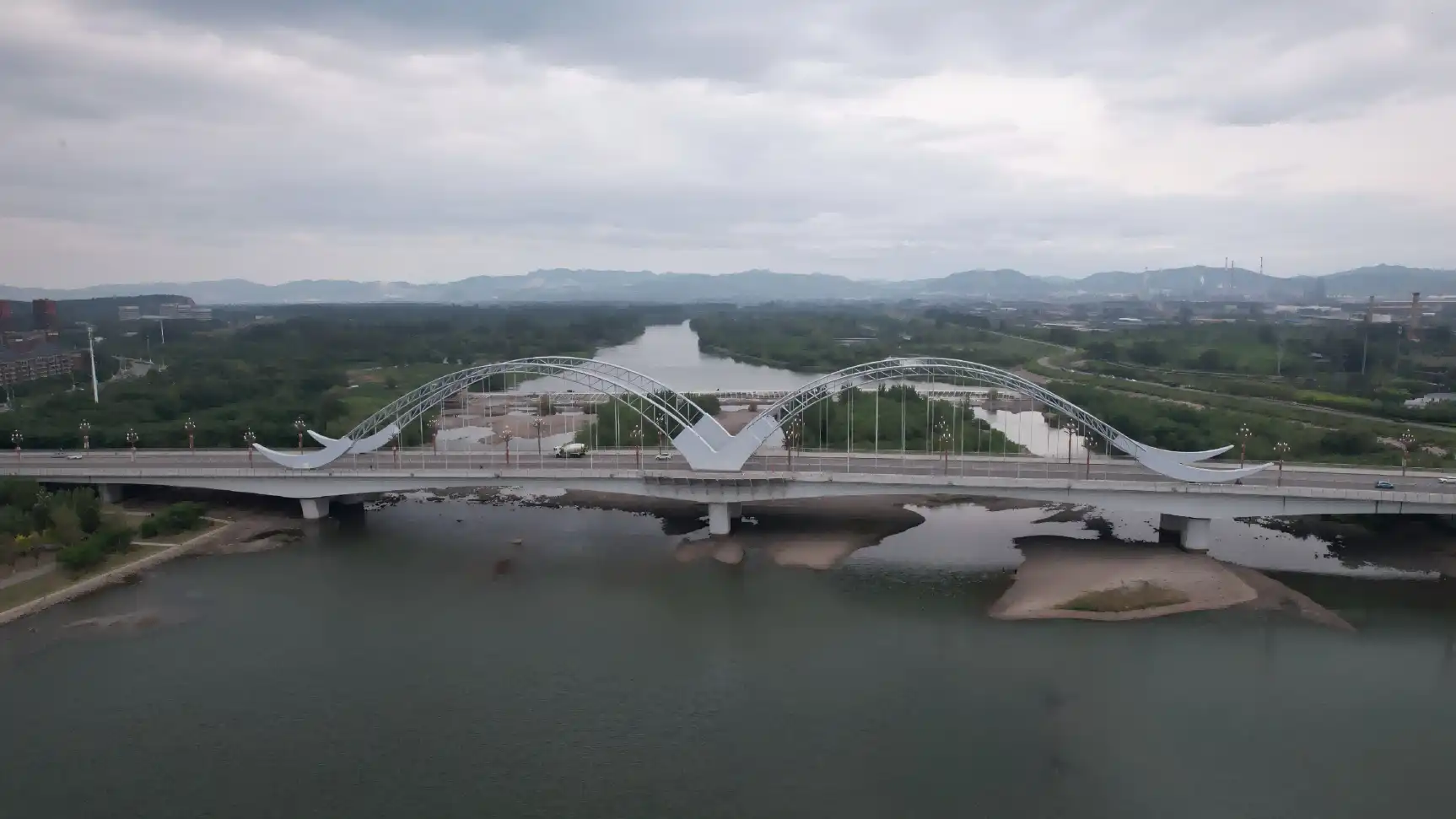
Knowing how steel bridge systems are put together helps procurement professionals figure out what suppliers can do and what the product needs to be. The main load-bearing parts are the cables. They are usually made with parallel wire strand technology, which offers redundancy and reliable performance. With 3D laser scanning technology, cable clamps are placed with an accuracy of ±2mm. These clamps hold the wires in place while allowing thermal expansion and dynamic loads.
Deck structures, which are usually made up of steel box girders that are 12 meters long, spread traffic loads evenly across the supporting framework. According to industry standards, these modular parts make on-site building faster than with cast-in-place concrete options. This cuts down on construction times by 20 to 30 percent. Wind-induced vibrations are kept to a minimum by the aerodynamic profiling of deck sections. This is an important factor for bridges that are designed to withstand 12-level wind speeds in open areas.
Corrosion Protection Systems That Extend Asset Lifespan
Durability in the environment is still a big issue for infrastructure projects that are meant to last for decades. For a Bridge Steel Structure, multiple layers of defense are used in advanced corrosion protection. Main cable dehumidification systems remove moisture from sealed cable housings, and S-Type galvanized steel wire wrapping protects against exposure to the atmosphere. Weathering steels form protective oxide layers that naturally stop corrosion from getting worse. This is especially helpful in seaside or industrial settings where chloride contact speeds up material breakdown.
The combined effects of these protection strategies make operational lifetimes longer than usual. When properly maintained, steel bridges can last more than 75 years with little to no structural work. This track record affects how much they cost over their entire lifetime and how they are bought by organizations that are in charge of infrastructure portfolios.
Design Considerations and Engineering Principles of Steel Bridge Structures
To be an excellent engineer when building a steel bridge, you have to balance a lot of different technical needs with the limitations of the job. When designing a Bridge Steel Structure, procurement professionals need to work with manufacturers and understand how design choices affect both the initial cost and the performance over time.
Structural Integrity and Load Distribution Principles
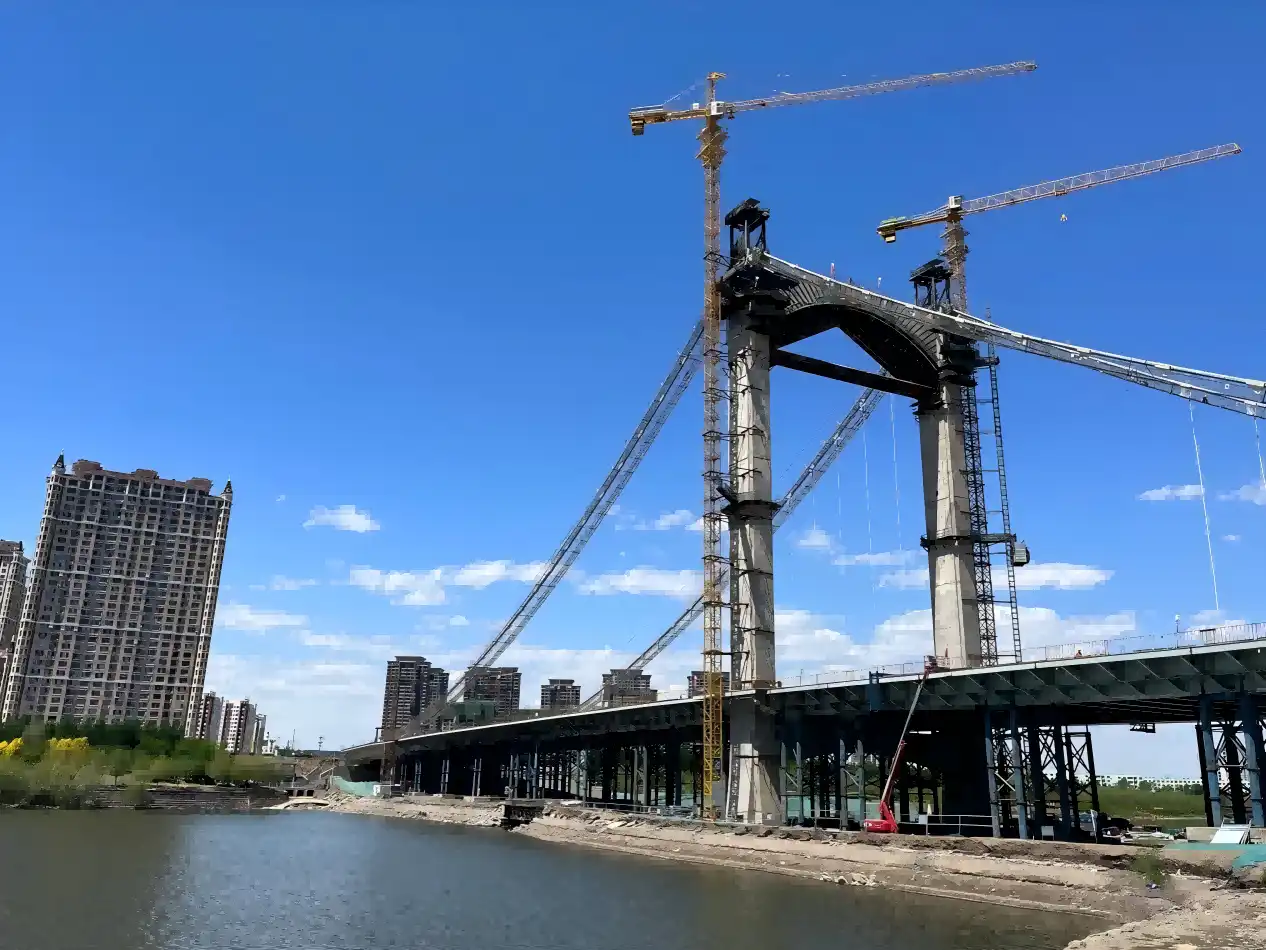
Modern steel bridge design uses complex methods for distributing loads that make the best use of materials. Using the natural tensile strength of steel wires, suspension bridge designs move loads efficiently by using geometric arrangements that reduce bending pressures. In suspension systems, the main span cables follow catenary shapes that naturally account for gravitational forces. The vertical suspender cables, on the other hand, spread deck loads evenly along the main cable length.
Truss bridges are another option for medium-span uses. They have triangulated frames that simplify complicated loading patterns into simple tension and compression forces within each section. This structural logic lets engineers choose the right steel pieces for each part based on the estimated stress demands. This keeps materials from being over-specified, which happens a lot in designs that aren't well thought out.
Material Selection for Performance and Economic Efficiency
Choosing the right steel grade has a big effect on both the structural capacity and the cost of the project. High-strength steels with yield strengths above 345 MPa can have smaller cross-sections while still meeting load requirements, but the cost of procurement usually goes up with grade specifications. For places with moderate corrosion, carbon steel types are a cost-effective choice. On the other hand, weathering steel types are more expensive, but they need less maintenance, which makes the higher cost worth it.
Through detailed lifecycle cost modeling, Zhongda's engineering team helps clients make these kinds of material selection decisions. Our requirements for suspension bridge main cables and Bridge Steel Structure applications—1770 MPa PPWS at 5.2mm diameter—are the best options we could find that balance the cost of materials up front with their long-term dependability. This choice of grade provides safety margins that allow for dynamic loads while keeping the cost of large-scale projects affordable.
Maintenance Strategy Integration During Design Phase
Forward-thinking procurement specialists know that choices about initial design must take upkeep into account. Accessibility features, such as inspection walkways, cable access platforms, and provisions for renewing protective coatings, are investments made up front that save a lot of money in the long run. When nondestructive testing (NDT) methods are built into quality control procedures during manufacturing, they set baseline conditions that make it easier to plan preventative maintenance throughout the structure's life.
We follow the FHWA-NHI-07-096 U.S. Suspension Bridge Design Specifications to make sure that the upkeep plans meet industry standards. This gives procurement managers information that helps them plan for asset management and budgeting.
Comparing Steel Bridges to Other Bridge Types: Making Informed Decisions
When making decisions about what to buy, it helps to compare actual options in an objective way. There are clear benefits to steel bridges that become clear when you look at their whole life cycle instead of just comparing their starting costs.
Steel Versus Concrete: Performance and Economic Analysis
When building a bridge out of concrete, there are some benefits, especially for shorter spans where the cost of materials makes compression-based designs more appealing. However, steel bridge structures perform better across a number of important evaluation criteria for B2B decision-makers. Steel bridges usually take 30–40% less time to build than similar concrete buildings. This is mostly because they can be made off-site and put together using flexible methods.
In many situations, Bridge Steel Structure is better for long-term maintenance needs. While concrete bridges need to have their decks rehabilitated and structural repairs made to fix cracks and spalling on a regular basis, steel bridges only need to have their coatings renewed and their connections inspected. These are usually less disruptive tasks that are easier to plan for and estimate how much they will cost. Our facilities can make 800 tons of 12-meter steel box girders every month, which lets us meet project deadlines that are hard for concrete casting companies to keep, especially in remote areas where getting ready-mixed concrete is hard to get to.
Modular and Prefabricated Construction Advantages
Prefabrication technology changes the costs of delivering projects. Making steel bridge parts in a controlled factory setting gives you a level of quality guarantee that you can't get when building in the field. Our ability to precisely fabricate 60,000 tons of steel each year, aided by CNC machines that can cut ultra-thick plates with tolerances of ±0.2mm, shows that modern steel fabrication can meet the exacting standards needed for long-span bridge applications.
Using modular building methods cuts down on the need for on-site workers and schedule problems caused by bad weather. Moving and putting together prefabricated sections usually happen during times of the year when putting down concrete would be impossible. This keeps the project moving forward as the seasons change. This scheduling flexibility is especially helpful for government companies working on public building projects with tight deadlines and strict penalties for poor performance.
Procurement Guide for Bridge Steel Structures: Best Practices for B2B Buyers
For strategic buying to work, suppliers' skills need to be evaluated in a way that goes beyond just getting price quotes. Buyers can find manufacturing partners who can help with complicated infrastructure projects by learning about quality indicators and service provisions.
Identifying Reliable Steel Bridge Manufacturers
Quality certifications are the first thing that suppliers are checked for when they are evaluated. Having an ISO 9001:2015 quality management system certification shows that a company is dedicated to controlling processes and making them better all the time. EN 1090 compliance shows that the building meets European standards for steel structures, and AWS (American Welding Society) certification checks that the welding process and inspector credentials are correct.
Custom Fabrication and Engineering Support Services
For complicated bridge projects to succeed, they need manufacturing partners who can provide full engineering support throughout the entire project lifecycle. Design support services, such as finite element analysis, connection details, and constructability reviews, are more useful than just carrying out the manufacturing. Our BIM-driven prefabrication processes connect digital design models to manufacturing equipment. This makes sure that the sizes are correct and makes it easier for all project skills to work together.
Being able to do custom fabrication lets you meet the specific needs of a project that standard products can't. Geological limitations, environmental loads, aesthetic needs, and servicing access requirements are just some of the site-specific design factors that need to be taken into account. This requires manufacturing flexibility and technical knowledge. Our modern 120,000 m² facility and skilled technical staff make it possible for us to create custom solutions that meet the needs of government engineering contractors, EPC firms, and commercial developers for a wide range of uses.
Delivery Logistics and Installation Coordination
Logistics for transportation and assembly have a big effect on project costs and plans. Manufacturers that offer combined delivery solutions for Bridge Steel Structure projects, which include custom packing, transportation planning, and on-site technical support, make it easier for general builders and project managers to coordinate. We can handle the complicated process of buying infrastructure across borders thanks to our global shipping skills, which we've honed through work on Arctic bridge supply projects in Russia and industrial hub developments in Vietnam.
Transparency in the production schedule lets procurement managers coordinate the delivery of steel with the order of construction. Our 70% client retention rate shows that we consistently deliver on time, which supports just-in-time construction methods, reduces the need for on-site storage, and speeds up the cash flow of projects.
Real-World Applications and Case Studies
Putting theoretical benefits into practice shows how they can lead to project success. By looking at finished projects, you can learn useful things that help you plan purchases and choose suppliers.
Long-Span Suspension Bridge Implementation
Our suspension bridge technology can handle main spans from 300 to 2000 meters, which makes it useful for transportation routes where other types of bridges aren't realistic or cost-effective. Projects that use 3D laser-scanned cable clamp positioning get the ±2mm accuracy needed for even load distribution and long-term structural performance. Many providers can't always meet these tolerance standards for quality control methods in manufacturing.
Wind resistance engineering shows how the qualities of a material work with aeronautical design to meet performance requirements. Bridges built to withstand 12-level wind speeds have deck cross-sections that are better because of computational fluid dynamics analysis, and their main cable systems are sized to handle dynamic loading. The tensile strength of our PPWS cable is 1770 MPa, which gives you the safety gaps you need for extreme weather events while keeping the cost-effective cable sizes.
Industrial and Mining Infrastructure Applications
Steel bridge technology isn't just used on public roads; it's also used in factories that need to carry heavy loads and resist corrosion. Our ability to work with a wide range of applications is shown by the fact that we have supplied key parts for Australian mine crushing units. In mining operations, bridges need to be able to support heavy equipment and stand up to the corrosive atmospheres that come from process chemicals and mineral dust.
Our -60°C weathering steel anti-corrosion technology works well in these specific situations because it was created for Arctic bridge projects where extreme temperatures make normal material requirements hard to meet. Procurement managers who work on energy sector developments, petrochemical sites, and heavy industry installations can get tried-and-true solutions that work with the situations in those areas.
Conclusion
FAQ
What factors determine the lifespan of a steel bridge structure?
Service life is affected by the type of material used, its exposure to the climate, corrosion protection measures, and how it is maintained. When treated properly to prevent rust, high-grade steels can last for 75 years or more. Our two-layer protection system—main cable dehumidification and S-Type wire wrapping—deals with the main ways that structural steel breaks down. Regular inspection programs that find coating wear before substrate corrosion starts greatly increase the useful life of an asset well beyond the minimum design requirements.
How do corrosion protection measures affect long-term maintenance costs?
Investing in improved corrosion protection at the start lowers upkeep costs by a large amount over the life of the product. With weathering steel formulations, you don't have to pay to have the coatings on painted steel replaced on a regular basis, and active dehumidification systems keep moisture from building up, which speeds up corrosion. When complete protection strategies are chosen at the start of the procurement process, lifecycle cost analyzes usually show maintenance savings of 40 to 60 percent over 50 years.
What are typical lead times for custom steel bridge fabrication?
Schedules for production depend on the size and complexity of the project. Standard parts usually ship 12 to 16 weeks after an order is confirmed, but custom-engineered structures take 20 to 28 weeks, which includes engineering review rounds. Our monthly production capacity of 800 tons for steel box girders allows for phased delivery plans that work with the order of building, which lowers the costs of financing the project and the amount of space needed on-site for storage.
Partner With Zhongda for Your Next Infrastructure Project
The Shenyang Zhongda Steel Structure Engineering Co., Ltd. has been making and supplying Bridge Steel Structures for twenty years. Our ISO-certified facilities can handle up to 60,000 tons of cargo a year and use precise CNC fabrication to help with projects from the first design consultation to the final installation. Our engineering team creates solutions that meet FHWA-NHI-07-096 standards and international guidelines, whether you need suspension bridges with spans over 1000 meters, heavy-duty industrial crossings, or modular systems for faster building plans. Email our technical experts at Ava@zd-steels.com to talk about the needs of your project, get custom production quotes, or set up a tour of our facilities to see how we make things. You can look at our full list of completed projects on zd-steels.com and download detailed specs to help you plan your procurement.
References
1. American Association of State Highway and Transportation Officials (AASHTO). LRFD Bridge Design Specifications, 9th Edition. Washington, D.C.: AASHTO, 2020.
2. Chen, Wai-Fah and Duan, Lian. Bridge Engineering Handbook: Construction and Maintenance. Boca Raton: CRC Press, 2014.
3. Federal Highway Administration. Suspension Bridge Design Guidelines (FHWA-NHI-07-096). Washington, D.C.: U.S. Department of Transportation, 2007.
4. Hayward, Alan C.G. Steel Bridge Design Handbook: Steel Bridge Fabrication. Washington, D.C.: Federal Highway Administration, 2015.
5. Kulicki, John M., Prucz, Zoltan, and Clancy, Christopher M. Guidelines for the Use of Weathering Steel in Bridges. Washington, D.C.: National Cooperative Highway Research Program, 2012.
6. Troitsky, M.S. Cable-Stayed Bridges: Theory and Design, 3rd Edition. Reston: American Society of Civil Engineers Press, 2018.
YOU MAY LIKE