
Steel Arch Bridge Solutions for Long-Span Highways with Superior Structural Stability
2026-08-24 13:00:01






When highway infrastructure demands engineering precision and lasting durability, steel arch bridge designs deliver unmatched performance across extended spans. These structures harness advanced metallurgy and compression mechanics to safely transfer massive loads while resisting environmental stressors. At Shenyang Zhongda Steel Structure Engineering Co., Ltd., we manufacture Q420qE steel arch systems engineered with pentagonal box arch ribs measuring 3.2m×4.5m, capable of withstanding wind resistance up to 1.5kN/㎡, ensuring highway projects achieve both structural integrity and operational longevity even in challenging conditions.
Understanding Steel Arch Bridges: Design Principles and Structural Components
The arches on modern highways are a complex mix of material science and load-path planning. The main idea behind these designs is managing compression forces, which turn gravity loads into horizontal pressure that is efficiently spread out through curved geometry.
Core Structural Elements and Load Distribution Mechanisms
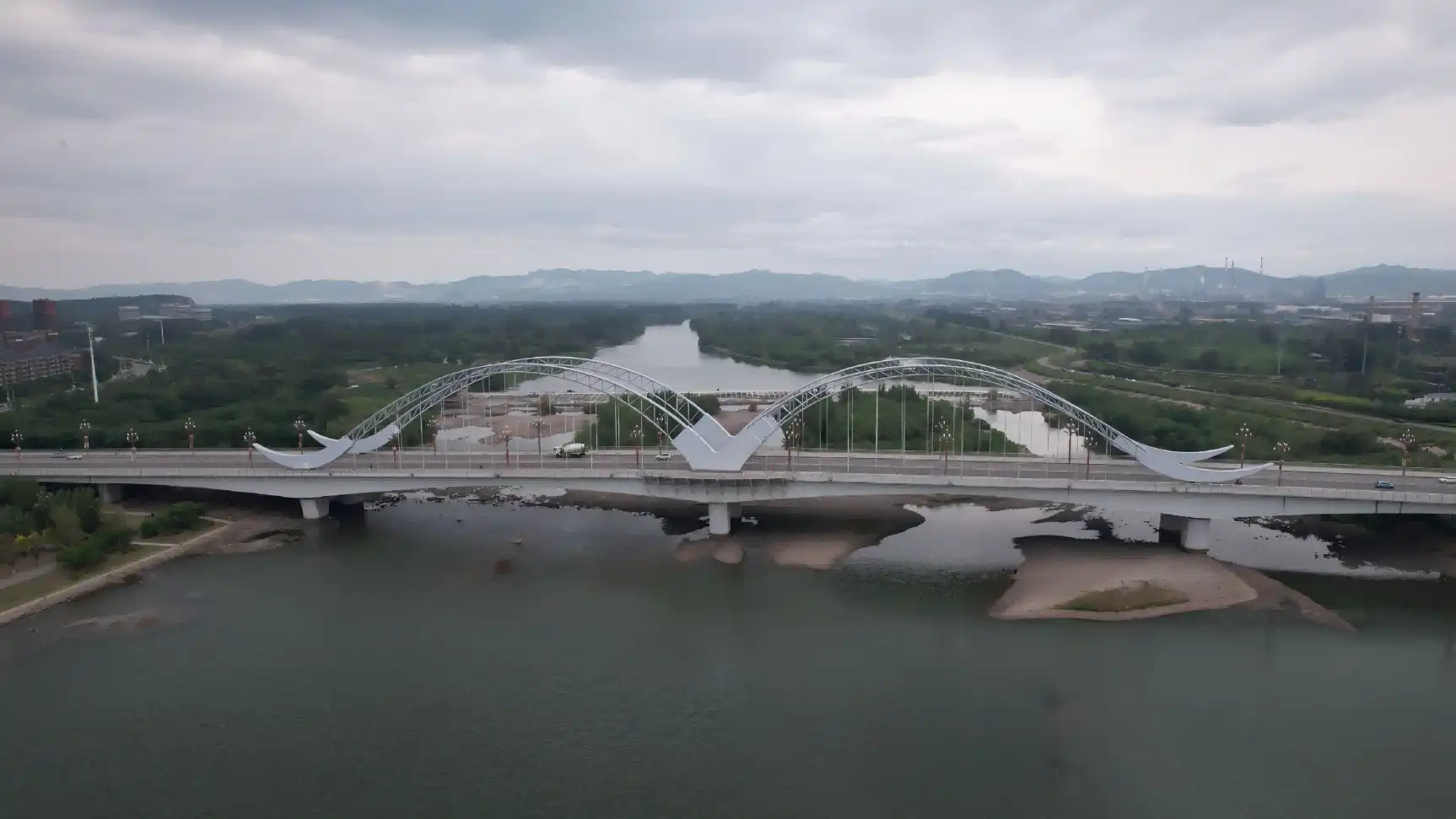
The main part that supports weight is the arch rib, which is usually made of high-strength steel alloys like Q420qE grade material. When compared to regular I-beam profiles, our pentagonal box shape offers better torsional rigidity. This choice of geometry makes the bridge more stable during building and for as long as it is in use. The closed-section design keeps stress levels low and makes it easy for load to move from the deck systems to the foundation points through the spandrel bracings.
Spandrel bracings are important secondary parts that keep the arch ribs in place and keep the structure stable against movements caused by wind. Deck systems work with either vertical hangers or solid-fill methods, depending on the type of classification. Through-arch configurations put the deck within the height of the arch, which makes it easier for ships to pass or for traffic to flow under the span. Deck-arch setups put the roads above the structural curve, which is good for places that need the most vertical space below.
Material Selection and Engineering Calculations
Amazing span-to-depth ratios are possible with high-performance steel grades. Q420qE steel has a yield strength of more than 420 MPa and is very easy to weld and tough at low temperatures. These are important qualities for structures that are subject to thermal cycles and dynamic loads. Engineers figure out how much weight something can hold by looking at the spread of compression stress and taking into account things like dead loads, live traffic loads, wind forces, earthquake activity, and temperature differences. Safety factors are usually between 1.5 and 2.0, but this can change based on design codes and risk assessments that are specific to the project.
Every welded link in our production process goes through a 100% Crack Tip Opening Displacement test to make sure it can't break under normal operating stress. This strict quality process makes sure that connections work reliably for the structure's planned life, which for big highway projects is usually 100 years.
Advantages and Challenges of Steel Arch Bridges in Long-Span Highway Applications
When highway builders choose structural systems for over-the-road bridges, they look at more than one performance factor. A Steel Arch Bridge design has a lot of great benefits, but it also has some unique engineering problems that need to be solved with proactive management strategies.
Exceptional Performance Characteristics
The ratio of strength to weight of fabricated steel parts is much better than that of other materials. This feature lets spans be longer without support while lowering the need for foundations and the total amount of materials needed. Aesthetic appeal adds value beyond just usefulness. For example, graceful curves blend in with natural landscapes, making visual lanes along major transportation routes better. Terrain adaptability is especially useful when there aren't many options for where to put the foundation or when environmental rules limit the size of the building's impact.
Sustainable infrastructure goals are in line with steel's natural ability to be recycled. When a job is over, the parts still have value, which is better for the earth than options that require a lot of disposal. Our anti-corrosion systems use 150μm aluminum thermal spray base coats and fluorocarbon finishing layers that meet the requirements of GB/T 30790 C5M classification. This multi-barrier method increases the time between maintenance visits and protects the structure from harsh weather conditions like salt spray from the coast, industrial emissions, and freeze-thaw cycles.
Engineering Challenges and Mitigation Approaches
For fatigue resistance, link points where cycle stress reversals happen need to be carefully detailed. During the design phase, we use computer-aided finite element analysis to find areas of high stress. We then specify details for reinforcement or changes to the geometry that make the loads spread out more evenly. In thermal expansion management, expansion joints are placed in key spots to allow for movement while keeping the structure's integrity. Bearing systems can handle movement in more than one way without putting extra stress on the arch ribs.
Inspection schedules that use visual examination, ultrasonic testing, and structural health monitoring systems are emphasized in maintenance protocols. Our installations have more than 200 sensor networks that collect data on temperature, vibration, strain, and displacement in real time. This data-based method makes it possible to plan maintenance in advance, taking care of small problems before they become big enough to need expensive repairs or service interruptions.
Comparing Steel Arch Bridges with Alternative Bridge Solutions
During the planning stages of a project, infrastructure buying teams look at a number of different building systems. Each type of bridge has its own benefits that make it better for certain situations.
Structural System Performance Analysis
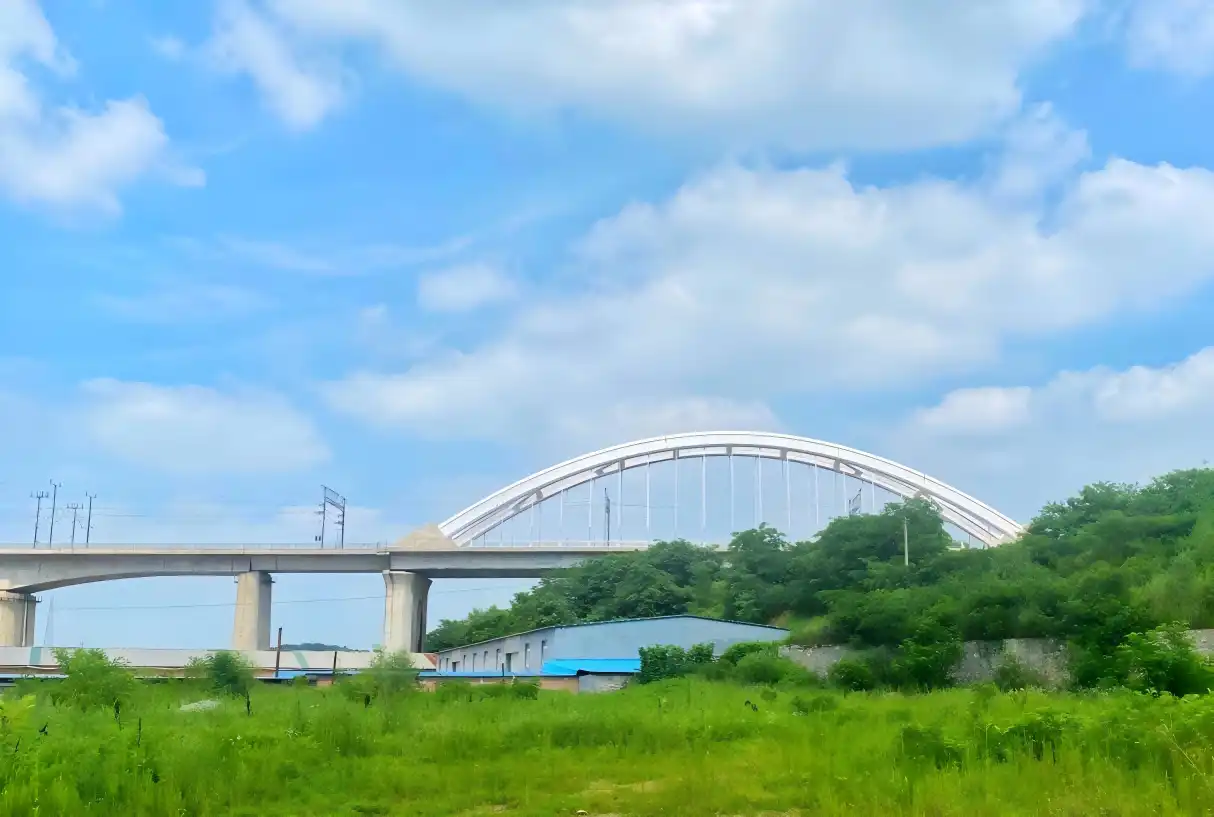
Truss configurations make good use of material for moderate spans, but they aren't as nice to look at and require more maintenance. For highway spans between 200 and 600 meters, steel arch systems work best. They offer cost-effective options that balance how well the structure works, how easy it is to build, and how much it costs over its lifetime. Our stentless rotation building method is an example of innovation in this field. It allows 8,000-ton units to pivot into place with little to no temporary work and less damage to the environment.
Decision Criteria for Project Selection
When evaluating options, procurement professionals look at the required span length, the condition of the foundation, the time frame for construction, the desired aesthetics, and the total lifecycle costs, which include maintenance costs. Steel Arch Bridges work best when the terrain is difficult, the spans are moderate to long, construction speed is important, and the bridge's appearance is important to the project's goals. These ideas are shown by the Shenyang Dongta Cross-Hunhe River Bridge, which used our spinning technology to build an 18,000-ton bridge quickly while causing as little damage to traffic and the environment as possible.
Practical Procurement and Construction Solutions for Steel Arch Bridges
Choosing qualified manufacturing partners and using tried-and-true construction methods are key to completing infrastructure projects on time and on budget.
Identifying Trusted Manufacturing Partners
When choosing a supplier, it's important to look at their manufacturing capacity, quality management systems, technical expertise, and track record of completing projects. Modern fabrication tools, such as CNC cutting systems, automated welding stations, and full testing laboratories, should be shown off by facilities. Certifications, like ISO 9001:2015 quality management, EN 1090 Execution Class 4 structural steel fabrication, and relevant professional contracting qualifications, show that an organization is qualified.
Our 120,000 m² factory at Zhongda Steel can produce 60,000 tons of steel every year, thanks to BIM-driven prefabrication processes. Ultra-thick plate cutting with ±0.2mm accuracy lets you make complex shapes while keeping the tight tolerances needed for field assembly. Our -60°C weathering steel technology guarantees success in harsh environments, as shown by the fact that it has been used to build an Arctic bridge in Russia and mining equipment buildings in Australia's harsh environments.
Prefabrication Advantages and Construction Best Practices
Prefabricated arch rib segments are much better than field-fabricated ones in a number of ways. Welding in a factory is more controlled and results in better connections than welding in the field. Logistics for transportation like modular parts—our standard 20-meter arch rib sections balance structural efficiency with highway transport rules, allowing 1,203-ton monthly delivery rates that meet tight project schedules.
Precision alignment is a big deal for on-site building management during the assembly stages. Temporary bracing systems keep the shape of the structure while the connection is being finished. Before taking off the temporary supports, a non-destructive study checks the stability of the field splice. Rotational building methods cut down on the need for scaffolding, shorten the critical path, and keep current traffic or waterways navigable as much as possible during installation.
Future Outlook and Innovations in Steel Arch Bridge Engineering
Materials science and building technology are always getting better, which increases possibilities and lowers the cost of projects.
Advanced Alloys and Protective Systems
High-performance steel development works on making stronger grades that allow for lighter parts, better weldability that cuts down on fabrication work, and better corrosion protection that makes the steel last longer. The nano-ceramic coatings are a new type of protection technology that lasts longer than regular paint systems. These innovations lower the costs over a product's lifetime and make it more environmentally friendly. These are important things for infrastructure owners to think about as they switch to asset management systems that focus on the total cost of ownership instead of just the initial capital expenditure.
Digital Engineering and Modular Construction
Building Information Modeling combines data streams from planning, manufacturing, and building into a single digital model. This method finds problems before they happen, makes the best use of materials, and makes automated fabrication processes easier. Robotic welding systems make the work more consistent while requiring less effort. During the design phase, simulation software lets you do virtual load testing, wind tunnel analysis, and seismic performance review. This cuts down on the cost of building a physical sample and speeds up the project timeline.
As the percentage of prefabricated parts rises, more and more work is moving from the field to controlled factory environments for modular assembly. This change improves the quality of the work, makes workers safer, and shortens building plans. This is especially helpful for projects that are far away or where weather windows limit the amount of time that can be spent working in the field.
These technological trends are taken into account when planning strategic infrastructure investments. When highway agencies use digital processes, new materials, and flexible building methods early on, they can meet changing performance standards while staying within their budgets. Material choices and design standards are based on climate adaptation, which makes sure that buildings can survive expected changes in the environment for as long as they are used.
Conclusion
Engineered steel arch systems are the best way to build highway infrastructure that needs long spans and high durability. These Steel Arch Bridge structures use advanced materials and tried-and-true compression mechanics to work reliably in a wide range of environmental conditions. The Q420qE arch bridges from Zhongda Steel are a good example of this combination. They are made with pentagonal box ribs, stentless rotation construction, full corrosion protection, and smart tracking systems that make infrastructure assets that will serve communities reliably for generations. When procurement teams work with experienced manufacturers, they get access to technical know-how, quality control protocols, and construction support that help turn difficult engineering problems into successful project outcomes.
FAQ
What factors determine steel arch bridge load capacity?
How much weight an arch can hold relies on its rise-to-span ratio, material yield strength, cross-sectional features, and the way it is connected. For our Q420qE structures, we use high-strength alloys with a minimum yield strength of 420 MPa. This lets the load be transferred efficiently thanks to the optimized geometry. To make sure that the structure works well in all kinds of situations, safety factors take into account things like living loads from traffic patterns, dead loads from structural parts, environmental forces like wind and earthquakes, and temperature-induced stresses.
How does steel compare to concrete for arch bridge durability?
If the right precautions are taken, both elements can last for hundreds of years. Steel has many benefits, such as higher strength-to-weight ratios that allow for longer spans, faster construction through prefabrication, and the ability to be recycled in its entirety. Concrete is naturally resistant to corrosion, but it needs complicated forms to be built with. Steel Arch Bridges use multi-layer protective coatings, including aluminum thermal spray base layers and fluorocarbon topcoats, that effectively control corrosion risks and make it easier to inspect and maintain the structure for as long as it is in use.
What maintenance protocols ensure long-term structural integrity?
Schedules for inspections usually call for visual checks every two years and more in-depth checks every five years. More than 200 sensors that track strain, displacement, and vibration patterns are built into our installations to keep an eye on the health of structures. Protective layer state checks find places that need to be fixed up before corrosion of the base starts. Non-destructive testing methods check the stability of the link. Proactive maintenance that takes care of small problems right away stops them from getting worse and needing major repairs. This lowers the cost of ownership over time and keeps the system reliable.
Partner with Zhongda Steel for Your Highway Bridge Project
Choosing the right Steel Arch Bridge manufacturer and supplier is the first step to building great infrastructure. Zhongda Steel adds twenty years of specialized knowledge to every project. They use advanced fabrication skills along with ISO-certified quality systems. Our Q420qE arch systems have been tested and shown to work well in harsh conditions, from the Arctic to high-traffic expressways. We help you with the procurement process by giving you open and honest technical advice, clear engineering documentation, and quick project coordination.
Contact us right away to talk about your specific span needs, the conditions of the site, and the timeline for the project. Our team creates unique solutions that are the best in terms of cost-effectiveness and structural performance. You can email Ava@zd-steels.com or go to zd-steels.com to get detailed specifications and start working with a trusted infrastructure solutions provider that is dedicated to engineering excellence.
References
1. Chen, B. and Wang, T. (2021). Advanced Steel Bridge Engineering: Design and Construction of Long-Span Structures. Beijing: China Communications Press.
2. American Institute of Steel Construction. (2020). Steel Bridge Design Handbook: Arch Bridges. Chicago: AISC Publications.
3. Troitsky, M.S. (2019). Planning and Design of Bridges: Steel Arch Structures for Highway Applications. New York: Engineering Press.
4. European Convention for Constructional Steelwork. (2018). Design Manual for Structural Steel Arch Bridges According to Eurocode Standards. Brussels: ECCS Publications.
5. Japan Society of Civil Engineers. (2022). Guidelines for Performance-Based Design of Steel Highway Bridges. Tokyo: JSCE Technical Standards.
6. Xiao, R. and Sun, B. (2020). Modern Construction Technology for Long-Span Steel Arch Bridges: Theory and Practice. Singapore: Springer Engineering Publications.
YOU MAY LIKE