Cost-Effective Breeding Shed Construction for Poultry Farms
2026-08-13 16:40:21






When building an efficient breeding shed for chicken farms, you have to find a balance between the quality of the structure and the cost of running the business. These days, raising chickens requires buildings that keep animals safe and keep running costs low. Steel-framed buildings with modern roof truss systems have changed how farms think about construction costs because they last longer and use room more efficiently than traditional wooden buildings. Choosing materials like Q235 or Q345 steel gives you the strength and corrosion protection you need for agricultural settings. Pre-engineered parts also cut down on the cost of work during installation. When buying teams understand these basic factors, they can make smart investments that boost both short-term efficiency and long-term profits.
Understanding Cost-Effective Breeding Shed Construction
The Role of Breeding Sheds in Poultry Operations
For chicken farming to go well, you need to have a well-designed breeding shed. These buildings keep birds safe from bad weather, keep the environment in check, and make biosecure zones that stop the spread of illness as much as possible. Researchers from the University of Georgia's Poultry Science Department have found that climate-controlled housing can increase feed conversion rates by 12–18% compared to houses with open sides. Aside from improving the animals' well-being, good living has a direct effect on production measures such as egg yield, growth rates, and death rates.
Common Cost Challenges in Traditional Construction
A lot of chicken farms have trouble with building methods that look cheap at first but end up costing them a lot in the long run. Wooden buildings need to be maintained often because water and pests can damage them. Usually, repairs need to be done every three to five years. When air systems aren't good enough, workers have to use heating and cooling systems that use a lot of energy. Layouts that aren't well thought out lead to poor processes that require more work time during feeding and cleaning. These secret costs add up quickly and often cost more than the building's original budget in the first ten years of use.
Core Principles for Cost-Effectiveness
To really be cost-effective in breeding shed, you need to look at all of your ownership costs instead of just the initial building costs. Choosing the right materials is the first step. Steel framing systems can handle natural forces that would damage other materials. Design longevity means fewer fixes and longer operating lifespans. For example, good steel structures can work well for more than 30 years. Maintenance entry should be thought out during the planning phase so that workers can clean, check, and fix things without having to take a lot of time off. When you weigh these things against the original investment, you get long-lasting infrastructure that gives you steady results over many production cycles.
Essential Design Elements for Cost-Effective Poultry Breeding Sheds
Sizing and Layout Optimization
When you plan your space well, you can get the most birds and the most out of your operations. According to industry standards, broiler farms need 1.5 to 2 square feet per bird, while layer farms need 2.5 to 3 square feet, which includes nesting places. The aspect ratio of a building has a big impact on how well it ventilates. For example, rectangular forms with 4:1 length-to-width ratios let natural air flow, which lowers the cost of artificial ventilation. To reduce the amount of work that needs to be done every day, the planning part should include plans for where to put doors, how close feed storage should be, and how to get rid of waste. By figuring out the best stocking level without hurting bird health, these spatial factors have a direct effect on revenue.
Material Selection: Wood vs. Steel Structures
When judging building materials, it's important to know how they will work in the long run. The structure comparison shows big differences that have an effect on operating budgets:
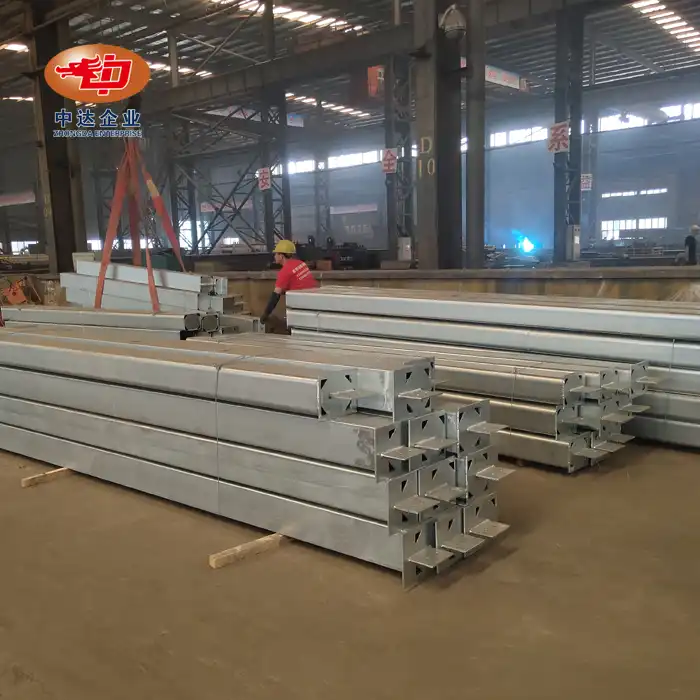
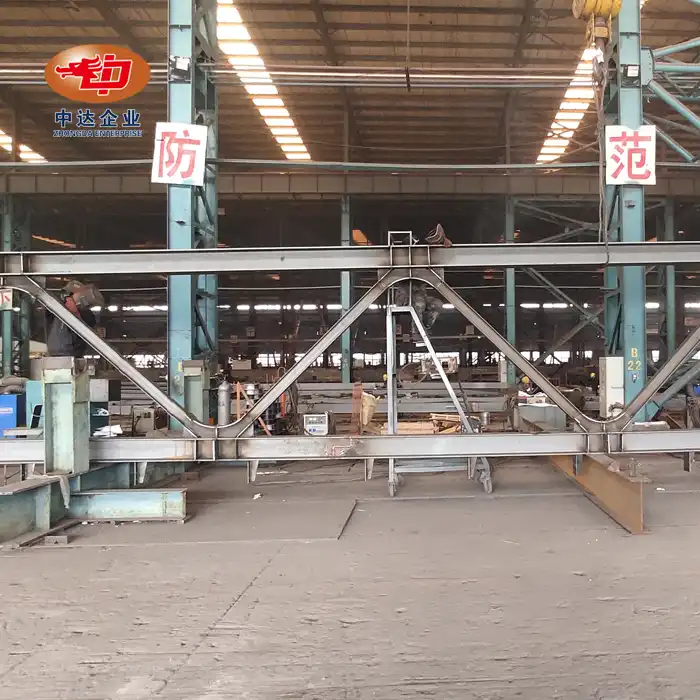
Buildings made of steel and using shed roof steel trusses have better load-bearing capabilities, which are needed to support air systems, lighting grids, and feeding equipment. Trusses made from Q235 or Q345 steel have great strength-to-weight ratios, and their normal lengths range from 10 to 40 feet, so they can fit a wide range of building sizes. The 2/12 pitch that is often used in agriculture makes sure that water drains properly while keeping the right inner height. Using fixed parts for connections makes it easier to make changes as farm operations grow or production methods change.
Wooden buildings are cheaper at first, but they need to be treated against water, bugs, and fungus growth over and over again as the building ages. These upkeep processes are unnecessary because steel is naturally long-lasting, and galvanized finishes protect against corrosion so that structures stay strong for decades. The ability of steel components to be pre-fabricated also speeds up the building process, which lowers work costs and lets farms start running sooner. This advantage in speed-to-occupancy directly leads to earlier income creation, which improves the economics of the project.
Because fire-resistant buildings last longer and need less upkeep, these material advantages save money through lower insurance rates and shorter maintenance plans. When reviewing supplier offers, people who work in procurement should look at these lifecycle factors.
Climate Control and Ventilation Strategies
Keeping the surroundings in good shape in breeding shed saves birds' health and keeps their energy use in check. The American Society of Agricultural and Biological Engineers says that in temperate areas, passive ventilation systems with ridge vents and panel inlets can cut mechanical cooling costs by 30 to 40 percent. During the summer, solar heat gain is limited by insulated roof panels and coats that reflect light. Evaporative cooling systems are a cheap way to lower the temperature in dry areas because they use a lot less electricity than air conditioners that cool with cold air. Controls based on sensors that change the rate of ventilation based on real-time readings of temperature and humidity keep birds comfortable without wasting energy.
Lighting and Hygiene Best Practices
Strategic lighting design affects how birds behave, how long things take to make, and how safe the operations are. LED light sources use 60–75% less electricity than regular incandescent bulbs and don't make as much heat, so they don't need as much cooling. Depending on the output goals, programmable lighting plans can either increase the number of eggs laid or improve the rate of growth. When designing a structure, hygiene should be taken into account. For example, smooth wall surfaces make pressure washing easier, sloped floors help water drain properly, and sealed joints keep pests from hiding. These design choices lower the risk of sickness and the costs of treating animals and making up for lost work time.
Building and Maintaining a Cost-Effective Breeding Shed
Step-by-Step Construction Planning
A thorough site review is the first step to a successful project completion. Soil testing tells builders what kind of base they need to make sure the building stays stable throughout the year. Access to utilities like water and power affects where a building is put because expanding infrastructure costs a lot of money. Because farm building rules vary a lot from one area to the next, permit timelines should be planned out early on. The next important step is to buy the materials. Building ties with qualified sellers is the best way to make sure that the quality of the parts and their delivery times stay the same.
For steel-framed chicken houses, the building process usually goes like this: installing the foundation makes level mounting areas for the structural frame. Using pre-engineered parts, steel truss assembly goes quickly, and buildings can be put up quickly by small teams using fixed connections. The building is enclosed by installing roof panels and wall cladding. Next, the electrical rough-in for lights and ventilation is done. When you finish the inside of a building, you have to install tools, put down insulation, and set up the control system. This methodical technique cuts down on the time it takes to build something, which lowers the costs of funding that come with longer project timelines.
At each step, quality control checkpoints keep work from having to be redone, which can be expensive, and make sure that the finished building meets working needs. Before making progress payments, procurement teams should set clear inspection processes with freelancers and make sure they are following the rules.
Proactive Maintenance Protocols
Regular maintenance protects an asset's worth and keeps it from needing expensive fixes in an emergency. Cleaning once a week gets rid of organic matter that can house germs and bring pests. Regular monthly checks should check how the air fans work, how the water system works, and the overall state of the building. Servicing mechanical systems every six months keeps them running at their best, which saves energy and extends the life of tools. Using a digital maintenance management system helps keep track of past service requests and plan preventative maintenance tasks, which keeps output from being interrupted by broken equipment.
Sustainable Waste Management
Handling dung properly in breeding shed lowers the damage to the earth and keeps costs down. Composting systems turn chicken waste into soil amendments that can be sold, which creates extra income streams. Having the right places to store trash makes sure that environmental rules that protect water quality are followed. Some businesses work with crop farmers who value chicken dung as an organic fertilizer. This cuts down on the cost of dumping and supports local farming networks. These environmentally friendly methods show that you care about the environment, which makes people like you more and could help your farm get into conservation reward programs.
Comparing Breeding Shed Solutions: Choosing the Best Fit
Specialized vs. General-Purpose Structures
Breeding sites that were built just for that purpose have traits that regular agricultural buildings don't have. Dedicated poultry housing has biosecurity features like footbaths and controlled entry points, as well as lighting systems that are tuned to the needs of birds. These specialized parts make production more efficient in ways that make up for the extra money they cost. When general store buildings are turned into chicken coops, they often need a lot of changes that cost more than building a new one from scratch and don't provide as good of environmental control.
Automated Systems vs. Manual Operations
Decisions about mechanization have a big effect on how much work is needed and how consistently the output goes. Automated feeding systems spread food evenly throughout the building, so no one has to move feed carts by hand every day. This also cuts down on waste. Environmental controllers keep the temperature and humidity within exact ranges that can't be reached by hand. This makes sure that birds are comfortable and grow at the fastest possible rate. Automating the treatment of water and the giving of medications ensures uniform delivery, which is good for the health of the sheep. The cost of these systems is usually recovered within 3–5 years by the savings in labor, and the improvements in production that they make keep giving value for as long as the building is used.
Facility Sizing Considerations
Capital is not wasted when building capacity is matched to production goals. Small businesses that have between 5,000 and 10,000 birds might benefit from flexible designs that let them grow in stages as markets grow. Large business facilities that house 50,000 or more birds get economies of scale in automatic systems and worker efficiency. However, they need very skilled management to stop disease outbreaks that could wipe out whole groups. Medium-sized businesses find a good mix between distributing risk and running efficiently. They are often the best place for farms to start when they want to switch from traditional to modern ways of farming.
Procuring Your Breeding Shed: Navigating the Market
Identifying Reliable Manufacturers and Suppliers
Supplier choice is just as important to the success of a project as the quality of the design. Companies that have been around for a long time and have worked on a lot of agriculture projects know what is needed for poultry houses. Looking at finished projects can help you understand how well they worked in the real world and how well they were built. In addition to basic structure promises, warranties should cover how well ventilation systems and environmental controls work. Technical support is very helpful during startup and the first few weeks of operation, when changes are made to make the facility work better.
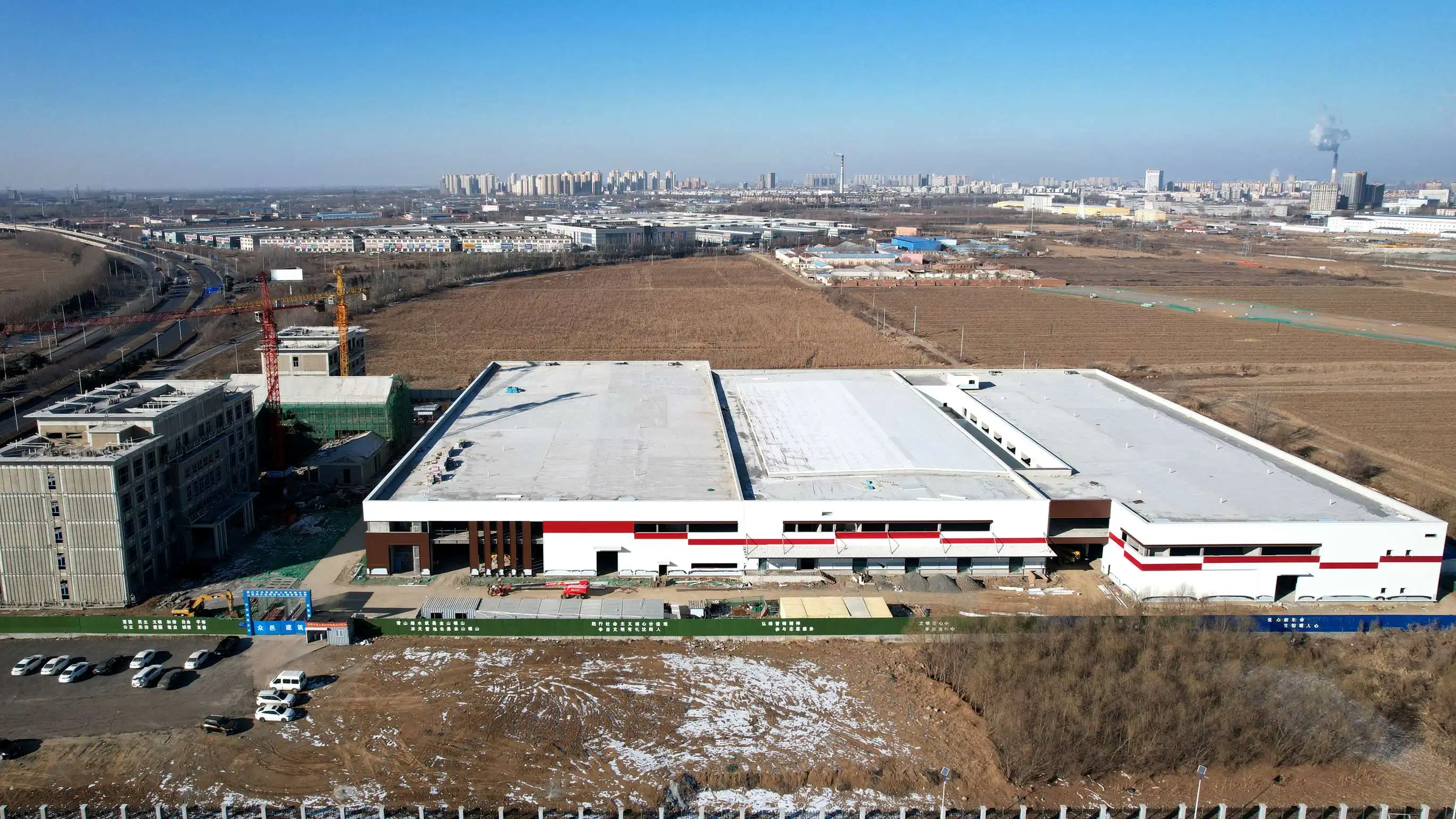
The ISO 9001:2015 approval and First-Class Steel Structure Engineering Qualification from China's Ministry of Housing and Urban-Rural Development show that Shenyang Zhongda Steel Structure Engineering Co., Ltd. is a great place to work for manufacturing breeding shed. We deliver perfectly engineered parts that meet international building standards. Our 120,000 m² production center and 18 years of specialized knowledge make this possible. Our shed roof steel truss systems are carefully checked for quality at every step of the way, from getting the steel to applying the final coat of galvanization. This dedication to quality assurance gives buying teams faith in the structure's strength and its ability to work for a long time.
Understanding Total Project Costs in 2026
To make a good budget, you need to think about all the parts of the job that cost more than just the materials. Foundation costs range from 8 to 12 percent of the total cost of building, depending on the type of dirt and the size of the building. Steel frame and roofing materials usually make up 35 to 40 percent of a project's cost. Prices depend on the state of the steel market and the complexity of the parts. Another 25–30% of project costs go to mechanical systems like ventilation, food tools, and environmental controls. The costs are made up of installation workers, electricity work, and project management services. By knowing about these parts, procurement pros can better evaluate competitive bids and spot offers that might have missed important details.
Custom-Made vs. Pre-Fabricated Solutions
Custom designs take into account the specifics of the place, the way it will be used for output, and the climate problems in the area. Customized planning is helpful for farms with odd-shaped lots, needs to work with existing buildings, or specific breeding programs. Standardized parts in pre-fabricated systems make operation faster, and they also make design and building processes easier. These "turnkey" options work well for businesses that use standard production methods and have clear sites. The choice of method should be based on practical objectives. Custom buildings make the best use of space and improve production efficiency, while prefabricated options get buildings up and running faster and make buying easier.
We offer full OEM and ODM services that connect these choices. Our engineering team works with clients to come up with the best truss configurations, span lengths, and pitch angles for each building. This adaptability allows for a wide range of farming uses while keeping production costs low by boosting efficiency. Whether your business needs a standard building or a solution that was specifically designed for it, our design services will make sure that the structure systems we provide meet your needs.
Conclusion
When you build a breeding shed strategically, you gain competitive benefits that go far beyond saving money on the beginning costs. Steel-framed buildings with designed roof beams last a long time, make good use of space, and don't need much upkeep, which lowers the total cost of ownership over many years of use. Facilities that improve both bird comfort and production can be made by carefully combining ventilation systems, lighting controls, and process efficiency. As chicken markets continue to stress food safety and environmentally friendly ways of farming, modern living infrastructure makes it possible for businesses to meet changing standards while still making money. Quality construction is an investment that pays off in lower running costs, more consistent output, and higher asset value.
FAQ
What is the typical construction timeline for a breeding shed?
Depending on the size of the building and the conditions of the site, steel-framed chicken facilities usually take 8 to 12 weeks from the time the foundations are broken to the time they are ready for use. The foundation work takes two to three weeks, and then the frame is put together and the building is enclosed for three to four weeks. Another 3–4 weeks are needed for installing the mechanical systems and finishing the inside. When compared to traditional building methods, pre-engineered steel components greatly shorten this time frame. Schedules can get pushed back by things like bad weather and handling of permits, so it's important to plan realistically when making a work schedule.
What temperature range ensures optimal poultry health?
Most types of chickens do best when the temperature is between 65°F and 75°F and the humidity is between 50 and 70%. During their first week, young chicks need high temperatures (85–90°F), which gradually drop as they get older. Extreme temperatures above and below this range stress birds, making them less efficient at using food and more likely to get sick. The right insulation and air systems keep these conditions stable, which lowers the cost of temperature control and improves bird health.
How frequently should breeding sheds receive maintenance?
Cleaning feeders and waterers every day stops the spread of disease and makes sure birds get the right food. Biosecurity standards are kept up by cleaning up the building and taking out the trash once a week. Inspections of machines once a month find problems as they start to happen before they stop production. Every year, a full review should be done to check the state of the structure, the mechanical systems, and the safety features. This tiered method to repair strikes a balance between the needs of operations and the needs to protect assets.
Partner with Zhongda for Your Next Breeding Shed Project
Zhongda Steel specializes in providing engineered structural solutions to clients in the industry and farming sectors around the world. When you use our shed roof steel truss systems, you can build long-lasting, cost-effective chicken coops that meet production goals and keep costs low. We know exactly what is needed for agricultural building because we are a reliable seller of breeding sheds with global certifications and a track record of completing projects on time.
Our team offers full support from the first design meeting to the end of the building project and beyond. Custom engineering services make sure that your building is right for the spot, the size of your output, and the climate issues in your area. We help businesses quickly reach their infrastructure goals by giving them low prices, high-quality materials, and skilled technical support. Get in touch with Ava@zd-steels.com right away to talk about your project needs and find out how our steel building solutions can help your chicken farm run better and make you more money.
References
Smith, J.R., & Anderson, P.L. (2022). Modern Poultry Housing Systems: Design Principles and Economic Analysis. Agricultural Engineering Press.
National Poultry Technology Center. (2023). Ventilation Requirements for Commercial Poultry Facilities. Auburn University Extension Publication.
Chen, M., & Roberts, K.D. (2021). Steel Structures in Agricultural Applications: Performance and Longevity Studies. Journal of Agricultural Construction, 15(3), 234-251.
United States Department of Agriculture. (2023). Biosecurity Best Practices for Poultry Operations. USDA Animal and Plant Health Inspection Service.
Thompson, W.H. (2022). Lifecycle Cost Analysis of Agricultural Building Materials. International Journal of Farm Structures, 8(2), 112-128.
American Society of Agricultural and Biological Engineers. (2023). Standards for Poultry Housing Environmental Control Systems. ASABE Standards EP270.6.
YOU MAY LIKE
_副本_1757053936097.jpg "building structure")