Structural Integrity of Power Plant Steel Structure by Zhongda
2026-08-11 14:55:10






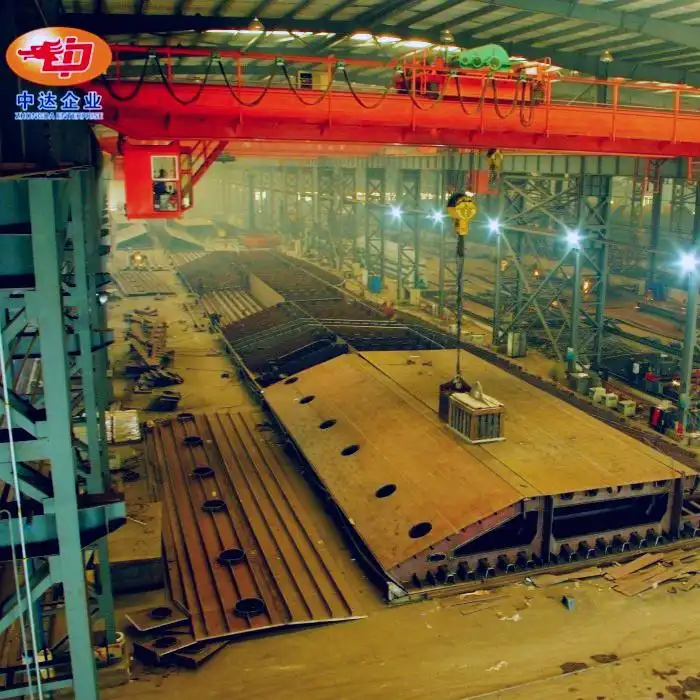
The power plant steel structure is the most important part of the energy system when it comes to making sure it is structurally sound. At Zhongda, we know that every beam, column, and connection in a power plant has to be able to handle high temperature changes, moving loads from heavy machinery, and weather stresses for decades of reliable service. Our method to structural integrity is a mix of precise engineering and years of experience in the field. This lets us give you solutions that keep your most valuable things safe. This guide looks at many different parts of power plant steel frameworks and gives procurement professionals useful information about design principles, strategies for durability, and relationship issues that have a direct effect on project results and lifecycle costs.
Understanding Power Plant Steel Structures: Types and Design Principles
Facilities that make electricity need special building frames that are very different from those used in regular factories. Because turbine rooms, boiler support systems, and auxiliary equipment areas have different needs, they need technical solutions that are made to work in those settings.
Core Structural Systems for Energy Facilities
There are three main types of structure designs that are used to build power plants. Frame structures use vertical columns and horizontal beams to make working platforms with more than one level. These are perfect for main turbine halls where it's important to be able to place equipment in different ways. Truss systems are great for clear-span applications and are often used in boiler support structures where the internal space needs to be free of obstructions for complicated pipe networks and ductwork. Recently, modular units have become popular in projects because they allow for parallel production and faster assembly on-site, which cuts down on building times by large amounts.
At Zhongda, our engineering team specializes in mixed systems, which are a mix of these two methods based on the needs of the project. The turbine hall for a recent thermal power plant project used portal frames with cantilever extensions to hold 150-ton overhead cranes while keeping space around high-temperature equipment for thermal expansion.
Material Selection and Load Parameters
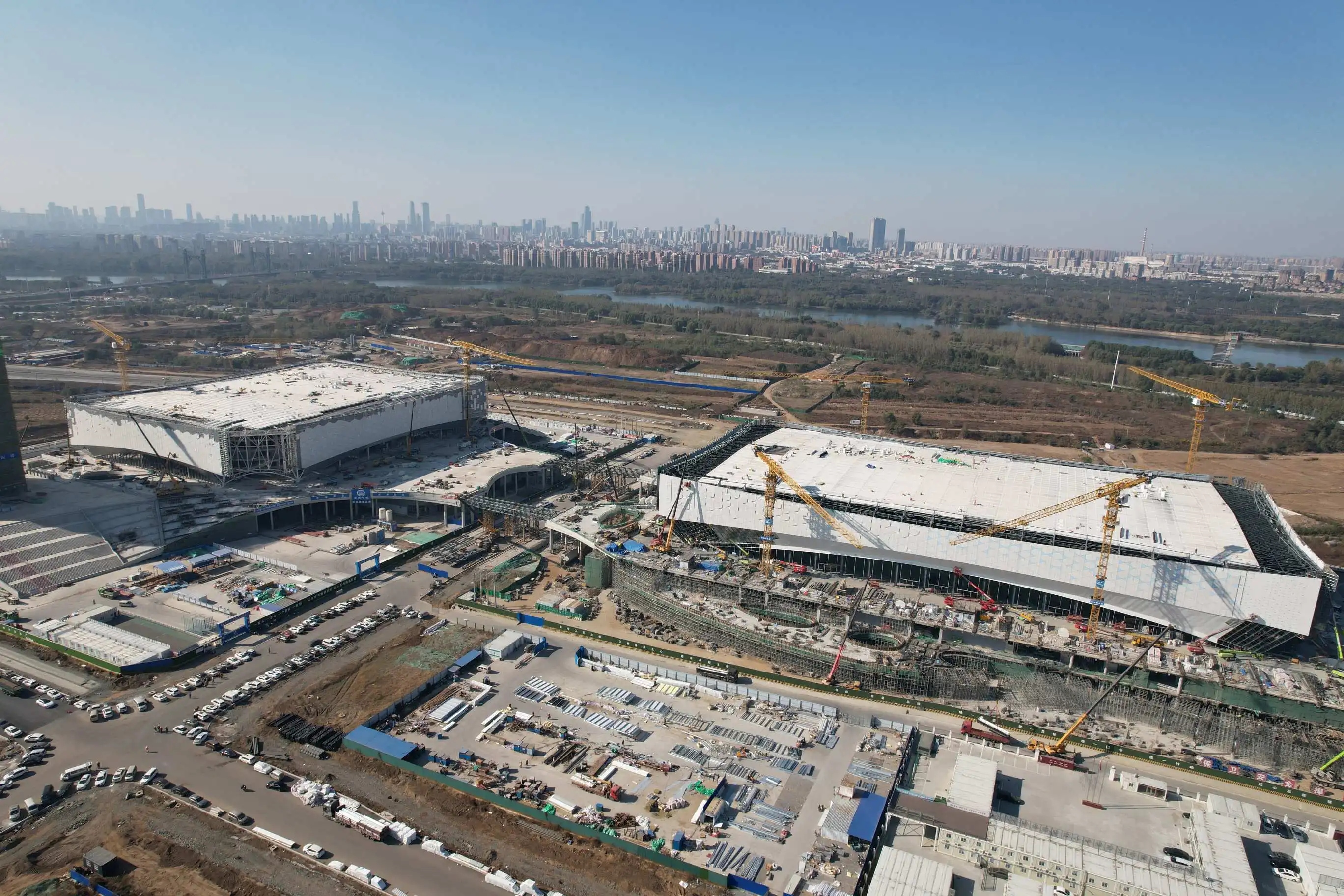
A full load study is the first step in choosing structural steel. The self-weight of steel members, concrete slabs, and fully placed equipment like generators, transformers, and cooling systems are all examples of dead loads. Live loads are very different in different areas. For example, working floors have a lot of people and portable equipment, while repair operations load and unload the crane runways all the time. Environmental factors create specific problems. For example, wind loads on tall boiler buildings, seismic needs in busy zones, and snow buildup in northern climates all need to be taken into account during the design process.
The properties of the materials directly affect how well the structure works. We usually choose Q355B steel for main load-bearing parts because it has a yield strength of 355 MPa, is easy to weld, and is tough even at low temperatures. This grade works especially well for column sections and big beams because its high strength-to-weight ratio lowers the loads on the base. Q235B is a good choice for secondary members and support systems because it is strong enough and doesn't cost too much. All materials are carefully checked using Mill Test Certificates, which prove that their chemical make-up and mechanical qualities meet the needs of the project.
International Standards and Engineering Codes
Designing something that follows set rules makes sure that it is safe for as long as it is used. The American Institute of Steel Construction (AISC 360) has detailed rules for building with structural steel that cover things like how to create members, how to connect them, and how stable the building has to be. Eurocode 3 (EN 1993), which offers different ways to look at bending and wear, is used in European projects. The engineers at Zhongda are skilled in a number of different code systems, which lets them easily change to the needs of each project, no matter where they are located.
In addition to meeting the basic requirements of the code, we add extra safety measures to places where important equipment is supported. Finite element analysis is used to check how stresses are distributed in boiler support structures when they are loaded with both heat and force. Connection designs are looked at very closely. For example, welding joints are approved using Welding Procedure Specifications and then inspected using ultrasonic and infrared testing to find any internal breaks that could weaken the power plant steel structure over time.
Ensuring Structural Durability and Maintenance Best Practices
Problems with durability in power plants go far beyond those found in other workplaces. High temperatures, chemical exposure from combustion fumes, and mechanical vibrations from spinning equipment all work together to make a harsh service environment that needs strategic protection strategies.
Environmental Threats and Protection Systems
The main way that steel buildings in power plants break down is through corrosion. Chloride-rich air speeds up the breakdown of coastal plants, so they need C5-M marine-grade coats to protect them. Our standard procedure involves cleaning the surface with a near-white metal blast (Sa 2.5) and then applying a multi-layer coating system. This includes an 80-micron zinc-rich epoxy primer, a 120-micron intermediate epoxy coat, and a 60-micron polyurethane topcoat, for a total dry film thickness of more than 260 microns. This method has been tested and shown to work for more than 20 years in harsh marine environments.
Thermal expansion control is just as important in boiler rooms where the difference in temperature between working and ambient conditions can be as high as 100°C for structural steel. We put in expansion joints at set times. These joints are made with slotted links that allow for limited movement while keeping the load-bearing capacity. Supporting models take into account the fact that the steel framework and concrete supports expand and contract at different rates. This stops caused stresses that could cause fatigue cracking over many thermal cycles.
Inspection Protocols and Predictive Maintenance
Routine inspection programs find new problems before they get worse and cost a lot to fix. Visual inspections are done once a year to record the state of the layer, the strength of the connections, and any deformations that can be seen. Every five years, there are thorough checks that use non-destructive testing methods like ultrasonic thickness readings to figure out how much section loss is due to corrosion, magnetic particle inspection of welded connections, and strain gauge tracking of parts that are under a lot of stress.
In order to keep the building running smoothly, Zhongda offers full repair services. Our expert team does assessments on-site and then writes thorough reports with a list of the most important things that need to be done to fix the problem. When coating fixes become necessary, we select suitable materials matching original systems to ensure adhesion and performance continuity. Full technical analysis is done on structural changes made to make room for new equipment, making sure they follow the rules and staying true to the original design purpose.
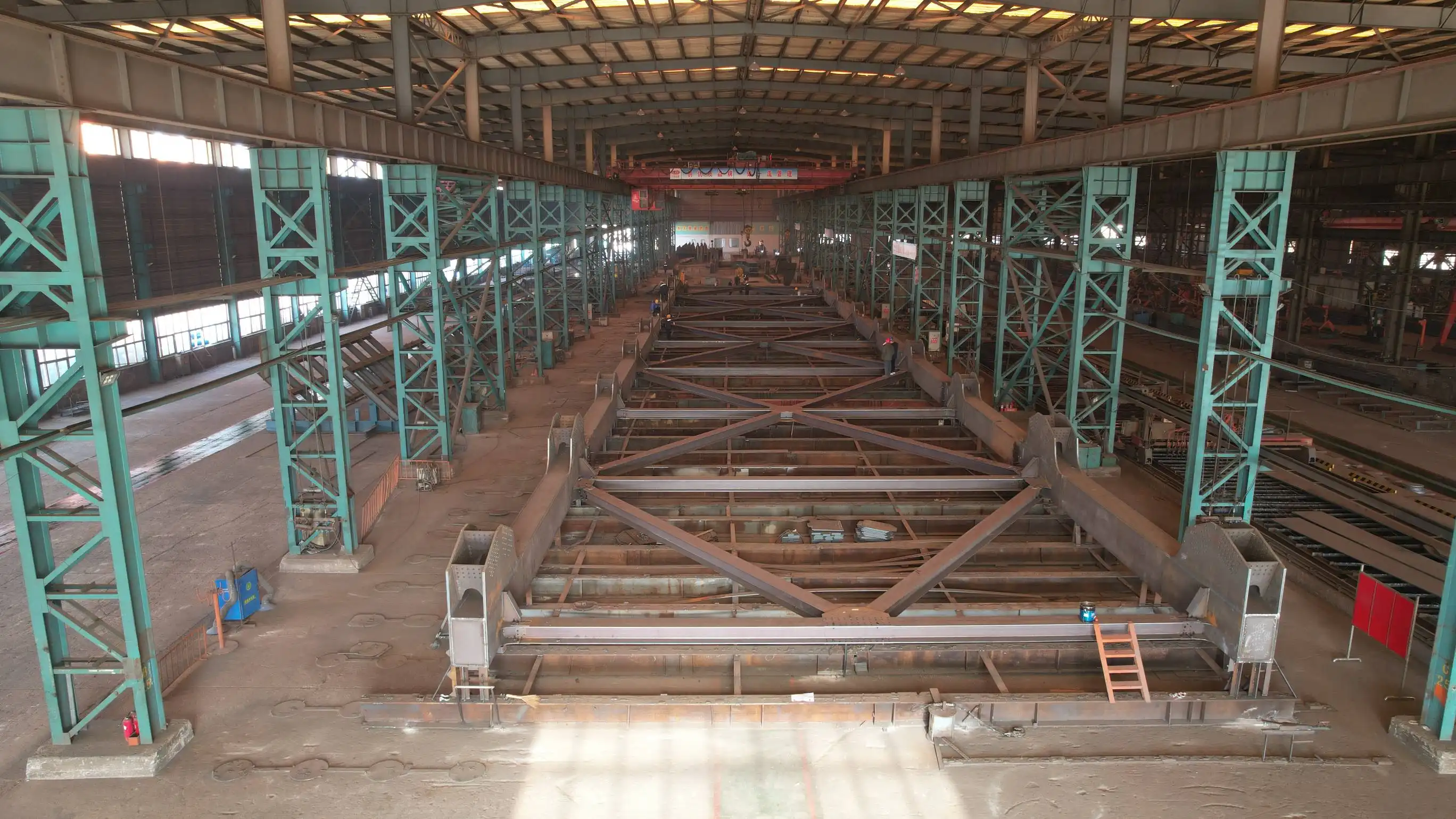
Case Study: Extended Service Life Achievement
A coal-fired power plant that was built in 1998 just reached the 25-year working milestone. The skeletal framework is still in great shape. The facility's turbine hall, which has power plant steel structures built by Zhongda, was thoroughly inspected and found to have little corrosion and no structural problems that needed quick attention. This result backs up our coating specs and design approach, showing that choosing the right materials and security methods can really add value over their whole life. The plant operator thinks it will last another 25 years, and it will be recoated in 30 years, which is a lot longer than what was expected when it was first designed.
Procurement and Supply Chain Reliability: Partnering with Zhongda
When choosing a supplier, it's not just about comparing prices; skills, quality systems, and delivery efficiency are also important factors that have a direct effect on how the project turns out. Power plant building plans are very tight, and fines for late commissioning are very expensive. This makes supply chain dependability an important factor in purchasing power plant steel structures.
Certifications and Production Capacity
Zhongda keeps a lot of quality badges that prove our management and production methods work. ISO 9001:2015 certification shows that quality processes have been written down for creation, production, and delivery. The EN 1090 license covers the specifics of working with structural steel and aluminum. It is needed for European projects and is being used more and more in foreign standards. The Ministry of Housing and Urban-Rural Development of China has given our facility the best local qualification for difficult structure projects: First-Class Steel Structure Engineering Qualification.
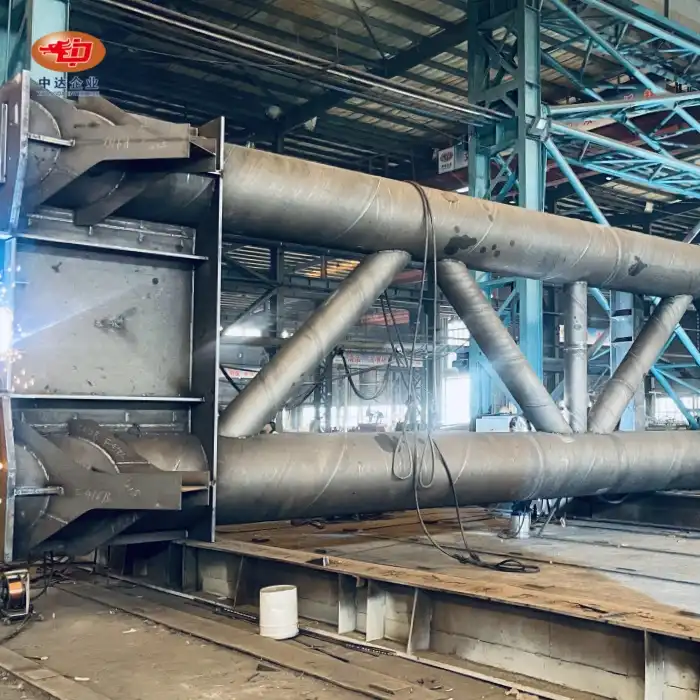
Production capacity has a direct effect on how reliable a plan is. Our 120,000-square-meter building has high-tech manufacturing tools like CNC drilling lines that can accurately place holes to within ±0.2mm, automatic sawing and welding systems, and shot-blasting enclosures that can hold pieces up to 18 meters long. The annual production capacity is 60,000 tons, and deliveries that are on the important road can be given priority when time constraints arise.
Technical Support and Communication
For a project to be completed successfully, the provider and engineering teams must keep talking about technical issues. We give each job its own project manager, who is in charge of all business and technical issues and acts as a single point of contact. Stakeholders are kept up to date on the state of fabrication, quality hold points, and logistics plans through weekly progress talks via video conference. When we get an RFI, our engineering team acts quickly. Usually, they give thorough answers within 48 hours to keep the design development process moving forward.
Value engineering efforts often show up as the project is being carried out. Our detailing team sometimes finds ways to simplify connections, standardize member sizes, or improve splice sites while looking at fabrication plans. This saves money without affecting the performance of the structure. We give you these ideas along with figures to back them up, so you can make smart choices about how to put them into action.
Global Logistics and Digital Tools
Getting an international job done requires a lot of complex business planning. Zhongda works with freight forwarders who know how to handle oversize goods and can handle transport from our plant to ports, ocean shipping, and final delivery to construction sites. We provide detailed shipping paperwork, such as packing lists, load plans, and erection piece marks, which makes it easier for the goods to be received and stored at their final location.
Digital buying tools make it easier to place orders and give you real-time information. Our client site gives you access to project documents, lets you track submissions, and lets you know about the progress of shipments. Customers like how clear this method is; it takes away the guesswork about when deliveries will happen and makes it easier to work with other trades.
Future Trends and Innovations in Power Plant Steel Structures
The energy industry is still changing quickly, thanks to the need to be more environmentally friendly, better technology, and new rules and regulations. Designing and building power plant steel structures must change to meet these new needs, using new technologies that improve performance while lowering their negative effects on the environment.
Smart Monitoring and Structural Health Assessment
Sensor technology lets structures be watched all the time, switching care methods from schedule-based to condition-based ones. Installing strain gauges in key places keeps an eye on stress levels and finds problems like uneven loading or cracks before they become dangerous. Corrosion monitors built into the coats can tell when moisture gets in, which makes fixes happen quickly before major section loss happens. Accelerometers on the main members measure the patterns of vibrations, which lets you know early on if a link is loosening or the base is sinking.
Analytics platforms use machine learning techniques to look for trends in the data from these sensors that could point to problems. Instead of sending too much raw data to support staff, these systems send targeted alerts that draw their attention to problems that need to be looked into. Zhongda works closely with companies that offer tracking systems to include ways to attach sensors and the infrastructure for sending data into building plans. This gets facilities ready for predictive maintenance to be put into place.
Sustainable Materials and Circular Economy Principles
Material standards are becoming more and more affected by environmental factors. Modern steel from electric arc furnaces has a lot of recycled material in it; often, it has more than 90% scrap-based fuel. This method of production uses a lot less energy than standard blast furnace processes, which means that a lot less carbon is incorporated. We give preference to sellers who are honest about their environmental performance, and we ask them to provide Environmental Product Declarations that list the effects over the whole lifecycle.
A new thing to think about in structure engineering is design for removal. Bolted links make it possible to change the layout or take down the building later without making a lot of waste. When a plant is finally shut down, its steel frames can be taken apart and recovered instead of being dumped, which supports the goals of the circular economy. We write down all the details of the connections and the materials used in great depth. This helps people make smart decisions decades from now, when they start reusing or returning them.
Adapting to Renewable Energy Integration
The move toward green energy sources around the world makes new structure demands. For solar thermal plants to work at temperatures above 500°C, they need tower constructions that can hold up heliostat fields and receiver units. For offshore wind projects to work, the foundations and transition pieces need to be able to handle high wave loads and harsh coastal conditions. Buildings with fire separation and ventilation are needed for battery energy storage systems and other new storage technologies.
Zhongda keeps putting money into study that focuses on these changing applications. Our engineering team looks at foreign green energy projects and figures out how they are built and how well they work. This information guides the growth of our skills, putting us in a good situation to help clients as their project portfolios expand beyond standard power plants.
Conclusion
Power plant steel structures must have structural stability at all times, because it affects operating safety, economic performance, and regulatory compliance over the course of their many-decade service lives. The information shown shows that this level of integrity needs careful consideration of design principles, choice of materials, security systems, and ongoing upkeep. When properly designed and built by skilled suppliers, steel buildings have clear benefits for use in power plants.
For 20 years, Zhongda has worked on projects in the energy field, mixing technical knowledge with manufacturing skills to provide reliable solutions. Our dedication goes beyond the initial production and includes a long-term relationship that supports the success of your operations.
FAQ
What factors determine the lifespan of steel structures in power plants?
Service life is mostly determined by how well rust protection works, how much the structure is loaded, and how well it is maintained. Coating systems that are properly installed and used in moderate settings usually last between 50 and 70 years with planned re-coating times. Marine environments near the coast may need more frequent repair because they are more likely to be damaged. Regular checks that find new problems early on allow quick fixes that protect long-term stability.
How do you select optimal steel grades for different power plant applications?
The choice of grade takes into account the need for strength, the surroundings, and cost. Most primary load-bearing parts are made of Q355B or a similar steel that is strong and easy to join. If the building is outside and not in the ocean, weathering steel is a good choice. For uses at low temperatures, certain grades must have certain Charpy impact qualities. Our engineering team looks at the specifics of each project and suggests grades that will give the best performance and value.
Can Zhongda provide complete turnkey solutions including design, fabrication, and installation?
Of course. We provide a wide range of services, from conceptual planning to construction help. Our engineering team creates structural plans that take into account the needs of the tools and the limitations of the spot. Fabrication takes place in our certified center, which has strict quality control. We oversee the construction process and make sure that the right steps are taken and that the connections are solid. We are fully responsible for the structure's performance.
Partner with Zhongda as Your Trusted Power Plant Steel Structure Supplier
Choosing the right partner for structural steel is important for the success of a project from the beginning of the planning process through many years of use. Zhongda gives procurement workers the technical know-how, high-quality manufacturing, and long-term support they need for important energy infrastructure. Our history of working with clients like China Railway, CSCEC, and foreign power companies shows that we can handle complicated needs and tight deadlines.
Our team is ready to talk about your unique needs, whether you need frames for turbine halls, frameworks for supporting boilers, or whole facility packages. We want you to experience the Zhongda difference, where top-notch technology meets dependable performance. Email Ava at Ava@zd-steels.com to talk about your future projects and get thorough technical proposals that are made just for you. Visit zd-steels.com to see all of our services and download full product information that will help you make choices about what to buy.
References
American Institute of Steel Construction. (2016). Specification for Structural Steel Buildings (AISC 360-16). Chicago: AISC.
European Committee for Standardization. (2005). Eurocode 3: Design of Steel Structures - Part 1-1: General Rules and Rules for Buildings (EN 1993-1-1). Brussels: CEN.
International Energy Agency. (2022). Structural Design Considerations for Modern Power Generation Facilities. Paris: IEA Publications.
National Association of Corrosion Engineers. (2020). Protective Coating Systems for Industrial Steel Structures in Severe Environments. Houston: NACE International.
Society of Fire Protection Engineers. (2019). Structural Fire Protection for Energy Generation Facilities: Engineering Guidelines. Bethesda: SFPE.
Zhang, L., & Morrison, D. (2021). Advanced Steel Structures for Power Plant Applications: Design, Fabrication, and Performance Analysis. International Journal of Steel Structures, 21(3), 892-910.
YOU MAY LIKE
_副本_1757053936097.jpg "building structure")