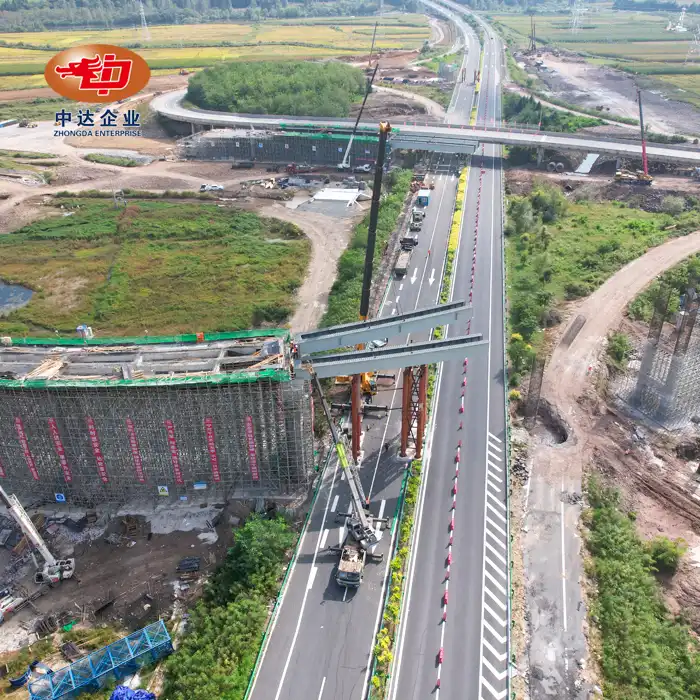
Exploring Commercial Steel Structures: Applications and Benefits
2026-08-11 14:55:09






Modern building needs solutions that are strong, efficient, and flexible all at the same time. These qualities are exactly what a commercial steel structure offers, changing the way we plan buildings in the infrastructure and industry sectors. Whether you're an EPC builder looking at different framework choices for a multi-story office building or a logistics developer planning huge warehouses, knowing the strategic benefits of steel helps you make better buying decisions. Steel frames are very flexible and can hold a wide range of structures, from green energy installations to heavy-duty manufacturing plants. This complete guide shows you the useful uses, real benefits, and important things to think about that are most important to B2B procurement professionals, engineers, and project managers working in the US building market.
Understanding Commercial Steel Structures
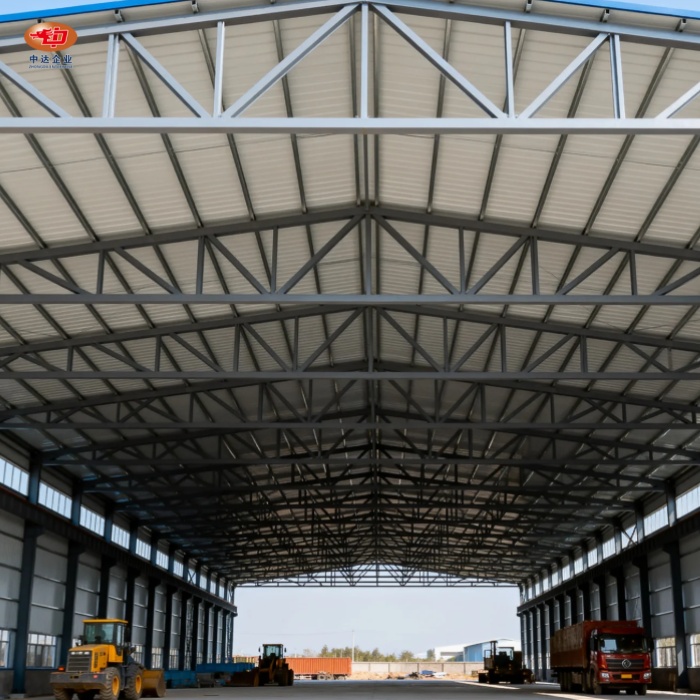
For business uses, commercial steel structures include pre-engineered metal buildings, structural systems that are made to order, and portable building kits. Each method fits the needs of a different job. Standardized parts and quick installation times make pre-engineered buildings cost-effective. This makes them perfect for warehouses and factories with open, clear-span interiors that allow for the most operating freedom. Custom-built systems are used for buildings with complicated structural needs, like airport terminals with wide roof shapes or power plants that need special equipment supports.
What Defines Modern Steel Building Systems
The process of making something starts with choosing the materials. Low-alloy high-strength steels like Q345 and Q355 can handle heavier loads in high-rise building or industrial equipment platforms. Carbon structural steels like Q235 work well under normal loading situations. Material certificates check the chemical make-up and mechanical qualities of materials to make sure they meet the ASTM standards that are used in most North American projects.
Precision Fabrication and Design Integration
Advanced design software, like AutoCAD for 2D details, Tekla Structures for 3D models, and Revit for BIM integration, lets manufacturers cut with tolerances of just ±0.2mm. This accuracy directly leads to field economy. When parts arrive at the job site with perfectly matched bolt holes and welded connections that have been approved by non-destructive testing, installation teams can put them together much faster than when they have to fix badly made parts on the job site.
Welding and fitting are two different ways to connect things. Welded joints offer the highest level of consistency and are perfect for moment-resisting frames in seismic zones or buildings that are loaded and unloaded quickly. Bolted connections make it easier to make changes in the future and let parts be taken apart, which is helpful for people renting industrial space who may need to move equipment. When Zhongda's engineering team suggests connection plans for each project phase, they look at load paths, building scheduling, and ease of upkeep.
Protection Against Environmental Threats
Fire resistance and defense against corrosion are standards that can't be changed in steel specifications. When intumescent coats are heated, they swell up, protecting steel parts from heat and keeping the structure's strength during fires. The thickness of the coating depends on how long fire protection is needed, which is usually between one and three hours for business buildings. Hot-dip galvanizing protects strongly against rust, and the zinc layer thickness meets ASTM A123 standards. Galvanizing is often combined with epoxy coats on projects near the coast or in chemical processing plants. This makes the projects last longer than 50 years with little upkeep.
Key Benefits of Commercial Steel Structures
Because of all of these benefits, commercial steel structures are both a good investment and a good choice for the environment. Zhongda's projects in more than 20 countries show that properly engineered steel buildings give a good return on investment by cutting down on construction time, lower running costs, and long-lasting structural performance in a range of climates.
Structural Performance That Outpaces Alternatives
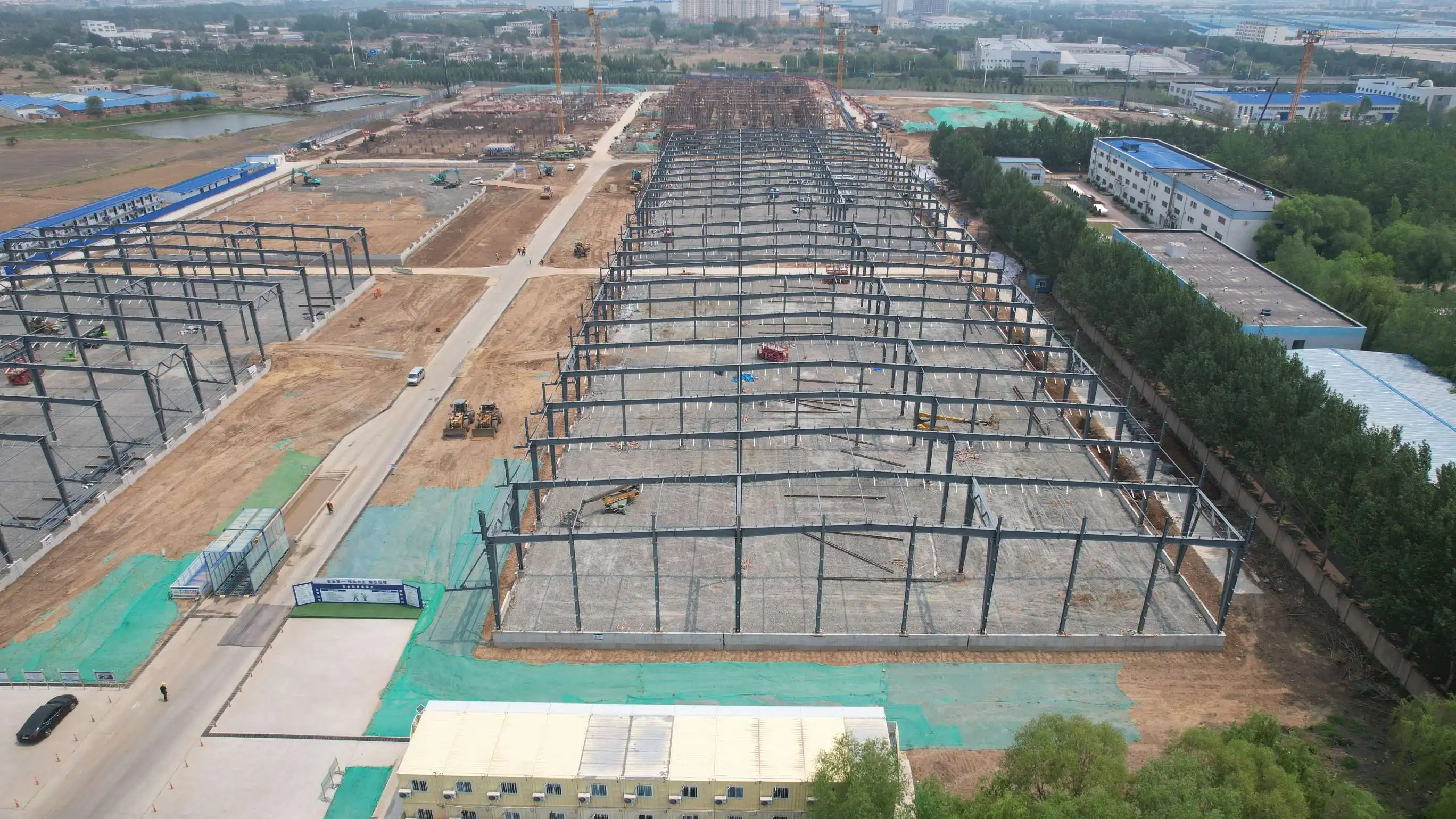
Because steel has a high tensile strength, it can support longer clear lengths than concrete or wood systems can afford. With steel trusses, it's possible to build a distribution center with 60-foot column spacing for self-driving cars. With concrete, however, the building would need middle supports that would get in the way of the flow of materials. This ability to hold weight is also useful in multi-story buildings, where steel beams take up less floor space than concrete ones, making more space available for rent.
The material's ability to bend makes it naturally resistant to earthquakes. When there is an earthquake, steel frames receive and release energy through controlled bending, keeping people and expensive equipment safe. Because of this performance trait, structural steel frames are always used for hospital extensions, data centers, and emergency operations centers in areas that are prone to earthquakes.
Economic Advantages Throughout Project Lifecycles
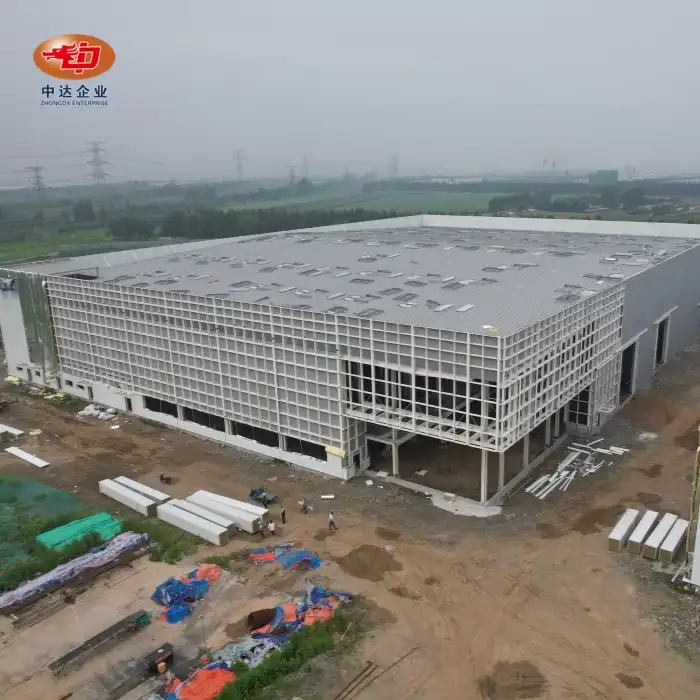
The speed of construction has a direct effect on project budgets by lowering the cost of borrowing and bringing in money faster. Factory-made steel parts come ready to be put together, which shortens the time needed for concrete building projects that have to wait for the concrete to cure and the forms to be set up. If you use pre-engineered steel instead of tilt-up concrete walls, you can finish a 100,000-square-foot warehouse in seven months instead of twelve. This speeds up the time it takes for tenants to move in and the rental income to come in.
Making work more efficient adds to these saves. Steel construction crews get more work done per shift than concrete placement workers, especially in crowded cities where access to cranes makes it harder to get work done. Factory-controlled production makes things more predictable and cuts down on expensive rework in the field. When parts regularly match what the designer intended, change orders go down and project contingencies stay in place.
Environmental Responsibility Built Into Material Selection
Steel is one of the most recycled products in the world. For structural parts, recycling rates of over 85% have been seen in the business. When a building's useful life is over, removal companies take back steel parts that can still be used to make new things. Closed-loop recycling is in line with business sustainability goals that are becoming more common among Fortune 500 companies and government bodies that put a high value on LEED certification.
Energy efficiency is just as important. Even though steel moves heat around more easily than mass wood or insulated concrete forms, modern building envelope techniques use continuous insulation and thermal breaks to meet higher energy standards. Thick insulation batts can be put between the purlins of a metal building system, and standing-seam roof panels keep water out of other roofing systems, which lowers the cost of long-term upkeep.
Applications of Commercial Steel Structures
A commercial steel structure is the most popular material for these wide range of uses because it consistently performs well and can be designed in a variety of ways. Zhongda has built gyms with 150-foot-long Q355B standard steel trusses, office buildings with 12-story Q235B frames, and industrial mezzanines that support automated conveyor systems. Each of these projects shows how steel can be used in different ways to meet different functional needs while still being structurally reliable.
Industrial and Manufacturing Environments
Facilities in the heavy industry need buildings that can hold up high cranes, heavy equipment, and future capacity increases. Modular bay designs in steel frame make these needs possible. A petroleum processing plant might ask for 40-foot column grids with crane runway beams that can support 50-ton hoists. This gives the plant freedom as its production equipment changes over many years of use.
Manufacturing experts who are making assembly lines for cars or factories that make electronics like how flexible steel is. Moving interior walls doesn't affect the main structure; cleanroom classifications can be changed by changing the shell; and mezzanine platforms can be added between existing columns to make the best use of vertical space. Compared to load-bearing masonry building, which locks floor plans into permanent designs, this freedom lowers the risk of becoming obsolete.
Logistics, Warehousing, and Distribution Centers
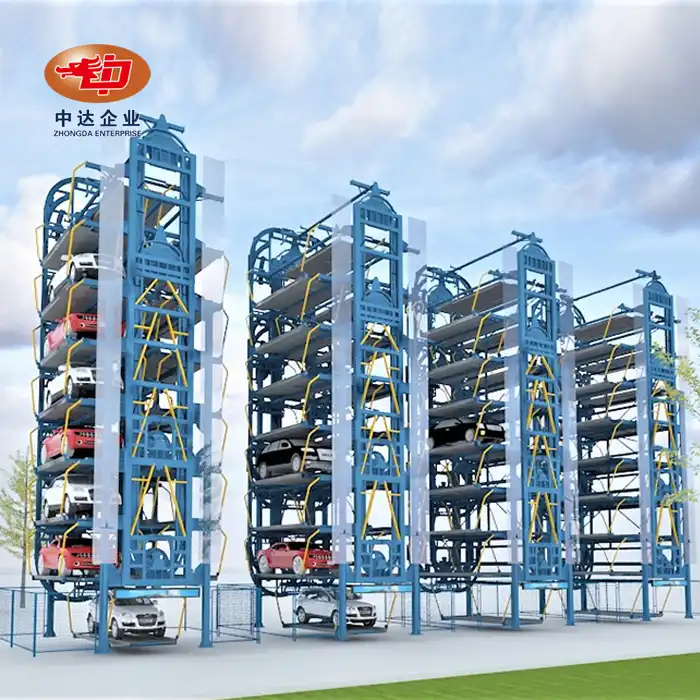
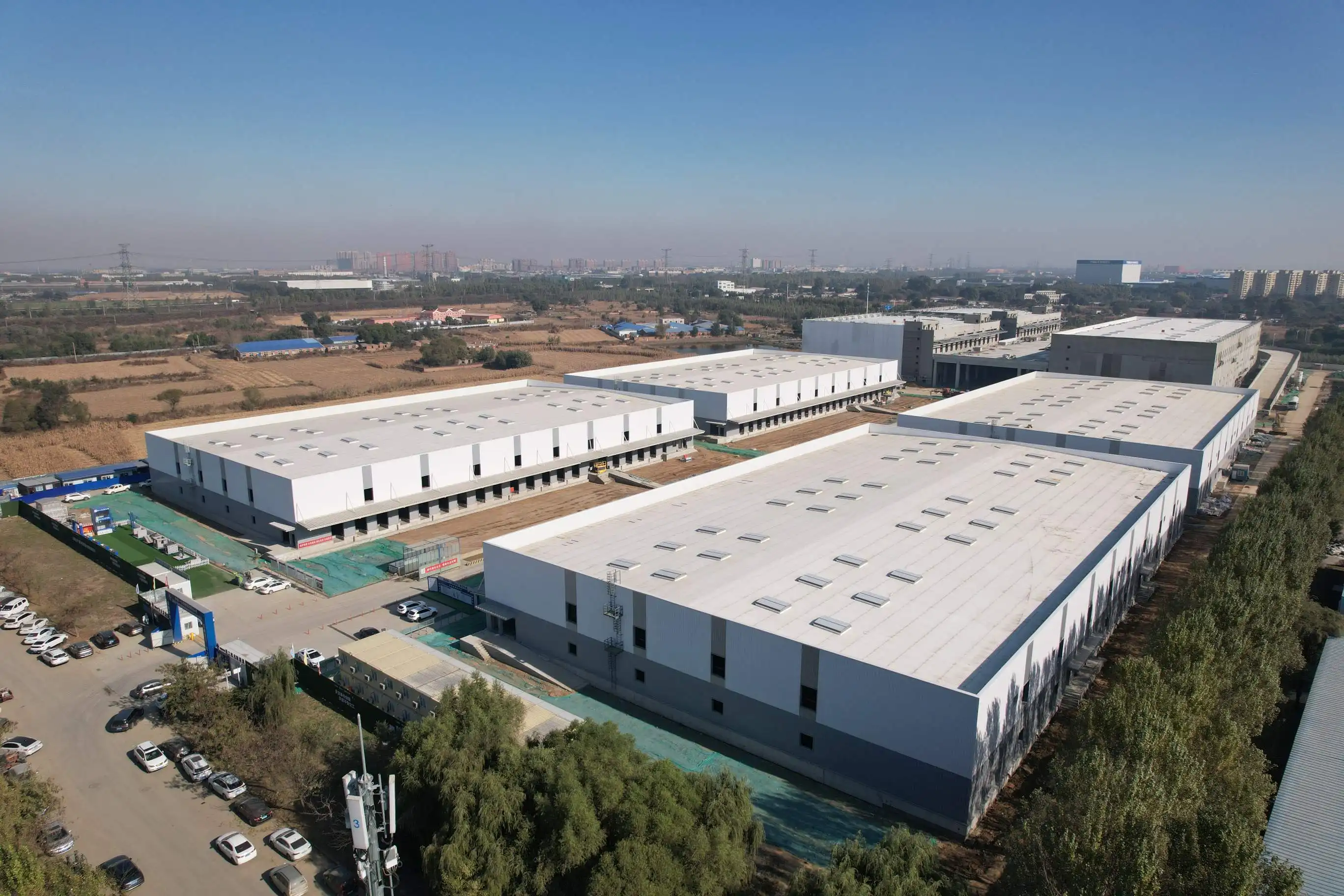
As e-commerce continues to grow, so does the need for large storage centers with open, airy spaces. This industry is mostly made of steel, which lets buildings that are over 1 million square feet have few internal beams. Automatic systems for storing and retrieving things need floors that are perfectly flat and structures that are stable. Steel frames can provide both by having controlled displacement limits and being compatible with laser-guided material handling equipment.
Cold-chain transportation facilities add to the problems that need to be solved. Different temperatures in cold areas and other areas cause thermal expansion problems that steel engineers have found solutions for with designed expansion joints and insulated panel systems. Port ports that handle intermodal packages choose steel because it can stand up to salty coastal air, especially when covered by Zhongda's -60°C Weathering Steel Anti-corrosion Technology, which was made for harsh settings.
Energy Infrastructure and Renewable Projects
Steel is used for electrical substations, wind turbine foundations, and solar array support structures because it can withstand weather loads and keep its shape. Renewable energy developers like how quickly steel can be installed, which shortens the time it takes to build in remote areas where bad weather makes it hard to get to the fields. Prefabricated substation frames are delivered to the job site as bolt-together units. This cuts down on the need for skilled labor in places where there aren't many workers.
For oil, gas, and petrochemical jobs, you need heavy-duty steel buildings that are designed to work in dangerous areas. Pipe racks, compressor platforms, and flare supports need to be able to handle temperature expansion, vibration separation, and repair workers' needs for easy access. Custom construction lets you add features like equipment anchorages, wire tray supports, and blast-resistant design that aren't covered by building codes.
Infrastructure and Public Facilities
Steel is used by government companies to build transportation infrastructure like train stops, airport terminals, and facilities for maintaining highways because it looks good and is strong. Long-span roof systems that cover boarding areas get rid of the middle supports that get in the way of passenger flow. Meanwhile, visible steel beams make the interiors more dramatic and improve the look of public architecture.
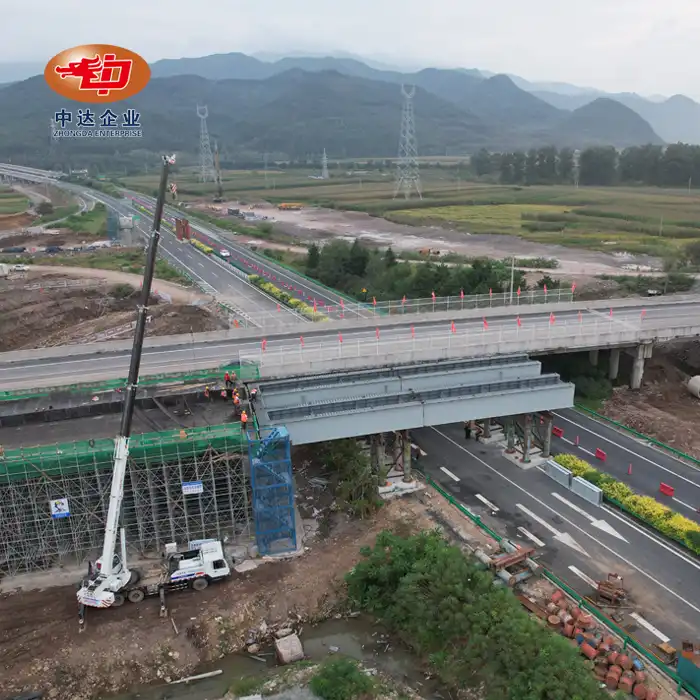
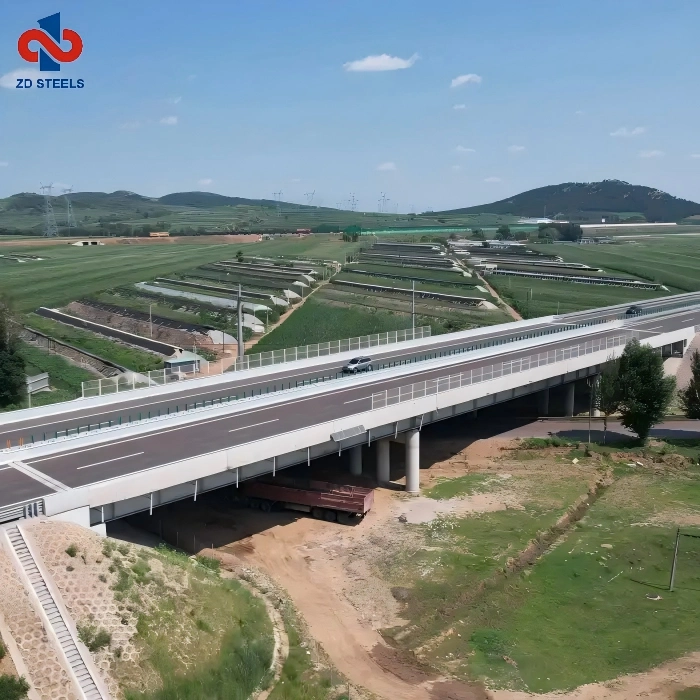
More and more, flexible steel components are being used in bridge construction to speed up the building process. When compared to cast-in-place concrete methods, which need longer road closures, prefabricated truss assemblies can be put together overnight, causing less traffic problems. This method works especially well for fixing up bridges where the cost of traffic upkeep is higher than the cost of building materials.
Procurement and Maintenance Insights
There's more to picking a commercial steel structure manufacturer than just looking at price lists. A supplier's manufacturing skills show if they can meet the needs of your project. Shops with automated CNC cutting tools and robotic welding cells make parts that are more consistently good than shops that use human methods. Quality management systems, with at least ISO 9001:2015 certification, make sure that screening procedures find problems before they are shipped.
Supplier Selection Criteria That Matter
Geographical factors have a big effect on the total cost of a job. When compared to imported structural steel, domestic manufacturers make transportation easier and expose themselves to tariffs less. However, lead times and capacity available change depending on the demand for building in the area. Zhongda's 120,000 m² facility in the Shenyang Economic-Technological Development Zone can handle 60,000 tons of cargo every year. This lets us work on foreign projects without having to worry about meeting tight shipping times that smaller shops have trouble with during busy construction seasons.
Engineer-stamped math and shop drawing review steps show how skilled a supplier is. Fabricators who suggest value-engineering changes during design development show that they are actively involved, while those who just follow the engineer-of-record plans make less of an impact on the project's success. Referrals from related projects, like distribution centers, power plants, or infrastructure works, show that a provider has dealt with structural problems like yours before.
Understanding Cost Structures and Pricing Variables
The price of a steel building depends on more than just the amount of raw material used. The amount of work that goes into manufacturing depends on how complicated the design is. For example, repeating framing with standard connections costs less per ton than custom geometries that need different features at each joint. The cost of surface preparation and coatings depends on how long they need to last. For example, hot-dip galvanizing and epoxy topcoats are much more expensive than a simple shop primer.
Costs of delivery are affected by regional labor rates and freight lengths. Transportation costs can add up to 15 to 20 percent to the total cost of a building, so projects that are close to manufacturing facilities save money on those costs. Buying things at the right time is also important. Putting in orders when construction slows down usually gets you better prices than trying to find capacity during busy building seasons, when manufacturers keep their shops full.
Being clear about how prices are broken down lets you compare sellers in a useful way. Rather than giving lump-sum quotes that don't make it clear where the money goes, reputable fabricators break down the costs of materials, labor, surface treatments, and shipping into different items. Because of this, value engineering talks can be more focused on specific cost causes instead of random percentage cuts that hurt quality.
Lifecycle Maintenance and Protection Strategies
When steel buildings are properly kept, they can last for 50 years or more with little work. Inspections done on a regular basis find covering wear before rust gets bad enough to cause section loss that threatens the structure's ability to hold weight. Facilities in corrosive environments, like seaside areas, chemical plants, or places where de-icing salt is used should have checks every two years. For buildings inland in mild climates, the times can be extended to five years.
Before rust spreads, touch-up painting fixes layer damage caused by strikes or wear and tear. Pay extra attention to structural links, since water buildup on faying surfaces speeds up the breakdown process. Making sure that drainage paths stay clear and gaskets don't come loose stops water from getting in and making the defense system less effective.
After an earthquake or high wind event, even if there isn't any damage to see, it's still important to check for damage. When connections are under a lot of stress, they may distort in a way that isn't elastic. This can lower their future capacity even if the members don't look broken. Professional engineers who are skilled in forensic structural assessment can find these problems by doing thorough checks that ignorant maintenance staff might miss. This stops the problems from getting worse in the future.
Conclusion
Steel frameworks are still the most common type of structure used in business and industrial building because they work well in a wide range of situations. The structural powers, economic benefits, and environmental advantages we've looked at show why procurement professionals always choose steel for projects like automated warehouses and infrastructure for green energy sources. The choice of material types like Q235 and Q355, the way of connection, and the requirements for the safety system all affect the long-term success of the project.
Knowing about these technical issues helps you work with suppliers better and make more sure decisions about specifications. As the needs of construction change to include shorter timelines, wider clear spans, and more environmentally friendly building, commercial steel structure is the best material to meet these needs. The key is to work with experienced makers who bring to every job their technical knowledge, ability to make high-quality products, and ability to reliably complete projects.
FAQ
How do I choose between steel and concrete for my project?
There are several things that affect the choice. Steel is great when you need to build quickly, when the soil doesn't allow for a strong base, or when the plan calls for long clear spans. Concrete may be a good value for money in projects where thermal mass improves HVAC performance or where fire ratings are higher than three hours. Steel framing and concrete floor slabs are often used together in hybrid designs that make the best use of both materials' abilities. Talk to structural engineers early on in the planning process about your unique loading conditions, time limits, and long-term operational needs.
What timeline should I expect for steel building construction?
Fabrication usually takes 8–12 weeks after the shop plan is approved, but for very complicated special jobs it can take up to 16 weeks. How long it takes to build on-site varies on the size and complexity of the building. For example, a 50,000-square-foot pre-engineered warehouse might take three weeks to build, while a multi-story office building could take months. When you work with makers who keep enough capacity and smooth production processes, lead times get shorter. Always think about the planning, permits, and foundation work that needs to be done at the same time as the steel manufacturing.
Why does steel offer environmental advantages?
Steel is the best material for recycling because old buildings can be used to make new ones without losing any of their quality. Improvements in manufacturing have cut down on the amount of energy needed to make one ton. When buildings are made to be taken apart, their parts can be reused instead of being recycled. When high-performance building shells are added to steel-framed structures, they meet strict energy rules and have lower embodied carbon than many other options. As green building standards move beyond single-metric evaluations, lifecycle reviews favor steel more and more.
Partner With Zhongda Steel for Your Next Project
Zhongda Steel brings 20 years of excellent engineering to difficult building jobs around the world. Our BIM-driven prefabrication method makes sure that the parts come exactly as planned, which cuts down on coordination problems in the field that cause delays and raise costs. Our team has a track record of success whether you're a commercial steel structure supplier looking for dependable manufacturing partners or an EPC provider needing turnkey solutions from design to installation.
Our building has ISO 9001, 14001, and OHSAS 45001 certifications, and it also follows EN 1090, which means that the quality is guaranteed to meet foreign standards. We've done work for China Railway, CSCEC, and BMW, which shows that we can meet the exacting needs of global companies. The -60°C Weathering Steel Anti-corrosion Technology we created makes structures last longer in harsh conditions where other security systems fail too soon.
Email our engineering team at Ava@zd-steels.com to talk about the specifics of your project. We'll give you technical advice on how to choose the right materials, how to connect them, and how to set up protection systems that work best for your budget and working setting. Visit zd-steels.com to look at our portfolio and learn how our ability to manufacture commercial steel structures can help you finish your project faster while still meeting the highest quality standards.
References
American Institute of Steel Construction. (2022). Steel Construction Manual, 15th Edition. Chicago: AISC.
Carter, C.J., & Murray, T.M. (2021). Design Guide 3: Serviceability Design Considerations for Steel Buildings. American Institute of Steel Construction.
Geschwindner, L.F. (2020). A Practical Guide to Structural Steel Design. New York: Engineering Press International.
International Code Council. (2021). International Building Code. Country Club Hills: ICC.
Tamboli, A.R. (2016). Handbook of Structural Steel Connection Design and Details, Third Edition. New York: McGraw-Hill Education.
Tide, R.H. (2019). Steel Structures: Behavior and Design Principles for Enhanced Performance. Boston: Structural Engineering Publications.
YOU MAY LIKE
_副本_1755847812558.jpg "building steel structure")
_副本_1762409954420_1788229249106.jpg "steel column design")