Advantages of Steel Box Girder in Long-Span Highway Bridges
2026-08-13 16:40:24






When thinking about ways to build long-span highway bridges, steel box girder technology stands out as a game-changer that solves important technical problems. Compared to regular bridge parts, these hollow, box-shaped structural sections offer better load distribution, higher torsional stiffness, and more design freedom. The fully welded design makes an enclosed profile that resists twisting forces much better than open sections. This is why these girders are essential for bridges over rivers, valleys, and other difficult terrain where minimizing the number of intermediate supports is important for both project viability and environmental protection.
Understanding Steel Box Girders in Bridge Engineering
What Makes the Box Section Design Unique
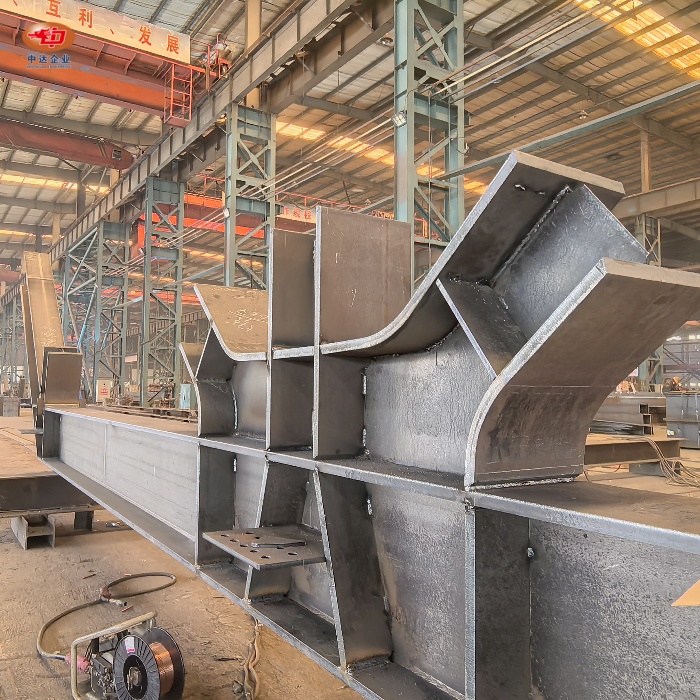
The basic structure of box girders is based on their closed cross-section, which changes the way structural forces move through the bridge in a fundamental way. I-beams and T-beams have open shapes, but the contained box makes a single structural tube. Because of this shape, the top and bottom flanges can work together with the vertical webs to very effectively distribute bending moments and shear forces. The hollow core cuts down on dead weight without lowering strength, which lets engineers build longer spans without damaging the structure. At Zhongda, we make these parts with high-strength Q345D steel for the main parts, which has a yield strength of more than 345 MPa. For better performance, Q420D steel is treated to go around key connection zones.
Core Design Principles That Drive Performance
Load distribution in box girder systems is done by longitudinal bending resistance and crosswise stiffness working together. The closed part naturally prevents bending, so the structure keeps its shape even when loads aren't distributed evenly, like when heavy traffic is concentrated in some lanes. When engineers choose materials, they have to follow strict rules. For example, when they figure out plate thickness, they have to take into account service loads, wear cycles, and weather exposure. Our manufacturing process includes CNC ultra-thick plate cutting with an accuracy of ±0.2mm. This guarantees accurate measurements that directly affect how well structures are put together in the field and how well they work over time.
Single-Cell and Multi-Cell Configurations
Box girder designs change depending on the span and deck width needs. When building a bridge up to 80 meters long, single-cell configurations work well because they are easy to build and put together. For roads that are bigger or span more than 100 meters, multi-cell designs are needed because the extra webs give the structure the depth and sturdiness it needs to control deflection. With variable cross-section technology, beam heights can be anywhere from 1.25 meters to 8 meters, and the depth can be changed based on moment diagrams. Deeper sections are placed in the middle of the span, where bending moments are highest, and taper toward the supports, where shear moments are strongest. This improvement can cut the weight of designs by 20% compared to constant-depth designs. This saves money on materials and makes the base requirements easier.
Key Advantages of Steel Box Girders in Long-Span Bridges
Box girder systems are clearly better when you look at real-world performance measures and project results. These benefits can be seen and felt by builders, developers, and building agencies that need reliable solutions for difficult bridge projects.
Superior Load Capacity and Span Achievement
With box girders, span lengths that aren't possible with other methods are possible. The closed section has a very high moment of inertia compared to the cross-sectional area. This means that less material can carry more weight over longer lengths. Zhongda's systems can handle single spans of up to 420 meters, which means that waterways don't need middle piers. This is better for the environment and makes travel safer. Fewer supports also mean lower foundation costs, which is especially important in areas with deep water or difficult dirt, where pier building costs a lot. Because box sections are torsionally stiff, the deck doesn't twist when traffic loads aren't even. This keeps the ride quality and structural safety high for the whole life of the bridge.
Exceptional Durability and Life-Cycle Economics
Protection against rust is a key part of steel's long life, and new treatment methods have changed what is expected of performance. Our two-layer anti-corrosion systems use galvanizing or special spraying methods to make them last longer than 30 years, even in tough industrial or coastal settings. We've created -60°C Weathering Steel Anti-corrosion Technology just for Arctic bridge projects to show how steel can handle harsh circumstances. Maintenance times are much longer than for concrete options, which have problems with cracking, rusting of the reinforcements, and chloride entry. When you think about how much it will cost to replace something in the long run, steel is cheaper overall because it needs less upkeep and can be fixed more quickly.
Design Flexibility and Aesthetic Integration
Steel box girders' strength-to-weight ratio allows for building designs that would be impossible with heavy materials. Engineers can make shapes with smooth curves, changing depths, and thin outlines that look good in both natural and urban settings. This freedom in how things look doesn't mean they can't do their job; the same qualities that allow for beautiful designs also allow for complicated shapes like bridges with steep vertical drops or alignments that curve horizontally. Our 120,000 m² plant uses BIM-driven prefabrication to make exact customization possible. Design changes can be made quickly and easily through digital modeling before fabrication starts. This integration makes sure that the idea for architecture and the fact of the structure are in sync.
Accelerated Construction Timelines
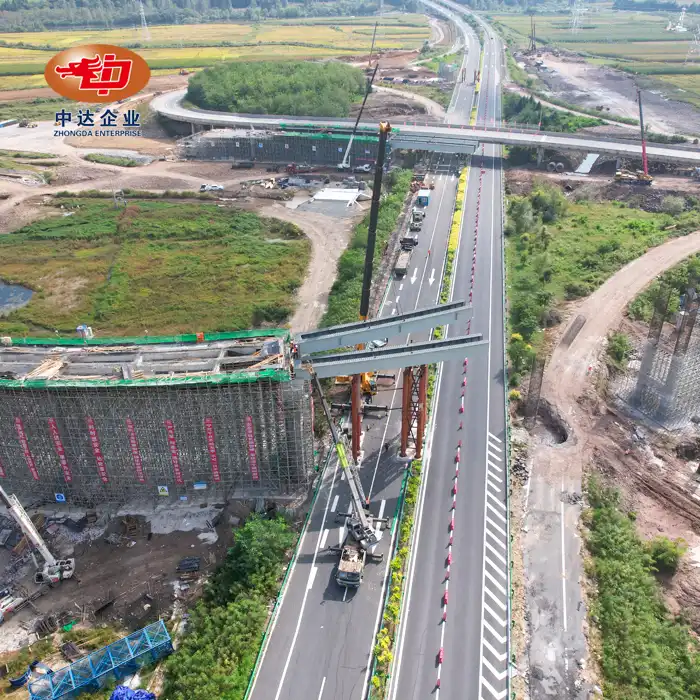
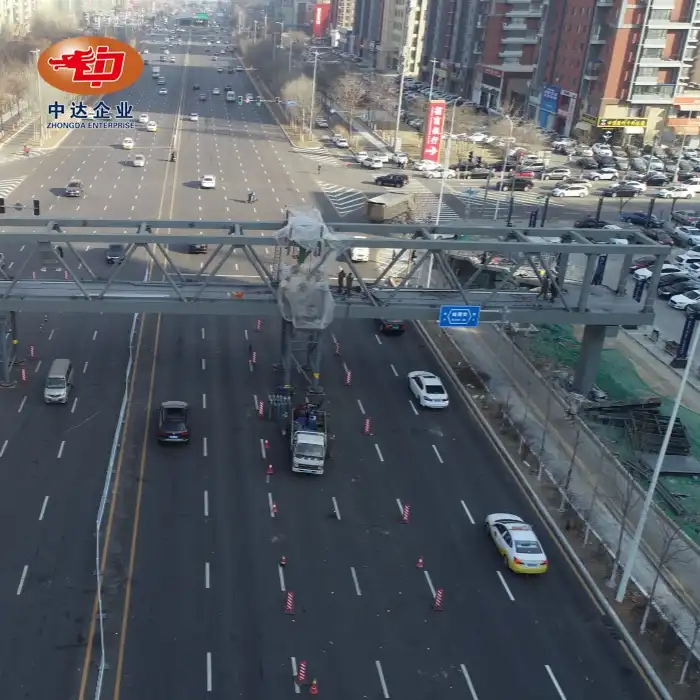
Prefabrication makes huge changes to project plans. Making pieces between 12 and 30 meters in a controlled factory environment gets rid of the problems with weather delays and quality changes that happen a lot in field building. When compared to cast-in-place concrete methods, putting these pieces together on-site cuts bridge finishing times by about 50%. This speeding up has many benefits, including bringing in more money for toll facilities earlier, causing less traffic problems during repair projects, and lowering the risks that contractors face on the job site. This method was used to build the 18,000-ton Shenyang Dongta Cross-Hunhe River Bridge. The large size and difficult urban position made it possible to build it quickly by using a lot of prefabricated parts.
Steel Box Girder vs Other Girder Types: A Comparison for Informed Purchasing
When making a purchase choice, it helps to be able to clearly compare the performance of different structure systems. Knowing these differences helps project teams choose options that meet specific technology needs and stay within their budgets.
Strength-to-Weight Ratio Analysis
When compared to concrete box girders, I-beams, or prestressed concrete, steel box girders are stronger per unit weight. This ratio has a direct effect on the design of the foundations. Lighter superstructures need less solid substructures, which means that less concrete, reinforcement, and excavating is needed. In areas prone to shocks, where less mass means less inertial force, the parallel is especially useful. T-beams and I-beams work well for shorter spans but don't have the torsional stiffness needed for long spans or wide bridge decks where side loads are important.
Durability and Maintenance Considerations
Cracking, moisture leakage, and reinforcement rust are all problems that come with concrete girders. These problems get worse over decades of freeze-thaw cycles and deicing salt exposure. Modern steel protection systems successfully reduce the risks of oxidation, and testing methods find surface wear before it affects the structure. Composite girder systems try to use the best qualities of both materials, but they add extra work to the junction and raise worries about uneven thermal expansion. Prestressed concrete increases the width, but it can still experience tendon rust if the quality of the grouting drops. This is a hidden problem that is hard to find and expensive to fix.
Performance Metrics and Ideal Applications
Box girders are great when you need a large span, a shallow depth, or quick building. Steel box systems are best for highway overpasses in busy areas, river bridges that need to keep the navigation channel clear, and railway grade separations that need very little vertical space. Cost analyses need to look at the whole lifespan of a project. The original cost of materials changes depending on the market, but steel is usually a better choice for spans over 60 meters because it is easier to install, saves money on foundations, and is cheaper to maintain. Our 70% client retention rate shows that both product performance and total project value provided are met with happiness.
Procurement Insights: Choosing and Buying Steel Box Girders
Understanding what makes costs go up and down, what suppliers can do, and how to make sure quality is what sets premium makers apart from commodity producers is important for strategic buying.
Factors Influencing Pricing
The costs of a project are affected by more than just the prices of the materials. Trends in the steel market affect the cost of raw materials, but long-term supply deals can keep these changes from happening too often. Costs for workers and tools are affected by how complicated the fabrication is, which includes things like welding standards, dimensional limits, and quality testing. Customization needs, like changing cross-sections or needing specific connection details, cost more in engineering and tools. Transportation arrangements are also very important. For longer parts, things like oversize load permits, escort rules, and route studies make things more difficult.
Evaluating Manufacturers and Suppliers
Certification files are the first thing that are looked at. The ISO 9001, EN 1090, and AWS standards show that the quality control systems and welding procedures used are up to par, which is necessary for making structural steel. Production ability is important. Suppliers like Zhongda, which can handle big projects without having to worry about scheduling or resource issues, as they can produce 60,000 tons of goods every year. Location affects delivery times and help access, but global shipping networks have made it easier for many projects to work with people in different places. Looking at examples of finished projects shows experience with projects of the same size and level of difficulty, which lowers the risks of completion.
Custom Fabrication and Delivery Logistics
For variable cross-section optimization in steel box girders, engineers need to be able to do complex calculations like finite element analysis and wear review. Corrugated steel web choices save weight, but they need special tools to shape and quality control skills to make sure they are good. The maximum span powers show how well the design was done and how precisely it was built. Our 420-meter span is the result of tight error control during manufacturing. Coordinating deliveries means making sure that the packaging doesn't get damaged during transport, picking the right moving equipment for the segment's size, and planning deliveries so that they happen at the right time for the erection processes. After-sales support, such as field engineering help and quick response times for warranties, gives customers peace of mind during building and use.
Best Practices for Maintaining Steel Box Girders
For structures to stay strong, they need regular inspections and upkeep plans that are tailored to the weaknesses and traits of steel.
Routine Inspection Protocols
Visual inspections done on a regular basis can find surface rust, covering wear, or drainage clogs before they make the structure less strong. For regular checks, inspections happen every two years, and every five to ten years, more in-depth checks are done. Using strain gauges, accelerometers, and corrosion sensors in structural health monitoring systems creates constant data streams that allow condition-based maintenance instead of set plans. Digital tests, such as ultrasonic thickness testing and magnetic particle examination, can find problems below the surface that can't be seen with the naked eye.
Preventive Maintenance Techniques
Checking the drainage system is the first step in maintaining corrosion protection. Even with the best coats, trapped water speeds up the breakdown process. Touch-up painting quickly fixes small areas of coating damage, stopping rust from spreading. Completely new coatings need to be put on every 15 to 25 years, based on how long they were exposed to the environment and how good the first covering was. Inspections of connections mostly check the tightness of the bolts and look at the state of the bearings. To keep dirt from building up and water from getting in, expansion joints need to be cleaned and their seals replaced every so often. These regular maintenance tasks greatly increase the useful life of the system while preventing expensive emergency fixes or replacement before its time.
Environmental Factors and Lifespan Optimization
Corrosion is more likely to happen in coastal areas, industrial areas with air pollution, and places that use chemicals to melt snow and ice on the roads. For these kinds of environments, customized anti-corrosion options could include better coating systems, cathodic protection, or steel standards for weathering. Extreme temperatures change how tiredness works and how well connections work. Our experience with Arctic uses shapes how we detail in cold climates. Successful maintenance plans recorded on projects like the Jingha Expressway development show that steel bridges can last longer than expected with proper care, keeping their full structural capacity and safety gaps.
Conclusion
Box girder technology is the best way to build long-span highway infrastructure because it combines good structural performance, quick building, and high life-cycle value. The enclosed section shape provides superior torsional stiffness and load distribution that can't be matched by other systems. This lets spans be longer with fewer supports and a smaller effect on the environment. Modern steels like Q345D and Q420D, along with precise construction and full rust protection, make sure that the service will last for decades. Prefabrication speeds up project plans by a huge amount and improves quality control at the same time. As the world's need for infrastructure grows, these proven benefits make steel box girders the best choice for builders, investors, and government agencies that want reliable results on difficult bridge projects.
FAQ
How do steel and concrete box girders compare in cost efficiency?
The prices of raw materials change with the market for commodities, which means that straight comparisons depend on time. Steel is usually faster to build with because less time spent on the job site means lower indirect costs, less money spent on traffic delays, and faster income growth. Foundation savings from lighter superstructures often make up for the extra cost of materials. Life-cycle analysis, which looks at costs for upkeep, access for inspections, and final replacement, usually shows that steel is a better choice for spans over 60 meters, especially in harsh environments where concrete durability worries rise.
What lead times should we expect for custom box girders?
Production times depend on the size of the project, how complicated the customizations are, and the state of the production wait. It could take 12 to 16 weeks from the time you place your order for standard configurations with few unique details. Timelines are pushed back to 20 to 24 weeks for complex changeable cross-section designs with unique connection features. For big projects, phased shipping plans that match the order of erection work are helpful. Early involvement of suppliers in design development improves both the product and the plan, allowing production to start right away after the contract is signed.
Which certifications validate quality and compliance?
International guidelines make sure that quality systems and manufacturers are skilled. ISO 9001 approval checks the processes of quality management, and EN 1090 specifies the standards for making things out of structural steel. AWS certification shows that you know how to do the welding process and are qualified to be a tester. Each package comes with material certificates that prove the steel grade, chemical makeup, and mechanical qualities. Third-party inspection services can make sure that project requirements are met, which adds to the safety of important apps.
Partner with Zhongda for Your Next Bridge Project
Long-span bridge problems have been solved by Shenyang Zhongda Steel Structure Engineering Co., Ltd. for 20 years. Our vertically integrated services include everything from planning advice to field building support, which makes sure that the project goes smoothly. Our current Shenyang plant can produce 60,000 tons of goods every year, so it can handle projects of any size. We also have a 70% client retention rate, which shows that we care about their success. As a reliable steel box girder provider, we offer BIM-integrated design, precise manufacturing that meets global standards, and full support for the whole lifecycle of your project.
Get in touch with our engineering team to find out how unique box girder solutions can help your building project run more smoothly. You can ask for full technical specs, look at our portfolio of famous installations, or set up a meeting to talk about your needs. You can get product brochures and start your question by emailing Ava@zd-steels.com or going to zd-steels.com. Let us show you how Zhongda's unwavering commitment to quality and excellence in making can turn your idea for a bridge into a structural reality.
References
Chen, D., & Wang, L. (2019). Steel Box Girder Bridges: Design and Construction. Beijing: China Communications Press.
American Association of State Highway and Transportation Officials. (2020). AASHTO LRFD Bridge Design Specifications, 9th Edition. Washington, DC.
Troitsky, M. S. (2018). Orthotropic Bridges: Theory and Design. Lincoln, NE: James F. Lincoln Arc Welding Foundation.
Collings, D., & Sagaseta, J. (2021). "Long-Span Steel Box Girder Bridge Design: A Comparative Study of International Practices." Journal of Bridge Engineering, 26(4), 04021012.
European Committee for Standardization. (2020). Eurocode 3: Design of Steel Structures - Part 2: Steel Bridges (EN 1993-2). Brussels, Belgium.
Bakht, B., & Jaeger, L. G. (2017). Bridge Analysis Simplified: Including Orthotropic Steel Decks. New York: McGraw-Hill Education.
YOU MAY LIKE
_副本_1753167843741.webp "Steel Deck Arch Bridge")