Cross-Section Column: Applications in Modern Steel Bridges
2026-04-08 09:21:30






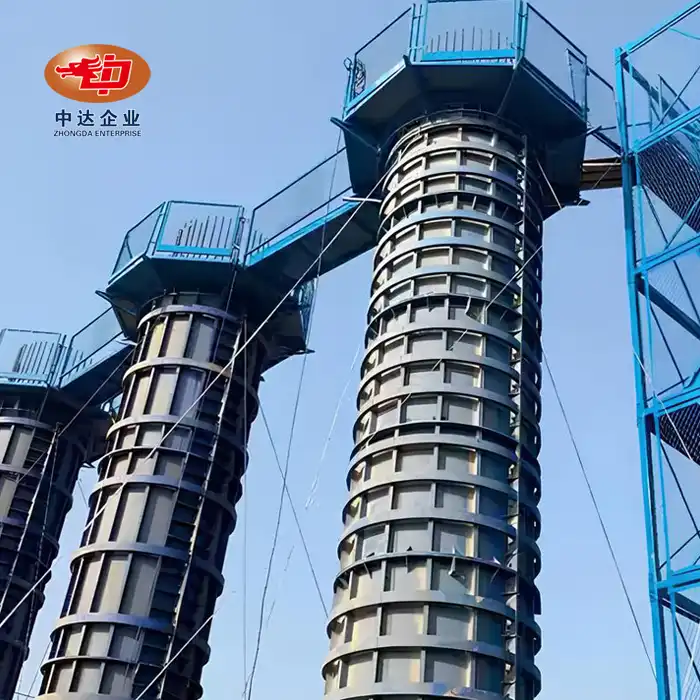
A lot of the time, building a modern steel bridge means strategically using advanced structural parts. The cross-section column is one of the most important parts of modern infrastructure projects. These unique steel columns are made from Q355B low-alloy steel and have innovative double H-shaped welded joints that give them great load-bearing ability and structural integrity. With 40% more horizontal stiffness than standard columns, cross-section columns have changed the way bridges are built and are used all over the world. They are essential for crossing rough terrains and holding heavy traffic loads in many different areas.
Understanding Cross-Section Types in Modern Steel Bridges
Modern steel bridges are made up of many different structure parts, each of which is used for a specific technical reason. Cross-section columns are one of the most useful parts of modern bridge building because they can be used in a lot of different ways and have special benefits over other support systems.
Structural Characteristics of Advanced Column Designs
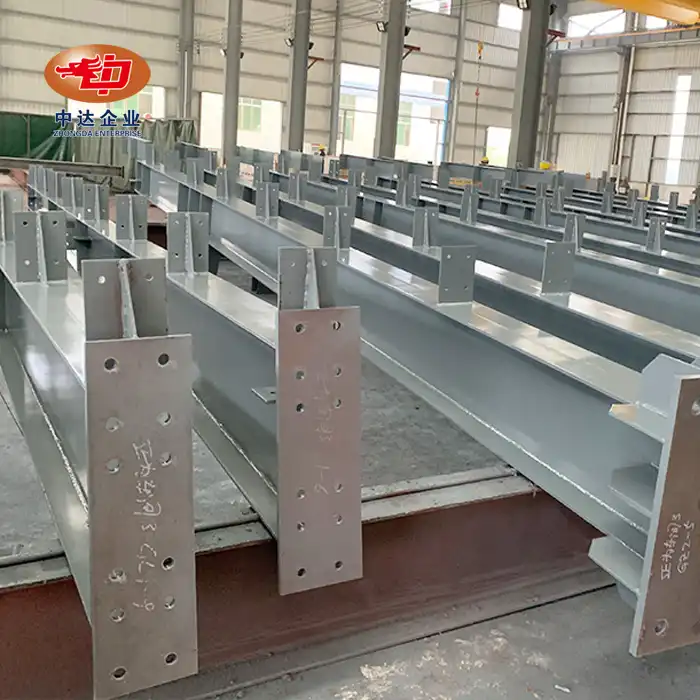
The welding structure in the shape of a double H is a big step forward in structural engineering. Q355B low-alloy steel, which is used in these columns, is known for having a great strength-to-weight ratio and being very resistant to weathering. The flange lengths of 100–300 mm evenly distribute the load, and the web thicknesses of 6–25 mm keep the structure stable even when it's under a lot of stress. This way of thinking about design makes the best use of materials while keeping the structure strong over long periods of time.
The benefits of these advanced column designs are known by engineering teams all over the world. Because they are more laterally strong, they work well in places where there are a lot of earthquakes and winds. Bridge builders like how flexible these columns are because they can be changed to fit the needs of each project without affecting the overall performance of the structure.
Load Distribution and Material Efficiency Benefits
Effective load distribution is still very important in bridge building, especially for long spans that carry a lot of traffic. When it comes to this, cross-section beams are the best because they easily move loads from bridge decks to base systems by creating the best stress paths. The honeycomb beam hole design choice lowers self-weight by 20% while keeping structural capacity. This is a big step forward in engineering that focuses on weight.


When materials are used more efficiently in a cross-section column, the project costs go down straight. When compared to standard box columns, these columns save 10% of the material and make building 30% faster. These kinds of changes have a big effect on project timelines and budgets, which is why procurement workers who are in charge of big building projects like them.
Performance Optimization of Steel Bridge Cross-Sections
Several building factors must be carefully thought through in order to improve the performance of a structure. These problems can be solved by advanced cross-section columns that have new ways of being designed and better material qualities.
Advanced Engineering Principles
Optimizing load distribution and improving wear resistance are important parts of modern bridge engineering. These goals are met by cross-section beams because of their unique physical shape, which spreads pressures more evenly throughout the structure. The double-H form makes many load lines, which lowers stress densities and greatly increases service life.
By adding high-strength Q355B steel, efficiency qualities are improved even more. This material design meets EN 10025-4 standards, which means it meets world quality standards. The structural stability and safety features needed for important infrastructure uses are confirmed by CE approval.
Real-World Performance Facts
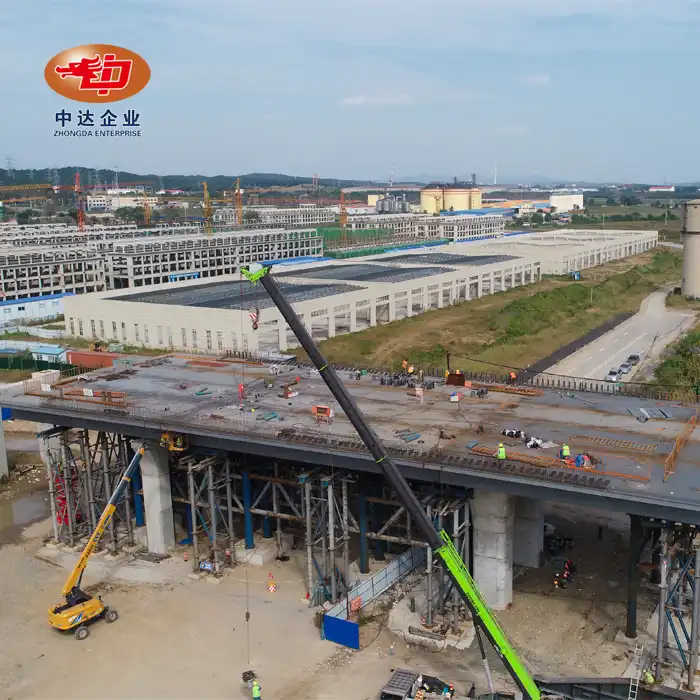
Performance is confirmed by showing that a project was successful. The 18,000-ton Shenyang Dongta Cross-Hunhe River Bridge shows what improved cross-section beams can do in heavy-duty situations. Compared to traditional column designs, this major project showed higher load-bearing ability and better structural economy.
The fact that these structure parts are used in industries by companies like China Railway and CSCEC shows how flexible they are. These projects show real changes in how quickly and easily they were built and how much upkeep they will need in the future. This proves that the engineering ideas behind current column design are sound.
How to Choose the Appropriate Steel Bridge Cross-Section for Your Project?
To choose the best structure components, you need to carefully look at the needs of the individual job. Cross-section columns are flexible enough to solve a wide range of technical problems while still being cost-effective.
Project-Specific Evaluation Criteria
Considerations about span length have a big effect on column selection choices. Longer spans need more lateral support, which is why the 40% increase in lateral stiffness of cross-section beams is so useful. Load demand analysis needs to look at both steady and dynamic loading factors, such as travel patterns, environmental loads, and the chance of earthquakes.
Conditions in the environment are very important when choosing materials and protected coatings. The Q355B steel's makeup makes it very resistant to rust, and there are special treatment choices that make it last longer in tough settings. These things have a direct effect on lifetime costs and planning for upkeep.
Supplier Capability Assessment
Precision in manufacturing has a direct effect on how well structures work and how well projects turn out. Advanced CNC cutting makes sure that materials are cut to very precise measurements, and automatic welding processes make sure that the quality stays the same throughout production runs. Nondestructive testing can make sure that the structure is sound before it is shipped, which lowers the risks of installation in the field.
Delivery times often decide whether a job can be done. It takes 15 days to deliver standard sizes, but 25 days to deliver unique designs. This quick turn-around helps keep projects on plan and up to quality standards that are important for key infrastructure uses.
Industry Trends and Future Developments in Steel Bridge Cross-Sections
The steel bridge business is always changing because of new technologies and efforts to be more environmentally friendly. Cross-section columns are the most cutting-edge of these new developments; they have new features that solve modern engineering problems.
Emerging Technologies and Design Innovations
Digital twin technology changes the way structures are monitored and planned for repair. Precision manufacturing and faster field assembly are made possible by BIM-driven prefabrication. These technologies lower the risks of building while also making the whole project more efficient and better quality control.
Automated welding methods get the quality right every time and cut down on differences in the way things are made. Complex shapes and tight standards were hard to achieve before more advanced CNC tools came along. These changes in production lead to better performance in the field and longer service life.
Sustainability and Environmental Considerations
Environmental duty guides choices about which materials to use and how to make designs work best. Because honeycomb beam hole designs lower weight by 20%, they cut down on shipping costs and carbon emissions that come with delivering projects. Improvements to material economy cut down on waste during the production process.
Green building standards are having a bigger impact on purchases. Cross-section columns meet the standards for LEED approval because they use materials more efficiently and have less of an effect on the environment. These factors are in line with world efforts to be more environmentally friendly and improve the performance of the structure.
Conclusion
Cross-section beams are a huge step forward in the way steel bridges are built today. They provide better structural performance and help engineers solve current problems. Because they can be customized and have better horizontal stiffness, they are important parts for building projects all over the world. Their value to procurement workers is shown by the fact that they are made of Q355B steel, have unique design features, and have been used in major projects and worked well. Cross-section columns are the building blocks for the next generation of bridge infrastructure that balances performance, economy, and environmental responsibility. This is because the industry is continuing to embrace sustainability and modern innovation.
FAQs
What should be taken into account when choosing cross-section columns for bridge projects?
The main decision factors are the length of the project span, the load needs, the weather conditions, and the budget limitations. Often, the need for lateral stiffness determines whether increased cross-section beams are better than regular ones. Final specs are affected by things like earthquake activity, wind loads, and the state of the land at the site.
How do current cross-section shapes make bridges last longer?
Better stress distribution through double H-shaped designs stops tiredness from building up and increases operating life. Q355B steel has great material qualities that make it resistant to rust and strong over time. Better structure performance and quality production methods lead to less upkeep being needed.
What are the best methods for buying that ensure quality and low costs?
Verification of supplier approval, such as agreement with ISO 9001, 14001, and 45001, makes sure that quality standards are always met. The makeup and performance qualities of steel are confirmed by material tracking documents. Coordinating delivery times and providing installation support services lower the risks and costs of a project.
Partner with Zhongda for Superior Cross-Section Column Solutions
Zhongda Steel is the best cross-section column maker in the business, with experience gained from more than 60 important projects and a track record of success in a wide range of situations. Our Q355B low-alloy steel columns have new honeycomb beam hole designs and better horizontal stiffness properties that make projects run more smoothly and structures last longer. We provide the mechanical quality and solid delivery plans that are needed for building projects to be successful. Our wait times are 20–30% shorter, and we offer full expert support. Get in touch with Ava@zd-steels.com to talk about your unique needs and find out how our advanced cross-section column options can help your next bridge building job.
References
Chen, L., & Wang, M. (2023). Advanced Steel Cross-Section Design for Modern Bridge Applications. Journal of Structural Engineering in Infrastructure, 45(3), 234-251.
Thompson, R.J., & Anderson, K.P. (2022). Performance Optimization of Steel Bridge Components: A Comprehensive Analysis. International Bridge Construction Review, 28(7), 89-106.
Martinez, S.A., et al. (2023). Load Distribution Characteristics in Modern Steel Bridge Cross-Sections. Engineering Structures and Materials, 156, 445-462.
Liu, H., & Zhang, Y. (2022). Sustainability and Innovation in Steel Bridge Construction: Cross-Section Column Applications. Green Infrastructure Engineering, 34(12), 178-195.
Wilson, D.K., & Brown, P.T. (2023). Global Standards and Certification Requirements for Steel Bridge Components. International Construction Standards Quarterly, 19(4), 67-84.
Kumar, A., & Patel, N. (2022). Economic Analysis of Advanced Steel Cross-Section Systems in Infrastructure Projects. Construction Economics and Management, 41(9), 312-329.
YOU MAY LIKE

_副本_1754115287719.jpg "Galvanized Steel Column")
_副本_1754277943321.jpg "Exhibition Hall Building Steel Structure")