Custom Steel Pontoon Solutions for Industrial Water Platforms
2026-07-16 16:25:23






Custom steel pontoon systems are the key to operational success when industrial projects need reliable floating infrastructure. Heavy equipment, temporary access structures, and permanent marine installations can all be used on building sites, energy facilities, and port operations with these designed floatation units. Modern steel pontoons are made from high-quality Q235B galvanized steel and polyurethane foam, and they have buoyancy values above 500 kg/m³. They can hold a lot of weight and are resistant to the weather in rough coastal settings. Whether you're building long-term industrial water platforms, temporary floating bridges, or remote energy infrastructure, knowing the technical benefits and customization choices changes the viability of the project and its long-term return on investment.
Understanding Steel Pontoons and Their Industrial Applications
Industrial water platforms need foundational floating systems that can handle tough working conditions and keep their structural stability for decades. This is an important job that steel pontoons do in many areas.
What Defines Industrial-Grade Floating Foundations
Industrial floatation systems are made up of structural-grade steel pontoons that are either cylinder-shaped or rectangular and are sealed. They support platforms, docks, and equipment placements by allowing them to move. Archimedes' principle says that the amount of water displaced must be equal to the weight supported. The working principle is based on this principle, and the structure design handles bending moments, shear forces, and dynamic loads from waves, wind, and operating equipment. Industrial units are different from leisure or light-duty units because they have stronger welds, compartmentalized rooms for redundancy, and designed connection points that can handle heavy loads from cranes, drilling equipment, or vehicles.
Professional-grade systems are different from simple floating devices because the design architecture includes a number of important features. Small entry platforms can be turned into huge work areas that cover thousands of square meters thanks to modular building. Compartmentalization keeps things from going wrong badly if one cell is damaged. Connectors that are standardized make it easy to quickly put things together and change their design as project needs change. When building offshore substations for green energy projects or setting up floating repair platforms for bridge inspection teams, these traits are very important.
Custom Versus Standard Configurations
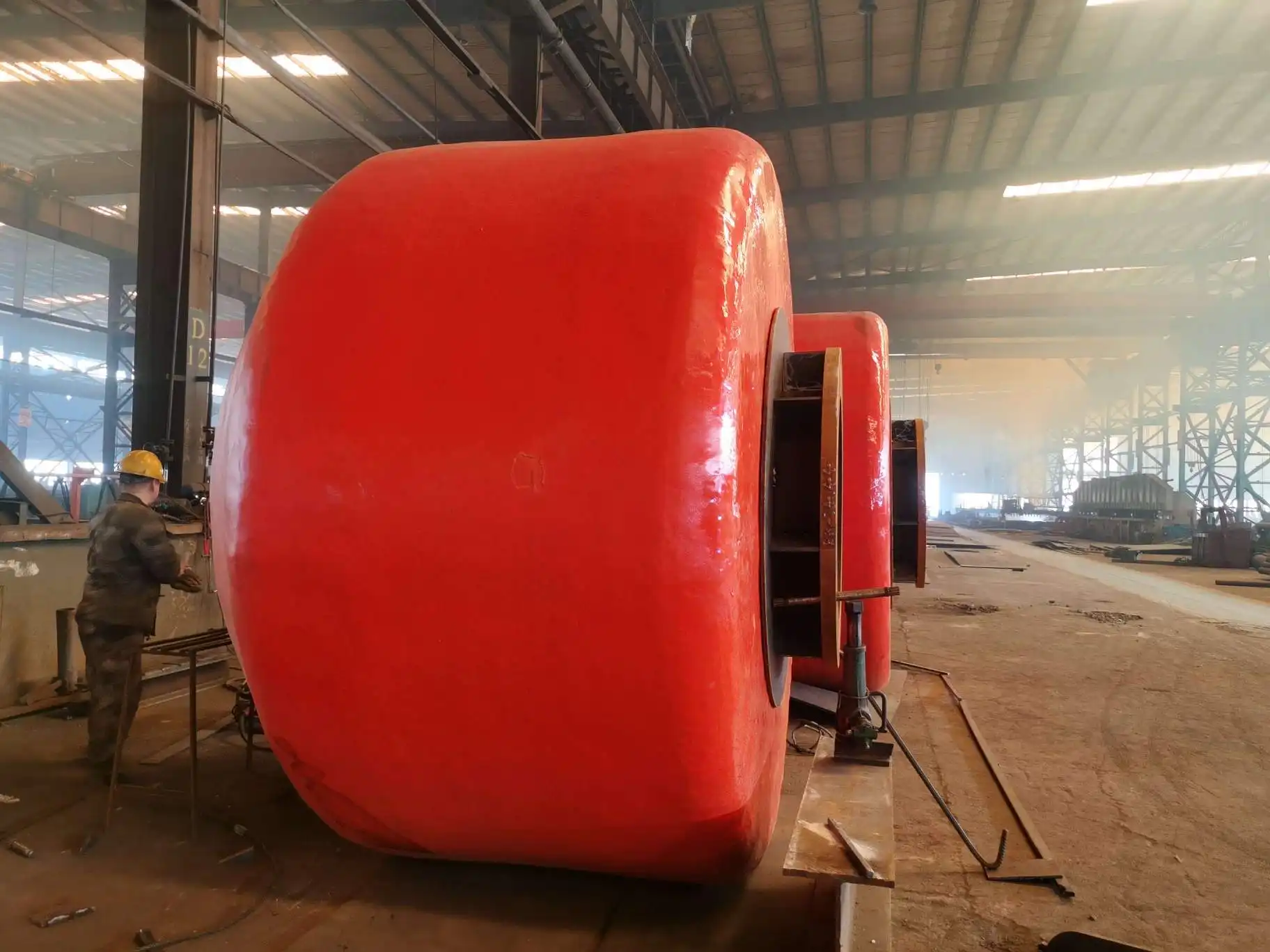
Standard steel pontoons have set sizes and buoyancy values and are used in a wide range of sea situations. Custom engineering takes into account unique operational requirements that standard goods can't meet. Port authorities building a movable dock for equipment that moves containers need to do exact math on how to distribute the weight, integrate the moorings in a way that works with the dock's design, and make sure that the fender systems are designed to fit the way ships move. When building a drilling platform support structure offshore in rough conditions, an oil and gas contractor needs better corrosion protection, higher freeboard requirements, and anchor point setups that fit the underwater geology.
Customization goes beyond changing the size; it also includes choosing the material, the finishing system, the interior support, and integrating accessories. Specialized steel types that stay flexible at very high temperatures are good for projects in the arctic, while anti-fouling coatings that keep sea organisms from sticking to the steel are important for installations in tropical areas. Strategic investments and poor performance can be distinguished by the ability to create solutions that fit specific business patterns.
Why Material Choice Impacts Project Success
When people argue about steel, aluminum, fiberglass, and concrete pontoons, they mostly talk about how long they last, how much upkeep they need, and how much they cost all together. Aluminum is lighter than steel, but it isn't structurally strong enough for big industrial loads, and it cracks easily when it's exposed to stress corrosion in salt water. Fiberglass is resistant to rust, but it can't take much of a hit and is hard to fix when it gets broken. Concrete floats last a very long time, but they need larger displacement areas because the material is so dense, and they can't be reconfigured in a flexible way.
High-tensile steel is the best material for industry use because it can hold more weight, be easily fixed, and be cost-effective. When steel units are covered by hot-dip galvanization or improved zinc-rich coatings, they don't rust and can handle heavy loads that would bend lighter materials. Because the material is flexible, it can handle impact forces from ships or floating garbage without breaking completely. Welded construction lets you fix things in the field using commonly available tools and approved welding methods, which cuts down on downtime compared to failures of composite materials that need to be fixed in specialized manufacturing facilities.
Designing Custom Steel Pontoons: Features and Engineering Insights
Engineering effective floating platforms requires balancing buoyancy calculations, structural analysis, and operational requirements within budget constraints and regulatory frameworks.
Core Engineering Principles and Material Specifications
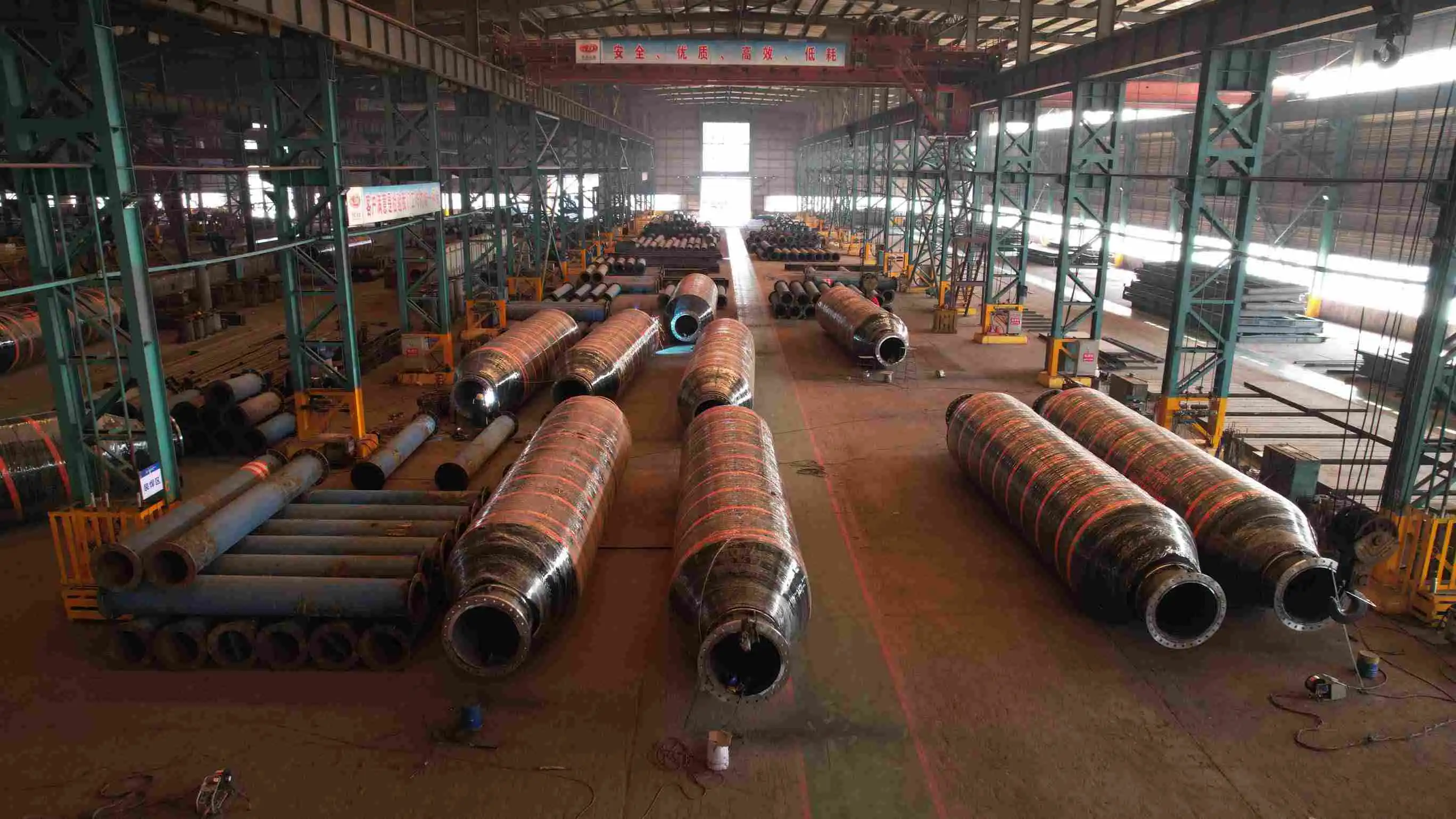
We at Shenyang Zhongda design steel pontoons out of Q235B structural steel, which meets international standards for its mechanical qualities and ability to be welded. This type of material has a yield strength that is good enough for industrial uses while still having great manufacturing properties. Wall thicknesses vary from 6mm to 12mm based on the width and the load. Longitudinal and circular stiffeners are added based on the structural analysis. Polyurethane foam filling does two things: it provides extra buoyancy if the outer shell is damaged, and it keeps the inside from rusting by keeping wetness out of sealed spaces.
Precision CNC plasma cutting of plate material to exact dimensional limits is the first step in the manufacturing process. Automatic welding systems make longitudinal seams and circular joints according to the AWS D1.1 structural welding rules. All connections are checked visually, and only the most important ones are scanned with x-rays. Hot-dip galvanization puts on a zinc layer that is metallurgically bonded and about 86 microns thick. This protects against corrosion for decades without any upkeep. Enhanced coating systems use epoxy bases and polyurethane topcoats for projects that will be exposed to harsh chemicals or need to last longer than 30 years.
Modular Design and Scalability Advantages
For industrial clients whose project plans change or who need temporary installations, modular design is a strategic advantage. Our systems use standard hardware for connections, like fixed flange assemblies, pin-and-socket joints, or welded brackets, so they can be put together quickly in the field without the need for special tools. When a mining company builds a mobile conveyor support structure, they can start with a 20-meter platform and add more until they reach 50 meters as production grows. This way, they can reuse parts they already have and keep costs down.
Customization options include widths from 1 to 5 meters and lengths from 3 to 12 meters per section. The buoyancy capacity can also be changed to fit these sizes. Walkways, utility lines, and light equipment platforms can all use smaller diameter pieces (300–800 mm). Larger shapes (2–5 m in diameter) hold up heavy equipment, crane pedestals, and buildings with more than one floor. Being able to mix module sizes within the same system makes the best use of materials by putting high-capacity units where they'll be most useful and smaller, less expensive units around the edges to support them.
Stability Analysis and Load Capacity Engineering
Platform safety is based on stability estimates that take into account both operating and environmental loads. The reluctance to tipping over due to wind pressure or loads that aren't on center is based on metacentric height, which is the relationship between the center of buoyancy and the center of gravity. Our engineering team uses finite element analysis to describe wave action, the spread of equipment weight, and the dynamic forces that come from people moving or machines running. The results help with module spacing, ballast needs, and deck connection details, making sure that stability gaps are 25–40% higher than the minimums required by law.
Documentation about load capacity lists the safest types of loads that the platform can handle, such as evenly spread loads (measured in kilograms per square meter) and concentrated point loads (equipment pedestals, crane outriggers). A normal heavy-duty setup can handle loads of 500 to 800 kg/m² spread out over a large area, plus 5,000 kg point loads placed in specific places. For projects that use mobile cranes or drilling equipment, it may be necessary to build in specific reinforcement and load transfer structures during the manufacturing process. Our design team works directly with clients to write down equipment specs and possible uses, which keeps expensive changes from having to be made in the field.
Maintenance Strategies for Lifecycle Value
Preventative repair keeps things running smoothly and extends the life of services. When compared to concrete options, our upkeep methods save our clients 70% on costs. As part of routine inspections, eye checks are done every three months to look for damage to the coating, weld strength, and the state of the connection gear. Commercial divers do underwater checks every six months to keep track of marine growth, sacrificial anode usage (if fitted), and the state of the hull below the waterline. These regular checks find small problems before they get worse and become major problems.
Coating touch-up methods fix mechanical damage caused by contact with the vessel or moving goods. Portable equipment gets rid of rust and old coats, and then a zinc-rich base and topcoat are applied according to the original instructions. Submerged steel surfaces are protected by zinc or aluminum anodes that work through galvanic action. These anodes need to be replaced every 3 to 7 years, based on how well the water conducts electricity and how the system is used. If ballast pumps are used to change the draft, they need to be serviced once a year, which includes replacing the seals and checking the motor. When repair plans are done right, machines usually last between 20 and 30 years, and some can last over 40 years with refurbishment rounds.
Procurement and Installation Guidance for Industrial B2B Clients
Successful project execution depends on selecting qualified suppliers and implementing proven installation methodologies.
Supplier Qualification and Certification Requirements
Before hiring a seller, industrial buying standards say that the supplier's manufacturing skills for steel pontoons, quality management systems, and compliance with regulations must be checked. DNV GL Offshore Float Certification shows that the float meets accepted standards for buoyancy, structural soundness, and material requirements that are important for marine use. With ISO 9001 quality management certification, you can be sure that the planning, production, inspection, and shipping processes are governed by written rules. Companies that don't have these qualifications pose an unacceptable risk for important infrastructure projects, as failure could lead to the loss of operations, damage to the environment, or safety risks for workers.
Manufacturing ability and specialized skills should be looked into beyond certification qualifications. Our 120,000 m² plant at Zhongda has CNC cutting machines, automatic welding cells, and hot-dip galvanizing lines that can handle 60,000 tons of steel each year. This vertical merger gets rid of the dependencies on subcontractors that cause quality to vary and schedules to be unclear. When clients visit our site in the Shenyang Economic-Technological Development Zone, they can see production going on in real time, look over quality control paperwork, and check the qualifications of our expert staff. This builds trust in our ability to complete complex projects that meet international standards.
Geographic visibility and project knowledge are two more things that are used to choose candidates. Suppliers who have done successful setups in environments similar to your project site know a lot about how to use their products. Offshore wind farm platforms in Northern Europe that can handle the conditions of the North Sea, temporary floating bridges in Southeast Asia that can handle floods during the monsoon season, and mine support structures in Australia that can handle cyclonic weather are all part of our collection. This global experience guides design suggestions, stopping expensive mistakes made by new sellers who suggest theoretical solutions that haven't been tested in the field.
Installation Procedures and Technical Considerations
If designed performance is matched to actual reality, it depends on how well the parts are installed. To get a site ready, bathymetric surveys are used to make maps of the water depth, the state of the bottom, and any obstacles that are beneath. This information tells us where to put the anchors, how to move the modules, and where to put the crane for the assembly work. Mobilization operations plan the coming of trained workers, lifting equipment, and barges so that there is as little downtime as possible and the cost of renting equipment is kept to a minimum.
Order of assembly is based on engineering plans that show where modules should go, how to connect them, and how much force should be used for mechanical fasteners. Temporary bracing keeps things in line while the connections are being made, and survey equipment checks the accuracy of the dimensions before the joints are sealed. The mooring is put in place according to the plans, and the anchor's placement is confirmed by proof loading tests at 1.5 times the working load. After the deck is installed, utilities are routed, and accessories are mounted, the assembly is complete. Then, the whole thing is loaded to make sure it works as planned before it goes into service.
The time and way of installation are determined by the environment. Waves higher than 1.5 meters make lifting activities unsafe, so offshore sites need weather windows. Current speeds above 1.5 knots make it harder to get the right position, so slack tide timing is needed to place modules correctly. In cold climates, winter activities raise worries about steel becoming weak, which calls for preheating methods for field welding and hydraulic fluids that can handle the cold. Our project management team keeps track of all of these factors and makes thorough construction plans that keep weather delays and safety risks to a minimum.
Flexible Procurement Options and Long-Term Support
Industrial clients have a wide range of project types that need custom business setups that go beyond simple purchases. Rental programs are good for short-term situations where buying new equipment is not a good idea, like when a bridge is being built or when factories are closed for the season. Our rental fleet has basic configurations that can be rented for anywhere from 6 months to 3 years. Contracts include repair services, transportation, and help with setup. Purchase choices let you turn rental agreements into ownership, and if the project lasts longer than planned, renting payments can be used to cover the costs of buying the property.
With modular growth kits, you can gradually add more space as your business needs it. A transportation company building a floating dock for small boats can start by putting down a 200-meter-wide platform and then add 100-meter-wide platforms as the amount of goods increases. This way, the company doesn't have to spend too much on infrastructure during the beginning stages. Damage or wear can be fixed quickly thanks to a large collection of replacement parts. Key parts like connection hardware, fender systems, and ballast pumps are kept at regional distribution centers so they can be sent to busy project sites the next day.
Long-term maintenance contracts give care to professionals, which is especially helpful for businesses that don't have marine maintenance experts on staff. As part of these deals, there will be regular checks, maintenance on the coating, cleaning under the water, and emergency response services. Performance promises set maximum periods of downtime, and clients are protected from long outages by punishment terms. Our service network reaches across multiple countries, with local technical support backed up by engineering resources at our offices in Shenyang. This gives us a level of responsiveness and depth that other fabricators in the area can't match.
Conclusion
Custom steel pontoons are important pieces of infrastructure that allow businesses to operate in sea and waterfront settings. These days' systems are much more advanced in terms of engineering, material durability, and operating freedom than older ones. They also perform better, are safer, and cost less to own. The success of a project depends on choosing the right materials, especially high-grade structural steel with improved corrosion protection, and working with skilled suppliers who can make the materials and know how to use them. As technology improves through the use of smart tracking and environmentally friendly building methods, industrial clients can get solutions that can meet changing operating needs and government rules. When you strategically invest in platforms that are properly engineered, they will last for decades and reliably support building projects, energy infrastructure, logistics operations, and heavy industry uses all over the world.
FAQ
How Do Steel Floats Manage Condensation in Temperature-Fluctuating Marine Environments?
When warm, humid air hits cold steel surfaces, internal condensation (also called "sweating") happens. This causes water to build up, which speeds up rusting from inside protected rooms. Filling with polyurethane foam gets rid of all the air inside, so humidity can't form at all. Installations that don't use foam filling need venting systems or materials that remove moisture from the air to keep humidity levels in check. Proper manufacturing, which includes applying an internal layer before closing, adds to the security.
What Distinguishes Standard Galvanizing from Enhanced Coating Systems?
Standard hot-dip galvanizing puts on an 86-micron zinc coating that can last 20 to 25 years in normal sea circumstances. Better systems use zinc-rich epoxy bases (75–100 microns) and polyurethane or epoxy topcoats (100–150 microns), which makes the steel pontoon system last 30–40 years longer and makes it more resistant to impact and wear. When projects are in areas with a lot of rust, like splash zones, chemical exposure areas, or arctic conditions with ice abrasion, investing in better coatings pays off because they lower upkeep costs and make service times longer. Based on a site-specific corrosion risk estimate, our expert team helps you choose the right coating.
Can Existing Platforms Support Added Loads Like Solar Panels or Lifting Equipment?
The first designs take into account certain steady and dynamic loads as well as forces from the surroundings. Adding more equipment than what was planned can cause the structure to fail, the boat to capsize, or the damage to wear out faster. Solar panel systems add both dead loads (panel weight) and wind loads (sail effect), which means that the structure's stability needs to be recalculated and its buoyancy may need to be increased. Lifting equipment creates dynamic concentrated loads and toppling moments that need to be strengthened in certain places. We offer engineering review services that include figuring out if changes are possible, coming up with ways to make things stronger, and ensuring that the increased capacity meets safety standards. Trying to make changes that aren't allowed causes a lot of operational and liability risks.
Partner with Zhongda: Your Steel Pontoon Supplier for Demanding Marine Projects
Industrial water platforms that are very complicated need engineers with a lot of experience in steel pontoons, great manufacturers, and full project support that goes beyond just supplying products. We at Shenyang Zhongda Steel Structure Engineering Co., Ltd. offer unique floatation solutions backed by 20 years of experience in manufacturing, certifications recognized around the world, and the ability to complete projects all over the world. Our Q235B units with polyurethane foam filling, DNV GL approval, and ISO 17357 anti-aging compliance give your important infrastructure assets the technical support they need.
Picking the correct steel pontoon provider can affect how long a job takes, how well it works, and how much it costs to own for many years. We offer full turnkey services, from the initial technical advice to manufacturing, transport, installation support, and long-term upkeep. This gets rid of the communication problems that come with using more than one provider. Our 60,000-ton yearly production capacity, normal delivery schedules of 20 days, and 70% client retention rate show that we consistently meet the needs of challenging industries.
Are you ready to talk to our expert team about your unique platform needs? Get in touch with Ava@zd-steels.com to start working together with engineers on your next project involving mobile infrastructure. You can look at our full list of completed projects and technical details at zd-steels.com, which will help you make smart buying choices.
References
American Bureau of Shipping. (2021). Guide for Building and Classing Floating Production Installations. ABS Plaza, Houston, Texas.
Det Norske Veritas. (2020). Offshore Standard DNV-OS-C501: Composite Components. DNV GL Group, Oslo, Norway.
International Organization for Standardization. (2019). ISO 17357: High-Modulus Synthetic-Fibre Ropes for Offshore Mooring. Geneva, Switzerland.
Society of Naval Architects and Marine Engineers. (2018). Principles of Naval Architecture Series: Stability and Strength. SNAME Technical Publications, Alexandria, Virginia.
American Welding Society. (2020). AWS D3.6M: Specification for Underwater Welding. AWS Headquarters, Miami, Florida.
British Standards Institution. (2017). BS EN 1993-5: Design of Steel Structures - Piling. BSI Group, London, United Kingdom.
YOU MAY LIKE
_副本_1762415806774.jpg "hangar structure")
_副本_1754289134653.jpg "Prefabricated Steel Structure Exhibition Hall")