Steel Structure Bridges: Design, Materials and Guide
2026-07-15 14:16:06






Steel structure bridges are important pieces of infrastructure that can change everything. They are both technically accurate and cost-effective. Modern bridge steel structure applications span from 300-meter urban crossings to super-long-span suspension designs that span 2000 meters. They can hold a lot of weight, are easy to build, and have been proven to last in a wide range of conditions. High-strength materials, like PPWS cables with a tensile strength of 1770MPa, and advanced fabrication methods are used to make these buildings that meet strict international standards and support a wide range of activities, from commercial transportation networks to specialized industrial access routes.
Understanding Steel Structure Bridges: Basics and Benefits
Why Steel Dominates Modern Bridge Engineering?
Steel is chosen for building bridges because it has great performance properties that meet the needs of EPC companies, infrastructure makers, and public works agencies. Because steel is stronger than most other materials, builders can make longer spans with fewer supporting piers. This is better for the environment and saves money on base costs. This material can hold a lot of traffic and keep its shape under changing forces, which is very important for highway overpasses that take freight and rail transit bridges that hold high-speed trains.
Sustainability concerns are becoming more and more important in choosing materials. Steel can be recycled more than 90% of the time, which makes it the best choice for projects that want to get LEED approval or meet government green building requirements. Steel parts have smaller carbon footprints than concrete ones because they are lighter and easier to handle on-site. This means that they produce fewer emissions during shipping. These benefits for the environment are in line with business responsibility goals and save money while the project is being carried out.
Essential Bridge Types for Different Applications
Different structural configurations meet different functional needs in different building packages. Beam bridges use simple horizontal beam designs that work well for spans under 100 meters. They are often used to connect warehouses and entry roads to industrial parks. Truss bridges have triangulated frames that spread loads out evenly. This makes them perfect for train uses and mine site infrastructure where heavy equipment needs strong support.
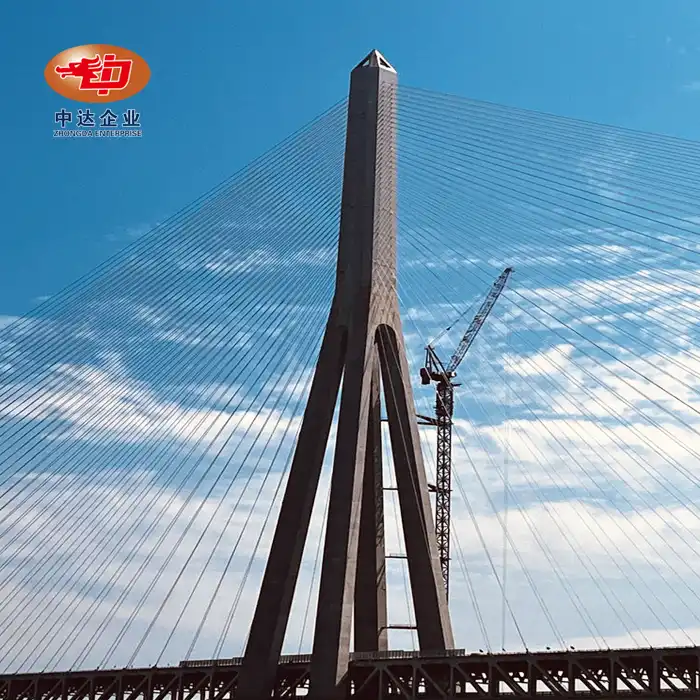
Suspension bridges, whose main wires are hung between towers, work best when the span is very long, up to 2000 meters. These plans work around rivers, valleys, and bay mouths where it wouldn't be practical to use middle supports. New developments in engineering have made it possible for 12-level wind resistance to be achieved through aerodynamic deck shapes and precision-engineered cable systems. This ensures that operations are safe even during harsh weather events. Cable-stayed configurations let urban sites be aesthetically flexible while still being structurally efficient. They are often chosen for airport connector roads and public building access where both function and appearance are important.
Steel Bridge Design Standards and Materials Selection
Compliance Requirements That Protect Project Investments
For successful bridge steel structure purchase, it's important to first understand the design rules that apply. In the US, AASHTO standards control how loads are calculated, what materials are used, and safety factors. On the other hand, projects that receive government funding must show that they follow FHWA-NHI-07-096 suspension bridge rules. These frameworks set base standards for live loads, seismic resistance, and weather exposure categories. This makes sure that buildings work properly for as long as they're supposed to.
For international projects, following Eurocodes or rules specific to an area may be necessary, so suppliers need to be able to comply with more than one standard. Design factors include more than just the ability to hold a solid load. They also take into account wear resistance under changing traffic patterns, vibrations caused by wind, and changes in temperature. Teams in charge of buying things should make sure that sellers use ISO 9001:2015 quality management systems and only hire licensed professional engineers who know how to get things approved in each state. This will help avoid costly redesign delays during the licensing stages.
Choosing the Right Steel Grade for Your Project
Material choice has a direct effect on how well a structure works and how much it costs over its lifetime. ASTM A36 and A572 carbon steel grades are inexpensive options for general-purpose uses where frequent repair access lets the protective coating be renewed. Weathering steel (ASTM A588, A606) forms a stable rust-like patina that doesn't need to be painted. This cuts down on upkeep costs by 30–40% compared to regular steel and protects against rusting for 50 years in most weather situations.
Stainless steel types are used in specific places, like coastal areas that get salt spray, chemical processing plants, or food-grade logistics hubs that need clean surfaces. Even though the original cost of the materials is higher, the lack of coating systems and longer upkeep intervals make it a good choice for projects that want to keep operations running as smoothly as possible. High-performance steels with tensile strengths above 1770MPa are now part of more advanced standards. This lets cable designs handle longer spans with fewer dead loads and without raising tower heights.
Engineering Tools That Reduce Risk and Accelerate Delivery
Building Information Modeling (BIM) platforms are used in modern bridge design. These platforms combine structural analysis, manufacturing details, and building scheduling within a single digital environment. Before production starts, these tools can find clashes between main members, secondary bracing, and utility lines that might not be seen in traditional 2D models. As a result, there were fewer changes made in the field, lower costs for rework, and better timekeeping.
Engineers can model how loads are distributed in a number of different situations, such as when there are a lot of emergency vehicles, when the ground moves during an earthquake, or when there are hurricane-force winds. This forecast modeling helps with material optimization and often shows ways to cut the amount of steel used by 15 to 20 percent without lowering safety standards. It should be required by procurement standards that suppliers provide native BIM files that are compatible with project management systems. This will make it easier for structural engineers, geotechnical experts, and building managers to work together during the delivery phases.
Construction and Maintenance Processes of Steel Bridges
From Fabrication Shop to Final Assembly
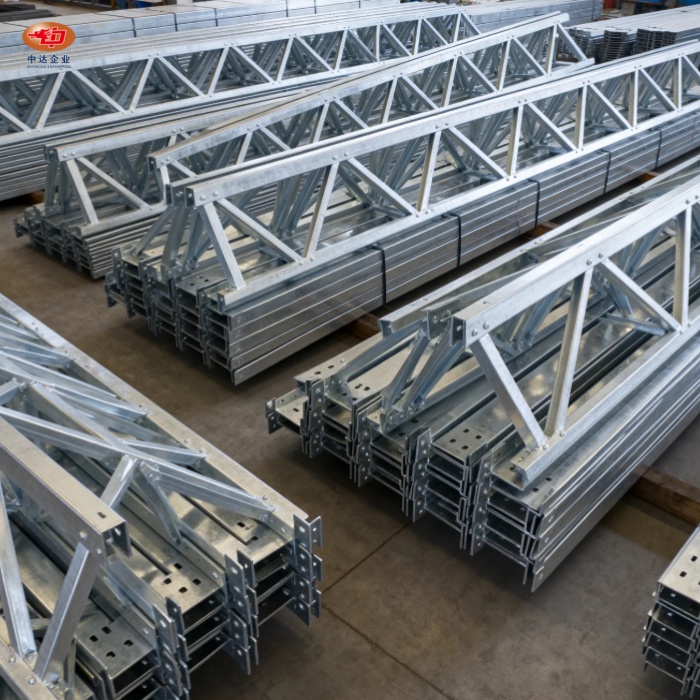
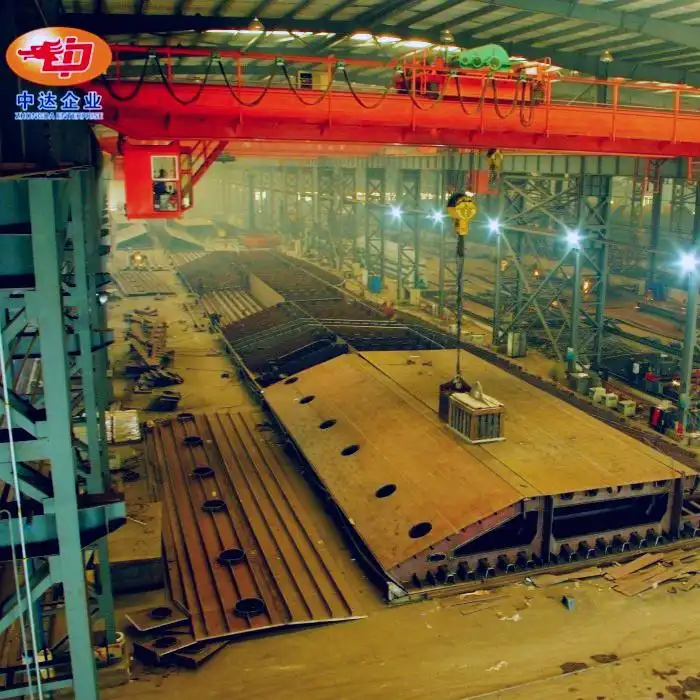
Getting the base ready for the building starts the building process. This can include driving piles or drilling holes that are big enough to move the loads from the upper level of the building into stronger layers. Off-site fabrication is also going on in climate-controlled buildings. CNC machines cut through ultra-thick plates with an accuracy of ±0.2mm, and 3-axis drilling makes sure that bolt holes are lined up across beam sections, a level of precision that is critical for any bridge steel structure where field mismatches would cause costly rework and compromise load paths. When compared to on-site production methods, this parallel processing cuts project plans by 20 to 30 percent.
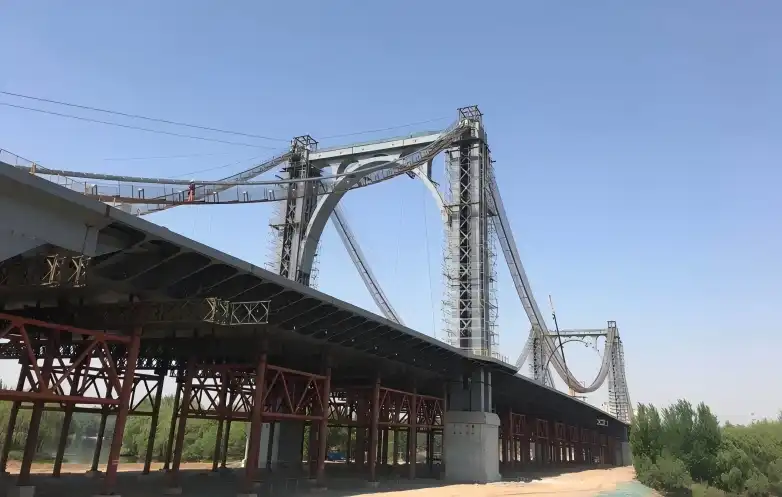
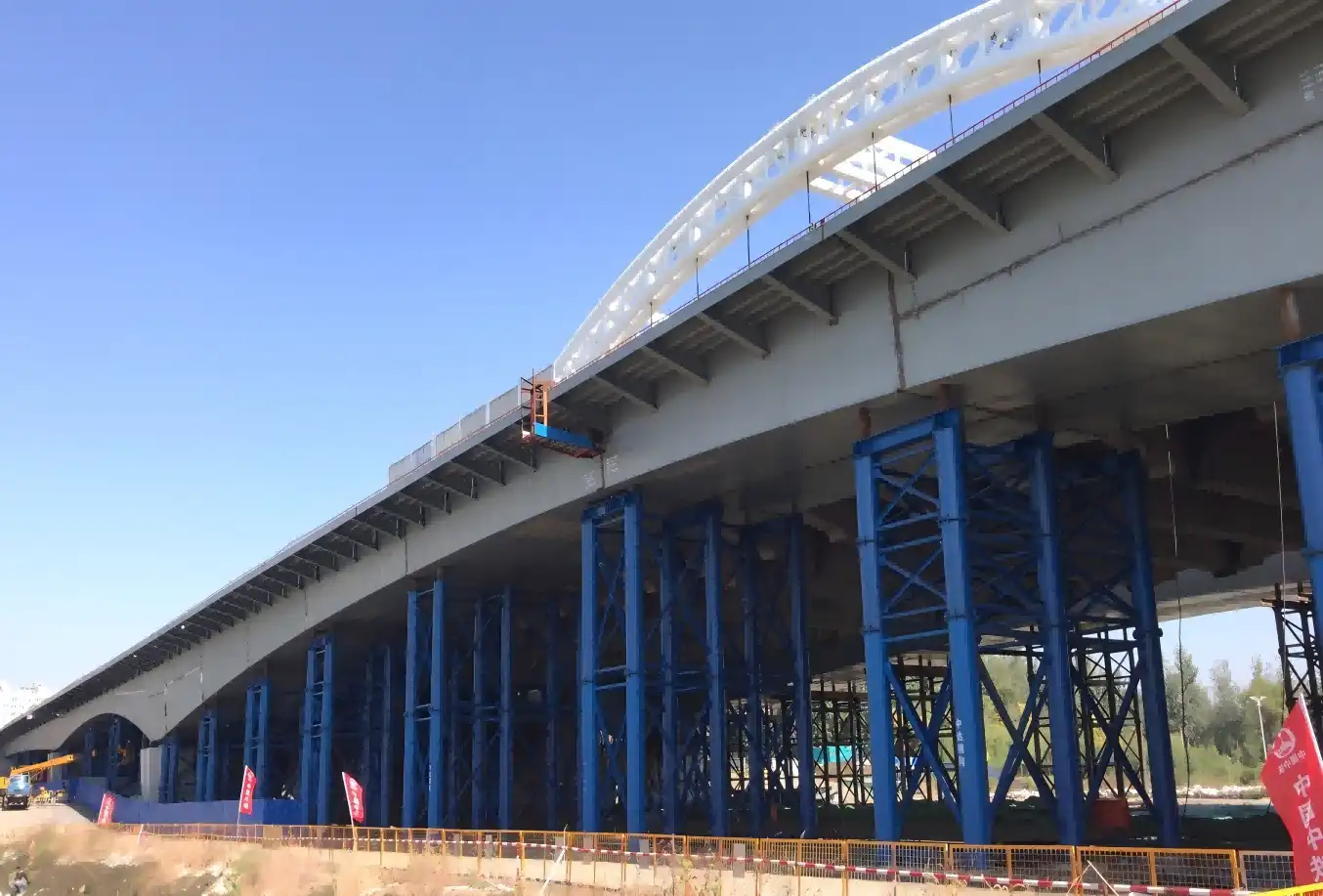
Before they are shipped, main girder parts, which are usually made in 12-meter lengths to make shipping easier, go through strict quality checks. Ultrasonic examination and magnetic particle inspection are two non-destructive testing methods that check the quality of welds at important links. When they get to the job site, mobile cranes place segments on top of temporary supports. This is where field teams follow approved processes to make bolted connections or welds. The Shenyang Dongta Cross-Hunhe River Bridge project used this method on a large scale, putting together 18,000 tons of structural steel in less time than expected with little impact on traffic.
Joining Techniques That Balance Strength and Practicality
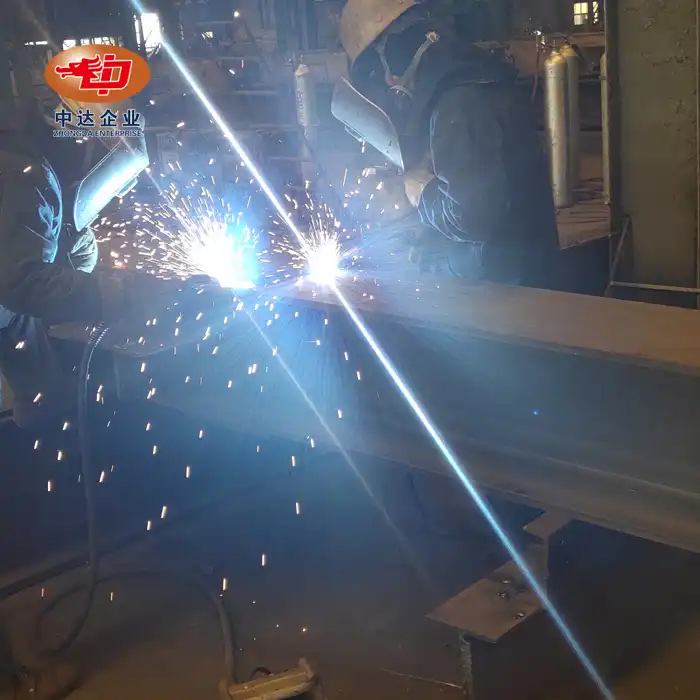
The choice between welding and bolting affects both how quickly and easily something can be fixed in the future. High-strength fixed connections are useful for field assembly because they let you make changes while the parts are fitting together and can be taken apart later if you need to make changes. Bolting suits projects that are far away or where it's hard to find trained welders or where bad weather makes it hard to check the quality of arc welding.
Welded links offer continuous load lines that improve fatigue resistance, which makes them better for train bridges that go through millions of stress cycles every year. Modern methods, like submerged arc welding, make it possible to make joints automatically, which ensures uniform penetration and cuts down on the number of hours needed to make each link. Hybrid tactics that use both shop welding and field fitting get the best of both while minimizing the problems with each. Specifications should spell out inspection standards that are in line with the AWS D1.5 Bridge Welding Code. This will make sure that everyone is responsible during the whole building process.
Protecting Infrastructure Through Proactive Maintenance
Systematic checking procedures that find damage before it threatens safety are important for the long-term performance of bridges. Visual inspections are used as part of corrosion tracking programs, along with measures of coating thickness and chloride content on surfaces that are exposed to deicing salts or industrial emissions. In more advanced systems, sensor networks constantly check the strain levels and see if cracks are spreading or connections are becoming loose in real time.
One way to keep suspended bridges from rusting is to use main cable dehumidification systems. These systems blow dry air into the cables, stopping water from building up inside the wire bundles. For external security, S-type galvanized steel wire covering and weather-resistant tapes are used together to make two layers of protection against outside contaminants. When these preventative steps are paired with regular coatings, they make the service life last longer than 100 years and significantly lower lifetime costs compared to reactive repair methods. The case study of the Australian mining project showed that putting in place thorough repair routines cut unplanned downtime by 60%, keeping important material transport routes running smoothly.
Procurement Insights: Costs, Suppliers and Selecting the Right Partner
Understanding Total Cost of Ownership
When making a budget for a steel bridge job, you need to think about more than just the price of the materials. Fabrication costs depend on how much work is needed, what kind of specialized equipment is needed, and how quality control is handled. These are all things that change a lot between suppliers. For remote places, transportation arrangements are important, and heavy-haul permits, route studies, and escort services can add 10 to 15 percent to the cost of delivering large parts.
The cost of installation depends on how easy it is to get to the spot, how good the footing is, and what tools are needed. For projects that go over navigable rivers, you need marine boats or floating cranes. In cities, you may need to close roads at night and make plans for traffic control that drive up the cost of labor. Lifecycle analysis consistently shows that steel has lower total ownership costs than concrete alternatives, especially for a bridge steel structure, because it can be built faster, which shortens the time needed to pay for it, has lighter foundations, which lowers the cost of geotechnical work, and is easier to make changes in the future, which protects the asset's value over longer service lives.
Evaluating Manufacturing Capabilities and Certifications
When choosing a supplier, facilities that show applicable project knowledge, the right size, and a mature quality system should be given the most weight. A fabrication capacity of 60,000 tons per year means that the company can work on multiple projects at once without having to worry about resource issues that cause supplies to be late. Heavy-duty tools like a 50-ton crane and CNC cutting tables that can handle very thick plates show that the company is technically ready to meet strict requirements.
Certifications are an objective way to prove that a supplier has the right skills. Compliance with ISO 9001, 14001, and 45001 standards shows a dedication to quality, worker safety, and protecting the environment, which are becoming more and more necessary for public sector contracts. The EN 1090 approval shows that the manufacturing meets European standards, which is important for multinational developers who want to make sure that all of their projects have the same specs. Make sure that providers have Class I Steel Structure Professional Contracting Qualifications that are accepted in the target areas. This will help you avoid gaps in compliance that could delay project approvals.
Prefabricated Solutions Versus Custom Engineering
Standardized designs and track records of good performance are available in prefabricated bridge systems. They make buying faster by using pre-engineered link details and established supply chains. These methods work well for projects with standard span lengths, standard loading conditions, and simple shapes where customization doesn't add much value. Delivery times shorten a lot, and normal box girder sections can often be made every month at 800 tons, which helps meet tight building plans.
When site limitations, architectural needs, or unique loading situations go beyond standard system factors, custom-engineered methods are needed. Using 3D laser scanning to place cable clamps is an example of precise production that can adapt to different project shapes and achieves ±2mm accuracy, which is necessary for main cable alignment. Value engineering services improve unique designs by looking at alternative materials, making connections easier to understand, and improving the way things are made. They are usually able to find 8–12% cost savings without affecting performance. Procurement plans should ask for both pre-made and custom offers, weighing the pros and cons of speed, cost, and technical efficiency based on the needs of the project.
Conclusion
To successfully buy a steel bridge, you need to carefully look at the design guidelines, material requirements, manufacturing options, and long-term factors, all of which converge in the unique demands of a bridge steel structure. Modern engineering innovations, like 1770MPa tensile strength lines, 3D laser-guided assembly, and improved corrosion protection systems, make it possible for infrastructure to serve tough needs in the public, industrial, and private sectors. Partnering with experienced producers who can show they meet multiple standards, can make things accurately, and have a track record of getting projects done on time and on budget is the best way to make sure that infrastructure investments work as planned for a long time while staying within budget and time constraints.
FAQ
How long do steel bridges typically last with proper maintenance?
Steel bridges that are well taken care of usually last longer than 100 years. Modern rust protection systems, such as dehumidification technologies and multi-layer coating treatments, make things last a lot longer than they did in the past. Regular inspection routines that find early signs of damage allow focused repairs that keep the structure's integrity while avoiding expensive replacements of the whole thing. In corrosive settings, projects that use weathering steel grades or stainless alloys last longer than 50 years without any upkeep. This shows how important material choice is for lifetime costs.
What makes steel bridges environmentally sustainable?
Steel is environmentally friendly because it can be recycled so easily. More than 90% of bridge steel is reused after it is taken down, which keeps it out of landfills and lowers the demand for new materials. Steel parts are lighter than heavier options, so they produce less pollution during shipping and delivery of the project. Shorter building schedules reduce the time that the site is disturbed and the damage that does to the environment. Modern mills have cut their carbon emissions per ton created by 30% over the past ten years by integrating green energy and optimizing their processes. This is because these mills are getting better at using energy efficiently.
How do suppliers prevent corrosion in harsh environments?
Multiple protective layers are used for complete rust prevention. Hot-dip galvanizing, which attaches zinc layers to steel, and special paint systems with epoxy bases and polyurethane topcoats made for certain exposure conditions are the main methods used. More advanced methods, like main cable dehumidification, keep the inside of things below the levels of wetness needed for rusting, and S-type wire wrapping blocks outside contaminants physically. Choosing the right materials is very important. For example, steel that has been exposed to weather forms protective oxide layers, and stainless steel grades don't need extra coatings to prevent chemical attack. This way, protection methods can be tailored to the unique environmental problems of a project.
Partner With Zhongda for Your Next Bridge Steel Structure Project
Zhongda makes suspension bridges that are precisely designed to meet the requirements of FHWA-NHI-07-096. These bridges have PPWS main wires that can span up to 2000 meters and have a tensile strength of 1770MPa. We are your reliable source for bridge steel structures because we can make 60,000 tons of steel each year, use modern 3D laser scanning technology that achieves ±2mm cable clamp accuracy, and have full anti-corrosion systems. We cut lead times by 20–30% while keeping quality standards high thanks to our ISO 9001/14001/45001 certifications, BIM-driven prefabrication skills, and track record of delivering major projects like the 18,000-ton Shenyang Dongta Bridge. Email our engineering team at Ava@zd-steels.com to talk about unique manufacturing solutions that are made to fit the needs of your infrastructure.
References
American Association of State Highway and Transportation Officials. (2020). AASHTO LRFD Bridge Design Specifications, 9th Edition. Washington, D.C.: AASHTO.
Connor, R.J., Dexter, R., & Mahmoud, H. (2007). Inspection and Management of Bridges with Fracture-Critical Details: A Synthesis of Highway Practice. Transportation Research Board NCHRP Synthesis 354.
Kulicki, J.M., Prucz, Z., Sorgenfrei, D.F., Mertz, D.R., & Young, W.T. (2007). Guidelines for Design of Cable-Stayed Bridges. Federal Highway Administration Report FHWA-NHI-07-096.
Salmon, C.G., Johnson, J.E., & Malhas, F.A. (2009). Steel Structures: Design and Behavior, 5th Edition. Upper Saddle River, N.J.: Pearson Prentice Hall.
Troitsky, M.S. (1988). Cable-Stayed Bridges: Theory and Design, 2nd Edition. Oxford: BSP Professional Books.
Xanthakos, P.P. (1994). Theory and Design of Bridges. New York: John Wiley & Sons, Inc.
YOU MAY LIKE
_1755137539095.png "warehouse structures")