
Fabrication Process for High-Precision Steel Box Girder
2026-08-05 16:18:45






When making high-precision steel box girders, every step of the process needs to be done with great care to make sure that the material specs, measurements, and welds are all followed exactly. To get tolerances of less than 0.2 mm, these structural parts use modern CNC cutting, automatic welding systems, and laser measurement technologies. The process turns high-strength Q345D and Q420D steel plates into fully welded box sections that can span up to 420 meters. These sections are better at resisting twisting and spreading loads than the traditional I-beam configurations used in modern bridge building and infrastructure development.
Understanding Steel Box Girders and Their Fabrication Challenges
The Structural Advantages of Box Section Design
Steel box girders are fundamentally different from regular I-beams because they have a closed cross-section shape. This makes them very rigid in twisting and even out stresses. This design is very important for long-span bridges, elevated roads, and other structures that need to bend very little when loads change. Because the whole thing is welded together, there are no mechanical links that could break, and the shape itself protects the structural parts inside. The predictable load behavior of these parts under both steady and moving loads is helpful for engineering teams working on projects that cross rivers, roads, or industrial areas.
Precision Requirements and Fabrication Obstacles
Making these parts to very specific requirements offers unique challenges that put even skilled makers to the test. To keep dimensional limits across parts that are 12 to 30 meters long, you need high-tech measuring tools and climate-controlled spaces to stop mistakes caused by thermal expansion. It's important to choose the right materials. For the main parts, you should use Q345D steel with a minimum yield strength of 345MPa, and for high-stress joints, you should switch to Q420D steel. Welding adds heat that can warp big, thin pieces, so it's important to be careful with the order of operations and how you handle the heat.
Fabrication mistakes have effects that go beyond the direct costs of repair. Dimensional errors found during site assembly can stop whole projects, while problems with weld penetration or material heat treatment might not show up until structures are used. If procurement professionals know about these technical issues, they can better judge the skills of suppliers by asking smart questions about quality control procedures and looking at manufacturing plants with a critical eye to see how advanced the equipment is and how well the staff is trained.
Core Principles and Steps in the Fabrication Process
Material Selection and Preparation
The making process starts a long time before the cutting torch hits the steel plate. Certified mills send material with known chemical make-up and mechanical qualities, along with mill test results that manufacturers check against project requirements. Ultrasonic testing is done on incoming plates to find flaws inside them. At the same time, surface cleaning gets rid of mill scale and other contaminants that could affect the quality of the weld. For projects in coastal or industrial areas, high-strength weathering steel choices offer better corrosion protection. However, to make the right design, you need to know what kind of weather the building will be exposed to.
Advanced Cutting and Forming Technologies
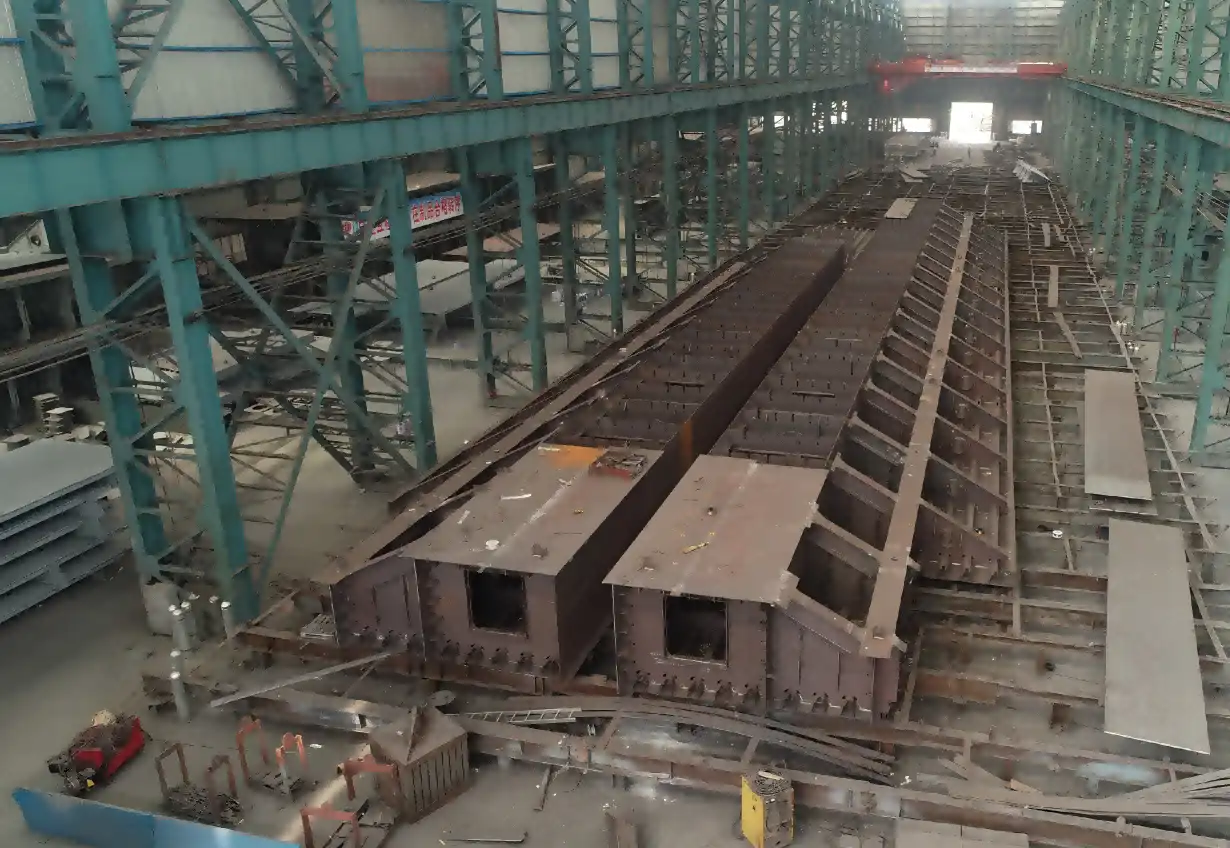
CNC plasma and oxy-fuel cutting systems are used in modern facilities for steel box girders. These can work with very thick plates and have an accuracy of about ±0.2mm. This accuracy is very important when making varying cross-section steel box girders, where the beam height changes from 1.25 meters at the supports to 8 meters in the middle of the span. This makes the best use of materials while keeping the structure's efficiency. Plate rolling uses hydraulic press brakes and multi-roll bending tools to curve flat steel into different shapes. To get the right finished shape, workers watch the spring-back properties. Corrugated steel webs are used in some advanced designs. They are lighter than solid plate webs by up to 20% while keeping their shear strength. This is a big benefit for projects where lowering the dead load allows for longer spans or lowers the cost of the base.
Welding Methods and Quality Assurance
Because it goes deep, deposits metal quickly, and has great mechanical qualities, submerged arc welding is the most common way to make major seams. Automated welding carts move along long seams with uniform parameters, while trained workers handle complicated joint setups that need to be done by hand. Weld process specs spell out all the details, like amps, voltage, travel speed, preheat temperatures, and interpass temperatures, based on the thickness of the material and the form of the joint. Post-weld heat treatment reduces leftover stresses in heavy parts, which makes it less likely that they will bend or crack when they are handled or moved later.
Quality control doesn't just happen at the end of the welding process; it happens all the way through. Real-time tracking tools keep an eye on the factors of the welding process, and the integrity of the weld is checked by visual inspection, magnetic particle testing, and ultrasonic examination. Radiographic testing keeps permanent records of the quality of key joints. This is especially important for parts that will be used in projects that need governmental approval or third-party certification. This multi-layered inspection method finds problems while they are still easy to fix and don't cost too much.
Precision Assembly and Dimensional Verification
Assembly jigs accurately place individual plates and subassemblies over and over again. This stops the deformation caused by gravity that would happen if big parts were put together without support. At hundreds of places, laser tracking systems measure three-dimensional geometry. They then compare the real measurements to CAD models and make deviation reports that help with making the necessary changes. Temporary bracing keeps things lined up while welding, and the removal process is organized to avoid putting too much stress on one area. This controlled environment makes sure that segments 12 to 30 meters long get to building sites ready to be installed right away. This cuts field adjustment time by about 50% compared to parts that need to be sized on-site.
Comparing Fabrication Techniques and Their Impact on Performance
Traditional Versus Modern Manufacturing Approaches
In traditional fabrication, trained workers work from paper plans to do a lot of the work by hand, including layout, oxy-fuel cutting, and stick welding. This method has been used to build many great buildings, but it adds variables that make it hard to be consistent. For example, operator tiredness, environmental conditions, and equipment calibration can all affect the end quality. Because measuring is done with tape measures and levels, the accuracy that can be reached is only a few millimeters at most.
By combining Building Information Modeling with production tools, digitally controlled manufacturing changes this way of thinking for steel box girders. Engineers make three-dimensional models that include all the information needed to make something, like the materials that are used, how they are welded, where the bolts go, and the standards for quality that must be met. This information is sent directly to CNC cutting machines, automatic welding systems, and robotic handling equipment. This gets rid of transcription mistakes and lets standard parts be made without turning on any lights. When making a lot of similar pieces or when projects need to stick to very tight tolerance bands, the stability that automated processes provide is especially useful.
Performance Implications of Fabrication Quality
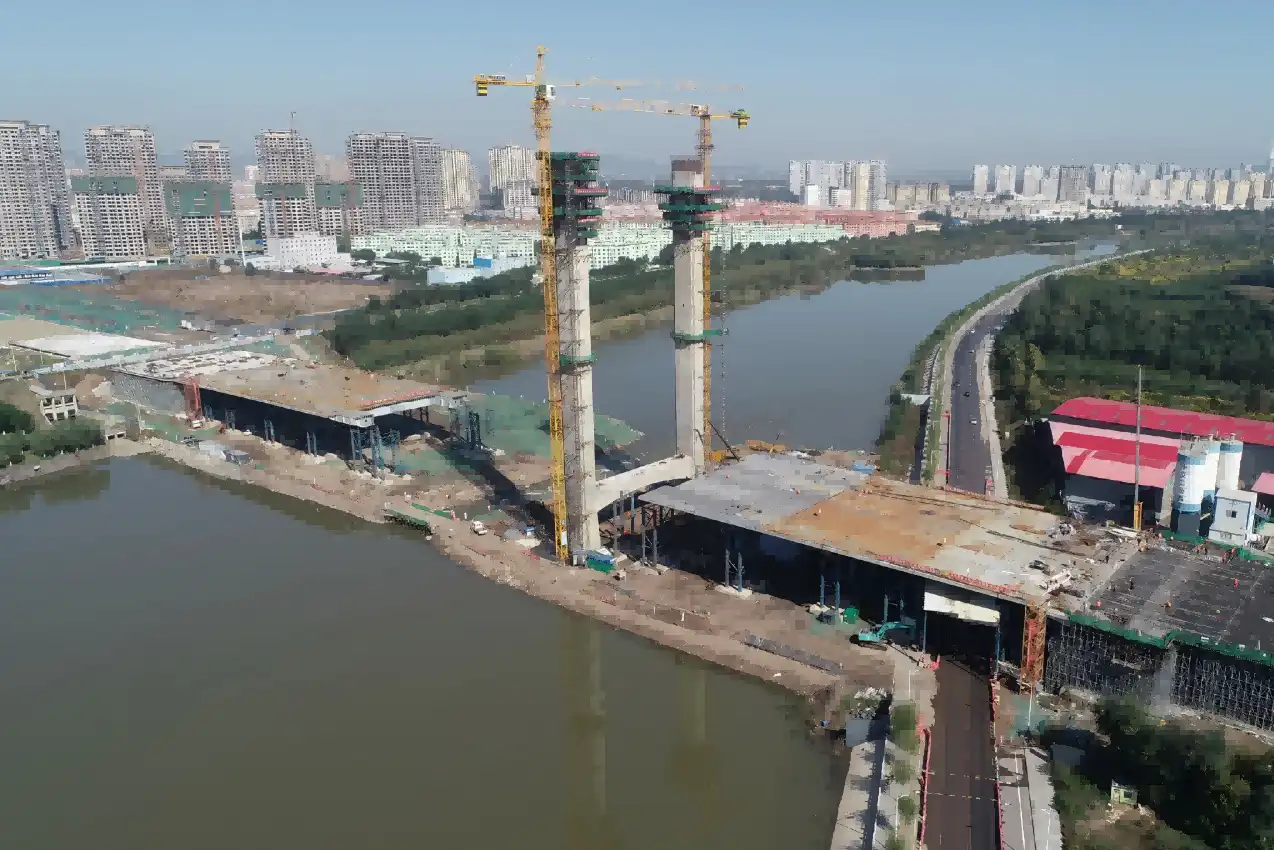
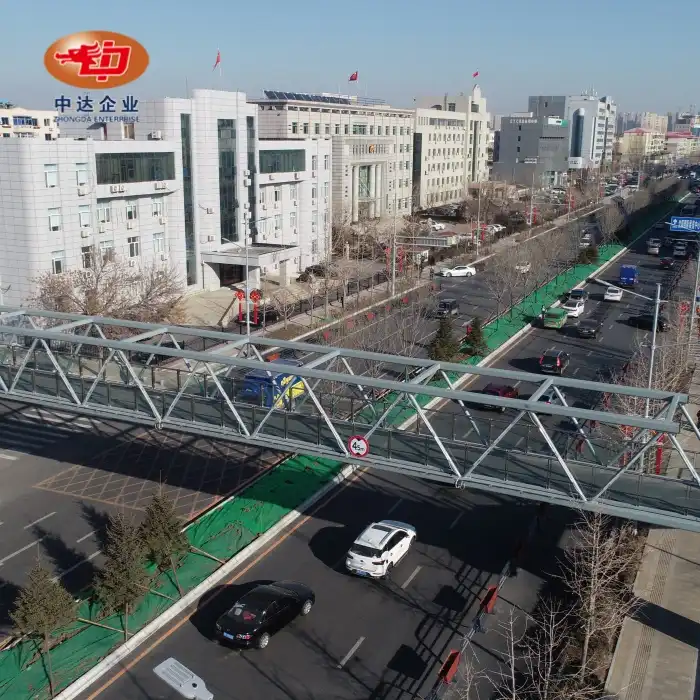
The way a structure is made directly affects how long it lasts and how often it needs to be maintained. High-precision welding creates joints with even penetration and few flaws, which greatly improves wear resistance under cycle loading—essential for bridges that see thousands of heavy vehicles pass through every day. Accurate control of dimensions makes sure that the load is spread out evenly across the bearing surfaces, which stops stress builds up that speed up wear. The 18,000-ton Shenyang Dongta Cross-Hunhe River Bridge is an example of how modern manufacturing can make long spans possible while still meeting the safety standards needed for high-traffic infrastructure.
When corrosion protection is added during manufacturing, it lasts for decades in harsh settings. Double-layer systems that use hot-dip galvanizing or thermal spray metalizing along with organic topcoats can last more than 30 years without needing a lot of upkeep. This longevity is particularly useful for infrastructure near the coast, in industrial areas with air pollution, or in cold climates where de-icing salts speed up the breakdown of metals. Lifecycle cost analysis consistently shows that luxury coating and production methods give a better return on investment than minimum-standard construction, even though minimum-standard construction saves money at first.
Procurement Considerations for High-Precision Steel Box Girders
Evaluating Supplier Capabilities and Certifications
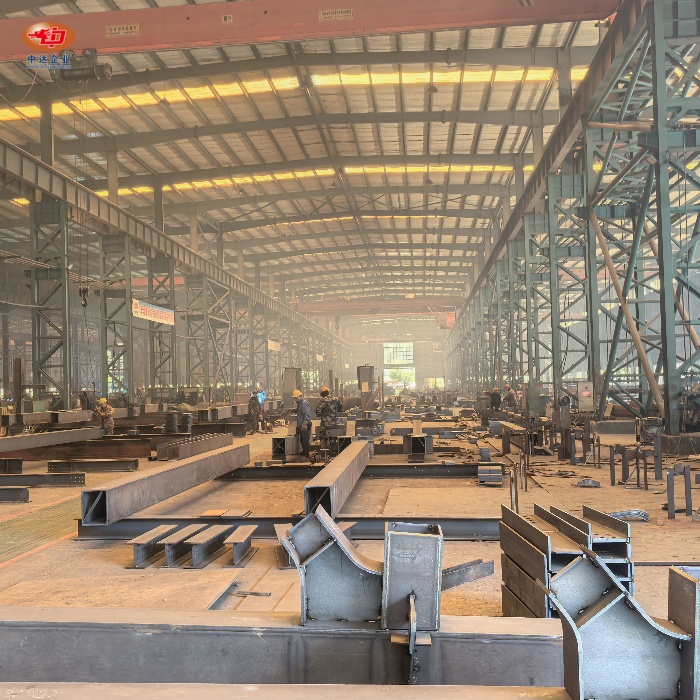
To choose the right manufacturing partner, you need to look at more than just price quotes. You also need to look at the company's real professional skills. ISO 9001 certification means that quality management systems have been in place for a while, while EN 1090 certification guarantees that a company is skilled at making structures out of steel that can be sold all over the world. The American Welding Society's rules say that a welder's AWS license proves that they know how to do the job and how skilled they are. When you visit fabrication plants, you can see how advanced their equipment is. For example, facilities with CNC ultra-thick plate cutting systems, automatic welding lines, and climate-controlled assembly areas show that they are dedicated to making precise products.
When projects have tight deadlines or need to work with other building activities, production ability is important. Manufacturers with factories that can make 60,000 tons of goods a year have the tools to handle big orders without missing deadlines for delivery. When a supplier offers services from planning optimization to final installation, there is only one person responsible for the project. This makes project management easier and speeds up problem solving when actual conditions are different from what was planned.
Customization and Technical Support
Standard catalog specs aren't always followed for infrastructure projects. For example, each bridge site has its own width requirements, loading conditions, and geometric restrictions. Suppliers who offer full customization create varying cross-section designs that are best for different load patterns. This could cut down on material use while increasing the efficiency of the structure. With BIM-based design integration, structure engineers, fabricators, and building teams can work together more quickly and easily, and any problems can be found before they cause delays. Technical help during all stages of a project, from the original feasibility studies to troubleshooting during building and planning for future upkeep, is something that generic providers can't offer.
Delivery logistics for steel box girders that are flexible can work with a wide range of project areas and entry conditions. Manufacturing pieces that are 12 to 30 meters long in segments combines the ease of shipping with the difficulty of putting them together in the field. Secure packaging keeps finished parts safe while they're being shipped by sea or driven across rough territory. Coordinated supply plans make sure that materials arrive at the right time for building to begin. This cuts down on the amount of storage that needs to be done on-site and the risk of weather damage before installation.
Enhancing Fabrication Precision Through Technology and Best Practices
Finite Element Analysis and Design Optimization
Before cutting the material, fabricators can use advanced engineering tools to model how the structure will behave under different loads. Finite element models can accurately predict where stresses will be distributed, how structures will bend, and where wear hotspots will appear. This information can then be used to make design changes that improve performance or lower the amount of material needed. For example, this modeling feature comes in very handy when making custom solutions for spans with odd shapes or when adding new features like curved webs. Validating designs digitally cuts down on the cost of real testing and speeds up project timelines by finding the best solutions earlier in the development process.
Welding Innovation and Distortion Control
Welding tools, power sources, and process control are always getting better, which improves joint quality and lowers the number of defects. Pulsed welding settings give you more control over the heat input, which keeps thin parts from warping and makes sure that heavy plates fuse properly. Combining several types of welding into one process improves the rate of deposition and the mechanical features for certain joint designs. Real-time tracking systems keep an eye on the parameters of welding and find changes before they cause bad welds. This way, problems can be fixed right away instead of being found during review after the fact.
Corrosion Protection Systems
For environmental toughness to start during manufacturing, the surface must be prepared according to SSPC-SP standards so that the coating sticks properly. Using a thermal spray on zinc or aluminum makes metallurgically bonded coatings that protect against cathodic damage even when the metal is harmed physically. Organic topcoats that are chosen for the type of exposure—UV resistance for sunny areas, chemical resistance for industrial settings, or ice-repelling qualities for cold areas—extend the time between upkeep and keep the surface looking good. For projects that need to last a very long time, duplex systems with both metallic and organic layers are used. These systems provide better safety than either cover alone.
Lean Manufacturing and Continuous Improvement
Leading makers use systematic process optimization to get rid of waste, cut down on wait times, and make sure that all of their output is consistent. Value stream mapping finds bottlenecks and tasks that don't add value, which helps make changes in how work is organized and how equipment is used. Statistical process control checks important factors like coating thickness, weld entry depth, and measurement accuracy to find trends before they lead to products that don't meet standards. Clients gain from this disciplined approach to manufacturing excellence because they can count on consistent quality, reliable delivery times, and cheap prices that show how efficiently the business is running without lowering standards.
Conclusion
To get high-precision steel box girders, you need to know how the complicated manufacturing processes that turn raw steel into strong structure systems work. High-quality manufacturing depends on advanced tools, tried-and-true methods, a skilled workforce, and organized quality control. These are the things that set top suppliers apart from regular manufacturers. Precision manufacturing is an investment that pays off in a real way by speeding up building plans, lowering the cost of field modifications, improving structural performance, and making things last longer with less upkeep. As infrastructure projects get more complicated and performance standards rise, the quality of the manufacturing of major structural components has a direct effect on the success of the project and the long-term value of the asset.
FAQ
How does fabrication quality impact bridge safety and longevity?
The correctness of the measurements, the quality of the welds, and the properties of the materials all have a direct effect on the structural stability of the finished product. When you make something correctly, the load is spread evenly across the bearing surfaces and links. This keeps stress from building up in one place, which could cause cracks. Welds that are of high quality, with no flaws and full fusion, are more resistant to wear when loaded and unloaded many times. With the right choice of materials and heat treatment, the mechanical qualities can be predicted, which is important for accurate structure analysis. Full quality control, which includes non-destructive testing, finds possible flaws in parts before they get to building sites.
What lead times should procurement teams expect?
From the end of planning to delivery, custom fabrication usually takes 12 to 20 weeks. However, delivery times can be longer or shorter depending on the complexity of the project and the production schedule. It may take 8 weeks to ship simple uniform parts, but 24 weeks to ship complicated variable-section designs that need a lot of welding and special finishing. When compared to smaller fabricators, manufacturers with established supply lines and a lot of production capacity can often cut wait times by 20 to 30 percent. By getting involved early on in the planning process, fabricators can make sure that the specifications are optimized for efficient output while still meeting performance standards.
How can buyers verify supplier certifications and capabilities?
To get copies of current ISO, EN, AWS, and other important certifications, check with the organizations that issued them to make sure they are still valid. Request references from recent projects, preferably ones with similar size, scope, and technology needs. Do site checks that look at how advanced the equipment is, how qualified the staff is, and how quality control is handled. Look over quality records from past projects, like inspection records and reports of nonconformances that show how problems were fixed. Hire outside inspection companies to watch the manufacturing process and do their own tests to make sure that key parts are correct.
Partner With Zhongda Steel for Precision Structural Solutions
Shenyang Zhongda Steel Structure Engineering Co., Ltd. makes the best steel box girders in the business. They have been working on building projects for 20 years and have world certifications in ISO 9001, 14001, 45001, EN 1090, and AWS standards. Our 120,000-square-meter building has BIM-driven design, CNC ultra-thick plate cutting with ±0.2mm accuracy, and automatic welding systems that make fully welded box sections that are best for spans up to 420 meters. As a reliable steel box girder seller, we've finished many important projects, such as the 18,000-ton Shenyang Dongta Cross-Hunhe River Bridge and foreign infrastructure projects in Russia, Australia, and Vietnam.
Our fully integrated services include engineering optimization, prefabrication of 12–30 meter segments, advanced anti-corrosion treatments with service lives of more than 30 years, and full expert support throughout the lifespan of a project. Zhongda works with business developers, infrastructure contractors, and industrial builders who need unique structural solutions. They can produce up to 60,000 tons of steel each year, and 70% of their clients stay with them because they are happy with the quality and service. You can email our engineering team at Ava@zd-steels.com or visit zd-steels.com to talk about how our precision production skills can help you finish your next big project faster while still protecting its structural integrity and long-term value.
References
Chen, B. & Wang, T. (2019). Advanced Fabrication Technologies for Long-Span Steel Bridge Construction. Journal of Constructional Steel Research, Volume 156, pp. 234-247.
American Institute of Steel Construction. (2021). Steel Construction Manual, 15th Edition. Chicago: AISC Publications.
Xu, L. & Zhang, W. (2020). Quality Control in Automated Welding of Heavy Steel Structures. Welding Journal, Volume 99, Issue 8, pp. 245-256.
European Convention for Constructional Steelwork. (2018). Execution of Steel Structures and Aluminum Structures - Part 2: Technical Requirements for Steel Structures. Brussels: ECCS Press.
Huang, Y., Li, X., & Zhou, F. (2022). Variable Cross-Section Box Girder Optimization for Long-Span Bridges. Engineering Structures, Volume 251, Article 113505.
National Association of Corrosion Engineers. (2020). Protective Coating Systems for Structural Steel in Severe Environments. Houston: NACE International Standards.
YOU MAY LIKE
_副本_1762409363712_1788849278749.jpg "steel truss structure")
_副本_1754289134653.jpg "Prefabricated Steel Structure Exhibition Hall")
_副本_1754364944578.jpg "Box Girder Beam Bridge")
_1746242605579.webp "Hard Rock TBM Shield Casing")