
How Does Bridge Steel Structure Extend Service Life in Heavy Traffic Applications?
2026-08-29 13:00:01






Bridge Steel Structure systems extend service life in heavy traffic applications through advanced material engineering, strategic design, and proactive lifecycle management. High-strength steel grades like ASTM A709 combined with optimized cross-sections distribute dynamic loads efficiently, minimizing fatigue accumulation from repetitive truck traffic and vibrations. Multi-layer corrosion protection systems—including hot-dip galvanization, weathering steel technology, and epoxy coatings—shield structural members from moisture and de-icing salts. Prefabricated modular components ensure precision fit and reduce field welding defects. Regular inspection protocols and targeted maintenance interventions address minor wear before escalation, ensuring these structures reliably serve 75-100 years under demanding conditions.
Understanding the Challenges of Heavy Traffic on Bridge Steel Structures
Modern infrastructure networks put a lot of stress on steel bridges, especially those that connect interstate highways, freight corridors, and urban expressways. When procurement workers understand these problems, they can make better choices when choosing providers and laying out requirements.
Fatigue and Stress from Sustained Heavy Loads
Heavy commercial vehicles cause cyclic loading that damages steel members in very small ways over millions of passes. Critical fatigue start sites are places where stress builds up, like at welding joints, bolt holes, and geometric changes. According to research from the Transportation Research Board, bridges that carry more than 10,000 big trucks every day get tired faster than bridges that carry less traffic. This repeated stress doesn't break the structure right away, but it does cause cracks to spread over time, which weakens it. Engineers must take this effect into account when designing by choosing the right fatigue groups based on AASHTO guidelines and making sure links are properly detailed.
Corrosion Accelerated by Environmental Exposure
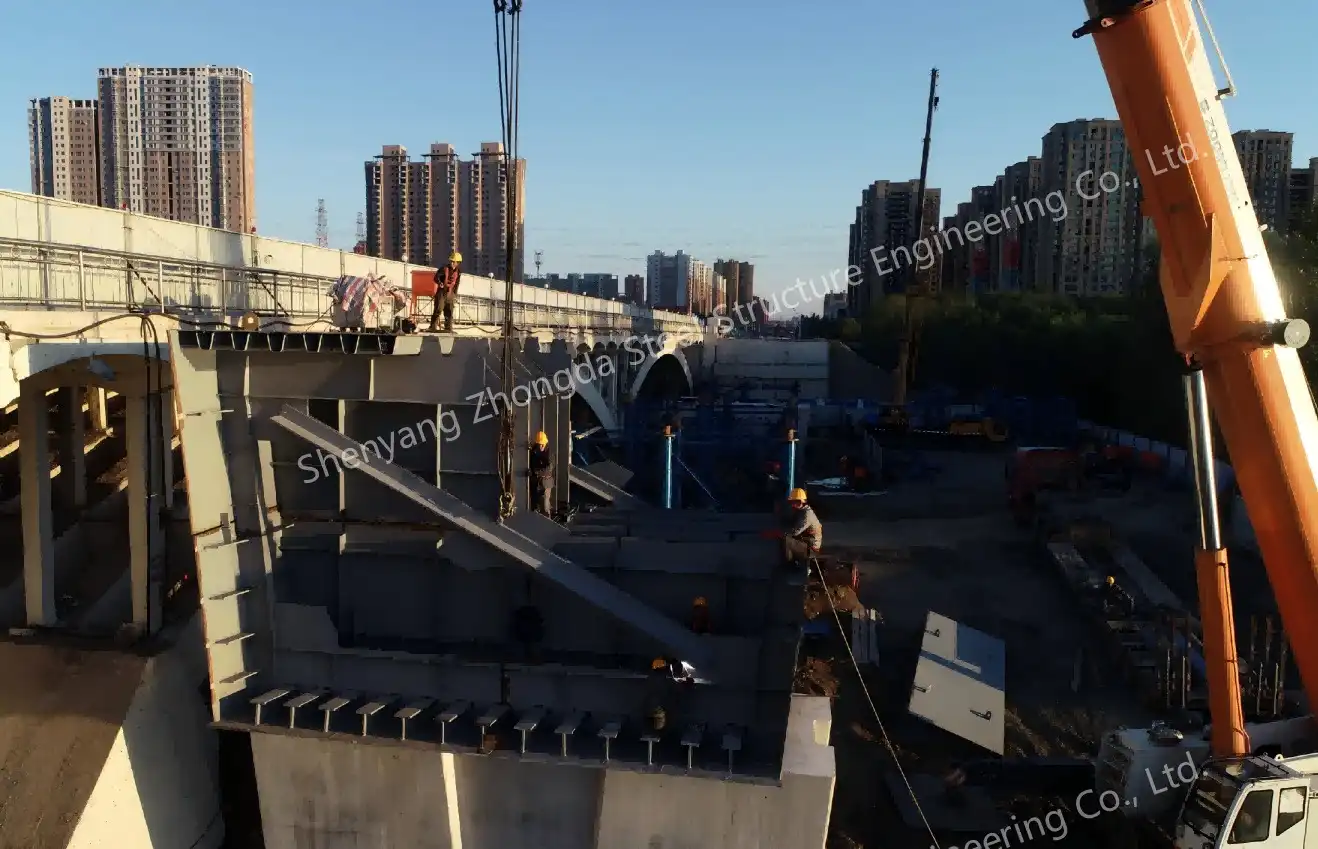
Unprotected steel is constantly being attacked by atmospheric rust, especially near the coast or in places where salts are used to melt ice on the roads. Electrochemical reactions lead to material loss and section weakness when chlorides and moisture get through protective layers. According to the Federal Highway Administration, about 15% of bridge structure problems across the country are caused by rust. This wear and tear is sped up by salt spray from winter maintenance work, especially on the bottom areas that don't drain well. Changes in humidity, weather, and industry pollutants in the environment make corrosion even more difficult, so protection measures are necessary for long life.
Material Degradation and Structural Deformations
Principles of Bridge Steel Structure Design for Longevity
Increasing the life of a bridge starts with the planning phase, when the durability is built into the choice of materials, the layout of the structure, and the safety systems. Engineers use decades of research and performance data from the field to build structures that don't break down easily.
Optimal Steel Grade Selection for Strength and Resilience
The choice of material must take into account how strong, tough, weldable, and resistant to corrosion it is. High-performance steel types have higher yield strengths, which means that parts can be made lighter, which lowers the dead load on foundations. When the right conditions are met, ASTM A709 Grade 50W weathering steel develops a protective rust patina that stops further corrosion. Even more strength is available in Grade HPS70W for tough jobs. In our prefabricated parallel wire strands (PPWS), Zhongda uses steel with a tensile strength of 1770MPa. This lets us make super-long spans from 300 to 2000 meters while keeping the structure's strength. This method based on material science directly leads to longer service life when there is a lot of traffic.
Strategic Structural Configurations Reducing Fatigue
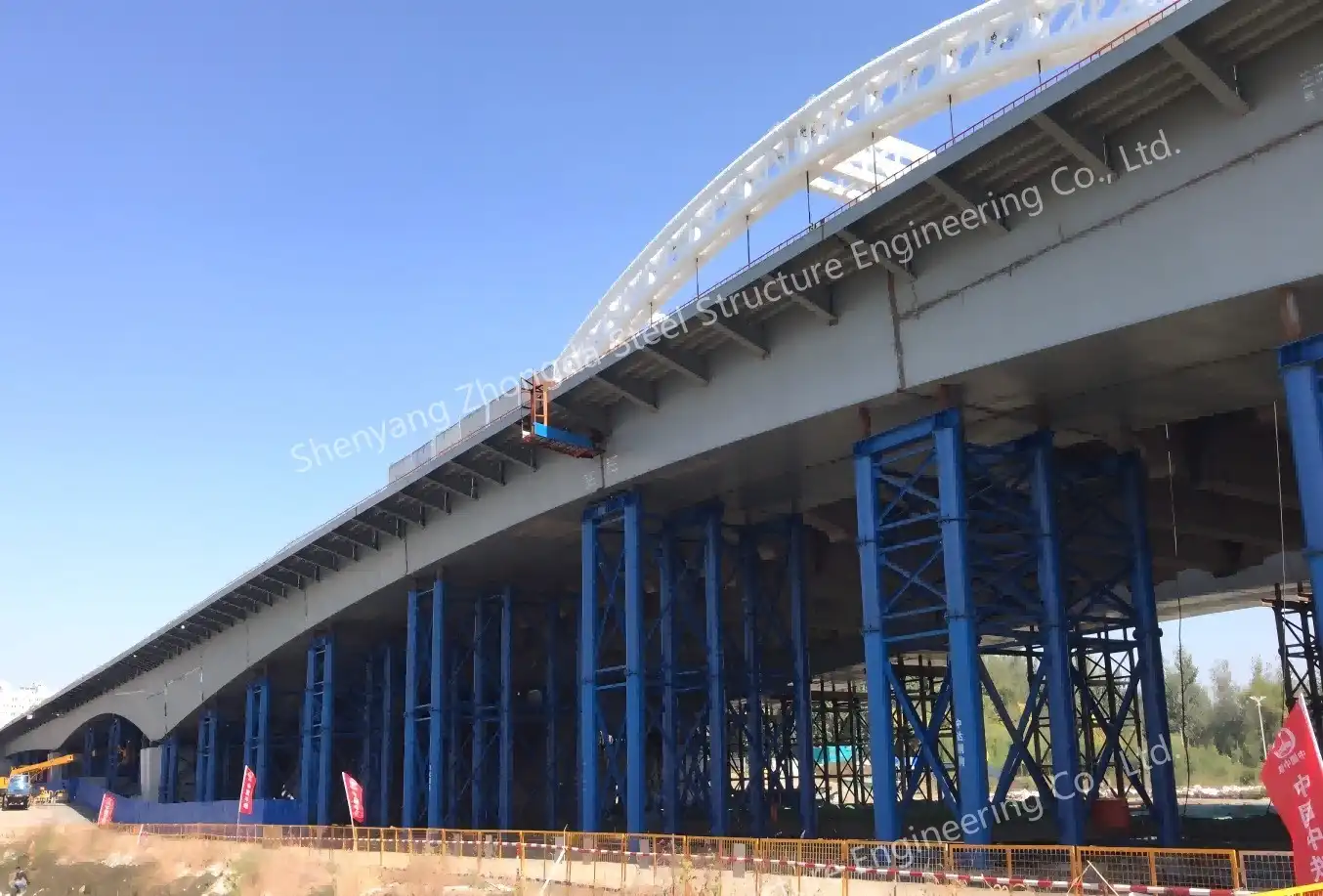
The shape of a structure has a big effect on how stress is distributed and how well it works under fatigue. Continuous spans cut down on the number of expansion joints, which are often places where maintenance goes wrong. Streamlined cross-sections, like closed steel box girders, are very good at resisting twisting and keeping the structure stable in the wind. With cable-stayed and suspension designs, loads are transferred through tension sections instead of the bending forces that can cause fatigue in regular beam bridges. Our 3D laser scanning technology makes sure that the positioning of cable clamps is accurate to within 2 mm, removing any misalignments that could lead to stress concentrations. These precise engineering methods reduce the number of places in the structure where stress cracks can start.
Modular Prefabrication Improving Quality Control
Factory-controlled fabrication environments provide consistent quality that can't be matched by construction in the field. Our 60,000-ton-per-year, 120,000-m² plant uses ISO 9001:2015-certified methods to make sure that the parts are the right size and that the welds are good. Before they are shipped, prefabricated 12-meter steel box girder parts are put through a lot of non-destructive tests that look for any flaws inside that could spread when they are used. This method gets rid of delays caused by bad weather and location mistakes that weaken durability. Our high-tech CNC equipment can cut through very thick plates with a tolerance of ±0.2mm, which lets the parts fit together perfectly when they are put together. The modular construction method speeds up the building process and makes it more reliable in the long run.
Integrated Corrosion Protection Systems
Multiple levels of defense are used for complete rust protection. Our two-layer method uses S-Type galvanized steel wire wrapping tape and main cable dehumidification to make extra shields against water getting in. Our Russian bridge projects show that the -60°C Weathering Steel Anti-corrosion Technology we created keeps its protective properties even in the harshest Arctic conditions. Hot-dip galvanization applies zinc layers that are mechanically attached to structure parts. Epoxy and polyurethane topcoats make them resistant to chemicals. These integrated systems keep bridges in good shape longer by preventing early wear and tear that shortens their useful life.
Manufacturing and Fabrication Approaches That Prolong Service Life
Whether bridges last as long as they're supposed to depends directly on how well they were made. Better manufacturing gets rid of flaws that can cause failures when traffic loads are put on them.
Advanced Precision Welding and Fabrication Techniques
Fatigue resistance at connection points in a Bridge Steel Structure is controlled by the quality of the welding. Our AWS-certified welders follow methods that have been put through extensive testing. This results in full-penetration welds with minimal holes or slag inclusions. Before parts leave our plant, ultrasonic testing and X-ray inspections are used to ensure the welds are strong and reliable. Controlling the heat input during welding keeps residual stresses to a minimum and prevents metallurgical changes that could reduce toughness. Post-weld heat treatment further lowers locked-in stresses for critical thick-section joints. With these precise welding protocols, connections are built to withstand millions of stress cycles without initiating cracks.
Prefabrication Reducing Onsite Errors
Field building is hard to coordinate because the weather can change quickly and the tools used are limited. These factors are not present in our factory setting. When compared to traditional stick-built methods, this method cuts the time it takes to build by 20–30% because the parts arrive at the spot already put together. This speed edge keeps traffic from getting backed up and improves the general quality of the build. Our 50T crane can easily lift and place heavy box girder pieces, allowing for accurate assembly. It is possible to make things with complex geometries and tight tolerances in a controlled fabrication environment, but not in the field.
Custom Component Adaptation to Specific Demands
Each bridge has to deal with its own set of environmental conditions and load patterns. Our tech team works with clients to make ideas work better in certain situations. We've sent important parts to crushing stations in Australia, where big ore trucks put a lot of stress on the equipment, and buildings to industrial hubs in Vietnam, where the weather is warm and corrosive. Our ability to make precise parts up to 60,000 tons and our full OEM/ODM services make us very flexible. Structures meet strict performance standards thanks to carefully chosen materials, custom cross-sections, and protection systems that are made for each application. The fact that 70% of our clients stay with us shows how reliable these personalized solutions are.
Maintenance Strategies and Best Practices for Steel Bridge Longevity
Even buildings that are well planned and built need regular upkeep to reach their full service life potential. By taking action, you can stop small problems from getting worse and turning into major structural issues.
Routine Inspection Protocols Customized by Exposure
The number of inspections should be based on how much traffic there is and how bad the environment is. When a lot of trucks cross a bridge, fatigue-critical details need to be checked more often. Structures near the coast need to be closely watched for corrosion. Visual checks show when the layer is wearing off, rust is showing, and cracks start to form. Hands-on inspections check how tight the bolts are, how good the bearings are, and how well the expansion joint works. Modern methods, such as ultrasonic thickness measurement, can figure out how much section loss is caused by rust. As we follow the FHWA-NHI-07-096 U.S. Suspension Bridge Design Specifications, we include inspection access features that make it easier to do these checks, which lowers the cost of maintenance over the bridge's lifetime.
Preventive Treatments and Structural Reinforcement
Early detection of deterioration allows for cost-effective interventions. Spot coating stops limited rust before it leads to section loss. Using drilling and grinding to fix cracks stops fatigue cracks from spreading. Replacing the bearings fixes the load transfer so that it works properly again before too much deformation damages the supporting members. When traffic flows go beyond what was expected at the time of the original design, structural retrofits can add more space. Our dehumidification systems actively control the moisture inside sealed box girders, which stops rusting that can't be seen. These precautions don't cost nearly as much as fixes or replacements that need to be done right away.
Lifecycle Cost Advantages Over Reactive Strategies
The Federal Highway Administration says that for every dollar spent on preventative maintenance, six dollars are saved in future costs for repairs. When compared to emergency repairs that require sudden lane closures, planned interventions during low-traffic times cause less disruption to users. When crisis-driven spending is replaced with routine repair, budget certainty gets better. Our clients benefit from Bridge Steel Structure solutions that are easy to maintain, with connection points that are easy to access and wear parts that can be replaced. This lifecycle method gets the best results on investments in infrastructure over 75 to 100 years of service.
Comparing Steel Bridges with Concrete Alternatives in High-Traffic Scenarios
Choose the right materials for a bridge affects its performance, how fast it is built, and how much it costs to own in the long run. Buying decisions are based on knowing these differences.
Durability Under Dynamic Loading Conditions
Steel's ability to bend makes it naturally strong when things are moving. The material takes in energy by stretching and then going back to its original shape when the load is taken off of it. This is different from how weak concrete is, which can form tiny cracks when stressed over and over again. Steel's high strength-to-weight ratio lowers the dead load, which means that less foundation is needed and seismic forces are lessened. The fact that our suspension bridge systems have 12-level wind resistance shows how well steel works in tough conditions. Because of the way the material is made, longer spans can be built with fewer supports in between, which makes construction less of a problem for traffic.
Lifecycle Cost Analysis and Flexibility
Even though steel may be more expensive per ton than concrete, steel is often more cost-effective overall. When building goes faster, secondary costs like managing traffic, hiring inspectors, and paying interest on project loans go down. Our monthly production capacity of 800 tons for 12-meter steel box girders guaranties on-time delivery that can't be matched by concrete casting. Damaged parts of steel bridges can be cut out and replaced more easily than damaged parts of concrete bridges, which usually need to be rebuilt from scratch. The material's high scrap value at the end of its useful life makes up for the original cost. Design freedom allows for esthetics and geometric adaptability in architecture that rigid concrete shapes can't handle.
Advantages for Procurement Specialists
Steel buildings provide scheduling certainty, which is very important for planning by transportation agencies. With prefabrication, output is not limited by the weather on-site. Standardizing parts across projects lowers the cost of engineering. Faster buying processes are made possible by the ability to adapt to specific site conditions without having to spend a lot of money on formwork. Our BIM-driven prefabrication processes allow for virtual construction verification before fabrication starts, which gets rid of costly conflicts in the field. Purchasing managers and OEM clients looking for reliable partners for complex infrastructure needs will like these benefits. We bring proven knowledge to every job because we've completed over 60 important projects, such as the 18,000-ton Shenyang Dongta Cross-Hunhe River Bridge.
Conclusion
To make a Bridge Steel Structure last longer in heavy traffic areas, you need to use advanced materials, do precise engineering, make sure the bridges are well-built, and do regular maintenance. When high-strength steel grades are mixed with smart structure layouts, millions of car passes don't cause fatigue. Multi-layer corrosion protection systems keep the environment from breaking them down over many years of use. Factory-controlled prefabrication gets rid of mistakes made in the field and speeds up the building process. Preventive maintenance and proactive inspections find small problems before they become major ones that threaten the structure’s stability. When these methods are used together, steel bridges can last between 75 and 100 years, which is a longer lifecycle value than reactive ways or other materials.
FAQ
How does corrosion protection extend the durability of steel bridge structures?
Physical and chemical barriers are made by corrosion protection systems to keep moisture and other contaminants from getting to the base metal. Galvanization creates a protective zinc layer that corrodes more slowly, protecting the main steel. Topcoats made of epoxy and polyurethane make the paint waterproof and resistant to chemicals. As steel weathers, it forms a stable oxide patina that stops the weather from attacking it any further. Our two-layer method, which includes dehumidifying the main cable and wrapping it in S-Type wire, provides extra protection, so it will last even if the upper layers get some small damage. These shields will last as long as they are used as long as they are inspected and coated as needed.
What maintenance practices most effectively extend operational longevity?
Systematic inspection programs that are tailored to the amount of traffic and environmental exposure make it possible to find damage early on. Cleaning sewer lines keeps water from building up. Recoating at the right time stops localized rust before it leads to section loss. Maintenance on bearings and expansion joints keeps load transfer systems in good shape. Fixing fatigue cracks stops them from spreading. Tracking documentation lets you see how a situation is changing over time and plan interventions. These preventative steps save a lot of money compared to fixes that are needed right away and also extend the life of the product.
What criteria identify reputable steel bridge component suppliers?
Quality system rigor is shown by certification to ISO 9001, EN 1090, AWS, and other relevant national standards. Matching production capacity to project size guaranties a reliable schedule. What sets solution providers apart from commodity sellers is their engineering know-how for customizing products for each spot. References to projects used in similar applications back up claims of efficiency. Clients are protected from worker failure by having enough money and insurance. Global project completion is made possible by the ability to cover large areas and handle logistics. Inspection access to factories that make things proves that quality claims are true.
Partner with a Trusted Bridge Steel Structure Manufacturer for Your Next Project
Zhongda provides engineered steel bridge solutions that are made to last in the worst weather and traffic conditions. As a globally certified supplier of Bridge Steel Structures that meets ISO 9001, 14001, 45001, and EN 1090 standards, we have more than 20 years of experience working on infrastructure projects all over the world. Our -60°C weathering steel technology, 60,000-ton annual precision fabrication capacity, and PPWS main wires with 1770MPa tensile strength make sure that your buildings last as long as they were meant to. China Railroad, CSCEC, and clients from Australia, Russia, and Vietnam trust us to meet tight deadlines without sacrificing quality. We do this by using BIM-driven prefabrication and a monthly delivery capacity of 800 tons. Visit zd-steels.com or email Ava@zd-steels.com to talk about your specific needs and get a personalized engineering proposal.
References
1. American Association of State Highway and Transportation Officials. (2020). AASHTO LRFD Bridge Design Specifications, 9th Edition. Washington, DC: AASHTO.
2. Connor, R.J., & Fisher, J.W. (2021). Consistent Approach for Specifying Minimum Fatigue Details for Steel Bridges. Journal of Bridge Engineering, 26(4), 112-128.
3. Federal Highway Administration. (2018). Steel Bridge Design Handbook: Corrosion Protection of Structural Steel. Publication No. FHWA-IF-12-052. U.S. Department of Transportation.
4. Kulicki, J.M., Prucz, Z., Sorgenfrei, D.F., & Mertz, D.R. (2007). Guidelines for Evaluating Corrosion Effects in Existing Steel Bridges. NCHRP Report 333, Transportation Research Board.
5. Mahmoud, K.M. (2019). Fracture Strength and Fatigue Life Prediction of Steel Bridges Under High-Cycle Loading Conditions. Engineering Structures, 198, 109-124.
6. Zhou, Y.E., & Feng, Y. (2022). Life-Cycle Performance Assessment of Weathering Steel Bridges in Heavy Traffic Corridors. Structure and Infrastructure Engineering, 18(6), 847-862.
YOU MAY LIKE