
What Makes Steel Box Girder Suitable for Curved Roads and Heavy Traffic Bridges?
2026-08-29 13:00:01






The suitability of steel box girders for curved roads and heavy traffic bridges stems from their unique closed-section geometry and superior structural characteristics. Unlike traditional I-beams, the hollow rectangular configuration delivers exceptional torsional rigidity, essential for handling eccentric loads on curved alignments. The fully welded box design distributes forces more efficiently across both webs and flanges, preventing stress concentrations that plague open sections. High-strength materials like Q345D steel provide tensile strength exceeding 345MPa, enabling spans reaching 420 meters while maintaining structural integrity under continuous heavy vehicle loads and dynamic impacts inherent to modern transportation corridors.
Understanding Steel Box Girders and Their Advantages for Complex Bridge Designs
Modern infrastructure needs solutions that balance how well the structure works with how easy it is to build, especially for projects with complicated shapes or heavy loads. Since the beginning of time, bridge building has always led to the same conclusion: hollow rectangular steel parts are a huge improvement over other options.
What Defines a Steel Box Girder Structure
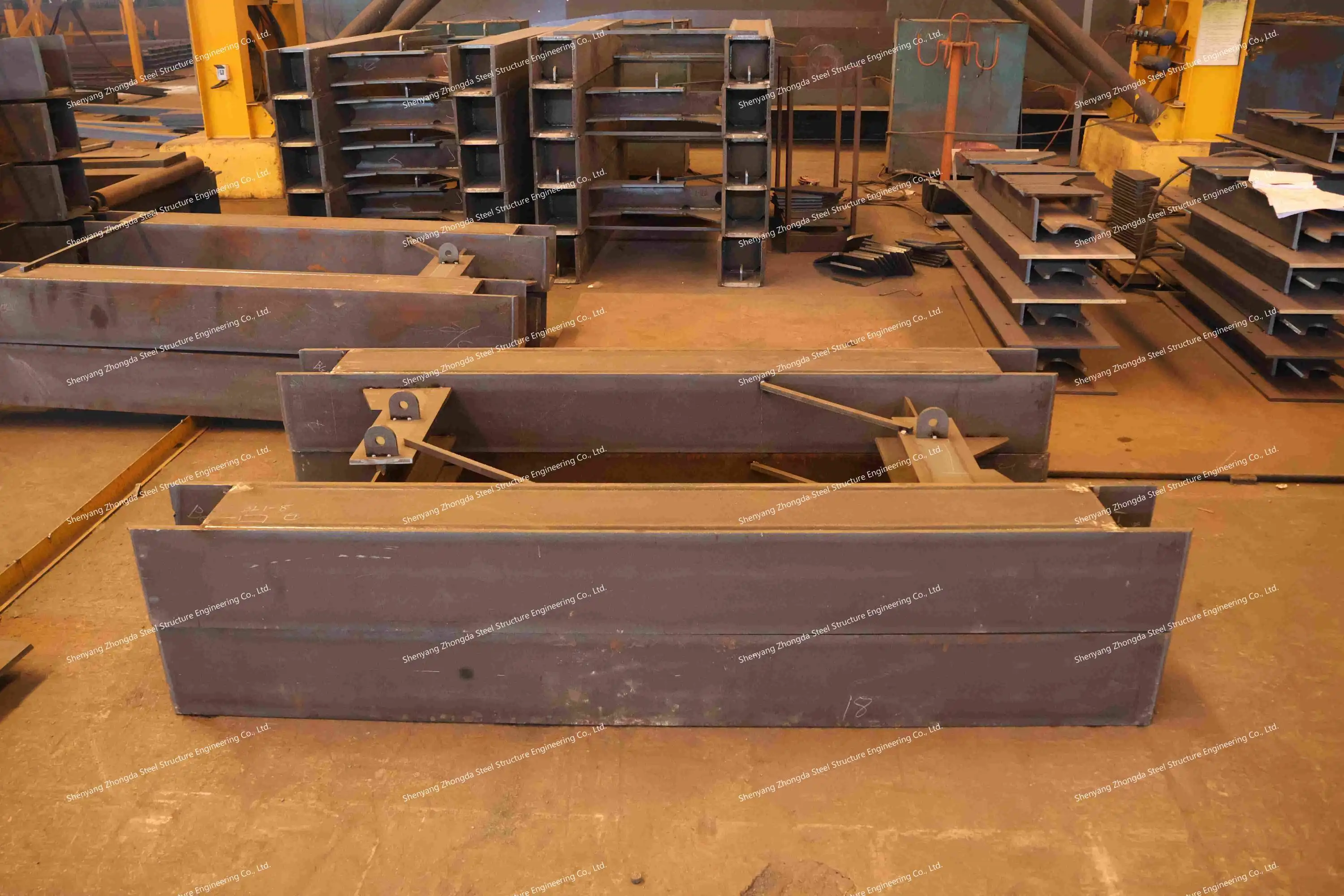
A Steel Box Girder is made up of two vertical web plates that are joined together by horizontal top and bottom edges to make a closed tube cross-section. When put together, these shapes make a structure that is very different from regular flat profiles. The enclosed shape makes it very resistant to bending forces while keeping the strength-to-weight ratio high. When we make things at Zhongda, we use fully welded construction methods that get rid of mechanical fasteners. This makes sure that the whole member has continuous load paths. As the main material, we use high-quality Q345D steel. For important link zones that need higher yield strength, we use Q420D alloy. This material standard guarantees stable performance in temperature ranges up to -60°C. This eases worries for projects in harsh climates, such as installations in the Arctic in Russia and high-altitude uses in mountainous areas.
Advantages Over Traditional Girder Systems
The performance characteristics are immediately clear when compared to I-beams, concrete segments, or truss assemblies. The closed section has four to six times higher torsional stiffness than similar open profiles. This directly solves the main problem in building curved bridges. Weight is another reason why this solution is better. Our corrugated web choices have up to 20% less mass than solid-web designs, which means lower base costs and easier setup. Durability goes beyond structural strength; the two-layer anti-corrosion methods we use, such as hot-dip galvanizing or industrial-grade paint systems, ensure that the products will last more than 30 years with little to no upkeep. These technical benefits are in line with international standards for compliance, such as Eurocode 3, AASHTO LRFD Bridge Design Specifications, and AWS D1.5 welding codes. This means that they can be easily added to projects no matter where they are located or what rules apply.
Core Design Principles That Make Steel Box Girders Ideal for Curved Roads and Heavy Traffic
When complex geometry and heavy loads come together, they create engineering problems that need specific responses from structures. Figuring out how box-shaped cross-sections meet these needs helps you see why this is the most common way to build bridges today.
Torsional Resistance in Curved Alignments
Dynamic Load Management and Fatigue Performance
Bridges that are in areas with a lot of traffic are loaded and unloaded millions of times over the course of their design life. During the design phase, we use dynamic load analysis to model the effects of how the vehicle and bridge interact, which cause vibrations and cyclic stresses. The box section's natural damping properties reduce concerns about resonance, and the strategic placement of internal diaphragms stops local buckling and spreads out heavy wheel loads. Specifications for the right steel grades and weld joint details pay special attention to fatigue resistance. Our factories use automatic welding systems that keep exact control over the heat input. These systems make Class B weld profiles that meet AWS standards and get rid of stress-raising gaps. Before parts leave our 120,000 square meter production site, non-destructive testing methods like ultrasound and radiographic checking make sure the welds are strong. This supports AASHTO's predictions of fatigue life topping 100 years.
Construction Process and Fabrication Techniques for Steel Box Girders
To turn engineering drawings into real structures, you need precise manufacturing and a building method that is especially designed for big steel assemblies. Our unified approach speeds up the process of going from idea to completion.
Precision Fabrication and Quality Assurance
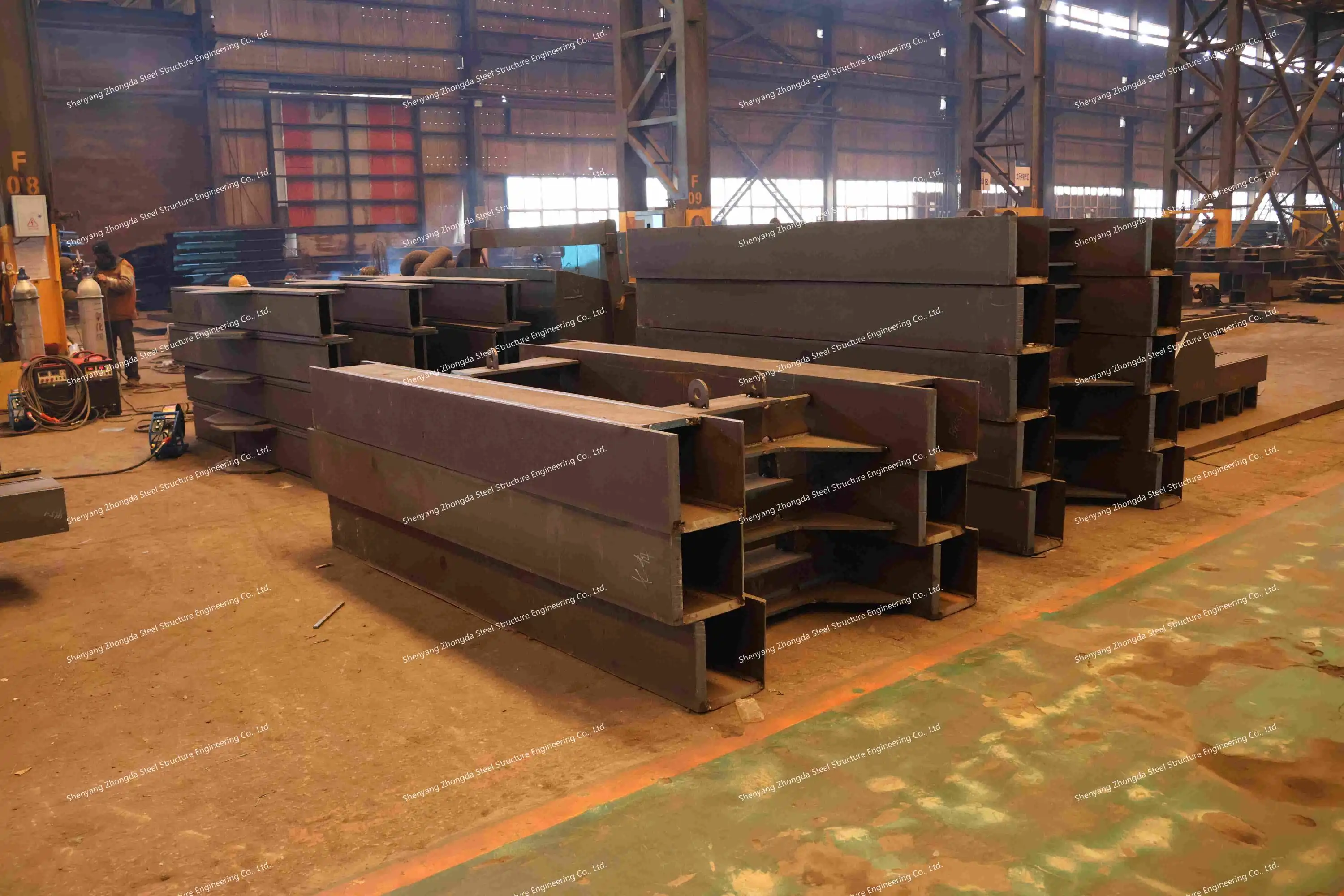
The first step is BIM-driven design optimization, which uses three-dimensional models to find clashes and check for constructability before buying materials. Our CNC ultra-thick plate cutting equipment gets dimensional errors of less than 0.2 mm, which sets the stage for precise assembly fit-up. Automated welding lines keep the same penetration and fusion properties across multiple passes, and real-time monitoring systems compare parameters to the approved welding procedure specifications. After cutting and welding, the surface is prepared by abrasive blasting, which gets rid of mill scale and other particles to Sa2.5 cleaning standards. The double-layer security system then applies either an 85-micron zinc covering by hot-dip galvanization or a 250-micron epoxy system by plural-component spray application. Both are made to withstand harsh environments, such as sea environments and pollution from factories.
Modular Construction and Site Assembly
The main idea behind our building process is prefabrication. By cutting Steel Box Girder sections into 12–30 meter-long pieces that can be moved easily by road or rail, we can get them to project areas more quickly. This method has been shown to save 50% of the time needed for traditional field-fabricated options. It reduces the critical path length and the indirect costs associated with extended construction schedules. During on-site assembly, either bolted splice connections or field welding protocols are used, depending on project requirements and site access limitations. The modular strategy worked especially well for the Jingha Expressway expansion, where overnight installation windows required new lanes to be installed quickly with minimal traffic disruption. Our engineering support continues throughout the entire construction process. Technical representatives are available 24 hours a day to assist with alignment checks, temporary bracing requirements, and ensuring the owner’s satisfaction with the completed work.
Comparative Analysis: Why Choose Steel Box Girders Over Other Girder Types
When making decisions about big infrastructure projects, decision frameworks need to look at more than just the initial cash cost. A full analysis shows clear benefits throughout the whole project duration.
Performance Comparison Against Alternative Systems
Concrete box girders are strong, but they have big dead load penalties that mean the substructures need to be stronger. Steel alternatives get rid of this mass load; our high-strength materials have the same moment capacity but weigh only about 40% of a concrete piece. This cut affects the whole project budget, making the base smaller and reducing the need for complicated construction equipment. Maintenance issues also favor steel. The interior is easy to inspect and gives you direct access to check on its condition, and broken parts can be fixed or replaced without having to tear the building down. When compared to steel I-girders, the closed section doesn't need any external bracing, which can make construction harder and make the structure look less attractive. Even though truss systems are light, they have a lot of connections, which means that stress issues tend to happen at a lot of gusset plates and join points. The continuous welded box doesn't have these weak spots, so pressures are spread out more evenly throughout the base of the structure.
Procurement Considerations for B2B Clients
When infrastructure contractors and developers look at Steel Box Girder suppliers, they should look at more than just price. Manufacturing capacity directly affects delivery dates. Our 60,000-ton annual production volume allows us to work on multiple projects at the same time without any resource issues. It doesn't matter what kind of technical skills you have; our Class I Steel Structure Professional Contracting Qualification and EN 1090 certification show that we are proven experts in difficult manufacturing. Our track record in different regulatory environments is shown by the fact that we have worked with China Railroad, CSCEC, and international EPC firms on projects that span three continents. It's important to be realistic about lead times. At our sites, complex custom profiles usually take 20–30% less time than the averages in the industry because we can do everything from planning to final coating. Instead of using simple per-ton comparisons that hide the real value propositions, price transparency should take into account the total delivered cost, which should include fabrication, surface treatment, quality documentation, and technical support.
Maintenance Tips and Long-Term Benefits of Using Steel Box Girders
Lifecycle value goes far beyond the initial construction. Proactive asset management determines whether structures last as long as expected or need to be fixed up early.
Inspection Protocols and Preventive Care
After the building is finished, routine examination rounds should start right away. This will set the standard for future comparisons. We suggest visual checks every two years that focus on the condition of the coating, how well it drains, and how well the bearings are working. Internal access ports that were built in during the manufacturing process allow for a thorough examination of enclosed areas where moisture buildup could cause corrosion. Dehumidification systems that keep the relative humidity below 40% offer extra security by getting rid of the electrical conditions that oxidation needs. Protective coating systems need to be checked for chalking, cracking, or delamination. If any of these things happen, a small amount of touch-up work is needed to keep the barrier strong until the damage gets so bad that a full overcoat is needed. Our -60°C Weathering Steel Anti-corrosion Technology has been used in installations in Australia's mining regions and Vietnam's industrial corridors, showing that it lasts a very long time. This backs up our 30-year minimum service projection.
Long-Term Economic and Operational Benefits
The long-term financial benefits of good fabrication and maintenance add up over time. Structures that are built to strict standards are less likely to be closed without warning, which saves the economy a lot of money by avoiding traffic jams and lost work time. Our 70% client retention rate shows that our customers are happy with our operational performance. They know that investing in high-quality materials and fabrication up front will save them money in the long run. Technical support relationships add more value. Our engineering team is available throughout the duration of an asset to give advice on changes to the loads it can handle, whether a retrofit is possible, and how to best use condition-based maintenance. When you work with certified makers on a project, you get institutional knowledge and access to spare parts that private fabricators can't offer. This makes sure that the project can be supported in the future as infrastructure needs change.
Conclusion
Curved roads and a lot of traffic make for tough working conditions that need structural solutions that are designed to handle these problems. Steel Box Girders are the best choice for modern bridge projects because they are more rigid in torsion, distribute load more efficiently, and have been shown to perform well under fatigue. Manufacturing improvements in materials, accuracy, and corrosion protection have made things even more reliable while lowering their total costs. The choice of provider is just as important as the actual delivery of the project. Working with experienced makers who have a wide range of skills is the only way to make sure that the design purpose is carried out in a way that meets both short-term functional needs and long-term durability standards.
FAQ
Why do curved bridges specifically require box-section profiles?
When you have curved lines, you get torsional moments that open parts can't handle well. The closed-loop geometry makes a tube-like structure that spreads shear stresses around the outside through shear flow, which stops cross-sectional distortion. Because of this rotational stiffness, there is no need for outside support systems that would make the structure bulky and make it harder to build. Designs with variable depth make the best use of material placement by adding more depth to areas where the curve increases twisting forces and lowering weight in areas that aren't as important.
How do you prevent internal corrosion within enclosed sections?
Multiple methods are used for internal protection. Complete sealing during manufacturing stops moisture from getting in, and draining holes get rid of any standing water from building or condensation. Before the final close, the coating is applied to the inside areas as well, and quality control checks to make sure that everything is covered. Permanent dehumidification systems keep the temperature and humidity under control in more advanced projects. Inspection access openings let you check on the state of something on a regular basis, so you can fix problems early on, before small surface oxidation turns into structural damage.
What welding standards govern fabrication processes?
In bridge applications, the AWS D1.5/D1.5M Bridge Welding Code sets the rules for structural welding. To be in compliance, you need certified welders, approved welding process specs, thorough visual and non-destructive testing, and a lot of quality records. In Europe, EN 1090 sets similar norms, and in Asia, JIS rules govern markets. Our multi-standard certification makes it possible for projects to be seamlessly integrated, no matter what the contract says or what the laws say. This is made possible by testing labs that hold both CNAS and international accreditation.
Partner with Zhongda for Your Next Infrastructure Project
When building a big bridge, you need a Steel Box Girder supplier with technical know-how, the ability to make the bridges, and a track record of getting projects done. With 20 years of experience, Zhongda Steel can help with building problems in six countries. Our 120,000-square-meter factory has automatic welding systems and high-precision cutting technology that allow us to make parts with the tightest standards needed for complex curved shapes and long span lengths. From the first engineering consultation to the final delivery, our integrated approach makes coordination easier and speeds up schedules. For example, vertically integrated capabilities that get rid of external dependencies have been shown to cut lead times by 20 to 30 percent. The same dedication to quality that got them ISO 9001/14001/45001 approval and partnerships with China Railroad and CSCEC will make sure that your project is fabricated with precision that will last for decades.
Email our engineering team at Ava@zd-steels.com to talk about your specific needs. We can make custom solutions that are best for your loading conditions, environmental exposure, and building limitations, whether you need curved viaducts for urban expressways, long-span river crossings, or heavy-duty industrial access bridges. You can look at our collection of finished projects at zd-steels.com and learn why infrastructure developers all over the world choose Zhongda as their Steel Box Girder manufacturer.
References
1. Chen, W. F., & Duan, L. (2014). Bridge Engineering Handbook: Construction and Maintenance. CRC Press, Boca Raton.
2. American Association of State Highway and Transportation Officials. (2020). AASHTO LRFD Bridge Design Specifications, 9th Edition. Washington, D.C.
3. European Committee for Standardization. (2006). Eurocode 3: Design of Steel Structures - Part 2: Steel Bridges. Brussels, Belgium.
4. Xanthakos, P. P. (1994). Theory and Design of Bridges. John Wiley & Sons, New York.
5. American Welding Society. (2015). AWS D1.5/D1.5M Bridge Welding Code. Miami, Florida.
6. Barker, M. G., & Puckett, J. A. (2013). Design of Highway Bridges: An LRFD Approach, 3rd Edition. John Wiley & Sons, Hoboken.
YOU MAY LIKE