How Steel Bridges Improve Load Capacity and Safety?
2026-03-31 15:08:23






Steel bridge building is the pinnacle of modern infrastructure development because it combines the highest safety standards with the highest load-bearing capacity. High-tensile steel alloys and advanced engineering principles are used in these buildings to make transportation options that can survive harsh conditions and still keep their structural integrity. Steel bridges outperform conventional building materials in terms of load distribution, corrosion protection, and operating longevity. Precision manufacturing methods and strict quality control measures work together to make sure that these important infrastructure parts meet the strict needs of business, industry, and public sector uses.
Understanding Load Capacity in Steel Bridges
The working efficiency and long-term viability of a steel bridge in infrastructure uses depend on its load capacity. This important measure looks at how well the building can handle static loads, moving traffic stresses, and natural forces, all while keeping safety margins that are higher than what the law requires.
Material Strength and Structural Engineering Principles
The amazing strength of modern steel bridges comes from the advanced metalworking qualities that are built into high-tensile steel alloys. The yield strengths of these materials are between 250 and 690 MPa, which lets engineers make buildings with the best strength-to-weight ratios. When steel is properly heated, its molecular structure spreads stress evenly across all of its structural parts. This stops weak spots from forming that threaten the structure's general strength.
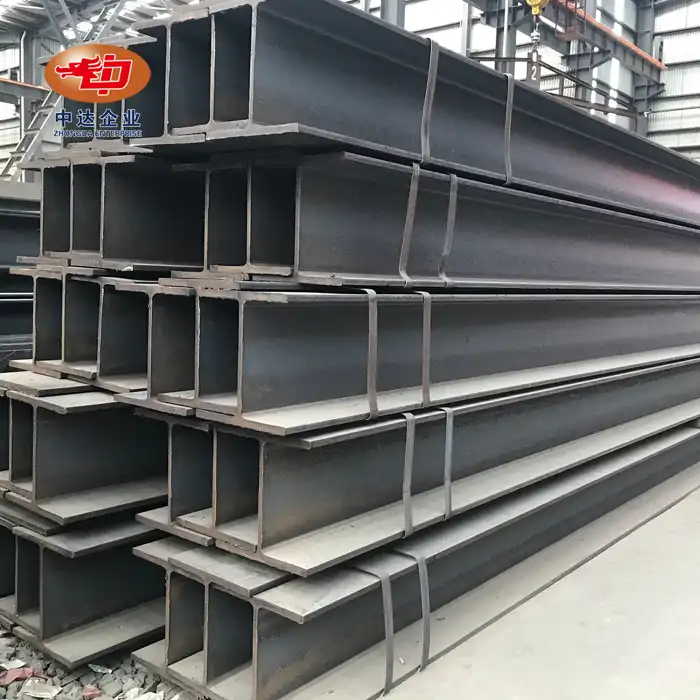
Cross-sectional shape is also very important for increasing load capacity. Geometric principles are used in I-beam, box girder, and truss designs to make sure that forces move through the construction smoothly. These design features work together to spread heavy loads across many support points. This lowers stress levels and improves the general performance of the structure.


Advanced Load Distribution Systems
Modern steel bridges are made with complex load-distribution systems that make the whole structure's weight-bearing ability the best it can be. Some of these engineering methods are composite deck systems, designs with continuous spans, and alternative load routes that protect against multiple failures. When these features work together, they make sure that when one part is overloaded, the forces are instantly redistributed to nearby structure elements.
Real-World Performance Benchmarks
Case studies in engineering show that modern steel bridge building has made amazing progress in carrying loads. With its cantilever form, the Quebec Bridge can hold more than 1,800 tons of rail traffic while still meeting practical safety standards. Similarly, highway traffic loads of 100 kN/m2 are common for cable-stayed steel bridges, which can also handle wind speeds of up to 200 km/h. These performance standards give people who work in buying a way to compare the needs of structures and operations that can be measured.
Enhancing Safety Through Advanced Steel Bridge Engineering
When designing a steel bridge, safety concerns go beyond simple load calculations. They also include risk management methods that protect both public welfare and infrastructure investments. Modern engineering methods use many safety layers that protect against different types of failure by using systematic redundancy and strong design principles.
Integrated Safety Features and Load Distribution
The safety architecture of a steel bridge includes multiple structural paths that keep the bridge functioning normally even when individual parts are under more stress than what was intended. These systems have different ways for loads to go, ways to stop increasing collapse, and fail-safe features that stop catastrophic failure modes. Load distribution networks automatically shift forces when structural parts get close to their limits. This makes sure that the system can keep running in an emergency.
Strategic safety gaps put into steel bridge designs usually go above and beyond the minimum legal requirements by 25 to 50 percent. This gives a lot of defense against loading situations that were not planned for. Dynamic amplification factors, changes in material properties, and building tolerances that may affect long-term performance are all taken into account by these gaps.
Maintenance and Corrosion Protection Technologies
To make steel bridges safer and last longer, proactive repair plans and improved corrosion protection systems are used together. Today's defensive layers, like zinc-rich primers and epoxy topcoats, can keep things from breaking down for 20 to 30 years. The weathering steel technology offers self-protective rust layers that keep the structure's integrity without the need to paint.
Regular inspections using non-destructive testing methods help find possible safety problems early, before they affect the structure's performance. Some of these methods are ultrasonic testing, magnetic particle inspection, and strain gauge tracking, all of which give real-time reports on the health of the structure.
Comparative Safety Analysis with Alternative Materials
In a number of important performance areas, steel bridges are safer than options made of concrete, wood, or hybrid materials. In contrast to concrete buildings, steel bridges have flexible failure modes that show obvious signs of failure before they finally fall. This trait lets maintenance be done at the right time, which stops rapid collapses from happening.
Dynamic stress resistance is another important safety benefit of building with steel. Steel's elastic qualities make it a good material for absorbing energy during earthquakes, wind loads, and shocks caused by traffic. Because of these qualities, steel bridges are great for places where there are a lot of earthquakes or strong winds, where other materials might break easily.
The Steel Bridge Construction Process: From Design to Deployment
There are several specialized steps in the steel bridge building process that make sure quality, safety, and performance standards meet or go beyond what the client wants. This all-around method combines design engineering, quality control during manufacturing, and field assembly processes to create better infrastructure solutions.
Fabrication and Quality Control Measures
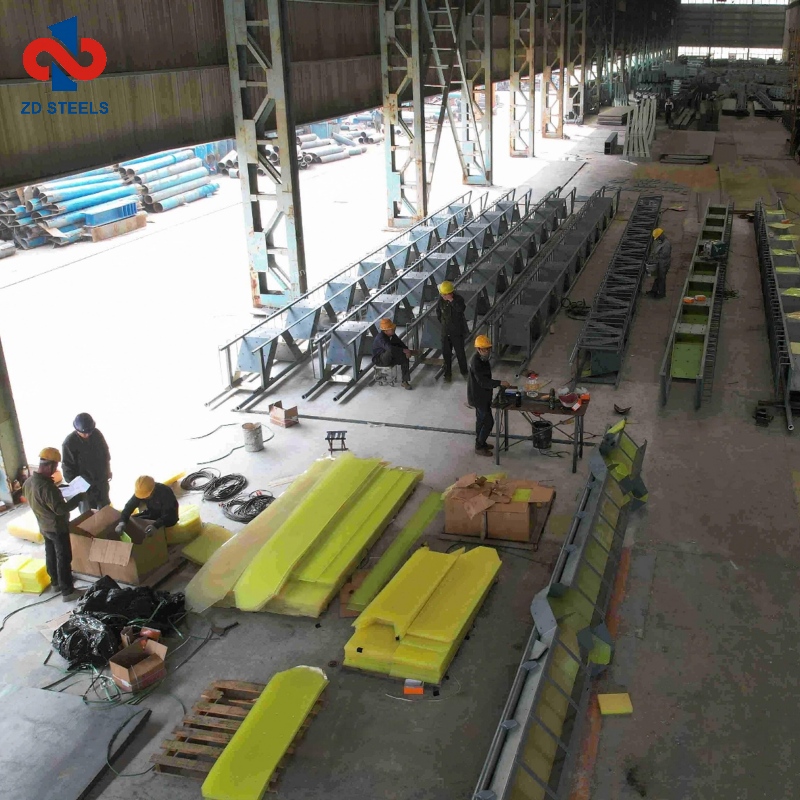
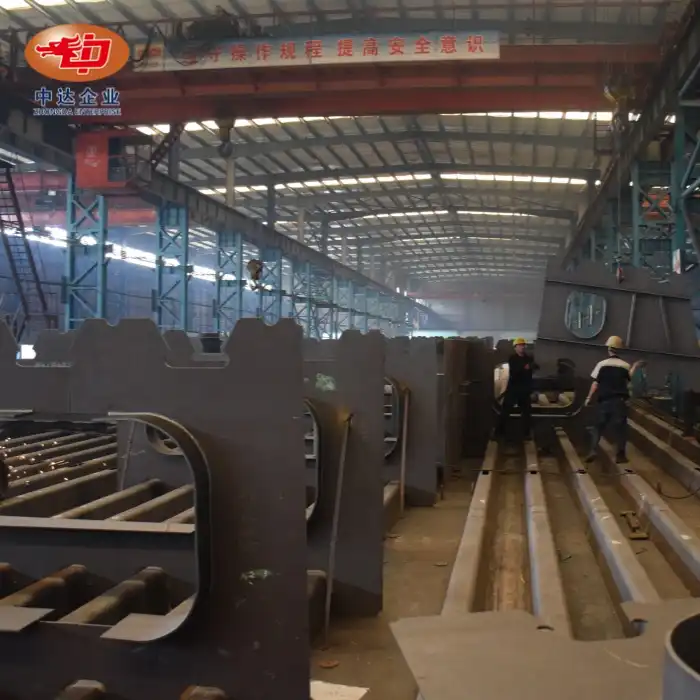
The first steps in building a steel bridge are precise cutting and shaping that must stay within 0.2mm limits. Plasma cutting, laser processing, and robotic welding systems that are managed by computers make sure that the standard of all structural parts is the same. Real-time quality tracking checks the accuracy of the dimensions, the strength of the welds, and the material's properties during all fabrication stages in these manufacturing methods.
As part of quality control, all structure elements are given a full material tracking system that keeps track of their chemical make-up, mechanical properties, and heat treatment factors. These records make everyone responsible and allow long-term performance tracking that helps with planning upkeep and making sure the guarantee is followed.
Transportation and On-Site Assembly Advantages
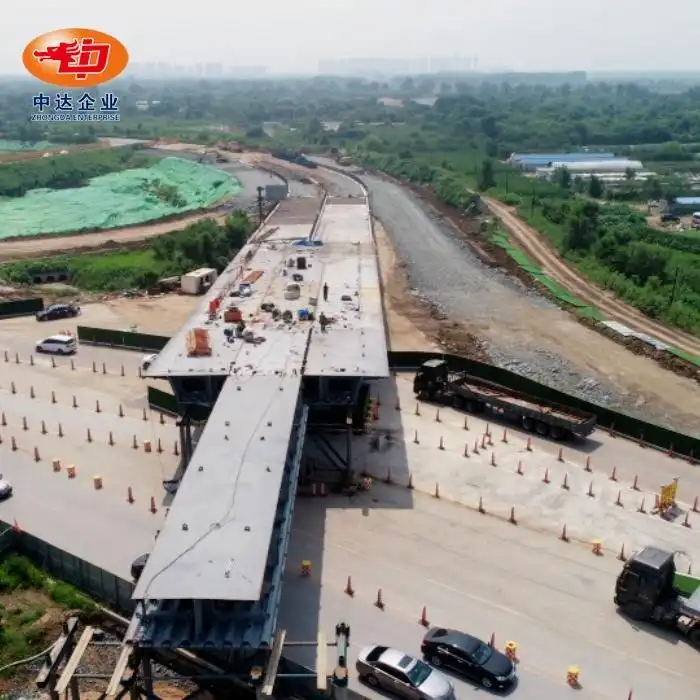
Modular building methods make it easy to move big structure parts from one place to another while reducing the need for assembly on-site. When compared to traditional building methods, pre-fabricated parts cut field construction time by 40–60%. This saves a lot of money and time on projects. These methods work especially well for projects in remote areas or places that are hard to get to for building.
With custom fabrication, changes can be made to fit the needs of each client, whether they are related to site conditions, load requirements, or design tastes. This adaptability lets you find the best options for tough setups while keeping the quality and performance standards.
Supplier Selection and Contractor Vetting Guidelines
To buy a steel bridge successfully, you need to carefully evaluate possible suppliers and builders based on their technical skills, quality certifications, and project experience. Some important things that are looked at when deciding who to hire are ISO 9001 quality management certification, EN 1090 structure steelwork standards compliance, and experience with projects of a similar size and level of difficulty.
When looking at suppliers, you should also think about how much they can make, when they can deliver, and what kind of technical help they offer to make sure the job goes well. Established suppliers with full testing facilities and skilled engineering teams offer useful project help that goes beyond just delivering products.
Comparing Steel Bridges with Alternative Materials and Types
It is clear that building a steel bridge has clear benefits when compared to other materials in a number of performance areas that have an immediate effect on the project's costs, its ability to meet practical needs, and its ability to create long-term value. These similarities give procurement workers who are looking at infrastructure investment choices important information they can use to make decisions.
Performance Characteristics and Lifecycle Economics
When compared to concrete bridges, steel bridges have better strength-to-weight ratios, which means they can span farther with less support. This benefit means lower base costs, less damage to the environment, and more design options. While keeping comparable load capacities, typical steel bridge spans are 30–40% longer than concrete spans.
A study of maintenance costs shows that steel building has big economic benefits over 50 to 75-year project lifetimes. When compared to concrete bridges, which may need major repairs after 25 to 30 years of work, steel structures only need upkeep every 15 to 20 years. These aspects of upkeep make it possible to accurately plan for lifetime costs and make budget predictions.
Environmental Impact and Sustainability Considerations
Steel bridge building is better for the environment because the materials can be recycled and the construction has less of an effect on the area. Steel has 25–30% recyclable material and can be recycled 95% of the time when it's no longer useful, which supports the ideas of the circular economy. Also, shorter building periods mean less damage to the environment and less time spent on traffic jams.
Carbon footprint studies show that steel bridges can have neutral lifetime emissions by being recycled and lasting longer. These benefits for the environment are in line with goals for sustainability and provide better technical performance.
Steel Bridge Design Types and Applications
Different steel bridge designs offer the best options for different span lengths, load needs, and site factors. Cable-stayed versions work best for spans between 200 and 800 meters, making them a beautiful choice for crossing large rivers and using in cities. Arch designs make the best use of materials for middle spans while also giving buildings a unique look.
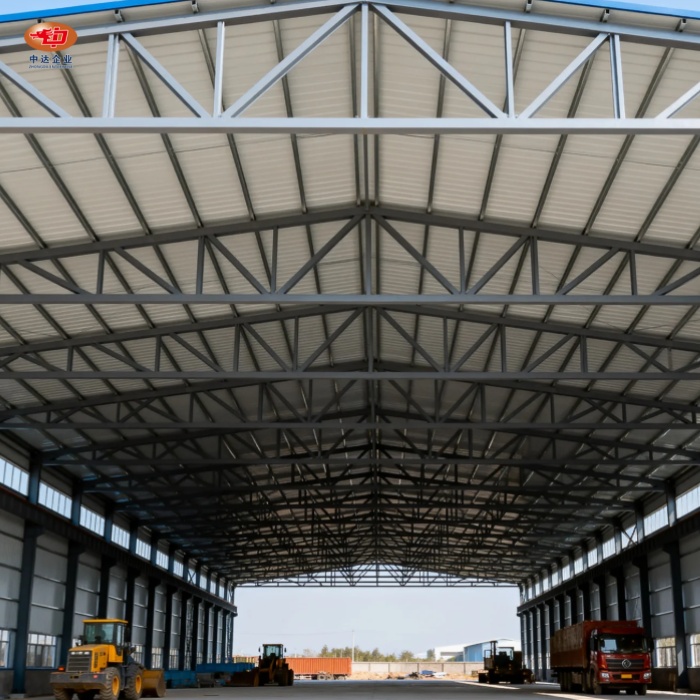
Truss designs are very flexible and can be used for both train uses and heavy industrial loads. They have also been shown to work well in harsh service conditions. These design choices let clients pick the best solutions that meet technical needs while also taking into account the project's cost and appearance.
Maintenance Tips and Lifespan Optimization for Steel Bridges
Proactive repair plans improve the performance of steel bridges, make them last much longer than the original design specs, and lower the total cost of ownership. These all-around methods combine traditional inspection techniques with high-tech tracking tools that allow for planned upkeep and the best use of resources.
Routine Inspection and Protective Maintenance
Systematic inspection procedures should include visible checks, non-destructive tests, and regular checks on the structure, all done at set times that are appropriate for the service conditions and the surroundings. Some important places to check are the details of the connections, the bearing surfaces, and the protection coating systems that show early signs of possible repair needs.
The most cost-effective way to make a steel bridge last longer is to keep the protective layer in good shape. When properly kept, covering systems can be used for 20 to 25 years with little damage to the structure. Modern coating technologies, like zinc-rich systems and ceramic-enhanced formulas, offer longer protection cycles that lower the cost of long-term upkeep.
Advanced Monitoring and Diagnostic Technologies
Adding modern sensors to structures makes it possible to keep an eye on their health all the time. This gives us information about how they're doing and lets us know early on when they need maintenance. Monitoring systems for rust, strain gauges, and accelerometers all work together to make large data networks that help with predictive maintenance plans.
Drone monitoring and diagnostic systems driven by AI are changing the way inspections are done and making assessments more accurate. These technologies allow for detailed structure evaluation without affecting traffic or restricting access. This means that tracking can happen more often at lower costs.
Compliance and Environmental Adaptation
Compliance with international standards makes sure that the performance of steel bridges meets safety and working requirements in a wide range of legal settings. Some important standards are the AASHTO bridge specifications, the Eurocode structure requirements, and the local environmental laws that control how buildings are built and maintained.
As the world changes, methods for adapting to climate change become more important. When maintaining a steel bridge, it's important to think about how changing weather trends, temperature changes, and storms might affect the bridge's long-term performance. Adaptive repair planning makes sure that safety and efficiency stay high even as service conditions change.
Conclusion
Steel bridges have the best mix of load capacity, safety, and operating dependability, which makes them the best choice for demanding building projects. Their superior strength-to-weight ratios, known upkeep needs, and long-lasting quality make them clearly superior to other building materials. The detailed engineering methods explained show how current steel bridge technology meets important building needs and provides long-lasting value and performance. These buildings are long-term investments that help with goals like public safety, economic growth, and protecting the environment in a variety of service situations and uses.
FAQ
What factors determine steel bridge load capacity?
Load capacity is based on the type of material, the way the structure is built, the cross-sectional shape, and the strength of the joints. To keep safety margins high while maximizing weight-bearing capabilities, high-tensile steel alloys, efficient beam configurations, and correct connection details all work together.
How do steel bridges enhance transportation safety?
Steel bridges have multiple load lines, fail-safe systems, and flexible failure modes that show signs of failure before they finally give way. These safety features, along with known upkeep needs, make sure that the system works well in a variety of situations.
What maintenance strategies optimize steel bridge lifespan?
Regular inspections, new protective coatings, and advanced tracking systems are all parts of proactive upkeep. Systematic methods that use non-destructive testing and sensor tracking make it possible to find problems early and do cost-effective repairs that make things last longer than the design standards say they should.
Partner with Zhongda for Superior Steel Bridge Solutions
When it comes to steel bridge building, Zhongda Steel offers world-class solutions that blend precise fabrication with cutting-edge design. Our compliance with EN 1090 and ISO 9001/14001/OHSAS 45001 standards make sure that every project meets the best quality and safety standards. We offer custom steel bridge solutions that improve load capacity and operating safety for a wide range of infrastructure needs. With 20 years of experience and cutting edge BIM-driven prefabrication technologies, we can do this. Get in touch with our engineering team at Ava@zd-steels.com to talk about your steel bridge project needs and find out why top building companies choose Zhongda as their steel bridge provider of choice.
References
American Association of State Highway and Transportation Officials. "LRFD Bridge Design Specifications, 9th Edition." Transportation Research Board, 2020.
Chen, Wai-Fah, and Lian Duan. "Bridge Engineering Handbook: Construction and Maintenance." CRC Press, 2014.
European Committee for Standardization. "Eurocode 3: Design of Steel Structures - Part 2: Steel Bridges." British Standards Institution, 2019.
Katula, Laszlo, and Miklos Dunai. "Fatigue Life Prediction of Steel Bridges Using Advanced Monitoring Systems." Engineering Structures, vol. 245, 2021.
Pipinato, Alessio. "Innovative Bridge Design Handbook: Construction, Rehabilitation and Maintenance." Butterworth-Heinemann, 2016.
Zhao, Jun, and Michael Tonias. "Bridge Engineering: Design, Rehabilitation, and Maintenance of Modern Highway Bridges, Fifth Edition." McGraw-Hill Education, 2020.
YOU MAY LIKE