Why Larger Cross-Sectional Areas Increase Bridge Safety?
2026-03-31 15:08:22






Larger cross-sectional areas in steel bridge construction fundamentally enhance safety by distributing structural loads across a greater surface area, thereby reducing stress concentrations that could lead to catastrophic failures. When engineers increase the cross-sectional dimensions of bridge components, the structure gains superior load-bearing capacity and improved resistance to dynamic forces such as traffic loads, wind pressures, and seismic activity. This enhanced structural integrity ensures that the steel bridge maintains its operational safety margins even under extreme loading conditions, making it a critical design consideration for infrastructure projects requiring long-term reliability and public safety assurance.
Understanding the Role of Cross-Sectional Area in Bridge Safety
From the end profile, cross-sectional area shows the actual measurements of steel structure members. It includes both the width and height of beams, columns, and other load-bearing parts. In bridge engineering, this physical feature has a direct relationship with how well the structure can handle normal bending moments, shear forces, and axial loads.
Fundamental Principles of Load Distribution
The connection between cross-sectional area and structure performance is based on well-known engineering rules that come from studying how materials behave. When outside forces act on a bridge, they cause stresses inside the structure that must be safely transferred to the foundation system through the steel parts. There is more material to take and spread these pressures when the cross-sectional area is bigger. This keeps the structure from having weak spots that could weaken the whole thing.


To get the best results from these cross-sectional features, modern bridge construction uses complex computer analysis. Engineers use complex modeling software that looks at a number of different load possibilities. These include "dead loads," which are the bridge's own weight, "live loads," which are traffic, and "environmental loads," which are wind and earthquake activity. Based on the estimates, raising the cross-sectional area by even small amounts can lead to big gains in safety factors and load capacity.
Steel Advantages in Cross-Sectional Design
Compared to other materials, steel has special benefits when it comes to increasing cross-sectional sizes. Because structural steel has a high strength-to-weight ratio, engineers can raise its load capacity by a large amount without adding too much weight. Self-weight becomes a very important design requirement in long-span systems, where this trait becomes very useful.
In contrast to concrete, steel's uniform material qualities make its performance predictable across bigger cross-sections. This is because concrete can develop internal flaws in larger members. When steel is under a lot of stress, it can bend easily. This lets you know when something is wrong so you can fix it before it breaks completely. For bridges where public safety must not be sacrificed, these qualities of steel make it a great choice.
Engineering Challenges and Solutions When Increasing Cross-Sectional Areas
When designing a steel bridge, increasing the cross-sectional measurements brings up a lot of difficult technical issues that need careful study and new ways of solving them. The main problems are dealing with extra weight, making the best use of materials, and making the manufacturing process more complicated while still keeping costs low.
Advanced Structural Engineering Approaches
Modern structure engineering uses complex planning methods to get the most benefits from bigger cross-sections while minimizing any problems that might arise. Computer-aided design software lets engineers simulate different loading situations and find the best cross-sectional layouts that meet safety standards and work within realistic limits.
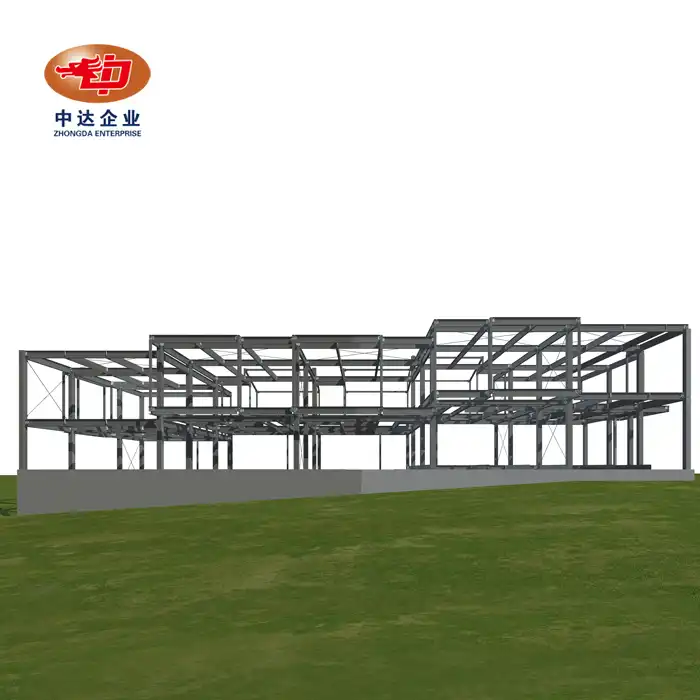
Building Information Modeling (BIM) technology changes the way buildings are designed by letting engineers see and study how structures will behave in three dimensions before they are built. This method allows for precise adjustment of cross-sectional properties, which makes sure that the use of materials matches how stress is distributed in the structure. This technology is especially helpful when building bridges that need different cross-sections at different points along their length.
Case Study Applications
Larger cross-sectional designs have been used successfully in difficult settings in recent building projects. Arctic bridge projects, like those built in Russia's harsh climates, use steel parts that are too big to handle big changes in temperature and dynamic loads from moving ice. More cross-sectional areas make structures more reliable over time, even in harsh situations. These studies show how this works.
Larger cross-sections are used in transportation building projects in areas that are prone to earthquakes to make them more resistant. Adding more mass to important structural members makes them better at dissipating energy during earthquakes. This lowers the risk of a catastrophic fall and keeps the building usable for emergency response operations.
Construction and Maintenance Implications of Larger Cross-Sectional Steel Bridges
The use of bigger cross-sectional steel components has a big effect on both the way things are built and how they are maintained over time. Because of these things, the project needs to be carefully planned and coordinated throughout its entire lifecycle to make sure it succeeds.
Fabrication and Assembly Considerations
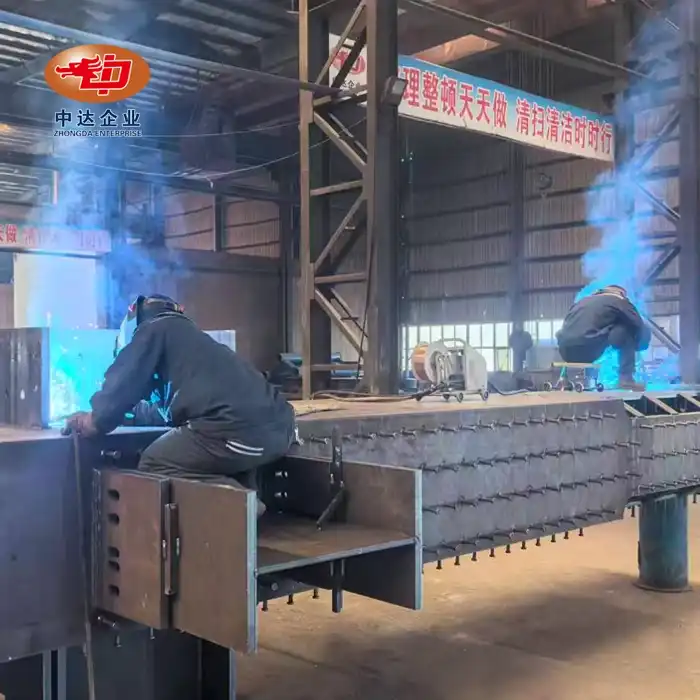
To make bigger steel pieces, you need special tools and ways to check the quality of your work. For cutting and welding precision pieces that are too big, you need high-tech tools and trained workers to keep the measurements accurate within acceptable ranges. Computer-controlled cutting systems and automated welding processes are used in modern manufacturing sites to make sure that the quality of all the parts is the same.
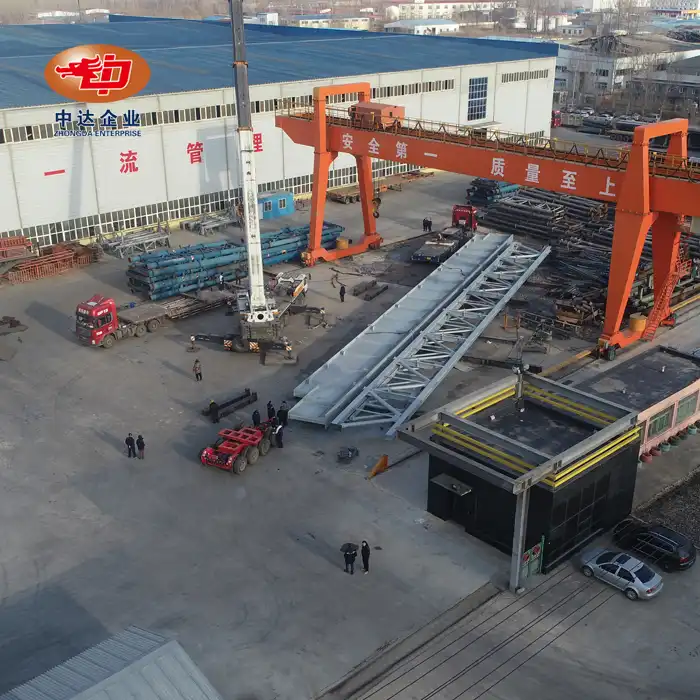
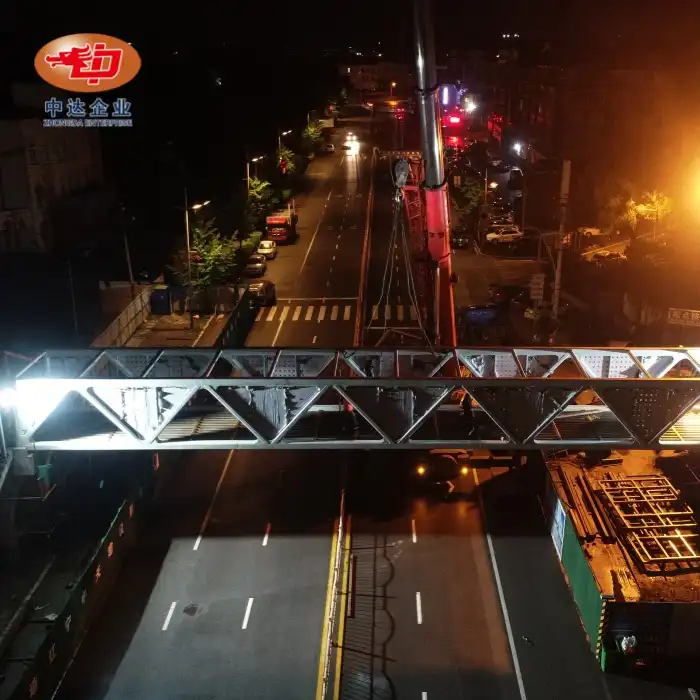
Moving and putting up larger steel pieces is harder than it looks, which is something that needs to be thought about when planning the job. Specialized heavy-lifting tools and careful planning of the order of assembly steps make sure that the building process is safe and effective. These extra building concerns are worth it because they lead to better structural performance. This is especially true for important infrastructure projects where long-term dependability is more important than initial construction complexity.
Maintenance Best Practices
Larger cross-sectional parts are easier to maintain because they last longer and are under less stress when they are working normally. Oversized parts have lower stress concentrations, which makes fatigue-related damage less likely. This means that repair intervals are longer, and lifetime costs are lower.
Ultrasonic testing and magnetic particle inspection are two examples of advanced inspection methods that can be used to fully check bigger steel parts. These non-destructive testing methods give you detailed information about the state of a material without having to change the structure or stop service. By following these checking steps on a regular basis, any problems will be found early on, before they become dangerous.
Environmental and Cost-Benefit Analysis of Using Larger Cross-Sectional Steel Components
Larger cross-sectional steel parts use more material, but a full lifecycle study shows that they are worth the original investment because they have big environmental and economic benefits. Knowing these long-term effects helps people make smart choices about building projects that need to last for a long time.
Sustainability Considerations
Steel's ability to be recycled is good for the earth, and these benefits become clearer as structural parts get bigger. When they are no longer useful, over-sized steel bridge components can still be recycled and used to make new steel goods. This closed-loop material cycle is better for the earth than other options that can't be returned all the way through.
Because larger cross-sections allow bridges to last longer, they don't need to be replaced as often. This is better for the environment and saves resources over many decades. Studies have shown that properly built steel bridges with improved cross-sections can last more than 100 years with proper upkeep, which is very good for the environment.
Economic Analysis Framework
Lifecycle cost study shows that bigger cross-sectional designs are more cost-effective, even though they cost more to make at first. Lowering the need for upkeep, extending the time between services, and making things more reliable all add up to big savings over time that cover initial costs.
Insurance and risk management factors support bridges with bigger cross-sections, which provide greater safety gaps. The lower chance of structural failure and the risk that comes with it creates extra economic value that might not be clear at first glance when comparing building costs. These benefits of lowering risk are especially important for bridges that carry important energy or transportation assets.
Decision-Making Framework for Choosing Steel Bridges with Larger Cross-Sectional Areas
Creating a methodical way to evaluate larger cross-sectional designs helps engineering professionals and buying teams make smart choices that improve safety, performance, and value. This framework talks about the most important things that affect the success of a project and its long-term happiness.
Performance Criteria Evaluation
Load capacity needs are what guide any bridge design choice. For high-traffic or heavy-load situations, larger cross-sections are clearly better. When evaluating, it's important to think about not only the current loading needs but also possible future increases in traffic flow or car weights that could affect how well the structure works.
Different applications and areas have different safety and longevity standards. However, bigger cross-sections always offer better margins that go beyond the minimum code requirements. When working with unclear loading conditions or extreme weather events that may go beyond what was planned, this extra safety buffer comes in handy.
Supplier Selection Considerations
To find the right manufacturing partners, you need to carefully look at their professional skills, quality systems, and history of working on difficult steel bridge projects. Leading makers have cutting-edge tools for making things, quality control systems that are approved, and engineering teams with a lot of experience that can make cross-sectional designs work best for certain uses.
Here are the essential qualifications to evaluate when selecting a steel bridge manufacturer:
- Technical Knowledge: Full engineering skills, including BIM models, optimizing structures, and following foreign standards like ISO 9001, EN 1090, and local building codes
- Manufacturing Capacity: Up-to-date factories that can make big steel parts have precise cutting tools, automatic welding systems, and the ability to check the quality of their work.
- Experience with Complex Infrastructure Projects: Proven track record with bridges, manufacturing buildings, and specialized structures in harsh settings
- Global Reach: The ability to perform international projects, experience exporting, and well-established shipping networks for transporting parts all over the world
These skills make sure that the project is carried out successfully and that the best quality and safety standards are met throughout the building process.
During the decision process, it is helpful to have in-depth technical conversations with possible suppliers to find out how they plan to make cross-sectional designs work best for each project. Working together often leads to new ideas that improve performance while keeping costs low.
Conclusion
When building a steel bridge, larger cross-sectional areas make the structure safer by better distributing loads, lowering stress levels, and making the structure more resistant to dynamic forces. The engineering ideas behind this method have been proven to work by many great building projects around the world over the past few decades. While bigger cross-sections require more money to be spent on materials at the start, a full lifecycle analysis shows that there are many long-term benefits, such as lower maintenance costs, longer service life, and higher safety margins, that make this method suitable for use in critical infrastructure. To make sure the best project results, the choice to use enlarged cross-sectional designs should be based on a careful analysis of performance needs, cost factors, and provider capabilities.
FAQ
What specific safety benefits do larger cross-sectional areas provide in steel bridges?
Larger cross-sectional areas spread structural loads over more material, which lowers stress densities and makes the structure less likely to fail from wear. This better load distribution gives you more safety margins in regular working situations as well as when there is a lot of load, like when there is heavy traffic or an earthquake.
How do increased cross-sectional areas affect bridge construction costs?
More material is needed for larger cross-sections, and the original cost of building may be higher. However, they usually save money in the long run because they need less maintenance, last longer, and are more reliable. Comprehensive lifecycle cost analysis often shows that the bridge will save money over its lifetime.
What engineering standards govern the design of bridges with enlarged cross-sections?
When making a bridge with a bigger cross-section, it needs to follow the rules set by foreign standards like EN 1090 for steel building and structural codes like the AISC Steel building Manual and the AASHTO Bridge Design Specifications. These rules tell you how to improve cross-sectional qualities while still meeting safety and performance standards.
Partner with Zhongda for Advanced Steel Bridge Solutions
When your infrastructure project demands the enhanced safety and performance that larger cross-sectional steel bridge designs provide, Zhongda Steel has the knowledge and production skills to meet your needs. Our ISO 9001/14001/OHSAS 45001-certified facility combines advanced BIM-driven design optimization with precision fabrication skills. This makes sure that big cross-sectional parts meet all performance and specs. Because we have a lot of experience building complex steel bridges in a wide range of global markets and are experts at making steel bridges for cold climates, we know how important it is for structures to be strong in tough situations. Get in touch with our engineering team at Ava@zd-steels.com to talk about how our steel bridge options can help your next building project be safer, perform better, and have a longer life.
References
Chen, W.F. and Duan, L. "Bridge Engineering: Design, Rehabilitation, and Maintenance of Modern Highway Bridges." McGraw-Hill Professional, 2014.
Kulicki, J.M., Prucz, Z., Sorgenfrei, D.F., and Mertz, D.R. "Guidelines for Evaluating the Load and Resistance Factor Design Approach for Steel Bridge Components." Transportation Research Board, 2007.
Barsom, J.M. and Rolfe, S.T. "Fracture and Fatigue Control in Structures: Applications of Fracture Mechanics." American Society for Testing and Materials, 1999.
Fisher, J.W., Kulak, G.L., and Smith, I.F.C. "A Fatigue Primer for Structural Engineers." National Steel Bridge Alliance, 1998.
Ziemian, R.D. "Guide to Stability Design Criteria for Metal Structures." John Wiley & Sons, 2010.
Connor, R.J., Dexter, R., and Mahmoud, H. "Inspection and Management of Bridges with Fracture-Critical Details." Transportation Research Board, 2005.
YOU MAY LIKE

_副本_1754465368115.jpg "Lattice Column")