Customized Steel Structure Stadiums for Sports Projects
2026-03-30 14:19:00






Customized steel structure stadiums represent the pinnacle of modern sports infrastructure engineering, combining precision-manufactured steel components with innovative design solutions to create world-class athletic venues. These engineered facilities utilize high-strength steel frameworks, advanced prefabrication techniques, and modular construction methods to deliver superior performance compared to traditional concrete structures. A steel structure stadium offers unmatched versatility for hosting everything from Olympic Games to community sporting events, providing the durability, safety, and architectural flexibility that modern sports projects demand. The customization capabilities allow architects and engineers to create unique venues that reflect local culture while meeting international competition standards and regulatory requirements.
Understanding Steel Structure Stadiums and Their Advantages
Today's sports infrastructure needs solutions that combine cost-effectiveness, success, and care for the environment. Steel structure stadiums are now the best option for modern sports facilities because they offer a unique mix of high-quality engineering and useful benefits that are hard to find in other building methods.
Superior Structural Performance and Safety
Steel structure arenas are the best because their high-strength steel frames make them very strong. The steel used in these buildings is approved to meet Q355B and ASTM A992 standards. It has yield strengths higher than 355 MPa, which means it will work well even in harsh circumstances. Because of the way steel is naturally made, these venues can survive earthquakes up to an VIII on the Mercalli scale and still stay stable when wind speeds reach over 200 km/h.


Modern steel venues have fire resistance scores of 120 as a result of improved intumescent coating technologies that are used during the building process. This amount of fire protection is better than a lot of traditional building materials and makes big places safer for events with thousands of people. Because engineers can predict how steel will react to stress, they can plan with accurate load calculations. This gets rid of the error that comes with building with concrete and wood.
Environmental Sustainability and Resource Efficiency
Environmental concerns are becoming more and more important in big building decisions. This makes steel structure stadiums a good choice for eco-friendly investors. Steel can be recycled up to 90% of the time, so old materials can be used for something else without losing any of their quality. When compared to concrete buildings, which release a lot of carbon dioxide during production and can't be recovered properly, this circular economy method leaves a much smaller mark on the environment.
Steel components are very efficient at being made, so they produce very little waste. On the other hand, the accuracy of premade elements means that there is no material waste on-site, which is common with traditional building methods. With roof frames made to fit solar panel installations and wind gathering technologies that help the building become energy independent, steel structure stadiums can also more easily integrate renewable energy systems.
Economic Advantages and Construction Efficiency
Steel structure stadiums have many advantages for the economy that go far beyond their initial investment. Compared to concrete options, these buildings usually save 23% over their lifetime costs. This is mostly because they need less upkeep and last longer. The galvanizing steel parts don't rust, so they don't need to be fixed or treated with paint as often, which would normally cost a lot and drain stadium budgets.
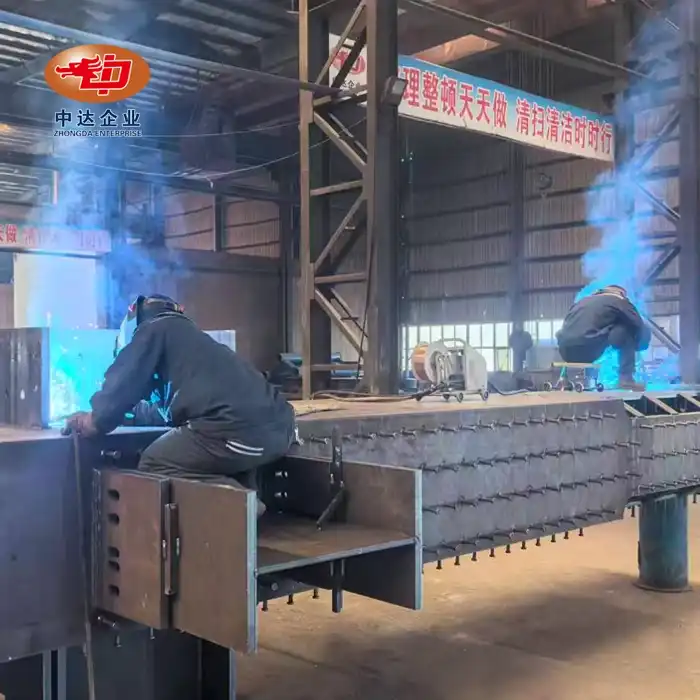
Additionally, steel stadium projects finish 40% faster than standard ones, which is a big benefit when it comes to construction times. Most concrete stadiums take 24 to 36 months to finish, but most steel structure stadiums are done in 12 to 18 months. This speeding up is due to the prefabrication method, in which parts are made in controlled factories while the job site is being prepared at the same time. This greatly reduces delays caused by bad weather and problems with quality control.
Customized Design Solutions for Steel Structure Stadiums
Because steel building is so flexible, architects and engineers can make truly unique solutions that meet the needs of each project while still being structurally sound. While ensuring adherence to local building codes and international safety standards, modern steel structure stadiums can fit a variety of design ideas.
Capacity Scalability and Modular Design
Steel-frame stadiums can be built in any size, from small neighborhood venues with only 5,000 seats to huge mega-stadiums with 100,000 or more seats that are perfect for World Cup events. The modular design theory lets buildings grow in the future without affecting their structural stability. This gives communities that are growing or changing sports needs long-term flexibility. This ability to adapt to different sizes also includes custom plans that can be used for different sports, retractable roof systems, and playing grounds that can be changed.
Because steel building allows for clear spans, there is no need for internal support columns. This means that all viewers, no matter where they are sitting, can see clearly. Modern steel stadiums can have lengths of more than 300 meters without the need for middle supports. This makes the interiors very large, which is great for fans and also makes the venue movable.
Climate-Specific Engineering Solutions
Geography and climate have a big impact on how stadiums need to be built, so they need to be customized for the best performance. Steel-framed arenas can be built with special coatings and treatments that make them resistant to all kinds of weather, from hot warm conditions to cold Arctic conditions. When choosing materials, local natural factors are taken into account. These can include the amount of salt air in coastal areas, changes in temperature in continental climates, and patterns of rainfall that affect how much drainage and snow loading is needed.
Modern technologies for weathering steel, such as specialized anti-corrosion processes, make arenas last longer in harsh settings. These methods have worked well in a variety of places around the world, from Southeast Asia, which is prone to monsoons, to the Pacific Rim, which is prone to earthquakes. This shows that steel building can be adjusted to fit different environments.
Architectural Integration and Cultural Expression
Customization includes more than just structural concerns; it also includes artistic expression and societal importance. Traditional design elements, unique geometric patterns, and symbolic elements that reflect local history can be used in steel structure stadiums while still making them useful. Because steel is so flexible, it can be used to make buildings with complex curved surfaces, new façade systems, and unique roofline shapes that become landmarks in their communities.
It's easier to add current technologies like smart building controls, LED lighting systems, and better soundproofing when you build with steel because utilities can be easily run through steel frames. This level of technological ready makes sure that customized venues can handle updates and new technologies as they come out over the course of their useful lives.
Procurement and Construction Process for Customized Steel Stadiums
From the first ideas for designs to the final finishing, the buying and building of customized steel stadiums requires careful planning between many parties. When procurement workers understand this process, they can make choices that improve project results while minimizing risk and upholding quality standards.
Strategic Planning and Design Development
For steel stadium projects to be successful, they need to start with careful planning that makes sure the artistic goal, functional needs, and budget are all met. During the design development phase, the planned facility is checked for regulatory compliance, capacity planning, and thorough site analysis to make sure it meets all stakeholder standards. During this stage, architects, structural engineers, and steel fabricators work together to make the plan better for both performance and ease of construction.
Building Information Modeling (BIM) technology is an important part of modern steel stadium design because it lets designers see exactly what the stadium will look like and find any problems before the building starts. This digital method cuts down on design mistakes, change orders, and making sure you have the right amount of materials for planning your purchases. When BIM is combined with production processes, the design purpose and industrial skills work together without any problems.
Supplier Selection and Quality Assurance
Picking the correct steel building manufacturer is a significant purchasing choice that affects the success of the job in many ways. Suppliers who are qualified must show that they are certified by ISO 9001, follow EN 1090, and have experience working on big stadium projects. Facility audits, studies of similar projects, and checks of industrial skills, such as crane capacity and quality control methods, should all be part of the evaluation process.
To make sure long-term performance, quality assurance methods must include certifications for materials, welding techniques, and surface treatment instructions. Manufacturers with a good reputation give full mill test certificates for all steel parts and keep detailed quality records during the whole production process. This paperwork is needed for government approvals and makes it possible to track things for warranty claims and planning future upkeep.
Construction Sequencing and Risk Management
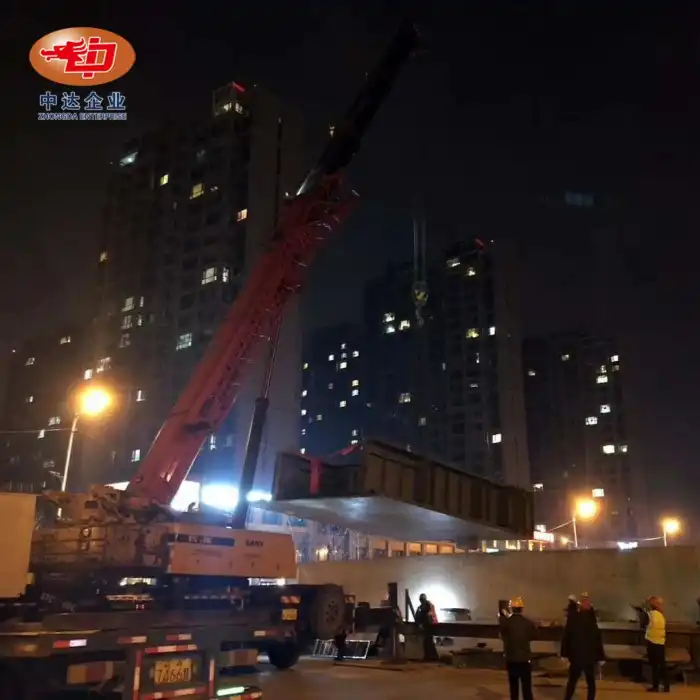
Prefabricated assembly makes the building phase of steel stadium projects more predictable and faster. Preparation on-site can happen at the same time as production off-site, which makes the plan more efficient and cuts down on delays caused by bad weather. Because steel construction is flexible, it can be put together in stages that cause as little damage as possible to the surrounding areas while still following safety rules for large-scale building projects.
Logistics planning, the availability of skilled workers, and possible supply chain disruptions are all things that risk management methods need to think about. Steel stadium workers with a lot of experience keep backup plans for activities that are on the vital path and set clear communication rules with everyone involved in the project. Using experienced erection teams that are familiar with building steel structure stadiums out of steel makes sure that the building is put together safely and quickly, while still keeping the level of accuracy needed for complex geometric shapes.
Decision-Making Guide for B2B Clients: Choosing Customized Steel Stadium Solutions
When procurement professionals look at steel stadium options, they have to weigh a lot of things, such as the stadium's performance needs, its budget, its timeline, and its long-term operating goals. This method for making choices gives you the analytical tools you need to make smart decisions about procurement that are in line with your organization's goals.
Performance and Specification Analysis
Before evaluating steel stadium options, it's important to have a good idea of what performance levels are needed for the specific use and setting. The span lengths, capacity needs, and load-bearing standards must all match the goals for the sports activities and the spectator experience. These technical needs decide the choice of materials, the design of the structure, and the manufacturing specifications that affect both the original prices and the long-term performance.
Different places have very different seismic concerns, wind load needs, and temperature cycle requirements that need to be carefully thought through when the specs are being made. Steel performs better in seismic zones, which makes it a popular choice for stadium projects in areas that are prone to earthquakes. The malleability and reliable behavior of steel building provide higher safety margins than more brittle materials like concrete.
Supplier Evaluation and Risk Assessment
When choosing steel stadium providers, it's important to look at their technical skills, financial security, and project management skills. The manufacturing capacity, which includes the size of the crane and the rate of production, must match the quality standards and time requirements of the project. Suppliers who have 100-ton bridge cranes and other advanced manufacturing tools can handle big stadium parts with the accuracy needed to complete the job successfully.
Reviewing a supplier's project resume can help you understand how they've worked on projects of a similar size and level of difficulty, and talking to references can help you learn about their success history and ability to solve problems. A financial review makes sure that the supplier will be stable throughout the project, and quality certifications make sure that the supplier is following international standards and best practices that are necessary for building a stadium.
Cost-Benefit Analysis and ROI Calculations
When figuring out the return on investment (ROI) of steel stadium assets, it's important to look at both the original capital needs and the long-term operating benefits. Even though steel arenas may cost more to build at first than some other options, the lower lifetime costs usually pay for themselves within 10 to 15 years of use. These saves come from not having to do as much upkeep, the equipment lasting longer, and the benefits of saving energy that build up over time.
Being able to change and add on to steel buildings to meet new needs adds extra economic worth that should be measured in return on investment (ROI) calculations. Because steel construction is flexible, it is easy to add more space, change the layout, or update technology without spending a lot of money. This keeps the building useful and able to make money for a long time.
Conclusion
Customized steel structure stadiums are the best way to build modern sports infrastructure projects that need to be high-performing, low-cost, and good for the environment. Steel stadiums are the best choice for projects ranging from community sports facilities to international competition grounds because they are easy to build, require little maintenance, and can be designed and built quickly. Because steel construction is scalable, durable, and flexible, it has long-term value that goes far beyond the initial investment. This makes these solutions especially appealing to procurement professionals and project stakeholders who want to make long-term investments in infrastructure.
FAQ
What makes steel structure stadiums more durable than traditional concrete venues?
Steel structure arenas use high-strength steel parts with yield strengths above 355 MPa, which makes the construction more stable than concrete options. The hot-dip galvanizing methods that make protective coats that last 50 years or more keep the galvanized steel framework from rusting. Cracking and deterioration problems that are common in concrete buildings are also avoided by steel's expected behavior under stress. Additionally, the flexibility of steel construction makes it better at handling earthquakes and extreme weather.
How do construction timelines compare between steel and concrete stadium projects?
Usually, steel structure arenas are 40% faster to build than concrete alternatives. The projects take 12 to 18 months to finish, while standard construction takes 24 to 36 months. This speeding up is due to the ability to prefabricate, which lets parts be made off-site while the site is being prepared at the same time. The modular building process cuts down on delays caused by bad weather and gets rid of the need for concrete to cure, which makes project schedules more stable and allows facilities to be put into use earlier.
What capacity ranges can customized steel stadiums accommodate?
Modern steel structure stadiums can be easily expanded from small community venues with only 5,000 seats to huge international competition venues with more than 100,000 seats. Steel building can have clear spans of more than 300 meters without the need for intermediate supports. This means that all onlookers can see clearly. According to the modular design theory, facilities can grow to meet the needs of the community or change as sports standards do so without affecting their structural stability.
Partner with Zhongda for Your Next Steel Structure Stadium Project
Customized steel structure stadiums made by Zhongda Steel are the best in the world. They mix cutting-edge engineering with years of experience making high-quality products. Our ISO 9001-certified building has 100-ton bridge cranes and advanced production tools that make it possible to make complex stadium parts with great accuracy for projects all over the world. As a reliable steel structure stadium provider with more than 20 years of experience, we offer complete solutions from the initial planning phase to the final commissioning phase. This way, we can make sure that your venue meets international standards and provides excellent value. Our collection includes successful stadium projects in a range of climates and seismic zones, which shows that we can adapt our services to meet the needs of any sports venue. Get in touch with our engineering team at Ava@zd-steels.com to talk about the details of your steel structure stadium and find out how our knowledge can help you speed up the project while improving performance and cutting costs.
References
American Institute of Steel Construction. (2019). Steel Construction Manual: Specifications for Structural Steel Buildings. 15th Edition. AISC Publications.
Chen, W.F., & Lui, E.M. (2018). Handbook of Structural Steel Connection Design and Details. McGraw-Hill Professional Engineering Series.
International Association for Sports and Leisure Facilities. (2020). Guidelines for Sports Hall Design and Construction Standards. IAKS Technical Commission Report.
Nethercot, D.A. (2017). Designer's Guide to Eurocode 3: Design of Steel Buildings. Institution of Civil Engineers Publications.
Salmon, C.G., Johnson, J.E., & Malhas, F.A. (2021). Steel Structures: Design and Behavior. Pearson Engineering Series, 6th Edition.
World Steel Association. (2020). Sustainable Steel Buildings: Design Guidelines for Large-Span Structures. WSA Construction Market Development Report.
YOU MAY LIKE
_副本_1762324991500_1788850629424.jpg "steel beam construction")
 Column_1745405748146.webp "Seismic-Resistant Steel-Reinforced Concrete (SRC) Column")