





When public works projects need to source high-strength infrastructure steel, they need to make sure that the material specs, supplier certifications, and adherence to industry standards like ASTM A709 and EN 1090 are all carefully considered. Steel used in infrastructure needs to have great tensile strength, corrosion resistance, and weldability so that bridges, roads, and transit systems can last for decades. To ensure the success of a project while staying within budget, procurement managers should focus on providers with experience in making big items, quality control, and delivering on time.
Public works projects build the bridges, highways, and transit systems that link communities and must last for generations. The quality of the materials used in these important building directly affects public safety, how long the project lasts, and the cost of upkeep. When procurement managers, engineers, and workers in Europe and the United States deal with tight budgets and delivery times, they are under more and more pressure to find high-performance steel that meets strict safety rules.
Choosing the right steel for building projects isn't as easy as it might seem. It takes a lot of knowledge and planning to navigate buying when rules are hard to follow, markets change, and there is a need for specialized manufacturing. Understanding these issues helps pros make smart choices that help projects succeed.
Understanding Infrastructure Steel for Public Works
High-strength infrastructure steel is a special type of material that has been designed to meet the tough needs of public works building. This steel's improved mechanical qualities, resistance to environmental factors, and ability to meet strict safety standards make it very different from normal building materials.
Material Types and Classifications
Carbon steel, alloy steel, and weathering steel are the three most common types of infrastructure steel, and each has its own benefits for certain uses. For most structural uses, carbon steel has great strength-to-weight ratios and is cost-effective. Alloy steel adds elements like chromium, nickel, and molybdenum to make certain qualities better, like how well it resists corrosion and how it performs at high temperatures. Corten steel, which is also called weathering steel, gets a rust layer that protects it and means that in many cases it doesn't have to be painted.


Critical Material Properties
The way steel stretches, its yield and tensile strength all show how well it can handle loads in a structure without breaking. It is especially important that materials do not corrode when they are used in the ocean, in cities with high pollution, or in places where de-icing salt can get on them. Weldability has an impact on how quickly and how well the parts are made, and toughness at low temperatures makes sure the product works well in difficult conditions. To make sure that the structure works well for as long as it is supposed to, these properties have to line up with the project's needs and the area where it will be located.
Challenges in Sourcing High-Strength Steel: Key Factors to Consider
Getting infrastructure steel means dealing with a lot of different quality standards, environmental issues, and market conditions that can have a big effect on how well a project goes. Procurement experts can come up with good ways to get what they need when they understand these problems.
Quality Standards and Compliance
Infrastructure projects have to meet a lot of different standards, such as those from ASTM (American Society for Testing and Materials), EN (European Norms), and ISO (International Organization for Standardization). In the United States, ASTM A709 lists the things that structural steel for bridges must have. In Europe, EN 1090 lists how to properly build buildings out of steel and aluminum. These standards tell suppliers about the chemicals, mechanical qualities, testing methods, and paperwork that they need to have.
When you're working with infrastructure steel, you need to be able to follow each piece back to its original heat of manufacture, so material traceability is very important. This rule makes sure that the work is done properly and allows for the investigation of any performance issues that come up during the structure's service life.
Environmental Considerations and Coatings
Infrastructure steel has to deal with extreme temperatures, wetness, chemicals, and mechanical wear. Protective coating systems are very important for extending the service life of something and lowering the cost of upkeep. Hot-dip galvanizing gives great long-term protection, but the order in which the parts are made must be carefully thought about. Organic coats can be applied in a number of ways, but they may need to be fixed every so often. The choice of suitable protection systems relies on how they will be used, how they will look, and how much they will cost over time.
Strategic Criteria for Choosing the Best Infrastructure Steel
Choosing the best infrastructure steel calls for a deep analysis of the project's needs, the conditions in which the steel will be used, and expectations for how well it will work over time. This planned method makes sure that the materials used are in line with the project's needs while also making sure that the project is as cheap as possible.
Project Specification Alignment
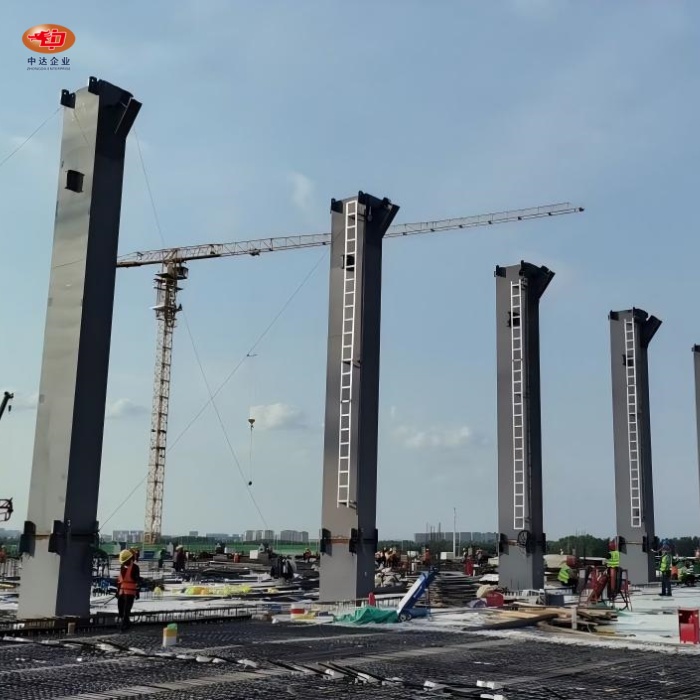
Choosing a steel grade has to take into account things like design loads, span lengths, and how long the project is expected to last. Grade 50 steel (with a yield strength of 345 MPa) works for most bridges. For very long spans or special loading situations, though, higher grades may be needed. Earthquakes, strong winds, and temperature ranges are all environmental factors that affect the choice of materials and the way things are designed.
More and more, sustainability goals affect the choice of materials used in projects that need recycled content, local buying, or certain environmental certifications. Energy used to make the product, the effect of shipping it, and the ability to recycle it at the end of its life are all things that are considered in life-cycle assessment.
Supplier Evaluation Metrics
The certification status, production ability, geographic location, and technical skills of a supplier are part of a full supplier evaluation. ISO 9001 certification shows that you have good methods for managing quality, and EN 1090 certification shows that you are good at making structural steel. The supplier's current obligations and capacity to grow operations should be taken into account so that production capacity matches the project's volume and timeline needs.
Geographic proximity has an impact on the cost of shipping, the ability to serve on time, and the strength of the supply chain. Local suppliers might be better for the environment and make it easier to talk to each other, but global suppliers might have better prices or special goods.
Effective Procurement Approaches for High-Strength Infrastructure Steel
A good procurement strategy includes a lot of study on suppliers, a competitive bidding process, and strong quality assurance rules. These help get reliable infrastructure steelthat meets the needs of the project.
Supplier Identification and Qualification
Making a list of suppliers who are good at what they do means using industry databases, trade groups, and professional networks. Financial stability, technical capabilities, quality systems, and past achievement records should all be looked at during the pre-qualification process. Site visits and capability assessments are good ways to learn about production sites, quality control methods, and the strengths of a company.
Reference checks with past customers show important information about how well deliveries are made, how often quality is consistent, and how well problems are solved. This due diligence process helps find suppliers who can safely meet the needs of the project while also lowering the risks of buying things.
Contract Negotiation and Risk Management
Good contract talks take delivery schedules, quality needs, performance guarantees, and pricing methods into account. Volume commitments might allow preferred price, and delivery terms that are easy to change might help with project schedule changes. Quality clauses should make it clear how things that don't meet the standards will be tested, inspected, and fixed.
Having multiple suppliers, managing your supplies, and planning for the unexpected are all ways to reduce risk. Having multiple suppliers makes you less reliant on just one source, and strategically placing your goods helps protect you against supply issues.
Case Studies and Industry Best Practices
Infrastructure projects show how important it is to choose and get the right kind of steel. These cases show successful methods and new trends in the industry.
Bridge Construction Excellence
The work on the Queensboro Bridge in New York City showed new ways of using steel that preserved history while also meeting the needs of current performance. The old materials were changed with high-strength weathering steel, which increased the structure's ability to hold weight while keeping its original look. Choosing the right materials and planning the construction carefully kept the impact on the environment low while making sure the building would last a long time.
Similar work in Europe has shown that using advanced steel grades makes bridges last longer and need less upkeep. These wins show that buying high-quality materials for important building projects is a good idea.
Innovation in Manufacturing and Sustainability
Using newer methods like controlled cooling, micro-alloying, and thermomechanical processing, steel makers can make their steel stronger with less alloy. These new ideas make the project more cost-effective and environmentally friendly by using less material.
Buyer's choices are more and more affected by the circular economy, focusing on planning for the end of life, recycled content, and buying locally. Using hydrogen-based methods to make "green steel" is a new trend that supports environmental goals and keeps performance standards in mind.
Zhongda Steel: Your Trusted Infrastructure Steel Partner
Zhongda Steel is a world-famous provider of precision infrastructure steel. Their work meets the high standards of public works projects around the globe. Our company, which was started in 2004 and is based in the Shenyang Economic-Technological Development Zone, has a great history of providing high-quality steel goods for important infrastructure projects.
Advanced Manufacturing Capabilities
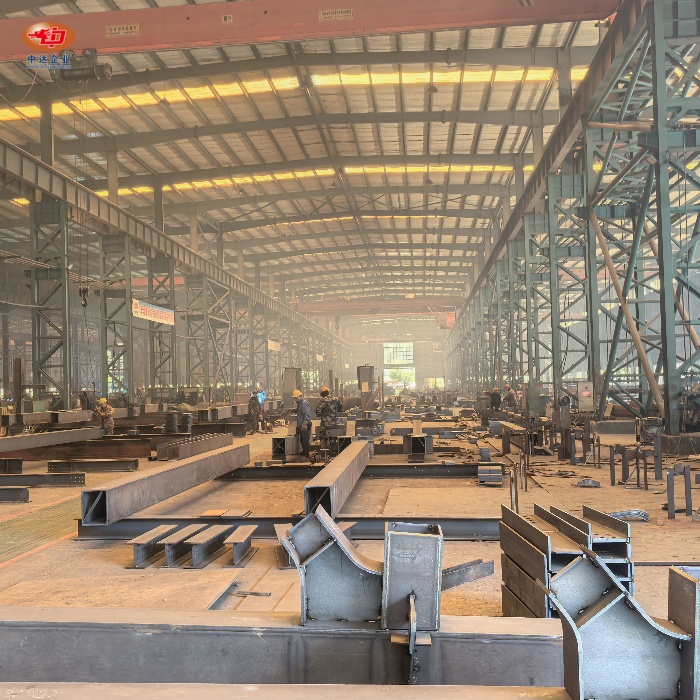
Our new 120,000-square-meter building, which can make 60,000 tons a year, uses the latest technology to help with production. BIM-driven prefabrication makes exact manufacturing possible, which lowers the time needed for installation and raises quality control. Our proprietary Weathering Steel Anti-corrosion Technology, which works at −60°C, performs very well in harsh climates. This makes it perfect for building projects in tough settings.
±0.2mm cutting precision on ultra-thick plates makes sure that important structurally correct parts are the right size. This precision production method keeps the quality high, reduces the need to make changes in the field, and speeds up the overall project timeline.
Global Certifications and Quality Assurance
Zhongda Steel has a lot of different certificates, such as ISO 9001 for quality management, ISO 14001 for environmental management, and OHSAS 45001 for health and safety at work. Our ability to make structural steel in line with European standards is confirmed by our EN 1090 certification, which gives us the confidence to do business with customers around the world.
We work with a lot of well-known companies, including China Railway, CSCEC, and BMW. We also work on a lot of projects around the world, like bridges in Russia, mining tools in Australia, and industrial hubs in Vietnam. This wide range of work shows that we can adjust our methods to different project needs, rules, and weather conditions.
Conclusion
Getting high-strength steel for public works needs to be planned out so that the technical needs, quality, and cost all come into play. Understanding the properties of materials, doing a thorough evaluation of suppliers, and making sure that procurement methods are strong enough to guarantee reliable supply chains are all things that will help you succeed. Infrastructure projects are hard, so partners are needed who know a lot about technology and production and can work with people around the world. If procurement professionals follow the steps laid out in this big guide, they can easily deal with the problems of getting infrastructure steel while making sure the project is a success and the performance lasts.
FAQs
What's the difference between normal construction steel and infrastructure steel?
Infrastructure steel has better mechanical properties and corrosion protection, and it meets strict standards like ASTM A709 and EN 1090. It is tested and checked for quality more often to make sure it works in the long term for important public works projects where failure could have terrible outcomes.
How can I find out what the right steel type is for building a bridge?
Choosing a steel grade relies on how much weight there is, how long the span is, how the environment affects the steel, and how earthquakes affect the structure. Grade 50 (with a yield strength of 345 MPa) works for most bridges. Higher grades may be needed for longer spans or special loading situations. Going over design rules with structural engineers makes sure the right materials are used.
What affects the price and supply of infrastructure steel?
Steel prices change depending on the costs of materials needed to make steel, energy prices, global demand, and political issues that cross national borders. The amount of time needed to complete an order depends on its size, the materials needed, and how it should be made. Getting to know a lot of different providers and planning your purchases ahead of time helps keep these factors under control.
Partner with Zhongda for Your Infrastructure Steel Needs
For your most difficult public works projects, Zhongda Steel uses new technology and twenty years of production experience to make the best infrastructure steel. As an infrastructure steel supplier, we can do it all, from helping you choose the right materials and making custom parts to delivering on time and providing ongoing expert support.
Our team of experts knows how hard it can be to get the right materials for infrastructure projects, whether you're building roads, bridges, or transit systems. We're ready to help you one-on-one with your exact needs. Our promise to quality and dependability is shown by our global credentials, state-of-the-art production, and history of successful work on well-known international projects.
Are you ready to find out how Zhongda Steel can help with your next building project? To talk about your needs, ask for more information about the specs, or get good prices on large orders, email us at Ava@zd-steels.com.
References
American Association of State Highway and Transportation Officials. AASHTO LRFD Bridge Design Specifications. 8th Edition. Washington: AASHTO, 2017.
Fisher, John W., et al. "Bridge Fatigue Guide: Design and Details." American Institute of Steel Construction, Chicago, 2018.
European Committee for Standardization. EN 1090-2: Execution of steel structures and aluminum structures - Technical requirements for steel structures. Brussels: CEN, 2018.
Kulak, Geoffrey L. and Gilbert Y. Grondin. "Limit States Design in Structural Steel." Canadian Institute of Steel Construction, 2019.
National Steel Bridge Alliance. "Steel Bridge Design Handbook: Construction." Federal Highway Administration, 2020.
Taly, Narendra. "Highway Bridge Superstructure Engineering: LRFD Approaches to Design and Analysis." CRC Press, 2021.
_副本_1762415806774.jpg "hangar structure")
 Column_1745405748146.webp "Seismic-Resistant Steel-Reinforced Concrete (SRC) Column")