How Zhongda Manufactures Durable Steel Truss Girder for Exports?
2026-07-01 16:37:13






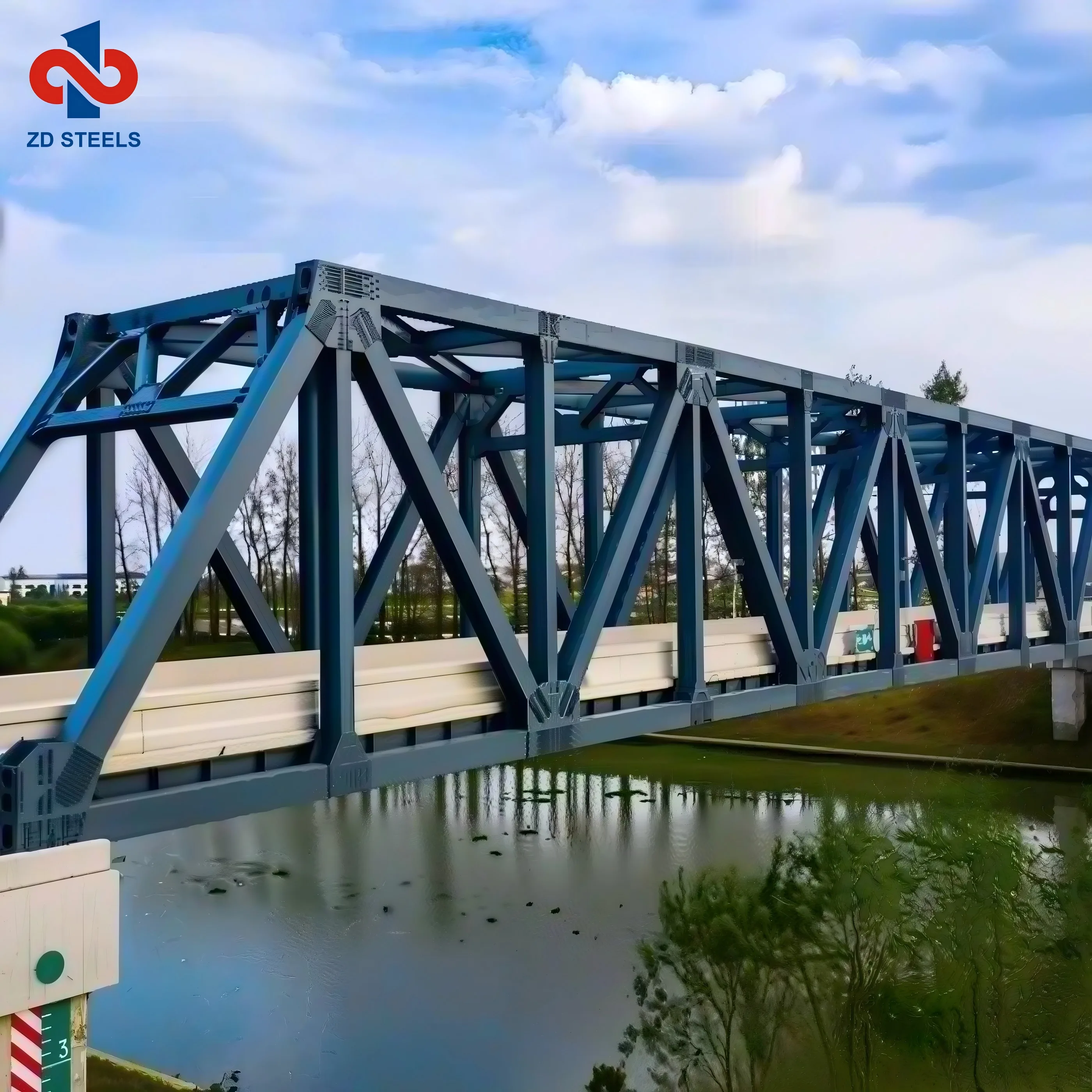
At Zhongda, we make long-lasting steel truss girders using a full process that includes finding high-quality materials, using advanced engineering software, making sure the frames are perfectly shaped, and strict quality control. Our factory in Shenyang uses BIM-driven design, automatic cutting technology with an accuracy of ±0.2mm, and anti-corrosion treatments for steel that has been exposed to -60°C weather. Each steel truss girder is structurally analyzed according to ASTM and EN standards. This makes sure that it can hold loads, is resistant to earthquakes, and will last for a long time for export markets around the world in the energy, transportation, infrastructure, and industry sectors.
Understanding Steel Truss Girders and Their Key Advantages
What Are Steel Truss Girders?
Steel truss girders are made up of three triangle-shaped frames that are linked to each other. They are intended to hold heavy loads while using as little material as possible. Unlike solid beams, these engineered assemblies easily spread stress across multiple points. This makes them perfect for bridges, industrial buildings, and transportation structures that span long distances. Compared to standard single-member systems, the triangulated geometry naturally fights bending and shear forces, making the structure more stable.
Superior Strength-to-Weight Ratio
A strong benefit that we see across all of our clients is weight economy. A well-designed steel truss girder can hold the same amount of weight as bigger options while lowering the dead load on the supports. This quality is especially helpful for building expansions, where the earth can't hold much more weight, and for projects that need to be put together quickly, where lighter parts can cut down on the time it takes to build. We have examples of commercial building projects where using optimized truss designs instead of traditional beams cut base costs by 18–22%.
Design Flexibility and Customization Options
Our engineering team uses three main types of truss setups that are each made for a particular job. Warren trusses are good for bridge spans and industrial roofs because they have equilateral triangles that spread stress evenly. Pratt trusses have vertical tension members that work well for supporting floors and conveyor belts in mines. Howe trusses change this order, which makes the best use of tension member placement for cold-chain warehouses and delivery areas that get a lot of snow. In addition to these basic designs, we change the sizes of the members, the details of the connections, and the protective coatings based on the climate, the needs of the span, and the limitations of the architecture.
Cost-Effectiveness Compared to Alternatives
When comparing solid steel truss girders to concrete girders, there are clear benefits in some situations. Concrete solutions work well in harsh marine settings and fixed infrastructure, but they need a lot of formwork, a long time to cure, and heavy lifting tools. Steel truss systems allow for prefabrication, quality-controlled shop assembly, and faster installation on-site. In our recorded projects, this cut the total project time by 30–40%. This shortening of the timeline directly leads to lower labor costs, earlier income for business companies, and fewer delays caused by bad weather.
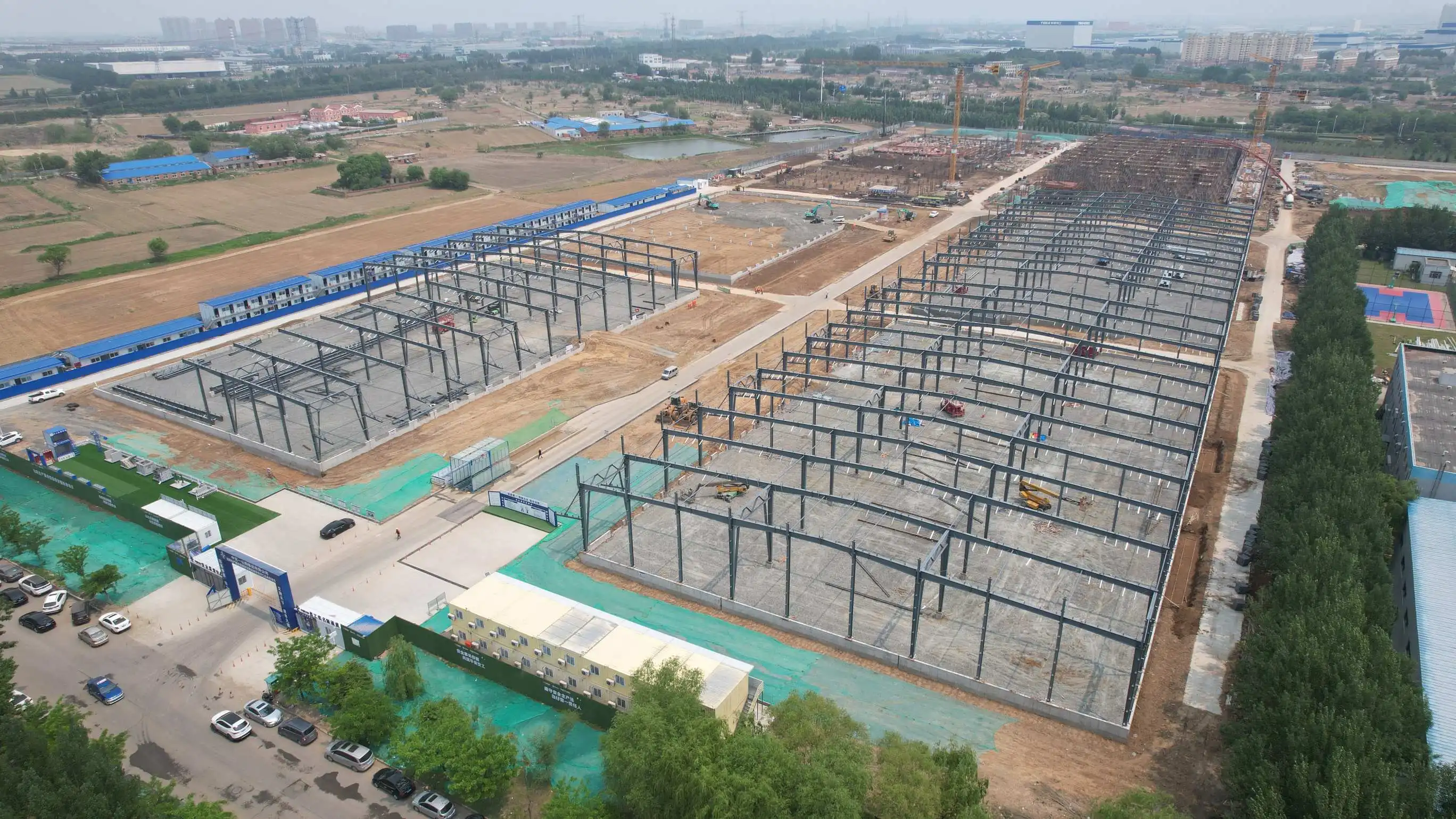
Zhongda's Manufacturing Process: Ensuring Durability and Quality
Raw Material Selection and Standards Compliance
Material purity is the first step toward quality. For foreign jobs, we get structural steel plates and sections that meet ASTM A572, A588, and A992 standards, as well as European EN 10025 standards. Before going into production, each batch of steel is tested for its mechanical properties and chemical makeup. Our purchasing team works with approved mills that give mill test certificates that can be linked to specific heat numbers. This makes sure that the metallurgical qualities of big orders are always the same. Paying close attention to where the materials come from is very important when making parts for harsh settings, like petrochemical plants that are heated to high temperatures or sites in the Arctic that are -60°C.
Advanced Design and Structural Analysis
Building Information Modeling software and finite element analysis tools are both part of our engineering process for steel truss girder. To get the best member size and link designs for a project, structural engineers use wind pressures, seismic coefficients, dead loads, live loads, and weather factors. Before manufacturing starts, this computer method finds stress concentrations, confirms deflection limits, and makes sure that the design meets foreign building codes. Customers get complete engineering packages that include calculations, shop drawings, and erection schedules. This makes it easier to work together with general builders and local officials.
Precision Fabrication Techniques
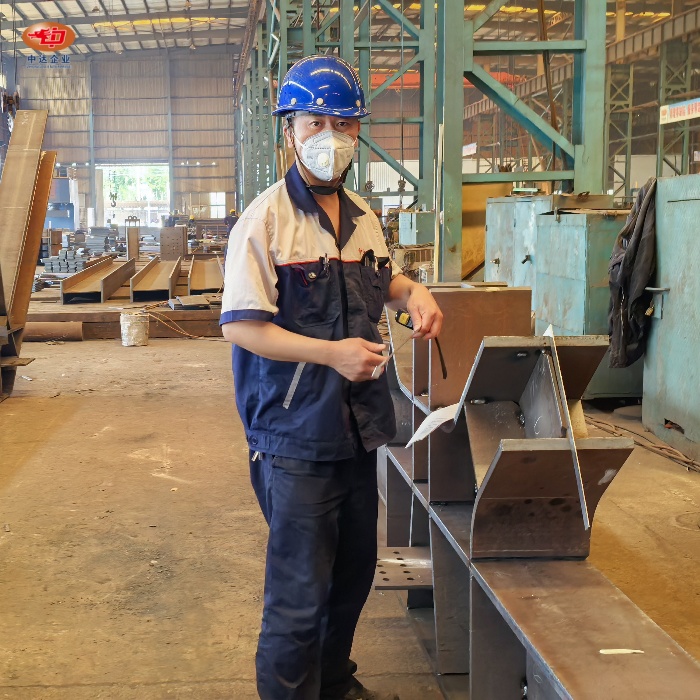
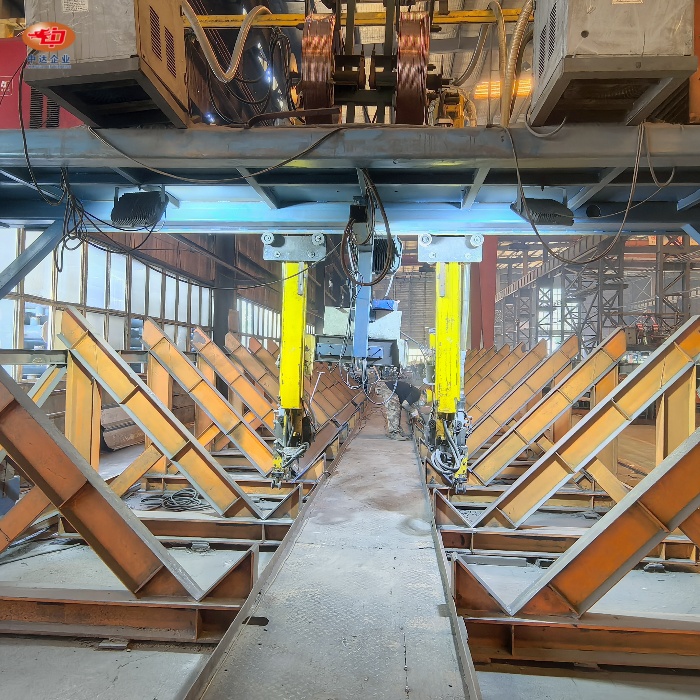
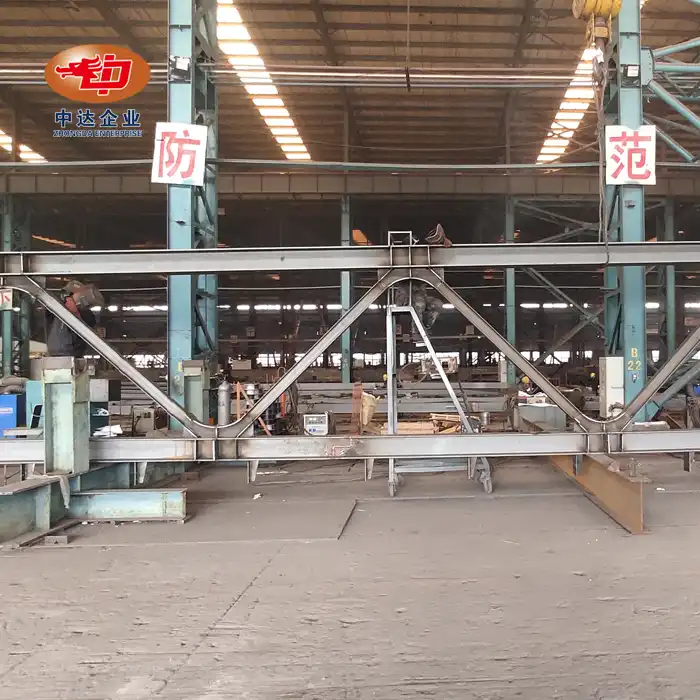
Every step of the process of making long-lasting steel truss girders needs to be done correctly. Our factory uses CNC plasma and oxyfuel cutting systems that keep plate edges within ±0.2mm standards. This makes sure that everything fits together correctly when it's put together. Automated drilling tools place bolt holes more accurately than people can, so they don't need to be adjusted in the field as often. The AWS D1.1 structural welding rules are used for the welding process, and only trained welders carry out joint designs that have already been approved. Robotic welding stations do repeated seam welds, and trained workers make connections that are more complicated and need to be done in a way that adapts to the situation.
Anti-Corrosion Protection Systems
Preventing rust is a big part of making structures last a long time. Multi-layer protection that is suited to service settings is what we use. Abrasive blasting to a cleaning level of Sa 2.5, zinc-rich primer layers, and polyurethane topcoats with a dry film thickness of 250 to 300 microns are all standard treatments. Our special -60°C weathering steel process is used on projects that will be exposed to harsh conditions like ocean salt spray, chemicals, or very cold temperatures. This special method includes choosing the right metal, cleaning the surface, and applying barrier coats that have been shown to work well on Russian Arctic bridge projects and Australian mine installations that are exposed to harsh UV light.
Comprehensive Testing and Certification
Quality verification is more than just looking at something. As part of our testing procedures, we look at welds with ultrasound waves to find cracks below the surface, magnetic particles to find cracks on the surface, and measurements to make sure the shapes are correct. Load testing makes sure that the link capacity of sample units is correct before they are shipped. Each order comes with a package of paperwork that includes certificates of materials, instructions on how to weld, reports on non-destructive testing, and records of measurement inspections. These detailed records meet the needs of customs, make it easier for a third party to check the information, and provide long-lasting proof of quality that helps with project completion and plans for future upkeep.
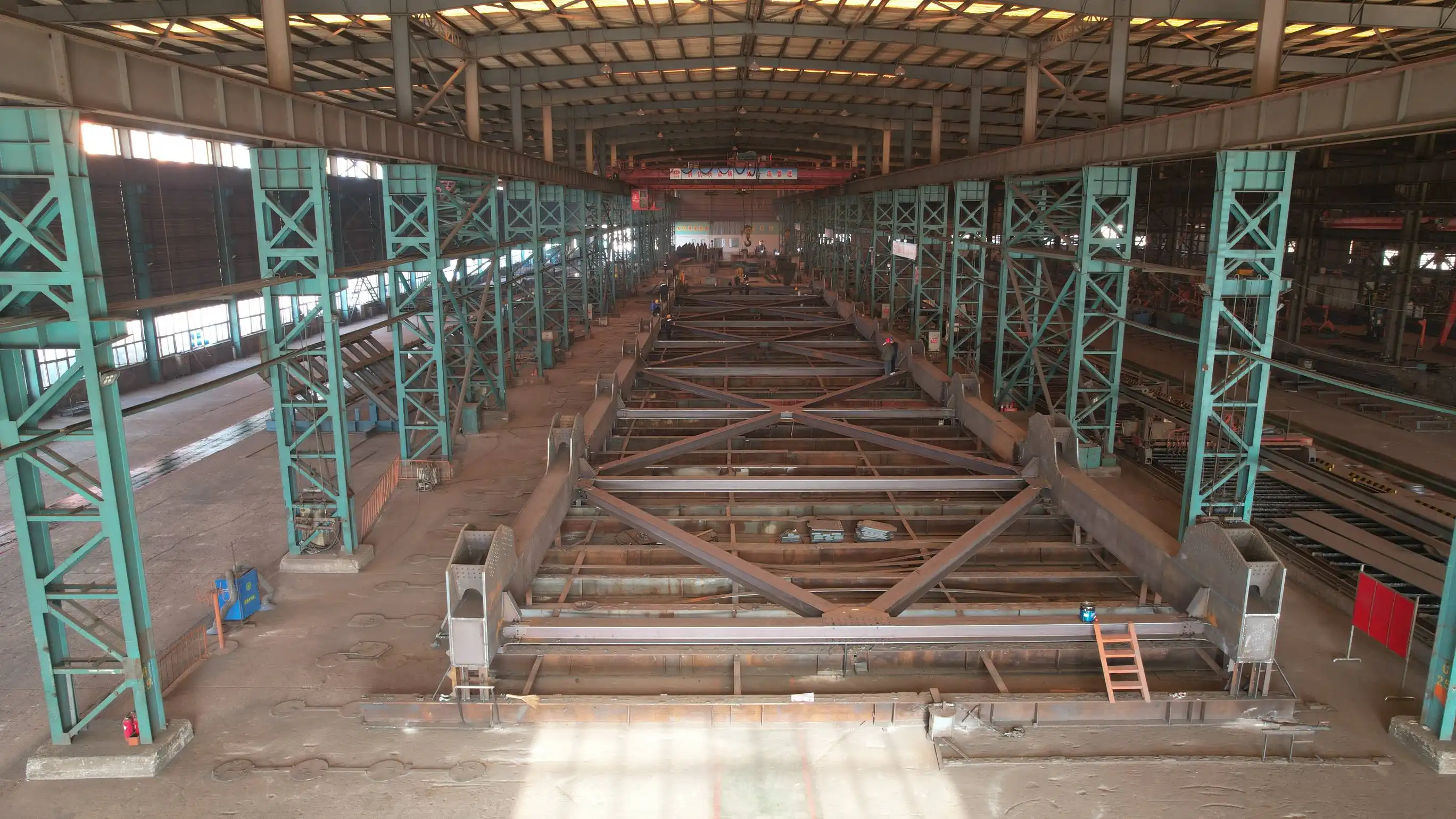
Why Choose Zhongda Steel Truss Girders? Performance and Market Comparisons?
Performance Advantages Over Alternative Solutions
When people are looking at different building choices, they often compare steel truss girders to solid plate girders, concrete beams, and hybrid systems. Each option fills a specific performance need. Solid plate girders have the highest twisting strength in small cross-sections, but they use more material. Even though rust isn't a problem with concrete beams, they are heavier and take longer to build. Composite steel-concrete systems make the best use of both materials, but they make the building and assembly processes more difficult. Steel truss girders strike a balance between these factors, making good use of materials, controlling the quality of manufacturing, predicting when they will need to be put up, and providing clear care instructions for their entire service life.
Competitive Advantages Zhongda Brings
Our method for steel truss girder is different because we integrate throughout the whole project lifecycle. In addition to making parts, we offer engineering support during the planning step to help clients find the best truss configurations for their budget and loading situations. Our 60,000-ton annual production capacity lets us handle both big infrastructure jobs and smaller industry ones without having to worry about delivery times. The ability to organize global logistics makes sure that shipping goes smoothly to all locations, whether they are on the West Coast, the Gulf Coast, or inland train links. During the manufacturing, inspection, and shipping steps, procurement teams are kept up to date through clear communication routes.
Proven Track Record in Export Projects
Our manufacturing reputation comes from projects that have gone well in other countries. For Russian Arctic bridge work, trusses had to be able to handle high temperature changes and being installed in remote areas. Structures for Australian mine conveyor systems had to be able to handle rough dust, high temperatures, and earthquakes. Vietnamese industrial parks needed solutions that were both cost-effective and could meet tight building plans. These different uses show that we can change and are technically skilled in a wide range of climates, regulatory settings, and building methods. When engineers and project managers look over our case paperwork, they always notice how well the performance standards we set match up with the results we got in the field.
Installation Guidance and Maintenance Tips for Long-Term Use
Best Practices for On-Site Assembly
Getting the base ready is the first step to a successful steel truss girder installation. Anchor bolts must be placed within certain specs, bearing surfaces must be checked to make sure they are level, and the order of assembly must match approved shop plans. Temporary bracing is suggested during building to keep things from warping before all of the links reach their full design capacity. For bolted connections, qualified inspectors must record the right way to tighten them, and for welded field splices, qualified welders must follow approved methods and warm the joints when it's cold. Safety rules include fall protection systems, clearly marked lifting areas, and ways for crane workers and people on the ground to talk to each other.
Addressing Common Installation Challenges
Field factors don't always match up with ideal expectations. Long spans can be harder to fit together when it's hot outside in the afternoon. When wind loads are put on partially built beams, they need extra temporary support. Coordinate problems can show up between the civil supports and the structural steel while it is being put together. Our expert team offers online consultations to help with these situations, including advice on how to make changes in the field, updated bracing suggestions, and ways to make adjustments that keep the structure's integrity. Shipments come with detailed erection guides that include instructions on how to tighten bolts, weld parameters, and inspection steps to make sure quality control during installation.
Maintenance Strategies Maximizing Service Life
Compared to mechanical systems, structural steel truss girders usually don't need as much upkeep. However, regular inspections can stretch their useful life and keep them from needing expensive fixes. Visual inspections done once a year find places where coatings are wearing off, connections are loose, and rust starts. Inspections every six months in harsh environments, like chemically exposed industrial facilities or seaside buildings that get hit by salt spray, let people fix problems early, before they get worse. Touch-up painting that fixes small layer damage stops water from getting in and rusting the steel underneath. After the first few load cycles, retorquing the connection takes into account any settlement and ensures the joint's long-term stability.
Zhongda's After-Sales Support Commitment
Our relationship for steel truss girder goes beyond just delivering. As clients' needs change, technical advice is still available to answer practical questions, plan changes, and assess capacity. When jobs to fix things up come up, spare connection parts, new members, and retrofit tools are sent out right away. Client maintenance teams learn how to spot early signs of trouble and take appropriate action through inspection training programs. We've kept supporting you because we know that buying choices are about long-term relationships, not one-time deals.
How to Procure Steel Truss Girders from Zhongda: A B2B Buyer's Guide?
Initiating Your Order and Customization Process
You can start the buying process for steel truss girders by sending us a request through our website, zd-steels.com, or by calling our export team directly. Our engineers can make accurate offers if you give them project drawings, loading specs, delivery dates, and any relevant codes. We can handle orders of all sizes, from a single custom truss for an equipment platform to full structural packages for industrial parks with many buildings. Minimum order requirements balance how efficiently the product is made with the client's budget, and our team works together to set realistic numbers that meet the needs of everyone involved.
Transparent Pricing Methodology
Our pricing system is based on how much the materials cost, how hard they are to make, how they need to be finished, and how much shipping costs. These parts are listed in detail in the quotes, which helps procurement managers understand what drives value and look for ways to improve things. Cost savings are created by volume agreements, standard designs, and flexible shipping plans that are good for everyone. We stay competitive by making sure that production is as efficient as possible without sacrificing quality. This way, we can give our customers long-lasting goods that will pay for themselves over many decades of use.
Global Logistics and Delivery Capabilities
Coordinating international shipping means making sure that containers are optimized, paperwork is ready, and delivery dates are in line with building goals. When needed, our shipping partners take care of clearing customs, moving goods within the country, and delivering them to the job site. Tracking systems make it possible to see shipments from the time they leave the plant until they are delivered, which makes project planning less unclear. Protective packaging keeps things from getting damaged during transport, which is very important when parts have to go through many handling points and climate zones before they get to their final destination.
Documentation and Standards Compliance
For export orders to go through, there needs to be a lot of paperwork that meets the needs of customs laws, project requirements, and quality assurance. Commercial invoices, packing lists, bills of lading, material certificates, inspection reports, and certificates of origin are all part of our usual packages. Projects that need third-party approval get organized inspection services from well-known organizations. This method of thorough paperwork avoids delays at customs, meets the needs of the contractor, and creates lasting quality records that can be used for warranty claims and future reference.
Conclusion
To make long-lasting steel truss girders for foreign sales, you need more than just basic manufacturing skills. Expertise in the material, advanced technical analysis, precise production, protective treatments that have been tested in harsh settings, and a lot of quality paperwork are all needed. At Zhongda, these parts work together perfectly in our ISO-certified factory to make structural parts that are used on bridges, in factories, in energy infrastructure, and in transportation centers all over the world. Our history of working in places from the Arctic to the tropics, from sites to warehouses, shows that we can respond to different technical needs and legal standards. Zhongda is a maker that balances innovation, capacity, and an unwavering commitment to quality. It is a good choice for procurement professionals looking for trusted partners for their next structural steel project.
FAQ
What certifications validate Zhongda's steel truss girder quality?
What certificates prove that Zhongda's steel truss girders are good? We keep our ISO 9001:2015 quality management, ISO 14001 environmental, OHSAS 45001 work safety, and EN 1090 structural steel performance class certifications up to date. Our goods meet European EN 10025 standards and ASTM standards such as A572, A588, and A992. Before a package goes out, compliance is checked by SGS, Bureau Veritas, or other organizations chosen by the client.
Can Zhongda customize truss designs for unique structural requirements?
Of course. Our engineering team works with clients to make unique configurations that meet their needs for span lengths, loading conditions, link details, and building restrictions. We offer structure calculations, shop drawings, and management of manufacturing to make sure designs meet both performance goals and budget limits. This is true whether we are adapting standard Warren, Pratt, or Howe patterns or creating completely new shapes.
How does Zhongda ensure quality during production and shipping?
Quality control checks happen when the materials are received, when they are cut, when they are put together, when the welding is done, when the paint is applied, and when the final review is done. Critical welds are confirmed by non-destructive testing like ultrasound and magnetic particle examination. Protective packaging keeps things from getting damaged during shipping, and orders come with paperwork that checks the material properties, correctness of measures, and coating thickness measurements. This methodical technique keeps integrity from the time the product is made until it is delivered to the job site.
Partner with a Trusted Steel Truss Girder Manufacturer
Zhongda blends 20 years of experience working with steel truss girders with modern manufacturing technology to make parts that meet the strict needs of foreign infrastructure projects. Our BIM-integrated design process, precise manufacturing with ±0.2mm tolerances, and tried-and-true -60°C weathering steel protection systems will make sure that your structure investments last for decades. Our engineering team is ready to talk about your unique needs, whether you need parts for building bridges, factories, energy infrastructure, or transportation centers. Get in touch with our export experts at Ava@zd-steels.com to learn more about how our steel truss girder options can help your next project's structure, schedule, and long-term value.
References
American Institute of Steel Construction. (2016). Steel Construction Manual (15th ed.). Chicago: AISC.
Chen, W.F., & Lui, E.M. (2005). Handbook of Structural Engineering (2nd ed.). Boca Raton: CRC Press.
European Committee for Standardization. (2005). Eurocode 3: Design of Steel Structures. Brussels: CEN.
Salmon, C.G., Johnson, J.E., & Malhas, F.A. (2009). Steel Structures: Design and Behavior (5th ed.). Upper Saddle River: Pearson Prentice Hall.
American Welding Society. (2015). Structural Welding Code—Steel (AWS D1.1/D1.1M). Miami: AWS.
Kulak, G.L., Fisher, J.W., & Struik, J.H.A. (2001). Guide to Design Criteria for Bolted and Riveted Joints (2nd ed.). Chicago: AISC.
YOU MAY LIKE