Safety Innovations in Steel Cable-stayed Bridge
2026-07-01 16:37:15






By solving crucial vulnerabilities through advanced material science, real-time monitoring technologies, and precision engineering, safety improvements in steel cable-stayed bridge construction have revolutionized modern infrastructure development. These new ideas are mostly about stopping rust, making structures more reliable, and using predictive maintenance systems to make bridges last longer and lower the risk of catastrophic failure. Engineered solutions today, like high-performance Q420qE steel alloys and graphene-enhanced coatings, offer procurement professionals and infrastructure makers measurable changes in how long things last, how well they handle earthquakes, and how much they cost over their whole life. Being aware of these technical advances helps people make choices about bridge systems that can survive harsh weather conditions and keep working properly for decades.
Understanding Safety Challenges in Steel Cable-Stayed Bridges
Modern bridge infrastructure is under more and more stress from old systems, changing weather, and more traffic. When making long-term investments in infrastructure, it's important to be aware of the unique weaknesses that come with cable-stayed configurations.
Cable Corrosion and Material Degradation
In any steel cable-stayed bridge, the most fragile part is still the cable systems. Infiltration of moisture through protected sheaths speeds up the oxidation process, especially in mooring zones where there is a lot of stress. Studies from the Transportation Research Board show that about 60% of early bridge repair tasks are caused by corrosion that leads to wire breakdowns. Traditional galvanization only protects for a short time; in seaside or industrial settings, it usually breaks down within 15 to 20 years. Electrochemical conditions like salt spray, acidic rains, and changing temperatures can damage wires long before damage can be seen on the surface.
Fatigue and Load Distribution Complexities
Over time, repeated loading cycles cause tiny cracks to form in the cable strands and tower links, which lowers their ability to hold weight. The American Association of State Highway and Transportation Officials (AASHTO) says that tiredness should be a main concern when designing roads, especially for spans longer than 400 meters, where wind-induced waves make stress changes more noticeable. When loads aren't spread out evenly across wire lines, they build up localized stress concentrations that speed up material failure. When using traditional designs with uniform cable spacing, tension distribution isn't always optimized. This means that some wires carry more weight than others during times of high traffic or weather loading.
Environmental and Seismic Vulnerability
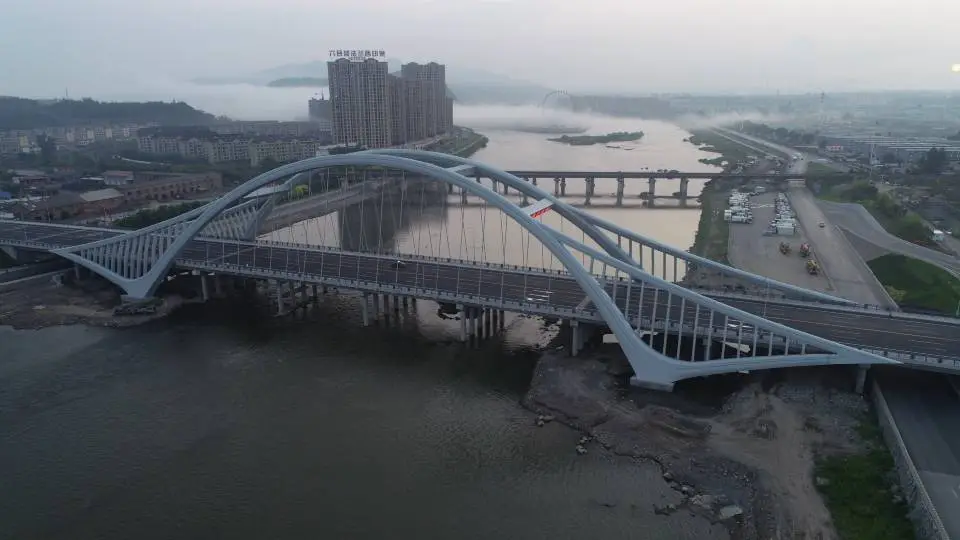
The position of a structure has a big effect on its safety standards. When a bridge is in an area that is prone to earthquakes, it needs special separation systems that regular rigid links can't provide. Inadequate seismic design led to catastrophic failures of many types of bridges during the 1995 Kobe earthquake. Wind-related events, like vortex loss and flutter, are always a threat to the safety of cables, especially when damping systems are still being built. When the temperature changes, the steel parts and the concrete floor expand and contract at different rates. This creates internal pressures that are hard for standard expansion joints to handle.
Modern Safety Innovations in Steel Cable-Stayed Bridge Engineering
In the last ten years, big steps forward in engineering have completely changed how we think about bridge safety and life. These new ideas are big departures from the way things have always been done, and they have led to measurable gains in performance measures.
High-Performance Steel Alloys
The arrival of Q420qE steel has changed the way towers and girders are built because it has a yield strength greater than 420 MPa and is also easier to weld and tougher at low temperatures. When compared to regular grade steels, this material makes it possible for structure parts to be lighter without lowering their load capacity. This can cut the need for foundations by up to 25%. Precision-rolled plates with a thickness of 60 to 120 mm are used in our Q420qE cable tower systems. These plates allow for vertical alignment errors of within 1/4000, which is important for the best cable shape and load transfer. This precise production gets rid of the need for field corrections, which used to introduce weak spots through sloppy changes. For a steel cable-stayed bridge, these advantages are particularly critical, as the reduced foundation demand and the enhanced dimensional accuracy directly improve the overall structural efficiency and longevity of the cable-stayed system.
Advanced Corrosion Protection Systems
Traditional ways of stopping rust have been replaced by security methods with many layers that deal with degradation at the molecular level. Our combined security system has a polyethylene outer sheath and graphene-enhanced inner layers. Together, they make a shield that doesn't break down in UV light for over 50 years. The coating is still intact after 10,000 hours of constant UV exposure, which is the same as decades of natural weathering. These tests were done in a lab following ASTM G154 guidelines. The addition of graphene gives the covering self-healing qualities; small holes in the coating will automatically close up through molecular restructuring, keeping the barrier's effectiveness throughout its service life.
Structural Health Monitoring Systems
With real-time data collection, maintenance goes from managing problems as they happen to being able to predict when they will happen. Fiber optic monitors built into the wire strands of our bridges constantly measure pressure, temperature, and vibration patterns. Anomalies, like single wire breaks or strange stress patterns, are picked up by these devices months before regular checking methods do. Algorithms that process data compare current performance to baseline parameters. If deviations are greater than certain limits, they instantly notify maintenance teams. This proactive method cuts down on unexpected shutdowns by about 80% and increases the life of parts by repairing them at the right time.
Seismic Isolation Technologies
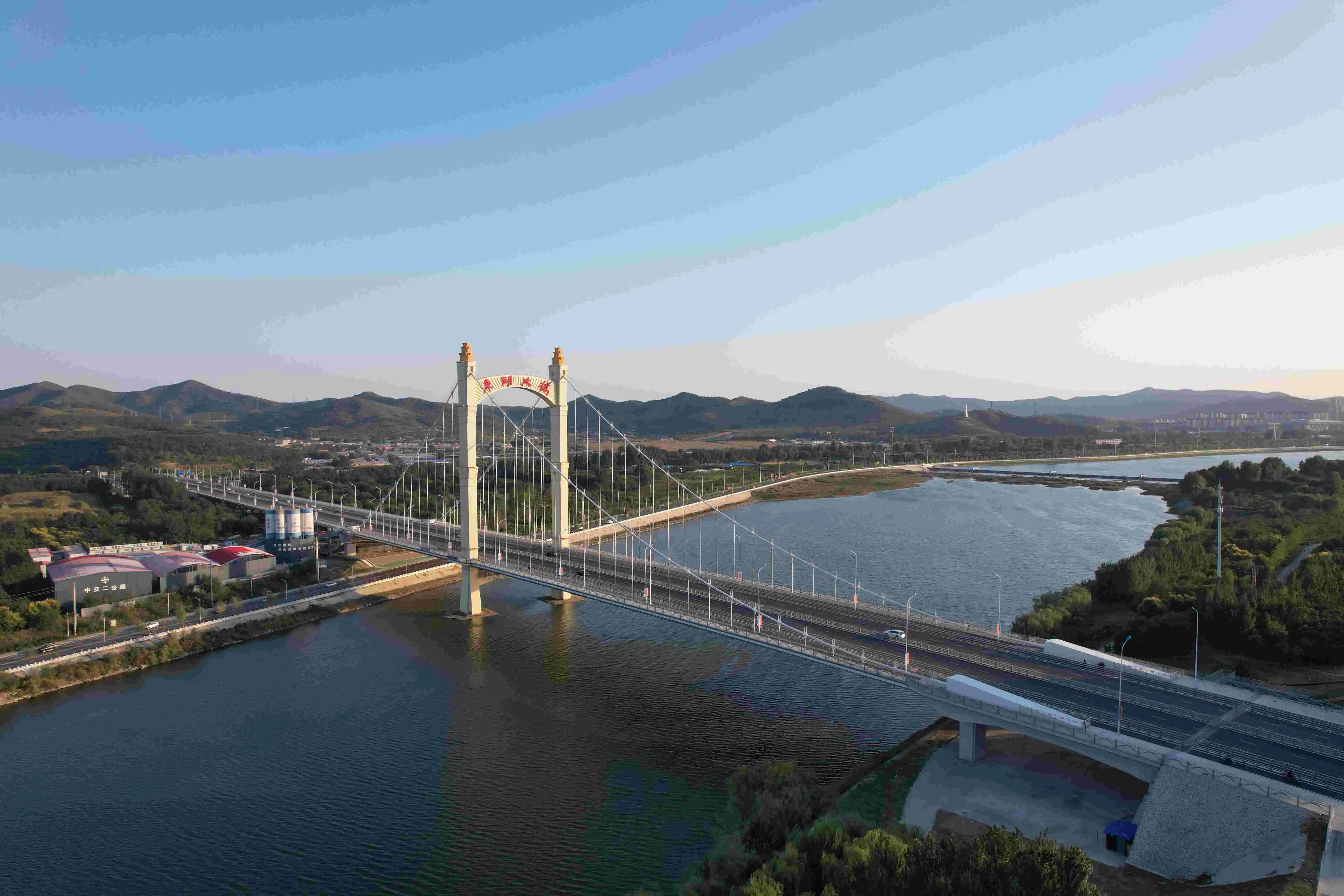
LRB800 type lead rubber bearings are a big step forward in protecting against earthquakes because they absorb energy through controlled hysteretic distortion. It has been shown that these isolation bearings lower the acceleration reaction of the structure by up to 40%. This keeps both the superstructure and the base from getting damaged during earthquakes. During ground motion, the lead core bends and loses energy, while the rubber layers provide a stabilizing force that centers the structure again after the event. This two-action system makes it possible for bridges to survive earthquakes that would destroy normally connected buildings.
Safety-Driven Construction Techniques and Quality Control
The way a structure is built directly affects how well it holds up in the end. Our method focuses on precise manufacturing, regular quality checks, and building methods that get rid of common weak spots.
BIM-Driven Prefabrication
Building Information Modeling technology lets us see every step of the building process before the materials even get to the job site. This helps us find problems with space and timing before they arrive. CNC cutting machines are controlled by digital manufacturing files, which make sure that the dimensions of ultra-thick plate pieces are accurate to within ±0.2mm. This accuracy gets rid of field fitting problems that used to need heating, bending, or grinding, which change the qualities of the material and add extra pressures. When the prefabricated tower parts get to the job site, they already have the cable ducts installed. These have been placed using 0.5-inch total stations for 3D coordinate detection, which guarantees alignment accuracy that can't be reached with traditional layout methods.
Advanced Cable Tensioning Protocols
The most important part of building is installing the cables. If they are not tensioned correctly, they can permanently change the shape of the structure and cause uneven loads to be distributed. Our OVM250 type fastening systems can hold Φ7mm galvanized steel wire that is made to EN 10138 standards and has a maximum tensile strength of over 1,770 MPa. Computer-optimized patterns guide hydraulic jacking processes that tighten wires in calculated steps while survey networks keep an eye on bridge geometry all the time. With this method, the final cable forces are within 2% of the design values, and the deck profile margins are kept at ±10mm across spans that could reach 800 meters. For a steel cable-stayed bridge, this tensioning precision is even more vital, because the slender deck and tall towers of such a system rely entirely on accurate cable forces to maintain their intended shape and resist dynamic loads effectively.
Multi-Stage Inspection Regimes
Quality control includes all stages of production, not just the final acceptance test. Here are the thorough verification methods we use during manufacturing and construction:
Our inspection process starts with checking the certification of the raw materials. This is done by having separate labs test them to see what chemicals they contain and what their mechanical features are. Critical welds are checked using non-destructive methods like acoustic testing, magnetic particle inspection, and radiographic examination, which are all required by the AWS D1.5 structure welding code. Dimensional inspection is done in several steps: post-cutting verification makes sure that the shape of the parts matches the digital models; assembly checks make sure that the parts fit together well before they are welded; and final inspection checks that the finished assemblies meet the tolerance requirements. The quality of the surface treatment is checked under a microscope, with covering thickness being measured at regular intervals and bonding being confirmed by pull-off tests.
These multiple levels of checking produce a written record of quality that gives project stakeholders peace of mind and finds possible problems when fixing them is still within the project's budget. Our quality records have helped projects get approved in places that use Eurocode, AASHTO, and Japanese JIS standards, showing that we can comply with all of them.
Comparative Analysis: Safety and Durability Advantages
People who make decisions about infrastructure should know how steel cable-stayed bridge designs compare to other types of bridges. Each structure system has its own pros and cons that affect which system is best for a job.
Cable-Stayed Versus Suspension Bridges
Both systems use tensioned cables to move the load, but cable-stayed designs spread the load across several connection points instead of concentrating forces at the suspended cable anchorages. This distribution makes redundancy built in—if one wire fails, it only affects a small part of the deck, not the whole span. Huge grounding foundations and approach spans are needed for suspension bridges, which makes the project area and earthwork needs bigger. Compared to suspension bridges' higher towers, cable-stayed towers only rise 20 to 25 percent of the length of the main span. This makes them less vulnerable to wind and easier on the foundations. Cable-stayed setups are better for maintenance because each wire can be inspected and replaced without affecting other parts.
Steel Versus Concrete Cable-Stayed Systems
The choice of material has a big impact on how well it works and how often it needs to be maintained over time. Steel cable-stayed bridges have better strength-to-weight ratios, which means they can have longer open spans with fewer piers. This is especially helpful when crossing rivers that people can navigate or areas that are sensitive to the environment. Our Q420qE steel systems are more flexible than concrete, so they can take the force of earthquakes and impacts by controlled bending instead of breaking into brittle pieces. Concrete cable-stayed bridges are useful in places where fire safety is more important than other factors, but their weight raises the risk of earthquakes and increases the cost of building a base. No matter the weather, steel is made in a controlled workplace environment. However, when concrete is poured, it can be affected by changes in temperature and rain that affect the quality of the drying process.
Economic and Lifecycle Considerations
When you add up the costs of upkeep, inspection, and repairs over the life of a bridge, the initial building costs only make up 30 to 40 percent of the total costs. When equipped with modern corrosion protection and health tracking systems, steel cable-stayed bridges can last for 50 years with little maintenance. Being able to take apart and move steel bridges gives them an end-of-life value that concrete buildings can't match. Our modular manufacturing method cuts down on-site building time by 20–30% compared to industry standards. This lowers the costs of traffic delays and speeds up the project's ability to bring in money for toll facilities. When you look at the whole lifespan, you can see that high-quality materials and tracking systems give you great returns by lowering upkeep costs and increasing the time between service visits. For a steel cable-stayed bridge, these life-cycle economics are particularly compelling, because the combination of durability, recyclability, and accelerated erection directly maximizes long-term value while minimizing disruptions to the surrounding infrastructure.
Procurement Considerations to Enhance Safety in Steel Cable-Stayed Bridge Projects
Strategic choices about buying lay the groundwork for successful project results. Creating specifications, evaluating suppliers, and choosing a provider are all important tasks that need to be thought through carefully.
Material Specification and Certification Requirements
To make sure that supplied parts meet design assumptions, procurement papers must clearly list material grades, testing procedures, and approval needs. To specify Q420qE steel, you need to check its chemical makeup limits, especially the carbon equivalence values that affect how well it can be welded, as well as its mechanical qualities, such as its yield strength, tensile strength, elongation, and Charpy V-notch impact energy at service temperatures. Specifications for cable wire should include EN 10138 or a similar standard that states the minimum breaking strength, stress release limits, and zinc coating mass. By requiring mill test results, third-party proof, and testing that is seen by witnesses, you can avoid using low-quality materials that could damage the structure.
Supplier Qualification and Track Record Evaluation
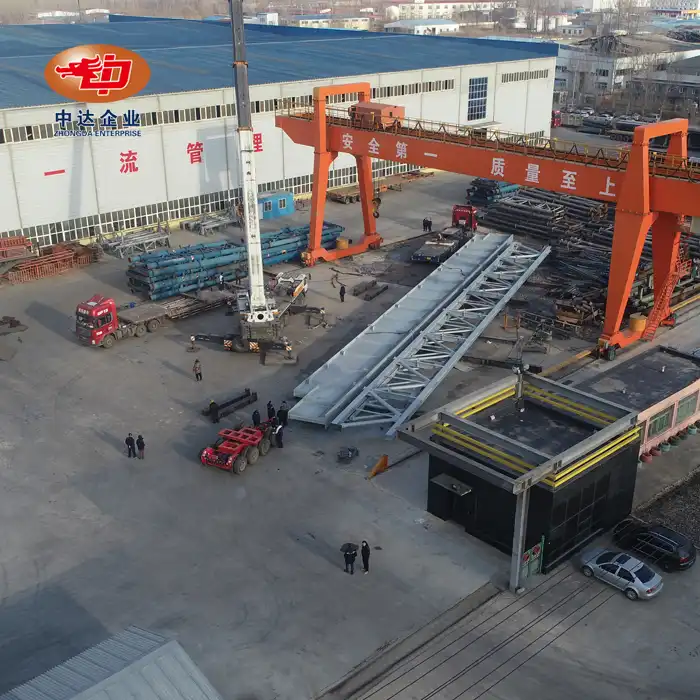
Finding makers who have a history of making big bridges lowers the project's risk by a large amount. Our building is 120,000 square meters and has a 50-ton crane. This lets us make big tower parts and beam assemblies all at once, without any transportation joints that could weaken the structure. The ISO 9001 quality management certification shows that the process is being controlled in a planned way, and the EN 1090 execution class compliance certification shows that the company can meet European standards for structural steelwork. By looking at finished project files, you can see how much experience the maker has with spans of similar lengths, loads, and environmental conditions. The 18,000-ton Shenyang Dongta Cross-Hunhe River Bridge is one of the projects we've finished. We've also built many other structures for China Railway, CSCEC, and CCCC, which are all state-owned companies that have very strict quality and time requirements.
Integrated Design-Build Capabilities
Hiring suppliers who offer full services, from planning to shipping, makes it easier to coordinate and makes it clear who is responsible for what. We help with the whole design process, from finite element analysis and wind tunnel testing coordination to building engineering that makes the best use of erection processes. This combination makes value engineering possible, where manufacturing knowledge helps improve designs, which could lead to less material being used or easier assembly in the field without affecting performance. Our 70% client retention rate shows that our joint approach is working. Problems with projects are quickly solved by teams that care about long-term relationships, not by transactional sellers looking for one-time contracts.
Conclusion
Modern improvements in bridge safety give infrastructure builders tools they've never had before to build strong, long-lasting buildings. Graphene-enhanced rust protection and real-time tracking systems, along with new materials like Q420qE steel, fix problems from the past while lowering the costs over the whole life of the structure. When purchasing professionals choose qualified sources with proven manufacturing skills and thorough quality systems, their projects are more likely to be successful. When you combine technologies for seismic separation, precise prefabrication methods, and systematic inspection routines, you get multiple layers of safety that protect public investments over many generations of service. For a steel cable-stayed bridge, these innovations are especially critical, because its slender towers, long spans, and highly tensioned cables demand the highest levels of material performance, fabrication accuracy, and continuous monitoring to ensure enduring safety and reliability under diverse environmental and load conditions.
FAQ
What Makes Q420qE Steel Suitable for Cable-Stayed Bridge Construction?
The yield strength of Q420qE steel is higher than 420 MPa, and it is also very easy to weld and tough at low temperatures. This mix makes it possible for structure parts to be lighter, which lowers the loads on the foundations without lowering the building's capacity. Controlling the chemical makeup makes sure that the performance is the same across thick plate parts, and improving the resistance to impact stops brittle fracture in cold areas.
How Do Seismic Isolation Bearings Protect Bridge Structures?
The lead cores of LRB800 lead rubber bearings bend easily during earthquakes, absorbing energy. The rubber layers then provide healing forces. This device slows down the structure by up to 40%, which keeps parts from getting damaged. The bearings support full vertical loads and allow controlled horizontal movement during earthquakes. This makes a safety system that works like a fuse.
What Inspection Technologies Ensure Long-Term Safety?
Embedded fiber optic sensors constantly check the temperature, strain, and shaking of the wire, finding problems months before they show up as damage. Non-destructive tests, such as ultrasound and x-rays, confirms the integrity of the weld, and 3D coordinate measurement proves the accuracy of the geometry. This multilayered method changes care from fixing things when they break to taking steps to prevent problems before they happen.
Partner With Zhongda for Your Next Infrastructure Project
Zhongda Steel is prepared to provide the best steel cable-stayed bridge options in the world that satisfy the strictest safety and performance standards. We blend ISO-certified quality systems, Class I Steel Structure Professional Contracting Qualifications, and a 60,000-ton yearly production capacity to complete projects of any size. We are a leading steel cable-stayed bridge manufacturer with 20 years of specialized experience. Our ability to achieve technical excellence is shown by our BIM-driven design process, -60°C weathering steel technology, and track record with big contractors like China Railway and CSCEC. Email our team at Ava@zd-steels.com to talk about how our Q420qE bridge systems can make your project safer, save you money, and finish faster.
References
American Association of State Highway and Transportation Officials. (2020). AASHTO LRFD Bridge Design Specifications, 9th Edition. Washington, DC: AASHTO Publications.
Gimsing, N.J., & Georgakis, C.T. (2021). Cable Supported Bridges: Concept and Design, 4th Edition. Chichester: John Wiley & Sons Ltd.
Chen, W.F., & Duan, L. (2019). Bridge Engineering Handbook: Superstructure Design, 2nd Edition. Boca Raton: CRC Press.
Walther, R., Houriet, B., & Isler, W. (2018). Cable Stayed Bridges: Design Principles and Construction Methods. London: Thomas Telford Publishing.
Transportation Research Board. (2019). Manual for Bridge Evaluation with 2020 Interim Revisions. Washington, DC: National Academies Press.
Menn, C. (2017). Prestressed Concrete Bridges: Design and Construction of Cable-Stayed Structures. Basel: Birkhäuser Architecture Publications.
YOU MAY LIKE
_副本_1753431734739.webp "Steel Structure Exhibition Building")
_副本_1754277943321.jpg "Exhibition Hall Building Steel Structure")