How Zhongda Delivers High-End Commercial Steel Structure Projects?
2026-07-01 16:37:11






When looking at how Zhongda completes high-end commercial steel structure projects, the answer lies in a thorough method that includes advanced planning, factory-controlled prefabrication, and strict quality control at all stages. Our delivery method comes from more than 18 years of working on difficult projects, ranging from installing renewable energy to building big warehouses, where accuracy, durability, and sticking to the plan are key to success. We use BIM to coordinate design, -60°C weathering steel technology, and a production capacity of 60,000 tons per year to turn architectural ideas into structurally sound buildings that meet international standards like ISO 9001, EN 1090, and local building codes in many different global markets.
Understanding Commercial Steel Structures: Key Concepts and Benefits
Modern industry and business construction relies more and more on steel framework systems, which are more flexible than traditional building methods. A commercial steel structure is made up of designed groups of main parts like columns, beams, trusses, and bracing systems. These are mostly made from carbon structural steels like Q235 or low-alloy high-strength versions like Q345 and Q355. Because these materials are so strong for how light they are, architects and builders can use them to make anything from small office buildings to huge distribution centers that are hundreds of feet long without using support beams in the middle.
The uses cover a lot of different areas. Clear-span designs that improve storage density and allow for automatic material handling systems are helpful for warehouse builders. Steel can hold a lot of weight, which is why airport buildings and rail transit hubs use it to support complicated roof shapes and heavy mechanical systems. Solar farm mounting systems and wind turbine supports are made of structural steel and have to be able to handle decades of cycle loads in harsh environments.
Strategic Advantages for B2B Clients
When buying managers look at the long-term value of an object, durability is one of the most important things they look at. Steel buildings built to ASTM A572 Grade 50 standards have yield strengths of more than 50,000 psi, which means they can hold heavy equipment and stand up to side forces from earthquakes or strong winds. Compared to other framing methods, this built-in strength directly leads to lower upkeep costs and longer service life.
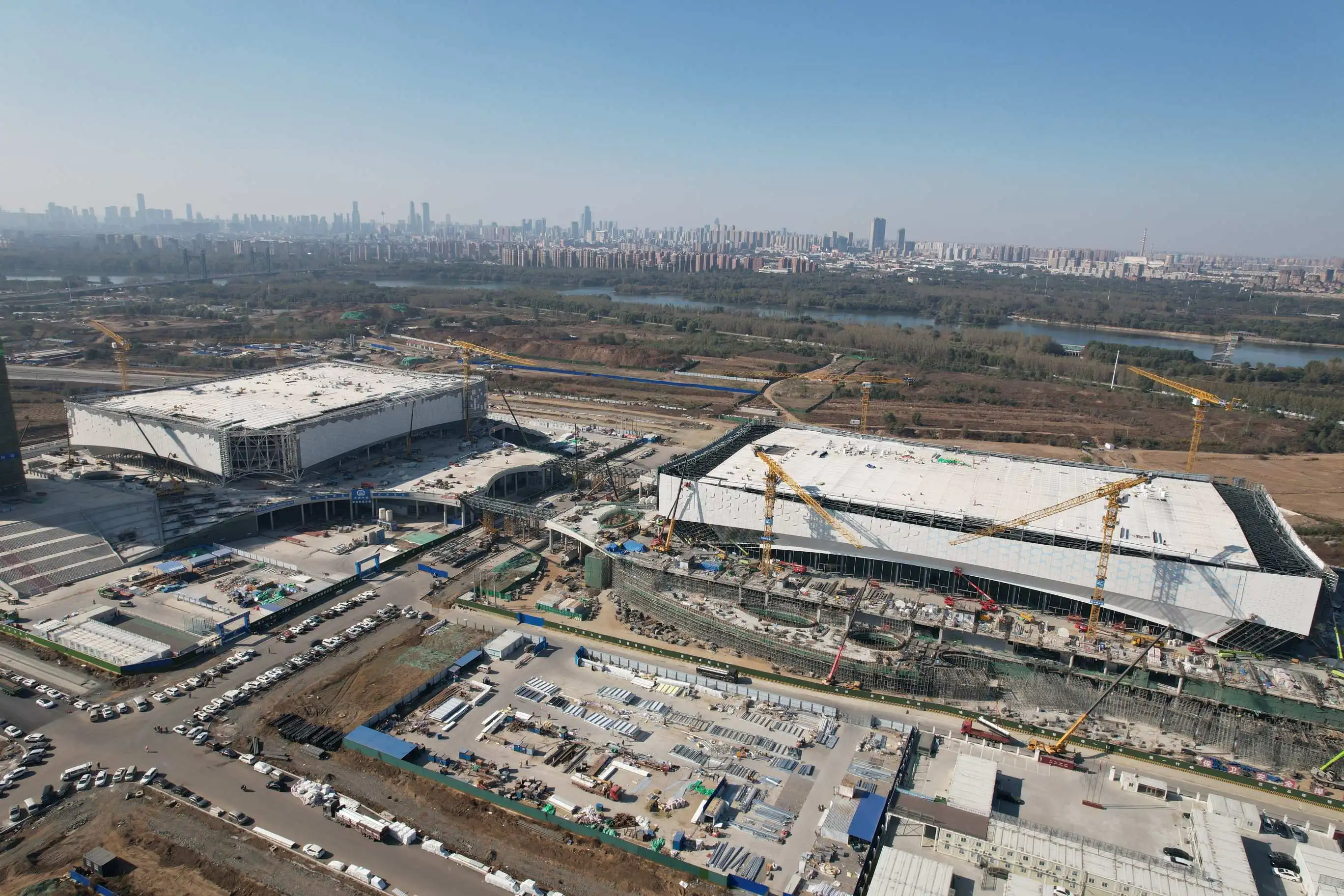
Cost-effectiveness comes from both the prices of materials and the shorter timespans for projects. When parts are prefabricated in a factory, they come to the job site with exactly cut connections and protective coats already on them. This cuts down on the amount of work that needs to be done in the field by 40 to 60 percent compared to cast-in-place concrete construction. This speed-to-occupancy edge helps clients start making money months earlier, which makes the return on investment estimates more accurate.
Another important benefit is that design freedom. Because steel frame is modular, it can be expanded, extra floors can be added, or internal plans can be changed in the future without affecting the structure's strength. Within the same structural envelope, factories can change their production lines, warehouse workers can set up automatic storage systems, and store owners can change how tenants use their spaces.
Environmental and Safety Considerations
Steel's ability to be recycled meets more and more environmental requirements. When a building is no longer needed, its structure parts still have worth and can be reused without losing any of their quality. This is an advantage of the circular economy that lowers the amount of carbon that is built into new buildings. Our hot-dip galvanizing methods, which use zinc coatings that meet ASTM A123 standards, make things more resistant to rust in harsh settings like chemical plants, the ocean, and other places.
Intumescent coatings or spray-applied fireproofing materials that are set to specific fire-resistance levels are used to meet fire safety needs. These passive defense systems keep the structure stable during emergency evacuations. They meet building code requirements without the negative effects on thermal mass that come with encasing something in concrete.
Zhongda's engineering method focuses on precise estimates of load capacities that are checked using finite element analysis. We take into account things like dead loads, live loads, snow buildup, wind forces, and seismic design categories that are unique to each project site. By being very careful and analytical, each connection detail, column base plate, and lateral bracing design meets or beats the requirements of real-life working conditions.
How Zhongda Tackles Challenges in Commercial Steel Structure Projects?
Problems always come up in complicated building projects that test a contractor's ability to solve them and follow through with their plans for commercial steel structure. Teams are forced by limited budgets to make the best use of materials without sacrificing safety. Schedule risks happen when there are problems in the supply chain, delays in getting permits, or problems with how well multiple trade firms work together. Quality assurance needs get tougher as projects get bigger, especially when parts made in different production runs have to meet exact size requirements for assembly in the field.
Comparative Material Analysis
To put these problems in context, it helps to know why customers choose steel over other materials. Concrete has compression strength, but it needs a lot of formwork, time to cure, and installation windows that depend on the weather. For small jobs, wood framing is cheaper at first, but it doesn't have the span or fire protection that is needed for commercial uses. The rust protection of aluminum is better than that of structural steel, but it costs a lot more and isn't as stiff.
Steel makes these trade-offs possible because of its mechanical qualities, ease of production, and ability to perform reliably over time. The hard part is turning these natural benefits into good project results through organized work.
Zhongda's Problem-Solving Framework
In the preconstruction part, we do a full study of the project before we start building it. Before production starts, structural engineers, manufacturing managers, and installation supervisors work together to find any problems that might come up. This puts the planning work ahead of time, which avoids costly rework and schedule delays later on.
We use cutting-edge project management tools, such as cloud-based BIM systems that let project teams from around the world work together in real time. Clash detection algorithms find problems when structural parts, MEP systems, and design elements interfere with each other. This lets the problem be solved digitally instead of on the job site. Over the last five years, this merging of technology has cut our field change orders by 73%.
When logistics planning, site limits are taken into account, such as limited laydown places in cities or remote areas where crane access is limited. Sequences for putting together modules are designed to work with the equipment that is available. For foreign projects, parts are made to fit normal shipping containers. This cuts down on freight costs and makes clearing customs easier.
Quality control is more than just looking things over. Mill test records make sure that the chemical make-up and mechanical qualities of raw steel are as stated. As required by AWS D1.1, certified welding testers use ultrasonic testing and magnetic particle inspection to look over important connections. Checks of the dimensions show that the bolt hole designs are lined up within ±2mm, which makes sure that the field assembly goes smoothly.
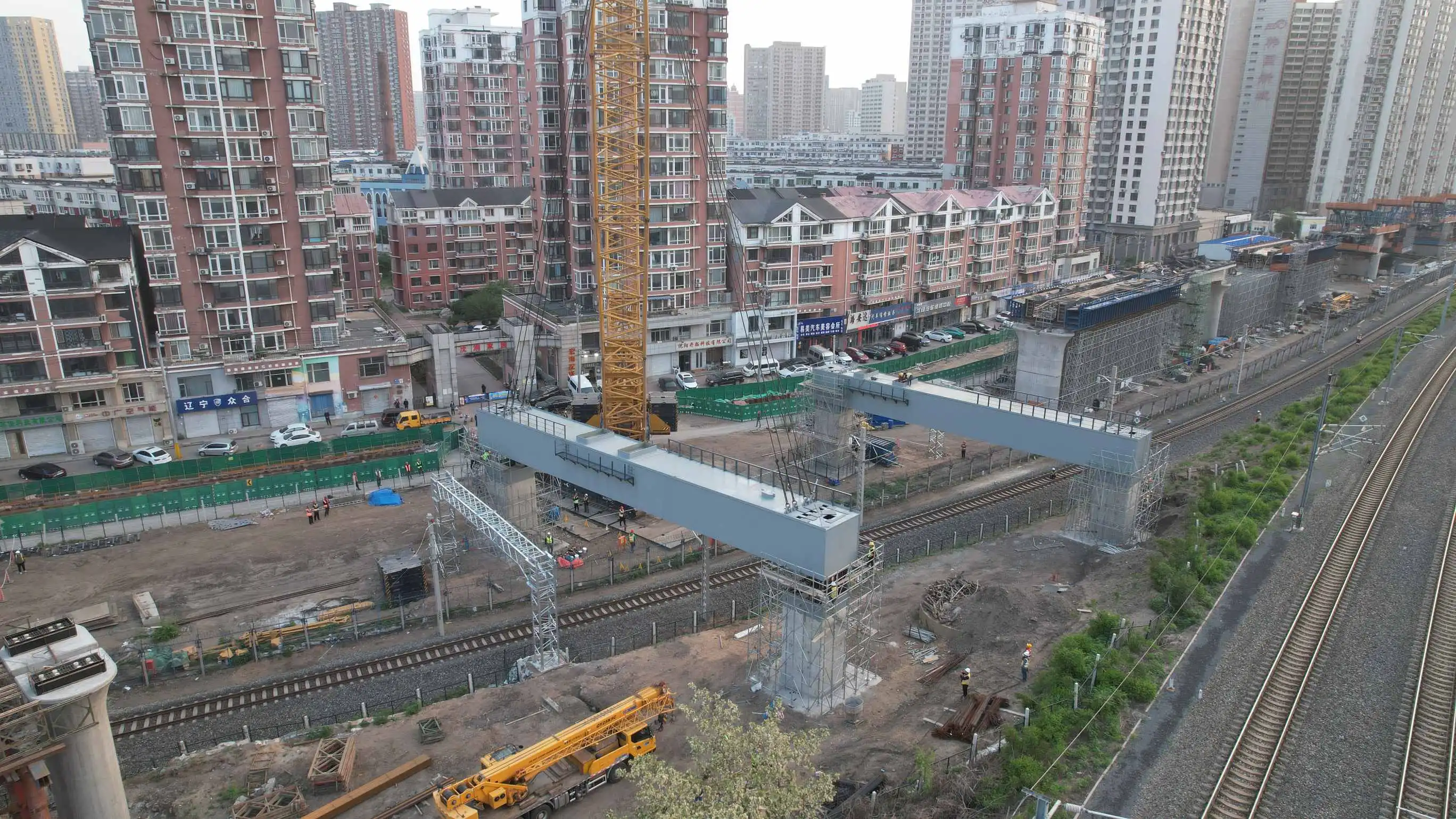
One typical case involved a 280,000-square-foot cold storage facility that had to be built in just six months so that the client could start using it. We finished putting up the structure three weeks ahead of plan thanks to multiple production streams and a just-in-time shipping schedule that worked with the erection processes. This was possible even though the soil conditions were unexpectedly bad and needed a redesign of the base. The project got LEED Silver approval and has been running for seven years without any structural upkeep other than regular checks.
The Zhongda Advantage: Materials, Manufacturing, and Construction Process
Getting high-end projects done successfully depends on choosing materials that meet performance needs and work in the right conditions. We only buy primary structural steel from mills that have ISO 9001 quality management systems. We give preference to sellers who give us full tracking paperwork and uniform chemical compositions. In general, carbon structural steels like Q235 work well in situations where 235 MPa yield strengths are enough. For projects that need to withstand more stress, like multi-story buildings, big crane tracks, or areas prone to earthquakes, use Q345 or Q355 grades, which have yield strengths of up to 355 MPa.
By comparing steel to other options, we can see why we chose steel. Coastal sites benefit from aluminum's resistance to rust, but because its modulus of elasticity is only about a third that of steel, heavier parts are often needed to control deflection, which cancels out any weight advantages. Precast concrete works great for some things, like parking garages, but it's not as flexible in terms of design or easy to change in the future as steel frame is.
Advanced Manufacturing Capabilities
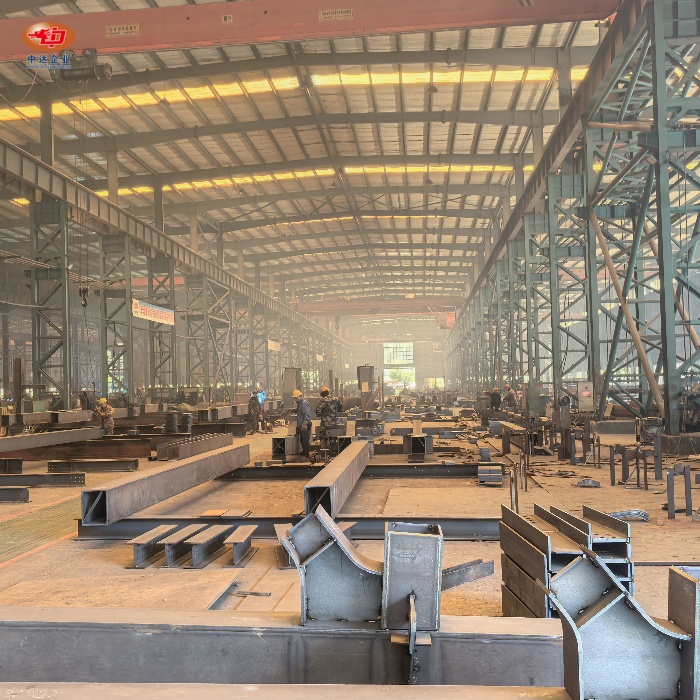
Our manufacturing plant for commercial steel structure is 120,000 square meters and is in the Shenyang Economic-Technological Development Zone. It has CNC plasma cutting tables, automatic drilling lines, and robotic welding cells that keep the dimensions of ultra-thick plate sections up to 150mm accurate to within 0.2mm. This ability to make things very precisely has a direct effect on how well they are installed in the field. When bolt holes line up perfectly on the first try, construction teams can keep up their high levels of productivity, which keeps projects on schedule.
Our method for prefabrication is based on modular design concepts. Instead of sending separate plates and angles that need to be put together in the field, we send full subassemblies, such as column trees with bracing connections already connected, truss sections with purlins built in, and even pre-clad wall panels that include insulation and weather shields. This factory-controlled setting makes sure that the quality is always the same and keeps workers from having to deal with weather delays and safety risks on the job site.
Before production starts, welding methods are put through a lot of tests to make sure they are safe. We have qualified welders on staff who know how to use the right flux-cored arc welding, submerged arc welding, and gas metal arc welding techniques for different sizes of materials and joint shapes. Radiographic testing on main moment connections and visual inspection are used to make sure the quality of the welds meet the acceptance standards set out in the project specs.
Surface preparation and coating are done in blasting rooms and spray areas that keep the air controlled. In hot-dip galvanizing methods, parts are submerged in molten zinc pools, which forms coatings that are metallurgically joined and are about 85 microns thick. This protection system has been tested to last more than 50 years in commercial settings. Compared to field-applied paint systems that need regular upkeep, it has much lower life-cycle costs.
Connection methods, like high-strength bolts or welding, are chosen based on the needs of the structure and how easy it is to install. Welded links offer consistency that can withstand moments, making them perfect for rigid frame systems. Bolted connections using ASTM A325 or A490 fasteners make flexible assembly and future removal easier, which is something that clients who are planning to move or expand their facilities should think about. We look at these choices while the design is being made, weighing the performance of the structure against the cost of manufacturing and the speed with which it can be installed in the field.
Installation Coordination and Compliance
For a project to go smoothly, everyone involved—structural engineers, MEP contractors, general contractors, and client representatives—needs to work together. We give each project its own specialized project manager, who acts as a single point of contact and makes sure that communication standards are followed so that information flows smoothly. Weekly progress meetings, daily installation reports, and real-time picture documentation keep everyone up to date on major milestones reached and new problems that need to be fixed.
International standards like ISO 9001:2015, ISO 14001 (environmental management), and OHSAS 45001 (health and safety at work) are always being met by our quality management system. Projects that are certified by EN 1090 meet the needs of the European market for building with structural steel. We change the rules for documents to fit the needs of our clients and the laws of the places where they work. For example, for US projects, we might use AISC certification, and for certain regional markets, we might use local engineering stamps.
Use our experience with global projects to help with installation issues. Plans for filling containers make the best use of space while keeping parts safe during ocean travel. We work with expert heavy-haul carriers that can move large loads, which helps our domestic projects. On-site, construction teams follow lift plans made by qualified rigging engineers. This makes sure that the safety factors for the crane's capacities and setups are maintained.
Decision-Making Support for Procurement Managers: Why Choose Zhongda?
Aside from the initial price, procurement workers considering structural steel suppliers have to weigh a number of other factors, such as the supplier's ability to deliver on time, provide expert support, be financially stable, and make service commitments after the project is finished. These things have a direct effect on the project risk levels and total cost of ownership.
Transparent Value Propositions
Lifecycle value, not lowest first cost, is what Zhongda's price methods focus on for commercial steel structure. We give you thorough cost breakdowns that separate costs for materials, work for fabrication, surface treatment, shipping, and help with installation. This openness makes it possible to make accurate budget predictions and gets rid of secret costs that can throw off project finances.
Commercial words that are flexible can be used for a variety of project designs. With design-build contracts, we can make sure that the building can be built easily during the initial design process. Value engineering advice is given during design-assist contracts, but clients still have power over the design. When there are full building documents, the traditional bid-build method works well for jobs. We change the way we do contracts to fit the needs and interests of our clients' organizations and the ways they want to complete projects.
Leasing choices help clients who can't afford to buy new equipment because they want to keep their cash flow steady. These deals, which can be set up as either operating leases or capital leases based on your financial needs, let you use high-quality infrastructure without having to pay for it all at once. We work with professionals in equipment funding who know how to value commercial property and can set terms from three to fifteen years.
Supplier Reliability Benchmarks
Our list of clients includes return customers who have worked with us on more than one project. This shows that they are happy with our work, which leads to long-term partnerships. China Railway Group, China State Construction Engineering Corporation, and BMW Group are some of our big institutional clients. Their strict buyer qualification processes show that we have the technical skills and dependability to do our jobs.
Third-party confirmation of our success standards comes from being known in the industry. China's Ministry of Housing and Urban-Rural Development gives out the First-Class Steel Structure Engineering Qualification, which is the top level of qualification that can be earned. Our collection includes finished projects in more than 20 countries on five continents, showing that we can work with a wide range of cultural and legal settings.
When you compare yourself to global competition, you can see clear benefits. Some providers only do fabrication, but we offer full turnkey solutions that include planning, manufacturing, shipping, installation, and help for commissioning. This unified method lowers the risks of planning and responsibility gaps that come up with projects that have a lot of specialized subcontractors.
Post-Project Support Commitments
Compared to other types of buildings, structural steel buildings don't need much upkeep. However, proactive checking programs keep small problems from getting worse and costing a lot to fix. We give our customers detailed care guides that include suggested check times, how to lubricate moving parts, and how to touch up the coating.
Through our service section, we offer regular inspection services that find problems before they affect activities. Structural experts look at the main load-bearing parts, the stability of the connections, and the state of the protective covering. Reports are very detailed and include photos to show what was found. They also suggest ways to fix things, with the most important ones coming first.
Services that help businesses grow and change include upgrades and additions. When clients need more upper floors, crane runway installations, or building additions, our knowledge of the original structure system makes it easier to incorporate the new design. We keep as-built paperwork in digital forms that are compatible with current BIM standards. This makes planning for future changes easier.
Technical help goes beyond the time of the guarantee. Clients can talk to our engineering team about changes to loading, installing equipment, or questions about code compliance that come up while the facility is running. This ongoing relationship gives us peace of mind that we will be able to get expert help for as long as the building is in use.
Conclusion
In the commercial steel structure business, completing high-end projects takes more than just being able to fabricate. It also requires a wide range of skills, including engineering analysis, advanced production, logistics planning, and building long-term relationships with clients. For 18 years, Zhongda has been working on difficult projects all over the world. This shows that we know how to handle technology problems, tight deadlines, and high quality standards. We offer complete solutions that turn our clients' ideas into long-lasting infrastructure assets, from the initial concept creation to final commissioning and continued support. We are a key partner for procurement teams looking for trusted providers who can deliver great results on tight deadlines and within budget. Our factory-controlled quality, BIM-enabled coordination, and field-proven installation methods make us a great choice.
FAQ
What steel grades does Zhongda typically specify for commercial projects?
We mostly use Q235 carbon structural steel for everyday tasks and Q345 or Q355 low-alloy high-strength steel for jobs that need to hold more weight or withstand earthquakes. The choice of material is based on the results of the structural study, the surroundings, and the needs of the client. All of our steel comes from certified mills that give us full mill test results that show the chemical make-up and mechanical qualities of the steel according to ASTM or GB standards.
How does prefabrication reduce project timelines compared to traditional construction?
With factory-controlled manufacturing, delays caused by bad weather are avoided, quality is maintained through standard processes, and production can continue at the same time as site preparations are made. Assembled parts come with pre-applied finishes and precisely cut joints, which cuts down on the amount of work that needs to be done in the field by 40–60%. Using prefabricated steel construction, a normal warehouse job that would take six months to finish the old way can usually be finished in three to four months.
Can existing steel structures be modified or expanded years after original construction?
Yes, the flexible structure of steel makes it easy to make changes in the future if they are planned well. We keep digital copies of the as-built documents and can design additions, loft installs, or equipment upgrades that work with the building's original structural systems. Compared to soldered or cast-in-place connections, bolted connections make it easier to take things apart and put them back together again.
Partner with a Trusted Commercial Steel Structure Manufacturer
Zhongda brings proven knowledge to every project through our all-around method, which includes advanced engineering, factory-controlled prefabrication, and committed customer service. We are a certified commercial steel structure seller that works with clients all over the world. We know how hard it is for procurement managers to find the right partners for mission-critical infrastructure projects. Our 60,000-ton yearly production capacity, BIM-integrated design planning, and -60°C weathering steel technology allow us to meet even the strictest requirements. Email our technical team at Ava@zd-steels.com to talk about the specifics of your project and find out how our methodical delivery methods can help make your next project an ongoing success.
References
American Institute of Steel Construction. (2022). Steel Construction Manual, 15th Edition. Chicago: AISC.
Chen, W.F., & Lui, E.M. (2019). Handbook of Structural Engineering, Second Edition. Boca Raton: CRC Press.
European Convention for Constructional Steelwork. (2021). Design of Steel Structures: General Rules and Rules for Buildings. Brussels: ECCS.
Geschwindner, L.F. (2020). Unified Design of Steel Structures, Third Edition. Hoboken: John Wiley & Sons.
International Code Council. (2021). International Building Code. Washington: ICC.
Salmon, C.G., Johnson, J.E., & Malhas, F.A. (2018). Steel Structures: Design and Behavior, Fifth Edition. Upper Saddle River: Pearson Education.
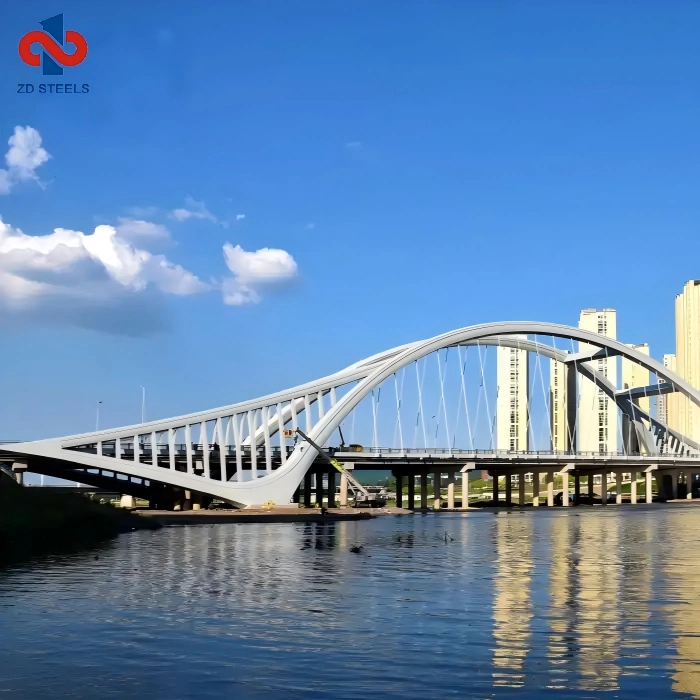
_1755137539095.png "warehouse structures")
_副本_1762415806774.jpg "hangar structure")