The Future of Offices: Versatile Commercial Steel Structure
2026-06-27 16:35:25






The future of building offices lies in flexible structures that put speed, adaptability, and sustainability first. Commercial steel structures have become the most important part of modern office development because they are very strong and can be designed in a way that adapts to changing business needs. These designed systems use premade parts made from high-grade carbon and low-alloy steels. They give buyers and developers a way to speed up project timelines while still getting long-term value. As companies rethink their physical spaces, steel-framed office buildings give architects the freedom to make places for working together, allow technology to be integrated, and support green building efforts that are in line with their social responsibility goals.
Understanding Commercial Steel Structures and Their Advantages
When compared to traditional building methods, steel-framed office buildings are a big change. At Zhongda Steel, we've witnessed how prefabricated steel systems change the way commercial real estate projects are built. Carbon structural steels like Q235 are often used for structures that need to hold mild loads, while high-strength steels like Q345 or Q355 are used for multi-story buildings that need to hold more weight.
Engineering Foundation and Material Selection
When building a modern office, you need materials that are both strong and cost-effective. Carbon structural steels are very flexible, which lets engineers make complicated shapes without affecting the strength of the structure. Low-alloy high-strength steels have a higher yield strength, which means they use less material total while still meeting building code safety limits. Our BIM-based design method makes sure that accurate load estimates are used to get the best use of materials in all column sections, beam shapes, and bracing configurations.
Rapid Assembly and Factory-Controlled Quality
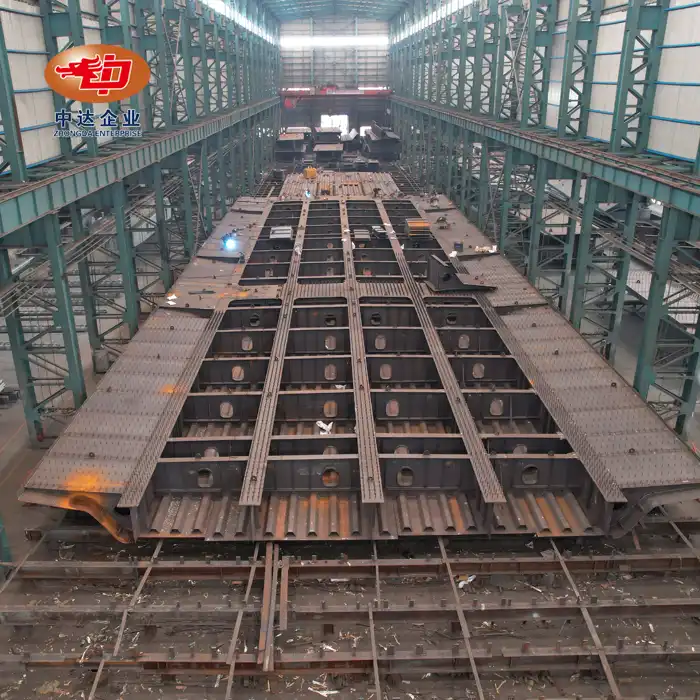
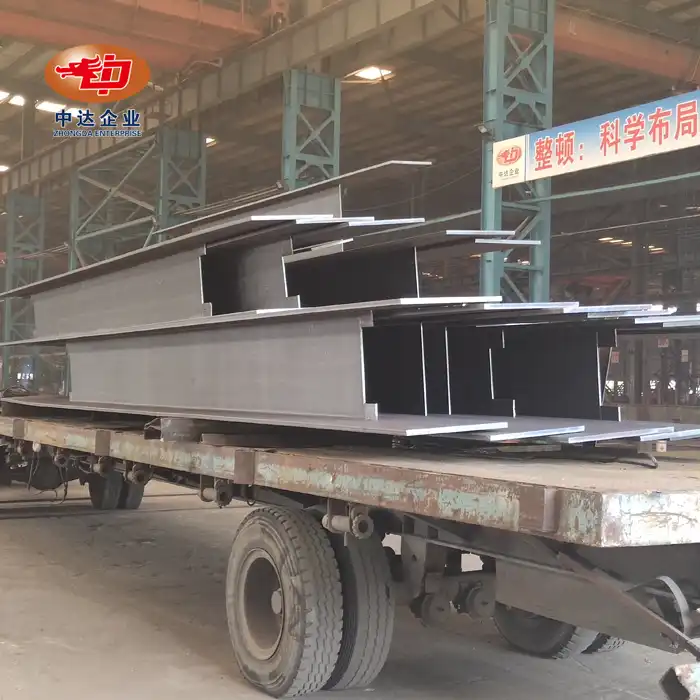
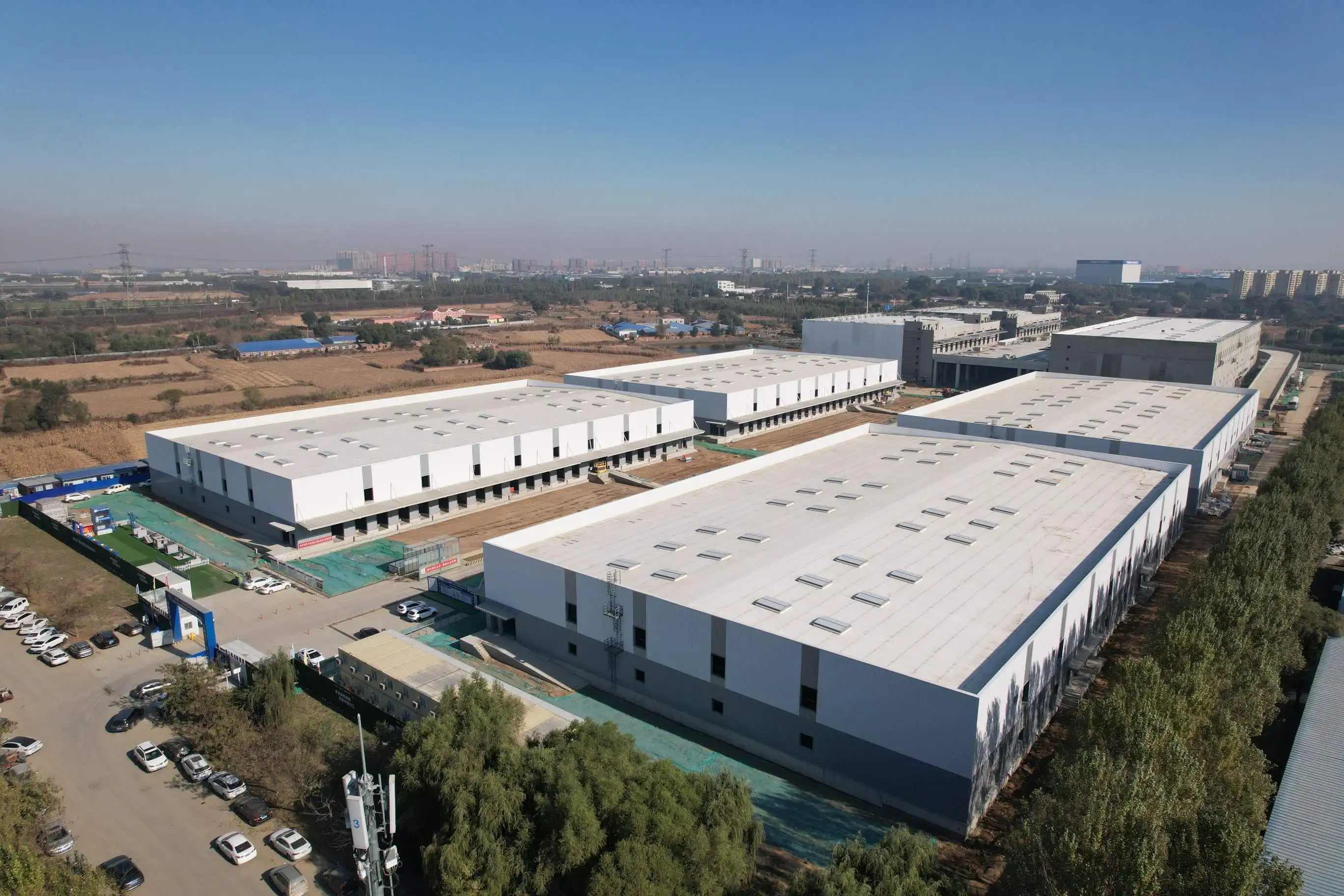
Prefabrication completely changes how long it takes to build something. Before they get to job sites, parts that are made in controlled factory settings go through strict quality checks. With this method, delays caused by bad weather are no longer a problem in standard concrete building. For welding, AWS D1.1 guidelines are used, and ASTM A325 or A490 high-strength bolts are used for bolted joints. Connection types are chosen based on the needs of the structure. For example, welding provides monolithic stability for moment-resisting frames, while bolted systems make it easier to make changes or expand in stages in the future.
Fire Protection and Durability Measures
Fire safety rates for office buildings are very strict. Fire protection systems that are sprayed on or coated with intumescent materials are set to meet certain ratings, which usually range from one to three hours based on the type of occupancy. Hot-dip galvanizing protects against corrosion and makes sure that the zinc layer thickness meets ASTM A123 standards. This makes the product last longer in a variety of weather circumstances. Our -60°C Weathering Steel Anti-corrosion Technology protects buildings better in seaside or industrial areas where the weather speeds up the deterioration process.
Steel support makes space flexible, so engineers can change the way offices are set up without worrying about how the structure will hold up. Over 60-foot-long spans without columns allow for open-plan offices that can change to meet the needs of the company. As businesses grow, modular design principles allow them to expand or change their layout vertically. This protects the initial investments made in capital while meeting future needs.
Comparing Commercial Steel Structures with Alternative Building Materials
Material similarities that are based on facts help with purchasing choices. Commercial steel structures always do better than other options in a number of performance measures that are important for office building projects.
Steel Versus Concrete Construction
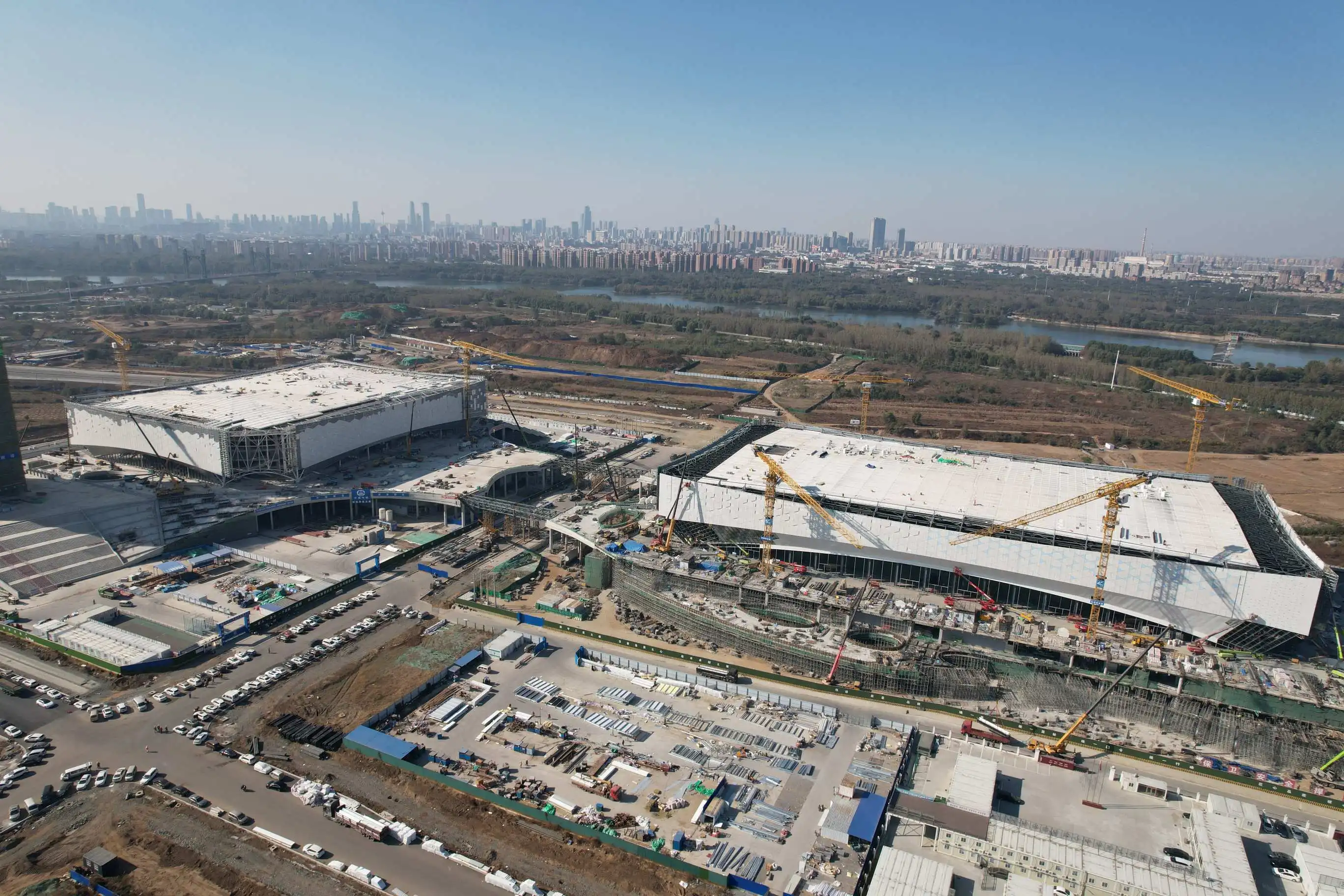
Compressive strength is good for concrete buildings, but they need long curing times that make plans longer. Steel's high strength-to-weight ratio means that foundations don't have to be as strong, which lowers the costs of earthwork and supporting structures. A standard steel frame can be put up in one-third the time of a similar concrete structure, which speeds up the time it takes to move in and start making money. Maintenance schedules are very different. Concrete cracks over time and needs to be checked on regularly, but steel that is properly covered stays structurally sound with little work over decades of use.
Wood and Timber Alternatives
People who work with sustainable building materials are paying more attention to mass wood goods. These methods can't be used in high-rise buildings because the code is limited and the connections are hard to make. To keep something from catching on fire, you have to take extra safety precautions that cost more and take up more space. When properly designed, steel assemblies naturally meet fire safety standards and can hold any building height. Material stability in factory-made steel parts gets rid of the differences that can be found in wood goods, so the structure will always work the way it's supposed to.
Aluminum and Composite Comparisons
Lightweight metals don't rust, but they're not good at supporting weight, which is needed for main structure systems. Because aluminum has a lower elastic elasticity, it bends more when it's loaded, which means that bigger parts are needed to make up for the weight savings. Lifecycle cost analysis always supports steel because it is easy to get, has a long history of being used in construction, and is valuable for recycling. These factors create economic benefits over the life of a building. Composite materials make it harder to handle facilities because you can't be sure how long they will last and they need to be fixed in a certain way.
In order to choose the best structure systems, project-specific factors must be looked at. Different factors like column space, floor loads, earthquake concerns, and plans for growth all affect the materials that are chosen. When procurement teams work with experienced makers like Zhongda, they can be sure that they will get technical help that makes sure that structural solutions are in line with practical goals and price constraints.
The Construction and Maintenance Process of Commercial Steel Office Buildings
Procurement experts can better plan for project milestones and resource needs when they understand how building projects work. The construction of steel office buildings follows a strict order that keeps costs low and doubt to a minimum.
Material Sourcing and Quality Assurance
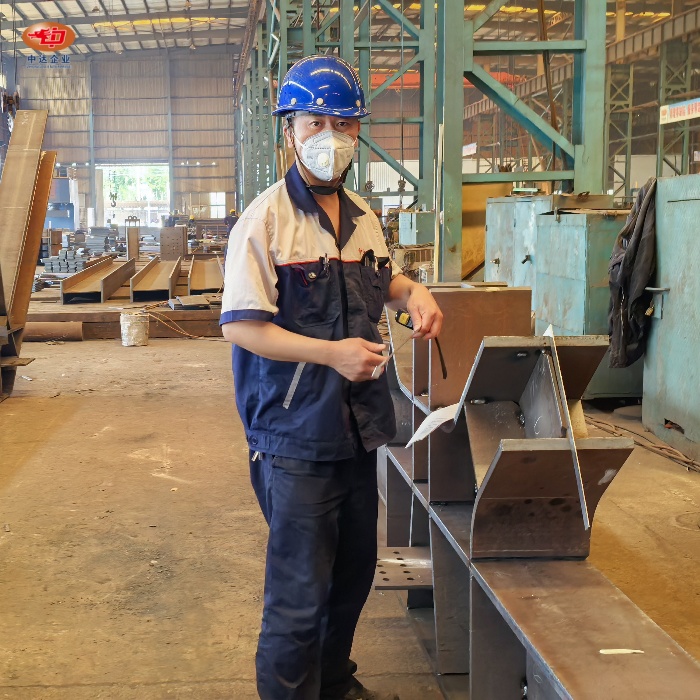
Certified material sellers for commercial steel structures are the first step in making a project a success. Mill Test Reports check that structural steels meet the requirements for their grades by checking their chemical makeup and mechanical properties. As part of our quality control procedures, a third party checks the quality of our raw materials, the accuracy of our fabrications, the proof of our welds, and the finish application. This all-around method cuts down on problems in the field and makes sure that parts come ready to be installed right away.
Site Preparation and Foundation Work
While the steel is being made off-site, footing workers are making plans for anchor bolts and base plates. At this point, accuracy affects how well the erection works. Surveying sets up grid lines with accuracy of about 3 mm to make sure that bolt patterns line up with base plates that have been made. In industrial facilities, structural steel is put together for the last time while concrete foundations set. This gets rid of the delays that come with traditional building methods.
Erection Sequence and Installation
Crane operations are based on designed lift plans that place parts in a certain order to make the crane stable and efficient. Set up and plumbing are done on the column parts, beam connections are made, and bracing systems are put in place to stop horizontal forces. When you use bolted links, you can move the load right away, without having to wait for the weld to cool or for a check. When working with experienced construction teams, they can install a lot of tons of steel every day, and most office buildings are weathertight in weeks instead of months.
Maintenance Protocols and Lifespan Management
When built correctly, steel buildings often last longer than 50 years with little upkeep. Inspection programs check the stability of connections, the state of coatings, and the performance of draining systems. Most of the time, corrosion happens where water can collect, like where the roof meets the base or where the paint has been damaged. By taking care of these issues during regular checks, small problems don't get worse and become major problems. Our technical support teams help property managers make repair plans that are special to the layout and conditions of each building.
When buying teams understand these steps, they can make realistic project schedules, find possible risks, and set quality standards that protect the company's investments during the building and running phases.
Procurement Insights: How to Source Quality Commercial Steel Structures
Costs should be taken into account, but quality security and supply chain efficiency should also be taken into account. Finding your way around the market for structural steel means knowing what each maker can do, what certifications are needed, and how the service models work, all of which affect how the project turns out.
Manufacturer Evaluation Criteria
Comparing prices is only one part of choosing a supplier. Competent vendors are different from industry leaders in terms of their manufacturing ability, technical resources, and project management skills. Zhongda's 120,000 m² facility, which can hold 60,000 tons per year, shows that it has the size to handle big business projects without affecting shipping times. The ISO 9001:2015 approval makes sure that quality management systems are working properly, and the EN 1090 compliance makes sure that international standards for building work are met.
Understanding Cost Drivers and Budget Planning
Material costs change with the global steel market, so making early agreements to buy is helpful when prices are good. The lead time is usually between 8 and 12 weeks, but it depends on how complicated the job is and how quickly it needs to be made. Custom manufacturing, custom coatings, and combined installation services all add value, but they cost money. Manufacturers who are open and honest give thorough quotes that include costs for materials, assembly, finishing, shipping, and expert support. This makes it possible to accurately predict costs.
Integrated Services and Technical Support
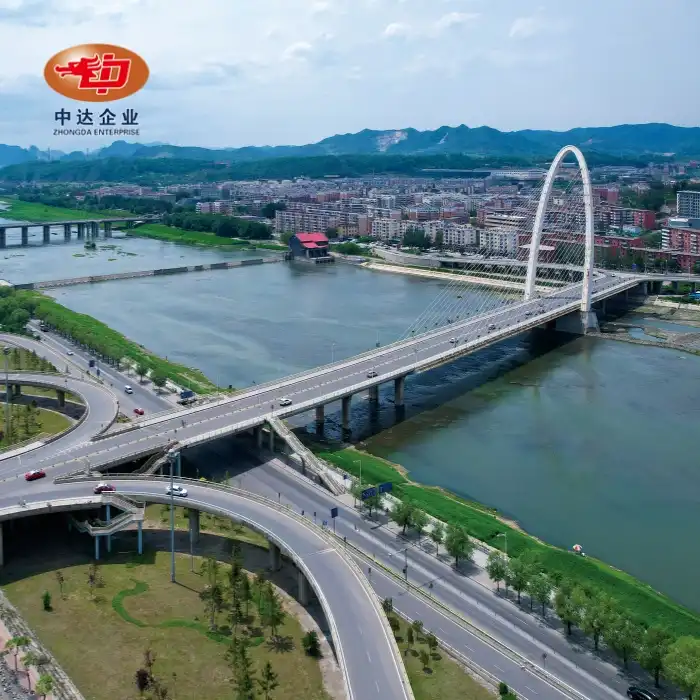
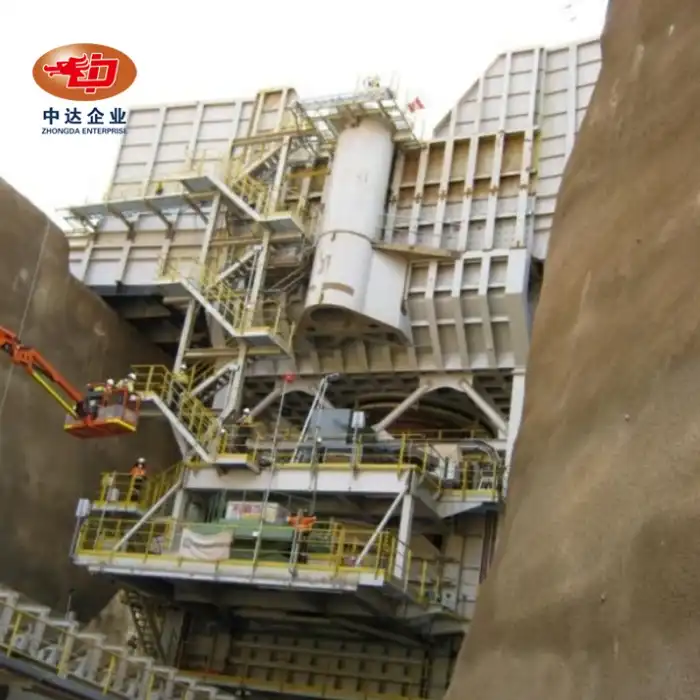
Comprehensive providers of commercial steel structures offer full options that go beyond just delivering materials. Design-build methods combine duty, making it easier for owner teams to coordinate. Our services for shop drawing development, connection engineering, and construction planning make sure that the building can be built while staying true to the design purpose. Support after installation, such as troubleshooting in the field and guarantee coverage, lowers risks and saves project investments. When procurement teams choose manufacturers with experience working on projects all over the world—like the Arctic bridges in Russia, the mining facilities in Australia, and the industrial buildings in Vietnam—they can be sure that the manufacturers have the technical know-how to handle a wide range of applications and legal settings.
Future Trends and Innovations in Commercial Steel Structures for Offices
The structural steel business keeps changing as new technologies are added and green ideas are explored. Smart buying plans take into account new trends that improve the performance and long-term value of buildings.
Advanced Prefabrication and Modular Systems
Digital manufacturing technologies make it possible for modular structures to get more complex. Whole parts of office floors can be made as single units that come with mechanical, electrical, and plumbing systems. This makes building times much shorter. Robotic welding ensures uniform quality and cuts down on the need for human work. These methods work especially well for projects in places where skilled workers are hard to find or where delivery needs to happen quickly.
Smart Building Integration
These days, office buildings are like habitats for technology. Pathways for sensor networks, environmental tracking, and building automation technology are now built into structural systems. These kinds of connections are easy to do with steel framing—hollow structural parts can hold data cables, and modular designs make it easier to add new technology in the future. Energy management systems make HVAC systems work better by using thermal mass and natural airflow methods made possible by spans without columns.
Sustainability and Carbon Reduction
Environmental concerns are becoming more and more important in buying choices. Steel's ability to be recycled—it can be handled over and over again without losing any of its properties—backs up the ideas of the circle economy. Using recovered materials in modern electric arc furnace steel production cuts total carbon by a large amount compared to using new materials. Design for teardown principles allow buildings to be taken down and their structural parts reused in the future. This extends the lifecycles of materials beyond the lifespans of individual buildings. Low-VOC coating systems and materials that are found carefully help buildings get LEED and other green certifications that raise the value of the building and make the people who live there happier.
Procurement teams partnering with innovative makers gain access to these emerging capabilities, positioning their organizations at the forefront of commercial real estate development trends that define competitive advantage in evolving markets.
Conclusion
For the building of modern offices, commercial steel structures offer the most flexibility and dependability. Their ability to be put together quickly, allow for flexible design, and last for a long time solves the main problems that business developers and corporate real estate teams face. Steel-framed buildings are getting better and better as time goes on thanks to new materials, digital engineering tools, and environmentally friendly design methods. Professionals in procurement who know about the technical bases, comparative benefits, and lifecycle issues of these systems can definitely recommend steel solutions that improve project outcomes. As the needs of the workplace change and the need to be environmentally friendly grows, steel buildings provide the flexible base that offices need to work well for businesses as their needs change over the years.
FAQ
How long does a steel-framed office building typically last?
As long as they are properly maintained, well-designed steel buildings often last longer than 50 years. Proper corrosion prevention through hot-dip galvanizing and regular testing schedules keep structures in good shape for long periods of time. Steel is one of the most durable building materials because it can last for more than 75 years in controlled settings or with improved coating systems.
What fire resistance ratings can steel office structures achieve?
Steel framing easily meets fire resistance standards that range from one to four hours, based on the safety systems that are used. When intumescent coatings are heated, they spread, protecting steel parts from heat and keeping the structure's strength during fires. Spray-on fireproofing or encasing in concrete are two other ways to protect something. When systems are properly defined, they always go beyond what the International Building Code says an office should have.
How do steel structures compare in total project costs?
Even though the prices of materials change with the market, steel building usually leads to lower overall project costs by speeding up schedules, cutting down on site labor, and reducing the number of weather delays. Foundation savings from lighter building weights and less upkeep needs over the life of the building both add to good lifecycle cost profiles. Accurate financial forecasts are made by doing a detailed cost-benefit analysis that takes into account the specifics of your project.
Partner with Zhongda for Your Next Office Development
Zhongda Steel provides top-notch engineering services to business developers, EPC contractors, and corporate builders in North America and around the world. With more than 18 years of experience making structural steel, we can make sure that your office project gets precise fabrication, approved quality systems, and full expert support. We are a reliable commercial steel structure seller with a First-Class Steel Structure Engineering Qualification. We work with big names in the industry, like China Railway and BMW, and offer complete solutions, from BIM-driven design to final installation. Get in touch with our team at Ava@zd-steels.com to talk about your project needs and get specific technical advice that turns your office idea into a building reality.
References
American Institute of Steel Construction. "Steel Construction Manual, 15th Edition." Chicago: AISC, 2017.
Lawson, R. Mark, and Ray Ogden. "Sustainable Steel Construction: Design and Erection Best Practice." London: SCI Publication, 2019.
Chen, Wai-Fah, and Seung-Eock Kim. "LRFD Steel Design Using Advanced Analysis." Boca Raton: CRC Press, 2018.
Bjorhovde, Reidar. "Development and Use of High Performance Steel." Journal of Constructional Steel Research, Vol. 60, 2004.
Trahair, Nicholas S., et al. "Steel Structures: Design and Behavior, 5th Edition." Upper Saddle River: Pearson, 2016.
Baddoo, Nancy R. "Sustainability of Steel Structures in Construction." Proceedings of the Institution of Civil Engineers, Structures and Buildings, Vol. 166, 2013.
_副本_1757053936097.jpg "building structure")
_副本_1762409363712_1788849278749.jpg "steel truss structure")
_副本_1758525876027.jpg "grid structures")