Why Steel Box Girder Offers Superior Torsional Rigidity?
2026-06-27 16:35:23






Steel box girders deliver exceptional torsional rigidity primarily through their closed cross-sectional geometry. Unlike open sections such as I-beams, the fully welded hollow box configuration forms a continuous enclosed shape that resists twisting forces with remarkable efficiency. When torsional loads act on the structure, the box section distributes stresses uniformly across all four sides, preventing localized deformation. This closed-cell design creates what engineers call "St. Venant torsion," where the entire cross-section works cohesively to counteract rotational forces. The result is a structural element that maintains dimensional stability even under asymmetric loading conditions common in bridge construction.
Understanding Torsional Rigidity in Steel Box Girders
The Mechanics Behind Torsional Resistance
Torsional stiffness is a measure of how resistant a structure part is to rotational deformation when twisted moments are applied to it. In bridge uses, these forces come from uneven loads on vehicles, wind pressures, earthquakes, and the order in which structures are built. When you have a closed hollow geometry, the whole perimeter resists these forces, instead of just a few places, like with open parts. This gives the structure a benefit.
Comparative Structural Performance
The changes in performance become clear when we look at different girder designs. I-shaped parts depend on bending resistance, which goes down quickly as span lengths get longer. Traditional truss systems work well in some situations, but they have a lot of link places that can become stress collection zones. Prestressed concrete girders work pretty well, but they're not strong enough or light enough for long-span uses. The steel box girder design always works better than these other options because it makes a closed loop that is torsionally efficient and reduces angular bending under service loads.
Critical Factors Affecting Torsional Performance
How well a steel box girder section fights twisting depends on a number of geometric factors. The amount of width to depth affects how stresses are distributed, and the thickness of the walls decides how well the section can handle shear flows around the edges. The corner radius specs affect the quality of the manufacturing and where the stress is concentrated. To get the best performance for a given project, these factors need careful planning. This is why working with experienced manufacturers during the purchase phase is so important.
Key Design Principles of Steel Box Girders for Maximum Torsional Resistance
Advanced Material Selection Standards
The choice of material has a big effect on the structure's ability to twist and its general performance. It starts with high-strength steel types that give things better resistance. There is a minimum yield strength of 345 MPa in Q345D steel, which is the main material used in most situations because it is strong, easy to weld, and cheap. Q420D steel is often used in critical link zones to handle high pressures at support points and splice points. These material requirements make sure that the beam stays flexible under service loads while also giving enough safety gaps for situations where it might finally fail.
Precision Welding for Structural Continuity
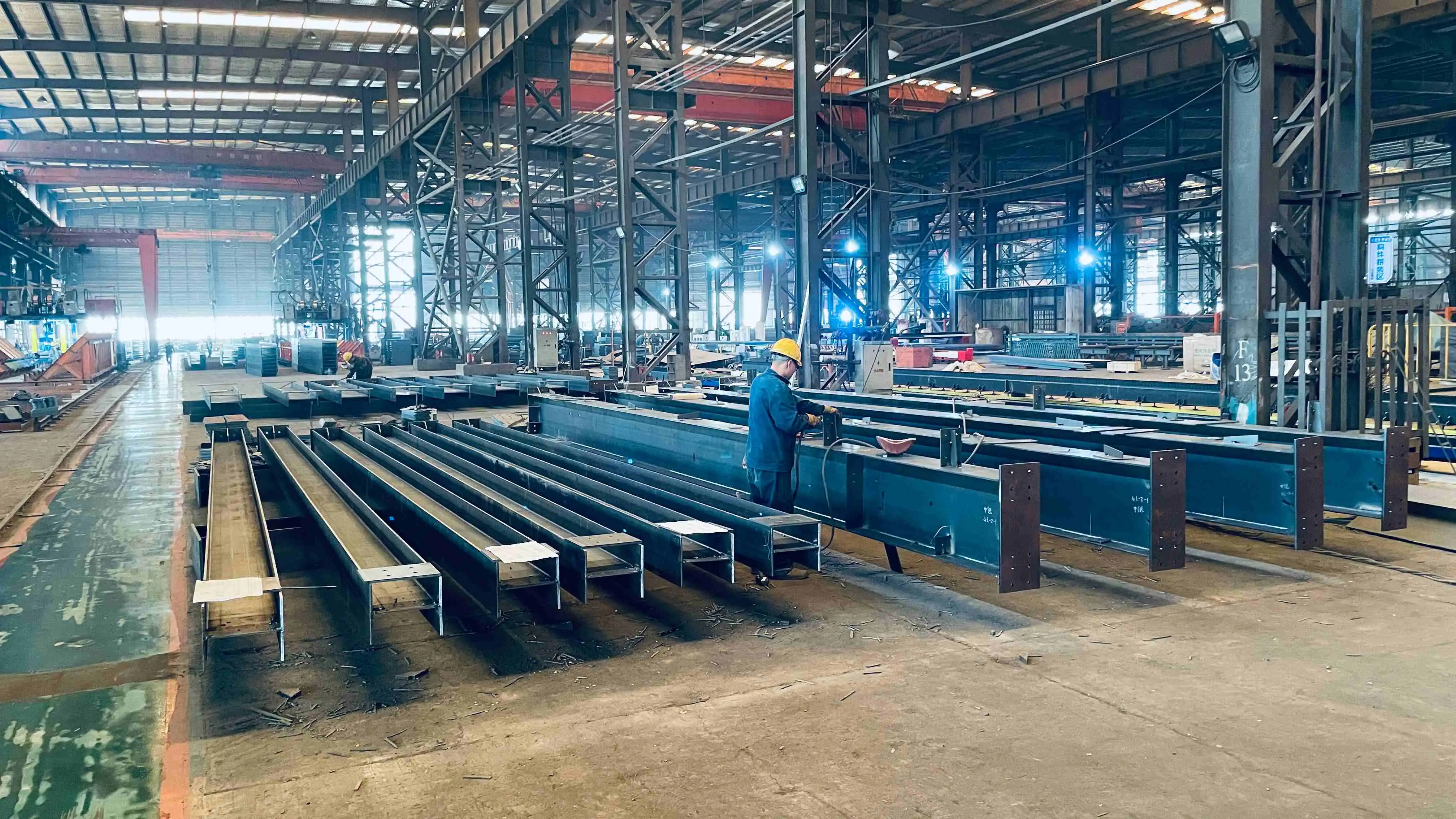
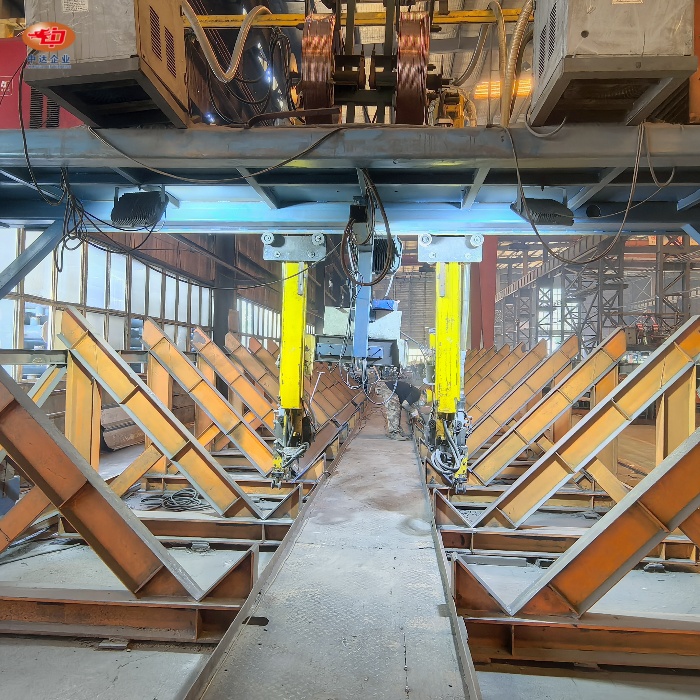
The way the closed part is made has a direct effect on how well it works as a twisting member. With full-penetration welds, material flows continuously around the outside of the box, making sure that stress moves easily and without any breaks. Automated welding processes give uniform quality that can't be matched by human methods, especially for connections between plates that are more than 50 mm thick. The order of the welding steps changes the leftover stress patterns and the possibility of warping, so the process needs to be carefully planned. When manufacturers use CNC-controlled welding systems, they can place parts with an accuracy of within ±0.2mm, which is important for keeping the dimensions that are needed for reliable structural behavior.
Variable Cross-Section Optimization
Variable-depth sections are used more and more in modern bridge design to match how forces are distributed inside the span. This method makes the best use of the material while keeping the appropriate rotational stiffness. Beam heights from 1.25m to 8m can be used for a variety of width needs and load situations. To keep rotational integrity and avoid stress buildup, transitional zones need to be carefully detailed. With BIM-based design integration, engineers can correctly model these complicated shapes and guess how they will work before they are built.
Advantages of Steel Box Girders Over Other Girder Types in B2B Procurement
When making a procurement choice, you have to think about more than just the original costs of acquisition. The closed steel box girder design has measured benefits that affect the economics of the project for the whole life of the building. When compared to other systems, there are a number of strong advantages that make specification preference the right choice.
- Superior Load Distribution Characteristics: The torsionally rigid steel box girder section spreads heavy loads more evenly than open sections, which lowers stress peaks in specific areas. This feature comes in handy for urban bridge uses where unpredictable traffic patterns make loading situations uncertain. Because the structure is more efficient, the designs are lighter, which means they don't need as many foundations and the costs that come with them.
- Enhanced Construction Efficiency: 12–30 meter prefabricated pieces arrive at project sites ready to be put together, which greatly shortens the time it takes to build. Compared to cast-in-place methods, this flexible approach cuts down on the amount of work that needs to be done on-site by about 50%. Delays caused by bad weather get better as more important connection work is done in controlled settings. The time saved has a direct effect on the costs of financing the project and on when toll stations can start making money.
- Lifecycle Cost Advantages: Procurement costs get a lot of attention, but lifespan economics are what really decide the value of a project. The natural resistance to corrosion of properly treated steel, along with easier checking procedures for the interior that can be reached, greatly lowers the cost of upkeep. Service life estimates of more than 30 years show how durable things are thanks to modern anti-corrosion methods like hot-dip galvanizing and special covering systems.
- Span Capability and Design Flexibility: The maximum single-span span length of 420 meters opens up design options that aren't possible with other methods. By extending the reach, these bridges are no longer needed in environmentally sensitive areas or on rivers that can be navigated. This makes the project easier to regulate and less harmful to the environment. Being able to change the cross-sectional features lets them be optimized for a certain spot.
- Weight Reduction Through Innovation: Corrugated steel web technology is a big step forward in making structures more efficient. Engineers can cut the weight of web panels by up to 20% by adding controlled corrugations that don't affect the panels' shear or rotational strength. Lighter buildings are easier to move, require less tools to put up, and don't shake as much in areas that are prone to earthquakes.
Because of these benefits, steel box girder systems are the best choice for procurement professionals who want to get the most value out of a wide range of projects. When you look at structural performance, building efficiency, and lifetime costs together, they make a strong case for specification choice.
Modern Construction Methods Enhancing Torsional Rigidity with Steel Box Girders
Factory Prefabrication Quality Control
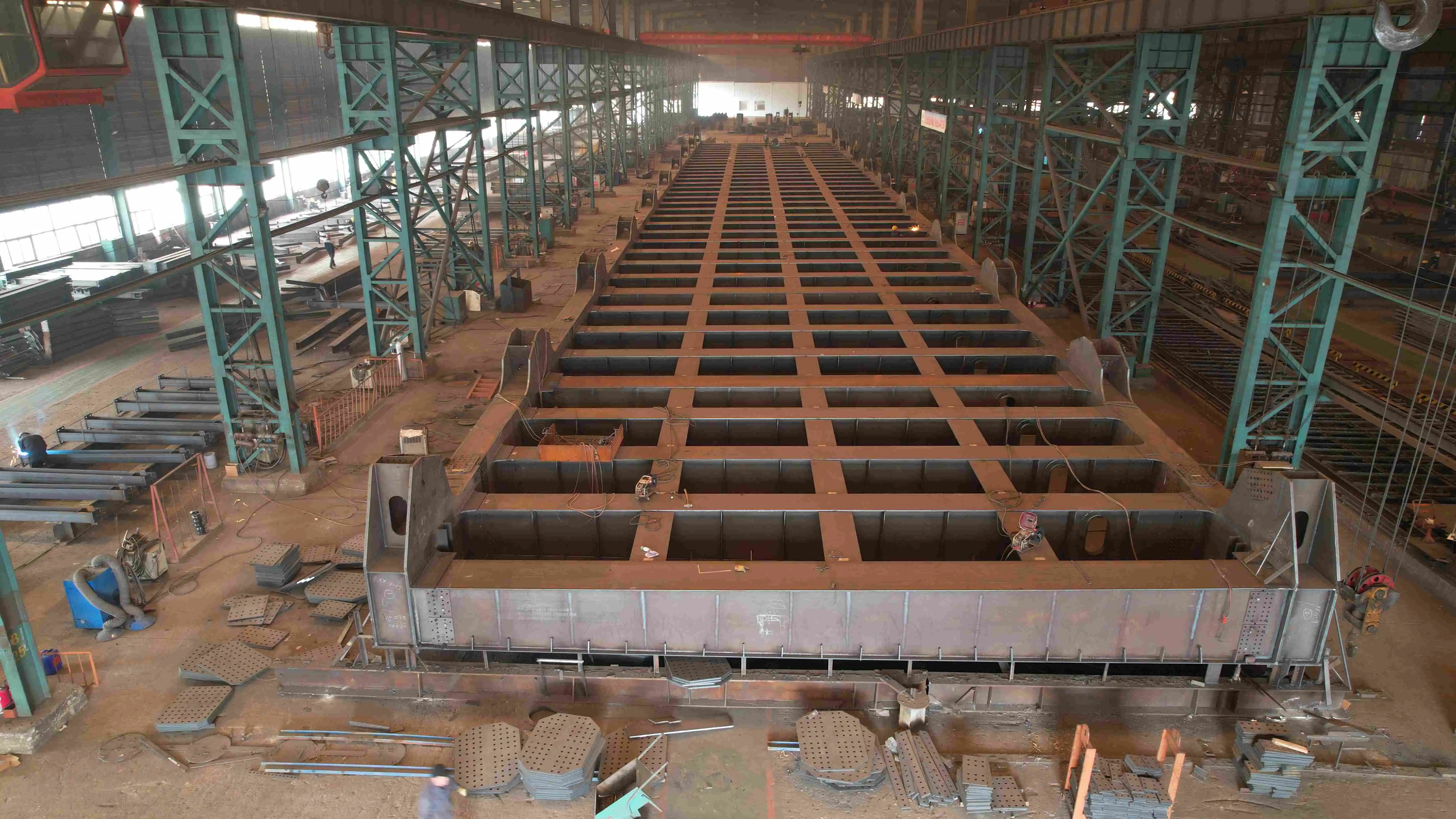
Quality standards that can't be met in the field can be reached in shop production settings. Climate-controlled buildings keep the best temperatures for welding all year, so the metallurgical qualities stay the same. Overhead cranes can precisely place heavy parts, so there are no alignment problems like there are when parts are put together in the field. Non-destructive testing tools carefully look at every weld, finding flaws below the surface before they weaken the structure. This method of controlled manufacturing improves torsional performance directly by making sure the closed part works as planned.
Advanced Assembly Methodologies
On-site construction methods have changed a lot over the years, which has made them safer and better for the structure. Using incremental launching methods moves finished steel box girder parts across permanent bearings, which reduces the need for temporary support. Balanced cantilever building builds symmetrically from pier points, making sure the structure stays balanced the whole time. Precision-machined join plates connect pieces that are lifted by a crane to make continuous spans with little field welding. These methods keep the twisting properties that were built into the original design.
Customization Capabilities for Complex Projects
Each building project has its own set of technology needs and site limitations. Leading manufacturers offer full customization services that make standard goods work better in certain situations. When filling patterns aren't all the same, variable cross-section shapes help spread the material out in the best way. Integrated utility lines let draining, communication, and electricity systems work together without affecting the performance of the structure. Interface features that work with different deck systems, like orthotropic plates, concrete blocks, or composite arrangements, give designers more options. During the design development process, engineering teams work together to make sure that the finished goods are exactly what the project requirements and site conditions call for.
Maintaining Steel Box Girders to Preserve Torsional Performance
Proactive Inspection Protocols
Maintaining structural stability over the service life is important for long-term rotational performance. Through regular inspections, new problems are found before they become unsafe or unusable. Visual inspections find surface rust, worn-down coatings, and other clear signs of trouble. Ultrasonic testing checks the quality of the weld and finds cracks below the surface that can't be seen. Stress patterns are tracked by strain gauges in key places, which shows if the structure works as planned. These inspection methods let upkeep choices be made based on data, which makes the best use of resources.
Protective Treatment Systems
Corrosion is the main thing that can damage a structure over time. Multiple layers of defense are used in comprehensive security methods. Hot-dip galvanizing puts on a zinc covering that is metallurgically bonded and protects even if it gets broken. Paint methods that are built on epoxy make walls that can't be broken down by water or chloride. Surface solutions for the inside of buildings take into account the limited space where condensation can build up. When systems are properly designed and put in place, they usually last 30 years before they need to be re-coated.
Repair and Rehabilitation Techniques
Even with preventative care, sometimes small fixes need to be done in specific areas. Specialized builders use methods that were made just for steel box girder systems. Plate bonding strengthens parts that are under more stress than expected. Crack arrest methods stop the spread of tiredness before it lowers the load capacity. Cathodic protection systems keep rust from happening in places that are very harsh. When changes need to be made to a structure, finite element analysis makes sure that the fixes keep the original rotational properties. During these efforts to fix up the structure, manufacturers who offer ongoing expert support throughout its working life are very helpful.
Conclusion
Steel box girders have better torsional stiffness because they are built with closed-section shape, continuous material paths, and the best cross-sectional qualities. These traits lead to useful benefits that last throughout the lifetime of a project: higher safety margins, the ability to span longer distances, faster building schedules, and lower upkeep needs. When procurement professionals are looking at different choices for building a bridge, it helps to know about these technical foundations and how they affect the economy. These systems are the best for demanding building projects around the world because they are structurally efficient, well-made, and work well over their entire lifetime.
FAQ
How does torsional rigidity directly enhance bridge safety?
Torsional stiffness stops too much turning that could cause cracks in the deck, broken connections, or changes in the shape of the structure that make the vehicle less stable. The closed box section keeps load paths predictable even when loads are applied unevenly. This makes sure that the structure behaves according to the design assumptions for the whole service life.
What are typical lead times for custom box girder fabrication?
Lead times depend on how complicated the job is and how much can be made. Standard setups with only minor customization usually take 12 to 16 weeks from the time the final design is approved until delivery. It could take 20 to 24 weeks for complex variable-section shapes with long lengths. Getting involved early in the planning step helps make schedules work better.
Are these girders suitable for extremely long spans?
Modern steel box girder technology can hold single spans up to 420 meters long, which is long enough for most bridge uses. The ability to span relies on the material grade, the depth-to-span ratio, and the load needs. During the basic design phase, engineering analysis figures out if the project is possible under certain conditions.
Partner with Zhongda for Superior Steel Box Girder Solutions
Shenyang Zhongda Steel Structure Engineering Co., Ltd. is ready to help you with your building projects by providing high-quality steel box girder systems that are designed to work exceptionally well in torsion. Since we started in 2004, we've sent over 60,000 tons of materials every year to tough jobs all over the world, from mining operations in Australia to the Arctic in Russia. Our factory is ISO 9001/EN 1090/AWS-certified and uses BIM-driven design integration and precision production technologies that make sure the sizes are accurate to within ±0.2mm. Our engineering team creates unique solutions based on the needs of your project, whether you need changeable cross-section designs that are ideal for weight reduction or standard configurations that can be put in place quickly. Get in touch with our technical experts at Ava@zd-steels.com to talk about how our steel box girder manufacturing services can help you build a better bridge.
References
Chen, W.F. and Duan, L. (2014). Bridge Engineering Handbook: Superstructure Design. CRC Press, Boca Raton, Florida.
Troitsky, M.S. (1987). Orthotropic Bridges: Theory and Design. James F. Lincoln Arc Welding Foundation, Cleveland, Ohio.
Menn, C. (1990). Prestressed Concrete Bridges. Birkhäuser Verlag, Basel, Switzerland.
Xanthakos, P.P. (1994). Theory and Design of Bridges. John Wiley & Sons, New York.
Nakai, H. and Yoo, C.H. (1988). Analysis and Design of Curved Steel Bridges. McGraw-Hill, New York.
American Association of State Highway and Transportation Officials (2020). AASHTO LRFD Bridge Design Specifications, Ninth Edition. Washington, D.C.
YOU MAY LIKE
_副本_1755241212578.png "prefab steel warehouse")