Why Steel Cable-stayed Bridge is Ideal for Deep Water Sites?
2026-06-27 16:35:21






When building infrastructure across large bodies of water, the success of the project depends on picking the right bridge design. Steel cable-stayed bridges are the best way to cross deep water because they have an innovative load distribution system, require fewer piers, and can be built to withstand a variety of sea conditions. Because they are structurally efficient, easy to build, and last a long time, they are the best choice for building modern infrastructure in places where water depths are too high for traditional foundations.
Understanding Steel Cable-stayed Bridges and Their Suitability for Deep Water Sites
Structural Fundamentals and Load Distribution
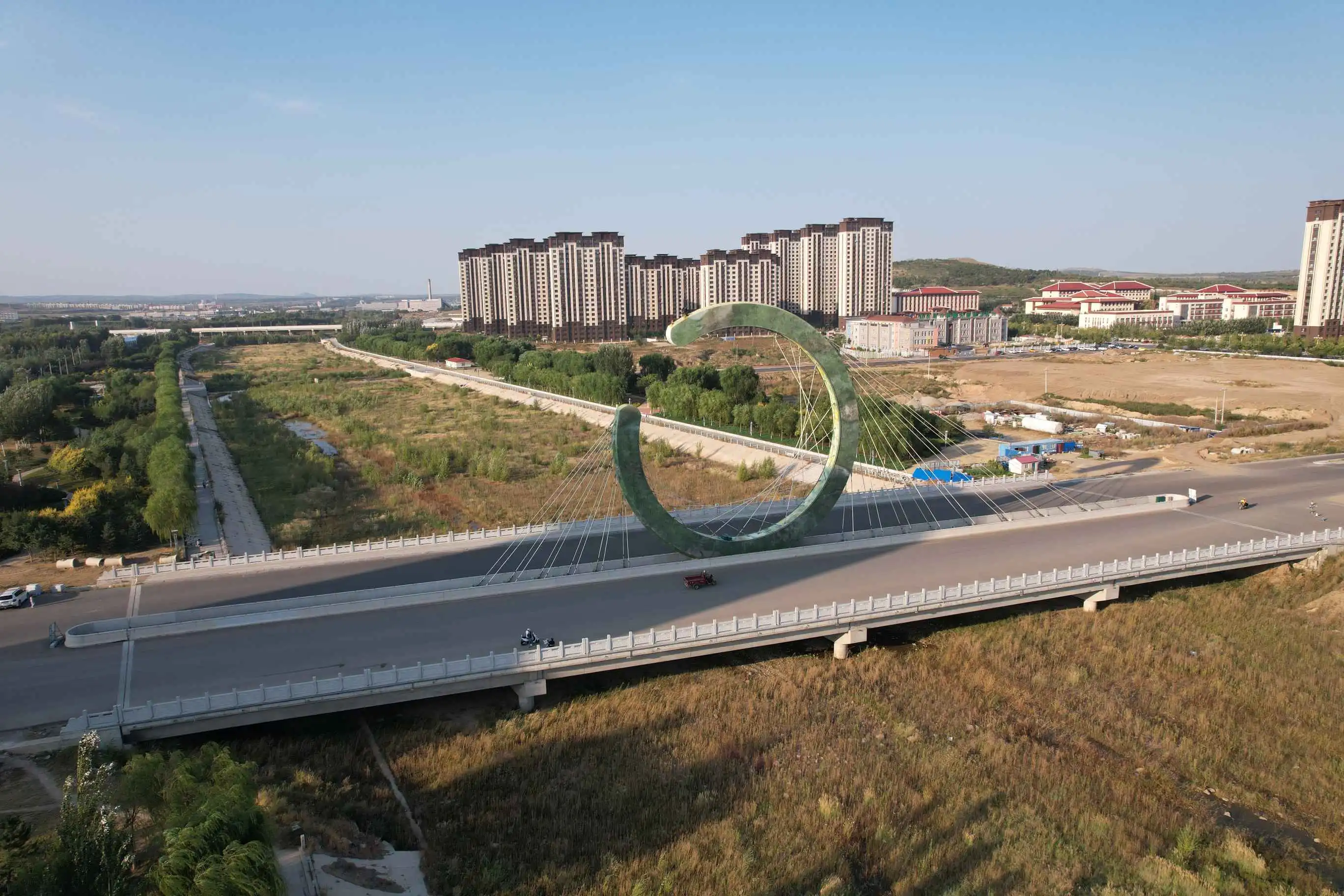
Steel cable-stayed bridges use stretched wires that come out of poles to hold up the deck. Traditional beam bridges need a lot of supports in between the beams. This design, on the other hand, uses efficient cable geometry to send loads straight to the tower foundations. The deck is basically suspended from cables in a fan or harp shape, allowing lengths of 200 to 800 meters without the need for intermediate piers. This is a huge benefit in areas with deep water where building traditional piers would be too expensive or impossible to do safely.
The science behind this design makes it especially useful in marine settings. While tower buildings are anchored into safe geotechnical layers below the bottom, steel wires keep their tension even when the loads on them change. This layout cuts down on the amount of water-based foundations that need to be built, which means less damage to the environment and easier building. Q420qE steel grades are often used to build towers because they have higher yield values than regular structural steel. This means they can hold more weight with the same amount of material.
Material Advantages in Marine Environments
Deep water places put bridges at risk of damage from salt spray, changes in temperature, and high humidity all the time. These weather stresses are easier for high-performance steel alloys to handle than other materials. Modern rust protection systems that use PE outer sheaths and graphene-enhanced inner coatings can make things last longer than 50 years, even in harsh sea environments. This durability directly leads to lower lifetime costs because it requires less upkeep and needs to be replaced less often.
Modern steel types have a good ratio of strength to weight, which lets longer spans with lighter deck parts. In turn, this lowers the total weight of the structure that needs to be supported, which lowers the loads on the base and makes building logistics easier. When the water level is more than 30 meters, every decrease in the complexity of the base saves a lot of money and time. Because steel fabrication is modular, parts can be made in a controlled workshop environment and then brought to the site to be put together. This reduces the amount of work that has to be done abroad in bad weather.
Span Capabilities and Design Flexibility
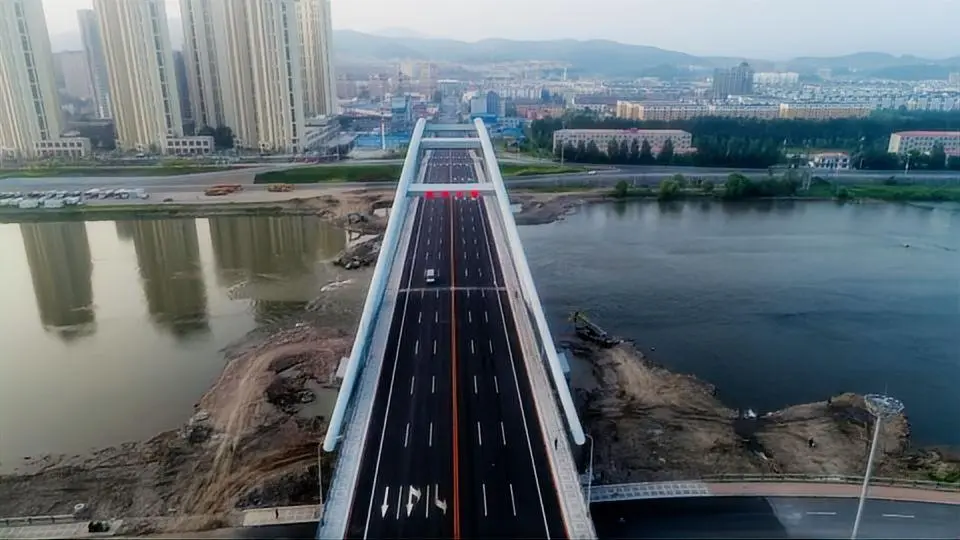
For deep water bridges, clear gaps are often needed to make room for shipping lanes, environmental protection zones, or natural limits. In these situations, cable-stayed setups work best because they can make major spans that are several hundred meters long. Double- or single-cable plane patterns give designers more options to fit the needs of the place, the traffic, and the way the structure looks. This ability to change is very helpful when balancing the needs of engineers with the costs of projects and the needs of the environment.
The tower-and-cable system makes unique building shapes that improve the look of cities while also meeting transportation needs. Unlike suspension bridges, which need big anchorages, cable-stayed designs focus loads on tower supports. This makes it easier to build in deep water, where natural anchorage points might not be available. Because of how well they are built, they are perfect for urban waterfront projects where room limits the size of infrastructure.
Engineering Challenges and Solutions in Deep Water Steel Cable-stayed Bridge Construction
Geotechnical and Foundation Complexities
Building stable supports in deep water is one of the most difficult technical parts of building a maritime bridge. Conditions on the seabed range from soft sediments to rocks at different levels. For tower foundations to be strong enough, geotechnical research must accurately describe the conditions below to great depths. Geophysical studies and advanced digging and sampling methods are what foundation engineering needs to get the data it needs.
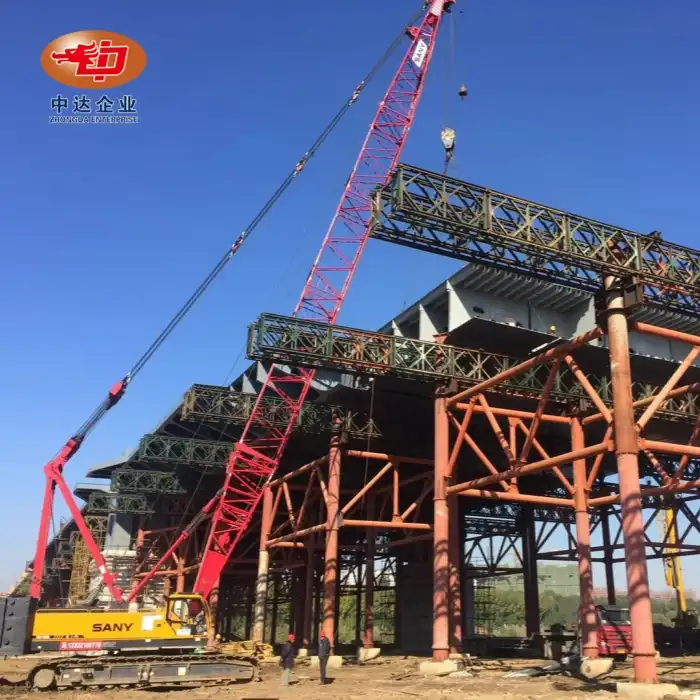
Shenyang Zhongda's work on projects like the Shenyang Dongta Cross-Hunhe River Bridge shows how these problems can be solved in the real world. Foundation caissons that were made on land can be moved to the right place and sunk into a prepared seabed. They can then be filled with concrete to make safe tower bases. Compared to traditional methods, this method cuts down on the time needed for underwater building and makes quality control better. When bedrock is deep below soft sands, load can be transferred reliably through large-diameter dug shafts that go through weaker materials to strong bearing layers.
Precision in Cable Installation and Tensioning
To get the plan geometry and load spread right, installing cables requires a high level of accuracy. Each wire has to be placed within millimeters of the next and tightened to exact standards. The OVM250 anchorage systems hold ¥7mm galvanized steel wires that meet EN 10138 standards in place. This makes sure that the links are strong and can withstand decades of repeated loads. 3D coordinate recognition systems with 0.5-inch total station accuracy check the placement of cable conduits while towers are being built. This sets the geometry for when the cables are installed later.
Weather has a big effect on activities that involve installing cables offshore. Working windows for precise tasks are limited by wind speeds, wave action, and sight issues. Exposure to bad conditions is reduced by modular building processes that make the most of factory fabrication and lessen field assembly. Digital design tools based on BIM help building teams see how complicated assembly processes will work, find possible problems before they happen, and make the work flow more efficient. These technological methods lower the risks that come with working on schedules in marine building sites.
Seismic Considerations for Marine Structures
Deep water bridge sites in areas that are prone to earthquakes need complex plans for keeping them safe. Compared to fixed connections, LRB800 isolation bearings built into tower-deck connections cut earthquake response by as much as 40%. During earthquakes, these bearings allow controlled movement to the side, which releases energy that would otherwise stress structure parts. When you add in the natural flexibility of steel cable-stayed bridges, you get buildings that are strong enough to withstand big changes in the ground without sustaining major damage.
These earthquake safety steps were built into the Jingha Expressway growth project, showing that they can be used in real-world situations. Engineers can guess how structures will react to different types of earthquakes by using finite element analysis models that are calibrated with seismic factors specific to the spot. This way of thinking about things makes sure there are enough safety gaps while avoiding over-designing that doesn't add any value and only raises costs. Using advanced tracking technologies and regular check routines, the bridge's seismic safety systems are made sure to keep working throughout its service life.
Comparative Analysis: Steel Cable-stayed vs. Alternative Bridge Solutions for Deep Water
Performance and Economic Considerations
When steel cable-stayed bridges are being thought about, suspension bridges and concrete cable-stayed replacements are the main choices. Each type of bridge has its own pros and cons that affect which projects are best suited for them. Suspension bridges have the largest spans, but they need strong anchorages that can be hard to find in deep water where there aren't any natural rock formations. Their building usually takes longer than cable-stayed options, which can affect how much a project costs and how long it takes to provide public benefits.
Concrete cable-stayed bridges can look different and don't need to be painted as often as open steel bridges. Their heavier deck mass makes the base loads higher and often needs more piers to reach lengths that can be reached with steel options. Construction plans get longer because parts made of concrete need time to cure between steps of construction. Steel configurations speed up the finishing of a project, which is a huge benefit when infrastructure needs to be expanded quickly or when financing costs rise during building.
Lifecycle cost study shows that steel cable-stayed systems are more cost-effective. When you look at the shorter building plans and lower foundation needs, the initial prices of the materials are comparable to other options. Advanced corrosion protection systems allow for longer periods of time between maintenance, and non-destructive testing technologies that can be used on steel buildings help with checking processes. When you look at the net present value over 75-year design lives, steel systems always show good returns on investment.
Construction Timeline and Site Disruption
Building a deep water bridge always causes problems with sea traffic, the environment, and activities on land. Cutting down on the time it takes to build something lowers these effects and speeds up the project's benefits. Steel's modular production method allows for tight construction plans that other methods that use a lot of concrete can't match. Large parts come to the site ready to be put together, so there are no long wait times for casting and drying abroad. This benefit is directly addressed by Zhongda's 20–30% shorter lead time compared to industry standards, which means that infrastructure is finished faster without lowering quality.
Environmental approval puts more and more emphasis on causing as little damage as possible to water ecosystems. Fewer pier foundations mean less damage to the seabed, less turbidity during building, and smaller lasting marks in areas that are sensitive. When regulatory bodies look at permit applications for deep water bridges, these things often make the difference. Compared to multi-pier options, cable-stayed designs that only need tower supports at the main span quarter points have much smaller negative effects on the environment.
Procurement Insights: Sourcing and Partnering for Steel Cable-stayed Bridge Projects
Component Specifications and Quality Standards
For deep water bridge projects to be successful, they need high-quality materials that meet strict performance standards. Tower structures are made from Q420qE steel plates that are 60–120 mm thick and were chosen because they have a high yield strength and can be easily welded. The chemistry and handling of this grade make sure that its mechanical qualities stay the same, which is important for building durability. International standards, such as EN 10138 for stay cables, must be referenced in procurement requirements. This makes sure that steel cable-stayed bridge components have proven performance qualities.
When looking for parts for marine settings, corrosion safety systems need extra care. Advanced multi-layer coats that combine PE sheaths with graphene-enhanced inner security give cables decades of service in harsh environments. Testing for UV protection that confirms performance for 50 years gives confidence that protective systems will stay strong for the entire design life. Certification proof that meets ISO 9001, 14001, and 45001 standards shows that makers have quality management systems that help them make consistent products.
Here are the core advantages when partnering with certified manufacturers:
- Manufacturing Capacity and Technical Capability: Plants that can make 60,000 tons of goods a year show that they are big enough to support big building projects. The biggest steel mill in northeast China has a 50-ton crane that can move very heavy parts that are often used to build long bridges. This infrastructure makes sure that providers can meet tight deadlines for deliveries without lowering the level of the work they do.
- Precision Fabrication Standards: Tower parts must be accurate within a 1/4000 error range in order for the cables to be installed correctly. CNC cutting on ultra-thick plates with an accuracy of ±0.2mm ensures a uniform fit during field assembly. These limits have a direct effect on how quickly and well the structure is built.
- Engineering Support Services: BIM-based digital design tools let providers help improve designs by finding ways to make them more efficient and any problems that might come up during construction, all before the actual production starts. This way of working together cuts down on change orders and delays in the plan during the building stages.
- International Compliance: Certifications like EN 1090, AWS, and JIS show that makers know how to follow global rules that apply to projects that take place in different countries. This compliance makes it easier to get projects approved when they involve people from different countries or money from outside the country.
Contractor Evaluation and Partnership Development
In addition to buying parts, projects that are successful need contractors with a lot of experience who can handle complicated naval building. As part of the evaluation process, the past experience with deep water bridges, engineering tools, quality control methods, and financial stability should all be taken into account. Referencing similar jobs can help you figure out how well a worker did under tough conditions. When you visit current projects, you can see how the real work is done compared to the written instructions.
When investor interests are aligned through partnerships, the results are often better than with adversarial contracting methods. Integrated project delivery methods urge designers, producers, and builders to work together to find the best solutions that balance performance, cost, and schedule. Getting contractors involved early on in the design process lets you use their building knowledge when design choices have the most effect on the project's results. This method works especially well for places in deep water, where the way they are built has a big effect on how feasible the plan is.
Maintenance and Long-Term Performance of Steel Cable-stayed Bridges in Deep Water
Inspection Protocols and Monitoring Systems
Deterioration is found by systematic checking programs before it threatens the stability of the steel cable-stayed bridges or needs expensive emergency fixes. Initial inspections are usually done every two years, and they can go up to five years if the performance history shows that conditions are good. Visual and non-destructive tests are used together to find rust, broken cable wires, worn-out bearings, and coatings that need to be replaced. To check underwater parts of buried towers, you need special tools and trained people who know how to evaluate marine structures.
Condition-based maintenance methods are supported by advanced monitoring tools that give constant data on performance. Strain gauges built into important structural parts keep track of how loads are distributed during traffic and weather loads. Accelerometers pick up on strange movements that could mean that wires or bearings are broken. GPS-based displacement tracking systems measure changes in tower height to within millimeters, making sure that the structure stays within the limits of what was planned. These technologies let upkeep choices be made based on data, which makes the best use of resources while still making sure safety.
Corrosion Protection and Remediation
Marine atmospheres are very harsh on steel that isn't covered because they change temperature and wetness levels quickly. Multilayer covering systems that are put on during the manufacturing process are the main way to stop rust from starting. Regular checks find holes in the layer that need to be fixed before the base starts to corrode. Repairing a few coatings costs a lot less than replacing a whole structure part, so it's financially smart to do regular maintenance. Graphene-enhanced advanced coatings have better barrier qualities than standard systems, which means they need less upkeep and cost less over their lifetime.
Because wire failure can be so disastrous, protecting cables from rust should get extra attention. Modern stay cable systems have many layers of security, such as individual wire galvanizing, grout filling, high-density polyethylene wrapping, and dehumidification systems that keep the cable sections dry. Magnetic flux leakage testing is used to check cables on a regular basis and find broken wires without taking the whole thing apart. This lets you target your repairs when they're needed. This all-around method to security makes sure that the cables will work reliably for the entire design life of the bridge.
Conclusion
Bridge options for deep water structures need to balance structural performance, ease of building, cost-effectiveness, and long-term longevity. With their efficient load distribution that requires few water-based foundations, modular construction methods that cut down on offshore work, superior corrosion resistance that extends service life, and design flexibility that can accommodate a wide range of site conditions, steel cable-stayed bridges are the best option for all of these criteria. High-strength wire systems, Q420qE steel towers, and graphene-enhanced corrosion protection are just a few of the new materials that can handle the harshest marine conditions. Manufacturers who combine technical know-how, quality standards, and a track record of on-time delivery can help projects succeed in building deep water bridges.
FAQ
What timeline should we expect for steel cable-stayed bridge construction in deep water?
It depends on the length of the span, the depth of the water, and how easy it is to get to the spot. From the start of the ground work to the opening of a main span bridge between 200 and 400 meters, it usually takes 24 to 36 months. Longer periods of time or places that are especially hard to work on may add an extra 48 months. When compared to options that use a lot of concrete, modular steel fabrication speeds up plans by letting base work be done offshore and parts being made onshore at the same time. Detailed project scheduling during the planning phase lets you make accurate time estimates based on how the site is set up.
How do material costs compare between steel and concrete cable-stayed configurations?
When you look at the whole job, the initial prices of materials are competitive. Steel parts are more expensive per unit, but they need less overall mass because they are stronger for their weight. Even though the prices of materials are higher per unit, overall project costs are often lower because foundation needs are lessened and building plans are shortened. Lifecycle cost analysis, which takes into account upkeep needs, always points to steel options as the best choice in marine settings, where long-term costs are driven by corrosion protection.
Can cable-stayed designs be customized for specific environmental constraints?
One of the best things about current cable-stayed bridge tech is that it can be customized. Span lengths can be changed from 200 to 800 meters to meet the needs of sailing. Depending on the amount of traffic and wind, double or single-cable plane setups work best. Tower heights and shapes change based on the needs of the place and personal taste. Seismic safety devices are set up to work with the seismicity in the area. The requirements for corrosion defense match how active the atmosphere is. This freedom makes sure that the best solutions are used instead of ideas that aren't as good.
Partner with Zhongda for Your Steel Cable-Stayed Bridge Supplier Needs
Zhongda Steel has 20 years of experience working on complicated building projects that need careful planning and reliable execution. Advanced materials, BIM-driven design optimization, and ISO-certified manufacturing methods are all used in our steel cable-stayed bridge systems to make structures that work efficiently in harsh marine environments. We've finished big crosses like the 18,000-ton Shenyang Dongta Cross-Hunhe River Bridge and many projects for China Railway, CSCEC, and CCCC, so we know what your project needs to do technically and how tight the plan is. Get in touch with Ava@zd-steels.com right away for expert advice and unique solutions that meet your needs for crossing deep water. Our engineering team is ready to make your idea for infrastructure a permanent reality.
References
Chen, D.W., & Au, F.T.K. (2016). Cable-Stayed Bridges: Recent Developments and Their Future. Journal of Bridge Engineering, 21(4), Article C4015005.
Gimsing, N.J., & Georgakis, C.T. (2011). Cable Supported Bridges: Concept and Design (3rd ed.). John Wiley & Sons.
Walther, R., Houriet, B., Isler, W., Moia, P., & Klein, J.F. (1999). Cable Stayed Bridges (2nd ed.). Thomas Telford Publishing.
Troitsky, M.S. (1988). Cable-Stayed Bridges: Theory and Design (2nd ed.). BSP Professional Books.
Podolny, W., & Scalzi, J.B. (1986). Construction and Design of Cable-Stayed Bridges (2nd ed.). John Wiley & Sons.
Virlogeux, M. (1999). Recent Evolution of Cable-Stayed Bridges. Engineering Structures, 21(8), 737-755.
YOU MAY LIKE
_1788850251399.png "splicing details for steel beam")