Bridge Steel Structure Innovations: 5 Efficiency Boosters
2026-06-26 15:54:49






The progress made in bridge steel structure technology has completely changed how we build big building projects. New developments in steel suspension bridge building today use high-tech materials, precise manufacturing, and smart tracking to make them more efficient than ever before. At the heart of these improvements are high-tensile materials, such as PPWS (Prefabricated Parallel Wire Strands), which have a tensile strength of 1770MPa and can hold major spans longer than 2000 meters while standing up to hurricane-force winds. These innovations solve important problems that infrastructure builders face, like shortening building times and making materials last longer in difficult conditions. They are changing what is expected in commercial, industrial, and public project sectors.
Advanced Materials and Steel Types Enhancing Bridge Efficiency
New materials and types of steel are making bridges more efficient. Materials that go beyond the limits of standard performance are needed for modern structures. The move toward weathering steel and high-strength low-alloy steel is more than just a small step forward; it completely changes what can be done when building a bridge. These materials are very strong and can hold a lot of weight. They are also resistant to weather damage that would weaken lower types in just a few years.
High-Strength Steel Grades for Super-Long Spans
When the distance is between 300 and 2000 meters, normal materials just can't provide enough strength-to-weight ratios. Zhongda's steel suspension bridges use PPWS main cables that are 5.2 mm in diameter and have a tensile strength of 1770MPa. These cables were designed to handle high spans. This standard says that structures can hold up big loads of traffic over long distances while still staying strong in 12-level wind conditions. Contractors working on river bridges, valley spans, or seaside infrastructure can use less material without lowering safety standards. This has a direct effect on the project's cost and ability to be built.
Weathering Steel for Reduced Maintenance Cycles
Infrastructure owners are putting lifetime costs higher on their list of priorities than initial building costs. When exposed to the elements, weathering steel creates a protective gray layer that eliminates the need for painting and makes the steel more resistant to rust. Our Weathering Steel Anti-corrosion Technology protects even in the Arctic, as shown by Russian bridge projects that have to work in very cold conditions. This new material means that repair intervals are measured in decades instead of years. This is especially helpful for sites that are far away and hard to get to, where service costs are higher. When purchasing managers look at the total cost of ownership, they see that weathering steel uses offer a clear ROI by cutting long-term maintenance costs by a huge amount.
Every step of the building process for bridge steel structures is affected by the process of choosing the materials. Engineers have to find a mix between tensile needs, weather exposure, seismic concerns, and making sure that the connections work with each other. Our methods for testing materials are based on ISO 9001:2015 guidelines, and we use strict non-destructive testing on important parts to make sure that material certifications match how the materials actually work. When buildings need to meet FHWA-NHI-07-096 U.S. standards and pass approval checks from multiple regulatory bodies, this verification becomes very important.
Prefabrication and Modular Construction Techniques
How quickly and efficiently we can build big things has changed a lot thanks to off-site manufacturing. Instead of putting together a huge number of separate parts on-site, where delays and quality issues could happen, modern construction uses controlled settings for precise manufacturing. This method changes the levels of project risk and the time it takes to deliver in ways that affect the whole supply chain.
Precision Manufacturing Under Controlled Conditions
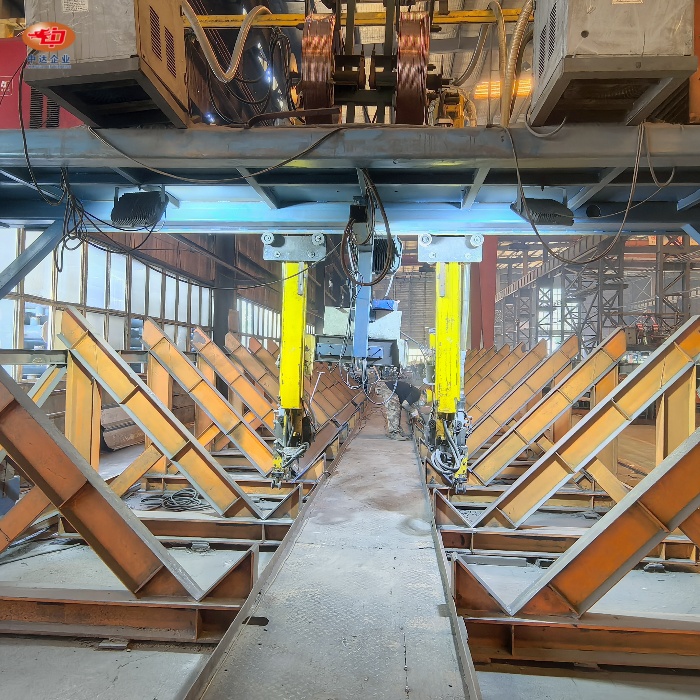
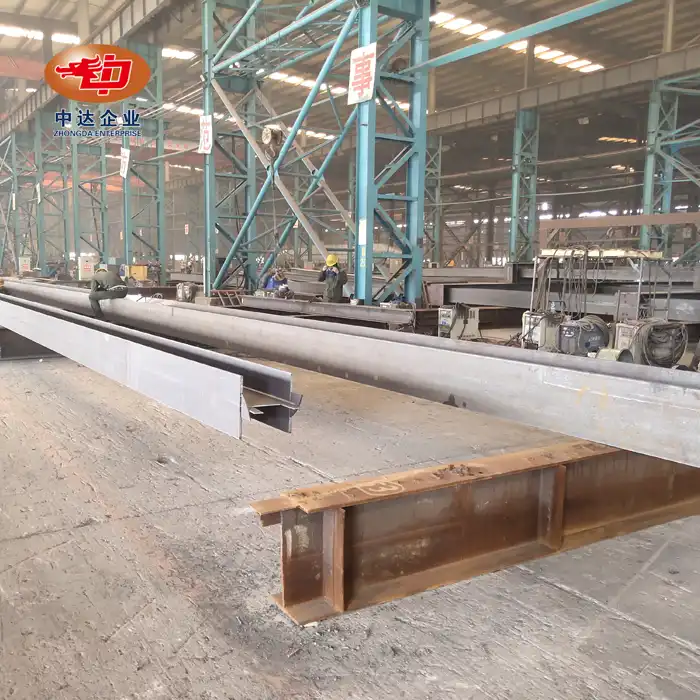
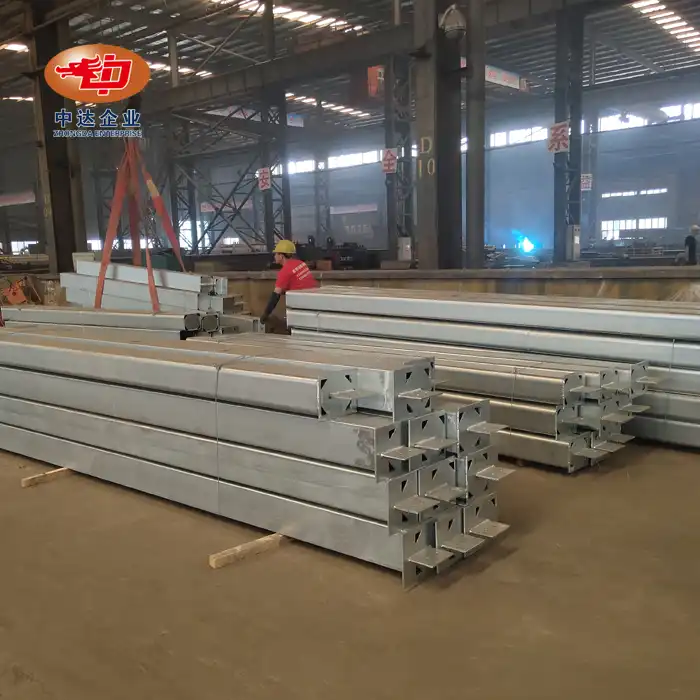
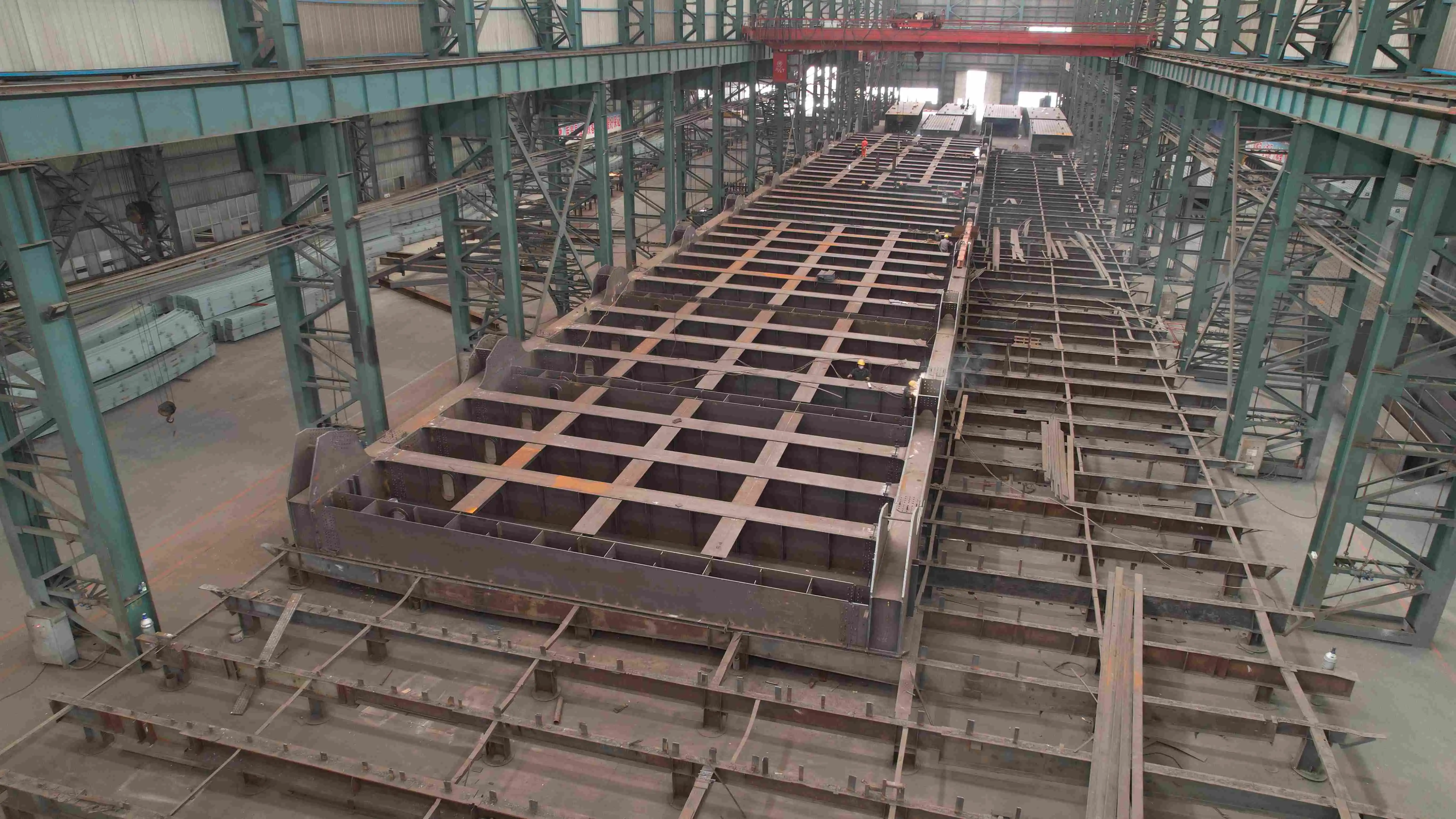
Zhongda's 120,000 m² factory shows how new technologies in manufacturing have changed what's possible. Our CNC machines can cut through very thick plates with an accuracy of ±0.2mm, and 3D laser scanning makes sure that the placement of wire clamps is accurate to within ±2mm. It is not possible to get these precise amounts in the field because of changes in temperature, exposure to weather, and limitations of the spot. Making 12-meter steel box girder parts that can hold up to 800 tons per month lets you keep an eye on quality at every step of the production process, from making sure the materials are correct to checking the finished dimensions. When compared to traditional methods, building plans are cut by 20–30% because parts arrive at the site already put together instead of needing to be changed in a lot of ways on the job site.
Accelerated Onsite Assembly and Reduced Disruption
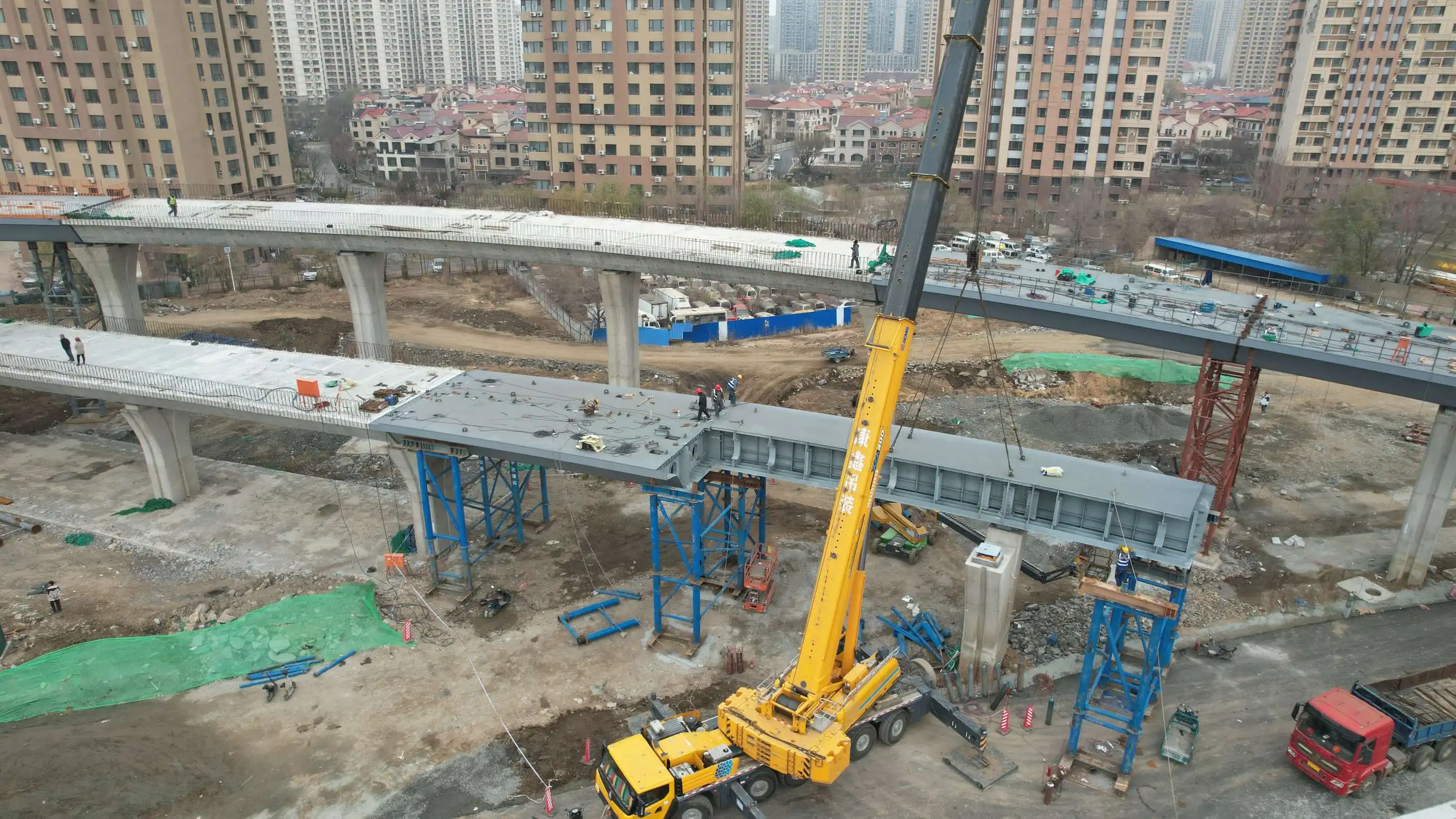
There is a lot of pressure on highway and train transport projects to keep traffic as smooth as possible while they are being built. When planned closing windows, which are usually measured in days rather than months, come up, modular bridge parts can be quickly put together. This method was used on a large scale in the Shenyang Dongta Cross-Hunhe River Bridge project, which delivered 18,000 tons of bridge steel structure while keeping the existing crossing open for most of the building time. Developers of port facilities and managers of logistics hubs value this feature the most because the money they lose from long closures often exceeds the direct costs of building. Prefabricated parts also cut down on the need for on-site labor, which helps with the problem of finding workers and makes the job safer by reducing the amount of dangerous work that needs to be done in the field.
When choosing manufacturing partners, you need to look at more than just prices. What happens with a project depends on its production capacity, the accuracy of its tools, its quality management system, and its history of on-time deliveries. Our 60,000-ton yearly capacity for precision manufacturing and 70% client retention rate show that we consistently meet the needs of a wide range of projects. The Jingha Expressway Expansion and Australian mining equipment projects show that we can reliably handle both large domestic projects and complicated foreign logistics.
Innovative Steel Bridge Design Principles for Efficiency
Structural optimization starts with design methods that make the best use of materials while also making sure there are backups and safety. Modern engineering software lets you look at situations that would have taken months of calculations by hand just a few decades ago. This computer power opens up new ways to make things that balance how they look with how well they work and how easy they are to build.
Load Distribution Optimization Through Advanced Analysis
Building Information Modeling (BIM) and finite element analysis are now combined in modern bridge design tools, which can model how stress is distributed under multiple loading scenarios at the same time. Before manufacturing starts, engineers can test thousands of different versions of a design to find the best member sizes, connection details, and structure shape. Our BIM-driven prefabrication process connects design directly to production tools, making sure that the intended design is exactly translated to physical parts. This integration gets rid of transcription mistakes and shortens the time it takes from design to fabrication, which is especially helpful when project plans are tight or design changes need to be made during building.
Aerodynamic Considerations for Wind Stability
Vibrations caused by wind and airflow instability are problems that only happen on suspension bridges. The famous Tacoma Narrows Bridge fall showed how bad aerodynamic design can cause a bridge to fail in a terrible way. Modern deck designs use aerodynamic shaping to direct airflow and reduce lifting forces and vortex shedding. The engineers at Zhongda make sure that the deck cross-sections are perfect for 12-level wind resistance by trying them in a wind lab and using computational fluid dynamics to look at the results. This knowledge is very important for sites near the coast, on elevated highways, and in places where the wind blows in a channeled pattern, where standard designs would fail early from stress.
Design rules for earthquake resistance add another level of difficulty, especially for projects in areas that are prone to earthquakes. Bridges can stand up to ground motion without collapsing thanks to flexible connection details, base separation systems, and structural redundancy. Our designs meet a number of foreign standards, such as EN 1090, AWS, and JIS specs. This means they can be used in a wide range of regulatory settings without needing to be redesigned in a big way. This multi-standard compliance helps government companies and EPC firms that work in more than one state by making approval processes easier and lowering project risk.
Advanced Corrosion Protection and Maintenance Strategies
Exposure to the environment is still the biggest threat to the life of bridge steel structures. Moisture, salt water, industrial pollutants, and changes in temperature can all speed up rust, which weakens structures. Comprehensive defense strategies involve a lot more than just painting something. They need to be thought out from the beginning of the planning process all the way through the decades of use.
Multi-Layer Corrosion Protection Systems
Zhongda uses two layers of protection: main line dehumidification and S-Type stainless steel wire wrapping. Instead of depending on a single barrier, this method fights rust at several defense lines. By constantly removing moisture from wire assemblies, dehumidification devices get rid of the main thing that causes corrosion. The galvanized wrapping on the outside acts as a physical shield against the outside world. In marine settings or industrial lanes where corrosion is more common than in normal air, this redundant approach works especially well for bridges. The environments where mining equipment and petrochemical plant links are located are both very harsh, and most security systems fail within a few years.
Predictive Maintenance Through Systematic Inspection
Traditional bridge inspections only look at the bridge when they check it on a regular basis, so they don't always notice problems inside until they show up on the outside. As part of our repair plans, we use systematic inspection methods and keep records that show how the state changes over time. By looking at the past, we can use predictive modeling to figure out when certain parts will need to be fixed. This way, planned maintenance can be done during set closures instead of emergency fixes being done when something goes wrong. Managers of port terminals and people who work in cold chains know that unplanned infrastructure failures can throw off operating plans and cause costs that go far beyond the direct costs of repairs.
How well a protection plan works depends on how well it is used at first and how well it is monitored over time. Before structures go into service, we test their stickiness, surface preparation, and layer thickness as part of our quality control. We give users care standards that are based on the surroundings and traffic patterns in their area. This helps them get the most out of the protection systems' lifespan. This all-around method sets up infrastructure investments for a service life of many decades with manageable upkeep costs. This directly addresses worries about total ownership costs that come up during procurement.
Digital Inspection and Monitoring Technologies
The change from visual inspections only once in a while to constant tracking of structural health is likely the most important safety improvement in bridge management. Sensor networks, drone monitoring, and AI analytics give us a better understanding of how structures are holding up than ever before. This lets us fix small problems before they become big problems.
Real-Time Structural Health Monitoring Systems
Strain gauges, accelerometers, and corrosion monitors that are built into structures constantly check how they react to live loads, weather conditions, and material degradation. This information is sent to tracking sites, where algorithms look for strange patterns that could mean problems are getting worse. When highway builders put these systems on important buildings, they can see problems like fatigue cracks starting, connections coming loose, or unexpected settlement early on. Being able to compare how a structure actually behaves to how it was supposed to behave allows for more accurate predictions of how long it will last, which helps with capital planning and deciding when to replace things.
Drone-Based Inspection and AI-Driven Analytics
Access problems make it pricey and risky to do a full eye check of all the parts of a tall bridge. Drones with high-resolution cameras and thermal imaging sensors can scan whole buildings in hours instead of days, taking detailed pictures from points that inspectors on the ground can't reach. This footage is looked at by artificial intelligence programs that can consistently find rust, coating wear, crack formation, and other flaws, better than a human eye could. Developers of renewable energy and power plant workers who are familiar with inspection of transmission towers have both seen similar benefits, which is speeding up adoption across all building sectors. These technologies lower the cost of inspections while also making identification more reliable. This completely changes how risk management is done.
Monitoring tools should be built in from the start, not added after the building is up and running. Installing sensors during fabrication makes sure they are in the best place and are safe, and it also sets up baseline measures for when the building is known to be in good shape. Our engineering team works together with building engineers to make sure that the tracking tools match up with important performance standards. This proactive method turns bridges from inactive structures that need to be checked on a regular basis into smart assets that can talk about their own health, allowing for truly predictive maintenance plans.
Conclusion
Developing modern bridge infrastructure needs more than what can be done with standard building methods for bridge steel structures. The five efficiency boosters—advanced materials, prefabrication methods, optimized design principles, complete corrosion protection, and digital monitoring—all work together to help infrastructure owners deal with the performance, timeline, and lifetime cost stresses they face today. Zhongda's use of these new technologies in the production of steel suspension bridges shows how progress in technology can lead to real project benefits. Because of our expertise in PPWS cable technology, precise manufacturing, and successful completion of foreign projects, you can trust us to help you with even the most difficult infrastructure needs.
FAQ
What span lengths can modern steel suspension bridges achieve?
Modern steel suspension bridge technology lets major spans range from 300 meters to over 2000 meters, based on the site, the amount of traffic, and environmental factors. Zhongda's PPWS cable systems have a tensile strength of 1770MPa and can hold long spans that would have needed expensive foundation work or multiple piers before. This makes it possible to cross tough areas with deep water or rough terrain.
How do premade bridge parts lower the cost of a project?
Prefabrication saves money in several ways: shortened construction schedules lower financing costs and speed up revenue generation; controlled manufacturing conditions reduce material waste and rework; fewer workers on-site lower direct costs while improving safety; and less traffic disruption eliminates indirect economic effects from long closures. When compared to traditional field building methods, projects usually see a 15–25% drop in overall costs.
What maintenance advantages do rusting steel bridges offer in terms of maintenance?
Weathering steel doesn't need to be painted and has a self-protecting coating layer that makes it more resistant to rust. This means that upkeep will be needed every 30 to 50 years instead of every 10 to 15 years for painted buildings, which greatly lowers the overall cost of ownership. This method works especially well for buildings or places that are hard to get to, which makes service costs go up. However, the starting cost of the materials is usually a little higher than for regular steel grades.
Elevate Your Infrastructure Projects with Zhongda Steel Innovation
Zhongda is ready to make your idea for the bridge system a reality through engineering. As a top company that makes bridge steel structures and is certified by ISO 9001, 14001, and 1090, we bring our proven knowledge from sites in the Arctic to mining activities in Australia. Our 60,000-ton annual capacity, BIM-driven prefabrication process, and 20–30% shorter wait times give us a competitive edge that speeds up your project timelines without sacrificing quality. Get in touch with our engineering team at Ava@zd-steels.com to talk about how our steel suspension bridge options can meet your needs for width, environment, and performance. Visit zd-steels.com to explore our project portfolio and discover why industry leaders trust Zhongda for critical bridge steel structure applications.
References
American Association of State Highway and Transportation Officials. (2020). AASHTO LRFD Bridge Design Specifications, 9th Edition. Washington, DC: AASHTO Publications.
Connor, R.J. & Lloyd, J.B. (2017). Manual for Design, Construction, and Maintenance of Orthotropic Steel Deck Bridges. Federal Highway Administration Publication FHWA-HIF-12-027.
Gimsing, N.J. & Georgakis, C.T. (2011). Cable Supported Bridges: Concept and Design, Third Edition. Chichester: John Wiley & Sons Ltd.
Kulicki, J.M., Prucz, Z., Sorgenfrei, D.F., Mertz, D.R. & Young, W.T. (2007). Guidelines for Evaluating Corrosion Effects in Existing Steel Bridges. National Cooperative Highway Research Program Report 333.
Pipinato, A. (2016). Innovative Bridge Design Handbook: Construction, Rehabilitation and Maintenance. Oxford: Butterworth-Heinemann.
Zhao, X.L., Grzebieta, R., Elchalakani, M. & Yang, B. (2019). Structural Performance of Cold-Formed Steel Members and Connections under Severe Conditions. Journal of Constructional Steel Research, 158, 243-258.