Why Simple Warehouse is Perfect for Inventory Growth?
2026-06-26 15:54:47






When your business acquires more goods very quickly, the stress on storage systems increases significantly. A simple warehouse has a simple steel structure, an efficient plan, and an easy-to-understand operating flow. This is exactly what growing businesses need: room that can be expanded, costs that are predictable, and as little complexity as possible. Unlike complicated multi-tiered systems that require a lot of management work, this method focuses on functional efficiency by using strong steel frames, clear-span interiors, and flexible configurations that can handle changing inventory levels without affecting control or accessibility.
Understanding the Challenges of Inventory Growth in B2B Procurement
The Hidden Costs of Expanding Inventory
Growing inventory might sound like a good sign for a business, but it can cause problems with operations that can hurt profits if they are not handled properly. Customers get angry when you're short on stock, and you miss out on sales chances. On the other hand, having too much stock locks up capital in useless assets and raises the cost of storage. A lot of businesses find out too late that the equipment they already have can't handle more work, which slows down processes like receiving, picking, and shipping.
Traditional inventory methods don't work well when businesses need to grow because they rely on human tracking, spreadsheet-based forecasts, and communication lines that aren't always linked. When the buying, warehousing, and finance teams work separately and keep different records that rarely match up correctly, data fragmentation is the rule. As the number of transactions goes up, manual mistakes get worse. This leads to lost things, wrong counts, and late order fulfillment, all of which hurt customer relationships and seller trust.
The Infrastructure Dilemma
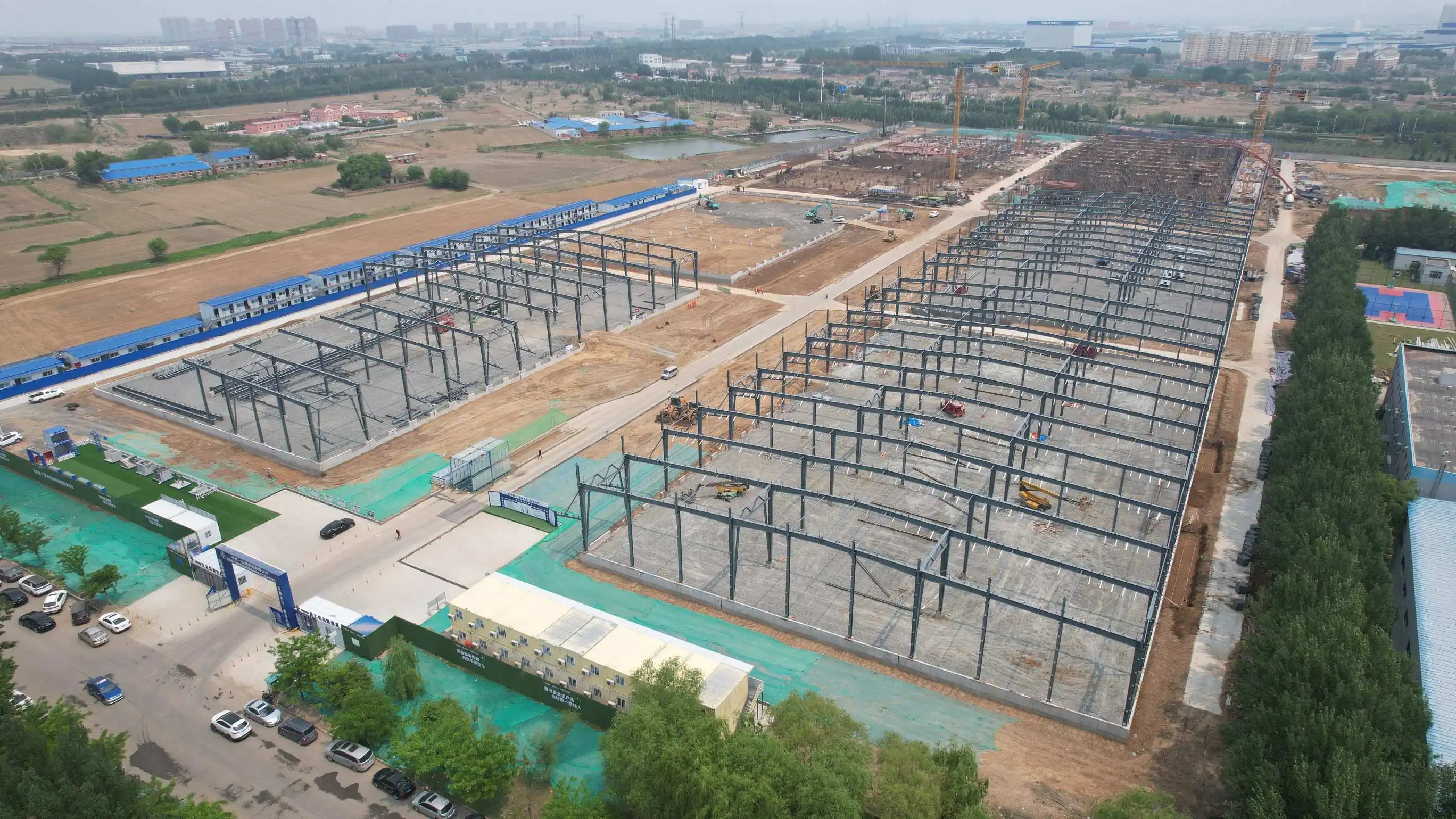
Physical space problems become clear when a business's collection exceeds its available square footage, causing it to make quick choices about whether to expand or outsource its storage. Adding capacity without stopping current operations is hard from an engineering point of view and needs careful planning, especially when working with heavy industrial parts, tools for green energy, or manufacturing materials that need specific environmental controls and the ability to hold weight.
Construction, energy infrastructure, and big industry companies all have their own problems to solve. Their collection has steel parts that are too big, machinery parts, and materials that are specific to a project that can't be put in regular racks. For these activities to happen, warehouses need to be able to hold heavy loads on the floors, have high cranes, and have wide spaces so that material handling equipment can move around easily.
How Steel Structure Warehouses Address Inventory Growth Needs
Engineered for Scalability and Performance
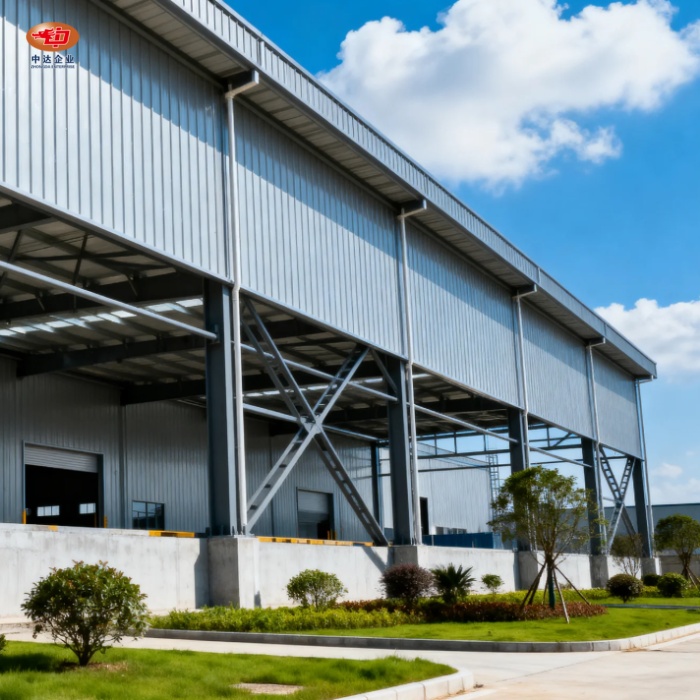
We at Zhongda Steel Structure Engineering have spent twenty years perfecting warehouse designs that use carefully designed steel frames to directly deal with the problems that come with growing inventory. Our method is based on making clear internal areas that make the most of useful storage space while maintaining the structural stability needed for large-scale activities.
We carefully choose the steel grades that go into our warehouse buildings. Depending on the load needs, the environment, and the span lengths, we mostly use Q235 and Q345 steel. This process for choosing materials makes sure that each structure is strong enough to hold big equipment, storage configurations with a lot of space, and future capacity adds without having to pay for expensive reinforcement.
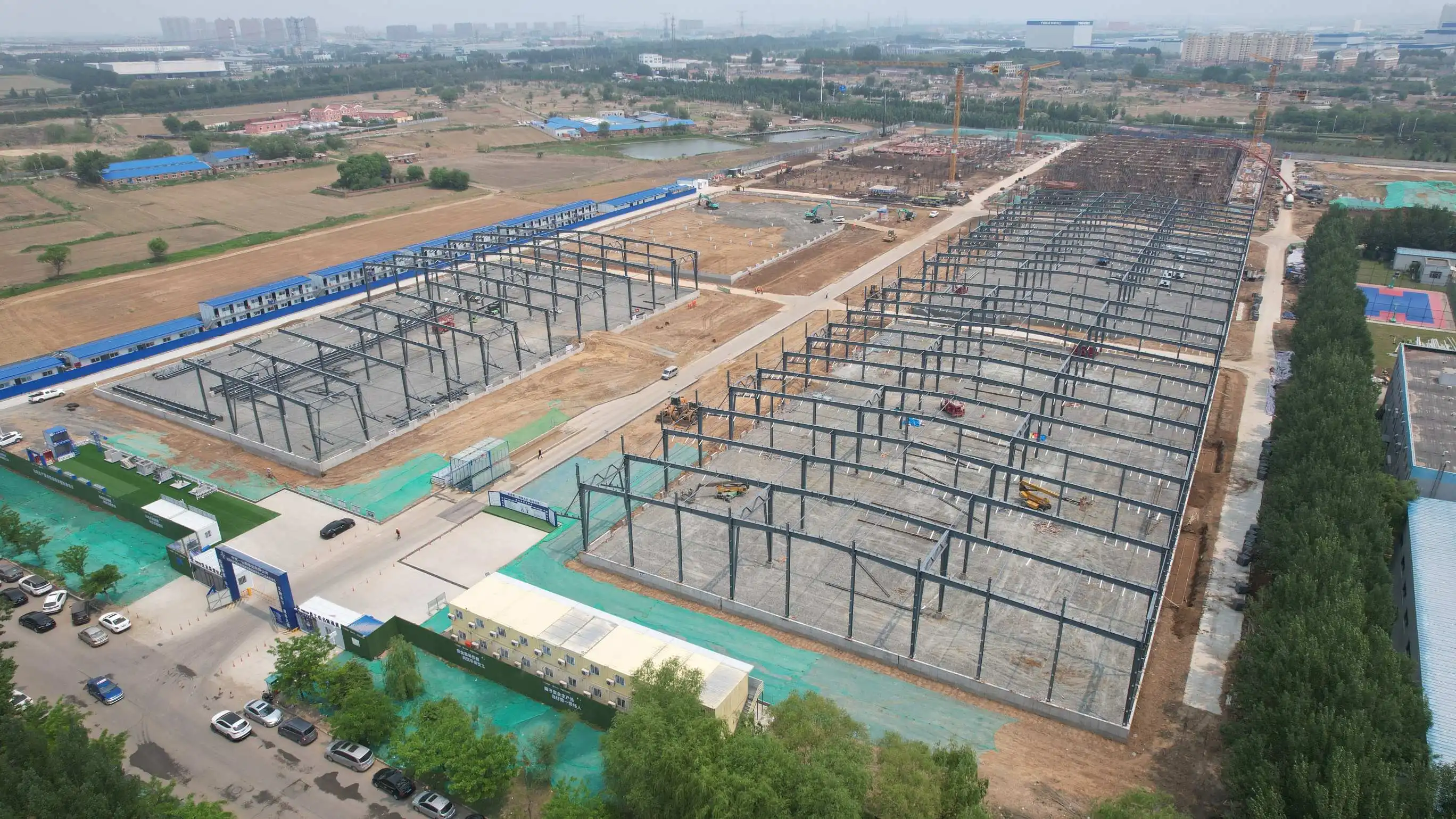
Span lengths of 12 to 36 meters in simple warehouse get rid of the internal columns that usually get in the way of material flow and make it hard to set up racks. This clear-span design theory makes great use of space, so warehouse managers can set up storage layouts based on the real features of their stock instead of having to work around structural problems. Heights between 6 and 12 meters allow for vertical stacking techniques that increase storage space without making the building bigger, which is very helpful when land costs are a big part of the investment.
Construction Speed Meets Operational Urgency
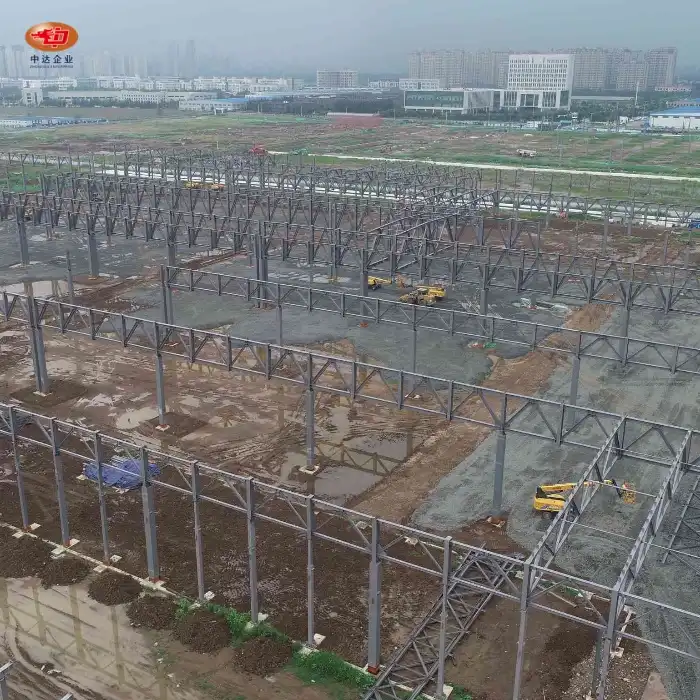
When inventory growth requires instant capacity increase, time is very important. Compared to traditional building methods, our premade steel structure components cut down on the time needed for construction on-site by a large amount. Precision manufacturing at our 120,000-square-meter plant makes sure that parts arrive ready to be put together quickly. This cuts down on weather delays and lets warehouses open weeks before the usual building schedule.
This faster way of building has a direct effect on return on investment because it cuts down on the time between spending money on capital and starting to make money. With enough store space, businesses can take on bigger orders, keep their promises to customers, and take advantage of market possibilities that they couldn't before. The color-coated steel plate roofs and sandwich panel wall systems fit together perfectly during installation, protecting against the weather and keeping heat in without having to wait for longer finishing stages.
Load Capacity for Heavy Industrial Applications
The load-bearing ability of the structure determines the storage density. The way our warehouses are planned includes carefully thought-out planning that takes into account heavy loads on the floors, moving equipment, and loads that are hung from systems that move things above. This building's strength is very important for businesses in the energy sector that need to store parts for wind turbines, factories that need to keep big machinery in stock, and logistics centers that deal with a lot of densely packed freight.
When you combine high-quality steel with the right size members and connection details, you get buildings that can hold a lot of weight over large amounts of floor space. This amount of space lets you add mezzanine levels, high-density storage systems, and automatic recovery equipment without lowering safety standards or needing to be reinforced in the future.
Comparing Simple Warehouse Solutions with Complex Alternatives
Cost-Effectiveness Through Design Efficiency
Every choice about expansion is affected by budget limits, so cost-effectiveness is one of the most important criteria for evaluation. Steel structure warehouses are more valuable than other types of warehouses in a number of ways that standard building methods can't match. Rapid building cuts down on the costs of labor and financing that come with taking longer to complete a job. Steel's ability to be recycled keeps its value throughout a building's lifetime, so when changes or additions are made, the original investment in materials can be recovered.
Flexibility for Evolving Requirements
Design streamlining gets rid of the needless use of materials while keeping all of the functions working properly. Our engineering team uses advanced analysis tools to find the most efficient ways to build structures. They make sure that every steel part does its job and that there isn't too much engineering that wastes resources and raises costs. This way of doing things keeps the total cost of construction low while still meeting strict industrial standards for efficiency.
When business conditions change, building equipment has to change too. Steel-framed sheds are naturally flexible in a way that brick or concrete buildings can't match. Customized designs take into account unique operating needs, such as where to put equipment, where to put doors and windows, how high things can be seen, and how to add on in the future.
This ability to change is very helpful for businesses that need to add new products, use different dealing tools, or change how they store things when the market changes. Moving wall panels, adding openings, and extending structure bays can be done with little impact on current operations. This keeps the warehouse set up in the best way possible as business needs change.
Maintenance Economics Over Time
Long-term operating costs of simple warehouse often go over the initial investment in building, so upkeep needs are very important to think about. Color steel plate roofs and sandwich panel walls have been used for decades and have shown to be very durable with little upkeep needed. Anti-corrosion processes that are used during making make steel parts last a lot longer, so they don't need to be re-coated as often or for as much money as other building materials do.
Because steel frames are structurally simple, they don't need as many inspections and are easier to check for damage than complicated building systems with hidden parts that are likely to break. Because maintenance tasks need less downtime and fewer resources to be done correctly, this efficiency leads to lower lifetime costs and better facility availability.
Implementing Warehouse Solutions for Your Business Growth
Customization Aligned with Operational Workflows
Understanding unique operational needs is more important than using general methods for a successful warehouse implementation. Our engineering process starts with a thorough meeting to find out about the inventory's features, how it will be handled, how much it will be processed, and how much it is expected to grow in the future. This knowledge helps the structure designer decide things like the distance between columns, the clear height needed, the floor loading rules, and how to integrate services.
Integration with Existing Operations
BIM-driven prefabrication technology makes it possible to see exact versions of suggested designs before they are made. This lets everyone involved review configurations and ask for changes that make operations run more smoothly. This way of working together makes sure that the finished structure fits the needs of the real workflow properly, instead of pushing operations to change to infrastructure that doesn't work with them.
Businesses that are growing usually keep running during construction, which needs to be carefully coordinated to keep things running smoothly. Our method for managing projects focuses on implementing things in stages so that operations keep running while the project is being built. Planning the logistics of a building site makes sure that deliveries of materials, access to tools, and construction work don't get in the way of warehouse activities going on in nearby areas.
Technical Support Throughout the Lifecycle
For businesses that have offices in more than one place, our track record of completing projects around the world, from Arctic bridge parts in Russia to mining infrastructure in Australia, shows that we can carry out complicated installations in a variety of conditions while still meeting quality standards and deadlines.
Putting up a new building structure is more of the start of a long-term relationship than the end of a deal. Our professional help lasts the whole lifecycle of the building, giving you the knowledge you need for changes, additions, and improving performance as your business needs change. This long-term relationship makes sure that your infrastructure investment keeps giving you value even as the needs of your business change.
Building Your Future with Proven Steel Structure Expertise
Scalability Built into Every Design
To make warehouse facilities future-proof, you need to guess how growth will happen and build capacity properly. Our design philosophy includes options for growth that allow for seamless capacity additions without needing major structural changes to current buildings. During the initial building phase, foundation systems, structural connections, and utility rough-ins can be set up in a way that makes it easy to add more bays, grow vertically, or update equipment with little extra cost.
Quality Certifications and Performance Standards
This scalability is especially helpful for simple warehouse businesses whose growth patterns are hard to predict or that work in markets that are always changing and where predicting demand is hard. The ability to gradually increase capacity as needed keeps money from being wasted on room that isn't being used and makes sure that infrastructure problems never get in the way of growth.
To invest in infrastructure, you need to be sure of the quality of the planning and the building standards. Zhongda Steel Structure Engineering has a First-Class Steel Structure Engineering Qualification from China's Ministry of Housing and Urban-Rural Development, which shows that they meet strict technical and safety standards. Our ISO 9001:2015 quality management certification, along with our ISO 14001 environmental and OHSAS 45001 safety certifications, show that we have complete management systems that make sure all project steps are completed consistently.
Proven Performance Across Industries
The EN 1090 certification shows that our manufacturing processes and quality control methods meet European standards for structural steel fabrication. This gives our foreign clients extra peace of mind when they need proof that we're following well-known rules. These licenses, which are not just marketing claims, are independent proof of skills and offer real proof of technical knowledge and manufacturing accuracy.
Results that have been seen are more important than theoretical skills. Our list of completed projects includes successful installations for China Railway, CSCEC, BMW, and many other foreign companies in the energy, manufacturing, logistics, and building industries. These connections show that the performance stays high enough to meet tough needs in a wide range of applications and running systems.
Extreme climate projects, from -60°C in the Arctic to warm settings, show the material selection skills and engineering judgment needed to make sure long-term structure performance no matter where they are built. Every design choice is based on this experience base, which uses lessons learned from decades of real-world use to improve engineering standards and building methods all the time.
Conclusion
Having more inventory can be good and bad for simple warehouse companies that are growing. By giving you scalable capacity, operational freedom, and cost-effective performance, the right warehouse infrastructure can turn development from an operational burden into a competitive advantage. These benefits come from steel structure buildings, which are built with clear-span efficiency, quick construction, strong load capacity, and long-term value in mind. Knowing these benefits helps you make smart choices that match building investments with long-term business goals. When planned and carried out correctly, warehouse expansion can help long-term growth instead of making things harder to run and costing more money.
FAQ
What makes steel structure warehouses suitable for heavy industrial inventory?
Steel structures made from Q235 or Q345 grade materials can hold a lot of weight, which is important for big industrial parts, machines, and storage systems with a lot of space. Clear-span designs don't have any internal columns, which makes it easier to use material-handling tools and create different storage arrangements. Because the buildings are strong and use space well, they are perfect for making parts, construction materials, and equipment used in the energy sector that needs to be able to hold a lot of weight.
How quickly can a prefabricated steel warehouse become operational?
When compared to traditional building methods, prefabricated steel warehouse structures usually get done a lot faster. Parts are being made while the site is being prepared, and because of how much is being done in the workshop, there isn't much time needed for assembly on-site. Warehouses can be up and running in a fraction of the time it takes for traditional building, depending on the size and complexity of the project. This lets businesses deal with capacity issues and take advantage of market possibilities without having to wait for long periods of time.
Partner with Zhongda Steel for Your Warehouse Expansion
Zhongda Steel Structure Engineering brings more than 18 years of specialized experience to every warehouse project. They combine cutting-edge manufacturing skills with tried-and-true engineering methods. Our ability to produce 60,000 tons per year and our ±0.2mm precise cutting technology make sure that the standard of all of our projects, no matter how big or small they are. As a reliable company that makes simple warehouse buildings, we've completed successful setups in more than 20 countries. This shows that we can handle complicated projects with strict standards and a wide range of needs.
Our team has the technical knowledge and production tools to provide the best solutions, whether your business needs Arctic-grade weathering steel, fabrication of over-sized parts, or quick deployment schedules. Email our engineering team at Ava@zd-steels.com to talk about your unique inventory growth problems and find out how our custom warehouse structures can change your working capacity while keeping costs low. Visit zd-steels.com to learn more about all of our services and to read case studies that show how they have been used successfully in a variety of businesses. As your product grows, you need technology that is built to last.
References
Smith, J. & Williams, R. (2022). Steel Structure Design for Industrial Storage Facilities. American Institute of Steel Construction Press.
Chen, L. (2021). "Prefabricated Construction Methods and Their Impact on Project Timelines." Journal of Construction Engineering and Management, 147(8), 45-62.
Thompson, M. (2023). Warehouse Design and Operations: Modern Approaches to Inventory Management. McGraw-Hill Professional.
International Building Code (2021). Structural Steel Design Standards for Commercial and Industrial Buildings. International Code Council.
Rodriguez, A. & Patel, S. (2022). "Life Cycle Cost Analysis of Steel versus Concrete Warehouse Structures." Engineering Economics Quarterly, 34(2), 112-128.
National Steel Bridge Alliance (2023). Cold Climate Steel Structure Performance Guidelines. American Iron and Steel Institute Technical Report.
YOU MAY LIKE