Structural Excellence: The Steel Arch Bridge
2026-06-26 15:54:31






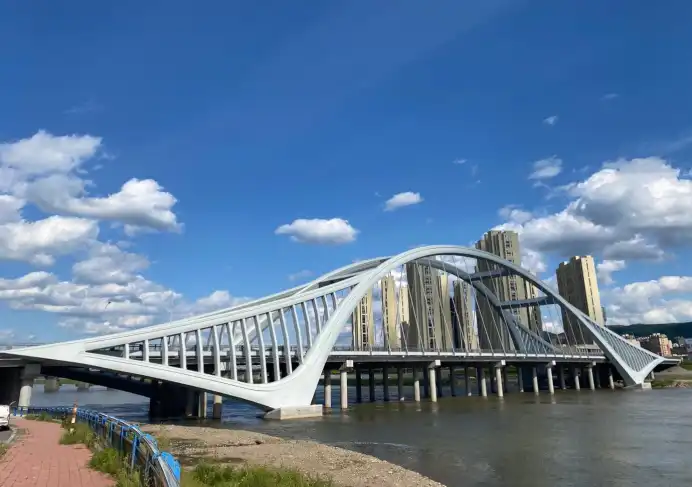
Steel arch bridge technology is a huge step forward in modern infrastructure building. It combines beautiful structure with amazing load capability. These famous buildings use the natural compression strength of arched shapes and modern steel types like Q420qE to make spans that are longer than those possible with traditional bridge designs. These bridges meet important needs in traffic, industrial logistics, and urban growth with their exact load distribution systems and new ways of building. Because they last a long time, look good, and can be changed, procurement managers can't do without them when they need to make stable, long-term investments in infrastructure that balance performance with lifecycle efficiency.
Understanding Steel Arch Bridges: Design, Construction, and Benefits
The Essence of Arch Bridge Engineering
Arch buildings have been a big part of civil engineering for hundreds of years, but new versions made of high-strength steel alloys have changed how they are used. The basic idea is still very simple: as you move along the arch curve, vertical loads change into compression forces that are easily sent to the abutments or supports. Due to their compression-dominant behavior, steel arch bridges can cross long distances while using less material than beam-based options.
Modern designs use complex finite element analysis to find the best arch shape, which makes sure that stress is spread evenly across all load situations. The rise-to-span ratio, which is usually between 1/4 and 1/6, has a big effect on the amount of horizontal thrust and the total stability. Engineers carefully adjust these factors to match the geological conditions and traffic needs of each place. This way, they can build structures that fit in with their surroundings and work well.
Advanced Material Selection and Fabrication
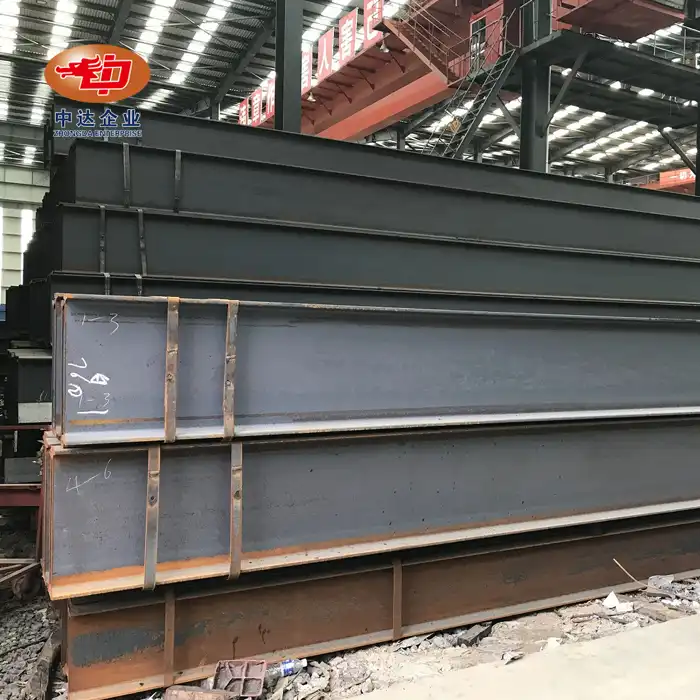
The quality of an arch bridge is based on the materials that are used. Because it has a minimum yield strength of 420 MPa and better low-temperature toughness, Q420qE steel has become the best choice for tough jobs. This grade has better weldability and flexibility, which are important qualities for making the complex pentagonal box girders that make up the arch ribs.
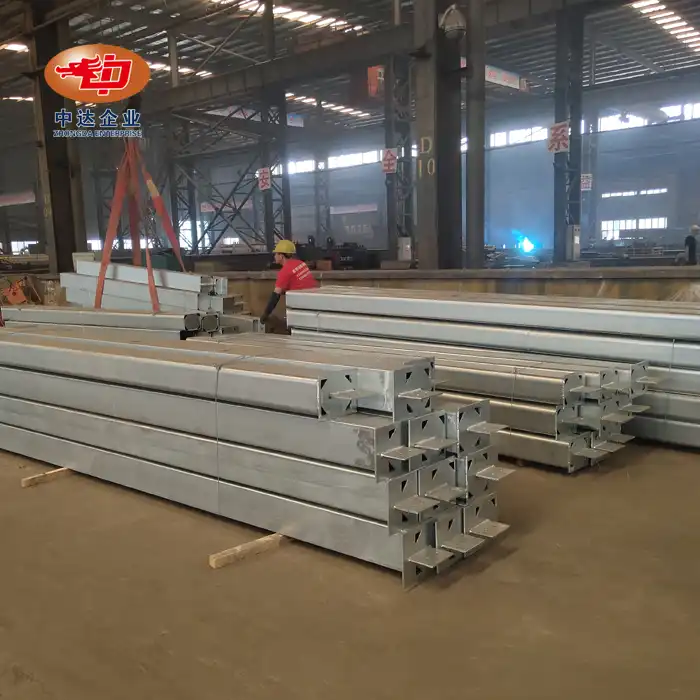
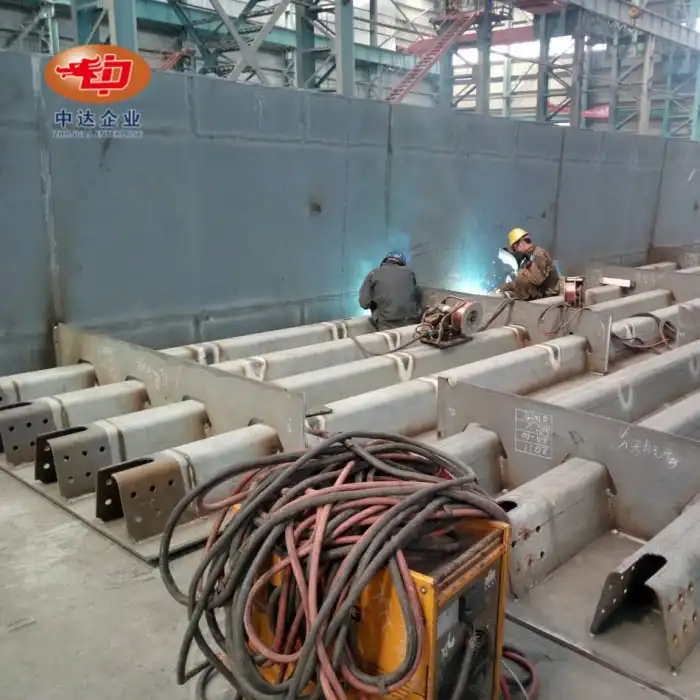
Precision manufacturing and BIM-driven prefabrication are both part of Zhongda Steel's production processes. Each arch rib part is cut on a CNC machine to within 0.2 mm of accuracy, which makes sure that everything fits together perfectly when it's put together. The pentagonal box shape, which is 3.2 m by 4.5 m in standard parts, offers great torsional stiffness and the best weight distribution. With a wind resistance of 1.5kN/㎡, the structure will stay stable even in hilly or open coastal areas.
Procedures for welding are looked at very closely. We require 100% CTOD (Crack Tip Opening Displacement) testing on all key parts to make sure they can't break under normal operating stresses. Automated welding systems keep the heat input and entry depth constant, so flaws that could weaken the structure over time are not present.
Innovative Construction Methodologies
Construction procedures often decide whether a project can be done, especially in areas with limited space or that are sensitive to the environment. Stentless rotation construction is a new way of building that causes less damage to the site and speeds up plans. For this method, full arch pieces are built on land or close to where they will be used, and then they are rotated into place using special hydraulic systems.
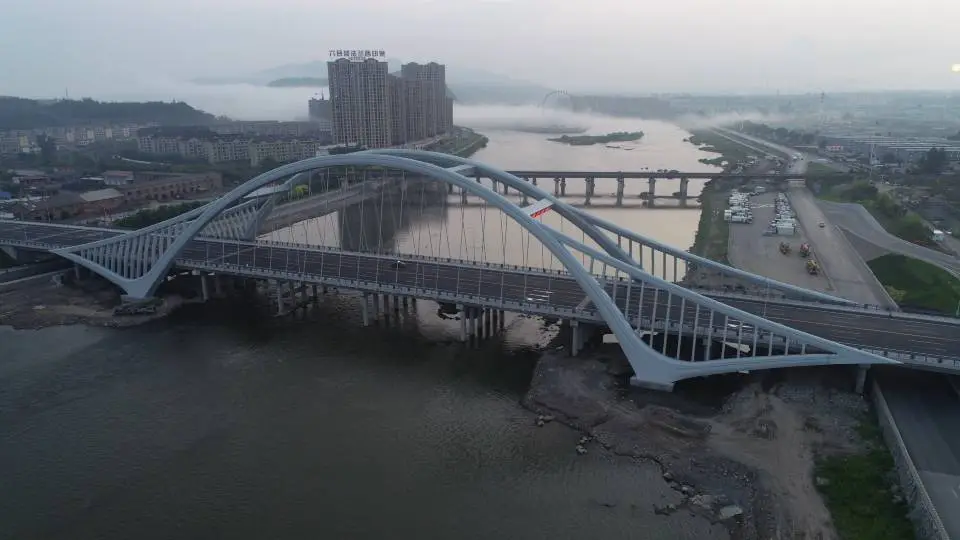
The process needs careful engineering planning. Temporary supports have to be able to handle rotational forces while keeping exact angular control. We've solved this task on a number of projects, including the famous Shenyang Dongta Cross-Hunhe River Bridge. The smooth rotation of that 18,000-ton structure into place showed that we can make complicated moves without sacrificing quality or safety. By avoiding river cofferdams and underwater building, this method has less of an effect on the environment. It is in line with the need for sustainable growth, which is becoming more important to government companies and environmental agencies.
Procurement Insights: Selecting and Partnering with Steel Arch Bridge Experts
Evaluating Manufacturer Credentials
Picking the right manufacturing partner is a key factor in determining the success of a project. Certification portfolios are the first level of screening. For example, ISO 9001:2015 quality management, EN 1090 Execution Class 4 for structural steelwork, and appropriate national contracting skills show that a person is competent in the basics. But when buying something, you need to do more research than just looking at practical skills and track records.
When projects have tight deadlines for delivery, steel arch bridge manufacturing ability is very important. Our 60,000-ton annual capacity allows us to send more than 1,200 tons of large-span parts every month, so we can keep supplies going even during busy building periods. Geographic accessibility is also important. Being close to rivers or train routes makes it easier to move large pieces, which lowers shipping costs and schedule risks.
Customization is what sets exceptional sellers apart from average manufacturers. Being able to change the size of the arch ribs, change the wind resistance requirements, or add special tracking systems shows how skilled the engineers are and how flexible the production process is. We often work with customers to make designs better by changing the shapes of box sections, adapting rotational building methods, or creating custom anti-corrosion systems that solve problems that only happen at one place.
Understanding Cost Structures and Value Drivers
Clear price models help people trust each other and make planning easier. Getting the raw materials, manufacturing labor and overhead, surface treatment, quality control, and transportation are some of the things that make up the cost of a steel bridge. Material prices change with the global steel market, which makes fixed-price contracts hard to use for long-term projects without proper increase terms that protect both parties.
The difficulty of fabrication has a big effect on prices. Even though pentagonal box girders are more expensive per ton, their better structural efficiency often makes up for the extra cost through material saves in other parts of the design. Another big cost center is surface treatment. Our multi-layer corrosion protection system adds a measured cost but provides decades of maintenance-free service, showing clear value when looked at through lifecycle views.
Logistics costs change a lot depending on where the project is located and how big the parts are. Freight costs are lower for modular designs that fit normal shipping containers, but they are higher for oversized pieces that need to be shipped as break-bulk cargo or with specialized heavy-haul trucks. By working with makers early on, changes can be made to the design that make it easier to move without affecting the structure's performance.
Engineering Support and Installation Services
Support after fabrication is what sets complete partners apart from transactional providers. For bridge projects to go easily, they need professional help on-site during erection. This includes advice on where to put temporary supports, keeping an eye on the rotation process, and making sure the bridge is aligned. We have specific engineering teams that are ready to go to the job site and fix any problems that come up, which is bound to happen during complex building projects.
Another important product is documentation of the installation process. With the help of detailed erection instructions and 3D visualization models, builders can safely put together structures. Our BIM-integrated method includes clash detection and sequencing models, which help find possible problems before teams start working. This strategic teamwork cuts down on costly rework in the field and schedule delays that happen when projects don't plan carefully.
Maintenance and Longevity: Ensuring Steel Arch Bridge Durability
Proactive Inspection Protocols
For long-term performance, you need to set up regular tracking systems that can find wear and tear before it affects safety or functionality. More and more modern steel arch bridges have health tracking systems built in. Our designs have networks of 200+ sensors that measure strain, deflection, temperature, and sound all the time. This real-time data is used by predictive analytics algorithms to find trends of strange behavior that can be used to target specific actions.
Along with automated tracking, routine visual checks focus on key areas that are likely to wear out or corrode. During these tests, hanger links, arch crown sections, and bearing systems are given extra attention. In normal working conditions, inspections happen every 24 months. In tough industrial or marine environments, they only happen once a year. Ultrasonic thickness gauging and magnetic particle tests make sure the coating is solid and find flaws below the surface that can't be seen with the naked eye.
Checking the tightness of the cables is another important maintenance task for half-through arch designs. Vibration frequency analysis lets you measure hanger tensions without touching them, which makes sure that the loads are distributed in the way that the design intended. Deviations are signs of possible problems that need to be looked into and fixed, like bearing problems, uneven settlement, or section loss caused by rust.
Corrosion Mitigation Strategies
Corrosion is still the biggest threat to the long-term health of steel bridges, so protection methods are very important. Our fluorocarbon topcoat technology makes a shield that is biologically inert and can stand up to acid rain, salt spray, and industrial pollutants. Traditional alkyd coats break down in 10 to 15 years, but fluorocarbon versions stay strong for 25 years or more, which drastically lowers the number of times you have to paint and the costs that come with it.
The aluminum spray underlayer protects against galvanic corrosion. If the finish gets damaged in one spot, the aluminum will rust first, keeping the solid steel below safe. This self-sacrificing process makes the product last longer even if the surface coatings are damaged, which is an important safety cushion. To reach the required 150μm aluminum layer thickness, we need precise thermal spraying tools and skilled techs, which are skills we've developed over many years of experience.
Drainage management works with covering protection to keep box girder innards from getting wet. Water doesn't pool where it could start rusting because of weep holes, air ports, and positive drainage slopes. Regular cleaning gets rid of any waste that could get in the way of these features, so the structure will continue to drain water effectively for as long as it is used.
Case Studies in Durability Excellence
The Jingha Expressway expansion bridge is a great example of how thorough upkeep can lead to long-term success. With our arch technology, this building, which is 1,200 meters long, can handle heavy freight traffic and harsh winter weather. After ten years of use, thorough checks show that coating systems are still working as they should with little wear and tear. This proves that our method to protecting against corrosion is effective. Maintenance work hasn't caused many problems with traffic, which shows that lasting building is good for the economy.
Validation comes from international projects as well. The mining equipment we sold to companies in Australia works in rough dusty places where coating failures would quickly cause structural problems. According to our customers, upkeep costs are much lower than planned. They say this is because the protection systems we designed were especially made for their harsh circumstances. These real-life results make the value argument stronger for procurement managers who are looking at lifetime costs.
Making the Informed Choice: Why Opt for Steel Arch Bridges?
Aligning Project Needs with Arch Capabilities
Decision models for choosing the type of bridge must carefully look at the limitations of the site, the needs of operations, and the goals of stakeholders. When span lengths are between 100 and 500 meters, geological conditions allow thrust-bearing roots, and artistic effect is important, steel arch bridges are a good choice. Urban river crossings are great examples of ideal uses because they keep navigational clearances while keeping approach grades doable in areas with a lot of growth.
Arch stiffness properties help railway projects because they keep track deflections to a minimum when loads are moving. High-speed train companies set strict limits on how much the tracks can move in order to keep the ride safe and enjoyable. Arch layouts are better at meeting these needs than flexible cable-supported options. In industrial settings like ports, mines, and pipeline supports, arches are valued for their strong load capacity and low upkeep requirements.
When it comes to risk management, arches are also sometimes the best choice. When compared to cable-based systems, where a single failure could have disastrous effects, their duplication and load-path variety make them more resilient. This natural sturdiness appeals to infrastructure owners who value long-term dependability over lowering beginning costs.
Emerging Trends and Future Developments
Advances in material science keep making arch bridges more useful. Ultra-high-strength steels with a yield strength of more than 550 MPa allow for even longer spans or smaller cross-sections, which makes the best use of the material. When you combine steel arch ribs with concrete-filled tubes, you get the best of both worlds: the tensile strength of steel and the compressive strength and softening qualities of concrete.
As climate needs get worse, sustainable building methods are becoming more popular. In line with net-zero building goals, prefabrication techniques reduce the amount of trash and carbon emissions that are made on-site. Our modular approach makes parts in controlled factory settings, which cuts down on weather delays and quality differences while also saving 40% on energy use on-site compared to standard stick-built methods.
Digital twin technology is a new area that makes virtual copies of structures that can model how they would behave in different situations. These models use tracking data to make predictions about maintenance that chooses the best time to step in and the best way to use resources. As the price of sensors goes down and algorithms get better, digital twins will be commonplace for managing assets throughout the lifetime of a bridge.
Partnering with Industry Leaders
The most important things to consider when choosing a manufacturer are probably their name and how well they've done in the past. Zhongda Steel's portfolio includes Arctic bridges, mining infrastructure, and major traffic routes, showing that it is flexible and has a lot of scientific knowledge. Our ISO certifications and EN 1090 compliance show that we follow a systematic approach to quality management, and our Class I contracting skills show that we can handle the toughest tasks.
Collaboration starts in the early stages of design, when our engineering team adds value by reviewing how well the design can be built and making ideas for how to make it better. This partnership method has always helped clients in the building, energy, and industrial sectors save money and get things done faster. Our commitment includes manufacturing, delivery, installation support, and ongoing expert advice, so clients get full support throughout the lifetime of a project.
Conclusion
Steel arch bridges are a sophisticated example of a structure that matches engineering efficiency with cost-effectiveness. Their load distribution is built on compression, and they use current high-strength materials like Q420qE steel to make them very strong. This gives them great capacity over long distances. New ways of building, like stentless rotating, cause less damage to the environment and speed up project plans. Comprehensive corrosion protection systems guarantee decades of low-maintenance service, and the good lifecycle economics make them especially appealing to buying teams that are watching their budgets. As the world's building needs grow, arch bridges have been shown to be reliable, long-lasting, and aesthetically pleasing. When companies choose fabrication partners with a track record of completing difficult structural steel projects, they set themselves up to run successful bridge programs that will serve communities and businesses for generations.
FAQ
What distinguishes half-through arch bridges from other arch configurations?
The deck is placed between the arch springs and crown in half-through arch designs, which makes the structure behave in a unique way. Tension hangers connect the middle deck sections to the arch ribs, and the end sections rest on poles that press on the arch. This setup makes the best use of clearance requirements by offering a guiding height below and avoiding steep approach grades. This makes it perfect for crossing rivers in cities and working in tight spaces. Half-through shapes are a good compromise between how they look and how well they work. They are different from deck arches, where the road sits on top of the building, and through arches, where the deck is at the bottom. They can be used for medium- to long-span structures, usually between 100 and 400 meters. They add beauty to major building projects while keeping the structure's cost low.
How do maintenance requirements compare between steel and concrete arch bridges?
Over their normal 100-year work lives, steel arches that have the right protective coatings need less frequent upkeep than concrete ones. Modern multi-layer corrosion systems, which include aluminum spray underlayers and fluorocarbon topcoats, make it possible to paint more often than every 25 years. In contrast, concrete has problems like chloride entry, rebar corrosion, and spalling that need expensive fixes all the time. Steel is naturally flexible, which makes it better at withstanding earthquakes and wear under cyclic stress. There are different ways to inspect different materials. For steel, you need to check the state of the finish and measure the thickness with ultrasonic waves. For concrete, you need to check for delamination and test the chloride content. Overall lifecycle costs tend to be lower for steel when protective systems are properly chosen and used. This is especially true in harsh industrial or sea settings where concrete breaks down faster.
Partner with Zhongda Steel for Your Next Arch Bridge Project
Zhongda Steel has been a leading steel arch bridge manufacturer for 20 years, bringing technical greatness that turns infrastructure dreams into long-lasting realities. We offer Q420qE steel arch bridge options that use high-tech materials, new stentless rotation construction, and full corrosion protection systems designed for marine and industrial C5M settings. With the ability to handle 60,000 tons per year and precision manufacturing based on BIM, we help with projects from the initial design optimization stage to on-site installation and beyond. Our collection, which includes the famous 18,000-ton Shenyang Dongta Bridge and many sites around the world, shows that we can handle the toughest jobs. Email our engineering team at Ava@zd-steels.com to talk about how our experience as a steel arch bridge provider can help your infrastructure project run more smoothly. At zd-steels.com, you can find thorough specs and project case studies. This is where new ideas and reliable structural steel solutions meet.
References
Chen, B. C., & Wang, T. L. (2019). "Modern Steel Bridge Engineering: Design and Construction of Long-Span Arch Structures." China Architecture & Building Press, Beijing.
American Association of State Highway and Transportation Officials (2020). "LRFD Bridge Design Specifications, 9th Edition." AASHTO, Washington, D.C.
Eurocode 3: Design of Steel Structures - Part 2: Steel Bridges (2006). European Committee for Standardization, Brussels.
Scheer, J. (2021). "Failed Bridges: Case Studies, Causes and Consequences - Chapter on Arch Bridge Maintenance." Wilhelm Ernst & Sohn, Berlin.
Zhang, L., & Li, X. (2018). "Corrosion Protection Systems for Steel Bridges in Harsh Environments: Performance Evaluation and Lifecycle Analysis." Journal of Constructional Steel Research, Vol. 147, pp. 289-303.
Structural Engineering Institute (2022). "Guidelines for Inspection and Strength Evaluation of Existing Steel Arch Bridges." American Society of Civil Engineers, Reston, Virginia.
YOU MAY LIKE
_1755137539095.png "warehouse structures")