How Zhongda Ensures Safety in Airport Steel Structure Fabrication?
2026-06-26 15:54:21






Zhongda ensures safety in airport steel structure fabrication through a comprehensive framework combining rigorous material selection, precision engineering, and continuous quality monitoring. Our approach addresses the unique demands of aviation infrastructure by implementing advanced non-destructive testing methods, adhering to international building codes including FAA regulations and Eurocodes, and deploying specialized anti-corrosion technologies suitable for high-stress environments. With ISO 9001/14001/OHSAS 45001 certifications and BIM-driven design optimization, we deliver structural solutions that withstand seismic forces, extreme weather conditions, and decades of operational demands while maintaining the highest safety margins required for critical transportation hubs.
Understanding the Challenges in Airport Steel Structure Safety
Building airport infrastructure is one of the most difficult tasks that structural steel fabricators have to do. When structures fail in these places, they don't just cost money; they also have direct effects on public safety and the nation's transportation systems.
The Unique Demands of Aviation Infrastructure
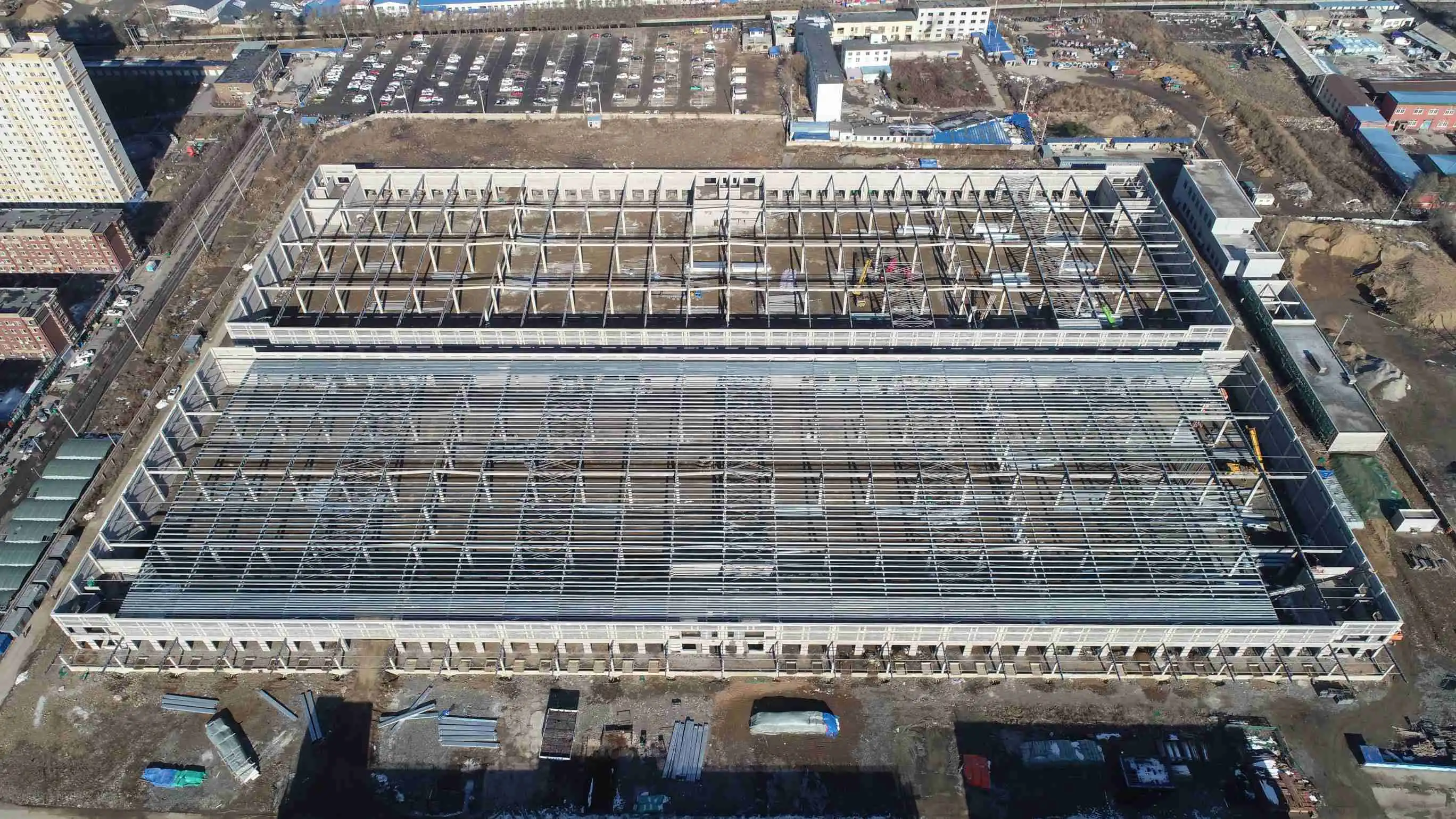
Extreme pressures are put on aviation services all the time. Terminal buildings have to be able to hold a huge number of people while also supporting a lot of mechanical systems, a lot of glass, and complicated architectural designs. The moving loads from the planes, the ground service equipment, and the constant flow of people cause stress patterns that are different from those in normal business buildings. Environmental factors make these problems even worse, especially at airports near the coast where the salty air speeds up rusting or in places where earthquakes are common and buildings need to be able to bend without breaking.
Common Safety Vulnerabilities in Steel Fabrication
A lot of fabricators have trouble keeping the quality of their welds consistent, especially when they're working with thick structural sections like those used in hangar building or terminal roof systems. Material traceability isn't always as strict as it needs to be for vital infrastructure, which means that steel with different mechanical qualities could be used. If you don't pay enough attention to the design of a link, stress can build up and cause it to break when the load changes. Because of these weaknesses, manufacturing must be based on a mindset that puts safety first in every choice.
Zhongda's Safety-First Manufacturing Philosophy
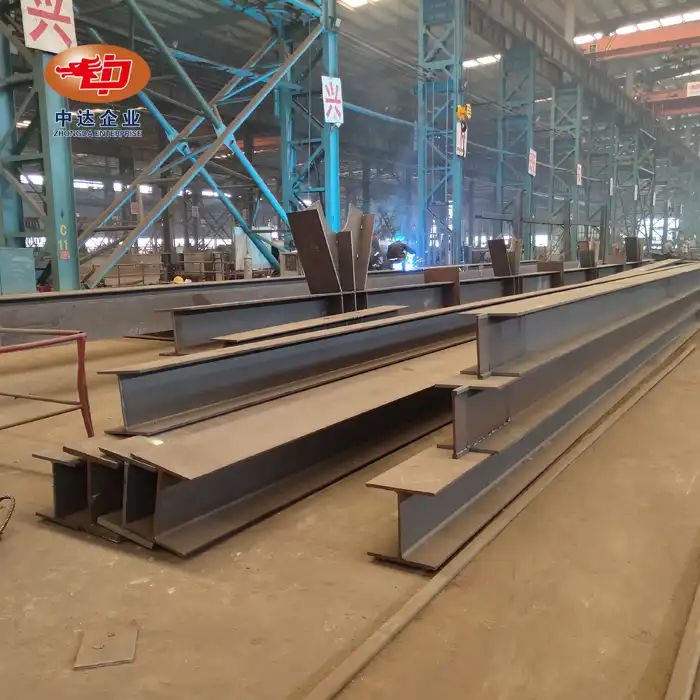
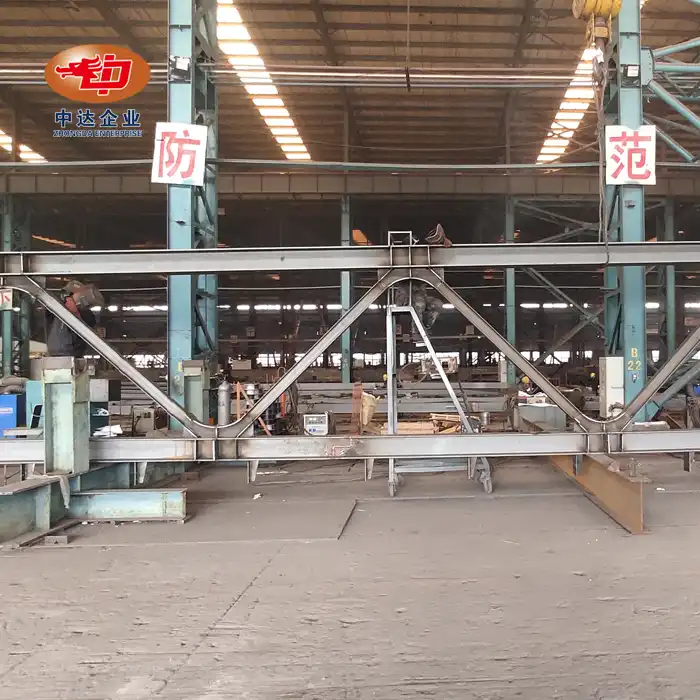
The first thing we do is recognize that airport steel structures are life-safety devices. Our 120,000-square-meter factory in Shenyang is set up to support methods that get rid of common risks in manufacturing. From getting raw materials to final inspection, everyone on the team knows that the parts that leave our plant will carry loads that are very important for flight safety. This knowledge shapes our culture.
Zhongda's Advanced Safety Assurance Processes in Fabrication
Making structural steel for airports takes more advanced technical skills than making steel for regular building projects. We've put money into systems and procedures that meet the unique safety needs of flight equipment.
Stringent Raw Material Selection and Verification
Safety starts before any work is done. We only buy Q235 and Q355 steel from approved mills that can show us full mill test records that prove the steel's chemical make-up and mechanical properties. We check the yield strength, tensile strength, and impact toughness of each batch of steel against the project specs as soon as it arrives. Our material tracking system keeps full traceability from the mill heat number to the final placement. This lets us keep track of where each structural part came from. We carefully choose steels with the right carbon equivalents to make sure they can be welded without losing strength.
Precision Fabrication Technologies Reducing Human Error
Tolerances in modern airport steel structures are measured in fractions of millimeters. Our computer-controlled cutting tools can achieve accuracy of ±0.2mm even on very thick plates. This gets rid of the differences in size that make it hard to fit things together and connect them securely. A lot of mistakes happen when people do things by hand, but automated welding systems make sure that the bead shapes are always the same and that the entry is right. Our welders have foreign certifications, so this automation doesn't replace their knowledge. However, it does get rid of mistakes that can happen when doing the same thing over and over on big jobs.
There are a number of measured benefits to our method to precision fabrication:
- Accurate measurements get rid of the need for rework in the field, which weakens links between structures and slows down building plans.
- The rate of rejection during non-destructive testing goes down when the quality of the welds stays the same.
- Digital quality records are made by automated processes that meet the paperwork needs of flight authorities and procurement auditors.
- Our BIM-driven prefabrication process lets us find problems before the steel cutting starts, keeping us from having to make expensive and possibly dangerous changes in the field.
With these technology advances, engineers can turn their ideas for buildings into real structures that work exactly the way they were meant to. This is still very important when building structures that hold up thousands of people every day.
Comprehensive Non-Destructive Testing and Load Verification
Even if you are very good at fabricating, proof is still necessary. We use a number of non-destructive testing methods to make sure that structures are strong without hurting any parts. With ultrasonic testing, flaws inside welds and base metal can be found before they become cracks. Radiographic analysis gives a visible proof that the weld is good in important connections. Magnetic particle testing finds flaws on the surface and close to the surface that you might not be able to see with the naked eye. Non-magnetic materials can have flaws found by penetrant tests.
In addition to NDT, we also do load testing, which mimics the stress that parts will actually be under when they are in use. Our test procedures mimic the effects of dead loads, live loads, and external forces that are unique to airport uses. In this case, the verification shows that theoretical estimates are accurate in the real world. This gives procurement workers proof that the structure is sound.
Meeting and Exceeding Airport Steel Structure Design and Safety Standards
Regulatory compliance is the basis of airport steel structure safety, but top providers know that just meeting the bare minimum doesn't mean getting the best performance.
Integration of International Building Codes and Aviation Regulations
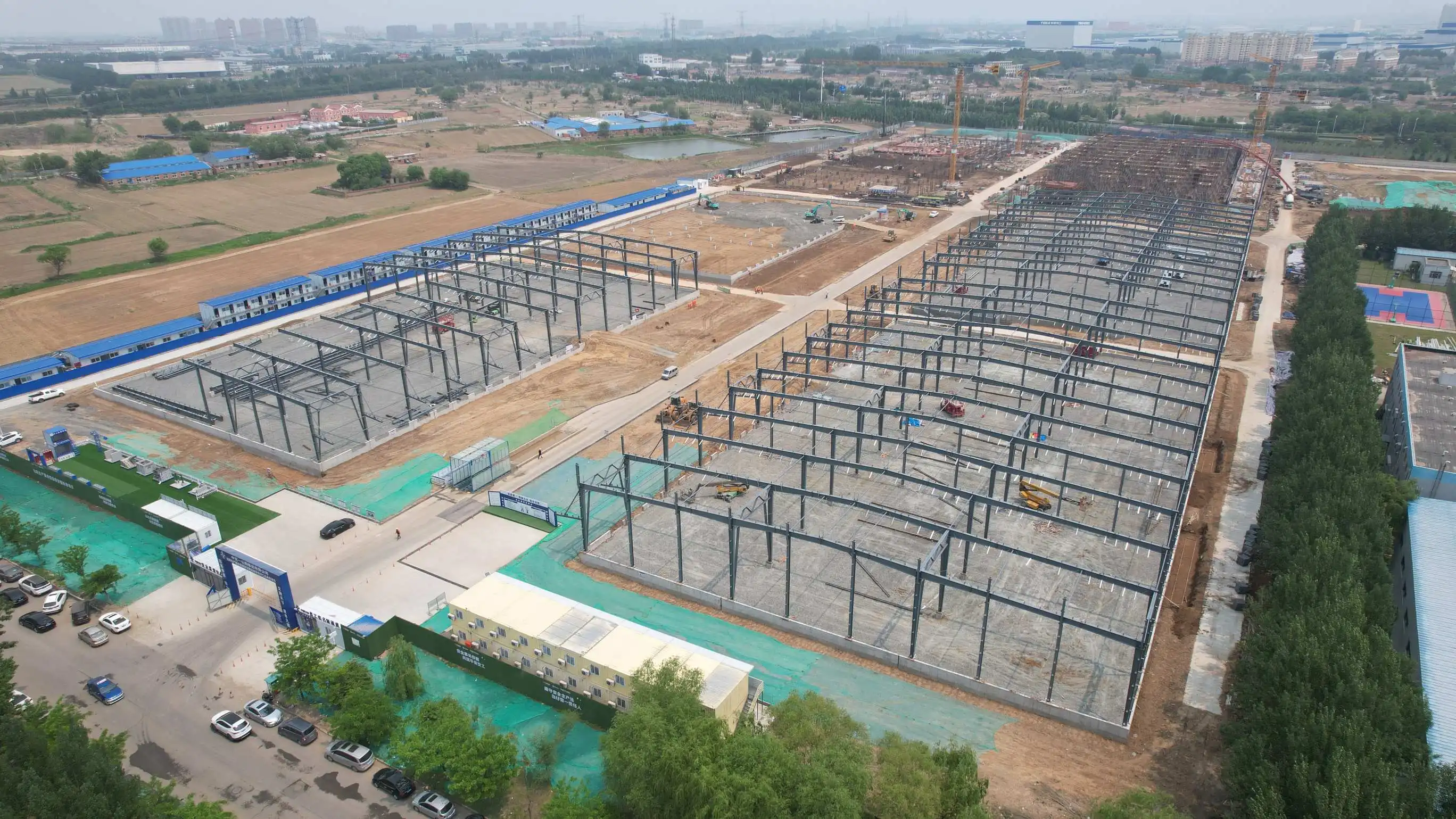
When building an airport in the US, it has to meet both normal building codes and FAA rules that are specific to flight safety. We stay up to date on these rules by making sure that our engineering team is always learning new things and by consulting with flight design experts on a daily basis. Our designs include load combos that take into account the possibility of passenger loads, wind forces, and earthquakes happening at the same time, at a level of chance that is acceptable for important infrastructure.
When we design structural systems for airport projects, we carefully think about three types of loads: dead loads, which include self-weight and permanent fixtures; live loads, which depend on how the terminal concourses and back-of-house areas will be used; and environmental loads, which come from wind exposure at high terminal structures or snow buildup on hangar roofs. Our engineering calculations clearly show that we follow the rules set by the relevant codes. This is the kind of clear proof that procurement pros need to support their choice of provider.
Specialized Engineering for Seismic and Fire Safety
Airports in areas that are prone to earthquakes need building systems that keep people safe during earthquakes. We make links that are flexible enough to bend in a controlled way to release earthquake energy without breaking in a big way. Our moment frame and braced frame designs are put through nonlinear analysis to make sure they work with the ground movements that are needed for the project site. Column bases have features that stop weak fractures even when they are loaded and unloaded over and over again.
Even though steel doesn't naturally catch fire, fire safety needs the same amount of attention. When steel that isn't covered is exposed to high temperatures, it loses its strength quickly, which could lead to gradual collapse. We use intumescent coatings or spray-on fireproofing materials based on the fire resistance scores needed by insurance companies and building rules. Our standards explain how to properly prepare the area and apply these safety systems so that they work as planned during a real fire.
Corrosion Prevention in High-Exposure Airport Environments
Coastal airports and sites in places where road de-icing salt is used are exposed to harsh rusting conditions that can weaken structures over many years of use. Through carefully designed covering methods, our -60°C Weathering Steel Anti-corrosion Technology protects steel in these conditions. When steel is hot-dip galvanized, a zinc layer is formed that is metallurgically linked to the steel. This layer protects the steel from both corrosion and damage. When used correctly and kept up, multi-coat paint methods with epoxy bases and polyurethane topcoats protect for a long time.
When choosing safety methods, we look at how bad the exposure is expected to be, how easy it is to do upkeep, and how much the whole thing will cost over its lifetime. Different treatments may be given to structural parts that are hidden than to architectural steel that is visible. This is done to improve security while keeping costs low. This customized method shows how important it is to work with fabricators who know how airport facilities actually work instead of using general specs.
Case Studies: Proven Safety Success in Zhongda's Airport Steel Fabrication Projects
The best way to tell if a maker is skilled and committed to safety is to look at their documented project experience. Several different aviation projects in our portfolio show that we can build safe, reliable airport steel structures in a range of circumstances.
International Airport Terminal Structures
We've provided structural steel for large port growth projects that had to meet safety standards for both protecting people and keeping operations running while the work was being done. These projects needed to be delivered in stages that fit in with airport operations. To meet tight dates and keep quality, there had to be a lot of coordination. Our BIM planning process helped us find problems between the design, structural, and MEP systems before they were built. This kept us from having to make risky changes in the field that could have damaged the structure.
The buildings we built for these terminals have been used for many years and have been able to handle all kinds of environmental loads and operating needs without any problems. Airport officials have done independent checks and found that the quality of our production meets or exceeds the standards set during design. This proves that our quality assurance processes work.
Seismic Resilience in Earthquake-Prone Zones
Making structural members for an airport building in a high-seismic zone was a very difficult job that needed response adjustment factors that were right for special moment frames. The connection plans called for full joint penetration welds with the backing bars taken off and the weld tabs ground clean to avoid stress concentrations. Our welding methods were put through approval tests that showed they had enough fracture toughness in the hot spots, meeting the standards for systems that can withstand earthquake forces.
During fabrication, we kept a close eye on the welding settings and tested all demand-critical welds with ultrasonic waves. With this thorough method, a few small signs were found that would have met the standards for normal building but could have spread during seismic loads. We fixed these spots so that the weld quality was perfect enough for life-safety systems. This shows that we put safety ahead of speed of production.
Long-Term Corrosion Resistance for Coastal Aviation Facilities
Salt spray and high humidity can speed up rust in coastal airport projects, which can drastically shorten the useful life of steel that isn't secured. We built hangar buildings and terminal parts for a facility that was less than one kilometer from the ocean. We made sure that the corrosion protection methods we used were right for this level of serious exposure. In order to meet our coating requirements, the surface had to be prepared using SSPC-SP10 near-white blast cleaning, and zinc-rich epoxy starters, epoxy intermediate coats, and polyurethane topcoats had to be applied. The total dry film thickness had to be higher than the industry minimums.
In client comments about this project, it was especially mentioned that the coating quality was very good during installation and that it didn't fail early in the service years. We know that the success of a coating relies on three things: how well the surface is prepared, how the coating is applied, and how well the quality is controlled. Many manufacturers cut corners in these areas to save money.
How B2B Procurement Professionals Can Trust and Partner with Zhongda
When airports choose a steel fabricator, they need to be sure that the seller will provide safety, quality, and dependability throughout the project's lifetime. We've set up our business processes to take into account the specific issues that procurement workers have when they're reviewing suppliers.
Transparent Process and Comprehensive Documentation
We know that making choices about purchases needs clear knowledge about prices, processes, and capabilities. Before we give you a quote, we carefully read over the project papers to make sure we understand all the technical needs and safety-important details. We give you thorough breakdowns that let you look at not only the total cost but also the value we bring to the table through our top-notch quality control and tech support.
In our plans, we spell out exactly how we'll meet the safety requirements of the project, such as the testing methods, inspection hold points, and paperwork outputs. This makes it possible for buying teams to compare sellers based on their real skills instead of just the lowest price. This helps them make choices that focus on long-term value and reducing risk.
Flexible Manufacturing Adapted to Unique Design Requirements
Airport steel structure projects don't usually follow a set pattern. More and more, terminal designs use complicated shapes and building statements that make traditional ways of making things difficult. Together with the design team, our engineering team comes up with fabrication-friendly features that stay true to the architect's vision while also making sure the building can be built and performs well. We can do both OEM work for clients who already have plans and ODM work for projects that would benefit from our design-build skills.
This freedom includes how the job is delivered. We've successfully completed projects using the design-bid-build, design-build, and construction management delivery methods. We've been able to keep our safety and quality standards while changing our processes to each project's procurement structure.
Professional Installation Support and Post-Fabrication Services
Bad fitting methods can lower the quality of the fabrication. We offer expert support during building by going over the steps for putting things together, visiting the site during important lifting operations, and helping with troubleshooting when things don't go as planned in the field. Our installation instructions help general builders and steel erectors get the alignment and connection stability that are needed to make sure the structure is safe.
After the project is done, we offer care consulting and regular inspection services that help building owners make structures last longer and find problems before they become dangerous. We've kept working together because we know that our duty goes beyond just sending fabricated steel—we're partners in the long-term success and safety of the structures we build.
Conclusion
For airport steel structure manufacturing to be safe, there must be an unwavering dedication to quality, professional know-how, and strict process control at all stages of the project. Advanced fabrication technologies, international code compliance, proven corrosion protection systems, and a lot of project knowledge are just some of the things that Zhongda does to make sure that flight infrastructure is reliable. Our ISO certifications, ability to handle 60,000 tons per year, and history of working with global clients like China Railway and BMW show that we can handle the needs of complicated airport projects. People who work in procurement who need reliable manufacturing partners for important transportation infrastructure will find one in Zhongda. This seller puts structural integrity and long-term performance above short-term gains, which supports safe project outcomes that protect the public.
FAQ
What certifications does Zhongda hold for airport steel structure fabrication?
Zhongda has ISO 9001:2015 certification for quality management, ISO 14001 certification for environmental management, and OHSAS 45001 certification for health and safety at work. We have the First-Class Steel Structure Engineering Qualification from China's Ministry of Housing and Urban-Rural Development and the EN 1090 performance class approval for making airport steel structure components. Our welding processes and welders are certified to meet the standards of the AWS D1.1 structure welding code. Regular surveillance checks of these licenses make sure that they are still being followed.
How does Zhongda ensure seismic compliance in airport structures?
When the project calls for it, our structural engineering team does earthquake analysis using response spectrum methods and nonlinear time-history analysis. We create connection details that are flexible enough to let energy escape during earthquakes. For example, we define weld profiles and inspection standards that are right for systems that can withstand earthquake force. As part of our quality control for manufacturing, we look more closely at demand-critical welds and, when needed, use Charpy V-notch tests to confirm the material's fracture toughness.
What are typical lead times for airport steel structure projects?
Project schedules change based on the amount of work, how complicated it is, and what the specifications say. A normal mid-sized airport terminal building made of 2,000 to 3,000 tons of fabricated steel takes 12 to 16 weeks from the time the contract is signed until it is delivered. This time includes technical review, buying materials, manufacturing, inspection, and coating application. Larger jobs or ones with a lot of building details may take 20 to 24 weeks longer. When we quote, we give you thorough plans that show the activities that are most important and how they need to be coordinated.
Partner with Zhongda for Safe, Reliable Airport Steel Structures
Zhongda has been a leader in steel manufacturing for 20 years and has special skills in building infrastructure for aircraft. Because of their experience, our engineers know how to make sure that airport steel structure projects meet all safety requirements. They also know how to come up with solutions that meet both legal and operational needs. We make structural parts that are designed to last for decades in harsh situations using high-precision tools with ±0.2mm tolerances, full NDT capabilities, and cutting-edge corrosion protection technologies. We welcome procurement professionals, EPC companies, and government engineering teams to talk to our technical experts about your needs for building an airport. You can email us at Ava@zd-steels.com to ask for project advice, detailed documents, or tours of our facilities. Zhongda is an internationally recognized airport steel structure provider with a track record of working on international flight projects. They can provide the quality assurance, technical support, and manufacturing capacity that your important infrastructure projects need.
References
American Institute of Steel Construction. (2016). Seismic Provisions for Structural Steel Buildings. AISC 341-16. Chicago: AISC.
Federal Aviation Administration. (2021). Airport Design Standards: Safety Risk Management. Advisory Circular 150/5300-13B. Washington, DC: U.S. Department of Transportation.
European Committee for Standardization. (2015). Execution of Steel Structures and Aluminium Structures - Part 2: Technical Requirements for Steel Structures. EN 1090-2:2018. Brussels: CEN.
International Code Council. (2021). International Building Code. Chapter 22: Steel Structures. Country Club Hills, IL: ICC.
National Association of Corrosion Engineers. (2017). Protective Coating Systems for Structural Steel in Corrosive Environments. NACE SP0178-2017. Houston: NACE International.
Steel Construction Institute. (2019). Design of Steel Structures for Buildings in Seismic Areas. SCI Publication P413. Ascot: SCI.
YOU MAY LIKE
_副本_1754277943321.jpg "Exhibition Hall Building Steel Structure")