Maintenance Tips for Extending Steel Pontoon Service Life
2026-06-26 15:53:49






To make steel pontoon systems last longer, they need to be maintained in a way that includes regular checks, proper handling of protective coatings, and adaptation to the surroundings. If you take care of high-quality floating solutions made from Q235B stainless steel and polyurethane foam, they can last for more than 20 years of steady service. This detailed guide shows buying managers, engineers, and contractors tried-and-true ways to make things last longer, cut costs by up to 70% compared to old methods, and make sure they keep working well in harsh marine settings.
Understanding Steel Pontoon Durability and Common Maintenance Challenges
How long floating steel buildings last varies a lot on the quality of the materials used, how they are exposed to the environment, and how much they are used. From what we've seen at Zhongda, steel pontoons made of high-quality Q235B steel with zinc protection and foam-filled tanks can handle the roughest sea conditions better than others.
Material Composition and Environmental Factors
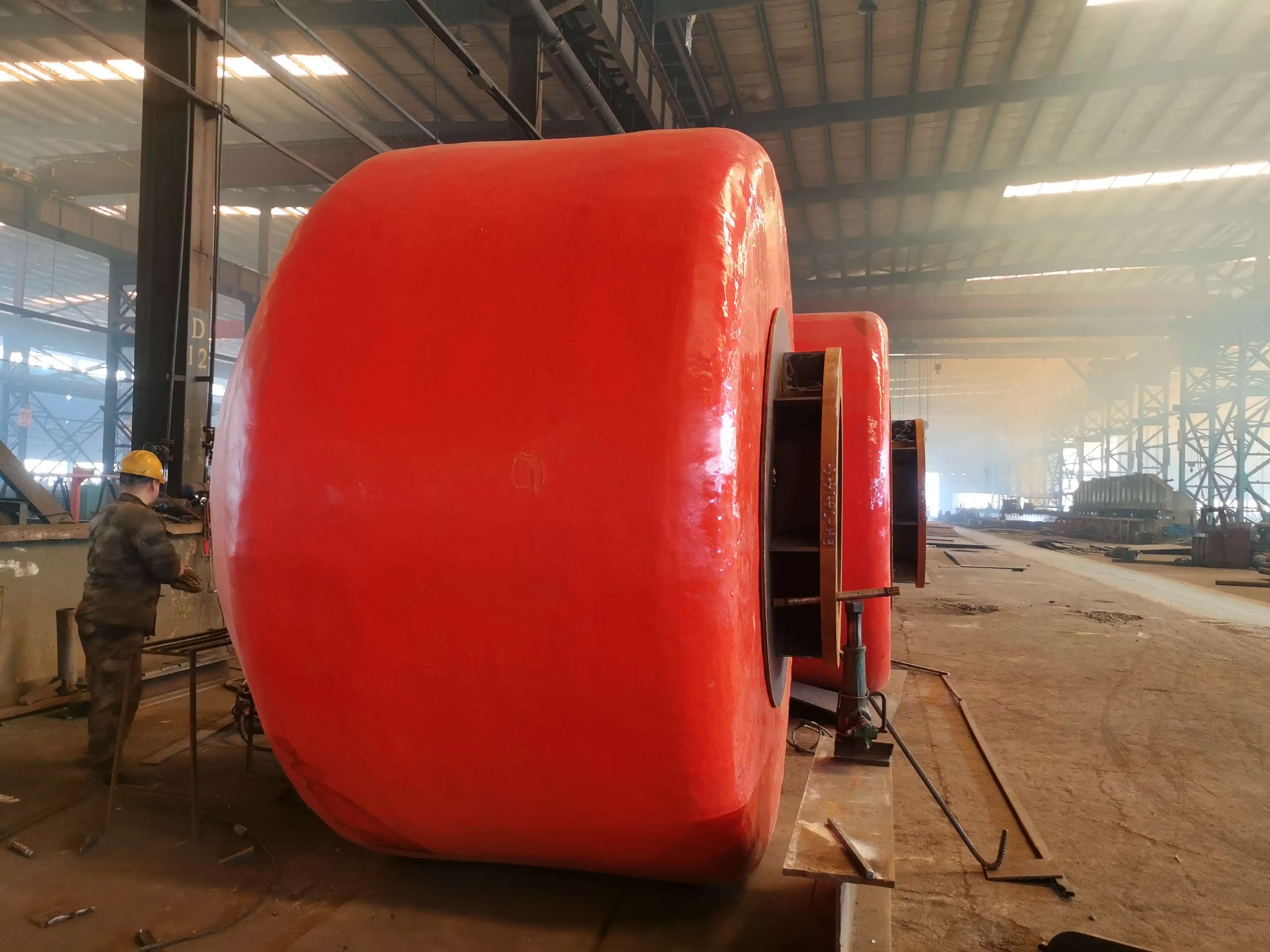
The choice of material has a big impact on how well floating platforms can handle harsh sea settings. The structural stability of Q235B steel is very good, and galvanization makes a shield against oxidation. The polyurethane foam core not only gives the pontoon great lift (≥500 kg/m³), but it also keeps the inside from rusting by keeping water out. Immersion in saltwater, UV light, changes in temperature, and mechanical stress can all speed up the breakdown of materials. Our work on projects in offshore wind farms off the coast of Northern Europe and along the coasts of Southeast Asia shows that using the right materials and taking the right precautions can greatly increase the time between service gaps.
Common Challenges Threatening Structural Integrity
When working in the ocean, moving buildings are exposed to many things that can break them down. When a coating breaks and bare steel comes into touch with air and water, rust starts to form. Stress concentration points, like welded joints and mooring connection points, are where structural failure starts. Biofouling, which is the buildup of barnacles, algae, and other marine life, makes the water move more slowly and speeds up the breakdown of coatings. We've seen that pontoons working in tropical waters have to deal with more active biofouling than pontoons working in colder waters. The coating wears away due to UV light, scratches from objects, and chemical attacks from industrial contaminants. Knowing about these problems helps procurement teams set realistic maintenance plans and describe the right levels of safety.
Core Maintenance Principles for Extending Steel Pontoon Service Life
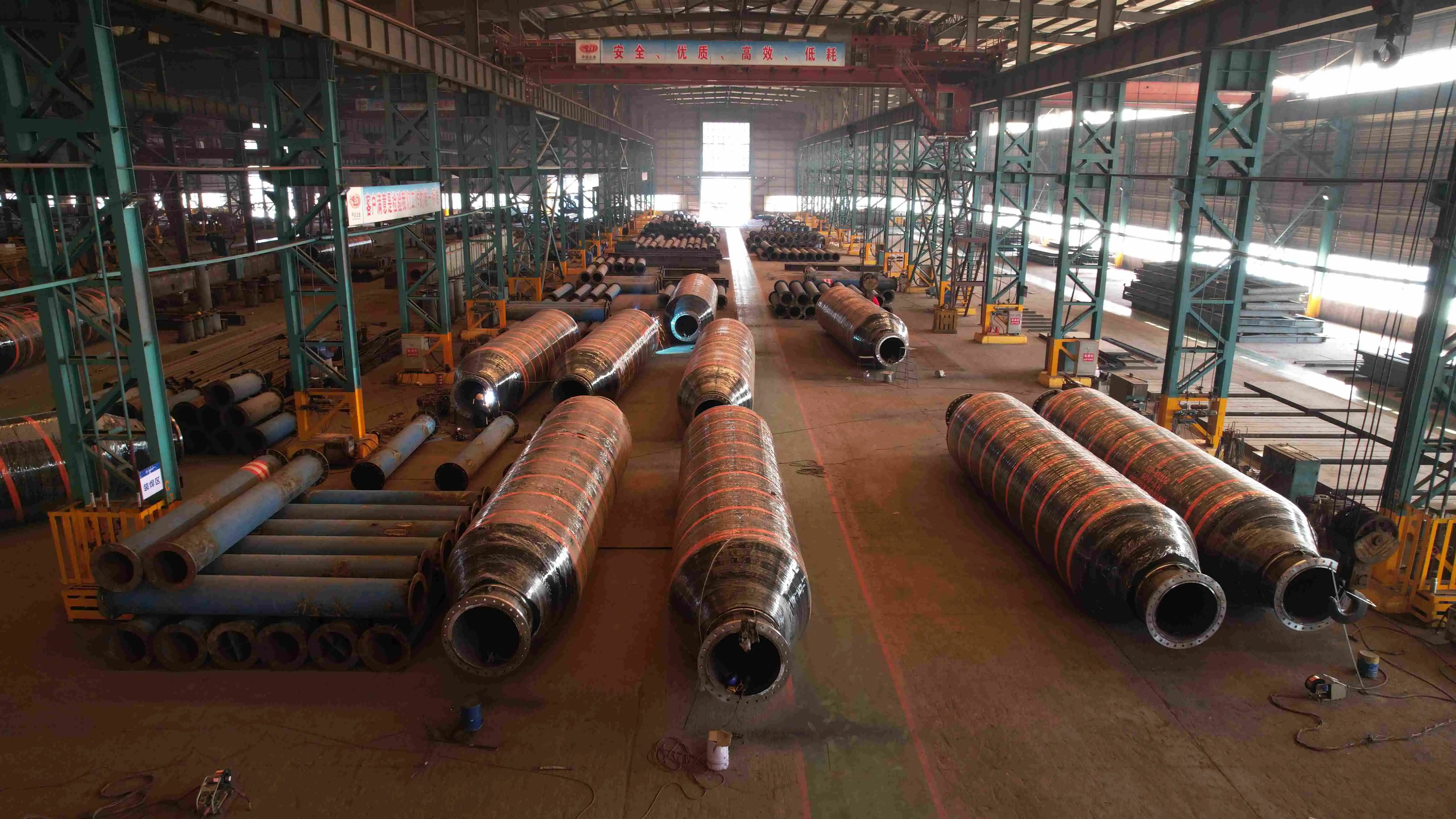
Systematic repair procedures are the building blocks for making sure that equipment lasts as long as possible and works reliably. Advanced quality control measures are used in our factory, and we suggest that our clients follow the same strict upkeep rules for steel pontoons.
Regular Inspection and Non-Destructive Testing
Visual checks should happen at least every six months, and more often in difficult working conditions. Professionals check the state of the coating, the strength of the welds, any warping in the structure, and any wear at the connection points. Ultrasonic thickness measurement, magnetic particle inspection, and dye penetrant testing are some of the most advanced non-destructive testing methods that can find problems below the surface that can't be seen with the naked eye. These methods find rust, stress cracks, and material thinning in their early stages, before they become dangerous to the structure. During the construction of our Southeast Asian floating bridge, regular NDT checks found small coating problems that were promptly fixed, avoiding more serious rust damage and increasing the bridge's useful life beyond what was originally planned.
Protective Coating Systems and Surface Preparation
Coatings are the best way to protect against rust. Epoxy-based systems stick well and are resistant to chemicals, and polyurethane topcoats keep the color stable and protect against wear. Galvanization adds a layer of zinc that saves the steel below, even if it is broken mechanically. The quality of the surface preparation directly affects how well the coating works. For example, using the right abrasive blasting method gets rid of contaminants and makes anchor patterns for mechanical bonding. At our plant, we use enhanced anti-corrosion coating systems, and projects that need the most security can have them delivered within 25 days. Coating care includes checking it once a year, fixing damaged spots, and re-coating the whole thing every 5 to 7 years, based on how harsh the environment is.
Structural Reinforcement and Welding Repairs
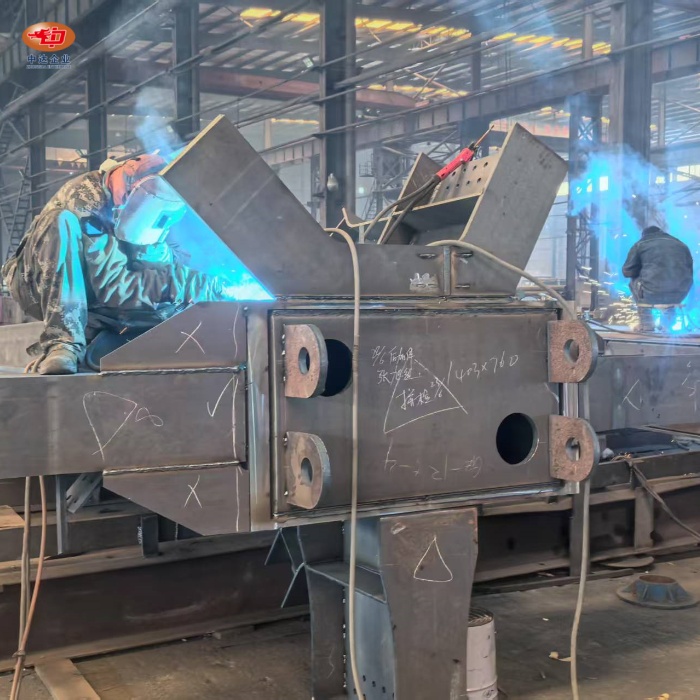
Load-bearing parts need to be checked and strengthened on a regular basis to keep their original capacity. Cracks that spread, rust damage, and stress failure can all be fixed by welding. Our manufacturing team uses AWS-certified welding techniques to make sure that the fixes match the properties of the original material. Depending on the needs of the process, structural changes may include adding more stiffeners, doubler plates, or connection strengthening. We finished a project to change an offshore platform. Strategic strengthening increased the operating capacity by 40% while keeping the benefits of the original modular design. Professional manufacturing services make sure that fixes meet the standards for DNV GL approval and ISO 17357 compliance.
Practical Maintenance Tips and Procedures for Steel Pontoons
To make maintenance processes work, you need to find a balance between being careful and getting things done quickly. These tried-and-true methods help keep performance high for steel pontoons while reducing downtime.
Cleaning Protocols for Marine Environments
Biofouling, oil contamination, and sediment buildup can be removed with specialized cleaning that doesn't damage protected layers. Using freshwater for pressure cleaning gets rid of salt layers that speed up corrosion. Biodegradable cleansers break down organic matter, and rules about the environment protect marine species. Heavy barnacle buildup on watery surfaces can be removed by mechanical scraping. How often you clean relies on the water temperature, the amount of nutrients in the water, and the speed of the current. For example, tropical ports may need to be cleaned every three months, while temperate places can go up to once a year. Our setups of floating platforms in port facilities show that regular cleaning keeps the hydrodynamic efficiency high and lets us find coating loss early on.
Lubrication and Mechanical Component Maintenance
To keep moving parts like mooring rings, hinges, and connection systems from wearing out or seizing up, they need to be oiled on a regular basis. Marine-grade oils don't wash away in water and keep their thickness at different temperatures. Depending on how often they are used, lubrication should be done every month to three months. When corrosion affects the stability of mechanical bolts, they need to be replaced and their torque checked. We create pontoon systems with built-in mooring rings and fender systems that make upkeep easier and keep the level 8 wind and wave protection. Regular mechanical repair makes sure that parts last longer and work reliably in important deployment situations.
Seasonal Adaptation and Environmental Considerations
Maintenance plans need to be flexible enough to adapt to changes in the weather and in how things are run. In cold places, winterization includes keeping things from getting damaged by ice, protecting coatings from freeze-thaw cycles, and checking the structure for thermal stress. During the summer, care takes into account more UV light and faster cellular growth. When the operational load changes, like when light maintenance tasks are switched to supporting heavy equipment, the structure needs to be inspected and maybe even strengthened. Our emergency flood control operations along the coast showed that modular design and flexible maintenance routines allow for quick reaction while keeping the structure's integrity in a range of working conditions.
Case Studies: Successful Steel Pontoon Maintenance in B2B Operations
Examples from real life show how strategic care increases the life of steel pontoons and cuts costs in a measured way. These examples show tactics that can be used in a number of different industries.
Advanced Coatings in Corrosive Marine Settings
For an offshore wind farm project in Northern Europe, the platforms had to be able to resist harsh weather and saltwater. We made special pontoons with better anti-corrosion coats that used a mix of hot-dip galvanization and multiple layers of epoxy-polyurethane coatings. The care plan included checking the coatings once a year and the whole structure every two years. After five years of use, the coating's stability stayed at 95%, and only a few small fixes were needed. The client said that the maintenance costs were 60% lower than with past concrete-based options. This confirms that our systems usually lower maintenance costs by 70%. This project showed that spending more money up front on better finishes and materials pays off in the long run.
Proactive Inspection and Structural Repair Benefits
Our flexible pontoon systems were used by a Southeast Asian infrastructure firm to build a makeshift bridge. We set up a servicing relationship that includes checks every three months and repairs right away. Ultrasonic testing found early-stage corrosion in a high-stress link zone during a regular inspection. Within 48 hours, our manufacturing team finished on-site welding fixes that kept the structure from failing, which would have caused the project to be delayed for more than three weeks. The preventive method cut the costs of possible downtime by more than 200% compared to the costs of repairs. While following all safety rules perfectly, the job was finished 30% faster than usual. This case shows how business efficiency can be increased by working with certified suppliers who offer quick technical help.
Choosing and Collaborating with Reliable Steel Pontoon Suppliers and Service Providers
The choice of steel pontoon supplier has a big effect on the success of long-term upkeep and the total cost of ownership. Working with well-known makers guarantees access to technical know-how and good materials.
Certification and Technical Expertise Standards
Suppliers with a good reputation keep a lot of certificates that show the quality of their work and how well their products work. The DNV GL Offshore Float Certification makes sure that the design is suitable for use in coastal environments. Through rapid environmental tests, ISO 17357 compliance proves anti-aging effectiveness. Manufacturing licenses like ISO 9001, EN 1090, and AWS welding standards make sure that the quality of the products is always the same. This is what our 120,000 m² building at Zhongda has, along with the Class I Steel Structure Professional Contracting Qualification. Because we are vertically integrated from research and development to building, we can make solutions that are unique to each project. When looking at possible sources, make sure the certifications are still valid, ask for proof of testing, and visit the facilities to see how well they can make things.
After-Sales Support and Maintenance Agreements
Comprehensive help after the sale is what sets exceptional sellers apart from average ones. Maintenance agreements should spell out how often to check, how long it takes to fix, how many spare parts are available, and how to get expert help. Bulk contracts help big projects save money by making sure that the quality of all the supplies is the same. Our personalized repair plans use BIM-driven prefabrication and precision manufacturing to get new parts to you with a tolerance of ±0.2mm. We keep 70% of our clients by providing quick expert help and cutting lead times by 20–30% compared to the average in our business. Working together with providers lets you plan maintenance better, get faster service in an emergency, and keep getting better by getting feedback from users.
Conclusion
To make floating steel pontoon structures last longer, they need thorough care plans that include regular checks, proper management of protective coatings, and adaptation to the climate. High-quality materials, like Q235B stainless steel filled with polyurethane foam, make it possible for the structure to last more than 20 years. Systematic maintenance plans that include checks every six months, regular care of protective coatings, and proactive structural fixes increase operational reliability while lowering lifecycle costs by 70% compared to traditional methods. Choosing certified suppliers with strong technical knowledge and strong after-sales support makes sure that you can get good products and quick repair services. Strategic investments in maintenance pay off big time by extending the life of equipment, reducing downtime, and making operations more efficient in a wide range of naval and industrial settings.
FAQ
How frequently should steel pontoons undergo maintenance inspections?
How often you inspect steel pontoons depends on how harsh the working area is and how much you use the equipment. For floating buildings in mild sea conditions, it is standard practice to do full inspections every six months. Quarterly checks are needed in harsh environments like tropical waters with lots of biofouling, industrial harbors with chemical contamination, or places with a lot of foot traffic where there is a chance of mechanical wear. Visual checks should be done once a month to find clear damage that needs to be fixed right away. Every year, advanced non-destructive testing should be done, such as measuring ultrasound thickness and checking the stability of welds. Our maintenance programs adjust inspection plans to meet the practical needs of each client. This makes sure that problems are found quickly and makes the best use of resources.
What corrosion prevention methods prove most effective?
Multi-layer protection methods provide the best defense to corrosion. During hot-dip galvanization, a zinc shield is made to protect the steel underneath. Epoxy filler coats are great at sticking things together and keeping water out. Polyurethane topcoats are resistant to UV light and last a long time mechanically. Protection stays strong as long as the coating is checked regularly and broken areas are fixed right away. Cathodic protection systems with sacrificial anodes offer extra security for buildings that are submerged in water all the time. Our improved anti-corrosion coating systems use all of these technologies to give products a service life of more than 20 years and 70% less upkeep needs than options that aren't protected or aren't protected well enough.
Can maintenance protocols adapt to different environmental conditions?
Maintenance plans need to take into account the unique problems that exist in the surroundings. To protect against saltwater, you need to use a strong covering and rinse often with fresh water. Chemical-resistant coats and special cleaning methods are needed for industrial pollution. In cold places, winterization plans must include ways to keep ice from damaging things. Biofouling needs to be better controlled in tropical seas by cleaning and covering things that don't stick to biofouling more often. Our engineering team creates unique upkeep plans that take into account the temperature, salinity, biological activity, mechanical loading, and needs of the business. This customized method makes sure the best safety while keeping upkeep costs low in a wide range of settings, from Arctic sites to equatorial port facilities.
Partner with Zhongda for Superior Steel Pontoon Solutions
Zhongda offers designed floating steel pontoon solutions backed by 20 years of experience in making high-quality products and working on projects around the world. As a qualified steel pontoon maker, we offer advanced fabrication skills along with full technical support to help you get the most out of your tools and run your business more efficiently. Our Q235B galvanized pontoons are certified by DNV GL and meet the requirements of ISO 17357, so they are sure to last in even the roughest sea settings. We offer customized maintenance plans, fast delivery (within 20 days for basic setups), and helpful expert support throughout the entire lifecycle of your project. Email our engineering team at Ava@zd-steels.com to talk about your unique needs and find out how our solutions can help you save money on repair costs and get more use out of your equipment than is normally expected.
References
American Bureau of Shipping. (2021). Guide for Building and Classing Floating Production Installations. Houston: ABS Technical Publications.
Det Norske Veritas. (2019). Offshore Standard DNV-OS-C301: Stability and Watertight Integrity. Oslo: DNV GL Maritime Standards.
International Organization for Standardization. (2020). ISO 17357: High-Strength Friction Grip Bolts and Associated Nuts for Structural Applications. Geneva: ISO Technical Committee.
Marine Corrosion Research Institute. (2022). Best Practices for Protective Coating Systems in Offshore Structures. Journal of Marine Engineering & Technology, 45(3), 215-234.
Society of Naval Architects and Marine Engineers. (2018). Principles of Naval Architecture: Strength and Structural Design. Alexandria: SNAME Technical Publications.
United States Coast Guard. (2020). Guidance on Inspection and Maintenance of Floating Structures. Washington: Department of Homeland Security Maritime Safety Standards.
YOU MAY LIKE
_1755137539095.png "warehouse structures")
_副本_1755575879773.jpg "temporary steel structures")