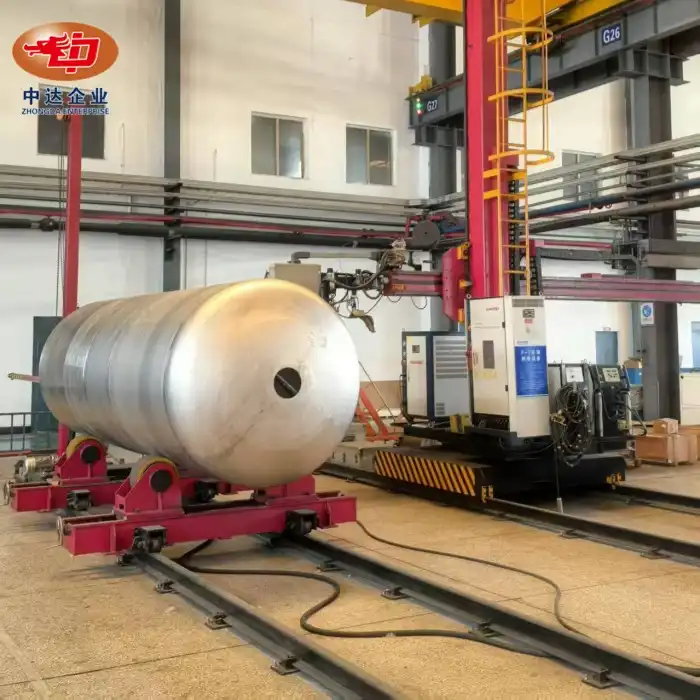
Inside a Wholesale Steel Structure Factory: Process & Quality
2026-01-30 16:45:37






When you walk through a modern steel structure factory, you can see how the balance between cutting-edge technology and careful workmanship shapes the industrial building world today. These large plants are the backbone of many construction projects, ranging from tall office buildings to huge industrial sites. The process of making a steel structure includes choosing the raw materials and making sure that the end quality of each part meets strict international standards. Learning how these facilities work can help you make better choices about what to buy, what quality you should expect, and the technologies that make modern building more efficient.
Understanding Steel Structure Manufacturing Process
Making high-quality structural steel parts starts a long time before the first cut is made. The choice of raw materials is the basis of success. Skilled buying teams find the best steel grades, such as ASTM A572, A992, and weathering steel types that are especially picked for their uses.
Raw Material Selection and Steel Grade Specifications
When they look at new materials, modern steel structure companies follow strict rules. Each package goes through a full chemical makeup study and testing of its tensile properties. Grade A572 steel, which is often used in high-strength situations, needs to show yield strengths between 42,000 and 65,000 PSI, based on the grade version. The material certificates that come with every batch make it possible to track the products all the way through the production process.
Quality experts use ultrasound testing to check for measurement limits, surface conditions, and the soundness of the inside. This basic check keeps broken materials from getting into the production process, which protects both the speed of production and the quality of the finished product.
Advanced CNC Cutting and Precision Fabrication
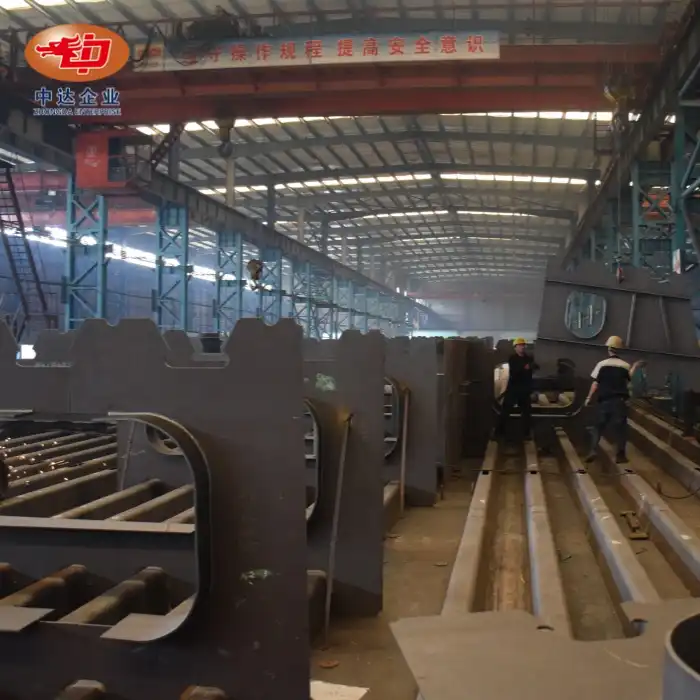
During the manufacturing phase, cutting-edge technology turns raw steel into exactly made parts. Computer Numerical Control (CNC) tools make plasma and laser cutting possible with precision of up to ±0.2mm. These automatic systems directly read Building Information Modeling (BIM) data, which gets rid of translation mistakes made by hand and speeds up production times.
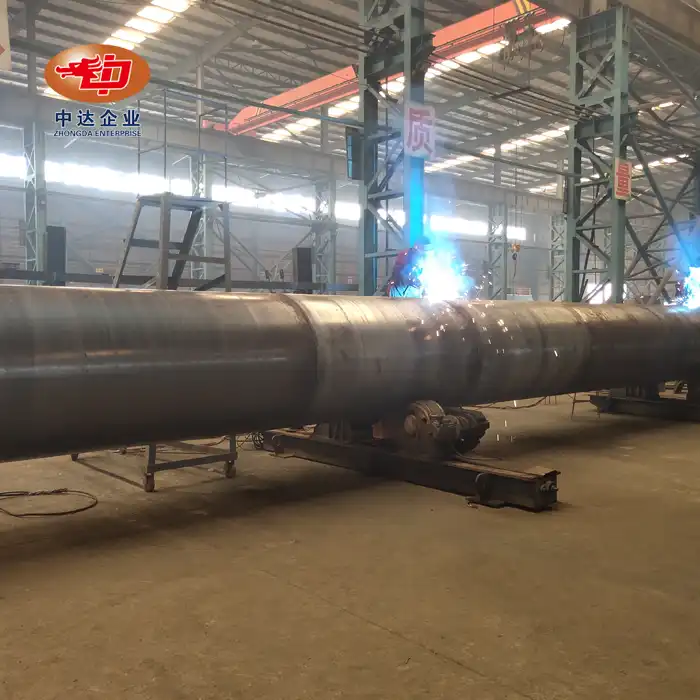
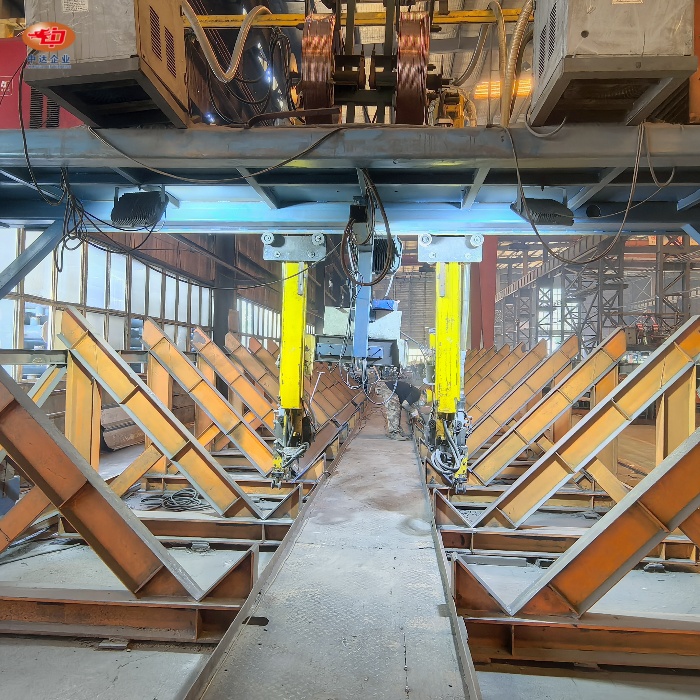
When welding, approved methods that meet AWS D1.1 structure welding rules are used. Automated welding systems make sure that the entry levels and bead shapes are always the same. Skilled welders, on the other hand, handle complicated joint setups that need to be done by hand. Post-weld stress release methods get rid of any remaining strains that might affect how well a structure works in the long run.
Modular Assembly and Prefabrication Advantages
By moving complicated assembly work from building sites to controlled workplace settings, prefabrication methods change the way projects are delivered. Complete assembly of modular parts is done, including the installation of mounting tools, additional steel links, and plates that are inserted. This method cuts down on the need for local work by 30–40% while improving the general quality of the build through more precise manufacturing conditions that don't depend on the weather.
The final step in the manufacturing process for a steel structure is to treat the surface. Galvanizing and other specialized finishing systems provide rust protection that is specific to the location. Hot-dip galvanizing makes zinc layers that are about 3.5 mils thick. In normal weather conditions, these layers protect for decades without any upkeep.
Key Quality Control Principles in Steel Structure Factories
Quality assurance is more than just checking the sizes of things. It includes strict testing procedures that make sure the structure is sound, the materials are the right ones, and the manufacturing process is always the same. Leading companies use multi-stage checking systems that keep an eye on every part of the production process, from the materials that come in to the final preparations for shipping.
International Certification Standards and Compliance
Reputable steel structure makers keep certificates like ISO 9001:2015 for quality management systems, ISO 14001:2015 for environmental management, and OHSAS 45001 for health and safety at work. For these licenses, there must be yearly checks by a third party that make sure that written processes and efforts to improve are always being followed.
The EN 1090 certification covers the specifics of putting together structural steelwork. It requires qualified welders, methods for tracking materials, and standards for physical correctness. AISC approval programs add to the proof needed for the North American market, making sure that products meet local building rules and technical standards.
Non-Destructive Testing and Inspection Protocols
Advanced testing methods make sure that the structure is solid without affecting the usefulness of the parts. Ultrasonic testing finds cracks inside base materials and welded joints, and magnetic particle inspection finds flaws on the surface and close to the surface of ferromagnetic materials. Radiographic testing gives clear pictures of the inside structures of welds, which is especially helpful for links that are very important and need to be inspected completely.
Coordinate measuring tools (CMM) and laser scanning systems are used for dimension checking. These systems can find differences as small as 0.1mm across big structure sections. These measures check the real sizes against the original engineering plans to find any possible fit-up problems before the parts get to the building sites.
Load testing makes sure that a structure works well in situations that are similar to real life. Proof load testing uses forces equal to 125% of the design loads to make sure that the parts keep their springy behavior and don't permanently bend. Fatigue testing checks the repetitive loading resistance of parts that will be under a lot of different stresses over the course of their service life.
A look at the differences between steel structures and those made of other materials in the manufacturing setting
Choosing the right materials for a steel structure has a big effect on how long a job takes, how well it works, and how much it costs to run in the long run. When compared to traditional building methods like reinforced concrete, brick, or wood construction, steel structures have clear benefits when it comes to industrial freedom, construction speed, and long-term value.
Manufacturing Lead Times and Customization Flexibility
From acceptance of the plan to delivery, steel production usually takes 6 to 12 weeks, but this depends on how complicated the job is and how much the factory can handle. This schedule includes tasks like reviewing the planning, getting materials, building, and checking the quality. These times are often pushed back in concrete building because of the need for shaping, drying, and weather-sensitive activities during placing.
Customization options are good for steel buildings because they can be made to fit complicated shapes and connections. CNC manufacturing systems can make complex forms and accurate hole patterns without the need for special tools or long setup times. It is still possible to make changes during production until the very end, which gives it more freedom than concrete casting.
Durability and Environmental Impact Assessment
When steel buildings are built correctly, they can last more than 50 years with little upkeep. In most weather conditions, galvanized coats protect against rust, and special weathering steels form protective patina layers that mean no more upkeep is needed at all.
Environmental factors are becoming more and more important in choosing materials. Steel can be recovered almost completely, and recycled steel makes up about 25 to 30 percent of new steel production. Recycling steel uses about 25% of the energy that is needed for main production. This has big environmental effects because materials are used over and over again.
When you look at the whole lifetime of a building, carbon impact studies show how competitive steel is. Even though steel seems to use more energy to make at first than some other options, its long service life, low upkeep needs, and ability to be recycled completely often mean that it has a lower overall environmental impact after 50 years.
Navigating the Steel Structure Supply Chain: Sourcing and Procurement Insights
To make good buying plans, you need to know what the maker can do, how they handle quality, and what services they offer beyond basic fabrication services. A good provider review looks at professional skills, output capacity, regional reach, and the ability to provide help after the delivery.
Manufacturer Evaluation and Due Diligence
Comprehensive supplier reviews for a steel structure look at many performance factors, such as the ability to keep certifications up to date, the results of quality audits, the past of delivery performance, and the ability to provide expert support. Factory capacity usage rates affect delivery times, so it's important to know when production schedules are and when demand is highest, as these can change project timelines.
References from similar projects can tell you a lot about how well a maker does in similar situations. Large-scale building projects, industrial facilities, and complex design uses all have their own problems that need to be solved with a certain level of skill and experience.
Custom Fabrication Services and Technical Support
Leading makers offer full design help that maximizes the efficiency of structures while reducing the amount of materials used and the difficulty of production. Value engineering services look for ways to cut costs without lowering the level of efficiency that is needed. When compared to the old design-bid-build method, these joint techniques often cut the cost of a job by 10 to 15 percent.
Installation support services connect what is made in the plant to what is built in the field. Skilled assembly crews know what the manufacturing was supposed to do and how to connect the pieces, which cuts down on problems in the field that could delay the project's finish. Technical help during building takes care of problems and changes that weren't planned for that always happen on complicated projects.
Pricing Transparency and Cost Analysis
The price of raw steel is a major factor that affects costs because it accounts for 60–70% of all manufacturing costs. Labor costs change a lot depending on how complicated the project is. For example, simple building structures require very little labor, while design projects with lots of links need a lot of skilled manufacturing time.
When it comes to big structure parts that need special moving tools and route permits, transportation and handling costs become very important. Regional manufacturing skills can cut these costs by a large amount while also increasing supply efficiency and lowering environmental effect by cutting down on transportation distances.
Zhongda Steel Structure Solutions: Engineering Excellence Worldwide
Zhongda Steel was established in 2004 and now has its main office in the Shenyang Economic-Technological Development Zone. It has grown into a world-renowned leader in precision steel solutions. Our modern, 120,000-square-meter building uses cutting-edge technology and has certifications such as ISO 9001/14001/OHSAS 45001 and EN 1090, which show that we are committed to high excellence and meeting foreign standards.
Advanced Manufacturing Capabilities and Technology Integration
Our manufacturing skills are based on BIM-driven prefabrication systems that connect design data straight to production tools. This technology gets rid of mistakes made by hand during translation and speeds up production times by automating the cutting and optimizing of materials. Ultra-thick plate cutting keeps tolerances of ±0.2mm on materials up to several inches thick, which makes it possible to make heavy industrial parts with great accuracy.
Specialized -60°C Weathering Steel Anti-corrosion Technology for steel structure components is used in harsh environments where regular security methods don't work well. This special treatment method has helped finish projects successfully in the Arctic, like building a bridge in Russia, where high temperatures make normal materials and defense methods hard to use.
Global Project Portfolio and Industry Recognition
Our 60,000-ton annual capacity meets the needs of a wide range of projects, from making mining tools in Australia to building industry hubs across Vietnam. Trusted relationships with leaders in the field, such as China Railway, CSCEC, and BMW, show that we have the professional skills and quality control to meet a wide range of application needs.
Our work on the Arctic bridges shows that we know how to do things that need to work reliably in harsh environments, requiring careful material choice, precise manufacturing, and protective coatings. These projects needed a lot of testing and approval to make sure they would work well in the long term in places where upkeep access is limited and failure has bad results.
When you work on projects in different countries, you get a deep understanding of how different cultural norms, building rules, and licensing standards affect the success of a project in each market. This world view makes it possible to work well with engineering teams and building companies from other countries.
Conclusion
Modern steel structure production is a complex mix of cutting edge technology, strict quality control, and skilled workmanship that produces reliable solutions for a wide range of building needs. Knowing how things are made, how quality works, and what suppliers can do helps you make smart purchasing decisions that improve project results. As the industry moves toward BIM integration, automatic manufacturing, and specialized protection treatments, it keeps improving its capabilities while keeping the basic dependability that makes structural steel the best choice for tough jobs. Choosing makers with proven skills, the right certifications, and full support services that last throughout the lifecycle of a project are essential for its success.
FAQs
When should I expect to receive my unique steel structure order?
Depending on how complicated the job is and how full the plant is, standard wait times are between 6 and 12 weeks. Building a simple warehouse structure usually takes 6 to 8 weeks, but building a complicated industrial or design job can take 12 to 16 weeks. Early teamwork between engineers can shorten project timelines by using strategies for standardizing designs and making the best use of materials.
What happens to steel buildings when there is bad weather or an earthquake?
Because they are flexible and strong for their weight, steel buildings that are built correctly do well in harsh circumstances. Specific rules for building that can withstand earthquakes are set by seismic design standards like AISC 341. Steel's features stay the same at all temperatures, which is helpful in cold weather uses. Concrete, on the other hand, can crack when it freezes.
Can changes be made to manufactured steel parts that are already there?
Slotted connections, movable base plates, and flexible connection systems are all parts of modern production that allow for field adjustment. BIM planning reduces disagreements in the field as much as possible, but links are made more flexible by experienced makers to allow for realistic building tolerances.
What licenses should I look for in a company that makes steel structures?
Quality management certifications like ISO 9001, welding certifications like AWS D1.1, and product certifications like EN 1090 or AISC are all important. Third-party quality checks are another way to make sure that the manufacturing process is working well and consistently.
How do I judge price offers for steel structures?
A full price study should look at different types of materials, how hard they are to work with, how they are finished, and how long it takes to send them. Ask for specific estimates that show how much the materials, work, and shipping cost. Value engineering often finds ways to cut costs while keeping performance standards the same.
Partner with Zhongda for Your Next Steel Structure Project
Through advanced BIM-driven manufacturing and tried-and-true quality systems, Zhongda Steel creates precision-engineered solutions that make your building idea a reality. Our full range of steel structure maker services cover everything from original design advice to final installation support, making sure that projects for business, industrial, and building uses around the world go smoothly. With cutting-edge safety technologies that have been tested in the Arctic and a lot of experience working on projects around the world, we have the technical know-how and production excellence that your projects need. Get in touch with Ava@zd-steels.com right away to talk about your steel structure needs and find out how our engineering knowledge can help you improve your next building project.
References
American Institute of Steel Construction. "Steel Construction Manual, 15th Edition." AISC Publications, 2017.
Fisher, John M., and James O. Malley. "Guide to Stability Design Criteria for Metal Structures, 6th Edition." Structural Stability Research Council, 2010.
Geschwindner, Louis F. "Unified Design of Steel Structures, 2nd Edition." John Wiley & Sons Engineering Publishers, 2012.
International Organization for Standardization. "ISO 9001:2015 Quality Management Systems Requirements and Implementation Guidelines." ISO Technical Publications, 2015.
Salmon, Charles G., and John E. Johnson. "Steel Structures: Design and Behavior, 5th Edition." Pearson Engineering Education Series, 2009.
Tide, Raymond H.R. "Integrity of Structural Steel after Exposure to Fire." Engineering Journal American Institute of Steel Construction, 1998.
YOU MAY LIKE
_副本_1755847812558.jpg "building steel structure")
_副本_1754121416739.jpg "Prefabricated Steel Structure Stadium")