Stadium Steel Structure: Strength, Speed & Sustainability
2026-06-03 16:14:49






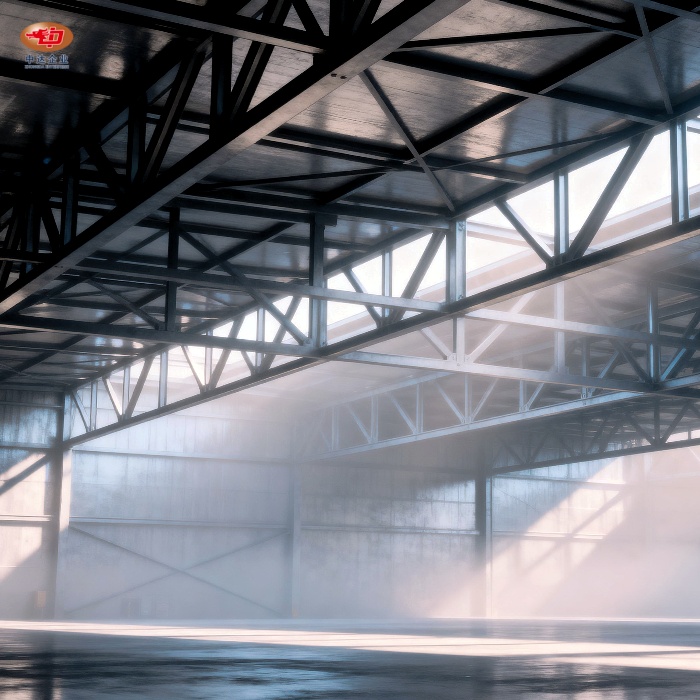
These days, sports facilities need solutions that work really well, meet strict deadlines, and are good for the environment. A steel structure stadium combines cutting-edge engineering with sound building knowledge. It does this by using high-strength steel parts like H-beams, space trusses, and modular columns to make huge open areas without any annoying supports in the middle. This architectural approach solves some of the biggest problems in building big venues: it lowers foundation loads by using lightweight superstructures, shortens project timelines by prefabricating parts in a factory, and makes buildings more resistant to earthquakes because steel is naturally flexible. As building companies and government workers look at their project possibilities, it's important to understand these structure systems so they can make smart investment choices.
Understanding Steel Structure Stadiums: Strength & Design Features
Superior Load Distribution Through Advanced Framing Systems
Load-bearing structures that distribute forces efficiently throughout the building are the technical basis of modern arena construction. Systems with horizontal beams, vertical columns, and lateral bracing members are made up of high-quality steel parts that fit together to make networks. These parts spread out heavy loads from roof systems, motorized equipment, and even a lot of snow across several paths. This stops stress collection spots that could weaken the structure.
Choosing the right materials is a very important part of getting the performance qualities you want. Grades of structural steel like Q355B, ASTM A572 Gr.50, or S355JR have yield strengths higher than 355 MPa, which makes sure the framework stays in shape even in harsh circumstances. Because of these materials' high strength-to-weight ratio, engineers can make longer spans with less material mass than with standard concrete options. This cuts down on the need for foundations and the total cost of the project.


Seismic Resistance and Dynamic Performance
Places that are prone to earthquakes need building systems that can take and release seismic energy without breaking completely. Steel's flexibility, or ability to bend without breaking, is an important safety factor during ground motion events. When built correctly with moment-resisting links and horizontal force-resisting elements placed in the right places, a steel structure stadium can withstand Mercalli scale VIII earthquakes and keep people safe.
Throughout the life of a stadium, problems will arise due to dynamic loads from crowd movement, gusts of wind, and mechanical noises. In order to deal with these issues, engineers carefully study natural rhythms and plan smart damping systems. Because premade steel components are flexible, they can be made with very tight standards. This makes sure that links work as planned and that the structure stays stable over many years of use. This engineering method creates places that are safe and useful for a long time after the initial investment is made. This is good for both private companies and government agencies.
Material Properties That Enable Long Service Life
Corrosion resistance tells us if a building will do well in its surroundings or break down. Arenas near the coast have to deal with salt spray, while arenas near factories have to deal with air pollution. Hot-dip galvanization puts on zinc coats that are about 85 micrometers thick. These coatings act as a shield to protect the steel underneath. According to ISO guidelines, multi-layer painting methods that use epoxy zinc-rich bases and then fluorocarbon topcoats offer more protection in C4 and C5 toxic conditions.
In addition to surface processes, the nature of the base material also affects how long something will last. Copper, chromium, and nickel are added to modern structure steels in controlled amounts to make them more resistant to weathering. These alloying elements create steady oxide layers that slow down the rate of rusting in the air. When purchasing teams look at mill test papers, they should make sure that the chemical makeup fits the project requirements. This will make sure that the materials work the way engineers predicted they would for as long as the building is designed to last.
Speed of Construction: How Steel Structures Accelerate Stadium Projects
Prefabrication Advantages in Manufacturing Environments
Off-site manufacturing changes the process of building by moving difficult tasks to a controlled plant. Large steel structure stadium manufacturing bases with 100-ton bridge cranes can handle huge parts with precision that can't be achieved on the job site. With computer-controlled cutting tools, measurements are accurate to within ±0.2mm, which makes sure that parts fit together perfectly when they are put together on-site. This level of accuracy in making gets rid of the need for time-consuming changes in the field that are a problem with older building methods.
Being able to work regardless of the weather is a big plus during all stages of production. Pouring concrete needs certain temperatures and levels of humidity, but steel production can happen no matter what the weather is like outside. Shops make sure that the right conditions are in place for welding, that protective coats can be put on without worrying about rain or humidity, and that quality checks can be done in the right setting. Because of this, production plans stay stable, which gives project managers peace of mind when planning work on-site.
The flexible method lets multiple processes run at the same time, which shortens the overall timeline. While base builders get the site ready, manufacturing teams make parts of the structures. Roofing parts and beam assemblies are both being built at the same time. This action that happens at the same time cuts down on the connections between steps that make standard building plans longer. When using premade steel systems, projects can be finished in 12 to 18 months instead of 24 to 36 months when using traditional concrete methods. This is a 40% time savings that is very important when places need to be open for events.
Streamlined Site Operations and Rapid Assembly
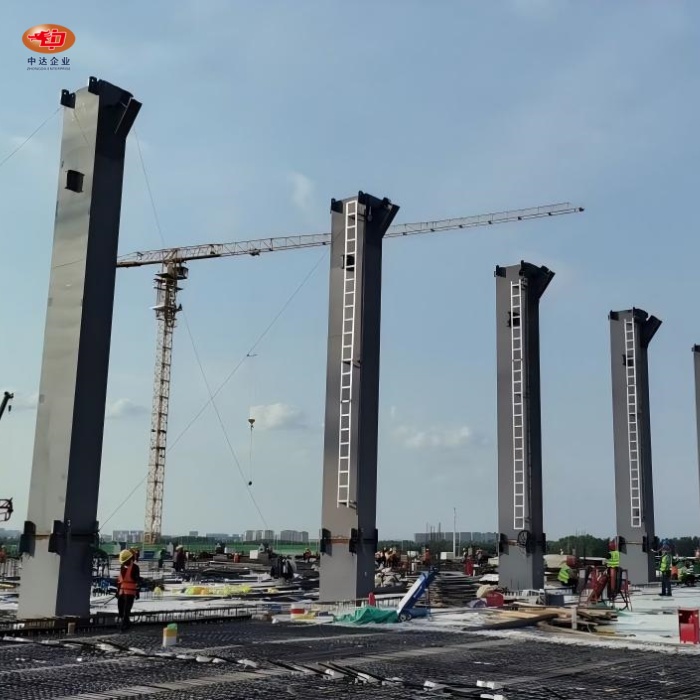
Once the parts get to the building site, they are put together very quickly and easily. Teams use measured pressure equipment to put together parts that have already been bonded. This makes sure that the connections are strong enough. Because these tasks are done over and over, workers become experts at them quickly, which boosts productivity as projects go on. In contrast to concrete work, which needs special forms, lots of reinforcements, and long drying times, steel building is mostly about simple mechanical connections.
Even for places with a lot of people, the equipment needs on site are still doable. Mobile cranes move large parts of structures into place, while smaller hoists and lifting devices move smaller parts. This equipment's adaptability lets workers work around site limitations and keep moving forward, even in cities with limited staging areas. The lack of large-scale temporary works like formwork systems, shoring towers, and healing infrastructure makes site operations even easier and causes less damage to nearby areas.
Coordination Between Fabricators and Contractors
For fast-track delivery to work, information must move easily between design teams, manufacturing shops, and site workers. Building Information Modeling (BIM) technology sets up shared digital spaces where everyone can work from three-dimensional models that are organized. These digital twins find possible problems before the real work starts. This keeps expensive delays from happening when parts that don't work together arrive on site. Experienced steel makers keep in close contact with installation workers and change delivery plans based on how things are going on the job site instead of sticking to strict deadlines.
Quality control doesn't just happen at the end of the job; it happens throughout the whole process. Non-destructive testing of important welds, checking the sizes of major parts, and measuring the thickness of coatings all give constant confidence that the work meets requirements. This ongoing confirmation keeps small differences from adding up and making it harder to fit together during the final steps of assembly. When buying managers work with makers that are ISO 9001-certified, they can use written quality management systems that lower risk and make sure that everyone is responsible during the whole building process.
Sustainability: Environmental Impact & Energy Efficiency of Steel Stadiums
Recyclability and Circular Economy Benefits
Steel is different from other building materials because it can be recycled over and over again without losing any of its important qualities. When a steel structure stadium is no longer needed, either because it has been renovated, repurposed, or torn down, its skeletal parts are sent back to steel mills to be used to make new goods. This closed-loop lifetime gets rid of the trash streams that come with tearing down concrete buildings. Usually, the material ends up in landfills, even though people try to crush it and use it as gravel.
Energy saving improvements can be seen in the disposal process itself. When compared to making steel from iron rock, making steel from scrap uses about 75% less energy. When you compare the two types of energy, you can see that the second one has a smaller carbon footprint. This is a measurement that is becoming more important for businesses and government agencies that want to reach their carbon neutrality goals. The American Institute of Steel Construction says that more than 90% of structure steel is recovered, which shows that the business is committed to the ideas of the circular economy.
Reduced Construction Waste and Site Impact
In traditional building, a lot of trash is made when formwork is thrown away, concrete is washed out, and offcuts are cut on-site. These waste streams are kept to a minimum in prefabricated steel systems by using precise machine cutting and good material utilization. Automated nesting software improves plate plans to cut down on waste, and any pieces go straight back into recycling streams inside factories, so they don't have to be picked up and moved from different building sites.
Because steel frames are lighter, they have less of an effect on the environment when they are transported. Fewer truckloads are needed to carry the same amount of structure weight as similar concrete parts. This means that less fuel is used and fewer emissions are released throughout the supply chain. When loads are lower, foundation systems also benefit because they often need less digging, fewer piles, and smaller amounts of concrete. All of these things help lower the total amount of carbon in the building system.
Energy-Efficient Design Integration
Modern stadium designs use green energy systems that work well with steel's structural properties. Large-span roof systems are perfect for photovoltaic arrays because the loads of the solar panels can be spread out easily on the steel frame. The open web design of steel trusses makes natural paths for mechanical, electrical, and water systems. This means that floor-to-floor heights are shorter than with solid concrete structures, which means that less of the building environment needs to be heated or cooled.
Steel's high strength-to-weight ratio makes it possible for features like retractable roofs and movable surfaces that let in more natural light and air flow to work well. Structures that can support dynamic loads and keep these moving parts in place over thousands of working cycles are needed for these parts. Because steel is dimensionally stable and doesn't wear easily, these complex systems are useful. They allow venue owners to save money on HVAC costs by using natural cooling when the weather allows.
Procurement Guide: Selecting Partners & Estimating Costs for Steel Structure Stadiums
Evaluating Manufacturer Qualifications and Capabilities
Quality badges are concrete proof of how well a product is made and how well the process is controlled. Having ISO 9001 approval shows that a maker has well-thought-out quality control systems that include written steps for reviewing designs, planning production, inspecting work, and making changes as needed. The EN 1090 approval checks that the maker meets European standards for performance class and weld quality when it comes to structural steelwork. In the same way, AISC licensing programs check North American manufacturers against well-known industry standards.
A production capacity review looks at more than just the big numbers for tons; it also looks at specific skills that are important for a steel structure stadium project. Heavy-duty bridge cranes that can lift at least 100 tons can be used on manufacturing sites to move the huge girders and beams needed for long-span roof systems. Plate processing tools that can precisely cut materials up to 150 mm thick makes it possible to make big column sections and link plates that are highly loaded. Critical full-penetration parts are always of high quality thanks to new welding technology like buried arc and robotic systems.
A manufacturer's track record on past projects shows how well they understand the unique needs of building a sports venue. Stadiums have problems that are different from those in industrial buildings or commercial towers. They have complicated shapes with lots of curves, heavy loads from the scoreboard and lighting systems, the need to coordinate with special roofing and cladding systems, and tight schedules that are set by event dates. Fabricators who can show they've completed similar projects successfully bring useful knowledge that lowers risk during the planning and building stages.
Understanding Cost Factors and Budget Development
The most obvious cost factor is the price of materials, which changes with the world steel market and metal content requirements. Instead of using old cost information, procurement managers who are making basic budgets should get the most up-to-date prices for certain grades, like Q355, A572-50, or higher-strength materials. Transportation costs from the factory to the project site should be carefully considered. This is especially true for foreign sources, where ocean freight, customs fees, and interior transport all add up. There may be transportation benefits to buying from local sources that make up for the slightly higher base prices.
Complex fabrication directly affects shop costs by requiring more work hours, special tools, and more thorough quality control procedures. Fabricators can make efficient production sequences for stadiums with repeating structure bays, but they need to make custom tools and fittings for buildings with unique shapes. The amount of shop assembly—whether parts ship as separate pieces or as pre-assembled modules—affects both the cost of making the product and the cost of putting it together in the field. Having in-depth conversations about these things during the bid development process makes them clearer and avoids mistakes that cause change orders.
Field construction prices depend on how easy it is to get to the spot, how big a crane is needed, and how productive the group is. Urban sites with limited laydown areas and mounting choices for cranes make installation more difficult and take longer. Weather protection standards during the building phase raise the cost of portable enclosures in places where it rains often. Regional differences in labor rates mean that cities usually have better pay than rural places. Instead of using simple cost-per-ton measures that don't take into account the specifics of the project, accurate cost predictions take these factors into account.
Best Practices in Bidding and Contractor Selection
In competitive selling methods, finding the best price and skill are balanced with making sure the bidders are qualified. Before bids are asked for, prequalification processes set base standards for technical skill, financial stability, and safety performance. This screening keeps unfit bidders from getting contracts just because they have the lowest price, then having trouble doing the work or asking for changes that make the savings seem pointless.
To get accurate prices, bid papers must clearly outline the project's limits, quality standards, and who is responsible for coordinating the work. Specifications that aren't clear can lead to different interpretations, which can lead to disagreements during building. Performance specifications that list the results that need to be achieved usually lead to better results than rigid specifications that list the exact steps that need to be taken. This is because they let experienced workers suggest more efficient methods while still being responsible for the results. When technical review groups look at plans, they should look at the price, methods, and timeline logic along with the assumptions that aren't reasonable and could hurt the success of the project.
Checking references with past clients gives you more information about a contractor's work than papers and skill statements do. Talking directly about sticking to the plan, managing change orders, the quality of submissions, and how problems are solved can reveal trends that can be used to predict future performance. Site visits to recently finished projects are a great way to see for yourself how well the work was done and how much attention to detail was paid. These steps of due research take time, but they greatly lower the risk of working with makers or workers whose real skills aren't as good as they say they are on their marketing materials.
Conclusion
Building a steel structure stadium is a big investment in infrastructure that needs to be carefully thought out in terms of building systems, buying strategies, and long-term performance. Steel frames have a lot of benefits, including being stronger, having shorter building times, and being environmentally friendly in a way that meets current standards. The material's ability to be recycled, lower building trash, and high energy efficiency help companies meet their social responsibility goals while also saving money by lowering costs over its entire life. Working with skilled makers who have the right certifications, production skills, and experience is key to making projects successful. When procurement teams use strict evaluation criteria and thorough cost analyses, they put their companies in a position to build places that meet budget and schedule requirements and serve communities well for generations to come.
FAQ
What are the main advantages of steel structure stadiums over concrete construction?
Compared to cast-in-place concrete, steel structure stadium frames allow for faster building by prefabrication and flexible assembly, which cuts project timelines by an average of 40%. Because the structure is lighter, it needs less support from the ground and is less likely to be damaged by earthquakes. This often leads to cost saves in geotechnical engineering. Steel can be recycled, which is good for the environment because the material keeps its qualities through many cycles of its life. Because current covering methods protect against rust for longer amounts of time, maintenance tasks are easier to do. The strength-to-weight ratio lets clear gaps get longer without having to use middle columns. This improves sightlines and gives venue owners more useful options.
How long does a steel structure stadium typically last?
When properly built and kept, steel arenas usually last longer than 50 years, and many buildings keep working for longer than 75 years. Corrosion protection systems that are right for the environment, regular testing programs that find problems before they get too bad, and maintenance done at the right time are all things that affect how long something lasts. Coastal areas and industrial settings need stronger protection methods, like hot-dip galvanizing and high-performance paint systems, compared to dry rural conditions. Because structural steel is naturally strong and parts are easy to repair when they break, it supports longer operating life that gives a great return on infrastructure investment.
What quality certifications should I look for when selecting a steel stadium manufacturer?
Getting ISO 9001 approval shows that you have a quality management system that covers all of your manufacturing activities. The EN 1090 approval makes sure that structural steelwork is executed correctly and that the quality of the welds meets European standards. This gives foreign projects peace of mind. When manufacturers get AISC approval, they show that they meet North American industry standards for making different types of structures and bridges. Also, make sure that the maker keeps written instructions for non-destructive testing, mill test papers that show where the materials came from, and controlling the size while they are being made. When put together, these certificates show that a company can make stadium parts that meet strict performance standards and building code requirements.
Partner with Zhongda for Your Next Stadium Steel Structure Project
Global infrastructure needs steel structure stadium providers with a lot of knowledge who can offer regular quality and technical know-how. Zhongda Steel has ISO 9001/14001/OHSAS 45001 certification and specialized skills such as BIM-driven prefabrication and advanced anti-corrosion technology that has been shown to work in harsh environments. Our 120,000 m² factory has 100-ton bridge cranes and high-precision cutting tools that can achieve ±0.2mm limits. This lets us make unique stadium parts and whole structure systems. Our expert team works together to make sure that plans are the best they can be for performance and cost, whether your project is a neighborhood sports center or a place for an international tournament. Get in touch with Ava@zd-steels.com to talk about your unique needs and find out how our experience working with clients in the infrastructure, public building, and construction industries can help your business succeed.
References
American Institute of Steel Construction (2021). Steel Construction Manual, 15th Edition. Chicago: AISC Publications.
Chen, W.F. & Lui, E.M. (2019). Handbook of Structural Engineering, Second Edition. Boca Raton: CRC Press.
Gervásio, H. & da Silva, L.S. (2018). Comparative Life Cycle Assessment of Stadium Structures. Journal of Building Engineering, Volume 22, pp. 106-118.
International Association for Bridge and Structural Engineering (2020). Structural Engineering Documents: Design of Steel Structures for Buildings. Zurich: IABSE Publications.
Nethercot, D.A. (2022). Structural Steelwork Design to EN 1993 and EN 1994. London: The Steel Construction Institute.
Trahair, N.S., Bradford, M.A., Nethercot, D.A. & Gardner, L. (2017). The Behaviour and Design of Steel Structures to EC3, Fourth Edition. London: Taylor & Francis.
YOU MAY LIKE
_副本_1756187900835.jpg "steel column")