
Steel Cable-stayed Bridge Systems Enhance Stability for Long-Span Infrastructure Projects
2026-08-26 13:00:01






When planning long-span infrastructure projects, choosing the right bridge system directly impacts stability, durability, and budget efficiency. Steel cable-stayed bridges represent a transformative solution for modern infrastructure challenges, utilizing high-strength steel cables anchored to vertical towers that directly support the bridge deck. This innovative design distributes loads efficiently across the entire structure, reducing pier requirements while enabling spans ranging from 200 to 800 meters. At Shenyang Zhongda Steel Structure Engineering Co., Ltd., we've witnessed how this technology revolutionizes infrastructure development across commercial construction, government projects, and industrial applications.
Understanding Steel Cable-Stayed Bridge Systems
Core Structural Components and Load Distribution
The basic structure of cable-stayed bridges is what makes them such great building feats. Traditional beam bridges depend on piers to hold them up, but our cable-stayed systems use angled steel cables that run from tall pylons to support the deck directly. This setup makes a load-bearing network that is evenly distributed. Gravitational forces move easily through the wires to the towers and then to the base. The Q420qE steel grade that Zhongda uses has a very high yield strength, which lets us build towers with plate thicknesses between 60mm and 120mm while keeping the vertical accuracy within a 1/4000 error range. This level of accuracy ensures the structure stays strong even in harsh circumstances.
Material Selection and Engineering Principles
The choice of material has a big impact on how well and how long a bridge lasts. Q420qE steel has better strength-to-weight ratios than other structural grades. This means that builders can use less material without lowering the load capability. Our stay cables are made with OVM250 type fastening systems and Φ7 mm galvanized steel wire that meets EN 10138 standards. This gives them the highest tensile strength and wear resistance. Steel structures are more able to handle thermal expansion, earthquakes, and wind loads than rigid concrete structures because they are more flexible. This adaptability is especially useful for building infrastructure in areas prone to earthquakes or harsh weather, where the durability of the materials directly affects the safety of operations.
Design Flexibility for Complex Infrastructure Needs
Modern tech for cable-stayed bridges allows for a huge range of configurations. Our systems can work with both single-cable and double-cable plane arrangements, depending on the length needed, the amount of traffic, and the way you want the system to look. Double-cable configurations make wider decks and heavier loads more stable, which makes them perfect for rail transit and highway crossings. Single-cable plane designs are better for urban viaducts where aesthetic blending is important because they have less of an effect on the environment. This design flexibility lets people who build infrastructure make solutions that fit the needs of each job perfectly, without making too many technical sacrifices.
Comparative Insights: Steel Cable-Stayed Bridges vs Other Bridge Systems
Structural Performance and Cost Efficiency
When buying managers look at different bridge systems, it's important for them to know how their success differs from the others. Suspension bridges are best for very long spans, over 1,000 meters, but they need big anchoring structures and more money up front. Traditional concrete cable-stayed bridges are strong, but they add a lot of dead weight that limits the lengths that can be built and makes the foundations needed bigger. Our steel cable-stayed systems are the perfect mix between strength and weight. They can support long spans while weighing about 30% less than concrete versions. This weight loss directly leads to lower foundation costs and shorter construction times.
Lifecycle Analysis and Maintenance Considerations
The total cost of ownership includes more than just the initial costs of building. When properly protected against corrosion, Steel Cable-stayed Bridges exhibit better lifetime economics. We use modern PE sheath exteriors and graphene-enhanced inner coatings at Zhongda to provide UV protection that lasts 53 years in normal weather conditions. Compared to painted steel or exposed concrete surfaces that need to be resurfaced every so often, this corrosion protection method greatly lowers the number of times that upkeep is needed. Our clients say that over 30-year operational periods, maintenance costs are 40–50% lower than with traditional bridge types. This directly improves the return on investment for infrastructure.
Environmental Impact and Sustainability
Sustainable infrastructure growth is becoming a bigger factor in choices about what to buy. The original carbon emissions from making steel are higher than those from making concrete, but the fact that steel can be recycled completely at the end of its life makes up for this. When bridges are taken down, about 90% of the structural steel is recycled. Concrete, on the other hand, can only be recycled in small amounts. The smaller amount of material used in cable-stayed designs makes them even better for the environment. The faster construction is also important. Steel bridge parts come pre-fabricated, which cuts the time needed for construction on-site by 20–30% and keeps traffic moving during urban infrastructure projects.
Engineering and Maintenance of Steel Cable-Stayed Bridges
Advanced Structural Analysis Techniques
Making sure that a bridge is stable throughout its life starts with doing a lot of engineering research during the planning part. We use BIM-based digital models to predict how structures will behave under different types of loads, such as dead loads, live traffic loads, wind forces, thermal stresses, and earthquakes. Our LRB800 type seismic isolation bearings lower the response to earthquakes by 40%, keeping important parts of buildings safe during quakes. Finite element analysis finds areas of high stress that need to be strengthened, and dynamic analysis confirms that the structure's natural vibration frequencies don't match up with expected sources of excitation, like wind vortex shedding or regular traffic patterns.
Proactive Maintenance Protocols
Systematic repair plans that fix possible problems before they become structural problems are necessary for long-term bridge reliability. As part of our quality control procedures, we use 3D coordinate detection systems and 0.5-inch precision total stations to keep an eye on the alignment of the cables and the height of the towers over time. Regular checks look at places where cables are attached, how the towers are connected, the condition of the bearings, and how well the corrosion protection works. We suggest eye checks every six months, along with more in-depth engineering reviews every five years. Non-destructive testing methods, like ultrasonic examination and magnetic particle inspection, can find flaws inside that can't be seen with the naked eye. This lets problems be fixed quickly, before they get worse and cost a lot to fix.
Real-World Performance Validation
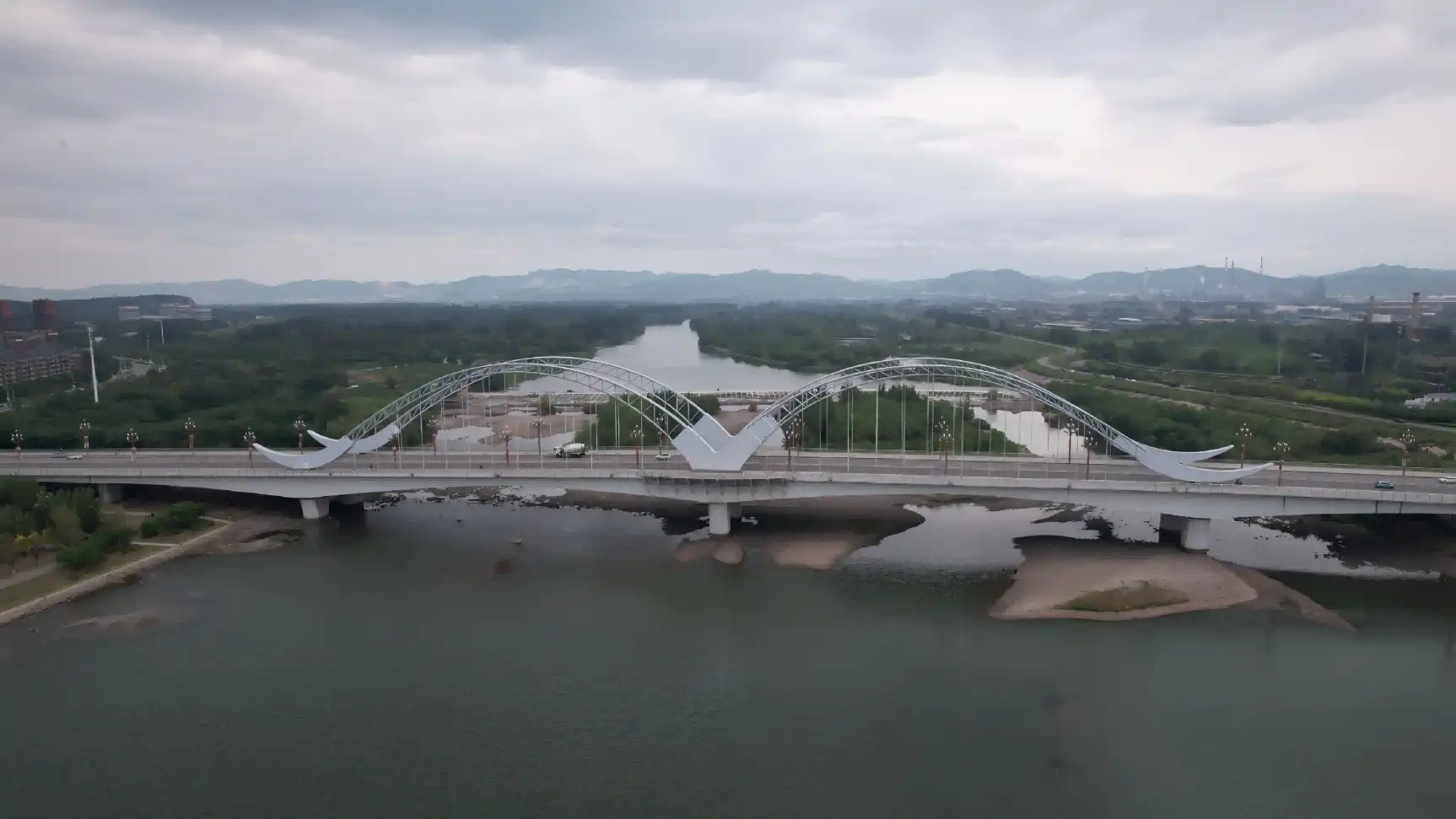
We have worked on important engineering projects that showed how reliable Steel Cable-stayed Bridges can be in tough conditions. The Shenyang Dongta Cross-Hunhe River Bridge is a great example of what we can do. This 18,000-ton steel building handles a lot of traffic in cities and can handle the harsh weather in northeastern China, which can reach -30°C in the winter and 35°C in the summer. We have proven that we can meet strict government engineering standards and tight building plans by completing similar projects for China Railroad, CSCEC, and CCCC. These case studies give people who work in procurement confidence that our systems work reliably in a wide range of settings, such as at river crossings, highway interchanges, and rail transit infrastructure.
Procurement and Construction: Bringing Steel Cable-Stayed Bridges to Life
Selecting Qualified Engineering Partners
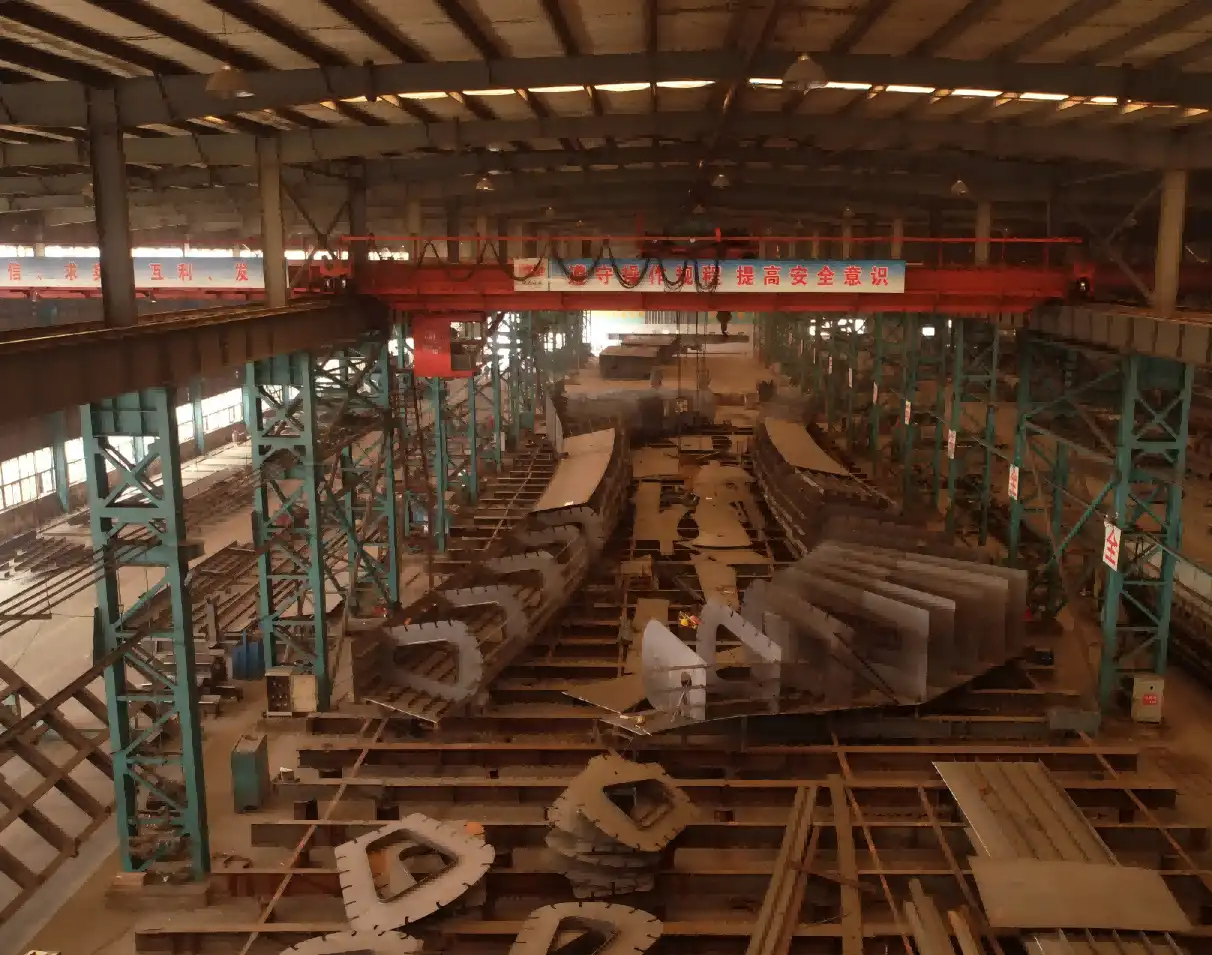
For bridge projects to go well, they need to work with fabricators who have been qualified and have a track record of success. Zhongda is dedicated to quality management, environmental duty, and worker safety. Our Class I Steel Structure Professional Contracting Qualification and ISO 9001/14001/45001 certifications show this. Our 120,000 m² factory has Northeast China's biggest steel workshop, which is equipped with a 50-ton crane that makes it easy to work with big bridge parts. Our 60,000-ton annual production capacity is supported by this infrastructure. This is enough to work on multiple large-scale infrastructure projects at the same time without affecting delivery dates.
Material Quality Verification and Compliance
When buying things for infrastructure, strict adherence to international standards is required. Before it goes into production, our Q420qE steel goes through a lot of tests that check its chemical makeup, mechanical qualities, and ability to be welded. Individual tests are done on stay wires to make sure they meet the standards of EN 10138 for tensile strength, elongation traits, and fatigue resistance. We keep full material traceability by using digital records to connect each bridge part to official mill test reports. This openness lets owners and government agencies check for compliance during construction, which helps get projects approved on time and lowers worries about liability.
Custom Engineering Solutions and OEM Capabilities
Because infrastructure projects don't usually follow standard templates, we offer a wide range of customization services that are made to fit the needs of each project. Our engineering team works with customers from the first idea to the final installation, making sure that the cable configurations, tower shapes, and deck systems are the best they can be for each spot. Span lengths can be changed from 200 to 800 meters to accommodate different crossing distances. Corrosion protection standards change based on the environment. For example, projects near the coast get better marine-grade coatings, while bridges in the middle of the country use standard protection systems. This gives procurement managers the freedom to get exactly built solutions instead of having to settle for the compromises that come with off-the-shelf goods.
When our clients work with Zhongda on cable-stayed bridge projects, they always value these main benefits:
- Production Capacity and Scalability: Our 60,000-ton annual capacity enables us to meet demanding project timelines while maintaining quality standards, ensuring your infrastructure development stays on schedule regardless of project scale.
- Advanced Digital Design Integration: BIM-based engineering enhances visualization accuracy, allowing stakeholders to identify potential issues during design phases rather than encountering costly surprises during construction.
- Accelerated Project Delivery: We achieve 20-30% lead time reduction compared to industry averages through optimized fabrication workflows and pre-construction planning, helping clients meet aggressive completion deadlines.
- Proven Client Satisfaction: Our 70% client retention rate among major state-owned enterprises reflects consistent delivery of quality products and responsive project support that builds long-term partnerships.
When purchasing professionals choose bridge system suppliers, these benefits help with the main issues they worry about, including quality assurance, engineering requirements, and project reliability needed for a Steel Cable-stayed Bridge, meeting deadlines, technical skill, and long-term partnership value.
Future Trends and Innovations in Steel Cable-Stayed Bridge Systems
Smart Monitoring and Predictive Maintenance
New tools are changing how we keep an eye on and fix important systems. Integrated sensor networks built into bridge structures measure strain, vibration, temperature, and corrosion indicators all the time and send the information to central monitoring systems. Machine learning algorithms look at this data and find strange patterns that show up before a structure breaks down. This lets maintenance workers know about problems before they become unsafe or unusable. These smart infrastructure systems lower lifecycle costs by making the best use of maintenance plans. They do repairs only when data tells them to, instead of following arbitrary time-based routines. When planning big investments in infrastructure, procurement professionals should make sure that the assets can be monitored in a smart way to get the most out of their long-term value.
Sustainable Materials and Construction Methods
Environmental responsibility is having a bigger impact on how infrastructure is built. As steel chemistry improves, stronger metals are made that use less material per unit of load capacity. This lowers both the amount of carbon in the structure and its weight. When compared to traditional blast furnace methods, low-carbon steel production methods that use electric arc furnaces powered by renewable energy produce a lot less pollution. Prefabrication methods cut down on waste and energy use on the building site because the parts come ready to be put together, so there is no need for the wasteful mixing of concrete, cutting of rebar, and making of forms that are common in cast-in-place construction. These improvements to sustainability are in line with government policies on infrastructure that put a high priority on reducing carbon emissions without affecting the safety or performance of the structure.
Growing Market Demand and Strategic Procurement
Infrastructure spending around the world keeps going up, especially in emerging economies that are urbanizing quickly and need modern transportation networks. The World Bank thinks that by 2030, poor countries will be spending more than $2 trillion a year on infrastructure, with a lot of that money going toward building bridges. This rise in demand makes it harder to find qualified suppliers who can deliver quality products on time. Building relationships with capable manufacturers early on in the planning stages of a project has many strategic benefits, such as better scheduling, help with customization, and stable prices. Framework deals make sure that suppliers perform consistently across multiple projects, which is helpful for organizations planning building programs that last more than one year.
Conclusion
For long-span infrastructure projects in business, government, and industry settings, Steel Cable-stayed Bridges offer unrivaled stability, cost-effectiveness, and longevity. Zhongda engineers Q420qE steel systems that use cutting-edge materials science, precise fabrication, and tried-and-true design principles to build bridges that keep people safe for decades while keeping costs as low as possible over their entire life. With 53-year corrosion protection, customizable spans up to 800 meters, and seismic resistance through LRB800 isolation bearings, our solutions meet the complex technical needs that infrastructure developers face. If you choose qualified production partners with a track record of success, full licenses, and proven skills, you can be sure that your investment will work as expected for as long as it is in use.
FAQ
What factors determine whether a steel cable-stayed bridge suits my project better than a suspension bridge?
Cable-stayed bridges are the most cost-effective and useful for spans of 200 to 800 meters. Suspension bridges are useful for very long spans (more than 1,000 meters), but they cost more for intermediate lengths because they need big anchorage structures. Cable-stayed designs also allow for phased construction and a stiffer deck, which lowers oscillations caused by wind. This is important in places where wind speeds are high.
How do I verify the quality and compliance of steel cables during procurement?
Reliable suppliers give certified mill test reports that show the tensile strength, chemical makeup, and compliance with manufacturing standards. Ask to see proof that the galvanized steel wire is certified by EN 10138 and that the quality management system is certified by ISO 9001. Critical building projects have more faith in their verification when they have an independent third-party check the manufacturing process.
What is the expected service life of a steel cable-stayed bridge, and what maintenance requirements should I anticipate?
Steel Cable-stayed Bridges can last between 75 and 100 years if they are designed and maintained properly. Maintenance includes eye checks every six months, thorough engineering reviews every five years, and any needed changes to the wire tensioning. Graphene-enhanced coatings and other advanced corrosion protection systems make maintenance intervals much longer than with regular paint systems, which lowers the long-term costs of ownership.
Partner with Zhongda Steel for Your Infrastructure Success
Shenyang Zhongda Steel Structure Engineering Co., Ltd. is ready to be your go-to Steel Cable-stayed Bridge maker. With 20 years of experience in building bridges, they offer excellent engineering. Our Q420qE cable-stayed bridge systems are made with great care, go through strict quality control, and come in forms that can be changed to fit the needs of your project. We are reliable for your infrastructure investment because we have ISO certifications, Class I contracting qualifications, and a track record of working on big projects for China Railroad, CSCEC, and clients from other countries. Email our engineering team at Ava@zd-steels.com to talk about the details of your project, get technical information, or set up a tour of our facility. Visit zd-steels.com to learn more about all of our services and find out why top infrastructure companies around the world trust Zhongda with their most important long-span bridge projects.
References
1. Gimsing, N.J. & Georgakis, C.T. (2011). Cable Supported Bridges: Concept and Design (3rd ed.). John Wiley & Sons, Chichester, UK.
2. Troitsky, M.S. (1988). Cable-Stayed Bridges: Theory and Design (2nd ed.). BSP Professional Books, Oxford, UK.
3. Walther, R., Houriet, B., Isler, W., Moïa, P., & Klein, J.F. (1999). Cable Stayed Bridges (2nd ed.). Thomas Telford Publishing, London, UK.
4. Podolny, W. & Scalzi, J.B. (1986). Construction and Design of Cable-Stayed Bridges (2nd ed.). John Wiley & Sons, New York, USA.
5. Virlogeux, M. (1999). Recent evolution of cable-stayed bridges. Engineering Structures, 21(8), 737-755.
6. Chen, W.F. & Duan, L. (2014). Bridge Engineering Handbook: Superstructure Design (2nd ed.). CRC Press, Boca Raton, Florida, USA.
YOU MAY LIKE