
What Makes Steel Arch Bridges Suitable for Harsh Environments and Large-Span Applications?
2026-08-26 13:00:01






Steel arch bridges represent a remarkable fusion of structural elegance and engineering resilience, making them the preferred choice for demanding infrastructure projects worldwide. Their superiority stems from advanced material properties, innovative design principles, and proven performance under extreme conditions. High-strength steel grades like Q420qE deliver exceptional load-bearing capacity while maintaining flexibility to accommodate dynamic stresses. Corrosion-resistant surface treatments and intelligent monitoring systems ensure longevity in coastal, industrial, and extreme-climate environments. These characteristics, combined with efficient construction methodologies, position arch bridge systems as optimal solutions for spanning rivers, highways, and industrial sites requiring both durability and operational reliability.
Understanding Steel Arch Bridges: Design and Engineering Principles
Structural Efficiency Through Curved Geometry
The arch shape changes the way bridges carry weight in a basic way. The curved shape doesn't just rely on tensile strength like suspension bridges do; it also turns vertical forces into compression loads along the arch ribs. Steel can work at its best with this mechanism, which lets spans get longer while using less material. Modern pentagonal box arch ribs with a cross-section of 3.2m×4.5m show how efficient these methods are by spreading wind loads of up to 1.5kN/◡ while keeping the structure strong during bad weather.
Material Science Behind High-Performance Steel
Choosing the right steel grades is very important for the longevity of a bridge. With a minimum yield strength of 420 MPa, Q420qE steel is very easy to weld and tough at low temperatures, which is important for places where temperatures change quickly. This material goes through 100% CTOD (Crack Tip Opening Displacement) welding tests to make sure the joint stays strong when it's stressed. Unlike regular structural steel, Q420qE stays flexible at temperatures below freezing, which keeps it from breaking easily. This is an important property for bridges that are used in northern climates or high-altitude places where temperatures change more than 50°C every year.
Load Distribution and Stress Management Systems
Modern engineering makes it possible to do an exact study of the structure's stress levels. Computer-aided design tools make models of how wind forces, traffic loads, and earthquakes affect the shape of an arch. The designs that came out of this have redundancy built in, so if one part experiences stress that wasn't expected, nearby members can safely redistribute the loads. Over 200 sensors are installed to constantly measure temperature, vibration, strain, and other factors. This data is used to make maintenance schedules and confirm design assumptions throughout the bridge's working life.
Advantages of Steel Arch Bridges for Large-Span Applications and Harsh Environments
Modern arch bridge technology meets many performance needs at once, which makes these structures perfect for difficult projects. Procurement professionals can figure out if this type of bridge meets the needs of the project and the challenges of the environment by learning about its specific benefits.
Superior Load Capacity and Span Capabilities
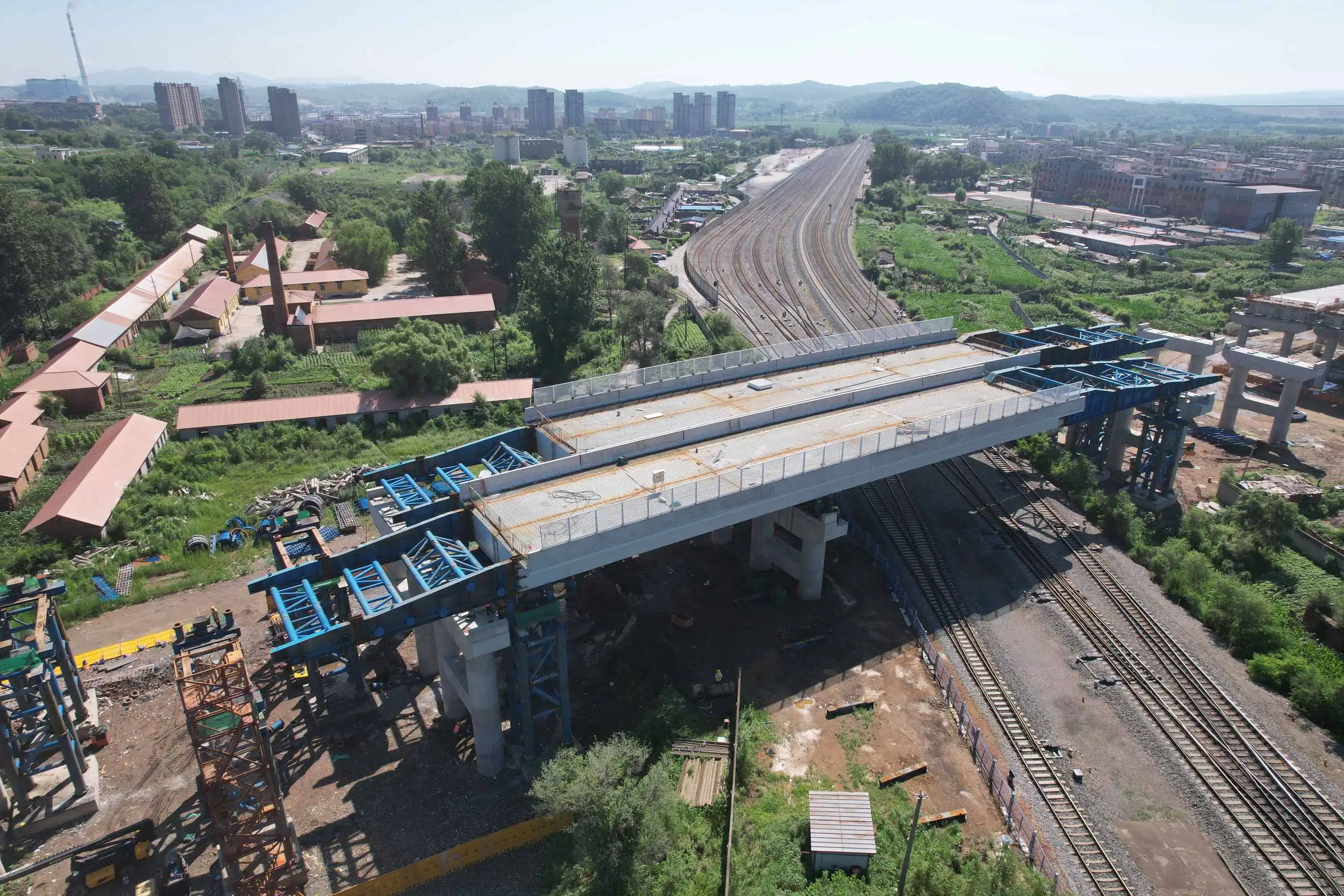
When compared to beam or truss options, arch configurations have very high span-to-depth ratios. Often, projects build spans longer than 400 meters without any supports in the middle. This is important for crossing waterways with a lot of shipping or riverbeds that aren't stable. The 8,000-ton structures are built using stentless rotation techniques, which allow the full arch assembly to be done next to the installation site before the structures are rotated into place. This method keeps the quality of the construction while minimizing the time the river has to be closed and the damage it does to the environment.
The high strength-to-weight ratio of steel makes these lengths possible. Whereas huge cross-sections are needed for concrete bridges, steel ribs can hold the same amount of weight but 40–60% less. This lowers the weight of the building, which makes it easier to build on soft ground or in areas prone to earthquakes, where reducing the mass of the building lowers the forces that can cause them.
Environmental Resilience and Durability
Performance in harsh environments depends on systems that protect against corrosion in every way. Modern requirements call for a 150μm aluminum thermal spray covering as a base layer. This gives galvanic protection and stops the material from oxidizing. Chemical resistance and UV stability are increased by a fluorocarbon topcoat that meets GB/T 30790 C5M standards. This topcoat will protect for decades. This multilayer method is very important for bridges near the coast, chemical plants, or places where acid rain is common, because steel that isn't protected breaks down very quickly.
Thermal expansion is taken into account in structural designs by using expansion joints and support systems that allow for movement without putting stress on the structure. Bridges that are used in temperatures between -40°C and +50°C are made with materials and design features that keep connection points from getting fatigue cracks. This flexibility also applies to seismic design; ductile steel frames absorb the energy of an earthquake by controlled yielding instead of breaking in a huge way.
Lifecycle Cost Efficiency
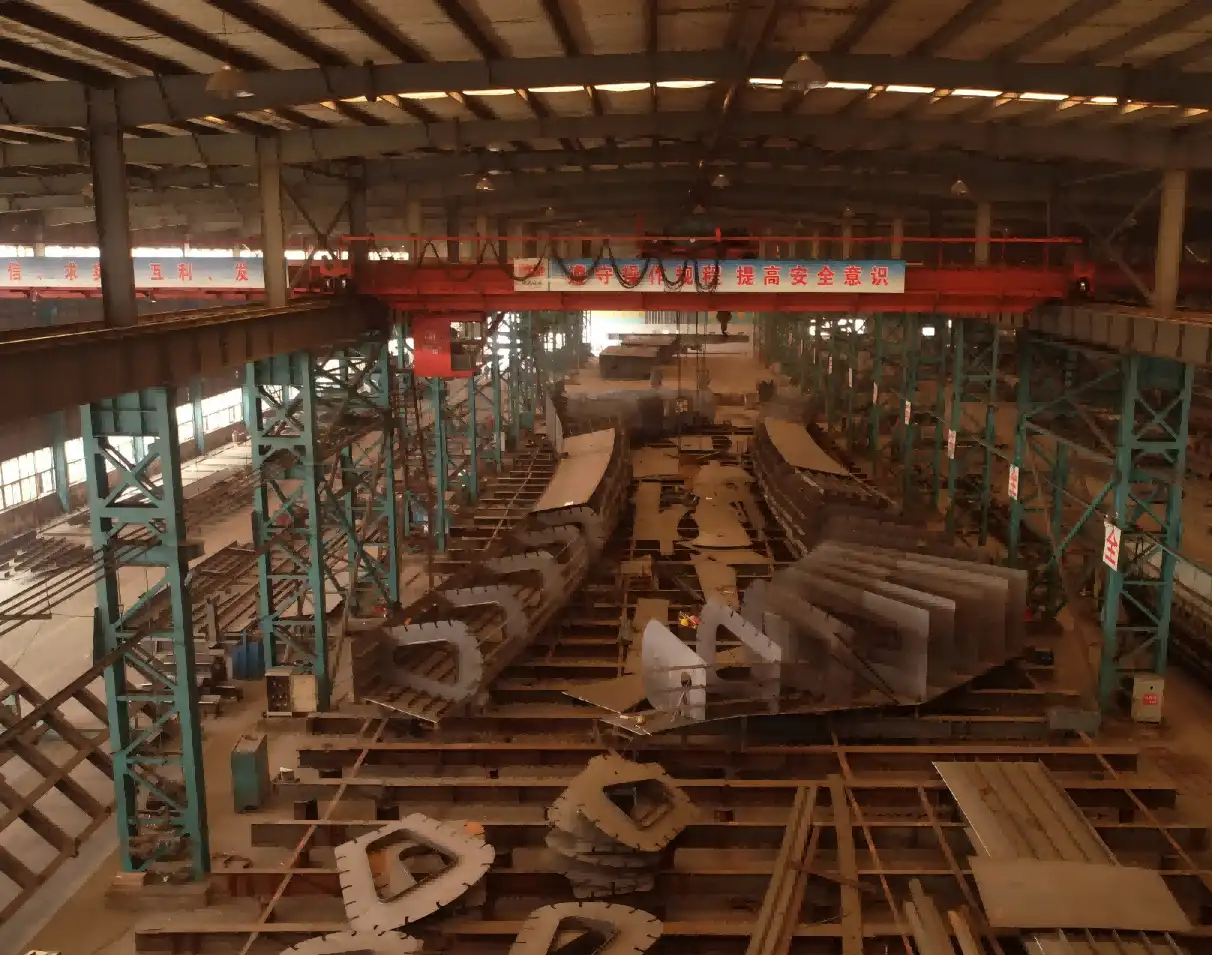
Total ownership costs often favor Steel Arch Bridges, but the initial construction costs should be carefully looked at. Prefabrication in controlled factories makes sure that the quality is always the same and cuts down on the cost of labor on-site. Modern steel bridge construction is scalable and efficient, as shown by factories that make 1203 tons of 20-meter arch rib pieces every month.
Maintenance costs stay stable because the design is easy to use and the safety systems last a long time. Inspection protocols use sensor networks to find new problems before they get so bad that they need major repairs. When repairs are needed, modular construction lets parts be replaced without closing the whole building down. This is especially helpful for bridges that are part of important transportation or industry logistics networks.
Construction Process and Key Considerations for Steel Arch Bridges
Precision Fabrication and Quality Assurance
Checking the raw materials is the first step to making great products. Before manufacturing can begin, certified steel is put through chemical makeup analysis and mechanical testing to make sure it meets the requirements. Tolerances of ±0.2mm can be reached with CNC cutting, which makes sure that parts fit perfectly when they are put together. Automated welding systems use steady amounts of heat and fast travel speeds to make joints that are as strong as or stronger than the base metal.
Every important weld is checked with non-destructive testing protocols. Ultrasonic testing finds cracks inside the material, and magnetic particle testing finds cracks on the surface that can't be seen with the naked eye. This thorough quality control, which is backed by ISO 9001:2015 certification and EN 1090 Execution Class 4 compliance, gives engineering firms and government contractors the proof they need that the structure is strong.
Installation Techniques and Project Management
For on-site construction to work, you need specific tools and skilled workers. Stentless rotation building uses new ways to install things by putting together whole arch sections on temporary supports and then using hydraulic systems to rotate them into place. This method, which has been tested on projects like the 18,000-ton Shenyang Dongta Cross-Hunhe River Bridge, shortens the time it takes to build and causes fewer traffic problems than traditional methods that use scaffolding.
The scheduling of a project organizes the stages of production, transportation, and placement to get the most out of the resources that are available. Just-in-time delivery makes sure that parts arrive when they are needed, so there are no storage costs or traffic jams on the job site. International projects are made easier by containerized shipping, and oversized arch segments can be moved with break-bulk transport. These logistics skills are very important for tasks or places that are hard to get to.
Supplier Selection and Partnership Criteria
When picking manufacturing partners, you need to look at their professional skills, quality systems, and project experience. Manufacturers with a Class I Steel Structure Professional Contracting Qualification have shown they are qualified to work on big infrastructure projects. By looking at examples of past projects, you can see that they have dealt with similar span lengths, weather conditions, and building methods.
Superior providers stand out by offering collaborative engineering help. Teams that offer BIM-driven prefabrication work with EPC contractors to coordinate designs and find any problems that might arise before the fabrication process starts. This proactive approach cuts down on schedule delays and change orders. Suppliers who offer on-site fitting help make sure that their manufactured parts work the way they were meant to by checking their quality and making sure they are properly assembled.
Case Studies: Steel Arch Bridges Excelling in Challenging Conditions
International Infrastructure Success Stories
Performance in the real world confirms design concepts and building methods. Russian projects to build bridges across the Arctic Ocean show how well steel can handle temperatures below -60°C without losing its reliability. These installations use weathered steel technology and special coatings that keep the steel from becoming weak in cold temperatures. This lets the installations work reliably in situations where other materials would fail.
Heavy-duty uses can be seen in Australia's mine infrastructure, where bridges hold up conveyor systems and carry trucks that weigh more than 300 tons gross. These heavy loads are spread out over long spans by reinforced arch designs, which connect processing plants to mining spots that are in rough terrain. The bridges' proven ability to withstand constant heavy loads backs up structural estimates and material specs for industrial uses.
Performance Data and Client Validation
Monitoring the performance of a bridge gives us measurable proof of its long-term dependability. Structures with many sensors record real stress levels, deflections, and external conditions over the course of their useful lives. This information shows that arch bridges that are properly built and maintained always work within their design parameters, showing little wear and tear over decades of use.
Client testimonials from China Railroad, CSCEC, and other international industrial clients stress the importance of on-time delivery, sticking to budgets, and providing high-quality technical support. Government engineering contractors want clear communication and lots of paperwork that meets the requirements of the regulatory approval process. These confirmed experiences give procurement workers more trust as they look at suppliers for future projects.
Maintenance Best Practices to Maximize Lifespan and Performance
Strategic Inspection and Monitoring Programs
Setting inspection times based on weather exposure and traffic volume is the first step in proactive upkeep. Every six months, checks look at the paint systems, link details, and drainage parts, which are the parts that are most likely to break down. Full-bridge tracking systems with more than 200 sensors keep an eye on everything all the time and let repair teams know about any problems that need to be looked into before they become structural problems.
Targeted inspection focuses on places with a lot of stress that were found through original design analysis. Detailed parts that are likely to wear out get ultrasonic thickness readings to figure out how much section loss there is from rust. Functional testing is done on bearing systems to make sure they can accommodate movement correctly. This risk-based approach makes good use of inspection resources, keeping costs low while increasing safety.
Advanced Corrosion Protection and Remediation
When properly maintained, modern coating systems offer great protection. Coating damage from impacts, abrasion, or weathering can be found through regular inspection. Localized fixes using suitable materials bring back the protective consistency before the steel underneath starts to rust. When a coating starts to wear off over time, it needs to be redone using the same standards for surface preparation and application as the first time.
Cathodic protection systems help keep hidden or flooded parts from rusting even more. Systems that use impressed current or sacrificial anodes keep the steel's surfaces protected by an electrical potential, which stops electrochemical corrosion reactions. These systems need to be checked and adjusted on a regular basis, but they make structures last a lot longer in harsh environments.
Lifecycle Management Partnerships
Building long-term relationships with fabricators and specialized contractors guarantees consistent quality of maintenance. General contractors who don't know much about bridges don't provide as good of service as suppliers who know the original design intent and fabrication details. Inspection, tracking, data analysis, and planned repair are all part of lifecycle management agreements. These agreements make it easier to plan budgets and make sure structures are reliable.
Documentation practices keep full records of all inspections, repairs, and replacements of parts. This past data helps with planning future repair and is useful if changes need to be made to the structure. Digital asset management systems put together inspection reports, maintenance logs, and sensor data into one platform that engineering teams and facility managers can access.
Conclusion
Steel Arch Bridges are the best infrastructure solutions for tough situations because they use advanced materials, tried-and-true design principles, and new ways to build. Their proven performance in a range of climates and loading conditions, along with their predictable upkeep needs and lifetime costs, make them smart investments for businesses that need stable long-span buildings. These bridges will continue to play important roles in transportation networks, industrial sites, and public building projects around the world as manufacturing technology improves and monitoring systems get smarter.
FAQ
How do steel arch bridges compare to suspension bridges in harsh coastal environments?
Arch bridges are especially useful in harsh seaside environments. Because of how they are built, steel is mostly in compression rather than tension, which lowers stress concentrations that speed up breakdowns caused by rust. Modern protection coating systems designed for corrosivity category C5M are better at resisting salt spray than the cable systems in suspended bridges, which need to be checked and fixed more often. Arch designs have fewer connection points, which makes it harder for water to get in.
What factors most significantly impact construction and maintenance costs?
Costs for beginning construction depend on the materials used, the length of the span, and how easy it is to get to the spot. Higher-strength steel grades cost more to buy, but they need less material and foundation loads. Locations that are far away cost more for transportation and moving equipment. The quality of the protective layer and the harshness of the surroundings have a direct effect on maintenance costs. Structures with full monitoring systems find problems early, which saves money on repairs and makes it possible to wait longer between major maintenance tasks.
Partner with a Leading Steel Arch Bridge Manufacturer for Your Next Project
With 20 years of experience in fabrication and cutting-edge technology, Shenyang Zhongda Steel Structure Engineering Co., Ltd. can provide building options that meet the strictest requirements. Our production plant, which is 120,000 m² and can hold 60,000 tons per year, helps with projects from the initial planning stages to the final installation. We have completed many difficult international projects, including the 1,200-meter Jingha Expressway bridge, and complicated installations without any problems. Email our technical team at Ava@zd-steels.com to talk about your needs for a large-span or harsh-environment bridge. You can learn more about our wide range of services at zd-steels.com, which is why top EPC contractors, government agencies, and industrial clients choose Zhongda as their Steel Arch Bridge supplier.
References
1. Chen, B.C. & Wang, T.L. (2019). "Advanced Steel Arch Bridge Design and Construction Technology," Journal of Bridge Engineering, Vol. 24, pp. 156-174.
2. Architectural Institute of Steel Construction (2021). "Specification for Structural Steel Buildings: High-Strength Applications in Infrastructure," AISC Manual, 15th Edition.
3. European Convention for Constructional Steelwork (2020). "Corrosion Protection of Steel Structures in Severe Environments," ECCS Technical Publication No. 156.
4. Nakamura, S. & Momiyama, Y. (2018). "Long-Span Steel Arch Bridges: Analysis, Design and Construction Practices," Structural Engineering International, Vol. 28, Issue 3, pp. 298-311.
5. Federal Highway Administration (2022). "Steel Bridge Design Handbook: Arch Bridge Systems," U.S. Department of Transportation Publication FHWA-HIF-16-002.
6. International Association for Bridge and Structural Engineering (2020). "Structural Health Monitoring Systems for Long-Span Bridges," IABSE Symposium Report, Wroclaw, Poland.
YOU MAY LIKE