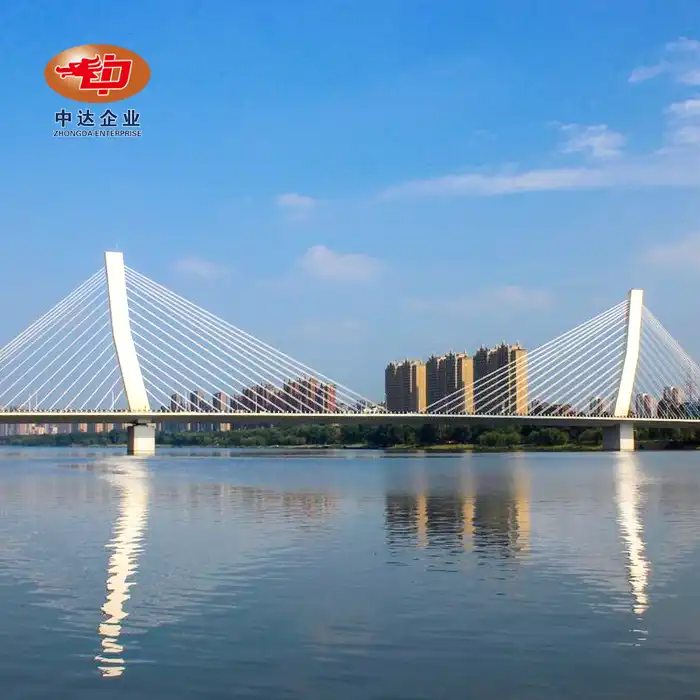
Tips for Customizing Steel Truss Girder Specifications
2026-07-22 17:25:30






Customizing the specs for steel truss girders needs a strategy plan that matches the needs of engineers with the costs of the project. These building blocks are the backbone of many construction projects, from huge stores to important infrastructure. To choose the right design, you have to look at the load factors, material grades, span needs, and environmental conditions. Working with skilled manufacturers who can precisely fabricate your needs and offer technical advice can turn generic specifications into optimized solutions that improve structural integrity, cut down on installation time, and deliver measurable cost benefits throughout the lifecycle of the project.
Understanding Steel Truss Girder Basics
Fundamental Framework and Structural Function
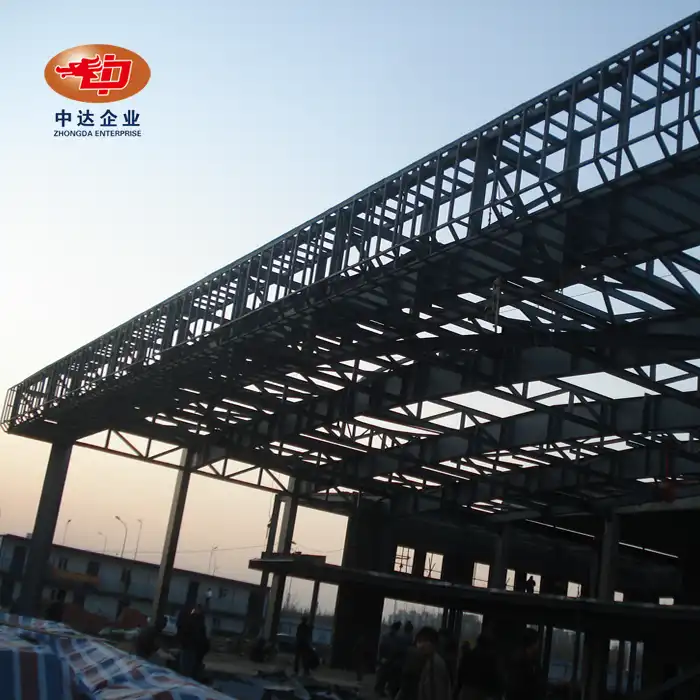
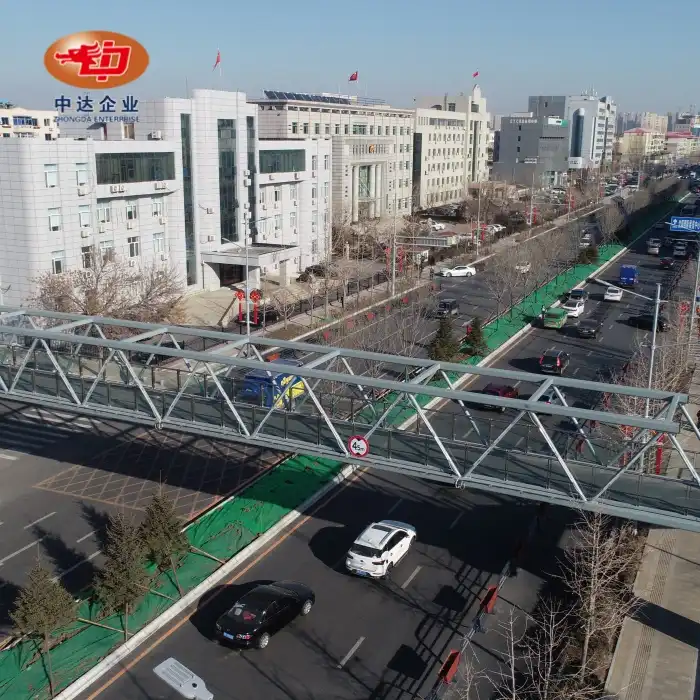
An interconnected structure of steel members arranged in triangular shapes makes up a steel truss girder. Tension and compression forces work together to evenly distribute loads. Heavy loads that are gathered in one place are turned into reasonable pressures that are spread out over many link points by this geometry. Material economy, or getting the most power with the least amount of weight, is at the heart of the design theory. A lot of bridge spans, industrial roofs, crane support structures, and large-span building projects can't use traditional beam systems because they aren't useful or cost-effective.
Common Truss Configurations and Their Applications
Truss patterns with different shapes are used for different technical reasons. Pratt trusses have diagonal members that slope toward the middle. This makes the spread of tensile stress more efficient and makes them perfect for bridge uses. Warren trusses use alternate diagonal members to make patterns of triangles that repeat. They are great for spreading loads across modest spans that are often required for industrial buildings. Howe trusses have vertical members and diagonals that slope outward, which makes them ideal for big roof loads because they have better compressive strength. K-truss designs use extra diagonal members to make unique patterns that can handle concentrated loads. These patterns are often needed to support crane runways and meet other complex structural needs.
Design Principles Governing Customization
Load routes show how forces move through a structure, which affects the size of the members and the details of how they are connected. When choosing a material, you have to weigh the strength of the steel type against its cost and the needs of the production. Span limits rely on the depth of the truss, the size of the members, and the load conditions. For longer spans, deeper profiles or better material specs are needed. Connection design has a big impact on how a structure behaves, so it's important to pay attention to things like weld quality, bolt specs, and joint layout. Every choice about customization is based on these principles, which make sure that the final design provides solid performance that meets the needs of the project.
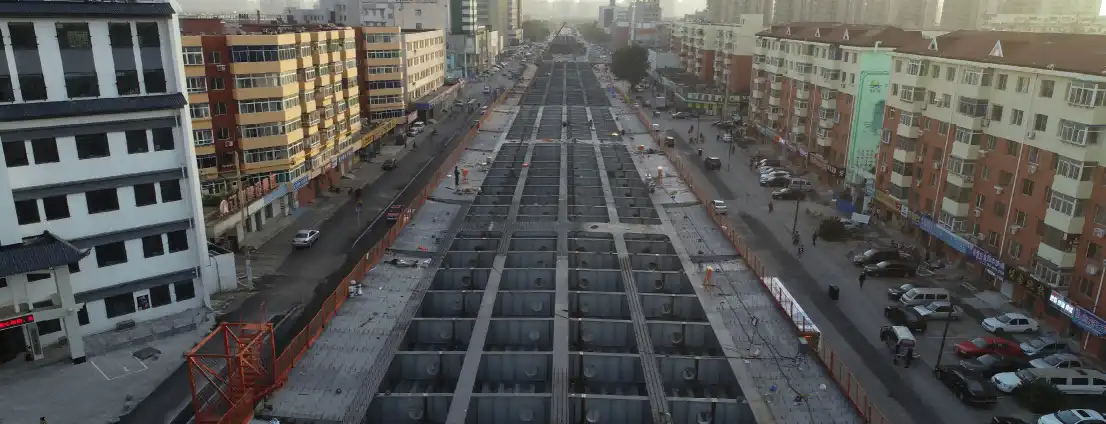
Key Considerations When Customizing Steel Truss Girder Specifications
Analyzing Load Conditions Comprehensively
The constant weight of structure parts, roofing materials, mechanical systems, and building features is called their "dead load." Live loads are the changing forces that come from people, things being kept, tools, and operational tasks. Dynamic loads are things like wind pressure, earthquakes, thermal expansion, and vibrations that cause pressures that are linked to movement. To accurately measure these conditions, you need to do a lot of scientific research, collect data from the spot, and think about the load combinations that are allowed by the building codes in your area. Underestimating the load needs of a structure lowers its safety, while overdesigning it too much raises the cost of materials without improving performance in the same way.
Selecting Appropriate Steel Grades and Dimensions
The type of steel you choose has a direct effect on its strength, ability to be welded, and resistance to rust. For general uses with mild load, standard structural grades like ASTM A36 are a cost-effective choice. Higher-strength choices, like A572 Grade 50, make members smaller while keeping their load capacity, which is good for uses that need to be light. Weathering steel types offer better protection to corrosion in the atmosphere, which increases their useful life in outdoor settings. Dimensional factors like member cross-sections, wall thicknesses, and total depth must match the estimated stress requirements while taking into account the limits of manufacturing and transportation, all of which are especially critical for a steel truss girder where precise web and chord geometry determines overall load distribution and fatigue performance.
Addressing Span Limits and Foundation Integration
The largest spans that can be used rely on the depth ratios of the trusses. For most uses, the span-to-depth ratio should be between 10:1 and 15:1. To keep deflection and stress within accepted limits, longer spans need trusses that are relatively deeper or better material specs. Coordinating the responses of the truss support and the bearing capacity is needed for foundation integration. This affects the specs of the anchor bolts, the size of the base plate, and the connection details. Long-span structures can move with the temperature because of expansion joints. This keeps stress from building up and weakening the structure.
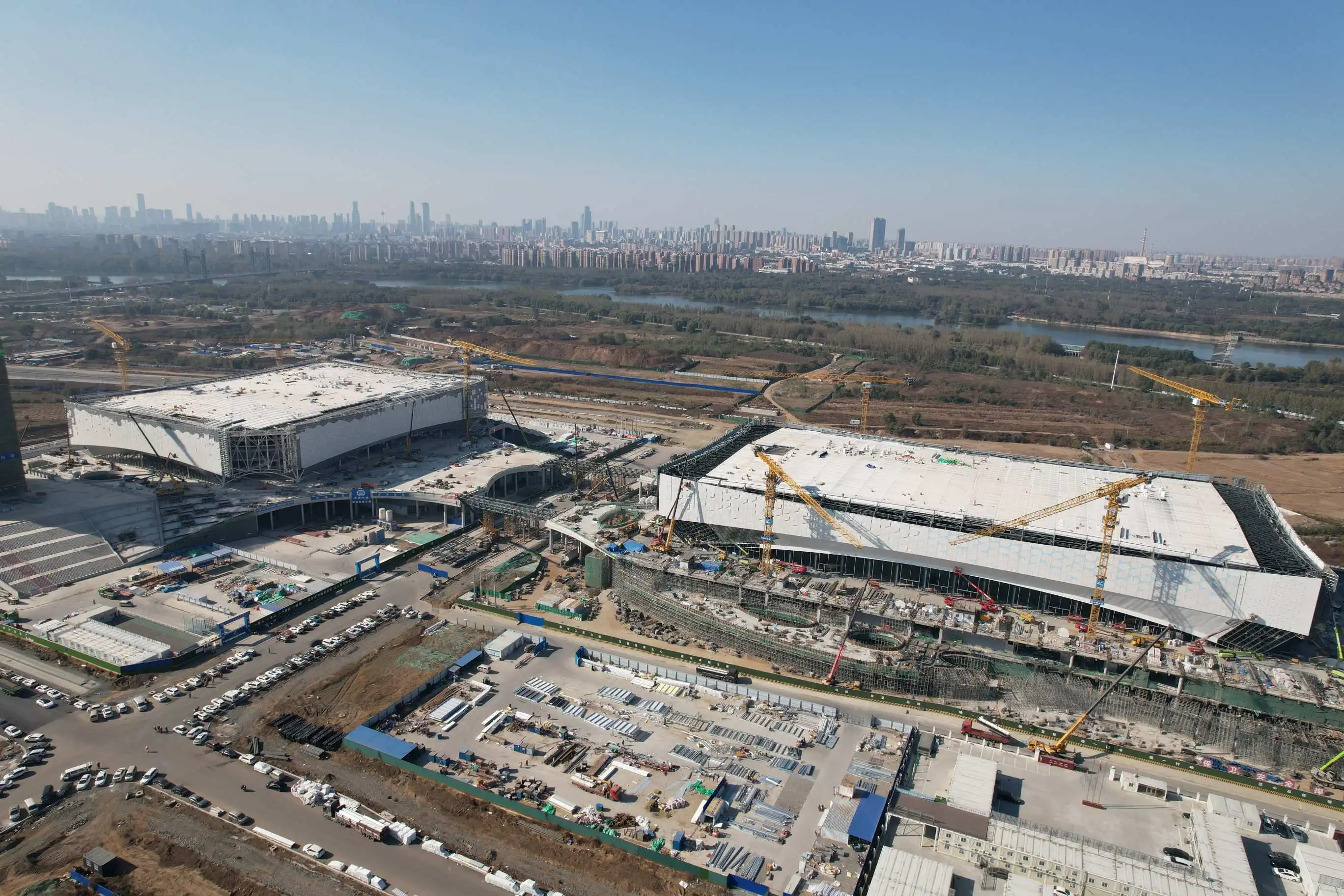
Incorporating Maintenance and Longevity Factors
Different ways of protecting against corrosion depend on the surroundings. By making a metallurgically fused zinc covering that is resistant to atmospheric corrosion, galvanizing is a strong way to protect things that are used outside. When used in industrial settings with harsh conditions, epoxy sealing methods make things more resistant to chemicals. Regular inspection routines find damage early, so repairs can be made before the structure's ability to hold weight is lost. Design features that make it easier to do upkeep and inspections lower lifecycle costs and greatly increase operating service life.
Comparing Steel Truss Girders with Alternative Solutions
Performance Advantages Over Concrete Systems
Structural steel has better strength-to-weight ratios than reinforced concrete, which lowers the loads on the base and speeds up the building process. The ability to prefabricate allows for controlled production settings that make sure accurate measurements and consistent quality, which is hard to achieve with cast-in-place concrete. Speed of installation cuts down on project timelines. For example, steel structure usually goes much faster than the steps of shaping, putting, and curing concrete. This time benefit directly leads to lower financing costs and earlier income generation for business projects.
Material Benefits Compared to Timber Construction
As an important benefit, steel's resistance to fire means that structures stay together at temperatures that would destroy wood. The load capacity is much higher than what wood can handle, which lets it be used for things that couldn't be done with wood building. Dimensional stability gets rid of worries about wooden buildings bending, twisting, or deforming because of water damage. Pest protection makes wood members less vulnerable to damage from termites and other organisms that break down wood. Because of these features, steel standards are important for factories, public buildings, and other places that need solid long-term performance.
Cost-Benefit Analysis for Informed Decision-Making
The initial cost of materials is only one part of the overall economics of a job. Precision in steel fabrication cuts down on the need for field workers, which lowers assembly costs. Maintenance costs tend to go down over the service life because of features that make things last longer and choices that protect against rust. By looking at the initial investment, upkeep costs, and operating lives over a long period of time, lifecycle analysis shows that steel's economic benefits become more noticeable over time, and this is especially true for a steel truss girder, where the combination of high strength-to-weight ratio and minimal field splicing reduces both erection time and long-term inspection demands. This thorough review helps with making purchasing choices that maximize value instead of just lowering the original cost of the buy.
Customization Process: Step-by-Step Guide for Procurement Managers
Defining Precise Technical Specifications
First, write down the load needs using engineering figures that take into account all the important factors. Set the dimensions, such as the span lengths, truss depths, section sizes, and connection needs. Find the right grades of materials for the amount of stress and exposure to the surroundings. Include surface cleaning instructions that cover the need for protecting against rust. Look at the appropriate building codes, AISC specifications, and AWS welding codes as examples of design standards that apply. This paperwork makes it clear to makers what is needed, which lets them give accurate quotes and cuts down on unclear specifications that cause project delays.
Selecting Qualified Manufacturing Partners
When looking at a manufacturer, it's important to focus on their certifications, such as ISO 9001 for quality management systems, ISO 14001 for environmental standards, and EN 1090 for structural steelwork. A production capacity review checks that the company will be able to meet the project's supply dates and quantities. As part of the technical skills review, the specs of tools like precise cutting systems, automated welding, and quality control processes are looked at. Reference projects show that you have worked with similar systems and levels of difficulty before. Clear conversation about how to make things, where to get materials, and how to check them builds trust in a manufacturing relationship.
Understanding Fabrication and Delivery Logistics
Lead times depend on how complicated the design is, how many items are ordered, and how much of the factory's capacity is being used. Standard setups usually take 4–8 weeks from the time an order is placed until they are ready to be shipped, while custom-engineered options can take up to 16 weeks. Understanding the minimum order amounts that correspond to cheap fabrication batches is important for figuring out the best time to buy things. Coordinating delivery means choosing the best way to get the goods to the job site and making sure that the right tools are available for moving. Specifications for packaging protect finishes and keep handling damage from happening during transport.
Implementing Quality Assurance Protocols
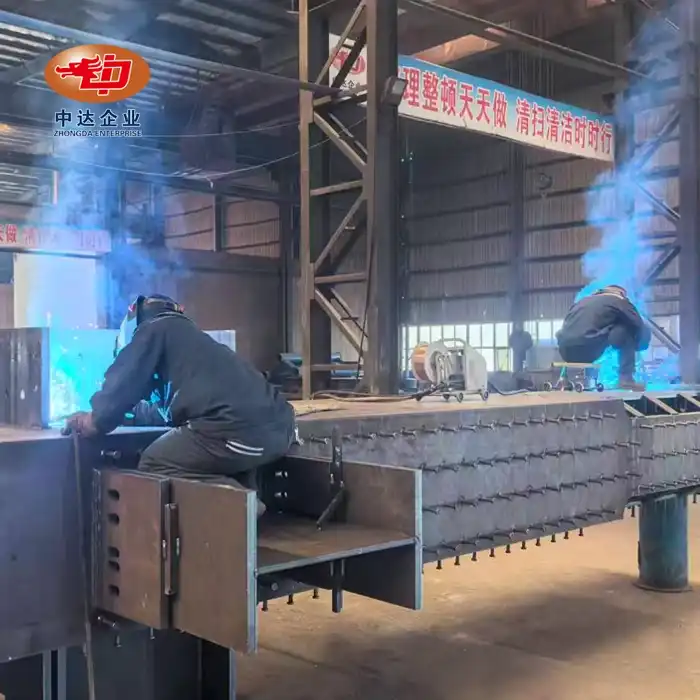
Factory audits make sure that the ways things are made meet quality standards and design requirements. Material certifications show that the steel grade is correct by showing chemical makeup and mechanical qualities in mill test results. Dimensional checking makes sure that parts that have been manufactured meet the tolerances that were set out in the project papers. Ultrasonic or x-ray methods are used for non-destructive testing to check the quality of the weld, depending on how important the structure is. These steps find any possible problems before they are shipped, so expensive fixes in the field and delays in installation are avoided.
Best Practices & Tips for Optimizing Steel Truss Girder Procurement
Engaging Suppliers Early for Collaborative Solutions
Early participation of the maker uses their knowledge of how to make things during the design development process. Suppliers can give you advice on cheaper materials, connection details that make construction easier, and changes to the size that make production more efficient without lowering performance, which is especially valuable for a steel truss girder where web member spacing and chord splices offer significant opportunities for fabrication economies. Value engineering is a way to lower project costs while keeping or improving structural adequacy. This teamwork often finds these possibilities. Technical exchange during the early stages of planning avoids specification disagreements and makes sure the building can be built.
Creating Comprehensive Specification Documentation
Differences in understanding that lead to disputes or quality problems are less likely to happen when standards are clear. Include full size details, material grades with the right standards, welding rules based on AWS codes, surface treatment instructions, and criteria for acceptance. Include technical sketches that show how the members are arranged, how they are connected, and how they are put together. Clear paperwork protects buying interests by setting clear goals for performance and removing any doubts in contractual relationships.
Planning for Future Adaptability and Expansion
Long-term value comes from design standards that allow for possible changes. Connectors that are a little too big make it easier to add more members in the future without having to make major structure changes. Choosing a material grade with capacity gaps above what is needed right now helps handle load increases caused by changes in operations. Modular design methods allow for planned growth that fits with the needs of the business. This forward-thinking plan keeps things from becoming obsolete too soon and makes structure assets last longer.
Balancing Cost Objectives With Performance Requirements
Simple price reduction is not the same as cost optimization. Look at the total costs of ownership, which should include upkeep costs, the expected service life, and the effects on operations. A slightly higher original investment in corrosion protection may save money in the long run by reducing the need for repeated upkeep. Performance dependability keeps operations from being interrupted, which costs a lot of money—structural failures cost a lot more than small quality inputs. Instead of just choosing the lowest-priced quote, procurement choices that increase value are supported by thorough financial analysis.
Here are practical advantages that enhance procurement outcomes when these strategies are implemented systematically:
- Specification clarity cuts down on price differences between quotes and make it possible to compare costs accurately between different providers, which speeds up the evaluation process.
- Manufacturer collaboration during the planning phase allows partners to find ways to make things more efficiently that cut costs while still meeting the needs of the structure.
- Quality assurance protocols find problems with parts before they get to the job sites, keeping projects from having to pay for expensive repairs in the field and plan changes that cost a lot of money.
- Lifecycle planning considers maintenance needs and expansion options, making sure that the standards give long-term value over the course of the active service life, not just meet the needs of the building phase.
These advantages collectively transform procurement from a transactional purchasing activity into a strategic process that contributes measurably to project success. Procurement managers applying these principles consistently achieve better outcomes through improved cost predictability, enhanced quality assurance, and structural solutions aligned with long-term organizational objectives.
Conclusion
By changing the specs for steel truss girders, normal building parts can be turned into better ones that improve project performance in many ways. This strategic method, which includes a full load analysis, smart material choice, lifecycle planning, and working together with the maker, lets you make procurement choices that offer real value. Specification customization makes sure that structural systems exactly meet operational needs and economic goals, whether your project is business building, infrastructure development, energy facilities, or industrial uses. Spending time and money on good relationships and careful planning pays off in the long run by making things last longer, requiring less upkeep, and performing reliably over time, which helps the organization succeed.
FAQ
How do I determine the correct steel grade for my truss application?
The chosen steel type is based on the expected stress levels, the surroundings, and the temperature. Standard ASTM A36 is good for general uses with mild stress, while A572 Grade 50 is stronger for heavier loads. Weathering grades make buildings less likely to rust when they are exposed to the elements. Talk to structural experts. They look at the load conditions and the relevant design rules to help you choose the right materials that meet performance needs and your budget.
What lead times should I expect for custom truss fabrication?
Usually, it takes between 4 and 8 weeks to make basic configurations and 10 to 16 weeks to make complex built systems. Lead times depend on how complicated the design is, how many items are ordered, how much can be manufactured at the moment, and what licenses are needed. Getting in touch with providers early on during the planning process helps set realistic delivery dates and finds ways to improve delivery times by changing specifications or using phased production.
How does maintenance planning affect total lifecycle costs?
Maintenance needs have a big effect on long-term economics because they include costs for regular inspections, new protective coatings, and possible structure fixes. Choosing the right rust protection at the start, like hot-dip galvanizing or special coatings, lowers the number of servicing visits and increases the service life. Design traits that make it easier to do inspections lower long-term costs. Comprehensive lifetime analysis shows that small investments made up front in high-quality materials and protective coatings save a lot of money over many years of use.
Partner With Zhongda for Engineered Truss Solutions
Zhongda provides precisely designed structural steel parts that are backed by a wide range of global certifications and advanced production skills. Our 120,000-square-meter factory uses cutting-edge automatic equipment and BIM-driven prefabrication technology to make unique truss systems with very tight tolerances. We have worked with big companies like China Railway and CSCEC and on foreign projects like building an Arctic bridge in Russia and building mining infrastructure in Australia, so we know how to meet the strict requirements of a wide range of projects.
Our technical team works with procurement managers and engineers to make sure that the standards are perfect for your needs, whether you need heavy-duty systems for harsh industrial settings or light-weight setups for shipping centers that run smoothly. As a certified steel truss girder maker, we follow strict quality standards by being in line with ISO 9001/14001/OHSAS 45001 and having EN 1090 approval. Our weathering steel anti-corrosion technology and special processes make sure that the steel will last longer, even in tough circumstances. Email our engineering experts at Ava@zd-steels.com to talk about the details of your project and get thorough technical proposals that meet your needs for structure, price, and time frame.
References
American Institute of Steel Construction. (2022). Steel Construction Manual, 15th Edition. Chicago: AISC.
Salmon, C.G., Johnson, J.E., and Malhas, F.A. (2009). Steel Structures: Design and Behavior, 5th Edition. Upper Saddle River: Pearson Education.
Geschwindner, L.F. (2011). Unified Design of Steel Structures, 2nd Edition. Hoboken: John Wiley & Sons.
Canadian Institute of Steel Construction. (2021). Handbook of Steel Construction, 11th Edition. Toronto: CISC.
Dowling, P.J., Owens, G.W., and Knowles, P.R. (1988). Structural Steel Design. London: Butterworths.
Chen, W.F. and Lui, E.M. (2005). Handbook of Structural Engineering, 2nd Edition. Boca Raton: CRC Press.
YOU MAY LIKE

_副本_1754117267235.jpg "Hdg Steel Plate")