
Weather-Resistant Simple Warehouse Structures by Zhongda
2026-07-15 14:15:51






When your business counts on keeping important inventory safe from bad weather, picking the right storage facility isn't just about buying one—it's about making sure your business stays open. When we work at Zhongda Steel, we know that even a simple warehouse needs to protect things from extreme weather and keep costs low. Our weather-resistant steel structures are made with simple building techniques and modern material engineering. This means that your storage facilities will be able to handle wind, rain, snow, and changes in temperature in a variety of conditions. With more than 18 years of specialized experience and projects in everything from Russia's Arctic to Vietnam's warm climates, we've honed our process to build buildings that protect what's most important to your business.
Understanding Weather-Resistant Simple Warehouse Structures
Weatherproof storage buildings are an important investment for companies that work in harsh areas. In contrast to regular buildings, these ones use special materials and technical principles that are made to fight moisture intrusion, thermal stress, and structural damage from being exposed to the elements.
What Makes a Warehouse Truly Weather-Resistant?
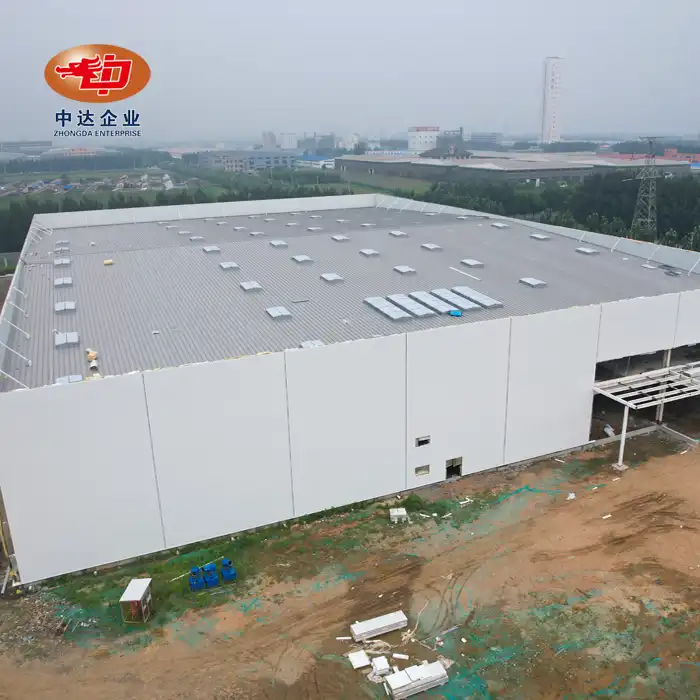
Our method to protecting against the weather starts with the materials we use. We mostly use Q235 and Q345 steel grades, which we carefully pick based on the size of your building, the amount of goods you need to store, and the weather conditions where you live. These high-strength materials are very tough and keep their shape even when they are under a lot of stress. The roofing systems have colored steel plates that keep out water and heat better than other materials, so kept items don't get damaged by moisture. Wall assemblies use sandwich panels to create thermal shields that keep your goods safe from extreme temperatures while also cutting down on the energy needed to keep the temperature just right.
Core Engineering Specifications
The structural features of our steel warehouse buildings have a direct effect on how well they work and how long they last. Spans are usually between 12 and 36 meters, which gives you a lot of storage space while reducing the number of internal columns that can make the plan less flexible. This long-span form makes the most of the floor room that can be used for putting shelves in place and running mechanical equipment. Heights between 6 and 12 meters allow for a range of building needs and equipment clearances, making sure that your facility can meet a wide range of working needs. These size guidelines are the result of years of improving patterns in many different fields and places.
International Standards Compliance
The fact that our factory in Shenyang has ISO 9001:2015, ISO 14001, and OHSAS 45001 certifications means that every part meets very high quality standards. We also keep our EN 1090 approval, which shows that we follow European steel building standards that are known all over the world. Our multi-certification process makes sure that our structures meet or go beyond local safety and building codes, whether you're working on infrastructure projects in North America, industrial parks in Southeast Asia, or transportation hubs in Europe.
Benefits of Choosing Zhongda's Weather-Resistant Simple Warehouse Solutions
To choose the best industrial storage option, you have to weigh the needs of instant construction with the needs of long-term operation. Our weatherproof designs take both of these things into account with tried-and-true technology and useful features that provide real value.
Enhanced Protection and Operational Longevity
Damage caused by weather is one of the biggest secret costs of running a building. Infiltration of moisture can weaken structures, rust bolts, and damage goods, which can cost a lot to fix and cause product loss, making even a simple warehouse vulnerable to significant long-term expenses. When compared to other processes, our anti-corrosion process, which includes our own -60°C Weathering Steel Anti-corrosion Technology, makes structures last a lot longer. This special coating method has worked well in places with high humidity along the coast and extreme temperatures in the middle of the country. It has also cut down on upkeep needs and kept the value of assets for decades.
Cost-Effectiveness Through Smart Design
Because steel structure parts are prefabricated, they can be put together faster on-site, which drastically cuts down on building times. Our modular warehouse systems can build a weatherproof enclosure in just a few weeks, while standard building could take months. This speed directly leads to lower labor costs, lower finance costs, and a faster start-up of operations, which shortens the time it takes to get your money back. Steel can be recycled, which saves even more money in the long run because materials still have a lot of worth after they're no longer useful. This isn't true for many other building methods.
Flexibility That Adapts to Your Evolution
The needs of your business change over time, and your storage system should be able to adapt to those changes without needing to be completely rebuilt. Our steel frame warehouse plans are based on flexible ideas that allow for future growth, equipment upgrades, and changes to how the warehouse works. To adapt to changing product patterns, spans can be made longer, heights can be changed, and loading arrangements can be changed. We usually include plans for future automation systems, climate control changes, and structure improvements when we build the building in the first place. This way, you won't have to pay for expensive upgrades later on when your business grows.
How Zhongda's Simple Warehouse Design Addresses Procurement Challenges?
There is a lot of pressure on procurement workers to deliver infrastructure that works reliably while staying within budget and meeting deadlines. Our simple warehouse design theory directly addresses these common problems by coming up with useful answers.
Modular Construction and Scalability
Our 120,000-square-meter factory allows for full prefabrication, which means that parts can arrive at your site ready to be put together quickly. This controlled production setting makes sure that the dimensions are accurate within ±0.2mm, so there are no changes to be made in the field that would slow down the process. We can see and solve possible problems with BIM-driven design processes before they are built. This makes it easier for structural elements, mechanical systems, and operating needs to work together.
Integration of Smart Technologies
Physical longevity is important, but digital integration is becoming more and more important for business efficiency, even for a simple warehouse where automation and real-time monitoring can significantly improve operational throughput. Working with warehouse management system providers helps us make sure that our building plans can support environmental tracking systems, sensor networks, and automated material handling equipment. Cable paths, anchoring places for equipment, and power distribution can be planned for during the planning phase, so installations that cause problems after occupation are not necessary.
Proven Performance in Demanding Environments
In our collection, we have cold storage facilities that work in Siberia, mining equipment support structures that work in the Australian desert, and port terminal buildings that are in harsh marine environments. Every job gives us new ideas that help us make our standard designs better, so that future clients can benefit from all of our experience. Working with big companies like China Railway and CSCEC has helped us learn more about how to coordinate large-scale projects, what quality standards are expected, and what paperwork is needed for a successful procurement.
Comparison of Simple Weather-Resistant Warehouses with Other Warehouse Types
Knowing the differences between the different types of storage facilities can help you make building choices that meet business needs and your budget.
Structural Simplicity Versus Complex Distribution Centers
Material handling systems, multiple filling zones, and specialized weather controls are common in distribution centers. This makes them more difficult to build and run. When it comes to simple warehouses, simple designs that focus on weather protection and making the best use of room are more important than complex transportation integration. This focused method lowers the original investment while still allowing for future improvements as the complexity of your operations rises.
Balancing Automation with Practical Economics
Fully automatic storage and retrieval systems have high throughput, but they need a lot of money up front and ongoing technology help. Many companies get the most out of hybrid methods that combine strong, weatherproof buildings with some technology in high-traffic areas. Our pre-engineered steel warehouse plans can adapt to this change by giving the structure the strength to hold up high conveyors, robotic systems, and vertical storage equipment when the workload calls for it.
Physical Infrastructure and Digital Coordination
Cloud-based warehouse management platforms have changed how we see and control our inventory. However, these systems need solid physical infrastructure that keeps our equipment and cargo safe from outside threats. Our method to integration makes sure that the structural design supports the adoption of technology by providing enough power distribution, network connections, and environmental stability to keep equipment from breaking down because of temperature or moisture.
Tips for Organizing and Maintaining a Weather-Resistant Simple Warehouse
For your storage facility to work well and last as long as possible, you need to pay attention to both how it is set up at the start and how it is maintained over time, and this principle applies just as clearly to a simple warehouse as to a complex industrial building, because even basic structures benefit from proper foundation design, regular inspections, and timely repairs to avoid costly deterioration.
Weather-Conscious Layout Planning
To improve the weather resistance of the structure, the organization should strategically place inventory that is sensitive to moisture, make sure wind patterns are optimized so that condensation doesn't build up, and choose storage equipment with finishes that won't rust. We help our customers make floor plans that keep temperature-sensitive items away from outer walls, take advantage of the natural air flow patterns that come from the way a building is oriented, and include drainage features that keep water from pooling during extreme weather events.
Proactive Maintenance Programs
Regular checks find small problems in steel buildings before they get worse and need major fixes. This is true even for the strongest steel buildings. As part of our upkeep services, we check the state of the coatings and fasteners, review the roof membrane, and clear the drainage system. These regular maintenance tasks, which are usually done once a year, keep the structure solid and make the service life much longer than the average in the industry. We give you detailed inspection methods and upkeep plans that are made to fit your temperature and level of activity.
Monitoring Systems and Early Detection
Sensor technology that is easy on the wallet now lets us keep an eye on temperature, humidity, and structure movement all the time, which can show us problems before they happen. As a service, we help our clients choose the best tracking systems and set them up with alert systems that let site managers know when conditions change too much. This proactive method stops damage to goods, lowers the cost of emergency repairs, and creates records that are useful for insurance and legal reasons.
Conclusion
Weather-resistant steel simple warehouse buildings from Zhongda are an investment in long-term value and operating dependability. Our choice of high-quality steel, improved anti-corrosion treatment, and design flexibility solve the main problems that procurement workers in the mining, building, infrastructure, energy, manufacturing, and transportation sectors face. With the ability to produce 60,000 tons of steel every year and project experience all over the world, we can build structures that are perfect for your climate and operating needs. These structures come with full certifications and have been tested and proven to work in the harshest settings.
FAQ
What maintenance schedule is recommended for steel warehouse structures?
Every year, a full review should check the stability of the roof, the state of the wall panels, the tightness of the fasteners, and the drainage system. In places with a lot of moisture or corrosion, checks may need to be done every six months. Our maintenance teams write down what they find and then rank the importance of repairs based on how quickly they need to be done. This helps you make a good budget for long-term facility care.
How do weather-resistant warehouses perform in extreme temperature environments?
Our insulated roof systems and sandwich panel walls act as thermal shields to keep the inside of buildings at a comfortable temperature, which lowers the cost of heating and cooling. The -60°C Weathering Steel Anti-corrosion Technology we created especially answers concerns about brittleness in Arctic conditions, keeping structures strong where other methods fail.
Can existing warehouses be retrofitted with weather-resistant features?
Through better coatings, panel replacement, or strengthening additions, structural studies can find ways to make buildings more weatherproof. How possible and cost-effective something is depends on how the system is now and how much better performance is wanted.
Partner with Zhongda for Reliable Weather-Resistant Simple Warehouse Solutions
You can get help from Zhongda Steel Structure Engineering with your next industrial storage project. They can provide weather-resistant, simple warehouse solutions that are built to last. As a reliable simple warehouse maker with a First-Class Steel Structure Engineering Qualification, we have 18 years of experience making things and can complete projects all over the world. Our team works with you from the first idea to the final completion to make sure your building meets all of your technical needs, deadlines, and budgets. Get in touch with Ava@zd-steels.com right away to talk about your needs and find out how our prefabricated steel buildings can help you keep your goods safe and your operations running smoothly no matter what the weather is like.
References
American Institute of Steel Construction. (2022). Steel Construction Manual, 15th Edition. Chicago: AISC Publications.
Chen, W. F., & Lui, E. M. (2019). Handbook of Structural Engineering, Second Edition. Boca Raton: CRC Press.
European Committee for Standardization. (2021). EN 1090-2: Technical Requirements for Steel Structures. Brussels: CEN Publications.
Newman, Alexander. (2020). Prefabricated Steel Structures: Design and Construction Practices. London: Technical Engineering Press.
United States Green Building Council. (2021). Sustainable Steel Structures in Industrial Applications. Washington: USGBC Research Division.
Wang, L., & Zhang, Y. (2023). Climate-Responsive Industrial Building Design: Principles and Applications. Singapore: International Construction Publishers.
_1755137539095.png "warehouse structures")
_副本_1754364944578.jpg "Box Girder Beam Bridge")
_1746242605579.webp "Hard Rock TBM Shield Casing")