
Durable Coating Solutions for Airport Steel Structure by Zhongda
2026-07-15 14:15:53






Airport steel structure systems need security methods that are very different from the usual ones. At Zhongda, we've created coating technologies that protect aircraft equipment from damage caused by the climate, corrosion, and operating stress. Our long-lasting finishing systems use cutting-edge material science and precise application to make airport frames last longer, lower their lifecycle costs, and keep operations running smoothly. We have worked on global flight projects for more than 20 years, so we know that protecting these important assets needs more than just treating the surface. It needs full engineering that is tailored to the specific problems and needs of each facility.
Understanding the Challenges Facing Airport Steel Infrastructure
Aviation sites have to work in situations that not many other buildings ever have to deal with. Figuring out the problems that airport steel structure infrastructure has to deal with, we find that when external exposure and operating needs come together, they make a perfect storm for material degradation.
Environmental Threats to Steel Frameworks in Aviation Facilities
Nature is always trying to damage airport hubs, hangars, and support buildings. The air along the coast is three to four times more likely to speed up rusting than air in the middle of the country. UV light slowly wears away protection layers, making shields against water damage weaker. Temperature changes, from over 100°F in the summer to below freezing in the winter, cause protective layers to expand and shrink, putting stress on them. Pollution from factories and jet fuel releases more chemicals that damage steel surfaces that aren't covered.
When normal protective steps are used, our clients at big U.S. airports always say that coastal sites start to show rust within 18 to 24 months. This fact makes it clear why special coating solutions are not just nice to have, they are necessary for long-term structure stability.
Operational and Safety Requirements Driving Protection Needs
In addition to environmental issues, aviation equipment has to meet strict safety standards and keep running. The Federal Aviation Administration has specific rules about structural soundness that have a direct effect on the choice of finish. Because of the frequency of earthquakes in places like California, surfaces must be able to bend with the structure without cracking or peeling.
At busy airports, maintenance times are very limited. When airports or hangars are closed for refurbishment work, it affects both activities that bring in money and services for passengers. Because of how things work, the quality of the treatment at the start is very important—facilities can't afford to do a lot of upkeep work. The real cost of not having enough protection goes beyond just replacing the damaged items. It also includes lost work time, emergency repairs, and possible safety events that hurt the company's image and the trust of its stakeholders.
Core Technologies Behind Zhongda's Advanced Coating Systems
To protect yourself well, you need to know about both the dangers and the science of defense. Our covering options combine a number of different safety features into one cohesive system.
Multi-Layer Protection Architecture
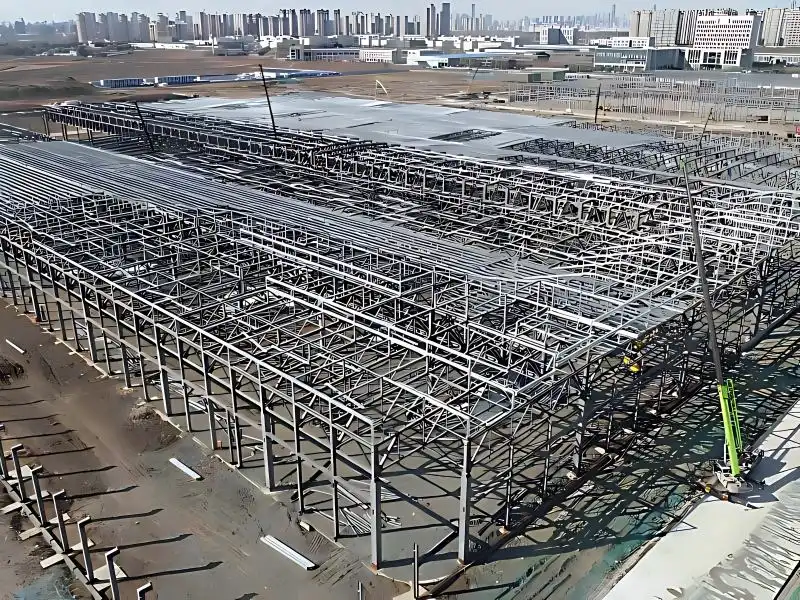
Zhongda's way of protecting aircraft with steel is through a planned layering system, where each layer has its own defensive purpose, especially critical for an airport steel structure exposed to jet blast, deicing chemicals, and frequent thermal cycling. The base is made up of zinc-rich primers that are 85–90% solid zinc by weight. These primers act as a sacrifice for security, as they rust faster than the steel underneath. This electrochemical shield actively stops rust from forming, even if scratches get through the layer.
On top of this layer that will be used as a substitute, we put on intermediate epoxy coatings made with high molecular weight resins that make thick barriers that stop air and moisture from getting in. At the molecular level, these layers stick to both the primer and the topcoat, making a single protected wall. Advanced polyurethane or fluoropolymer technologies are used in the final finish, which is chosen based on how the material will be exposed to the climate. These materials don't break down when exposed to UV light, keep their color, and are resistant to chemicals that are commonly found in aircraft settings where fuel spills and deicing chemicals happen.
Material Science Innovations Addressing Aviation-Specific Demands
Our -60°C Weathering Steel Anti-corrosion Technology is a big step forward for airports that are in harsh environments. Coatings that stay flexible and protected at temperatures where normal systems break and become rigid are needed in Alaska, northern Canada, and other similar places. This special recipe stays sticky and bendable at temperatures ranging from -60°C to +80°C, so it can handle the heating and cooling that breaks down cheaper goods.
These coats are made of improved epoxy resins that have better cross-linking agents that keep polymer chains mobile at low temperatures. Plasticizers are carefully chosen to keep them from moving around and affecting the long-term performance. At our Shenyang plant, testing methods put samples through accelerated aging cycles that are the same as 25 years of service. This way, performance claims are backed up by real-world data instead of theoretical predictions.
Zhongda's Comprehensive Approach to Airport Steel Protection
Successful coating implementation requires more than quality materials—it demands systematic application processes and customized engineering.
Customized Solutions for Diverse Airport Environments
No two aviation facilities face identical challenges. In Florida, threats are different for airports on the coast compared to airports in Colorado that are higher up or that are close to factories. Our engineering team does full site assessments that look at things like the local environment, the amount of pollution, the needs of the business, and the current state of the structure. This information is used to choose and describe the finishing method.
We recently finished a big hangar job for a shipping company. The inside of the hangar was regularly exposed to runoff from deicing fluids. Under these conditions, normal cement systems would have broken down in 5 to 7 years. Our team suggested a changed finishing system with chemical-resistant topcoats and better surface preparation steps that should last for 20 years or more. This method of customization ensures the best performance instead of using stock solutions that always fail.
Application Excellence Through Rigorous Process Control
Surface preparation accounts for 80% of coating system success. Ultra-high-pressure water spraying or controlled abrasive blasting are used by Zhongda to clean metal to almost whiteness, which is better than SSPC-SP10 requirements. The depth of the surface shape is measured and written down to make sure that mechanical bonding can work. Temperature, humidity, and dew point are constantly checked during application to make sure the right drying happens.
In our multi-layer coating method, we make sure that the dry film thickness is right at each stage, which is particularly important for an airport steel structure where uniform protection must withstand aggressive deicing agents and high-velocity airflows. This is done by measuring electromagnetically at grid points that have been marked on all treated surfaces. This strict quality control gets rid of the differences that happen with field-applied coatings and makes sure that whole buildings are protected the same way. There are picture records, weather logs, and thickness measurement data that can be used as proof that the specifications were met.
Superior Performance Compared to Conventional Protection Methods
Understanding the limitations of traditional approaches highlights the value proposition of advanced coating systems.
Why Traditional Methods Fall Short in Aviation Applications?
Encasing steel in concrete used to be popular, but it adds a lot of dead weight to buildings, which is a big problem for earthquake design and base costs. This method also keeps people from checking the state of the steel below, which hides rust until it's almost time for failure. Even though basic alkyd or acrylic paints are cheap at first, they don't have the chemical protection and adhesion qualities that are needed for long-term use in aircraft. These systems usually need to be reapplied every three to five years, which causes ongoing problems and costs that add up to more than the cost of a special finish.
Galvanizing is a good way to protect against rust, but it can be hard to work with big structural parts and weld them in the field. When heat hits the areas around welds, they become weak spots where the zinc layer can be damaged. Repair coats for metal surfaces need special primers and often don't stick well. Because of these problems, galvanizing isn't a good choice for many airport uses where complicated structures need to be put together on the fly.
Lifecycle Cost Analysis Favoring Advanced Coating Systems
Total cost of ownership research shows that quality coating methods are more cost-effective. Premium coats need to be reapplied to an airport hangar every 15 to 20 years, while regular paints only need to be touched up every 4 to 6 years. This longer service gap cuts down on the number of times that operations have to be interrupted, which saves money on things like scaffolds and surface preparation. When repair rounds and practical effects are properly taken into account, the net present value estimate always points toward a bigger initial coating investment.
Costs of following environmental rules are also taken into account when making decisions today. More and more rules are being put on traditional solvent-based paints to limit their VOC pollution. Our water-based and high-solids formulas meet current and future environmental standards without lowering performance. This keeps clients from having to pay extra to follow the rules and limits on what they can use in the future.
Maintenance Strategies to Maximize Coating Performance
Even the best coating systems benefit from proactive maintenance that identifies issues before they become costly problems, and this is especially true for an airport steel structure, where service interruptions for repairs are highly disruptive and safety margins must remain uncompromised.
Inspection Protocols for Early Issue Detection
We recommend biannual visual inspections focusing on high-stress areas like structural connections, drainage points, and areas that have been fixed before. Using low-voltage wet sponge methods for holiday detection finds coating gaps that can't be seen with the naked eye. Adhesion testing using pull-off methods measures the strength of the coating bond, giving accurate information about how much service life is left.
Zhongda gives its customers thorough inspection lists that are made to fit their unique coating systems and building conditions. Our technical team holds training sessions for maintenance staff that teach them the right way to check, record, and set the bar for when repairs need to be done. This sharing of knowledge makes sure that we are consistently monitored in between our professional exams.
Cost-Effective Maintenance Interventions
Minor damage to the covering that is fixed quickly stops it from getting worse. Touch-up materials that are suitable can be used to fix small areas of mechanical damage or edge rusting without having to recoat the whole thing. Cleaning methods get rid of built-up contaminants that speed up degrading; gentle pressure washing with pH-neutral soaps keeps the coating's integrity while getting rid of corrosive deposits.
Our care contracts include regular visits to the property, the ability to measure damage in an emergency, and the provision of approved touch-up materials along with instructions on how to use them. This complete support system helps clients protect the money they spent on the finish and get the most out of its life. The records from these visits help build a maintenance history that guides choices about future coatings and gives useful information for spending and planning.
Conclusion
To keep airport facilities safe, coating solutions must be specially designed to handle the unique challenges of aviation settings, and this is particularly critical for every airport steel structure, from terminal roofs to hangar frames and air traffic control towers. Zhongda's long-lasting coating systems use cutting-edge material science, strict application methods, and full support to provide security that increases the service life of structures while lowering their lifecycle costs. We are the best partner for airport steel security projects because we have experience working with people all over the world, strong technical skills, and a dedication to providing unique solutions. Our BIM-driven design skills and tried-and-true coating technologies work together to make sure that flight sites get security systems that are the best in terms of performance, durability, and cost-effectiveness for as long as they are in use.
FAQ
How long do airport steel structure coatings typically last?
What's the average length of time that coats on airport steel structure systems last? When properly applied, premium coating methods to airport frames usually protect them for 15 to 20 years before they need to be re-coated. Service life depends on the environment. Facilities near the coast have the shortest service life, while controlled inland settings could provide safety for up to 25 years. Regular care and fixing small problems right away have a big effect on how long something lasts.
What makes airport coating requirements different from other steel structures?
Aviation sites have to deal with a lot of different things, such as being exposed to chemicals (like jet fuel and deicing fluids), following the rules, keeping operations going, and meeting safety-critical performance standards. Coatings need to stay strong in very high and very low temperatures, and they also need to be able to adjust to structure movement caused by earthquakes and live loads. Because long maintenance shutdowns can't be planned, coating systems need to be very durable and require very little upkeep compared to facilities that can change their plans.
Can existing airport structures be recoated without complete removal?
The ability to recoat relies on the state and compatibility of the current coating. Existing coats that stick well can often be overcoated after the surface is properly cleaned, prepared, and a profile is made. If the coats fail or don't work with the metal, they need to be taken off. Our evaluation method looks at how things are now and suggests the cheapest way to fix things while taking into account performance needs, project limitations, and budget concerns.
Partner With Zhongda for Uncompromising Airport Steel Structure Protection
Zhongda is ready to protect your investment in flight infrastructure with coating options that have been shown to work in harsh conditions. We have been a major provider of airport steel structures for twenty years and have ISO 9001, 14001, OHSAS 45001, and EN 1090 certifications. We bring twenty years of specialized knowledge to every job. In Shenyang, our engineering team has created protection systems for buildings in both Arctic and tropical coastal settings. These systems have regularly gone above and beyond what clients expected in terms of durability and cost-effectiveness. Please get in touch with our technical experts at Ava@zd-steels.com to talk about your unique safety needs. During our full meeting process, we look at the specific problems your facility is facing and come up with custom coating specs that are best for your needs and your budget.
References
National Association of Corrosion Engineers. "Corrosion Control in Transportation Infrastructure: Best Practices for Aviation Facilities." NACE International Publication, 2021.
American Institute of Steel Construction. "Protective Coatings for Structural Steel in Severe Environments." AISC Design Guide Series, 2020.
Federal Aviation Administration. "Airport Pavement and Structure Maintenance Advisory Circular." FAA AC 150/5380-6C, 2019.
Steel Structures Painting Council. "Surface Preparation Standards for Industrial Maintenance Coating Applications." SSPC Technical Manual, 2022.
International Journal of Protective Coatings. "Performance Analysis of Advanced Coating Systems in Coastal Aviation Infrastructure." Volume 38, Issue 4, 2023.
American Society for Testing and Materials. "Standard Practice for Application of Corrosion Protective Coating Systems in Atmospheric Service." ASTM D7108-20, 2020.
YOU MAY LIKE
_1746242605579.webp "Hard Rock TBM Shield Casing")
_1746242570299.webp "Large-Diameter Tunnel Boring Machine")
_1746262121950.webp "Floating Platform Pontoon Module")