Future of Urban Connectivity: Steel Cable-stayed Bridge
2026-07-15 14:15:55






The steel cable-stayed bridge has appeared as a game-changing answer for contemporary connectivity problems as urban infrastructure continues to change quickly. The steel cables connected to vertical pylons support the bridge deck directly. This beautiful engineering feat blends structural efficiency with artistic beauty. When compared to suspension bridges, which use main cables hanging between towers, cable-stayed designs are more sturdy and evenly distribute load because the cables are connected directly to the deck. As towns grow and need better transportation systems, these bridges are the perfect solution. They can span long distances while leaving little damage on the ground and can accommodate a variety of transportation modes beneath their broad shapes.
Understanding Steel Cable-Stayed Bridges: Fundamentals and Evolution
The Core Structural Principles
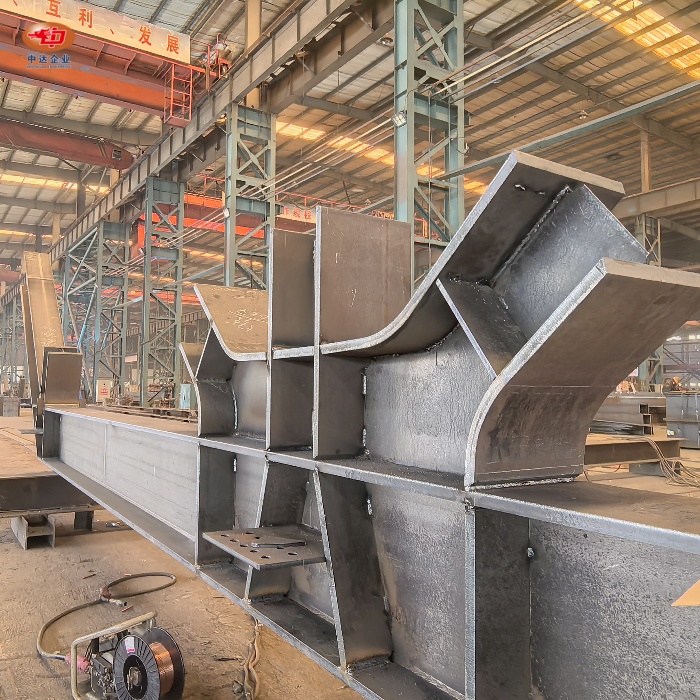
The load shift process in steel cable-stayed bridge systems is what makes them so strong. At different places, steel cables run from tall pylons to the bridge deck, making a network that evenly spreads weight. The pylons act as vertical compression members, and the wires work in pure tension. This makes the most efficient use of the materials and allows spans of up to 800 meters without any support in the middle. For our Q420qE steel cable-stayed bridge options at Shenyang Zhongda, we use high-yield steel in pylons with plate thicknesses ranging from 60 to 120 mm. This keeps the vertical accuracy within a 1/4000 error range. Because of this accuracy, the load lines are perfect, and stress concentrations are kept to a minimum, which could shorten the life of the product.
The deck is held along its entire length by a horizontal beam. This is very different from suspension systems where the deck hangs from vertical bars. This arrangement makes the structure stiffer, which lowers deflections under traffic loads and makes the user experience better. The OVM250 mooring systems we use protect Φ7mm galvanized steel wires that meet EN 10138 standards. This makes links that can withstand huge tension forces and make it easy to check and fix things on a regular basis.
Historical Milestones in Bridge Development
Cable-stayed layouts have roots in designs from the 1600s, but they were really put into use in the 1950s, when high-strength steel and computer analysis got better. The modern age began with the Stromsund Bridge in Sweden in 1955, which showed that welded steel building could work. In the 1960s and 1970s, German engineers improved the shape by making the beautiful fan and harp arrangements that are both strong and attractive. By the 1990s, Asian infrastructure growth had made span lengths longer than 400 meters. Projects like Japan's Tatara Bridge showed what could be done with better cable designs and new materials.
Designs made today use what we've learned from decades of success data. We've seen the change from parallel wire strands to locked-coil cables, better corrosion protection (our graphene-enhanced PE sheaths are resistant to UV light for 50 years), and the addition of technologies for earthquake separation. Our systems' LRB800 isolation bearings cut earthquake response by 40%, which addresses a major issue that wasn't taken into account in the original designs. With these small improvements, steel cable-stayed bridges have gone from being experimental structures to the best way to cross medium- to long-span urban areas.
Cable Arrangement Configurations
There are three main types of wire layouts used today: harp, fan, and semi-fan. Parallel wires connected to the pylon at a single height make harp setups look clean and make anchoring details easier to understand. This set-up works well for shorter distances where wire economy isn't the most important thing. Fan arrangements spread cables out from a single place on top of the pylon. This makes the structure more efficient by letting each wire work at the best angle. It works for longer spans, but it makes grounding zones that are hard to understand and need careful attention to detail.
As a realistic solution, semi-fan or modified fan arrangements group cable anchorages together along the pylon's vertical axis. By lowering the number of anchorages needed and keeping good wire angles, this method strikes a balance between how well the structure works and how easily it can be built. It depends on the project's needs, like the length of the span, the height of the pylons, the desired look, and the limitations of the building. Our engineering team at Zhongda looks at these factors using BIM-based modeling to make sure that the configuration chosen meets the performance needs and price constraints of government agencies and building companies.
Advantages of Steel Cable-Stayed Bridges in Urban Infrastructure
Superior Structural Performance Characteristics
The benefits to the structure are instantly clear in the span and material economy. It is hard for solid options to match the strength-to-weight ratio of a steel cable-stayed bridge. Steel's tensile strength—the Q420qE grade has a yield strength of 420 MPa—allows for thinner deck shapes and lower dead loads, which means smaller supports and less material used overall. Multiple cable ties provide constant support, which keeps the deck from bending too much and lets it span farther between piers. This is very important when crossing wide rivers, railroads, or highways without using expensive or useful supports in the middle.
Steel designs are also better for dynamic reaction qualities. Because it is naturally stiff, it fights wind-driven waves better than suspension bridges, so it doesn't need complex damping systems. Traffic-related vibrations are quickly dissipated through the wire network, so the system stays functional even when industrial vehicles are loaded with heavy loads. Controlling the loss of energy is good for seismic performance. Our LRB800 bearings protect important links and cable anchorages during earthquakes by isolating the superstructure from ground movements. This level of resilience is very important for infrastructure that serves vital supply lines and disaster reaction routes.
Economic and Environmental Advantages
Lifecycle cost analysis always shows that choosing steel systems with cables for the right span ranges is the smart thing to do from an economic point of view. Although the initial prices of materials are higher than those for regular girder bridges, this is balanced out by the fact that expensive falsework is not needed during building and the bridges can be put up faster. When prefabricated steel parts are delivered to the job site, they are ready to be put together quickly. Compared to industry standards, our production methods cut wait times by 20–30%, which means that traffic jams and the economic losses that come with them happen less often in cities. Our sites can hold 60,000 tons of steel each year, which means that they can reliably serve big projects without the delays that happen with smaller fabricators.
Environmental factors are becoming more and more important in purchasing decisions. The fact that steel can be recycled almost completely with little loss of quality is in line with the circular economy ideas that the government is now focusing on. The lower embodied carbon is due to the smaller material volume compared to concrete options. Also, efficient spans reduce land damage and ecosystem fragmentation. During the construction phase, the effects are lessened by shorter fitting times and less heavy machine operation. These things help structures have smaller carbon footprints over their whole life, which helps infrastructure makers meet environmental requirements.
Maintenance Efficiency and Longevity
Costs over the lifetime and downtime caused by maintenance have a direct effect on both. Modern rust protection methods have changed what people expect from longevity. Our modern PE sheath with graphene inner layer creates a 50-year UV-resistant barrier, which means that it doesn't need to be painted for a lot longer than traditional systems, which need to be fixed every 15 to 20 years. When the right anchorage security is used, galvanized steel wires don't let water or rust into the system. They can keep their tensile strength for decades as long as the right checking procedures are followed.
Another useful benefit is that inspections are easy to do. Cable anchorages can be made with viewing ports that let you look at things in more depth without using special tools. 3D coordinate detection systems and 0.5" total station surveying make it possible to keep a close eye on cable tensions and changes in geometry, finding problems before they become too big to fix. Bolted connections make it easier to replace parts when they break than embedded elements in concrete structures, which makes it harder to make changes. This is important for public works departments that are trying to stretch their budgets and get the most out of their infrastructure investments.
Design Principles and Material Selection for Future-Ready Bridges
Load Distribution and Dynamic Response
A thorough load analysis that includes dead loads, vehicle traffic, crowds of people walking, wind pressures, seismic forces, and temperature changes is the first step to good design. The steel cable-stayed bridge system is naturally safe because multiple cables share loads, so if one fails, the whole structure doesn't fall down. Computer modeling using finite element analysis checks stress distributions under different loading combinations, making sure that the structure meets AASHTO, Eurocode, or local standards. Our engineering team uses BIM-based digital design to make detailed 3D models that find potential conflicts before fabrication starts, which saves money on costly changes in the field.
There are wind and seismic factors that can affect design in many places. Testing scale models in a wind tunnel confirms predicted behavior, especially for unusual geometries or exposed areas. Tuned mass dampers or viscous dampers may be added to the inherent damping to control oscillations within acceptable limits. The seismic design philosophy stresses ductile detailing at critical connections, which allows controlled yielding that dissipates energy without catastrophic failure. The LRB800 isolation bearings we use separate horizontal ground motions from the superstructure, protecting cables and towers while keeping the building's ability to be used for emergency vehicle access after an earthquake.
Advanced Materials and Corrosion Resistance
Choosing the right material has a big impact on how well it works and how long it lasts. Q420qE steel is a big step forward over earlier grades because it is easier to weld, tough at low temperatures (down to -40°C), and less likely to fatigue. These are all important properties for bridges that have to deal with temperature changes and millions of stress cycles from traffic. The controlled chemistry also makes the structure less likely to break in brittle ways, which was a problem with some early steel structures. Strict quality control during fabrication, including non-destructive testing of critical welds and base material, makes sure that the structure meets the EN 1090, AWS D1.5, and JIS standards that international projects require.
The way cables are made has changed a lot over the years. Now, locked-coil strands and galvanized high-tensile wires are standard for outdoor use. The OVM250 anchorage system makes sure that the load is transferred safely, even when the cables move slightly. Our multi-layer approach protects every steel surface from corrosion by using hot-dip galvanizing, zinc-rich primers, and urethane topcoats that are chosen based on the exposure conditions. The graphene-enhanced PE sheath has great barrier properties, blocking moisture and chlorides that speed up corrosion. This is especially important for coastal installations or places where deicing salts are used.
Real-World Application: Urban Infrastructure Success
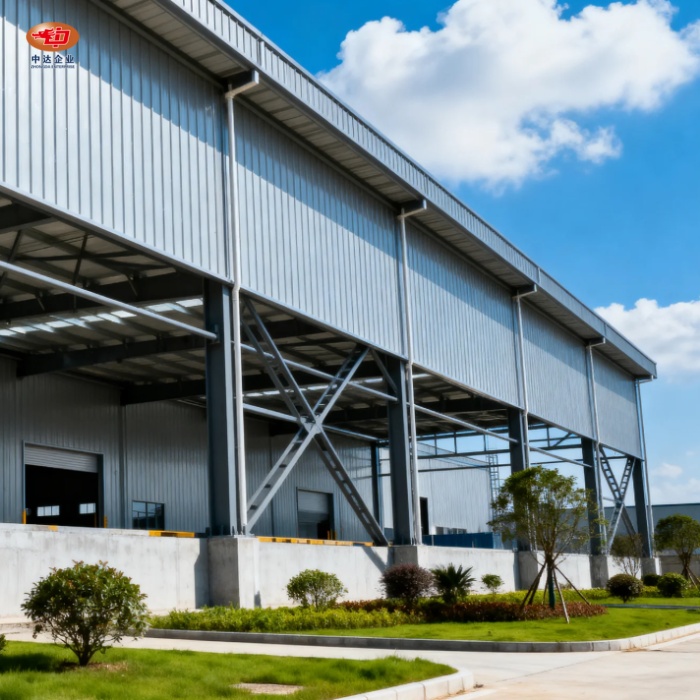
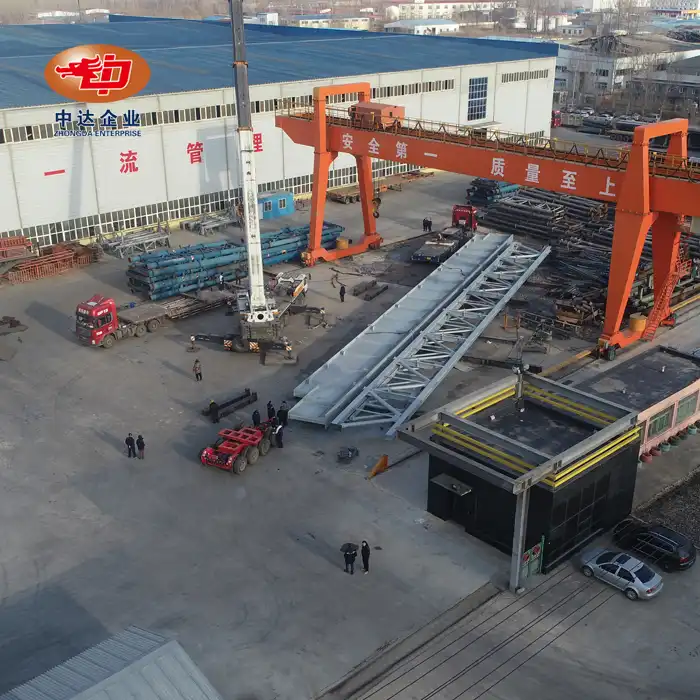
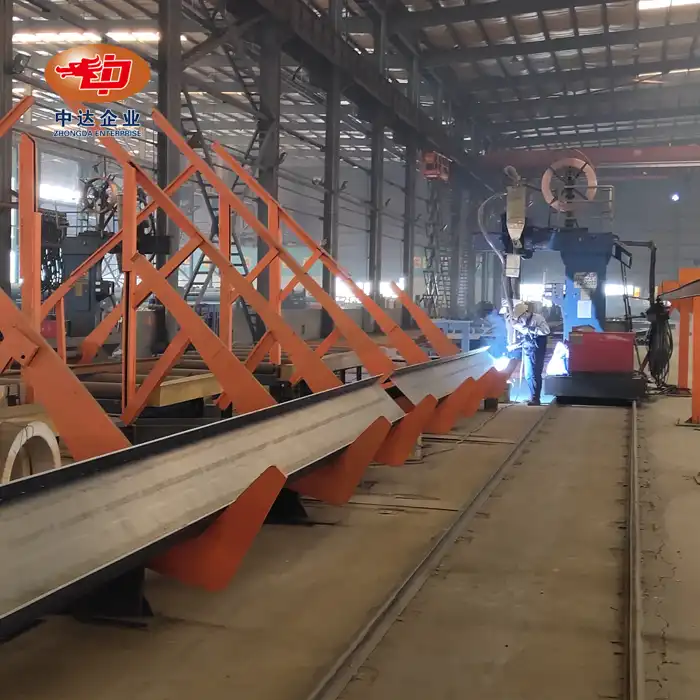
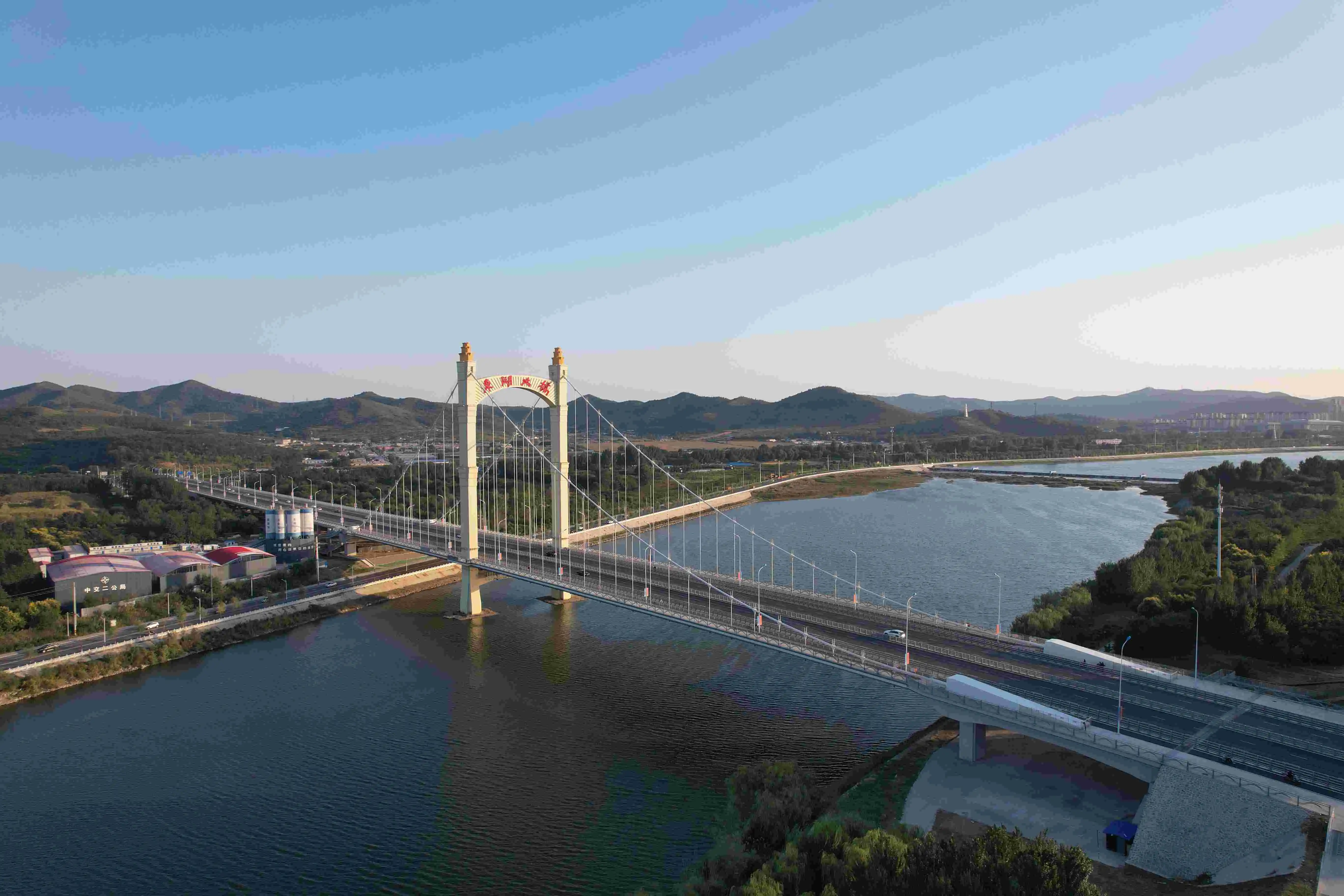
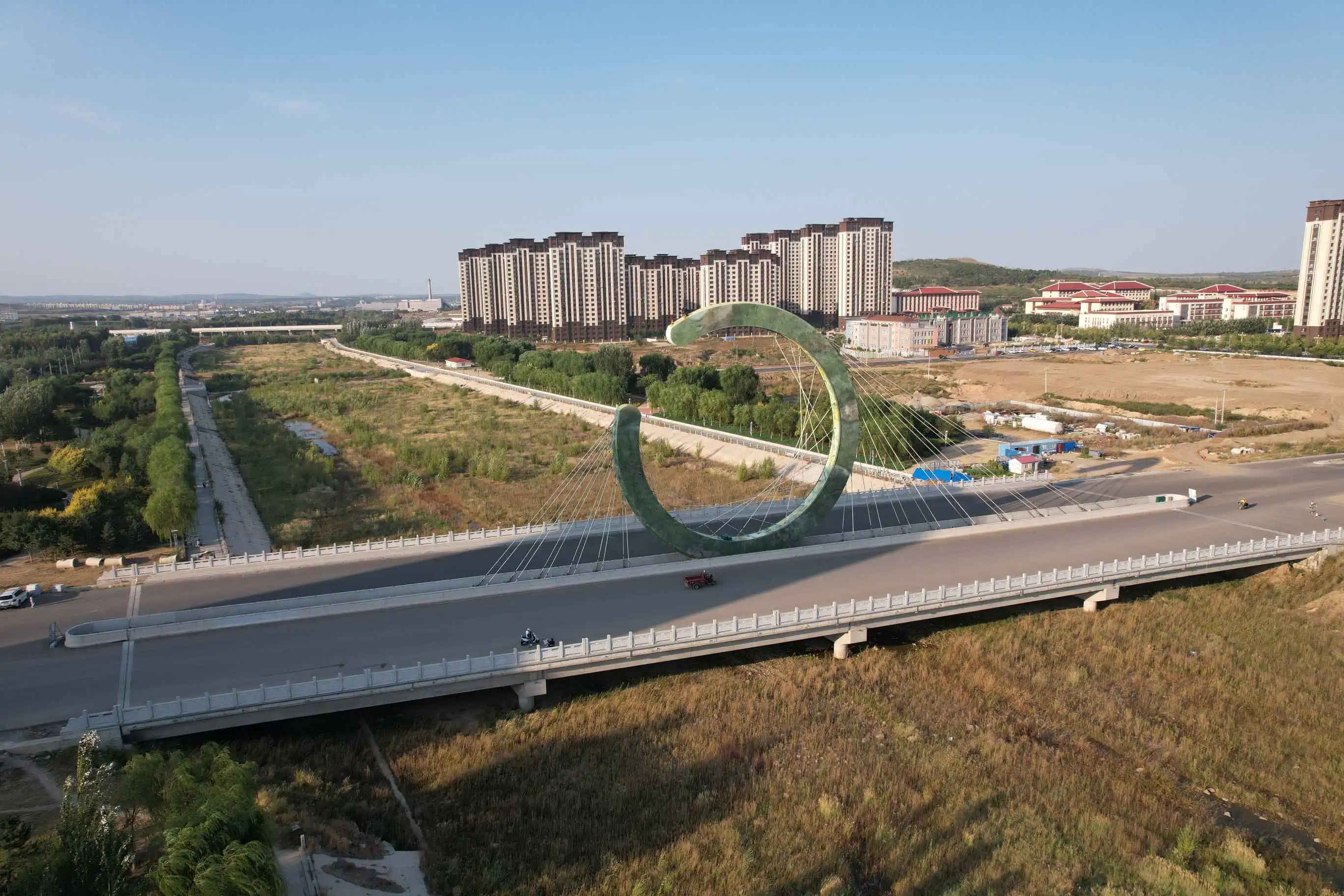
In the Shenyang Dongta Cross-Hunhe River Bridge project, 18,000 tons of fabricated steel made an important urban connection. This installation showed the benefits of steel cable-stayed bridge design in a crowded area where construction space was limited and traffic disruption had to be kept to a minimum. Prefabricating major components in our 120,000 m² facility—equipped with a 50-ton crane for handling heavy assemblies—allowed quality control in an optimal environment rather than improvising on-site. Transportation logistics were coordinated through detailed planning, with parts arriving in order to match the schedule for erection.
Precision cutting (±0.2mm tolerance on ultra-thick plates) helped with the project by making sure that the dimensions were correct, which made assembly easier in the field. BIM coordination found utility conflicts and access issues before mobilization, which avoided the delays that are common in urban construction. The steel cable-stayed bridge configuration allowed pier locations that avoided existing underground infrastructure while still providing the needed span. Post-installation monitoring confirmed performance within design parameters, validating the structural model and providing data for future improvements. This experience, gained from working on projects for China Railway, CSCEC, and CCCC, builds institutional knowledge that helps future clients.
Procurement and Construction: Navigating the Supply Chain for Steel Cable-stayed Bridges
Strategic Supplier Selection Criteria
When purchasing parts for big infrastructure projects, procurement professionals have to make tough choices. When looking for suppliers, they need to make sure they have the right technical skills, quality systems, production capacity, and project experience. Certifications like ISO 9001/14001/45001 show that a company is committed to quality management, worker safety, and environmental responsibility. EN 1090 certification confirms that the supplier's technical systems meet European standards that are now recognized around the world. Verifying these credentials protects against using low-quality materials for steel cable-stayed bridges that don't last as long as they should.
Production capacity directly impacts project schedules and risk allocation. A supplier with a 60,000-ton annual capacity and modern equipment can dedicate resources to your project without breaking other commitments. Facilities with CNC cutting, automated welding, and precision machining make parts that can be repeated in a way that manual processes can't. Location affects transportation costs and logistics complexity; being close to waterways or rail connections makes it easier to move large parts. Due diligence site visits reveal capabilities that brochures may exaggerate, giving you confidence in the supplier's ability to deliver.
The other parts of the evaluation are financial stability and project experience. Suppliers with strong balance sheets can handle economic downturns that would wipe out weaker competitors in the middle of a project. References from similar projects, especially ones that were finished on time and on budget, show reliable performance. At Zhongda, our 70% client retention rate with major state-owned enterprises shows that we consistently meet our clients' needs. This track record gives procurement teams the confidence they need when they recommend suppliers to decision-makers.
Customization and International Standards Compliance
Customization is what most infrastructure projects need because off-the-shelf solutions don't always work. For example, cable specifications change based on span lengths, load intensities, and environmental exposures by changing wire diameter, strand configuration, and protective systems. Tower geometries change based on foundation conditions, aesthetic preferences, and navigational clearance requirements. Our OEM/ODM services take this into account by offering flexible configurations from single to double-cable plane arrangements and main spans that can be changed from 200 to 800 meters. Engineering support comes up with solutions that improve performance within project limits instead of forcing clients into predetermined packages.
Following international standards makes it easier for projects to be approved and for maintenance to be done in the future. For example, EN 10138 sets the rules for prestressing steel wires, including their mechanical properties, dimensional tolerances, and testing protocols. Sticking to these rules makes sure that the structure is compatible with international design codes and gives engineers confidence in the process of certifying it. Similarly, following welding procedures that are qualified to AWS D1.5 or equivalent standards ensures that the joints meet strict requirements for fatigue and fracture toughness. Keeping records of material certifications, test reports, and fabrication makes it easier to make changes or repairs in the future.
Project Management and Quality Assurance Best Practices
Disciplined project management is needed to coordinate the design, fabrication, logistics, and erection activities. Getting contractors involved early in the design process finds problems with how the building can be built while changes are still affordable, which saves money on redesigns after the fabrication starts. BIM models are used as coordination platforms where structural, architectural, and MEP elements can interact, showing conflicts before the physical work starts. When making a schedule, it's important to think about realistic production rates, transportation lead times, and weather windows for important lifts rather than assuming perfect conditions.
Incoming material inspection checks mill certifications against specifications, rejecting any steel that doesn't meet the standards before it goes into production. In-process inspections check for dimensional accuracy, weld quality, and the application of protective coatings, with hold points that need approval before moving forward. Final inspection includes a lot of paperwork, like dimension reports, NDT records, and measurements of the coating thickness, that forms the quality dossier that goes with the structure. An independent third-party inspection adds to the quality dossier and is becoming more and more common in contracts to make sure that codes and specifications are followed.
Conclusion
The steel cable-stayed bridge is more than just a feat of engineering; it embodies the fusion of structural efficiency, economic pragmatism, and architectural elegance that today's cities demand. As cities grapple with aging infrastructure, growing populations, and sustainability imperatives, these bridges offer solutions spanning physical distances and bridging planning priorities. The technical sophistication reflected in advanced materials like Q420qE steel, precision fabrication maintaining sub-millimeter tolerances, and integrated seismic protection systems delivers performance that justifies lifecycle investments. With proven implementations across diverse conditions and ongoing innovations in smart monitoring and sustainable practices, steel cable-stayed bridges will continue shaping urban landscapes for generations.
FAQ
What is the expected lifespan of modern cable-stayed bridge systems?
If you properly design and maintain steel cable-stayed bridges with high-performance steel and advanced corrosion protection, they can last up to 100 years. The main factor that determines how long they last is how well they stop corrosion, which means that cables and connection points need to be inspected regularly and re-coated when needed. Structures in safe environments with good protective systems can last much longer than their design life, but structures in harsh coastal or industrial environments need more frequent and thorough maintenance. Regular inspections using 3D coordinate detection and load monitoring find problems before they become dangerous, allowing for targeted repairs that extend service life economically.
How do cable-stayed bridges compare economically to suspension designs?
For spans between 200 and 800 meters, steel cable-stayed bridge configurations usually work out cheaper because they don't need as many anchorages as suspension bridges do. Construction timelines are also faster with these designs because they require less falsework and are easier to put together. Above 1000 meters, suspension bridges become competitive because their self-weight advantage cancels out the cost of anchorages. However, the economic comparison is affected by project-specific factors like foundation conditions, navigation clearances, and aesthetic requirements, so a detailed analysis is needed to make the best choice.
What considerations govern steel cable sourcing decisions?
Some important factors are material certifications that prove strength and ductility according to EN 10138 or similar standards, manufacturing quality that is backed up by ISO certifications and testing protocols, corrosion protection that is right for the environment, a supplier's production capacity that guarantees a reliable schedule, and engineering support for specific needs. Traceability documentation that connects each cable to mill certifications and test reports provides quality assurance. A supplier's experience with similar projects lowers technical risks, and their financial stability protects against problems in the middle of a project.
Transform Your Infrastructure Vision with Zhongda Steel Cable-Stayed Bridge Solutions
If you need to improve the quality of your next infrastructure project, Zhongda can help. We are a leading manufacturer of steel cable-stayed bridges with Class I Steel Structure Professional Contracting Qualification and full ISO certifications. We offer precision-engineered Q420qE steel components, OVM250 anchorage systems, and advanced corrosion protection backed by 50-year performance guarantees. Our BIM-integrated design process, 60,000-ton production capacity, and track record with China Railway, CSCEC, and international clients ensure that your project benefits from Northeast China's most advanced fabrication capabilities. Contact our technical team at Ava@zd-steels.com to talk about how our 200-800 meter span solutions, seismic isolation expertise, and 20–30% faster delivery can turn your connectivity problems into landmark achievements that will serve communities for generations.
References
Chen, B., & Wang, T. (2019). Design and Construction of Cable-Stayed Bridges: International Practice and Innovation. Beijing: China Communications Press.
Gimsing, N. J., & Georgakis, C. T. (2021). Cable Supported Bridges: Concept and Design (4th ed.). London: John Wiley & Sons.
Menn, C. (2020). Prestressed Concrete Bridges: Design and Construction of Cable-Stayed and Box Girder Structures. Basel: Birkhäuser Architecture.
Troitsky, M. S. (2018). Cable-Stayed Bridges: Theory and Design (3rd ed.). Reston: American Society of Civil Engineers.
Walther, R., Houriet, B., Isler, W., Moïa, P., & Klein, J. F. (2019). Cable Stayed Bridges: Engineering Fundamentals and Global Applications. London: Thomas Telford Publishing.
Zhang, X. G., & Liu, G. D. (2022). Modern Steel Bridge Engineering: Materials, Analysis, and Construction Technology. Singapore: Springer Nature.
_副本_1762409954420_1788229249106.jpg "steel column design")