How to Choose the Right Steel Workshop Supplier for Your Project?
2026-07-15 14:15:57






Selecting the right supplier for a steel workshop is a critical decision that can significantly influence project success. A reliable partner provides more than prefabricated components; they ensure engineering accuracy, regulatory compliance, and long-term operational support that safeguards overall investment performance. This decision has a lasting impact on construction schedules, project budgets, and structural performance for developers, infrastructure contractors, and industrial manufacturers. Evaluating suppliers based on technical capability, service ecosystem, and proven project experience is essential for distinguishing high-performance providers from standard market options.
Understanding Your Project Needs and Supplier Selection Criteria
Clearly stating the needs of your project is the first step in choosing the right seller. Different technical requirements are needed depending on the size and complexity of your steel workshop, like a 5,000-square-meter warehouse or a 50,000-square-meter company that puts together cars. Think about how the building will be used: will it house big machinery that needs floors that are reinforced? Do you need gaps longer than 30 meters so that production lines can run continuously? Knowing these factors makes it easier to find sellers who have the right skills.
Evaluating Scale and Structural Complexity
To build large span buildings, you need to know a lot about engineering. For buildings with spans between 12 and 36 meters, you need suppliers who know how to make portal frame and truss systems that keep the structure strong without causing too much column interference. Crane systems, ventilation networks, and vertical storage options can all work with height needs between 6 and 12 meters. Suppliers should show that they can build for both steady and dynamic loads, like bridge cranes lifting 20-ton loads.
Safety, Quality, and Regulatory Compliance
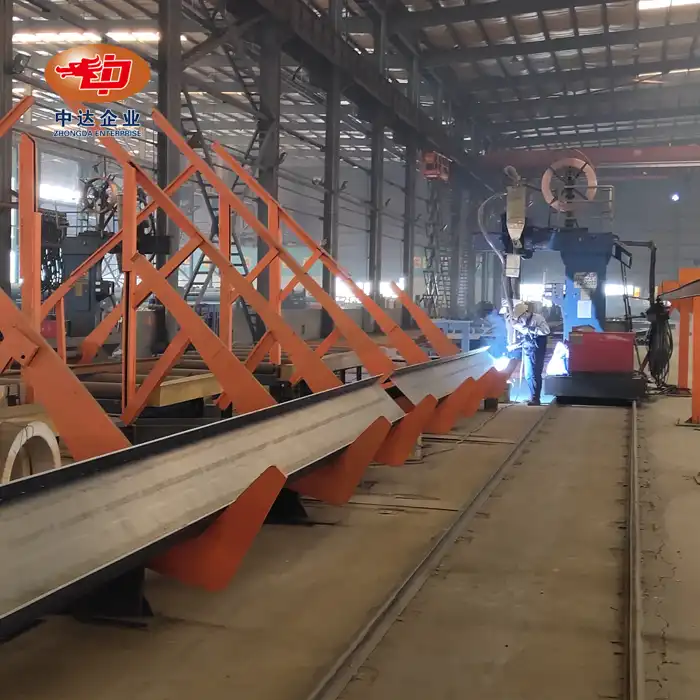
Following local building rules and foreign standards is an absolute must. Check to see if possible providers follow AISC standards, EN 1093 protocols, or GB 50017 requirements, based on where the project is located. Reputable makers use ISO 9001 quality control systems throughout the whole manufacturing process to make sure that the dimensions are accurate to within a millimeter. Anti-corrosion treatments, like hot-dip galvanizing or multi-layer epoxy coats, make structures last longer than 50 years. This is especially important in seaside or industrial areas with corrosive air.
Key Supplier Evaluation Metrics
The number of products available, the ease of tailoring, and the value-added services should all be taken into account when judging a company. Leading suppliers provide complete solutions that include structural steel frame, insulated sandwich panels, ventilation systems, and crane beams that are built in. Check to see if they can do BIM-driven design, which cuts down on problems during installation and speeds up the project output. Getting certifications like ISO 14001 for environmental management and OHSAS 45001 for workplace safety shows that you care about using safe and environmentally friendly building methods.
Comparing Steel Workshop Suppliers: What to Look For
The difference between temporary fixes and lasting infrastructure is the quality of the product. When projects need to hold more weight, superior steel workshop suppliers use Q345 high-strength steel for the main frame parts. For lighter jobs, Q235 steel is enough. This difference is important when holding big machines or planning future additions that will add weight to the structure.
Material Quality and Structural Innovation
Check out how the seller chooses materials and makes structures work better. Advanced makers use finite element analysis to make sure they use the least amount of steel possible while still making the structure as strong as possible. This cuts the cost of materials by 15–20% compared to more conservative designs. Look for signs of innovation, like flexible connection systems that make assembly faster on-site or unique anti-corrosion technologies that work better in harsh settings than standard treatments. When suppliers put money into research and development, they usually back up their promises with longer terms and better performance pledges.
Brand Reputation and Client Testimonials
A company's image in its field depends on how well it does on various projects. Ask for case studies that show experience with projects of the same size and level of difficulty as yours. Credible proof comes from client comments from well-known companies, like big building companies, government contractors, or global makers. Pay attention to how the sellers dealt with problems. For example, did they meet tight deadlines? How did they deal with unplanned problems on the site? These stories show how well people can solve problems and work together.
Technology Integration and Customization Capabilities
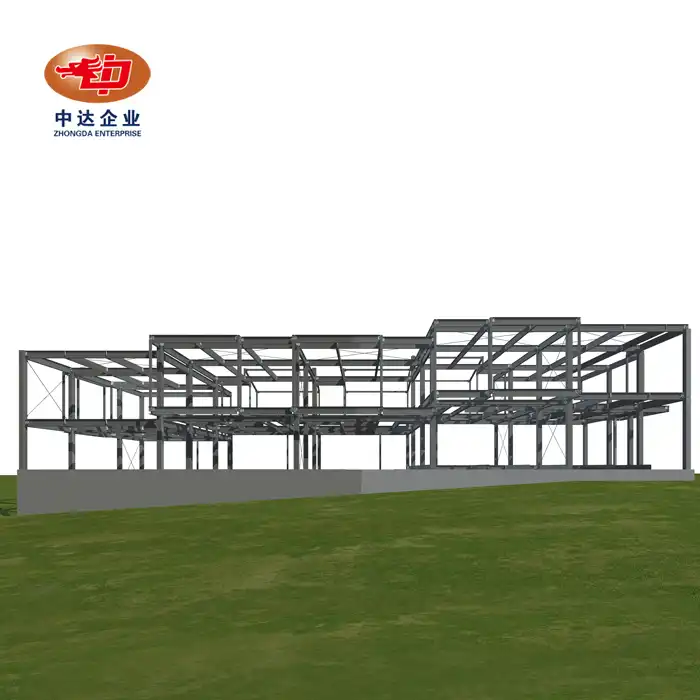
Integrated methods are needed for modern buildings. Suppliers that give 3D models and virtual walkthroughs let people see what the finished building will look like before it is built, which cuts down on the need for expensive changes later on. Customization goes beyond size and includes unique features like finishes that can be used in clean rooms for pharmaceutical companies, designs that won't explode for chemical plants, or frames that won't break in high-risk areas. You can change everything about the building, from the beam space to the roof pitch, so it works best for your operations.
Before agreeing to work together, you should think about the financial and operational effects. This will help keep your project's finances in good shape. Different sellers offer a wide range of pricing plans, from "turnkey" contracts that include design, manufacturing, and installation to "component-only" supply agreements. Depending on your personal skills and risk tolerance, each method has its own benefits.
Pricing Models and Cost Transparency
Clear pricing systems keep bad shocks from happening during procurement. Costs for structural steel, secondary frame, covering systems, doors, windows, and installation services should all be broken down in detailed quotes. Be wary of bids that seem too low; they could mean that materials have been substituted or that there are secret fees for planning services. Reliable sellers give detailed reports and explain what causes costs, which lets you make useful comparisons. People who commit to buying in bulk or who work on projects that are completed in stages can often get better prices, which can lower the cost of each unit by 10-15% compared to orders for just one building.
Supplier Responsiveness and Communication
Misunderstandings and delays can be avoided by communicating clearly during buying. Check to see how quickly providers answer your first questions and how much information they give you. Do they give each job its own project manager? Can they arrange for site visits or internet talks that happen in different time zones? Responding quickly during the sales phase is often a good indicator of how well help will be during building and for the life of the facility. Suppliers with regional offices or partnerships close to where your project is located can help with transportation and provide support on-site.
After-Sales Support and Warranty Coverage
Comprehensive service after the sale is what sets exceptional providers apart from transactional ones. Standard warranties cover the strength of the structure for 10 to 25 years, and covering methods may have their own warranties. Don't just look at the warranties; also see if they offer upkeep programs. For example, do they give regular inspections? Can they provide new parts years after the building was first built? Keeping an inventory of parts and offering troubleshooting help from suppliers cuts down on downtime when problems happen, which protects income lines and keeps operations running smoothly.
Ensuring Safety, Maintenance, and Long-Term Efficiency
Safety standards at the start and regular repair schedules determine how well a building works in the long run. When suppliers follow strict safety rules during production, the steel workshops they give usually have fewer flaws and last longer. Companies that make things and have First-Class Steel Structure Engineering Qualifications have shown they can handle difficult tasks that need strict quality control.
Safety Compliance and Equipment Standards
Safety on the job site starts with making sure that the parts are designed and made correctly. Details about connections must make safe building easier without putting workers at risk. Suppliers must give thorough instructions for installation, connection plans, and lifting methods that follow OSHA rules or similar rules. Pre-assembly testing, in which major parts are trial-fitted in the plant, finds problems before they become risks on the job site. This speeds up installation and makes it safer for workers.
Maintenance Services and Preventive Programs
Regular care keeps a building's worth high and extends the life of its structures. Coating systems need to be inspected every 5 to 7 years, and touch-up treatments are needed to stop rust from getting worse. Suppliers who offer maintenance contracts give customers peace of mind by regularly inspecting, checking the tightness of the bolts, and keeping records of the structure's state over time. These programs are especially helpful for buildings that are in harsh settings, like seaside areas or chemical processing sites, where damage happens quickly and could cause the building to fall apart.
Case Studies and Success Stories: Learning from Real Projects
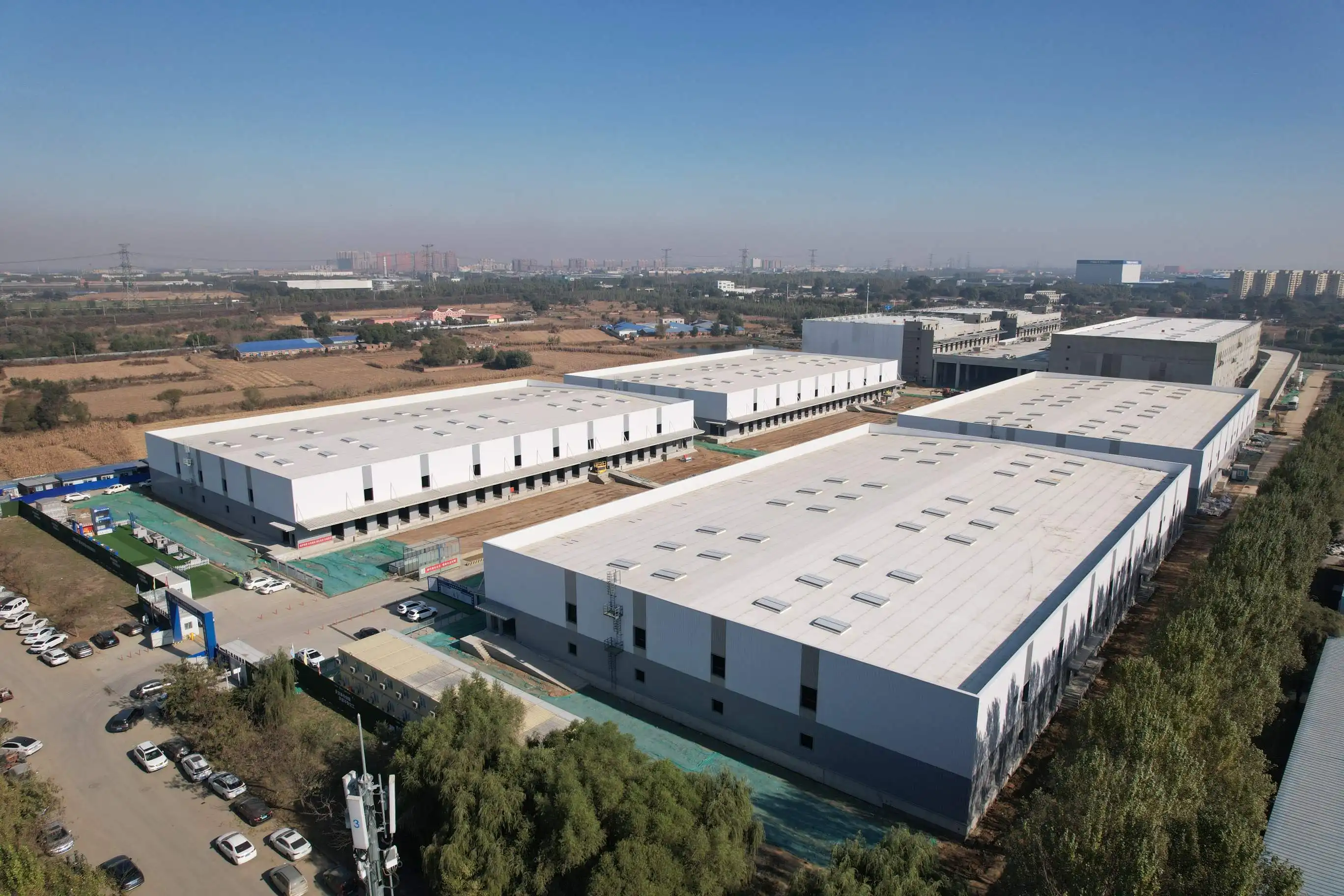
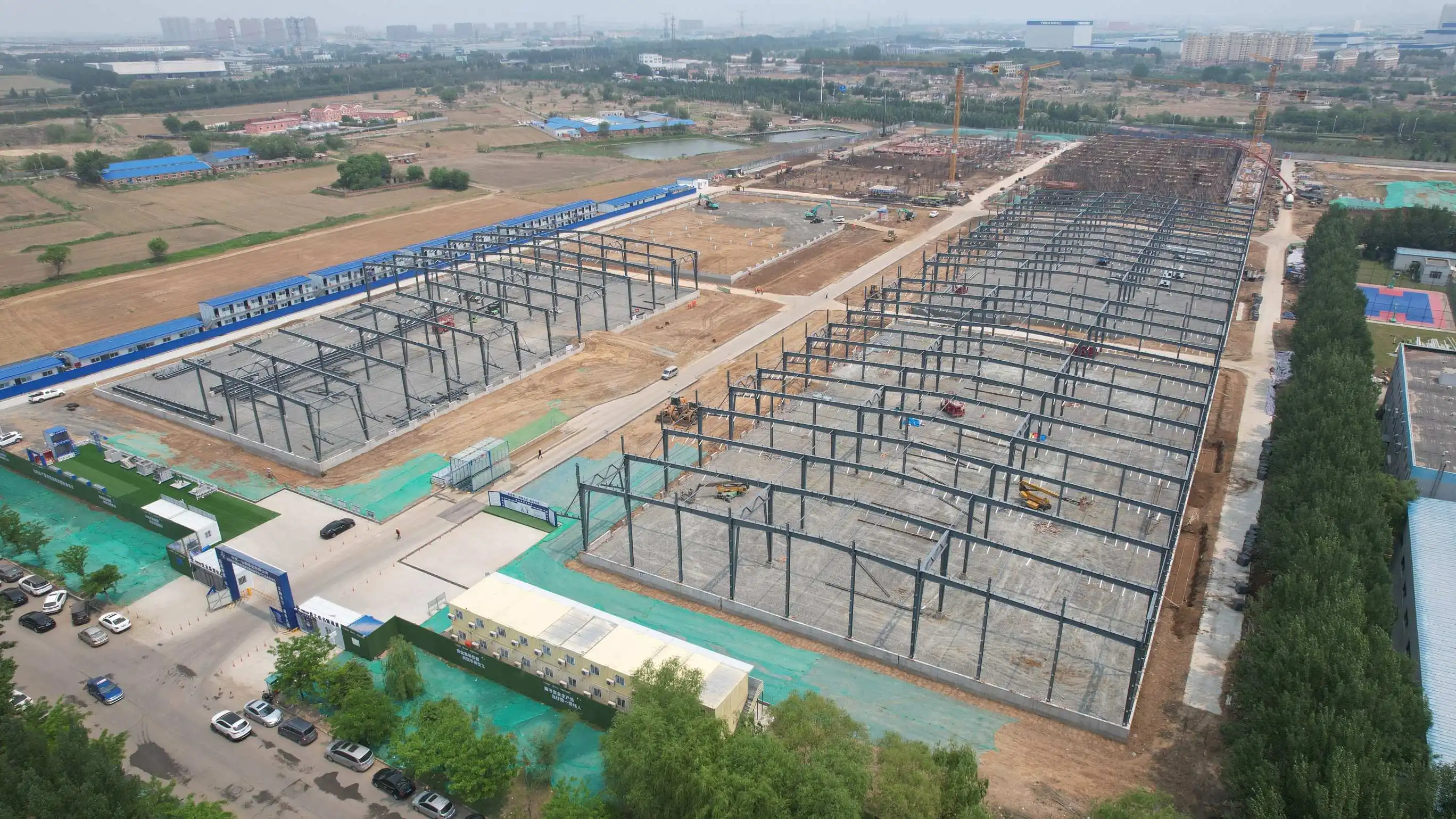
Applications in the real world are a better way to show what a company can do than marketing tools. Take a look at how Zhongda Steel built a 45,000-square-meter logistics hub in Vietnam in just eight months, meeting tight completion deadlines for an e-commerce client that was growing their operations in the area. The project needed 24-meter clear spans for automatic sorting systems and strengthened floor slabs that could hold 5 tons per square meter of weight. Many suppliers refuse to meet these requirements because they are too complicated.
Another interesting example is an Australian company that makes mining tools needed a building that could withstand Category 4 cyclone winds. The answer used specialized wind bracing and portal rigid frames that met ASCE 7-16 standards. All of the main links were checked by a third-party structural analyst. The building has been used for seven years without any structural problems, even though it has been through several severe weather events. This proves that the planning method and quality of construction were good.
These examples show how important it is to choose suppliers who have knowledge in your business and area-specifically. Knowing how to build for a certain climate, like one with earthquakes, high temperatures, or toxic air, has a direct effect on how well something works in the long run and how much it costs to maintain.
Conclusion
To find the best provider for your industrial building project, you need to carefully look at their professional skills, service quality, and track record of success. Focus on makers that offer full customization, clear pricing, and strong help after the sale. Check the credentials, look at relevant case studies, and see how responsive the contact is during the whole question process. Not only does the right partnership give you a steel workshop, but it also gives you a strategic asset that helps your operations run more smoothly and changes to your business's changing needs. This protects your investment and speeds up the project's return on investment (ROI).
FAQ
What steel grades are most suitable for heavy industrial applications?
Q345 steel has a higher yield strength (345 MPa minimum) than Q235 steel. This makes it better for buildings that house big tools or need crane systems that can lift more than 10 tons. The higher strength lets the spans be longer and uses less steel while still meeting safety standards.
How does prefabrication affect project timelines?
When precision machinery is used in the factory to make things, the dimensions are accurate to within ±0.2mm, which makes assembly quickly on-site possible. Usually, projects are finished 30–50% faster than with traditional building methods. This lowers the cost of borrowing and speeds up the time it takes for operating facilities to start making money.
Can existing structures be expanded later?
Modular systems that are properly built can be expanded in the future because they have standard connection features and foundations that can hold more bays. During the early stages of planning, talk about plans for growth to make sure the structure will work with the new additions and avoid expensive upgrades.
What maintenance frequency do these structures require?
Good anti-corrosion treatments mean that buildings don't need much upkeep. Usually, coatings need to be inspected every 5–7 years and structures need to be checked every 10 years. In harsh settings, inspections may need to happen more often to find and fix rust before it weakens the structure.
Partner with Zhongda Steel Workshop Manufacturer for Your Next Project
Zhongda Steel has been specializing in engineered steel structures for industry and business uses for more than 18 years. Our 60,000-ton annual production capacity, BIM-driven design tools, and ultra-precision manufacturing make sure that your project meets strict requirements and tight deadlines. We have completed successful projects in over 20 countries, ranging from the Arctic to tropical climates. This shows that we can work with a wide range of legal systems and operating needs. Our team of more than 100 engineers can help you with any project, no matter how big or small. We offer unique solutions that are backed by ISO certifications and full warranties. Email our technical team at Ava@zd-steels.com to talk about your needs and get a full project evaluation. You can look at our portfolio at zd-steels.com and learn how our experience as a steel workshop provider can help you make your idea a reality.
References
American Institute of Steel Construction (AISC). "Steel Construction Manual, 15th Edition." AISC, 2017.
Chen, W.F., and E.M. Lui. "Handbook of Structural Engineering, Second Edition." CRC Press, 2005.
European Committee for Standardization. "Eurocode 3: Design of Steel Structures – Part 1-1: General Rules and Rules for Buildings." EN 1993-1-1, 2005.
Galambos, T.V., and A.E. Surovek. "Structural Stability of Steel: Concepts and Applications for Structural Engineers." John Wiley & Sons, 2008.
Ministry of Housing and Urban-Rural Development, China. "Code for Design of Steel Structures." GB 50017-2017, 2017.
Newman, A. "Metal Building Systems: Design and Specifications, Third Edition." McGraw-Hill Education, 2016.
YOU MAY LIKE
_1755137539095.png "warehouse structures")
_1746242570299.webp "Large-Diameter Tunnel Boring Machine")