What Affects the Price of Steel Arch Bridges?
2026-04-06 14:59:31






The cost of steel arch bridges is affected by a number of linked factors that have a big effect on the overall cost of building infrastructure. The final price depends on many things, including the type and quality of materials used, how complicated the building is, how they are built, and how long they need to last. Location, choice of provider, and new technologies all have an effect on cost structures. When planning bridge projects, buying workers need to know about these factors. A thorough look at these factors helps people make smart choices and find the best ways to spend money on building projects that work.
Key Factors Influencing the Price of Steel Arch Bridges
Understanding the main factors that affect the cost of building a bridge helps buying teams make smart choices that balance the need for quality with limited funds. The prices are based on the specs of the materials used, but the complexity of the planning and the way the building is done have a big effect on the total costs.
Material Quality and Steel Grade Selection
The type of steel used has a direct effect on both the original cost and the long-term performance of arch bridges. Although they cost more than normal types, high-strength materials like Q420qE steel are better at carrying weight and lasting longer. These new materials have amazing strength-to-weight ratios, which means they can support longer spans with less structural weight. This can help make up for higher material costs by reducing the need for foundations and making installation easier.
Quality control methods, such as 100% CTOD (Crack Tip Opening Displacement) welding tests, make sure that the structure is strong, but they also raise the cost of making the product. These strict testing procedures make sure that the welds are of good quality and that the materials will work in harsh conditions. This gives people faith in the long-term stability of the structure. When you spend money on high-quality materials and thorough testing, they usually last longer and require less upkeep, which makes them a good choice for important building projects.
Engineering Design Complexity and Customization
Complex building designs and specialized engineering needs have a big effect on project costs because they take longer to plan and require more complex analysis methods. Custom arch rib configurations, like pentagonal box sections that are 3.2m x 4.5m and have a wind resistance of 1.5kN/⎡, need complex engineering calculations and unique construction methods that raise the cost of production.
Building Information Modeling (BIM) technology improves the quality of designs and could lower the overall cost of a project by making it easier to coordinate work and cutting down on change orders. Engineers can make the best use of materials, find possible problems early in the planning process, and speed up the building process by using advanced modeling tools. These digital tools help make more accurate cost predictions and keep changes to the plans as simple as possible during the building process.


Construction Methodology and Installation Techniques
Innovative ways of building, like stentless rotation methods for 8000-ton buildings, have big benefits like shorter construction times and less traffic jams, but they need special tools and knowledge to be used properly. These improved methods get rid of the need for temporary supports during installation. This lowers the cost of materials and the difficulty of building while allowing big bridge parts to be placed precisely.
Labor costs for a steel arch bridge change a lot depending on where the project is located, how skilled the workers need to be, and how long they have to finish the job. Specialized welding methods, precise building steps, and quality assurance processes all need experienced workers, which affects the total cost of the project. Investing in skilled workers, on the other hand, usually leads to better building and fewer guarantee claims, which gives infrastructure investments long-term value.
Comparative Cost Analysis with Other Bridge Types
When procurement professionals look at different bridge choices, they have to think about both the original costs of building the bridge and the long-term costs of running it. This thorough study helps find the most cost-effective option for the needs of the project and the elements of the place.
Steel Arch vs. Alternative Bridge Designs
Arch structures are better than other types of bridges when it comes to using materials efficiently and building strength. Arch shape is naturally strong, so it can carry load well through compression forces. Compared to beam or truss configurations, it often needs less steel per unit of load capacity. This material efficiency can lead to lower costs for raw materials while also making the structure stronger for heavy-traffic areas.
Due to drying needs and complicated formwork systems, building a concrete arch bridge usually takes longer than other types of bridges. This could make the total project cost more because of the longer construction times. Steel arch alternatives can be installed more quickly, especially if they come with premade parts that can be made away from the site while it is being prepared. This alternate building method cuts down on the total project time and costs that come with it.
When compared to arch designs, suspension and cable-stayed bridges usually require bigger and more complicated base structures and cable systems. These other options work best for very long spans, but steel arch bridges are the most cost-effective choice for middle to long spans because of how well they are built. Arch systems tend to have lower upkeep needs and operating costs over the structure's lifetime because they are less complicated.
Lifecycle Cost Considerations
A study of the total cost of ownership shows that the costs of building the bridge are only a small part of its total lifetime costs. Long-term financial responsibilities for infrastructure assets are affected by things like how often they need to be maintained, inspected, and possibly fixed up. Modern steel arch bridges with improved corrosion protection systems, like 150εm aluminum spray paints and fluorocarbon topcoats that meet GB/T 30790 C5M standards, last longer with less upkeep.
Properly protecting steel arch bridge structures often makes up for higher initial material costs through lower upkeep costs and longer periods between replacements. Modern rust protection systems can give steel buildings a 50-year service life with little upkeep, while steel structures that aren't secured might need major repairs in 20 to 25 years. Having a longer service life means big savings in lifetime costs and less trouble with traffic operations.
Procurement and Supply Chain Considerations
Strategically choosing suppliers and optimizing the supply chain are important ways to keep costs down while making sure that bridge parts are delivered on time and in good condition. When it comes to big building projects, where delays can cost a lot of money, these things become more and more important.
Supplier Selection and Quality Assurance
Working with qualified makers who keep their ISO 9001:2015 Quality Management Systems and EN 1090 Execution Class 4 certifications makes sure that international quality standards are met and lowers the risks of the project. These licenses show that the person has proven skills in working with steel and following quality control methods that lower the risk of needing to do expensive repairs or filing guarantee claims. Because of economies of scale and more efficient production methods, well-known producers can usually give more cheap prices.
How close you are to your sources geographically affects shipping prices and arrival times, especially for big bridge parts that need special shipping plans. When suppliers offer delivery of 20-meter arch ribs at rates of 1203 tons per month, they can meet the production needs of big projects while still keeping quality standards. These production skills make just-in-time delivery tactics possible, which cut down on the need for on-site storage and the costs that come with it.
Advanced Manufacturing and Quality Control
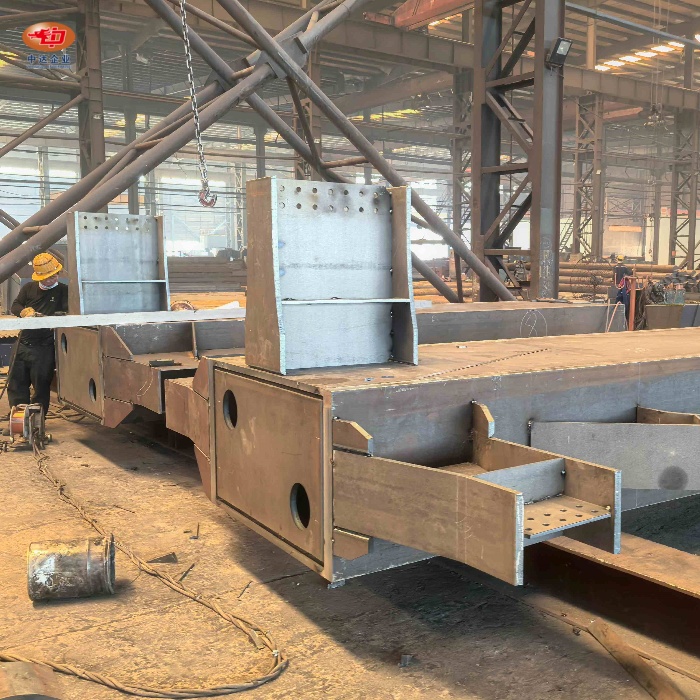
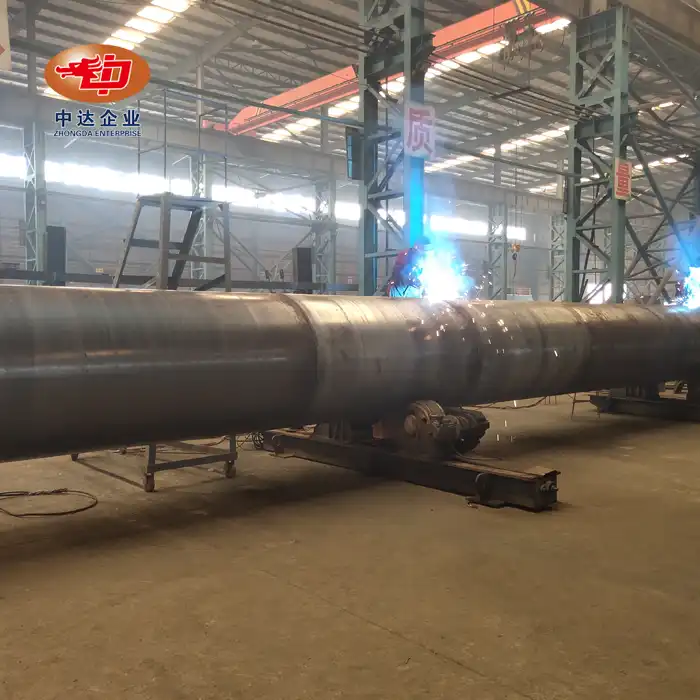
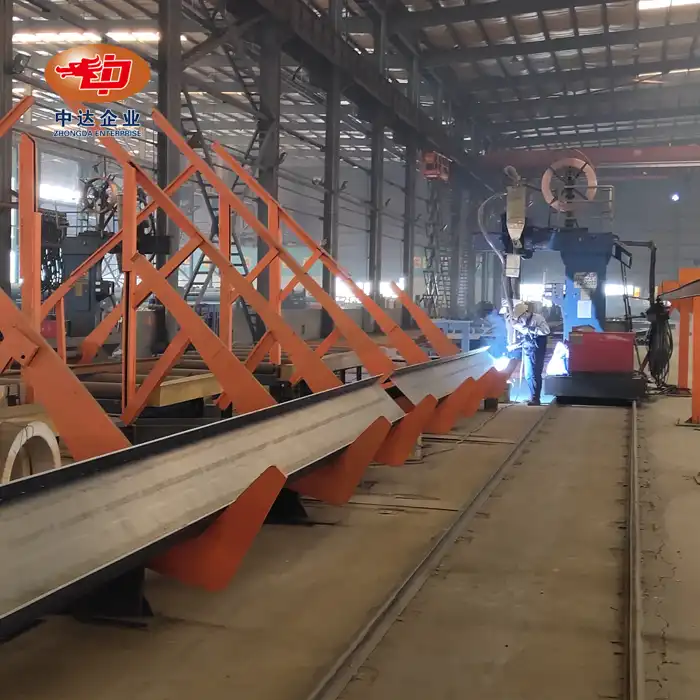
Modern manufacturing centers with CNC cutting, automatic welding, and thorough testing procedures produce high-quality goods while maximizing production efficiency. These modern production methods cut down on waste, improve accuracy in measurements, and make sure that the quality of the welds stays the same throughout the whole process. When businesses invest in automated systems, they can usually offer better products at lower prices.
Before parts are sent to building sites, they are checked for performance using a variety of quality control methods, such as non-destructive testing and structure analysis. These quality assurance methods find possible problems early on in the manufacturing process. This keeps expensive changes from having to be made in the field and makes sure that the structure is reliable. Putting money into quality control methods up front usually leads to lower repair costs and happier customers.
Innovations and Technologies Affecting Pricing
New technologies in steel production, manufacturing, and building are still changing how much things cost and making them work better. These new ideas often make it possible to lower the overall cost of a project while also improving its quality and reliability.
Advanced Monitoring and Inspection Systems
Full-bridge tracking systems with more than 200 sensors give real-time information on the health of structures that helps with planning preventative maintenance and making the best use of inspection plans. These tracking features help find problems before they become expensive to fix. This increases the service life and lowers the long-term upkeep costs. Even though these systems cost money to buy at first, they usually save a lot of money by improving upkeep schedules and finding problems early.
Digital tracking technologies for a steel arch bridge also give useful information for insurance and guarantee reasons, which could lower the cost of coverage by showing how well the structure is working and encouraging regular upkeep. Continuous performance data helps make maintenance choices based on facts and makes the best use of program resources for infrastructure management.
Sustainable Construction Practices
Environmental rules and companies' efforts to be more environmentally friendly affect the choices we make about materials and how we build things, which has an impact on both prices and where we stand in the market. Steel types that are good for the environment and manufacturing methods that don't harm the environment meet legal standards and may be eligible for green building benefits and better loan terms. These environmentally friendly methods might cost more at first, but they usually pay off in the long run by lowering the costs of environmental compliance and making the product more popular in the market.
Production methods that use less energy and materials that have been recovered help reach environmental goals and often save money by lowering the cost of materials and the cost of getting rid of trash. As sustainable infrastructure development becomes more important, it opens up market possibilities for providers who can show they care about the environment and offer low prices and good quality.
Maintenance and Lifecycle Cost Implications
In addition to the original building costs, long-term upkeep needs and operating issues have a big impact on the overall project economy. When you know about these things, you can do more accurate lifetime cost analysis and make better investment decisions for building assets.
Preventive Maintenance Strategies
Preventive maintenance and regular inspections can help find problems before they become big fixes, which lowers the costs of running a business in the long run. Modern rust protection systems need to be checked and fixed up every so often. These are small jobs that don't cost as much as big restoration projects. Setting up thorough upkeep plans during the planning phase will ensure that the building works at its best for as long as it is in use.
Long-term running costs are affected by features that make it easy to reach parts and make maintenance easier. These features lower review time and maintenance complexity. Modular component designs and uniform connection details make repair work more efficiently and cut down on the need for specialized tools. These planning factors can make up for slightly higher starting costs by saving a lot of money on running costs.
Warranty and Support Services
Full service covering and ongoing expert help for a steel arch bridge make infrastructure purchases more predictable financially and less risky. When suppliers offer long guarantee terms, it shows that they believe in their goods and protects customers from unexpected fix costs in the first few years of use. This guarantee coverage is especially useful for key infrastructure where service interruptions have big effects on the economy.
After-sales support services, such as expert advice and upkeep tips, help improve how things are used and make the product last longer. Most of the time, these support services are worth the extra cost because they improve the long-term performance of assets and lower operating threats. Having help from the maker also makes it easier to file service claims and get real new parts when they're needed.
Our Company and Solutions
Zhongda Steel Structure Engineering has become a leading maker of high-performance bridge solutions by constantly improving its products and working with companies around the world for many years. Our all-around method blends cutting-edge production skills with strict quality control to make steel arch bridges that go above and beyond industry standards and offer great value for money when investing in infrastructure.
Our Q420qE Steel Arch Bridge options use the most up-to-date building materials and methods to give you the best performance in tough situations. The pentagonal box arch rib design, which is 3.2m by 4.5m, makes the structure very efficient and effectively blocks wind up to 1.5kN/◡, so it can be used reliably in harsh conditions. Our stentless rotation building method lets us precisely set up 8,000-ton towers while cutting down on work time and traffic problems.
Quality control is still a big part of how we make things. We have strict testing procedures, such as 100% CTOD welding tests, that make sure the structure stays strong during the whole production process. Our advanced rust protection systems, which include 150μm aluminum spray coatings and fluorocarbon topcoats that meet GB/T 30790 C5M standards, make things last a very long time even in tough environments. These safety systems have a long service life and don't need much upkeep, which helps our clients get the best lifetime cost performance.
Our combined approach to project delivery includes helping with design, production, quality control, and fitting to make sure the project is finished successfully. This all-inclusive service approach makes planning easier and gives one person responsibility for the quality of the job and its completion on time. Our world experience includes successful projects in the Arctic, in mining, and on key infrastructure projects that show we can meet the needs of a wide range of clients.
Conclusion
The cost of steel arch bridges depends on many factors, including the quality of the materials, the technical needs, the building method, and the expected long-term performance. When procurement workers understand these factors, they can make choices that meet the needs of the project while balancing starting prices with lifetime value. Choosing the right suppliers, using the latest technologies, and making sure the quality is checked all play a part in achieving success and getting the most out of infrastructure assets.
FAQs
What are the main things that affect how much a bridge costs?
When building a steel arch bridge, the main things that affect the cost are the type of material used, how complicated the design is, how it is built, and how well it is checked for quality. Although premium materials like Q420qE steel are more expensive, they last longer and work better, which often makes the extra cost worth it because they require less upkeep and last longer.
How much do steel arch bridges cost compared to other kinds of bridges?
When it comes to cost, arch bridges are often better than suspension or cable-stayed options. This is especially true for medium to long spans, where their structural efficiency makes the best use of materials. Arch shape is naturally strong, so it can carry loads well while needing simpler base systems than other types of bridges.
How does the position of the provider affect the price?
The closeness of two locations has a big effect on the prices and dates of shipping, especially for big bridge parts that need special shipping plans. Local suppliers may have benefits like lower shipping costs and faster delivery, while foreign suppliers may have lower manufacturing costs that allow them to offer competitive prices.
Partner with Zhongda for Cost-Effective Steel Arch Bridge Solutions
Zhongda Steel Structure Engineering offers great value with our modern Q420qE steel arch bridge systems, which offer great performance at a reasonable price. We have a history of great projects all over the world, which shows that we can meet a wide range of building needs while keeping costs low. Email our team at Ava@zd-steels.com to talk about your unique project needs and find out how our experience as a steel arch bridge maker can help you get the best results from your building investments.
References
American Institute of Steel Construction. "Steel Bridge Design Handbook: Arch Bridges." AISC Publications, 2021.
Chen, W.F. and Lui, E.M. "Structural Steel Design: LRFD Method." CRC Press Engineering Series, 2020.
Federal Highway Administration. "Steel Bridge Fabrication Technologies and Inspection." FHWA Technical Report Series, 2022.
International Association for Bridge and Structural Engineering. "Cost Analysis Methods for Steel Infrastructure Projects." IABSE Congress Proceedings, 2021.
Johnson, R.P. and Anderson, D. "Designers' Guide to Steel Arch Bridge Construction." Thomas Telford Publications, 2020.
World Steel Association. "Steel Solutions in Infrastructure: Economic and Technical Analysis." WSA Research Report, 2022.
YOU MAY LIKE
_副本_1753167843741.webp "Steel Deck Arch Bridge")