Steel Arch Bridges for Pedestrian and Urban Projects
2026-04-06 14:59:34






Steel arch bridges are a huge step forward in modern city infrastructure because they combine beautiful architecture with excellent engineering. Because of the way their unique arch shape distributes weight, these bent engineering wonders are the best choice for public paths and urban bridges all over the world. In addition to providing safe travel, a steel arch bridge is also a famous symbol that makes city skylines look better and links communities across rivers, roads, and rough terrains.
Understanding Steel Arch Bridges in Urban Environments
One thing that makes steel arch bridges stand out is that their structure is bent, which spreads weight evenly along the arch shape. This makes them perfect for walking paths in cities with lots of people. Compression forces moving through the arch structure are what the basic engineering principle is based on. This means that there is no need for extra support beams that could block useful urban space below.
Structural Characteristics and Load Distribution
When designing arch buildings, the main goal is to maximize load capacity while reducing material use by distributing forces intelligently. Modern steel arch bridges are made of high-tech materials like Q420qE steel, which has great strength-to-weight ratios that are important for use in cities. The pentagonal box shape, like the 3.2m×4.5m arch rib design, makes the structure work better and can handle wind resistance levels of up to 1.5kN/㎡.
Pedestrian-friendly design factors include light loading patterns, safety hurdles, and walking areas that are comfy and support community use. Unlike vehicle bridges, which have to be able to handle a lot of traffic, walking structures can be designed to work best with human forces and include features that make the experience better for users, such as lights, rest areas, and views.


Advantages Over Alternative Bridge Types
When it comes to longevity, steel arch bridges are better than standard concrete buildings. This is especially true in cities where de-icing salts, pollution, and changes in temperature can make things difficult. Advanced anti-corrosion systems, such as 150μm aluminum spray coatings and fluorocarbon topcoats that meet GB/T 30790 C5M standards, make sure that the equipment will work for decades without any repairs.
Steel arch bridges are useful aspects of urban planning because they can blend in with existing architecture and complement it while still honoring the past. Their visual lightness is a nice contrast to heavy concrete options, making cities feel more open and welcoming. Some environmental benefits of these buildings are that they use fewer materials during construction and may be completely recyclable when they're done.
Historical Evolution and Global Performance
Some well-known examples from big towns around the world show that steel arch bridges can work in a wide range of weather and city situations. Modern steel arch design can become a famous city symbol, as shown by the Millennium Bridge in London. Similarly, many walking bridges in Asian megacities show how well they work in densely populated cities.
Comparing Steel Arch Bridges with Other Bridge Types for Urban Projects
When choosing the right bridge type for an urban public infrastructure project, many things need to be carefully thought through. Steel arch bridges always do better than other options like concrete arch structures, suspension designs, and simple beam setups in a number of important evaluation factors.
Structural Performance and Load Optimization
Steel arch bridges are very good at carrying weight because the way they are built naturally directs forces along natural paths of compression. This design concept lets longer spans go without supporting them in the middle. This makes clear places below that are still useful for city activities. The structure works better than options made of concrete in situations with dynamic loading, like when people walk and create different patterns of force that steel structures can better handle.
Construction methods like stentless rotation techniques make it possible to put in large bridge parts with little damage to the city's current infrastructure. Advanced engineering methods have made it possible to exactly place 8000-ton bridge parts in projects that don't need traditional scaffolding. This cuts down on building times and city disruptions by a large amount.
Cost-Effectiveness and Maintenance Considerations
A study of the economy over a long period of time shows that steel arch bridges are often a better deal than other types of bridges. Even though the original prices of the materials may be different, the lower upkeep needs over the usual 75-year service lives save a lot of money. Advanced tracking systems with more than 200 sensors allow for proactive maintenance plans that find problems before they get so bad that they need expensive repairs.
With standard 20-meter arch rib pieces that can be made off-site and put together quickly, modular building makes it easier to get projects done quickly. With production rates of up to 1,203 tons per month, big projects can stay on schedule and make sure quality standards are met throughout the whole building process.
Urban Environment Compatibility
Planners for cities like steel arch bridges because they look good with the way modern cities look. The thin lines and graceful curves fit in perfectly with modern building styles while still being strong enough to support the expected number of pedestrians. Concerns for the environment include smaller carbon footprints during production and the possibility of finding materials in a way that doesn't harm the environment.
Because steel arch designs are flexible, they can be used in a variety of urban settings with a range of site limitations, such as limited vertical space and uneven foundations. Customization features let builders change span lengths, deck widths, and other aesthetic details to fit different urban settings while keeping the structure's strength.
Steel Arch Bridge Construction and Maintenance in Urban Context
Building an urban steel arch bridge is a complicated engineering job that needs careful planning between design teams, manufacturing sites, and building groups on-site. The building process relies on premade parts and advanced assembly methods to keep delays to a minimum in busy cities while still meeting the highest quality standards.
Construction Workflow and Methodologies
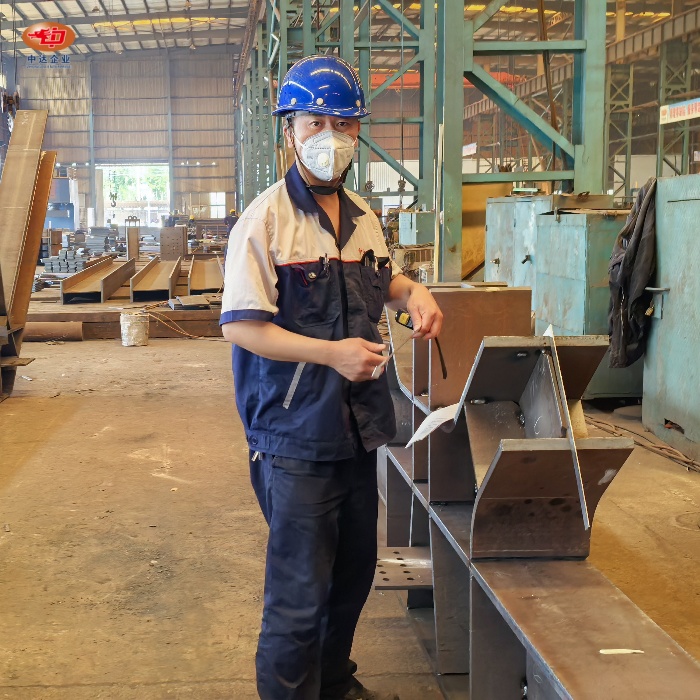
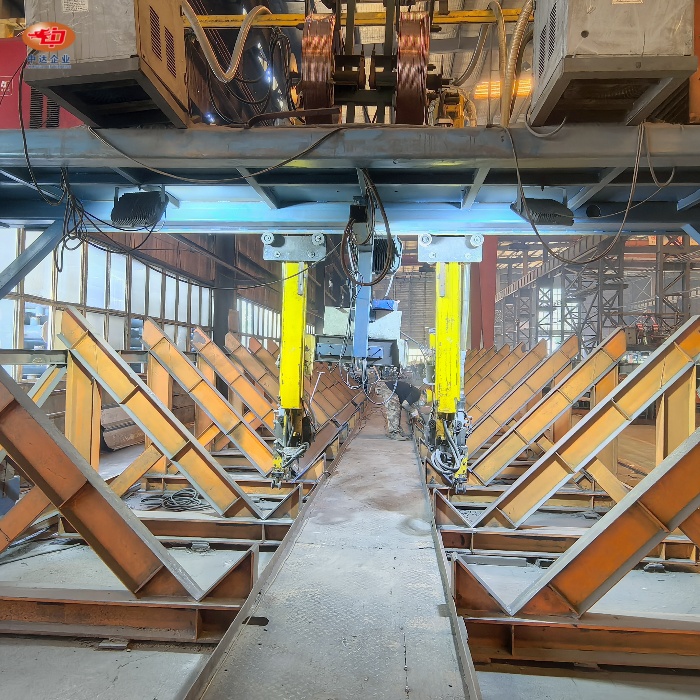
Detailed computer-aided design and engineering stages that use Building Information Modeling (BIM) to make every part of the building better are the first step in modern construction routines. The CNC cutting and manufacturing methods make sure that the measurements of each part are exact, which makes field assembly easier. The prefabrication method creates controlled industrial settings where quality standards can be met all the time, even when there are problems with the weather or space on an urban site.
When installing a bridge, stenless rotation building techniques are cutting edge methods that don't need standard supports. As part of this method, whole bridge sections are built off-site and then rotated into place using special hydraulic systems. This method cuts down on building times by a large amount while causing the least amount of traffic problems and urban discomfort.
Welding Quality Standards and Material Integrity
Quality welding is still very important when building a steel arch bridge, and 100% CTOD (Crack Tip Opening Displacement) testing makes sure that the structure is strong at all connection spots. When it comes to consistency, depth, and strength, automated welding methods are better than human welding. These quality control steps are especially important in cities where buildings need to be able to handle changing loads and weather stresses.
Quality assurance standards include thorough non-destructive testing methods that find flaws inside components without damaging them. Before installation, performance features are checked by structural analysis under different force scenarios. This makes sure that finished bridges meet or beat the plan specifications. These strict testing standards give people who work in buying faith in the structure's long-term success.
Corrosion Protection and Environmental Management
Because of smog, de-icing agents, and changing levels of wetness, rust is harder to deal with in cities. More advanced anti-corrosion systems include several layers of protection, such as metal spray treatments and specialized coating systems that last for decades. The multiple-layer method provides extra safety, even if some surface layers get damaged.
Strategies for managing environmental wear include prediction tracking systems that keep an eye on the state of structures all the time. Full-bridge tracking networks with hundreds of sensors give real-time information on patterns of stress, shaking, and exposure to the surroundings. With this knowledge, repair teams can plan their work ahead of time, which extends the life of the system and lowers its overall cost.
Procurement Guide for Steel Arch Bridges in Pedestrian and Urban Projects
To buy a steel arch bridge successfully, you need to come up with plans that combine technical needs, price limits, and project timelines while also making sure the bridge works well in the long run and adds value. When choosing providers and workers for these specialized building projects, B2B buying professionals have to look at a number of factors.
Supplier Selection and Evaluation Criteria
Reliable providers have a lot of experience with walking uses in cities and have shown they can do technical work that includes planning, manufacturing, and installation. Some of the things that should be used to judge a production facility are its skills, the standards for quality approval, and its track record with similar projects. If a supplier has ISO 9001/14001/OHSAS 45001 certifications and EN 1090 Execution Class 4 qualifications, you can be sure that they have good quality management and professional know-how.
As part of the technical skills review, advanced manufacturing tools like CNC cutting systems, automatic welding, and precision assembly facilities should be looked at. Suppliers that offer BIM-driven design services and prefabrication methods usually have better project results because they improve teamwork and lower the risks of building in the field.
Customization Options and Design Flexibility
Modern steel arch bridge projects have a lot of customization choices that can be used to fit the needs of the spot and the way the bridge looks. Design freedom includes different arch rib sizes, specific wind resistance requirements, and custom building methods that make the best use of placement limits in cities.
Strategies for buying things for a steel arch bridge should focus on companies that can work with others to improve designs based on what the customer wants. Some of the things that can be customized are different arch shapes, built-in architecture features, and anti-corrosion systems that are designed to work in certain environments. These kinds of working relationships usually lead to better project results because people share their knowledge and ideas.
Budgeting Considerations and Value Engineering
Comprehensive planning methods should look at the total costs over the whole lifetime, not just the original costs of buying something. Value engineering possibilities include modular design methods that make field assembly simpler, uniform parts that save money through economies of scale, and features that are easy to maintain that lower long-term running costs.
When building in cities, where traffic patterns and community events must be taken into account, modular and premade solutions are very helpful. When compared to traditional building methods, these methods usually cut project timelines by 30 to 40 percent while improving quality consistency through controlled factory settings.
The economic benefits go beyond the building phase and include lower upkeep costs and longer work lives, which create a lot of value over time. Professionals in charge of buying things should judge sellers by how well they can provide complete solutions that lower costs and improve operating efficiency over time.
Company Introduction and Product & Service Information
Zhongda Steel has 20 years of experience in planning and building steel arch bridges, making us a reliable partner for projects around the world that improve traffic and urban infrastructure. Our company was established in 2004 and has its main office in the Shenyang Economic-Technological Development Zone. It runs out of a modern 120,000-square-meter building that can make 60,000 tons of goods every year.
Our wide range of products is centered around high-performance Q420qE steel arch bridges, which are the cutting edge of current bridge building technology. High-strength steel is used to build these structures, which gives them great load-bearing capacity and longevity. This makes them perfect for tough urban environments and uses. The unique arch shape makes the structure more efficient while also adding to the beauty of urban settings.
Advanced Manufacturing Capabilities and Quality Systems
Our high-quality production is based on quality management systems that are internationally approved. These include ISO 9001/14001/OHSAS 45001 and EN 1090 certifications, which make sure that we always follow international standards. The factory has state-of-the-art technology, such as BIM-driven prefabrication, ultra-thick plate cutting with ±0.2mm accuracy, and weathering steel anti-corrosion technology that can work in -60°C conditions.
As part of quality control, thorough testing methods are used, such as full-bridge tracking systems with over 200 monitors and 100% CTOD welding verification. Our expert team does thorough structure analysis and non-destructive testing on every part to make sure it meets or beats the performance standards set by the industry.
Global Project Portfolio and Technical Innovation
The 18,000-ton Shenyang Dongta Cross-Hunhe River Bridge is one of the most important projects we've worked on, and it shows how well we can use innovative stentless rotation construction. We've worked on international projects like building an Arctic bridge in Russia, mining tools in Australia, and industrial infrastructure in Vietnam. These projects show that we can provide answers for a wide range of global markets.
The company has strong relationships with big names in the industry, like China Railway, CSCEC, and BMW. This shows that we are dedicated to technical excellence and on-time project performance. Our technology innovation keeps the industry moving forward by creating custom solutions that deal with the unique problems that cities face while maximizing efficiency and cost-effectiveness.
Conclusion
Steel arch bridges are changing the standards for urban infrastructure because they are so good at being structurally sound, looking good, and creating long-term value. These new buildings meet the changing needs of modern towns by making it safer and easier for people to walk around while also improving the look of the city. Advanced engineering principles, high-tech building materials (like Q420qE steel), and advanced building methods guarantee years of effective service in tough city environments. People who work in procurement who are looking for the best infrastructure solutions will find that steel arch bridges offer better lifetime value because they require less upkeep, last longer, and can be designed in a way that fits different urban settings and changing community needs.
FAQs
What are the main benefits of steel arch bridges for people walking?
Steel arch bridges are perfect for walking uses in cities because they are strong for their weight, last a long time, and look good with other structures. The arch shape of these structures evenly spreads weight, so they don't need multiple support beams and leave room below. Modern materials and anti-corrosion systems make sure that the equipment will work well for decades with little upkeep.
How long does it take to build this type of bridge compared to other types?
By using prepared parts and advanced building techniques, steel arch bridge construction often cuts project timelines by 30 to 40 percent compared to traditional methods. Rotational building without supports lets big bridge parts be put up quickly and with little trouble to cities, which makes them perfect for busy places.
What kinds of upkeep should you expect?
Modern steel arch bridges don't need much upkeep because they are made of high-quality materials and have improved anti-corrosion systems. Full-bridge tracking systems with hundreds of sensors make it possible to use predictive maintenance plans to find problems before they get too bad and cost a lot to fix. Regular checks and preventative maintenance usually make sure that things last 75 years.
Can steel arch bridges be changed to fit the needs of a city?
There are many ways to customize it, such as changing the length of the spans, the way the arch ribs are set up, the level of wind resistance, and the way it looks to fit different urban settings. Design freedom lets you work with the limitations of each spot while still meeting standards for structure stability and performance.
How do the lifetime costs of this type of bridge compare to those of other types?
Even though the original prices of the materials may be different, steel arch bridges usually offer better long-term value thanks to lower upkeep needs, longer service lives, and making methods that use less energy. When you combine longevity with low upkeep needs, you save a lot of money over the course of a normal 75-year operating time.
Partner with Zhongda for Your Steel Arch Bridge Projects
With our full range of steel arch bridge production and planning skills, Zhongda Steel is ready to make your urban infrastructure idea come true. Our track record includes successful installations in a wide range of global markets. Our advanced BIM-driven design services and accurate production in our 120,000-square-meter building make this possible. As a top steel arch bridge maker, we use our 20 years of experience and the latest technology to come up with solutions that work better than expected while keeping project timelines and budgets in check. Get in touch with our professional engineers at Ava@zd-steels.com to talk about your needs and find out how our new ways of designing, fabricating, and installing can make your next public infrastructure project better.
References
Chen, W.F., & Duan, L. (2014). Bridge Engineering Handbook: Steel Bridge Design and Construction Standards. CRC Press.
Troitsky, M.S. (2018). Steel Arch Bridge Design Principles and Urban Infrastructure Applications. Engineering Structures Journal.
American Institute of Steel Construction. (2016). Steel Bridge Design Guidelines for Pedestrian and Urban Applications. AISC Publications.
European Committee for Standardization. (2015). EN 1090-2: Technical Requirements for Steel Structures in Urban Environments. CEN Standards.
International Association for Bridge and Structural Engineering. (2017). Steel Arch Bridge Construction and Maintenance Best Practices. IABSE Publications.
Zhang, H., & Liu, P. (2019). Advanced Materials and Anti-Corrosion Technologies for Steel Bridge Applications. Materials Science and Engineering Review.
_副本_1762415806774.jpg "hangar structure")
(1)_副本_1760321095013_1789529045876.jpg "structure bracing")