
Why Steel Workshop is the Best Choice for Modern Manufacturing?
2026-08-10 17:28:20






Manufacturers today are under more and more pressure to cut costs, speed up production processes, and respond quickly to changes in the market. A steel workshop takes on these problems head-on by providing unmatched structural flexibility, quick setup, and long-term resilience. Traditional concrete buildings need months of base work and drying, but prefabricated steel buildings can be put up in weeks, so businesses can start running faster. Building Information Modeling (BIM) and precision fabrication have come a long way, and now steel buildings can easily work with automatic production lines, overhead crane systems, and environmental control technologies that are necessary to be successful in Industry 4.0.
Understanding the Core Advantages of Steel Workshops in Modern Manufacturing
What Defines a Modern Steel Workshop?
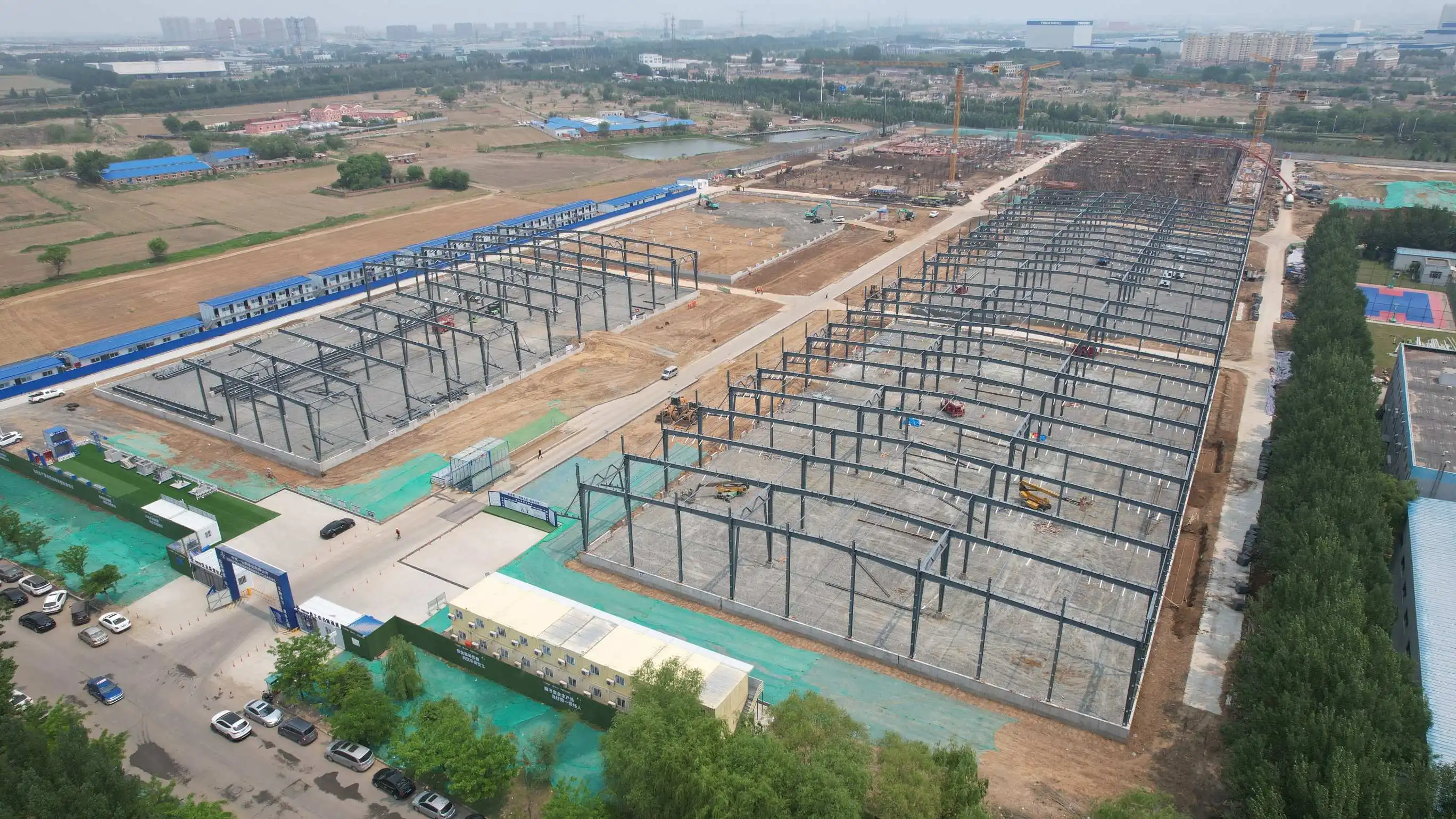
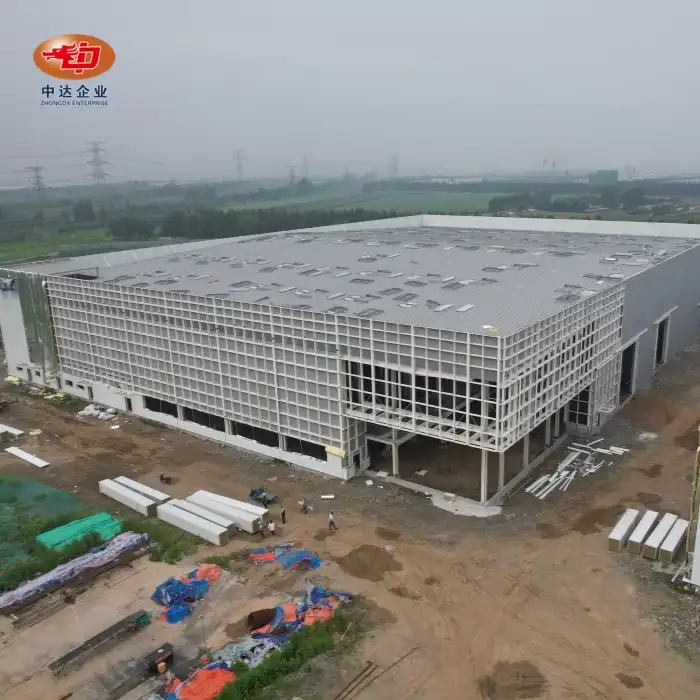
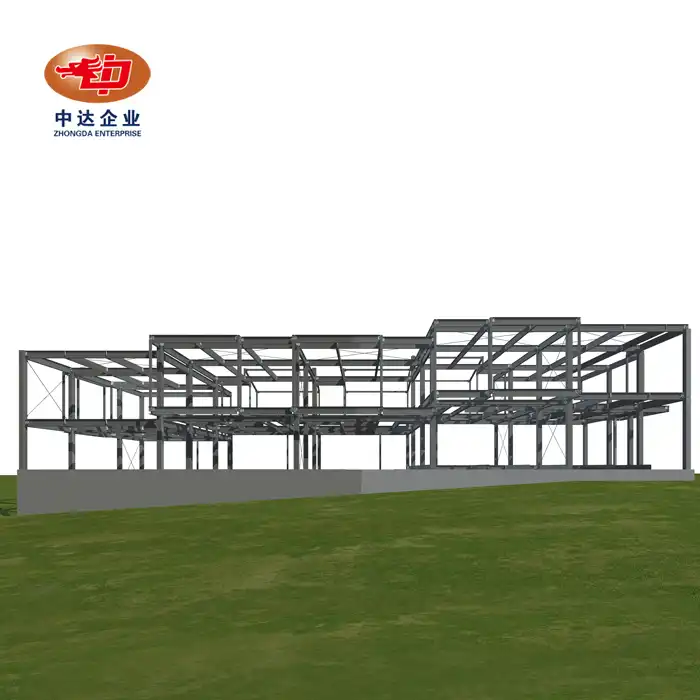
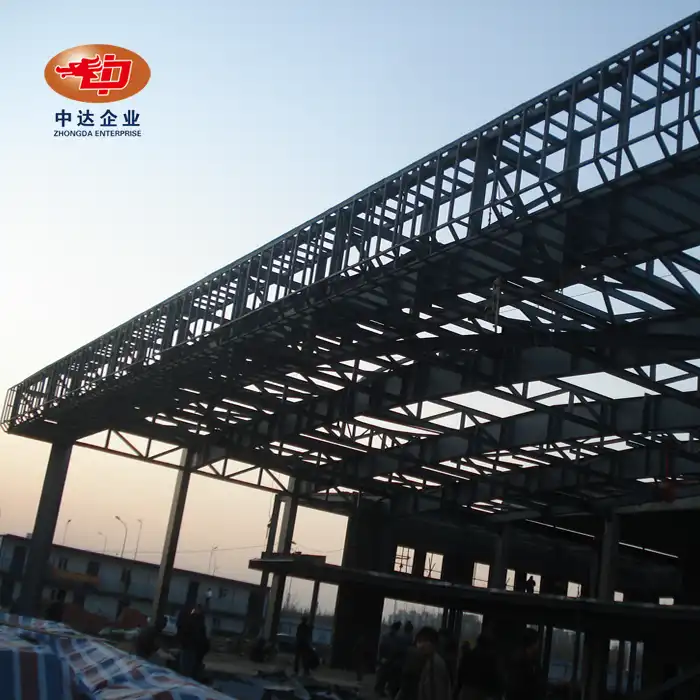
These days, a steel workshop is more than just a place to store tools. It's a built environment made to support complicated manufacturing processes, like putting together cars or doing biotech research. High-quality building materials, like Q235 and Q345 steel, are used in these sites. The materials were chosen based on load estimates and operational needs. The structure system usually has portal frames or truss designs, which let clear spans of 12 to 36 meters go without any middle poles. Large machines can fit on this open floor plan, which also makes it easier for materials to flow and lets the layout be changed easily as production needs change.
Durability That Withstands Decades of Heavy Use
Steel buildings that are designed with the right anti-corrosion processes, like hot-dip galvanizing with zinc coatings that are more than 600g/m², can last more than 50 years. This long life is especially useful in harsh settings, like seaside areas where salt air can corrode metals or industrial areas where chemicals are present. Because steel is naturally strong for its weight, foundations made of steel need less digging and fewer materials than foundations made of concrete. This lowers the cost of building and the damage to the environment. Installations of heavy machinery, like bridge cranes that can hold 10 to 100 tons, can be held up by strengthened runway beams and bracket links that are made to handle both dynamic and fatigue loads.
Scalability to Grow With Your Business
Manufacturing plants don't stay the same for long. As markets grow, product lines diversify, and technology gets better, infrastructure needs to be able to adjust. Modular steel construction lets buildings grow both horizontally and vertically with little effect on current activities. By lengthening the current frame, you can add more bays, and mezzanine levels make the most of vertical room for offices, quality control labs, or storage. With this flexibility, you don't have to worry about the expensive problem of outgrowing a building and having to move everything, which can happen with hard concrete structures.
Precision Engineering Reduces Defects and Downtime
When factory-made steel parts get to the job site, they have errors of as little as ±0.2mm, which makes sure that they are lined up correctly during assembly. This level of accuracy makes it easier to set up production equipment, conveyor systems, and service infrastructure. Less welding and cutting on-site cuts down on delays in building caused by bad weather or a lack of workers. Manufacturers gain from knowing when projects will be finished, which makes it easier to plan when to buy tools, train workers, and put products on the market.
Essential Elements That Make Steel Workshops Ideal for B2B Procurement
Critical Equipment and Tooling Requirements
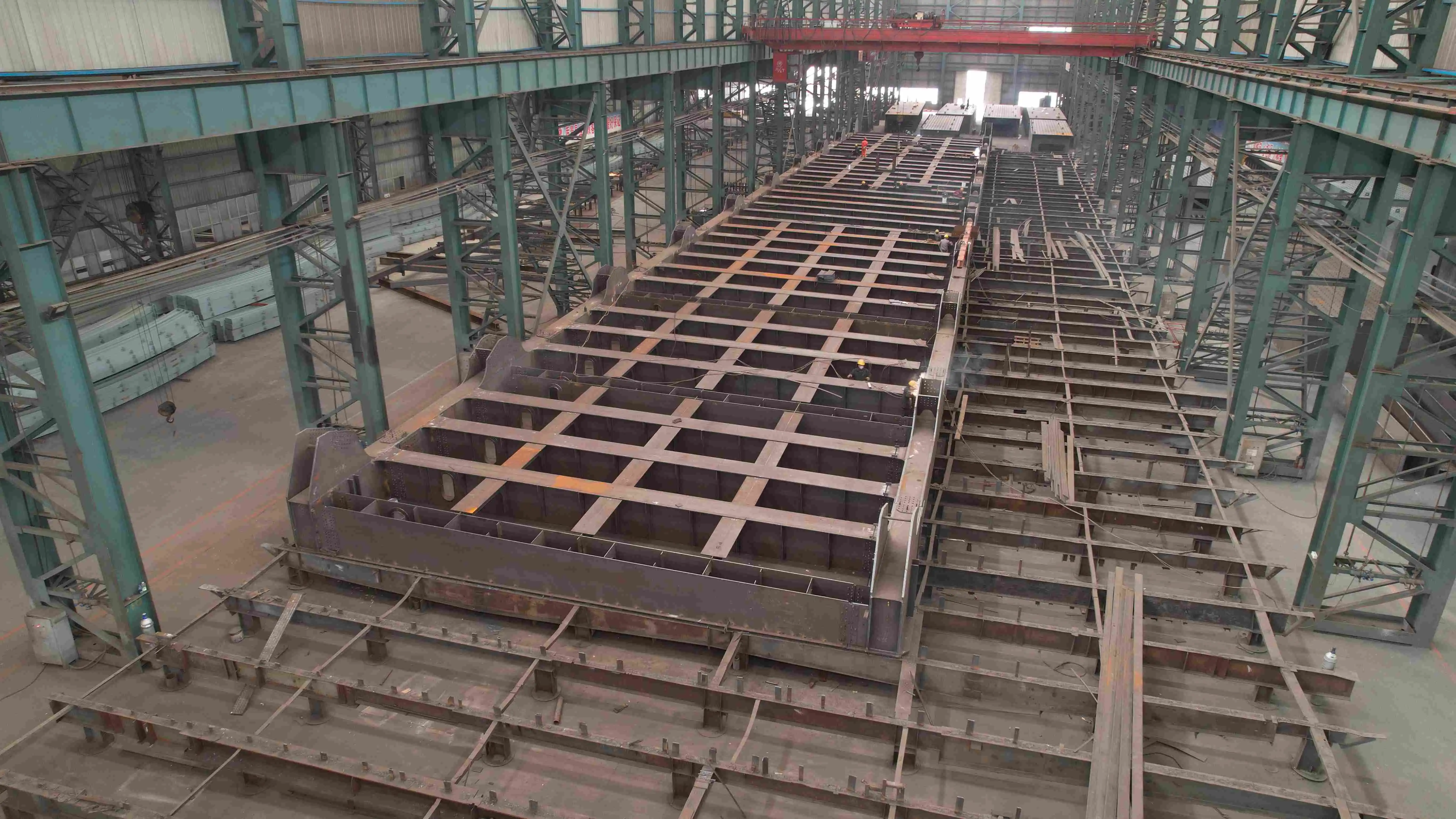
More than just upfront costs need to be thought about when choosing the right technology partner. People who work in procurement have to look at how reliable the seller will be in the long term, how skilled they are, and how committed they are to providing help after the sale. Integrated methods for cutting, welding, surface treatment, and quality inspection are needed for a steel workshop plant to work properly. Plasma and laser cutting tools that are very advanced can accurately cut thick plates. Robotic arms in automated welding stations make sure that all joints are of the same quality, which cuts down on human mistake and improves the strength of the structure. Protective coatings that meet international standards for rust protection are put on surface treatment lines. These include polymeric coatings made especially for harsh chemical environments.
Safety Protocols and Maintenance Best Practices
Accidents at work have terrible effects on both people and businesses. When steel workshops are built correctly, they include safety features like enough air to get rid of welding fumes, carefully placed emergency exits, and clearly marked areas for moving materials. Crane parts, structural joints, and electrical systems must be inspected regularly as part of maintenance plans. Regular repair keeps things running smoothly and stops them from breaking down without warning, which can mess up production plans and make customers lose faith in the company.
Supplier Selection Criteria for Long-Term Success
It takes a lot of research to find a good steel frame maker. Important factors for review are:
- Certification and Compliance: Check the ISO 9001 quality management, ISO 14001 environmental management, and OHSAS 45001 workplace health standards to make sure they are valid. EN 1090 approval makes sure that European structural steel standards are met, which is very important for companies that want to sell their products abroad.
- Technical Capability: Find out how big the supplier's engineering team is, how well they know how to use design tools like AutoCAD, Tekla Structures, and SolidWorks, and how much experience they have with projects that are similar to yours in size and complexity.
- Production Capacity: The annual output capacity shows how much the business can grow. A company that makes 40,000 to 60,000 tons of goods a year shows that it has the means to handle big orders without affecting delivery times.
- Global Project Portfolio: Working on projects in a range of temperatures and governmental settings, from Arctic bridges to tropical stores, shows that you can change and solve problems well.
Suppliers you can rely on offer full support after the delivery, such as overseeing the installation, teaching operators, and quick guarantee service. This partnership method cuts down on problems after building and speeds up the time it takes to be ready for use.
Designing and Setting Up a Steel Workshop for Optimal Manufacturing Performance
Layout Planning Principles for Maximum Efficiency
To create a steel workshop that works well, you must first understand how things are made and how they move. To help workers focus and make better products, functional zoning removes activities that don't go together, like pressing operations that make a lot of noise from areas where small parts are put together carefully. Wide aisles make it easy for forklifts and emergency vehicles to get through, and clearly marked storage areas keep things moving smoothly when raw materials are delivered and finished goods are staged. Usually, eave heights are between 6 and 12 meters. This gives room for overhead cranes and vertical storage racks and makes it possible to add mezzanines or dust collection ducts in the future.
Environmental Controls That Protect Products and Personnel
Managing air quality, humidity, and temperature all have a direct effect on how well a product is made. To keep sensitive parts from getting contaminated by particles, electronics assembly must follow strict cleanliness standards (ISO 14644 Class 7 or 8). Pharmaceutical and food processing plants need sealed boxes with systems that use positive pressure to keep out contaminants. Having enough lighting, like natural light coming in through transparent roof panels and extra LED lights, makes inspections more accurate and less tiring on the eyes. Acoustic insulation panels and other noise-attenuation methods are safe for hearing health and meet OSHA guidelines.
Step-by-Step Setup Guide for B2B Clients
Starting up a new steel workshop includes a series of well-planned steps:
- Requirement Analysis: Talk to people who have a stake in the project, like production managers, safety officers, and building engineers, to write down information about the size of the equipment, the crane's weight limit, energy loads, and plans for future growth.
- Custom Engineering: Work with the supplier's design team to make thorough drawings that meet local building rules, earthquake requirements, and wind load estimates that meet ASCE 7-16 standards.
- Foundation Preparation: Steel parts are made off-site, but work is still being done on-site at the same time, such as digging the foundation, putting in utility trenches, and installing anchor bolts according to approved foundation plans.
- Delivery and Erection: Parts are sent to you already cut, drilled, and numbered so they can be put together quickly. Depending on the size of the job, experienced construction crews usually finish installing roof and wall panels, secondary purlins, and structural framing within 4 to 8 weeks.
- MEP Integration: Electrical, plumbing, and HVAC workers install systems that are in line with the plan of the structure. This makes sure that the placement of equipment doesn't weaken the structure.
- Commissioning and Training: Test cranes for weight, make sure fire control systems work, and teach building staff how to safely use and maintain equipment.
Common Pitfalls and How to Avoid Them
Underestimating how much a crane will need is one of the worst mistakes you can make. Adding crane support after the building is done requires a lot of work to the base and columns. Always include your crane needs, including any future capacity improvements, in the initial plan. When insulation isn't good enough, heating and cooling costs go up and humidity issues happen, which damages kept items. Choose the right insulation for the climate: rockwool is good for keeping out fires, polyurethane keeps heat in, and fiberglass is good for low-cost projects. Not meeting the deadlines for local permits can delay the start of a project by months. Talk to local officials early on to learn about zoning limits, environmental impact assessments, and how to connect utilities.
Comparing Steel Workshops With Alternative Solutions: Why It Stands Out
Steel Versus Concrete: A Cost and Timeline Analysis
Concrete building is great for keeping heat in and noise out, but it takes a long time to cure and requires a lot of work. Steel buildings cut down on construction time by 30 to 50 percent, which speeds up the process of making money. Foundation costs are much lower with steel because it weighs about 30 to 50 percent less than concrete alternatives. It is hard to add on to or change the layout of a concrete building, but it is easier to make changes to a steel workshop because the links are bolted together. In terms of life-cycle costs, steel's ability to be recycled keeps its value after it's been used up, while concrete that has been torn down ends up in a dump.
Workshop Capabilities: Manual vs. Automated
Skilled craftsmen are needed in manual steel workplaces to do jobs like cutting, welding, and putting things together. This method works well for small-scale custom creation, but it's not great for high-volume production or repeatable needs. Automated facilities use CNC machines, robotic welding, and ERP systems that are combined to make things more consistent and get things done faster. Hybrid setups, which combine automatic rough cutting with finishing by hand, are good for medium- to high-volume production. IoT devices that are connected to Industry 4.0 allow for predictive maintenance, quality tracking in real time, and process improvement based on data.
Emerging Trends Shaping Workshop Technology
Digital twin technology makes virtual copies of real workshops. This lets you try out plan changes, new equipment, and better processes before spending real money on them. Cloud-based project management tools make it easier for teams in different places to work together, from design engineers to installation workers. As companies try to get LEED approval and reach their carbon neutrality goals, they focus more on environmentally friendly practices. Steel's ability to be remade and its ability to contain recycled content are in line with these goals. Improvements in prefabrication, like bathroom pods and mechanical rooms that are put together off-site, make building plans even shorter.
Procuring Steel Workshop Equipment and Services: Best Practices for B2B Buyers
Key Criteria for Evaluating Suppliers
In addition to technical specs, use these other criteria to judge suppliers. Financial Stability: Look at the supplier's annual reports, credit scores, and bonding capacity to make sure they can meet their responsibilities and keep the project running smoothly. Communication Infrastructure: Support staff who speak more than one language, quick customer service lines, and clear project tracking tools keep everyone on the same page and avoid misunderstandings and delays. Customization: Products from rigid catalogs don't usually meet the specific needs of manufacturers. Look for providers that offer full OEM/ODM services so that plans can be changed to fit different production methods. Warranty and Service Network: Full contracts that cover steel workshop structure stability, coating performance, and motor systems show that you trust the quality of the product.
Lease Versus Purchase Analysis
Capital-intensive projects put a strain on budgets, which makes equipment rental a possibility. Leasing keeps operating capital for investments in the heart of the business and transfers the risk of obsolescence to the lessors. Long-term ownership, on the other hand, is more cost-effective for fixed buildings that are used regularly. When you buy the structure shell and rent the specialized tools, you get the best of both worlds: freedom and cost control.
Introducing Zhongda's Comprehensive Workshop Solutions
Since 2004, Shenyang Zhongda Steel Structure Engineering Co., Ltd. has helped steel workshops on six countries find the right answers for their needs. Over 100 engineers and technical specialists work in our 120,000 m² production center. They are skilled in BIM-driven design and precise fabrication. We use cutting-edge -60°C Weathering Steel Anti-corrosion Technology to make sure that structures stay strong in harsh environments, from mine sites in Siberia to petrochemical plants on the Gulf Coast. Our ability to cut through very thick plates keeps limits of ±0.2mm, which is important for making crane runway beams and complicated joint systems. Our business includes auto assembly plants, automated transportation hubs, and green energy facilities. China Railway, CSCEC, and BMW have all put their trust in us. We offer "turnkey" services that include planning, fabrication, shipping, installation supervision, and ongoing technical support. This makes sure that the project goes smoothly and that the business is successful in the long run.
Conclusion
Steel workshops are the best way for modern makers to deal with the pressures of competition and fast technology change. When it comes to structural strength, speed of building, freedom in space, and life-cycle cost efficiency, they are better than standard options. Results will be good if you carefully choose experienced sellers with technical know-how, quality certifications, and global project knowledge. Steel structures give manufacturers the flexibility and efficiency they need when they are building a new production center, increasing the capacity of an existing one, or updating old infrastructure. Businesses can keep growing and doing great work in fast-paced industrial markets if they plan ahead, make smart decisions about what to buy, and work with trustworthy makers.
FAQ
What is the typical design service life of a steel workshop?
With regular upkeep and an anti-corrosion treatment like hot-dip galvanizing, the frame of the building is meant to last more than 50 years, which is the minimum requirement for fixed buildings. Regular checks and reapplication of protective coatings make things last even longer for a steel workshop.
How does the structure handle heavy snow or wind loads?
During the design process, local math codes like ASCE 7-16 are used to make sure that the H-beams and purlins are the right size for snow loads and wind speeds of up to 280 km/h in the area. Side forces are transferred to the base by wind bracing and doorway rigid frames. This keeps the building stable.
Can a steel workshop support an overhead crane later if not originally planned?
It's hard and expensive to add crane support after the fact. Heavy loads from cranes put a lot of stress on the structure's supports, foundations, and runway beams, so they need to be pre-engineered. To avoid expensive structure strengthening, you should always include crane needs in the initial design.
How is thermal insulation managed in the workshop?
Insulation works well with composite sandwich panels that have bases made of rockwool, polyurethane, or glass wool. Rockwool is better at preventing fires (Class A noncombustible), while polyurethane is better at keeping heat in and cold air out, which lowers heating and cooling costs.
Partner With Zhongda for Your Next Steel Workshop Project
Zhongda provides high-quality engineering through approved production methods and 20 years of experience working on projects around the world. As a top steel workshop maker, we use advanced BIM design and precise manufacturing to make sure that we meet all of your needs, from 12-meter clear spans for small facilities to 36-meter clear spans for large industrial plants. Our First-Class Steel Structure Engineering Qualification and ISO certifications make sure that quality is maintained at all times, and our helpful after-sales team makes sure that your building works perfectly for many years to come. Email our experts at Ava@zd-steels.com to talk about your needs and get a thorough estimate that fits your production goals. Find out how our custom steel workshop options can help you get into the market faster and lower your total cost of ownership.
References
American Institute of Steel Construction (AISC), "Design Guide 7: Industrial Buildings - Roofs to Anchor Rods," 2nd Edition, Chicago, 2018.
Zhao, X.L., and Zhang, L., "Steel Structures for Industrial Buildings: Design, Fabrication and Erection," Journal of Constructional Steel Research, Vol. 162, 2019.
European Convention for Constructional Steelwork (ECCS), "Pre-engineered Buildings: Design and Construction Guidelines," Publication No. 135, Brussels, 2017.
Chen, W.F., and Lui, E.M., "Handbook of Structural Engineering," 2nd Edition, CRC Press, Boca Raton, 2005.
Building and Construction Authority Singapore, "Code of Practice for the Use of Steel in Building Construction," Technical Standards, Singapore, 2020.
International Organization for Standardization, "ISO 14644: Cleanrooms and Controlled Environments - Application to Industrial and Commercial Facilities," Geneva, 2019.
YOU MAY LIKE
_副本_1754115287719.jpg "Galvanized Steel Column")
_副本_1754121416739.jpg "Prefabricated Steel Structure Stadium")
_1746262121950.webp "Floating Platform Pontoon Module")