Exploring Steel Cable-Stayed Bridges: Innovation and Functionality
2026-08-10 17:28:16






Modern infrastructure needs buildings that are strong, beautiful, and able to make money. Steel cable-stayed bridges have become revolutionary in the world of building. They use steel cables that are attached directly to pylons to hold bridge decks effectively. Loads are spread out by this design's wire tension instead of bending, which makes it possible for longer lengths while using less material. The cable-stayed method is different from traditional bridge configurations because it requires fewer foundations and shorter building times. These are important factors for projects in the commercial, industrial, and infrastructure sectors that need to be built quickly and on a budget.
Understanding Steel Cable-Stayed Bridges: Structure and Functionality
The Mechanics of Load Distribution
A complex tension system controls how loads are spread out in buildings that are held up by cables. Steel cables run from one or more pylons to several locations on the deck. These cables directly transfer static and dynamic loads to the tower supports. Compared to suspension bridges, this system makes the bridge very stiff while still being able to bend to handle temperature changes and earthquakes. Modern towers are made of Q420qE steel, which has yield strengths higher than 420 MPa. This is needed so that the structure can resist the combined forces of traffic, wind, and environmental pressures without breaking.
Critical Components: Cables and Pylons
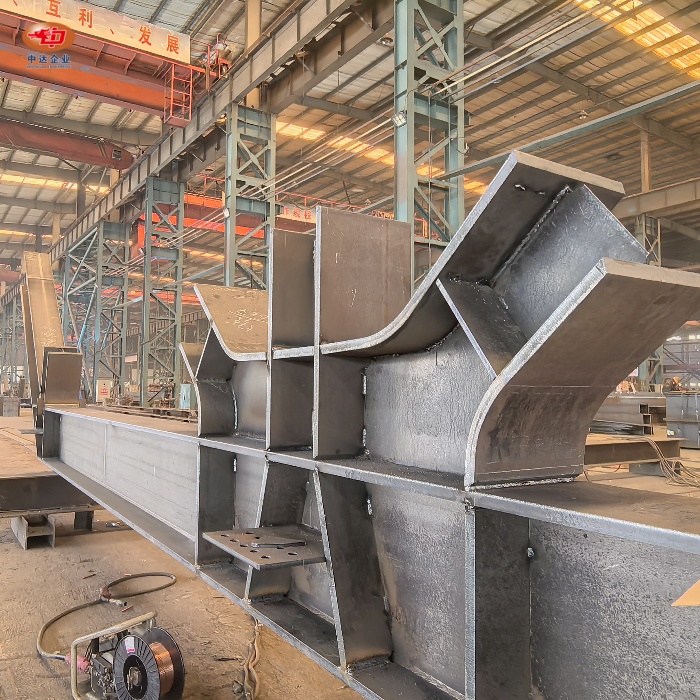
Cable-stayed devices are only reliable when they have high-performance parts. When used with Φ7mm galvanized steel wires that meet EN 10138 standards, the OVM250 mooring system guarantees the highest tensile strength and resistance to wear. Pylon design needs accuracy. Cable towers made from 60–120mm Q420qE plates keep their vertical accuracy within a 1/4000 error range, which is checked by 3D coordinate detection systems that use 0.5-inch total stations. This level of accuracy stops uneven load distribution that could speed up the wear and tear on materials or lower safety margins during busy operating conditions.
Comparative Advantages Over Traditional Bridge Types
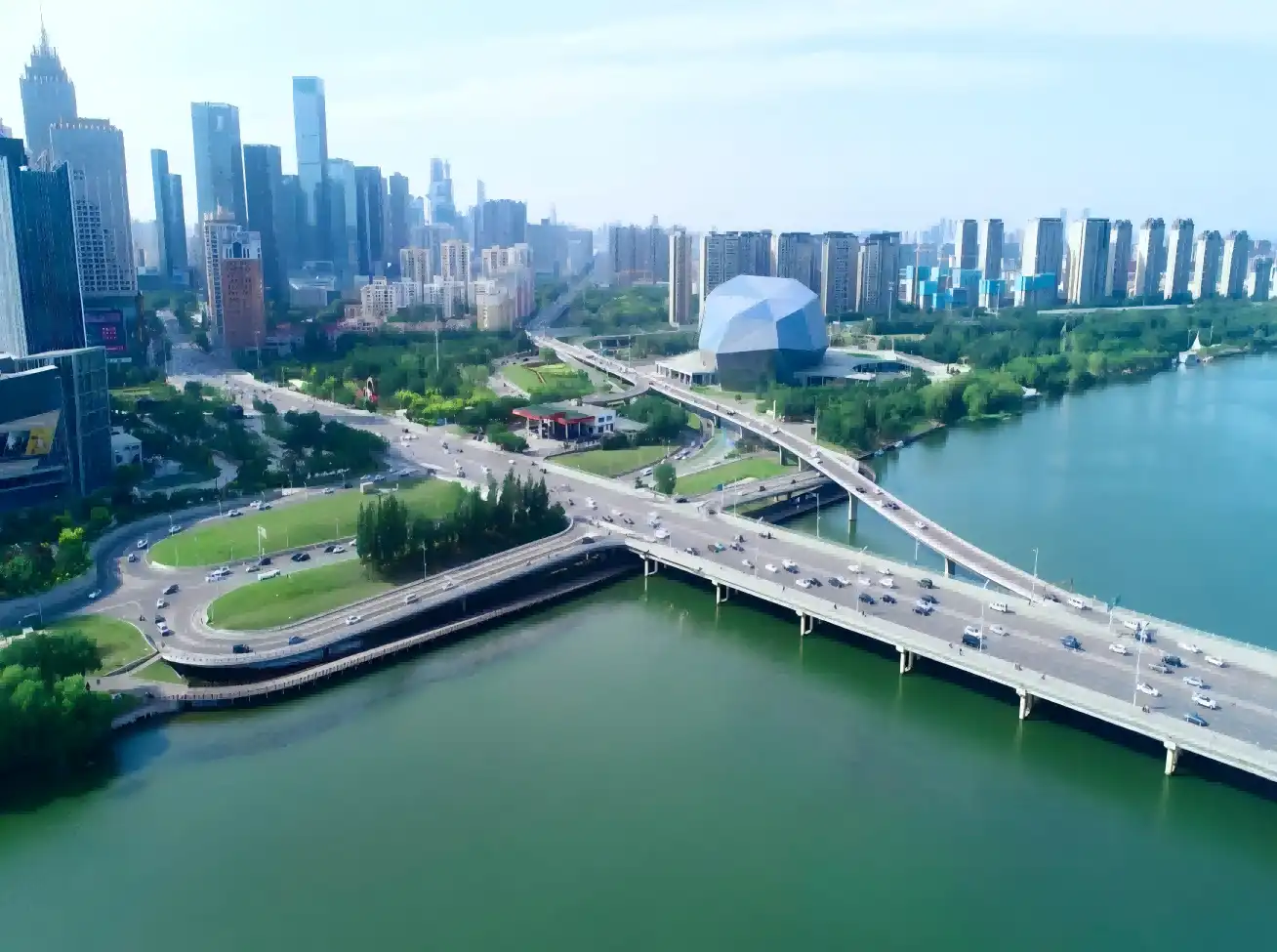
When comparing cable-stayed designs to suspension, beam, arch, and truss layouts, they offer clear buying benefits. Beam bridges need a lot of supports in between the beams, which raises the cost of buying land and has an effect on the environment. Arch bridges need complicated molds and long drying times. Huge grounding blocks and longer building plans are needed for suspension bridges. Cable-stayed alternatives cut down on the amount of material needed by 20–30%, shorten project timelines by a lot, and allow for flexible span configurations ranging from 200 to 800 meters with either single or double-cable plane arrangements. This makes them ideal for a wide range of commercial, infrastructure, and industrial projects.
Innovation and Advances Driving Steel Cable-Stayed Bridge Adoption
Engineering Breakthroughs in Material Science
New materials have completely changed how well steel cable-stayed bridges work. Advanced rust protection systems with polyethylene outer sheaths and graphene-enhanced inner layers offer UV resistance for more than 50 years, which greatly lowers the costs of upkeep over the course of the system's lifetime. Structures near the coast, in industrial areas with chemical exposure, or in places where temperatures change a lot will benefit the most from this technology. Adding weathering steel formulations makes structures last longer by keeping their structural properties even in difficult temperatures as cold as -60°C. This is important for mining operations, Arctic logistics routes, and heavy-industry facilities that need to be able to be accessed without interruption.
Construction Technology and Efficiency Gains
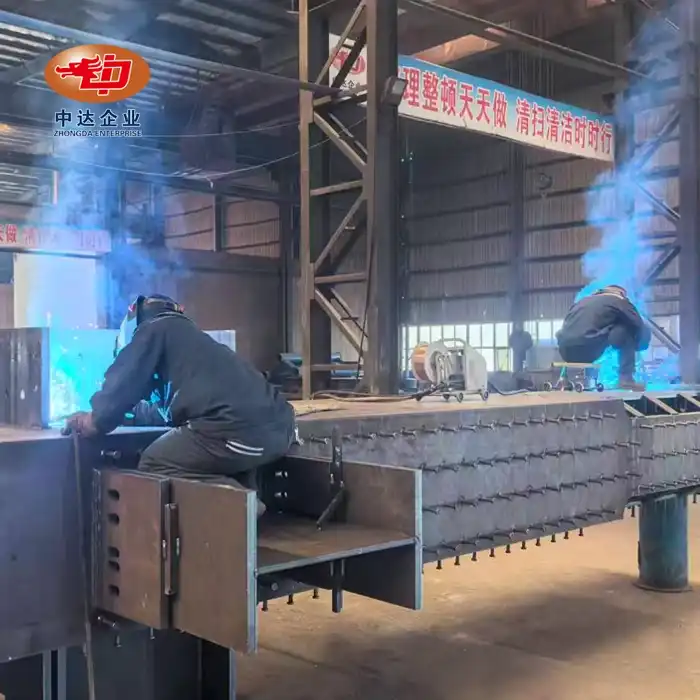
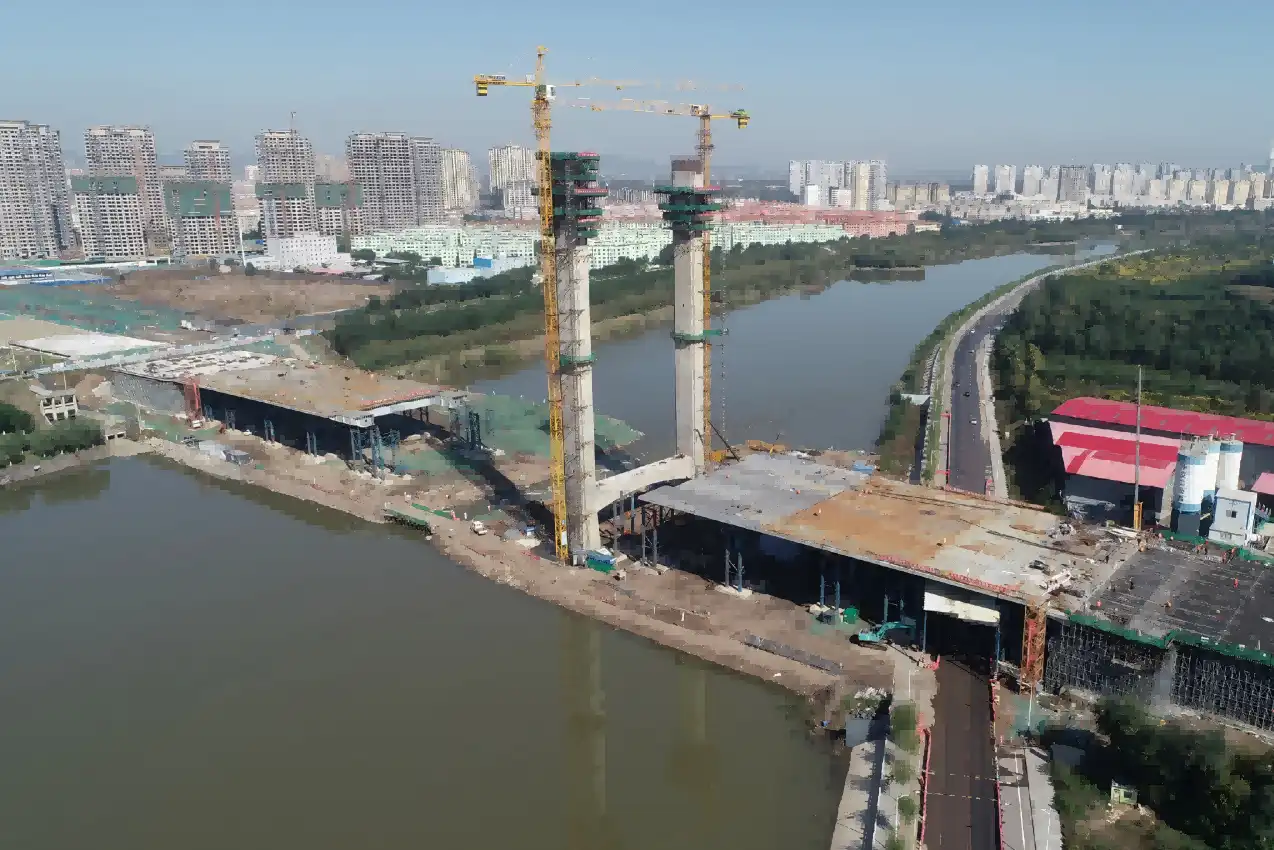
Digital planning methods based on BIM have changed how efficiently projects are carried out. Three-dimensional models lets everyone involved see how the cables will be routed, find interference points, and improve the order of manufacturing steps before the materials are bought. Compared to traditional ways, this method gets rid of the need for expensive field changes and cuts wait times by 20 to 30 percent. CNC cutting technology makes sure that the accuracy of ultra-thick plates is within ±0.2mm, which lets tower pieces and deck components fit together without any problems. Automated welding systems make sure that the quality of thousands of links stays the same, meeting strict AWS and JIS standards while speeding up installation times on-site.
Here are the core benefits driving adoption across multiple industries:
- Extended Span Capabilities: Main spans can be anywhere from 200 to 800 meters without the need for intermediate supports. This makes them perfect for crossing rivers, port facilities, and industrial park links where clear space is needed.
- Seismic Resilience: LRB800 isolation bearings lower seismic reaction by up to 40%, protecting the structure during seismic events. This is especially helpful for infrastructure projects in areas that are prone to earthquakes or for buildings that house sensitive industrial equipment.
- Aesthetic Integration: The streamlined cable topology makes recognizable shapes that improve the look of cities while lowering wind resistance coefficients, which improves structure performance and is in line with goals for sustainable development.
- Cost Optimization: Less base work and shorter building times lower the overall project costs by 15–25% compared to other designs. This frees up money that can be used to upgrade equipment, expand the facility, or make operational changes.
These benefits directly meet the needs of EPC contractors, government engineering teams, and private developers who want to build structures that balance performance, price limits, and faster delivery times.
Key Challenges and Solutions in Steel Cable-Stayed Bridge Projects
Dynamic Load Management Strategies
Managing changing loads in steel cable-stayed bridge caused by things like traffic, wind, and temperature needs advanced engineering methods. Changing the strain of the cables during the building process makes sure that the load is evenly spread across all of the stay elements. Real-time tracking systems can find unusual stress levels so that they can be fixed before they cause damage from tiredness. Adding damper devices at the points where cables and pylons meet lowers the levels of shaking. This makes the parts last longer and keeps passengers comfortable on highway and rail transit systems.
Environmental Constraints and Risk Mitigation
Conditions in the world that are hard to understand make building very difficult. Coastal projects have to deal with salt spray that can damage things, chemical pollution in factories, and problems getting supplies to rural areas. When choosing materials, lowering risks starts with choosing finishes that don't rust, checking that suppliers have the right certifications (ISO 9001/14001/45001, EN 1090), and trying important parts without damaging them before sending them out. Planning for delays caused by things like bad weather, problems in the supply chain, and getting permission from the government saves project schedules and budgets from sudden costs going up.
Maintenance Practices for Long-Term Integrity
Preventative care keeps an investment's worth and increases the life of a structure. Predictive technologies, such as acoustic emission tracking and infrared thermography, can find rust or wire degradation in its early stages that can't be seen with the naked eye. Regular maintenance tasks like retensioning cables, renewing protection coatings, and replacing bearings keep small problems from getting worse and needing expensive emergency repairs. Asset management choices and regulatory compliance are supported throughout the structure's operational lifetime by systems that keep track of inspection results, maintenance actions, and performance measures.
Procurement Planning and Supply Chain Optimization
Purchasing dangers are kept to a minimum by certified sellers with a history of doing good work. When judging a factory, you need to check their production capacity, quality control systems, ability to handle logistics, and experience with working on foreign projects. Shenyang Zhongda Steel Structure Engineering is a leader in its field. Its facilities cover 120,000 square meters and are home to Northeast China's largest steel workshop. It has completed many complex structures successfully, including the 18,000-ton Shenyang Dongta Cross-Hunhe River Bridge. Setting clear rules for communication, delivery times, and quality standards at the start of the contract keeps everyone on the same page and protects project goals.
Notable Examples and Industry Leaders in Steel Cable-Stayed Bridge Applications
Benchmark Projects Demonstrating Technical Excellence
World-class projects give designers useful information and performance standards. The Shenyang Dongta Cross-Hunhe River Bridge shows how modern manufacturing methods can handle huge amounts of steel while keeping assembly tolerances very tight. The expansion projects of the Jingha Expressway show how cable-stayed designs can handle a lot of traffic while still working well with current infrastructure networks. Several installations for China Railway, CSCEC, and CCCC show that the design method works in a range of environments and operating needs, from urban transit lines to remote industrial access routes for the energy and mining sectors.
Criteria for Evaluating Manufacturing Partners
To find trusted industrial partners for steel cable-stayed bridge, you need to look at a lot more than just the price. Key factors include having enough production capacity to meet the size and time requirements of the project, using advanced fabrication equipment that allows for precise tolerances, having full quality management systems with third-party certifications, being able to coordinate international shipping, and having technical support teams that offer engineering advice during the design, fabrication, and installation phases. A 70% client retention rate means that deliveries are always on time and customers are happy, which are signs of a good project and low relationship risks.
Strategic Guide for B2B Procurement and Project Implementation
Vendor and Material Selection Essentials
Quality, cost, and scheduling are all important, but they can't all be met at the same time. Specifications for materials must match the needs of the structure and the conditions of the environment. For example, Q420qE steel types must be used for high-stress situations, rust protection systems must be matched to the level of exposure, and cable components must meet international standards (EN 10138) for tensile performance. As part of the qualification process, vendors should show proof of their ability to pay, insurance coverage, referrals from past projects, and desire to make changes based on customer needs. With detailed technical submittals, engineering teams can make sure that requirements are met before agreeing to large orders.
Streamlining Fabrication and Installation Workflows
Coordinated processes keep activities on the critical path from getting held up by bottlenecks. When design changes are made early on and are still cost-effective, constructability problems are found by involving design teams, fabricators, and building managers. Prefabrication techniques make the most of controlled workplace conditions, which improves the quality of welds and cuts down on work that has to be done outside in bad weather. The design of modular components makes transportation easier and speeds up assembly on-site by using repeated steps that building workers learn quickly. Schedules for progressive delivery line up the arrival of materials with the order of installation, which cuts down on the need for storage and the cost of keeping inventory.
Emerging Trends Shaping Future Infrastructure
As technology changes, it opens up more potential options. With smart materials that have sensors built in, the health of a structure can be continuously monitored. This means that instead of doing regular checks by hand, data collection and analysis can be done automatically. Digital twin technologies make virtual models that are in sync with real structures. This lets you plan maintenance ahead of time and get the best lifetime cost. Additive manufacturing techniques could one day make it possible to make unique connection parts with complicated shapes that aren't possible with standard methods of production. Keeping up with these changes allows buying teams to use new ideas that make projects more competitive and improve business efficiency.
Especially the way teams work on complicated projects has changed since BIM methods and modern materials science have been combined. Digital design tools let you quickly look at different configurations, material swaps, and building order scenarios. This lets you compare costs and schedules, which helps you make decisions based on facts. When paired with makers who use CNC precise cutting and automated quality control systems, these features greatly lower project risks and shorten delivery times.
Conclusion
Steel cable-stayed bridge technology has been used for a long time to solve problems with facilities that need to move loads efficiently, have longer spans, or be built faster. When you combine high-performance Q420qE steel parts with advanced corrosion protection systems and seismic isolation technologies, you get buildings that can handle tough jobs in the public, industrial, and business sectors. Strategic relationships with certified makers that offer a wide range of services, such as BIM-based design, precise manufacturing, and global logistics, lower project risks and increase the value over the project's lifetime. Cable-stayed configurations will continue to be important for linking towns, making business easier, and supporting industry growth as infrastructure investment grows around the world.
FAQ
How do cable-stayed bridges compare with suspension bridges for load capacity?
Direct cable-to-deck links in cable-stayed designs usually make them better at handling loads that are spread out, while longer single spans are where suspension bridges really shine. The choice relies on the needs of the site, the length of the span, the state of the foundation, and the budget for steel cable-stayed bridges.
What maintenance practices ensure maximum durability?
3D coordinate recognition and infrared thermography are used for regular checks to find early signs of wear and tear. Faster wear can be stopped by retensioning the cables, renewing the protection coatings, and replacing the bearings at regular times. Advanced corrosion prevention systems with PE sheaths coated with graphene make upkeep much less frequent.
How can procurement teams verify supplier reliability?
Check the company's production capability, quality standards (ISO 9001/14001, EN 1090), portfolios of past projects, client retention rates, and expert support services. Site visits to factories let you directly see how well the equipment works and how the quality control process works.
Partner with Zhongda for Your Next Steel Cable-Stayed Bridge Manufacturer Project
Shenyang Zhongda Steel Structure Engineering offers complete solutions by blending knowledge of Q420qE steel, precision manufacturing driven by BIM, and a track record of successfully completing projects around the world. Our 60,000-ton annual capacity meets the needs of large-scale building projects while keeping lead times 20–30% shorter than the norm in the business. We make sure that international standards and strict quality guidelines are followed as a qualified steel cable-stayed bridge provider with Class I Steel Structure Professional Contracting Qualification. You can talk about your project needs, get full technical specs, or set up a meeting with our engineering team by emailing Ava@zd-steels.com. Go to zd-steels.com to see all of what we can do.
References
Chen, D. & Wang, L. (2021). "Advanced Steel Structures in Modern Bridge Engineering." Journal of Constructional Steel Research, Vol. 178, pp. 106-119.
International Association for Bridge and Structural Engineering. (2020). "Cable-Stayed Bridges: Design and Construction Standards." IABSE Structural Engineering Documents, Zurich.
Gimsing, N.J. & Georgakis, C.T. (2019). "Cable Supported Bridges: Concept and Design, 4th Edition." John Wiley & Sons, Chichester.
American Institute of Steel Construction. (2022). "Steel Construction Manual, 15th Edition." AISC, Chicago.
Walther, R., Houriet, B., Isler, W., & Moïa, P. (2018). "Cable Stayed Bridges: Theory and Practice." Thomas Telford Publishing, London.
Troitsky, M.S. (2020). "Cable-Stayed Bridges: Theory and Design Principles, 3rd Edition." CRC Press, Boca Raton.
YOU MAY LIKE
_副本_1753431734739.webp "Steel Structure Exhibition Building")