The Role of Airport Steel Structure in Large-Span Hangars
2026-08-10 17:28:14






When you walk through an airport and see those huge hangars that hold business planes, you'll see the pinnacle of engineering precision. The airport steel structure that makes up these large-span hangars is an important piece of aviation infrastructure because it provides unrestricted internal room and high load-bearing capacity. These special frames use pre-engineered steel building systems with H-section columns, steel trusses, and modular parts to make clear spans longer than 100 meters without the need for intermediate supports. This makes sure that planes of all sizes have the right cover and servicing access.
Understanding Airport Steel Structures in Large-Span Hangars
The Engineering Foundation of Modern Aviation Infrastructure
When it comes to structure, aviation sites need answers that traditional building ways just can't provide. In order to fit planes with wingspans ranging from regional turboprops to wide-body international carriers, large-span hangars need floors that can't be touched. This is possible with steel frame systems because the load is evenly distributed across the exterior columns and roof trusses. This way, there are no internal obstacles that could get in the way of moving the plane or doing repairs.
Core Structural Components and Their Functions
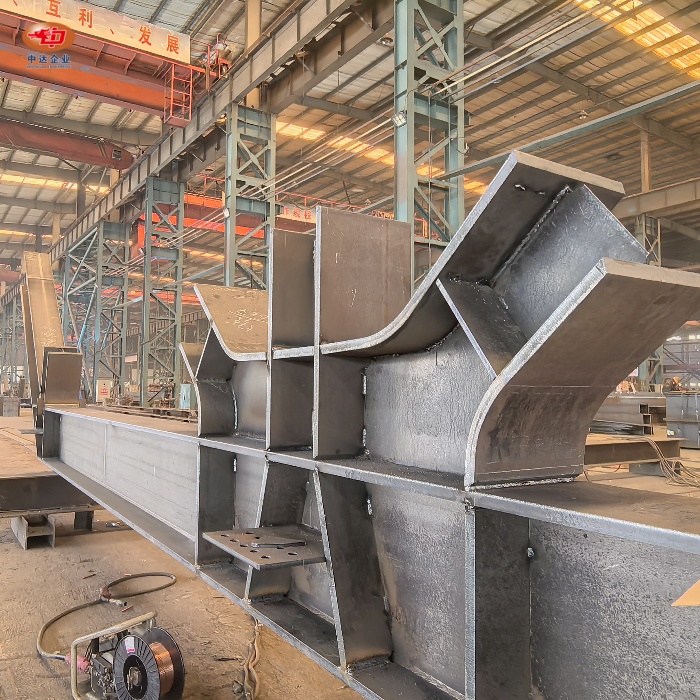
The main parts are rigid frame systems with steel beams that slope, lattice trusses for roof support, and supporting members placed in strategic places. Vertical loads are sent to the foundations by H-section beams, and roof loads are spread widely across the main frame by C and Z-section purlins. This structure's parts are arranged in an order, and each one is carefully designed based on load selection factors such as dead loads from roofing materials, live loads from maintenance equipment, and environmental forces like wind uplift and snow buildup.
Material Performance Standards That Ensure Safety
Steel types Q235 and Q355 are most often used to build airport steel structure hangars because they have the best mix of yield strength, tensile strength, and weldability. The research team at Zhongda chooses materials by doing a thorough mechanical analysis. They look at things like elongation rates to see how flexible the material is and impact toughness to see how well it works in cold climates. Our -60°C Weathering Steel Anti-corrosion Technology protects the structure even in tough coastal airports where salt spray speeds up rust. This is a very important thing to think about for buildings near the ocean or in cold climates.
Strength-to-Weight Advantages for Aviation Applications
Steel is more efficient for building because it has a higher strength-to-weight ratio. A standard hangar frame with an 80-meter span weighs about 40% less than a similar concrete building that holds the same amount of weight. This weight reduction cuts down on the need for foundations, cuts down on building times by 30–50%, and speeds up project delivery, which is very important for airport managers who have to meet tight deadlines for both getting funds and starting operations.
Comparative Analysis: Steel Structures vs Alternative Materials for Airport Hangars
Steel Versus Concrete: Performance and Timeline Considerations
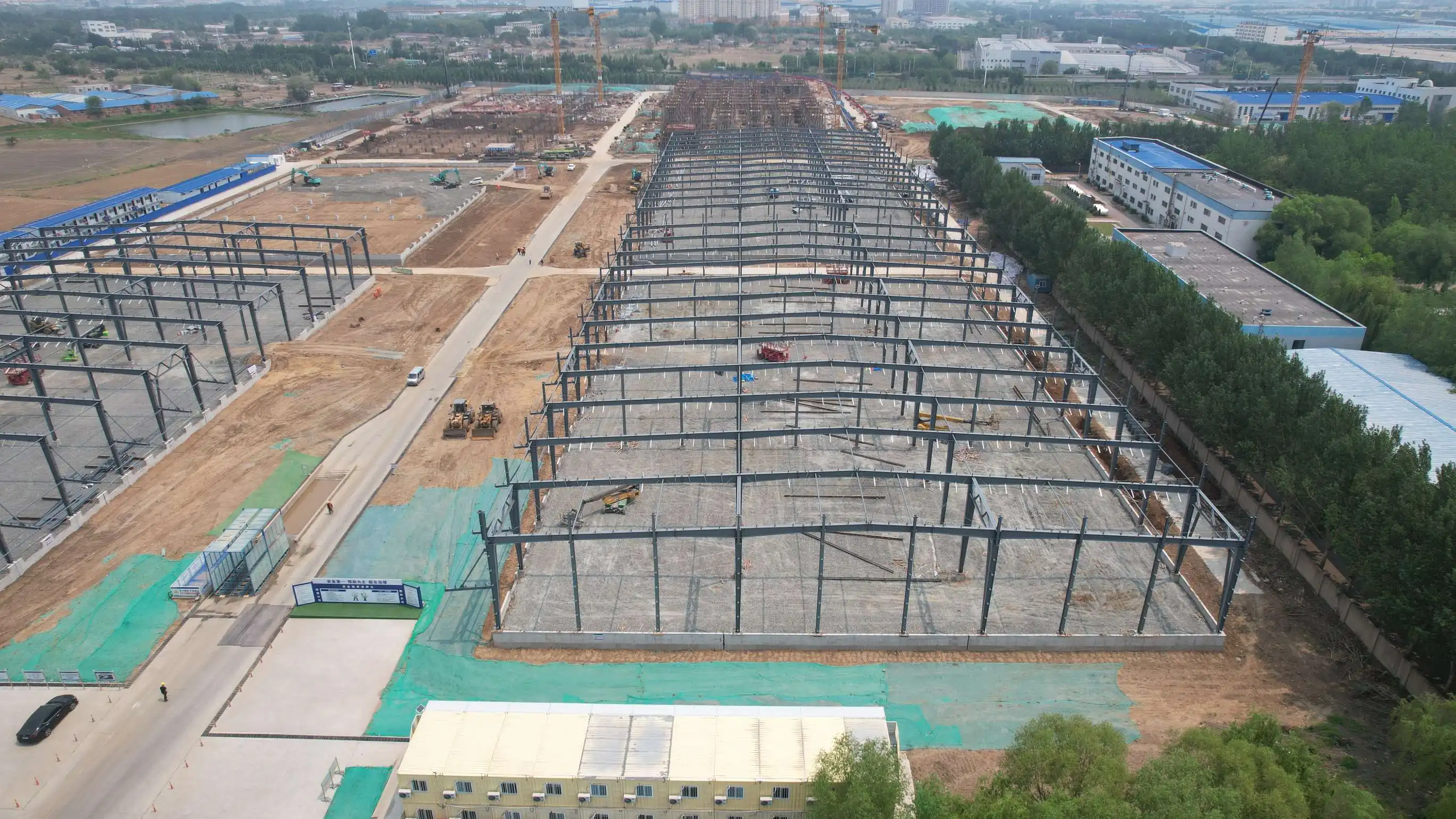
Concrete hangars need a lot of formwork, time to cure, and pours that rely on the weather, all of which add a lot of time to the building timeline. In controlled workplace settings, making steel and getting the site ready happen at the same time, allowing for parallel processes. The arrival of modular steel parts on-site ready to be put together cuts down on labor costs and delays caused by bad weather. Different materials also need very different maintenance schedules. Concrete cracks over time and needs to be sealed, but steel stays strong with regular checks and targeted coating treatments.
Steel Versus Aluminum: Durability Under Operational Stress
Aluminum is resistant to corrosion, but it has a lower value of flexibility, which makes it hard to bend in big spans. Steel members keep their shape under long-term loads, which is very important when overhead cranes or hanging repair platforms put a lot of force on them. The cost of materials for projects using aluminum is usually 60–80% higher than using steel, which offers the same or better performance in terms of structure, fire resistance, and lifespan.
Modular Construction Efficiency in Modern Projects
Recent hangar projects show that steel is good for building bigger structures. A small airport in the Midwest built a 12,000-square-meter repair building with prefabricated steel panels in nine months, while cast-in-place concrete was expected to take 18 months. Zhongda's BIM-driven prefabrication method allows for very precise part production with ±0.2mm tolerances on ultra-thick plate cutting. This makes sure that the parts fit together perfectly in the field and avoids costly rework caused by mistakes in measurements.
Economic Lifecycle Analysis for Procurement Decisions
The initial costs of building are only one part of the total costs of owning. Steel buildings have lower lifecycle costs because they need less upkeep, can be expanded more easily, and can be recycled for more money when they're no longer useful. Transportation savings—steel's higher strength means fewer truckloads are needed than bigger materials—and faster return-to-service times when changes need to be made as fleet makeup change should be part of a full analysis.
Construction Process and Best Practices for Airport Steel Hangars
Collaborative Design Phase: Translating Operational Needs Into Engineering Solutions
For hangar projects to go well, airport managers, repair teams, and structural experts need to meet and talk about the plans in detail. At Zhongda, our team of more than 100 licensed engineers does feasibility studies that turn requirements for utility routing, door opening sizes, and airplane clearance areas into rough structural concepts. This step sets the column grid sizes and beam height-to-span ratios that make the structure as efficient as possible while still allowing for freedom in how it is used.
Precision Fabrication: Where Quality Control Begins
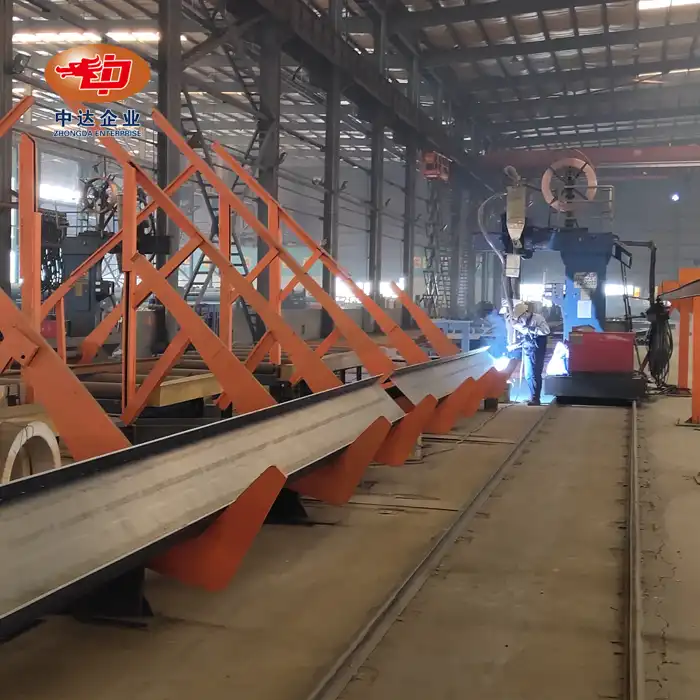
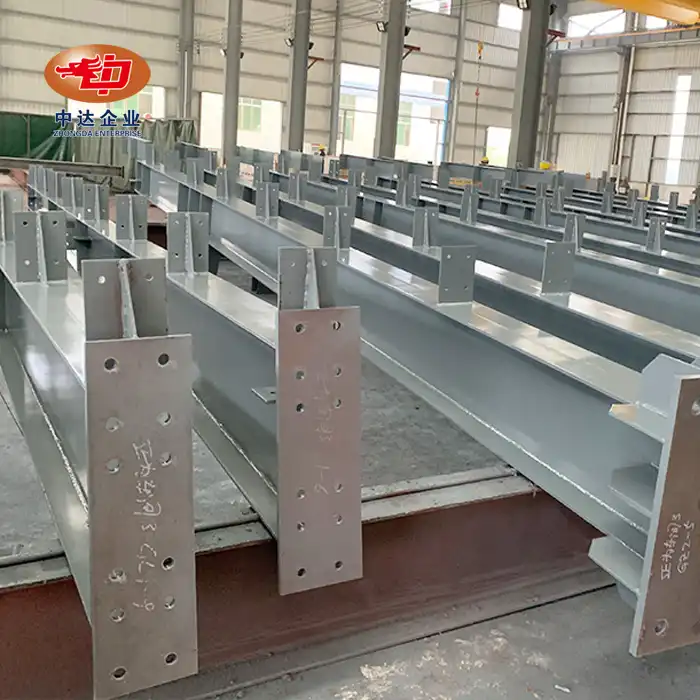
Our 120,000-square-meter factory in Shenyang uses cutting-edge CNC machines, automatic welding stations, and multi-axis drilling tools to make airport steel structure parts that meet ISO 9001 and EN 1090 standards. Each connection plate is checked for its dimensions, weld penetration testing is done at regular intervals, and tight rules must be followed for surface preparation before protection coatings are applied. This factory-controlled setting gets rid of the factors that can weaken structures that were bonded in the field.
Onsite Assembly: Coordination and Safety Protocols
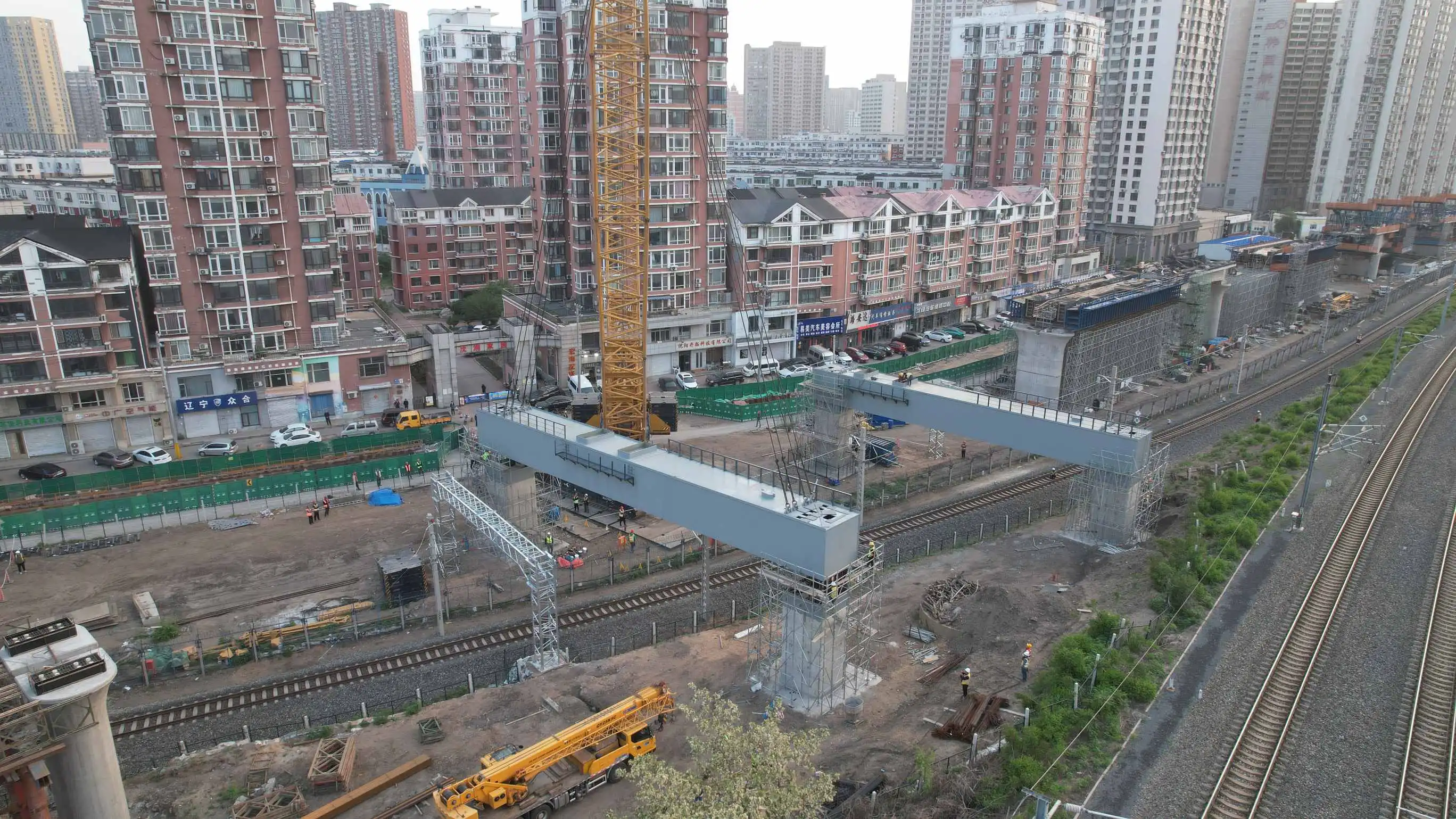
For temporary situations, erection processes are based on engineered lift plans that put worker safety and structural support first. When figuring out a crane's ability, the weights of its parts and the effects of wind exposure are taken into account. Tightening bolts must follow torque specs that are checked by measured equipment. Welded joints must go through non-destructive testing that meets AWS D1.1 standards. Fire-resistant intumescent coatings are put on after the frame is finished but before the shell is put in place. This makes sure that the coatings stick well and are the same thickness all over.
Quality Assurance: Load Testing and Performance Verification
Before the buildings are turned over to the new owners, they are put through a process called "proof loading," which imitates the design conditions. This includes snow drifts on the roofs and heavy crane loads. Measurements of deflection show that performance is within acceptable limits, and checks of connections show that load transfer routes are correct. As part of our full-service offering, we help with starting and make sure that facility workers know when to do maintenance tasks like coating touch-ups, fastener checks, and drainage system cleaning to ensure long-term performance.
Procurement Insights and Selecting the Right Airport Steel Structure Solution
Evaluating Manufacturer Capabilities and Track Records
When choosing a supplier, you should look at their production ability, technical certifications, and project knowledge that is important to the job. With a 60,000-ton annual capacity and a First-Class Steel Structure Engineering Qualification from China's Ministry of Housing and Urban-Rural Development, Zhongda is ready to take on projects ranging from regional airports to the growth of international hubs. In our portfolio, we have infrastructure that was built in harsh locations, such as Arctic bridges in Russia that need steel types that can withstand extreme cold and mining sites in Australia that need fast corrosion protection.
Customization Flexibility: Matching Solutions to Unique Requirements
Standard hangar designs don't usually include features that are needed for specific tasks, such as blast-resistant wall parts for military use, built-in fire suppression system supports, or space for future automatic maintenance robots. People who work in procurement should look at how well sellers can do ODM and how quickly they can respond to engineering requests. As part of our personalized service, we work with clients to improve the design of structural systems, door layouts, and utility integration details so that they fit the needs of their fleets and repair processes.
Beyond Initial Pricing: Total Cost of Ownership Considerations
How to choose the best airport steel structure solution involves looking at a budget where you have to include things like logistics for delivery, the cost of on-site workers, and long-term upkeep costs. Because steel is lighter than concrete, base costs are lower. For example, a 15-meter-deep pile system might be cut down to 10 meters with steel superstructures instead of concrete ones, which can save a lot of money in tough soil. Installing quickly lowers the cost of financing and speeds up the process of making money when hangars allow for more repair services or airplane storage leases.
Certification Standards and Warranty Provisions
Check that the suggested solutions follow the relevant building codes, such as the International Building Code for airport structures, the American Institute of Steel Construction (AISC) standards for steel construction, and any changes made by local governments. The warranty should cover both problems with the way the product was made and promises of good performance. There should also be clear instructions on how to keep the warranty valid. Zhongda offers technical support after the sale for as long as the building is in use. This helps clients get the most out of inspections and plan any reinforcements that might be needed as operating needs change.
Future Trends and Innovations in Airport Steel Structure Hangars
Digital Design Tools Revolutionizing Structural Optimization
Digital design tools are changing the way structural optimization is done. Parametric modeling is now possible with advanced computer software. This lets engineers try thousands of different configurations to find the best member sizes and link details that use the least amount of material while still meeting safety standards. Integrating Building Information Modeling lets the structural, mechanical, and electrical systems work together in real time, which cuts down on the conflicts that slow down building. Zhongda's BIM-based method has cut the number of design iterations by 40%, shortening the time it takes to go from an idea to models that can be made.
Smart Hangar Systems: IoT Integration for Predictive Maintenance
New facilities have sensor networks that check the health of the airport steel structure by using strain gauges on important members, corrosion detection systems at weak links, and weather tracking to see how humidity levels affect the performance of coatings. Data analytics can tell you what maintenance needs to be done before they happen. This means that you can stop making fixes after the fact and start making predictions that will extend the life of parts and avoid unplanned downtime.
Sustainable Practices Addressing Environmental Imperatives
There is more and more pressure on the airline business to cut down on its carbon footprint in all areas, including its infrastructure. The fact that over 90% of structure steel can be recycled and used again fits with the ideas of the circle economy. Compared to older hangars, this generation's embodied carbon is lower because of more energy-efficient manufacturing methods and better designs that use less material. Some facilities now have solar panels on large roofs, which turns hangars into energy-positive buildings that balance out the energy used for operations.
Modular Expansion Systems for Growing Operations
Phased development plans that match infrastructure spending to traffic growth are becoming more popular in airport master plans. Modular steel hangar systems can grow as needed by using pre-engineered connection points that let you add more bays without stopping current activities. This adaptability is very helpful when airlines switch to bigger planes or when repair centers add more services, because it keeps them from having to tear down and rebuild, which can be expensive when using less flexible building methods.
Conclusion
It's impossible to say enough about how important it is for aviation facilities to have properly designed airport steel structure steel frameworks. These structural systems are the result of combining material science, engineering accuracy, and practical realism. They meet the clear-span standards needed for modern airplane repair and deliver building timelines that work with busy airport operations. As flight continues to grow around the world, there will be a greater need for reliable, cost-effective, and long-lasting hangar options. This means that airport operators and facility managers need to make smart purchasing decisions more than ever.
FAQ
What span distances can airport steel structures achieve without internal columns?
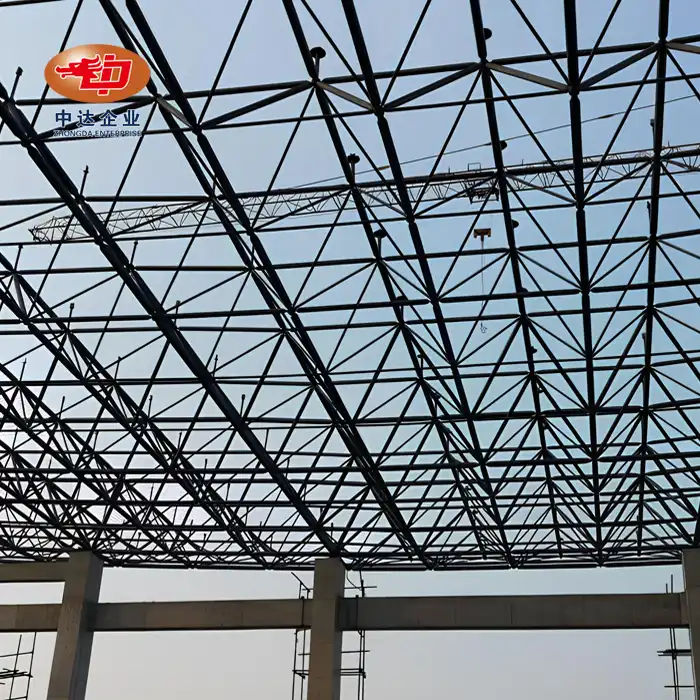
For how long of a span can airport steel structures go without using interior columns, clear spans of 60 to 120 meters are common for modern steel truss and rigid frame systems. These spans can hold everything from narrow-body business planes to wide-body foreign carriers. How far the span can go depends on the amount of snow and wind in the area, the slope of the roof, and the desired internal crane powers. Based on your site conditions and practical needs, engineering analysis will find the best structure system, whether it's a standard truss design, an arched frame, or a space frame assembly.
How long does typical hangar construction take compared to other methods?
Usually, steel hangar projects take 8–14 months to finish, from finalizing the plan to handing over the building to be used. For similar concrete structures, it takes 15–24 months. This speeding up is due to manufacturing and site planning happening at the same time, factories that can work in any weather, and faster field assembly of premade parts. Even though projects that need special features like being resistant to blasts or earthquakes may take longer, steel building still has big time benefits over other methods.
What maintenance requirements preserve steel hangar performance?
Once a year, protective coatings should be checked for harm, connections should be made sure to be solid, and drains should work properly. Touch-ups to coatings may need to be done more often every 3 to 5 years in coastal or industrial areas, but every 7 to 10 years in rural areas with good starting protection. Steel structures that are regularly maintained usually last longer than 50 years. In fact, many facilities keep working effectively for decades after their original design periods when proactive maintenance protocols are consistently followed.
Partner With Zhongda for Your Next Aviation Infrastructure Project
Airport building builders looking for a reputable steel structure manufacturer will find that Zhongda Steel can do a lot of different things. Our ISO-certified production center blends cutting-edge fabrication technology with 20 years of engineering experience to create unique hangar solutions that meet your exact operational needs. Our committed team makes sure that your project meets strict safety standards while staying on schedule and within budget, from the initial load analysis to on-site assembly support. Contact Ava@zd-steels.com right away to talk about how our airport steel structure solutions can help you reach your infrastructure goals with the same level of dependability and technical excellence that has been trusted by companies around the world since 2004, such as China Railway, CSCEC, and BMW.
References
American Institute of Steel Construction (2016). Steel Design Guide 25: Frame Design Using Web-Tapered Members. AISC Publications, Chicago, Illinois.
Chen, W.F. and Lui, E.M. (2018). Handbook of Structural Engineering, Second Edition. CRC Press, Boca Raton, Florida.
Federal Aviation Administration (2020). Advisory Circular 150/5320-6F: Airport Pavement Design and Evaluation. U.S. Department of Transportation, Washington, D.C.
Galambos, T.V. and Surovek, A.E. (2013). Structural Stability of Steel: Concepts and Applications for Structural Engineers. John Wiley & Sons, Hoboken, New Jersey.
International Code Council (2021). International Building Code Chapter 23: Wood and Chapter 22: Steel. ICC Publications, Washington, D.C.
Newman, A. (2017). Metal Building Systems: Design and Specifications, Third Edition. McGraw-Hill Professional, New York, New York.
YOU MAY LIKE
(1)_副本_1760321095013_1789529045876.jpg "structure bracing")