Steel Cable Stayed Bridge - Types, Components and Construction
2026-08-05 16:18:56






The deck of a steel cable-stayed bridge is held up by inclined cables that are connected to vertical poles or pylons, spreading loads through tension rather than compression alone. This design doesn't need the big anchorages that are needed for suspension bridges, so it's perfect for medium- to long-span bridges that are 200 to 800 meters long. The steel cable-stayed bridge design is both functional and aesthetically pleasing. It cuts down on building times and material costs compared to other options. These structures are great for building projects that need to be reliable, last a long time, and be able to adapt to changing conditions because they are made with high-strength steel, modern cable systems, and engineering that is resistant to earthquakes.
Understanding Steel Cable-Stayed Bridges
Core Structural Elements and Load Distribution
The main idea behind these bridges is that deck loads are transferred straight to pylons by inclined stay cables that work under stress. Instead of using compression or bending like arch or beam bridges do, this setup makes a balanced system where each wire acts as its own load line. The pylons are made of Q420qE steel and have plate widths between 60 and 120 mm. They keep their vertical accuracy within a 1/4000 error range, which is a very important requirement for making sure that the load is spread out evenly. This level of accuracy keeps stress from building up, which could cause wires and deck ties to wear out faster than they should.
Thanks to advances in engineering, major spans can reach 800 meters without any supports in between. This makes building much easier in areas with rivers, valleys, or urban routes. Compared to traditional girder bridges, the deck has less bending moments, which lets the cross-sections be lighter and more material be used. During the manufacturing and construction steps, this efficiency saves money that can be seen.
Material Selection and Engineering Standards
Modern designs are built around high-performance Q420qE steel, which has great yield strength and weldability. The structural stability of this low-alloy steel stays the same in temperatures ranging from -40°C to +50°C. This means it can be used in both Arctic and tropical regions. Cable wire is made in accordance with EN 10138 standards, which make sure that 7mm galvanized strands can withstand decades of cycle loads without breaking down.
Corrosion protection systems use polyethylene outer sheaths and graphene-enhanced inner layers to give 53-year UV resistance, which is backed up by tests that show the system can withstand fast weathering. This multi-layer method solves the main maintenance problem in bridge infrastructure, which is keeping water out of the system so that steel doesn't rust faster. Based on project data, we know that properly protecting wires makes them last 40% longer than using traditional zinc coats alone.
Historical Evolution and Technological Advancements
In the 1950s, the first steel cable-stayed bridge versions used concrete pylons and had spans of less than 300 meters. In the 1980s, advances in the production of high-strength steel made it possible for spans to be longer and superstructures to be lighter. Locked-coil connections were replaced by parallel wire strand systems, which made installation faster and made it less likely that a single wire would break. Building Information Modeling (BIM) is used in modern designs, and we use it at our 120,000 m² plant to test different load situations before we start making things. Our work with China Railway and CSCEC has shown that this digital-first method cuts down on changes made on-site by 30%.
Another big step forward is seismic separation technology. LRB800 bearings lower the response to earthquakes by 40%. This means that buildings in areas prone to earthquakes can withstand ground motion without damaging the deck or wires. This new idea was very important for recent building projects along the Pacific Rim, where earthquake rules require stronger systems than regular fixed-bearing ones.
Types and Components of Steel Cable-Stayed Bridges
Cable Arrangement Configurations
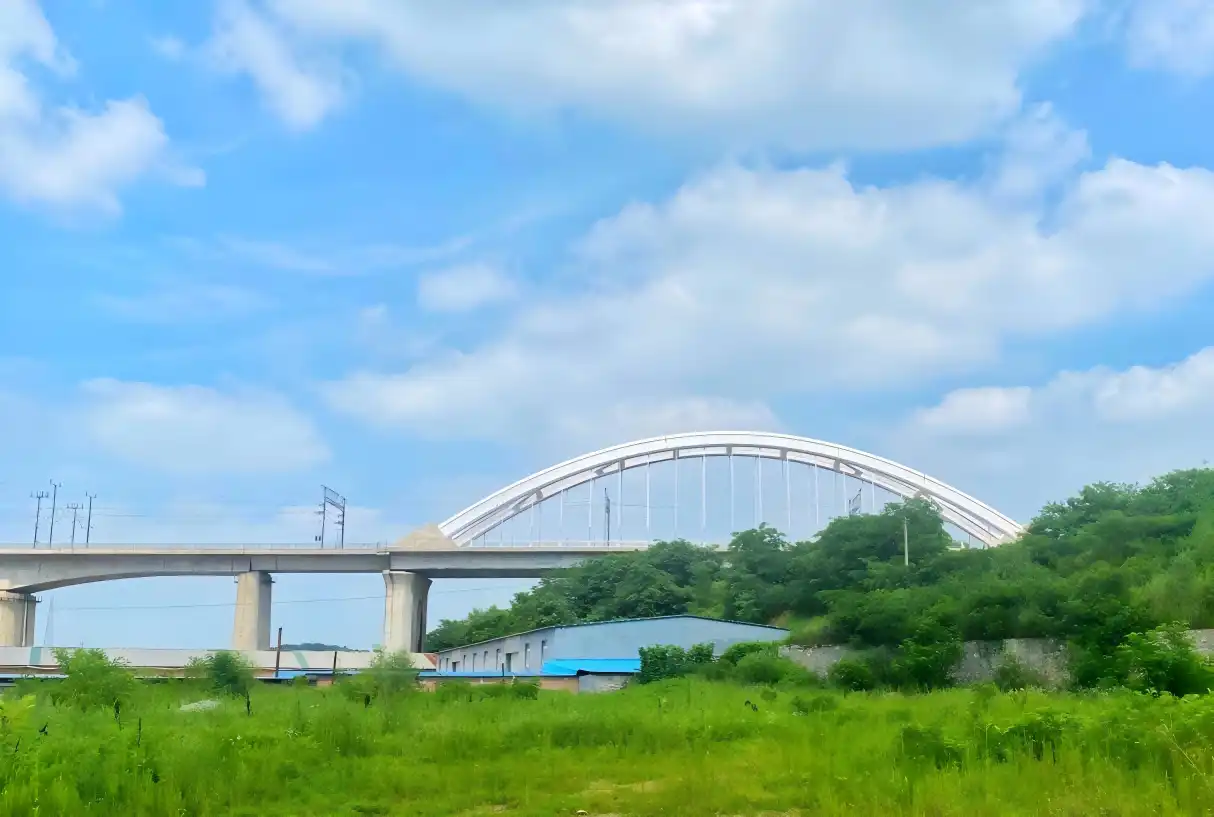
Single-Plane Cable Systems put all the wires along the centerline of the bridge. This makes for a striking silhouette and makes deck design easier. This shape works well for smaller roads or walking bridges that don't need a lot of lateral stiffness. The smooth look makes it easier for the wind to flow through, which is helpful in seaside or hilly areas where winds blow all the time.
Double-Plane Cable Systems run cables along both sides of the deck, making them more stable when carrying big rail loads or wide decks with multiple traffic lines. This setup is better at handling the rotational forces that come from uneven loading situations, like when one side of the deck is being used for repair or when traffic is heavy on that side.
Which of these options to use depends on the length of the span, the width of the deck, and the weather. During the planning phase, our engineering team looks at data from the wind lab and traffic models to suggest the best way to set up the project.
Cable Pattern Systems
Harp Configuration sets up wires so that they run parallel to each other and link to the pole at different heights. This design spreads the loads out evenly across the height of the tower, which lowers the stress at the connection places. The uniform look is liked by builders who care about making cities look good.
Fan Configuration brings all the wires together to a single pylon point. This increases the vertical load capacity while lowering the amount of material needed for the pylons. This efficient setup works well for projects with limited funds or places where sky rules limit the height of the pylons.
Some features of both patterns are combined in semi-fan systems, which provide a good mix between structural economy and aesthetic flexibility. We've used this design on jobs that needed the best wire angles (usually between 25° and 65°) to keep the right tension levels across the span.
Key Structural Components
- Steel Pylons: These towers are made from Q420qE plates and hold up cable systems while also holding their own weight and deck loads that have been moved. Our precise CNC cutting keeps limits of ±0.2mm, which makes sure that the bolt holes line up properly when the parts are put together in the field. 1/4000 for vertical accuracy means that a 100-meter pole deviates less than 25 mm from true vertical, which is very important for making sure that all cable pressures are the same.
- Cable Networks: Each cable is made up of strands of 7 mm steel wires that are connected at each end with an OVM250 support that can hold up to 250 tons per cable. Following the rules in EN 10138 ensures a minimum level of breaking strength and resistance to rust. We use 3D coordinate recognition systems with 0.5-inch total stations to accurately pre-embed cable ducts to within ±5mm, which stops problems with alignment during cable installation.
- Deck Systems: Made up of longitudinal ribs attached to crosswise floor beams, orthotropic steel decks offer a light but strong surface for heavy traffic. Compared to concrete decks, this design cuts down on dead weight by 30%, which lets lengths get longer without adding more cables. Our -60°C Weathering Steel technology and other anti-corrosion processes make sure that the steel works well in harsh environments.
Different kinds of steel cable-stayed bridges and their parts are better than concrete in these situations because steel has higher strength-to-weight ratios, can be made more quickly, and non-destructive testing makes quality control easier. Steel's ability to bend makes it better at handling earthquakes because it absorbs energy through controlled bending instead of brittle breakage.
Steel Cable-Stayed Bridge Construction Process
Planning and Design Phase
Geological conditions, traffic forecasts, and environmental loads like wind speeds, seismic activity, and temperature ranges are all looked at in detail during comprehensive site studies. Our BIM-based method digitally models the whole building and runs construction processes through iterations to find any problems before buying materials. Compared to standard 2D planning, this method cuts down on change orders by 25%.
Cost estimation includes factoring in the prices of materials, labor, transportation, and any possible problems that might come up. Costs for making pylons, buying cables, putting together decks, and protective coatings are clearly broken down, which helps procurement managers plan how to spend their money. We've cut wait times by 20–30% by improving processes. This means that projects are finished earlier and infrastructure investments pay off faster.
Fabrication and Quality Control
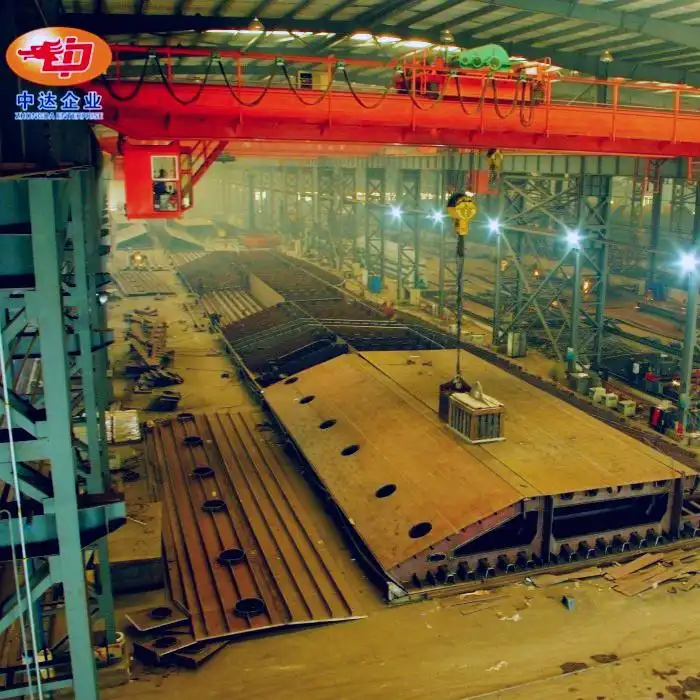
A chemical makeup study of raw Q420qE steel confirms that the ratios of carbon, manganese, and alloying elements meet the requirements for the grade. Plates are cut by automated tools with laser accuracy, and the quality of the beads on thousands of links is always the same at robotic welding stations. Our ISO 9001-certified quality standards are maintained by ultrasonic testing, which finds flaws below the surface that can't be seen.
When making cables, strict rules must be followed: each wire must be pulled, galvanized, and packed under controlled strain. Before it is shipped, each finished wire is proof-loaded to 110% of its original capacity to make sure the anchorage is still strong. Our 50-ton crane makes it easier to work with oversized pylon parts in our Northeast China plant, which speeds up the building process.
On-Site Execution and Safety Protocols
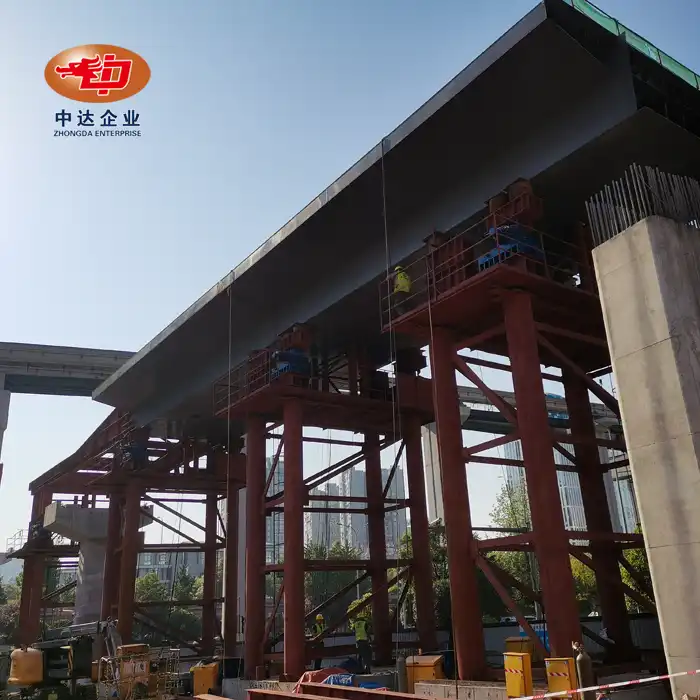
How to Build a steel cable-stayed bridge starts with preparing the base, which could be drilled shafts or caissons, depending on the state of the soil. When pieces are lifted by a crane, they are bolted together, and survey teams check the verticality of the structure after each lift. Installing cables is done evenly from the pylon outward, which keeps the loads equal during building. Temporary bracing keeps the building stable until the permanent links reach the design strength.
Fall protection devices, daily toolbox meetings to talk about site-specific dangers, and real-time structure tracking with strain gauges and inclinometers are all safety measures. These rules are in line with OHSAS 45001 standards and protect workers while making sure the structure stays strong during dangerous parts of the building process.
Maintenance and Lifecycle Management
Every six months, routine inspections check the state of the deck surface, the consistency of the wire tension, and the rate of corrosion on the protective coatings. Ultrasonic cable testing and thermographic scanning are two advanced checking methods that find secret problems before they affect performance. Our graphene-enhanced coats don't need to be reapplied very often, which means they need 35% less upkeep over their lifetime than regular paint systems.
Predictive maintenance algorithms look at inspection data trends and plan maintenance tasks to be done before small problems get worse. This proactive method stretches the service life beyond what was originally planned, which helps government contractors and EPC firms get the most out of their infrastructure investments.
Comparing Steel Cable-Stayed Bridges with Other Bridge Types
Structural and Performance Distinctions
Steel cable-stayed bridges and other types of bridges side by side show that suspension bridges are great for super-long spans over 1,000 meters, but they need big anchorages and complicated cable saddle systems, which makes building take longer and cost more. When compared to other options, cable-stayed options can run up to 800 meters and have simpler foundation requirements, which makes them more cost-effective for most building projects.
Concrete cable-stayed bridges look different and require less upkeep because the stay wires are built into the concrete pylons. But steel models are better at seismic flexibility, which means they can bend without breaking completely. This is very important in places where earthquakes are common. Our LRB800 seismic bearings cut down on ground motion transfer by 40%, which is better than hard concrete joints but not as good.
Cost Factors and Environmental Impact
Due to its 250 MPa minimum yield strength, steel has a higher load capacity per ton of structure material than concrete, which has a 30–40 MPa compression strength. Because of this, the superstructures can be made lighter, which lowers the loads on the foundations and lets buildings be built on softer grounds that wouldn't work for heavy concrete designs.
At first, the cost of materials for high-grade steel is higher than those for reinforced concrete, but shorter building times make up for this. Our 60,000-ton annual capacity serves multiple projects at the same time, so we can prefabricate in a controlled factory environment. This gets rid of the weather delays that are usual with cast-in-place concrete operations. This speed edge means that toll-based infrastructure can start making money sooner and with lower borrowing costs.
Concerns about the environment support recycling steel; when buildings reach the end of their useful lives, 95% of their materials can be recovered, while concrete has fewer recycling options. Emissions from making steel must be included in carbon footprint studies, but new electric arc furnaces that use recycled scrap greatly lessen this effect.
Protective systems, not base materials, determine how long something will last in tough settings. Our 53-year UV-resistant coatings work just as well in marine or industrial settings. However, chloride-induced rebar corrosion and alkali-silica reactions in some material mixes can be hard on concrete.
Procurement and Choosing the Right Partner
Supplier Selection Criteria
Certifications prove that a company can make things. For example, ISO 9001 certifies quality management systems, ISO 14001 certifies environmental compliance, and EN 1090 certifies structural steel construction ability. Zhongda has Class I Steel Structure Professional Contracting Qualifications, which show that they have worked on complicated projects weighing more than 10,000 tons, which is a requirement that many companies can't meet.
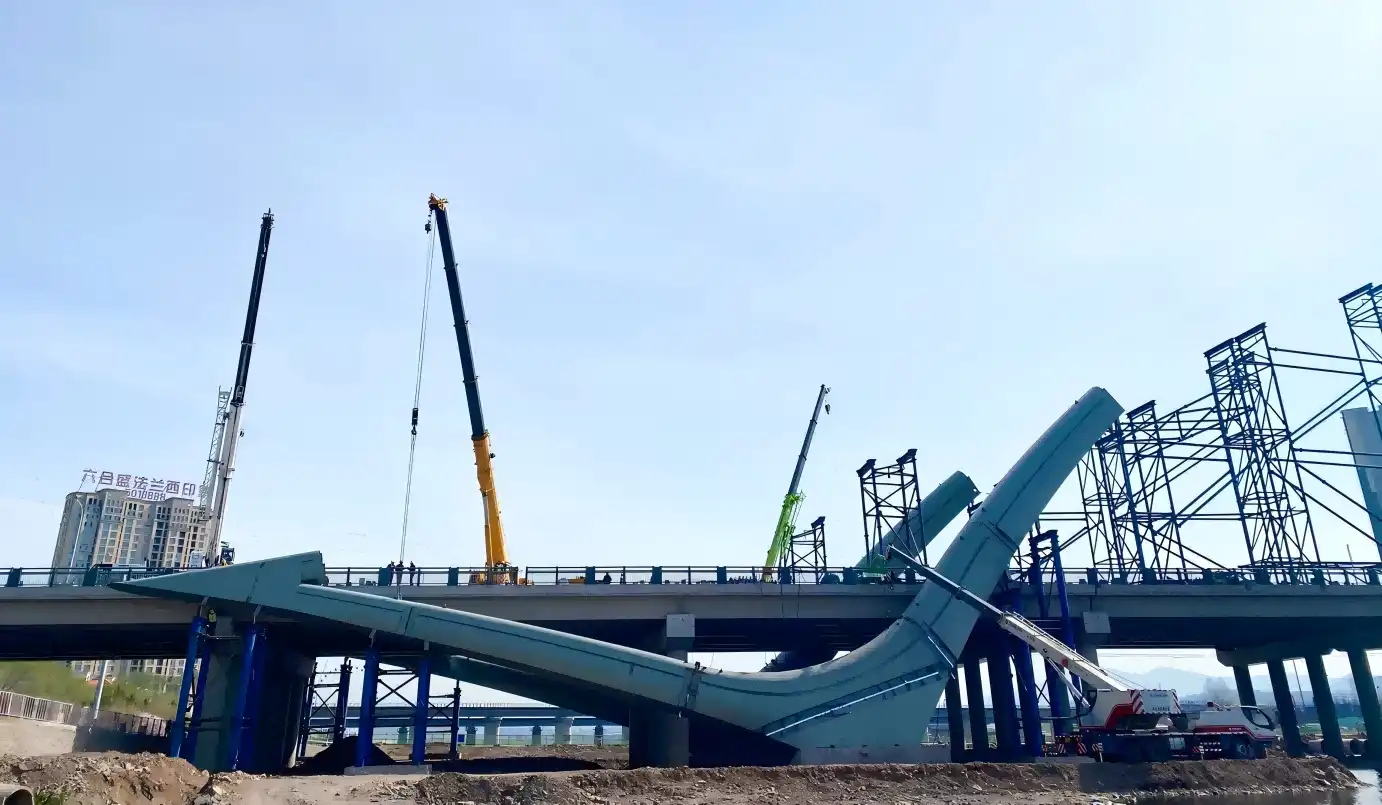
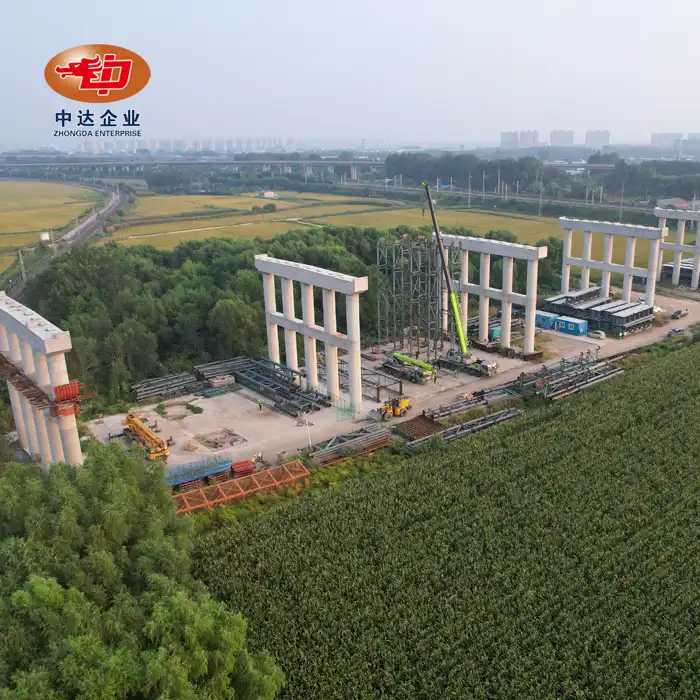
Track marks are important. Look at finished projects that are similar to your needs in terms of scope, amount of time, and surroundings. The Shenyang Dongta Cross-Hunhe River Bridge is in our portfolio. It is made of 18,000 tons of steel and has been installed many times for China Railway, CSCEC, and CCCC, all of which have strict acceptance standards. Following the AWS welding rules and JIS material standards shows that you are in line with international best practices. This speeds up the approval process when working with engineering firms from other countries or across borders.
Customization and Tailored Solutions
Flexible span designs between 200 and 800 meters can work with the limitations of the site without having to rethink the whole system. Our OEM/ODM services change the deck lengths, wire patterns, and pylon heights to match traffic predictions and personal taste. When BIM is integrated, clients can see how planned changes will look before they agree to be made. This makes sure that the structures provided match what was expected.
Customization of cable towers includes changing the width between 60 and 120 mm, which balances the cost of materials with the load needs. Stay cable optimization matches the right anchoring strengths with wire sizes that meet specific safety standards. This way, costs are kept low without sacrificing performance.
Budgeting and Transparent Cost Structures
Full quotes break down the costs of ingredients, labor for fabrication, surface treatments, shipping, and expert help on-site. Because of this, buying teams can compare bids accurately, finding value instead of just the lowest price. During building, hidden costs like fast shipping fees, non-standard connection details, or not enough rust protection often show up, wiping out any savings that were made at the start.
Our 70% client renewal rate among large state-owned businesses shows that they are happy with our ability to predict costs and perform quality work. Long-term relationships cut down on the costs of bidding while keeping specialized knowledge up to date across multiple phases of infrastructure projects.
Conclusion
The steel cable-stayed bridge is a great example of how engineering can be efficient. It looks great and is strong enough to meet the needs of modern infrastructure. These structures offer clear benefits in terms of speed of building, cost over time, and ability to withstand earthquakes. For example, Q420qE steel pylons can keep 1/4000 verticality tolerances, and graphene-enhanced cable coatings can protect cables for 53 years. Knowing the different setup choices, like single- or double-plane systems, fan or harp cable patterns, helps procurement workers choose solutions that exactly meet the needs of the project. Working with approved makers makes sure that you follow international standards and gives you access to customization options that make the most of your budget and performance. As investments in infrastructure around the world speed up, it's still important to make decisions based on technical specs and the reputation of the suppliers.
FAQ
What factors influence the overall cost of a steel cable-stayed bridge project?
Project costs for a steel cable-stayed bridge are based on the types of materials used, the length of the span, the number of cables used, the safety coating requirements, and how easy it is to get to the spot. Transportation problems for parts that are too big and differences in the cost of work in different areas cause regional differences. In places that are prone to earthquakes, the need for seismic design adds to the cost of bearings and research. To correctly evaluate proposals, purchasing managers should ask for itemized quotes that separate the costs of production, shipping, and installation.
How does maintenance compare between steel and concrete cable-stayed bridges?
Coatings on steel systems need to be checked and maybe reapplied every 15 to 25 years, based on how much they are exposed to the environment. Alternatives to concrete have problems with rebar rust in pylons and decks, which usually needs pricey electrical treatments. Modern steel protection systems, especially coats with graphene added to them, greatly lower the number of times that upkeep needs to be done. When inspections are easy to get to and repairs are hard to do over a 75-year service period, lifecycle cost studies usually favor steel.
What certifications should I verify when selecting a supplier?
Quality, environmental, and safety management systems that have ISO 9001, 14001, or 45001 standards should be given the most weight. The EN 1090 license shows that the company can make structure steel that meets European standards. International compatibility is ensured by AWS welding certificates and following JIS material standards. Class I Steel Structure Contracting Qualifications show knowledge with big jobs that weigh more than 10,000 tons, which is a requirement for installing complex bridges that need specialized technical know-how.
Partner with Zhongda for Your Next Infrastructure Project
With over 20 years of experience and cutting-edge manufacturing skills, Shenyang Zhongda Steel Structure Engineering Co., Ltd. is your go-to provider for steel cable-stayed bridges. Our Q420qE Steel cable-stayed bridge systems have been tested and shown to work well in a wide range of settings, from sites in the Arctic in Russia to mining infrastructure in Australia. They are backed by ISO certifications and Class I Professional Contracting Qualifications. We turn complicated bridge needs into complete solutions using 3D coordinate recognition to make sure cable conduits are accurate to within 5 mm and BIM-driven design to cut project timelines by 30%. Get in touch with our technical team at Ava@zd-steels.com to talk about unique setups that range from 200 to 800 meters, seismic optimization, and corrosion protection that fits the needs of your project. Experience engineering greatness backed by a yearly capacity of 60,000 tons and a 70% client retention rate among world leaders.
References
Troitsky, M.S. (1988). Cable-Stayed Bridges: Theory and Design. BSP Professional Books, Oxford, United Kingdom.
Gimsing, N.J. & Georgakis, C.T. (2011). Cable Supported Bridges: Concept and Design (3rd Edition). John Wiley & Sons, Chichester, West Sussex.
Walther, R., Houriet, B., Isler, W., Moïa, P., & Klein, J.F. (1999). Cable Stayed Bridges (2nd Edition). Thomas Telford Publishing, London.
Podolny, W. & Scalzi, J.B. (1986). Construction and Design of Cable-Stayed Bridges. John Wiley & Sons, New York.
Chen, W.F. & Duan, L. (2014). Bridge Engineering Handbook: Superstructure Design (2nd Edition). CRC Press, Boca Raton, Florida.
Virlogeux, M. (1999). "Recent Evolution of Cable-Stayed Bridges." Engineering Structures, Volume 21, Issues 8-9, Pages 737-755.
YOU MAY LIKE
_副本_1762409363712_1788849278749.jpg "steel truss structure")
_1746242570299.webp "Large-Diameter Tunnel Boring Machine")