
Design Considerations for Steel Arch Bridges
2026-08-05 16:18:54






When planning building projects, it's important to know what to think about when designing steel arch bridges to make sure they are structurally sound, cost-effective, and last a long time. Using compression forces inside the arch itself, a steel arch bridge moves loads efficiently from the deck to the base by using curved structural sections. Compared to beam bridges, this beautiful engineering solution has a much wider span and uses less material, making it perfect for rough terrain, water crosses, and urban areas where looks are important along with usefulness.
Understanding Steel Arch Bridge Design Principles
Defining Arch Bridge Structures and Their Variants
Understanding how to design a steel arch bridge involves recognizing that these structures have been used by people for thousands of years, but the steel versions we see today are the best example of how engineering has changed over time. Concrete arches need a lot of falsework to be built, but steel arches are flexible because they can be prefabricated and put together in modules. Suspension bridges are great for long spans, but they need complicated anchorages and rope systems. Truss designs allow for visibility, but they can't compare to the beauty and load-carrying capacity of properly built arch systems. The main difference is how the loads are transferred: arches turn vertical loads into compression forces that move along the bent rib to the support points. This means that there are no problems with tensile stress like there are with other types of bridges.
Load Distribution Mechanics and Structural Behavior
The beauty of arch design lies in changing the way forces act. Gravitational loads move into the arch rib through hangers or spandrel beams as cars move across the deck. Then, this curving part sends forces mostly through compression toward the abutments. High-strength materials, such as Q420qE steel, make this economy even better by having yield strengths above 420 MPa and great flexibility for earthquakes. Our pentagonal box arch ribs, which are 3.2m by 4.5m, show the best geometric efficiency. The closed cross-section prevents twisting, and the sizes balance bending strength with material economy. When designing something, it's important to think about wind loads of up to 1.5kN/㎡. This is especially true for long spans where aerodynamic stability is very important.
Compliance with International Design Standards
The AASHTO LRFD Bridge Design Specifications set the load factors, resistance standards, and building limits that all American infrastructure projects must follow. For steel bridge requirements, European projects use EN 1993-2, and for completion standards, they use EN 1090. Our EN 1090 Execution Class 4 approval at Zhongda Steel proves that we can meet the tightest manufacturing standards. This is important for projects that need precise welding, tight dimensional tolerances, and full tracking. Material requirements also change from place to place. For example, Q420qD steel is similar to ASTM A709 Grade 50W weathering steel, but our improved formulation has better low-temperature toughness, which has been proven by 100% CTOD testing on key welds.
Critical Factors in the Steel Arch Bridge Construction Process
Construction Sequencing from Foundation to Completion
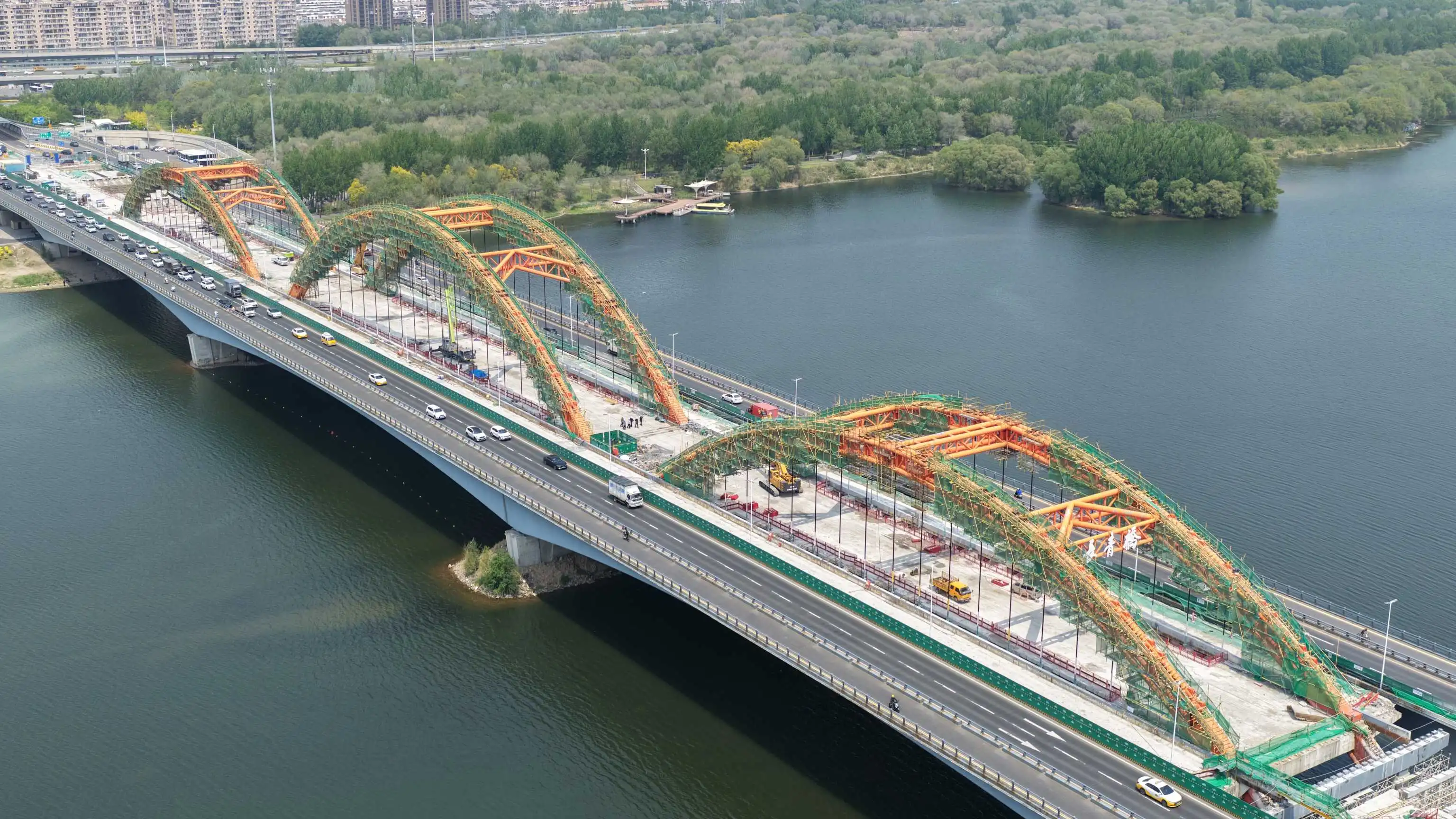
Important things to consider when building a steel arch bridge include the order of construction from foundation to finish. Bridge projects that go well follow a set of steps that keep risks to a minimum and keep plans on track. When foundation work is done, stable bearing surfaces are created that can withstand horizontal thrust forces, which make up about 30 to 40 percent of the vertical responses in arch bridges. When prefabricated arch pieces get to the site, they are already put together, which greatly reduces the need for field work and exposure to the weather. Our stentless rotation building method is an example of innovation: we lay out full arch ribs that weigh up to 8,000 tons next to where they will be placed and then use timed hydraulic systems to rotate them into place. This method gets rid of the need for risky work at high elevations and cuts the time it takes to build by months compared to the old way of putting up segments one at a time.
Advanced Fabrication Technologies and Customization
From the first idea to the finished bridge, digital accuracy is essential in modern bridge construction. Computer-aided design tools let us model complicated geometries, test different load situations, and find the best way to distribute materials before we cut the first plate. On very thick plates, CNC plasma and waterjet systems can achieve accuracy of ±0.2mm, making sure that everything fits perfectly when it's put together. Automated welding cells make sure that the quality of thousands of linear meters of important parts stays the same, and robotic systems protect against rust in the same way everywhere. We customize more than just the sizes; we also design arch rib shapes to meet specific span needs, adjust wind resistance specs based on local weather information, and add tracking features based on the owner's care philosophy.
Here are the capabilities that set advanced fabricators apart:
- BIM-Driven Coordination: Building Information Modeling brings together the design, manufacturing, and construction teams so that there are no problems on the job site and accurate amount tracking is possible throughout months-long production cycles.
- Modular Assembly Protocols: Putting bridges into separate, transportable units lets the plant keep an eye on quality while still being able to meet shipping requirements; our standard 20-meter arch rib modules make the best use of containers and improve operations for handling on-site.
- Real-Time Quality Documentation: Digital inspection systems store weld parameters, material certifications, and dimensional checks in searchable databases that meet the needs of owner reports and help with asset management efforts throughout its lifetime.
Quality Assurance and Safety Integration
Choosing the right materials is the first step in quality control. For each plate and structural piece, approved mill test results check the chemistry and mechanical properties. Non-destructive testing finds internal flaws that can't be seen with the naked eye. For example, ultrasound testing looks for laminations in thick sections, radiographic testing confirms that the weld has fused, and magnetic particle testing finds cracks that break through the surface. Using finite element methods to do structural analysis confirms that the design assumptions are correct under service loads, different stages of building, and unusual events like earthquakes. Safety includes more than just protecting workers. It also includes making sure structures are reliable. Our full-bridge tracking systems with more than 200 sensors keep an eye on things like temperature, vibration, strain, and movement, giving early warnings of strange behavior and using real performance data to confirm what the designers said would happen.
Advantages and Comparative Analysis of Steel Arch Bridges
Durability and Lifecycle Economic Performance
Pros and cons of steel arch bridges and a comparison show that when properly covered and kept, steel arches last a very long time. After decades of service, the Sydney Harbour Bridge, which opened in 1932, is still carrying current traffic. This shows that arch design is fundamentally sound. Lifecycle cost analysis shows that this option is better than others: concrete arches take longer to build and can react with alkali-silica in some places; suspension systems need expensive new cables every 50 to 70 years; and truss bridges have a lot of connection points that can rust, which adds to the cost of maintenance. Our anti-corrosion system, which includes 150μm aluminum thermal spray and fluorocarbon topcoats that meet GB/T 30790 C5M standards, protects for more than 40 years before major repairs are needed. This saves owners a lot of money compared to traditional paint systems that need to be replaced every 15 to 20 years.
Environmental Resistance and Application Versatility
Bridges in industrial settings are exposed to chemicals, high temperatures, and mechanical abuse that can be hard on less-than-sturdy systems. Our -60°C weathering steel technology makes it possible for things to work reliably in the Arctic, which is important for mining operations, northern logistics facilities, and energy infrastructure that needs to work in harsh circumstances. Corrosion protection is just as important near the coast, in chemical processing plants, and in wastewater treatment plants, where air pollution speeds up the breakdown process. The Q420qE grade we choose is tougher than standard Q420 material, but it still stays flexible at low temperatures, when the risk of brittle fracture rises. Because of this, arch designs can be used in a wide range of fields, from commercial real estate developers building iconic pedestrian bridges to oil and gas workers needing pipe supports that span processing units.
Proven Performance Through Iconic Case Studies
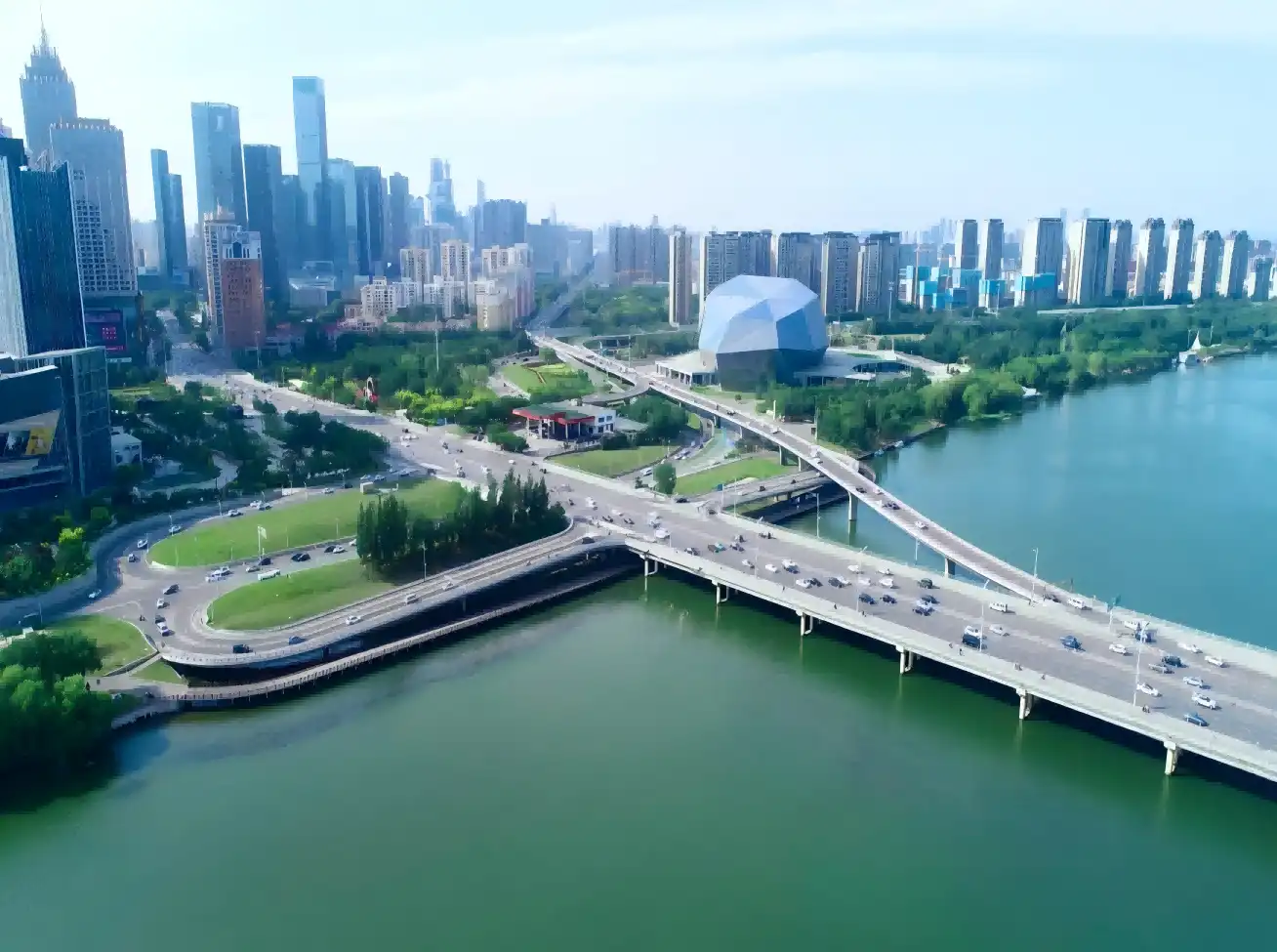
Iconic case studies show that the product works. The 162-meter span of the Tyne Bridge in Newcastle, which opened in 1928, was an early example of how steel arches could be used. It set design standards that are still used today. Modern examples show how far technology has come. For example, the Chaotianmen Bridge in Chongqing has a span of 552 meters, making it one of the world's largest steel arches. It also has earthquake protections because it is built near active fault systems. Our Shenyang Dongta Cross-Hunhe River Bridge is a great example of modern engineering. The 18,000-ton structure was built using stentless rotation construction to keep the river from getting blocked during installation. Traffic flow was kept up at nearby facilities, and the project was finished months ahead of schedule. These results serve as models that engineering teams use to compare arch solutions to the needs and restrictions of a particular project.
Procurement Insights: Selecting the Right Steel Arch Bridge Solution
Evaluating Supplier Credentials and Capabilities
To do effective buying, suppliers must be carefully evaluated in a number of areas. How to choose the best steel arch bridge solution for your needs starts with checking the manufacturing capacity of candidates to see if they can meet your deadline. Our 60,000-ton yearly capacity and 1,203-ton monthly arch rib production rate allow us to handle big projects without any problems. Quality systems are proven by certifications. For example, ISO 9001:2015 proves process discipline, EN 1090 shows manufacturing skill, and Class I Steel Structure Professional Contracting Qualification shows project delivery skill. A study of a supplier's portfolio shows relevant experience. Government engineering companies look for suppliers with a history of working on projects for the public sector, and renewable energy developers look for fabricators who know the needs of the power industry and how to meet environmental standards.
Technical capabilities matter equally—it's also important to know if the provider uses BIM planning, keeps up-to-date on welding procedures for the materials you've chosen, and runs testing labs that meet national standards. Site visits let you see for yourself how well the equipment is working, how skilled the staff is, and how well the place is kept, all of which are factors that affect the quality of the results.
Understanding Cost Structures and Value Drivers
The finances of a bridge project include the cost of materials, work for fabrication, surface treatment, transportation, and placement in the field. Each of these areas has ways to be better. Even though they cost more per unit than regular types, high-strength steels like Q420qE make projects lighter and smaller, which saves money on materials and makes them easier to handle. Prefabrication focuses workers in controlled factories where productivity is higher than on-site rates, and flexible delivery cuts down on the time spent on-site and the costs that come with it. Transportation costs are lower for businesses that are close to fabrication ports or that can handle multiple types of logistics. Our Shenyang plant is close to both rail and highway access as well as container docks that serve North American destinations.
When you talk about value engineering with experienced suppliers, you can often find savings that weren't included in the initial quotes. For example, different connection details that eliminate the need for field welding, better segmentation that lowers the cost of shipping, or changes to the construction schedule that reduce traffic delays and the penalties that come with them. When purchasing managers treat suppliers like partners instead of just sellers, they can take advantage of these chances and build relationships that will help future projects through institutional knowledge and better capacity distribution.
Leveraging Market Intelligence and References
A company's name in the industry gives buyers more trust than marketing claims. Referrals from similar projects show how responsive the provider was during the planning phase, how well they stuck to the schedule even when problems came up out of the blue, and how well they handled support issues after delivery. Trade groups like the American Institute of Steel Construction put out case studies and keep files with information about finished projects and who is responsible for them. Direct interviews with clients reveal important information about how well they communicate, how they solve problems, and their financial security. All of these are important things to know before committing to multi-month production cycles with progress payment systems that make everyone dependent on each other. Market research also affects how to negotiate. Knowing about current steel prices, fabrication shop loading factors, and transportation rate trends helps procurement teams figure out if quotes are fair and find negotiation leverage points where suppliers can be flexible without hurting their bottom line or your quality standards.
Maintenance and Long-Term Performance Optimization
Addressing Common Deterioration Mechanisms
Maintenance work and improving long-term performance for a steel arch bridge involves taking care of common mechanisms of deterioration. During their working lives, steel bridges are bound to run into problems. Corrosion attacks surfaces that aren't protected, especially in places where water builds up and coats get damaged mechanically. Fatigue cracks start where there is a lot of stress from cycle loads. Weld toes, coped beam ends, and bolted joints are all places that are easily damaged and need to be checked regularly. Thermal changes and traffic vibrations wear down bearing elements, which lose their ability to do their job over time until they need to be replaced. Preventative maintenance programs find these problems early on, when they are still easy and cheap to fix, instead of waiting until they need major reconstruction.
Inspection Protocols and Predictive Technologies
Our method builds longevity into the plan from the start, instead of adding it as an afterthought. Closed box parts keep wetness from building up inside, which can cause rusting that can't be seen. When compared to reinforced features, ground-flush weld shapes get rid of stress concentrations. Scheduled repair can be done without big structural changes when bearing parts are replaceable. These methods increase the time between upkeep, lower the costs over the lifecycle, and increase the availability of infrastructure for owners who put operating continuity first. Visual inspection, hammer sounds, and spot measures are the main methods used in traditional twice-yearly inspections to check for damage. Maintenance goes from being reactive to being proactive with the help of advanced tracking systems. Our full-bridge equipment, which has more than 200 sensors, continuously monitors the behavior of structures, finding problems right away.
Retrofit Strategies and Capacity Enhancement
Data analytics take raw sensor sources and turn them into information that can be used. Machine learning systems set standard patterns of behavior and then mark changes that need to be looked into. Maintenance teams get prioritized work lists based on the real state of the building instead of random intervals. This technology is especially helpful for owners who manage bridge portfolios in different places, because centralized tracking makes condition-based repair strategies possible. Bridges that are already in place often need to be upgraded to handle more traffic, last longer, or meet new design standards. Some ways to make something stronger are to add steel plates to important parts, post-tension arch ribs to change how forces are distributed, and replace old deck systems with new ones that are lighter and require less dead load. Phased implementation methods keep the facility running while it is being built, so customers aren't too affected and toll facilities can keep making money.
Conclusion
In conclusion, when designing steel arch bridges, you need to think about things like structure principles, building methods, material choices, and lifecycle management strategies. All of these things affect how well the project turns out. When purchasing managers are looking for solid, low-cost options, they should work with experienced suppliers who can do everything, from the initial engineering to ongoing support. Modern materials like Q420qE steel, new ways of building like stentless rotation assembly, and integrated tracking systems are what's considered best practice right now. They offer better value in a wide range of situations. As the world's infrastructure needs grow, arch bridges have been shown to be effective because they combine structural efficiency, artistic appeal, and long-term economic performance that meets the needs of all stakeholders over many decades of service lives.
FAQ
What span ranges are practical for steel arch bridge applications?
Depending on the needs of the project, steel arch bridges are a cost-effective way to span a wide range of distances. Medium spans, between 100 and 300 meters, are where arches really shine compared to girder and truss options. They look better and give you more room without the hassle of cable-supported systems. It is still possible to build spans longer than 500 meters, but it becomes project-specific how much they cost compared to suspension bridges. Arches are sometimes used for architectural reasons on short lengths less than 50 meters, even though easier options are more suitable from a structural point of view. In addition to structural factors, site limits such as foundation conditions, clearance requirements, and building access have a big impact on the best span choice.
How do environmental conditions affect steel arch bridge design specifications?
During the engineering process, environmental factors affect many design choices. Corrosion exposure determines the choice of protected system. Our 150μm aluminum spray with fluorocarbon topcoat is designed to work in harsh settings where regular paint systems would fail quickly. Extreme temperatures can change the grades of materials. For example, Q420qD steel stays tough at low temperatures, while normal grades become weak and more likely to break. Wind loads change the shape of arches and the amount of support that is needed, especially for high bridges that are in open places. In areas where earthquakes are common, seismic rules change the details of connections, the materials that can be used, and the plans of foundations. A full study of the site during the basic design phase makes sure that the specifications take into account the real environmental problems, rather than using general rules that might not work or be too conservative.
Partner with Zhongda Steel for Your Next Steel Arch Bridge Project
For your next steel arch bridge project, work with Zhongda Steel. Choosing the right steel arch bridge manufacturer has a big impact on the whole project, from the original budget to the bridge's success over many years. Zhongda Steel can help you with your infrastructure problems because it has been specialized for 20 years and combines advanced production skills with tried-and-true building innovation. Our 120,000 m² facility, which is equipped with precision manufacturing technology, makes sure that the quality of every part is the same. Additionally, our engineering team offers full support, from initial design advice to help with installation in the field. Get in touch with Ava@zd-steels.com right away to talk about your specific needs and find out how our Q420qE steel arch bridge solutions, which come with ISO certifications and have been used in major projects, can turn your idea into long-lasting infrastructure reality.
References
Chen, B. & Wang, T. (2019). Steel and Composite Structures: Behaviour and Design for Fire Safety. London: ICE Publishing.
American Association of State Highway and Transportation Officials. (2020). AASHTO LRFD Bridge Design Specifications, 9th Edition. Washington, DC: AASHTO.
Zhao, X., Hu, Y., & Zhang, L. (2018). Advanced Analysis and Design of Steel Arch Bridges. Beijing: China Communications Press.
European Committee for Standardization. (2006). EN 1993-2: Eurocode 3 - Design of Steel Structures - Part 2: Steel Bridges. Brussels: CEN.
Troitsky, M. S. (1994). Planning and Design of Bridges. New York: John Wiley & Sons.
Ryall, M. J., Parke, G. A., & Harding, J. E. (2000). The Manual of Bridge Engineering. London: Thomas Telford Publishing.
YOU MAY LIKE
_副本_1754121416739.jpg "Prefabricated Steel Structure Stadium")
_1746262121950.webp "Floating Platform Pontoon Module")